Transcripts
1. One Illustration, Seven Possibilities : Mm hmm. Have you ever created an illustration
and thought, now what? Or wondered if your
art could do more for you? Well, it probably can. In this class, I will
share seven practical ways I've used one illustration
to build my portfolio, promote my business, create
more evergreen income, and attract new opportunities. Hi, I'm Lisa, a freelance
illustrator who loves sharing tips with creative folks while encouraging a happier
art practice. My illustrations have been
published in picture books, on greeting cards, and used
in gift and home decor items. And I want to share
actionable advice to help you think more like a
creative entrepreneur. This class is perfect
for all levels, whether you're just
starting out or looking for fresh ways to make
the most of your art. One illustration, multiple uses. By the end of the class,
you will understand that your art is both a
passion and a product. Shift to a more
productive creating with purpose mindset and have a
plan to diversify your income. Are you ready to begin? Then
let's head on into class.
2. Part 1: Think Like a Creative Entrepreneur: Your art is more than
self expression. It's a tool. And when you
approach it this way, you shift from
creating solely for yourself to thinking about how your work can serve others. Think of your art as a bridge that can help you
connect with people. Your art can tell a
story, I can inspire. Your art can
generate you income, and your art can also
inform and teach others. Your passion drives
your creativity, right? It's the reason you pick up the pencil
in the first place. But you need to think about
how your art can do more for you beyond just a tool
of self expression. Consider a few questions
before you start sketching. Who is this piece for, and what value is
it going to bring? Or what do I want to achieve? What do I want to say
with this illustration? Map out the journey of
this piece in your mind. You know, consider the purpose before you sketch, then sketch. Consider the product
it could be. Consider the audience
it could reach. What outcome are you hoping for? Mapping it out this way helps
you wear these two hats. We have the artists hat, which is always easier to wear, in my opinion, and the
strategic thinker. Together, using these hats together creates a more
sustainable, fulfilling practice. You'll no longer feel like
your art is being wasted or falling on deaf ears because
you have a plan for it. And in this class, I'm going to share
how you can have multiple plans for it. So I want to encourage
you to just be more intentional with your art and with your very next project, define its purpose
before you start.
3. Part 2: Oh the Possibilities: Okay. There are so many possibilities for what we could
do with our art. But in this section, I
am going to focus on seven ways I repurposed
one illustration, starting with the first, which was using it as a
portfolio piece. Now, this might seem like
a bit of a no brainer, but I do think we have to be selective in what we
put in our portfolios, and we have to consider the
type of portfolios we have. So I use two different types. I have my online portfolio
that's part of my website, and I have a more
traditional book of art that could
be flip through. So if I'm at a conference or event, I could
bring it with me. I like having options
with my portfolio, so I enjoy having both the digital version
as well as the print, but that's totally up to you. Okay, so now
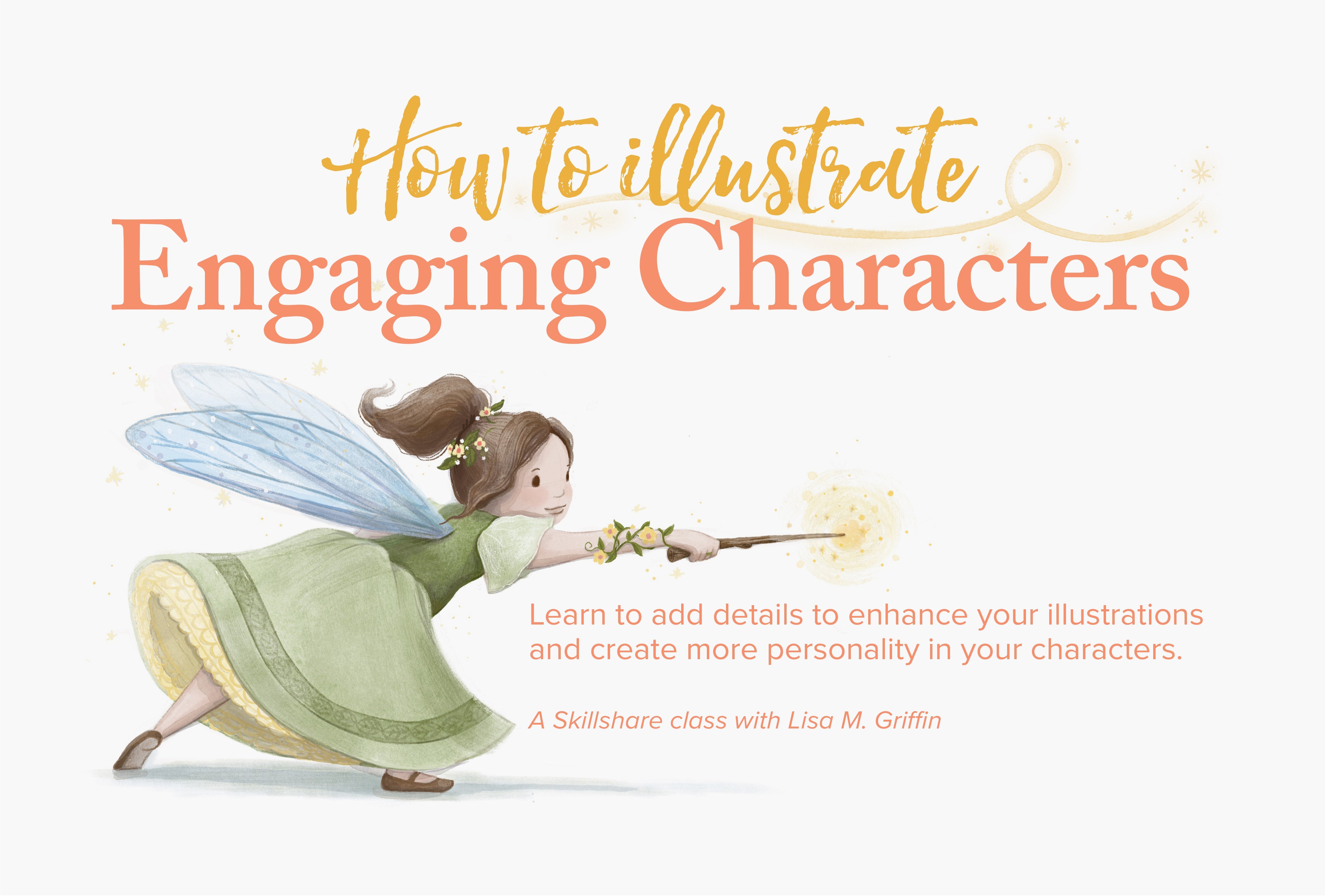
possibility number two. I used the Woodland Fairy
as a promotion piece. Similar to the portfolio, I think we need to be careful
about what we put forth. I believe promotion is most effective when you have
a purpose in mind. So what do you want this
illustration to do? Is it supposed to connect with an audience or sell, educate? So think about that before you decide what you want
to do with the art. An example of this
is how I shared the Woodland Fairy
illustration on Instagram. What purpose do you
think I had in mind? It was to connect. I love posting on social
media to connect. I think, you know, it's social
media for a reason, right? Whether you decide to
promote your art as a postcard or in a newsletter
or on social media, consider the purpose
of that promotion. Are you using it to
build relationships, or do you want to
promote your art and creative services or an event
that you might be going to? What's wonderful about this is by using your art
in different ways, you can have different
purposes in mind as you do so. Next would be possibility
number three, and that is a shop item. I usually put illustrations in this dedicated shop page that
I have right on my website, and I have both digital
and physical prints, as well as a few gift
items and stickers. I love having passive income on my website because it just works in the background for you. And it also helps with my SEO. My Woodland Fairy illustration, I actually put in the shop
as a limited edition print. It actually was not offered
as a digital download, even though I would say I do usually post quite a
few digital downloads. I just think it's a great
way to make art accessible. It's more cost
effective and it pretty much can be accessed by
anybody around the world. Plus, it's Evergreen. So I am a big fan of
digital downloads, and you don't have to
worry about anything being lost in the mail,
which is another plus. And technically, the
Woodland fairy was in my shop as part of a
digital paper bundle. I used the illustration as
sample art because some of the papers that are
in the bundle I used while making
this illustration. Which is a good example of two purposes to both
sell and inspire others. Okay, possibility number
four is a greeting card. I love greeting cards. So greeting cards would
fall under art licensing. And in simple terms, art licensing is renting
your art to a company so that they can use it on
a product or gift item. And it's usually for a specified term and
in a specified market. So with greeting
cards, for example, the typical terms that I've
signed are about two years. So yeah, they are
just so much fun. I just love the mix of art and design when it comes to
creating greeting cards, and it's just so many holidays and fun things you
can do with them. Another thing I would
love to try someday would be to license
my art for puzzles, putting that out
to the universe. Oh, we're already up to
possibility number five, and this is gifting. This is just a way
of giving back. I think it's nice to sometimes just share your
art in a thoughtful way. And gifting and illustration
does just that. Every month I send
out an art hug, which is a PDF digital download to my creative crew members. It's a thoughtful way to
connect with other people. So as you just heard, the purpose for this one, again, is connection to
connect with people. Possibility number six. Okay, this is another fun one, in my opinion, and
it's education. I think it's important to share what we do to
share with others. I think that's how we learn
and we're inspired is by seeing other creatives watching their process,
learning from them. And with my Woodland
Fairy illustration, I've used it in this class, not just as a decoration, but to show you how much
one piece of art can do. I mean, I've used it in
promotion and marketing. I've used it as a
time lapse video, which if you work in
Procreate is so easy to do. It's to record your work and then export it and
share it with others. And I don't know about you, but I'm always curious to see another artist's
process in action. And last but not least is
possibility number seven. Coloring books. Okay. This
is a new fnd of mine, and, again, love it. It's so much fun. I took my Woodland
Fairy illustration and recreated it as part of my
touch of whimsy coloring book, which was the first coloring
book I ever self published. I literally traced over
the existing illustration, simplifying it into these very, you know, just lines.
It was linework. And that entire process
was almost meditative. It was relaxing. I
could do it in bed. I'd watch a show
and just sit there and trace over this
little illustration. So it was fun revisiting
my art in that way, putting out a coloring book, it's a way of connecting
with your audience, and it's almost interactive
because now they're able to put their personal
touch on your art. If self publishing
a coloring book seems daunting, I get it. But you can also put
out a coloring bundle, and that could be a digital
download on your website. So there you have
it. One illustration and seven possible things
that you could do with it. I hope you thought
some of those were fun because I know they're
very personal to me. The key is to think
beyond creating to create and think more of
creating with purpose. In the next section,
we're going to focus on brainstorming so that you can explore ways to
repurpose your art. This would also be a great
time if you haven't already to download the repurpose
your art workbook that's included in class. And
4. Part 3: Brainstorming Ideas: Now that we've
explored seven ways one illustration
can be repurposed, it's time to think about how you can do that with your art. This session is going to focus on answering
questions to help you decide how you want to repurpose your art and achieve
your creative goals. I want to remind you there's
also a download available. It's a class workbook that you
could use in this section. You might find it
rather helpful. And last but not least, consider one illustration, an existing
illustration that you can use as part
of this exercise. Let's answer a few questions
now so we can really dig into all the creative
possibilities for you. What is the purpose
of this illustration? What do you hope to gain? So think about, does this will this illustration inspire or
could you use it to educate? Could you use it to connect with an audience or sell a product? Speaking of audience,
who is your audience? Is this art meant for clients or customers
or your community? This can sometimes be tricky, so let's narrow this down a bit. So if it's for your community, think about the community you want to build
around your art. Is it going to be fellow
creatives or collectors? Is it a specific niche? Or maybe you're more
focused on finding your ideal customer because your goal is to sell something. So, if it is an ideal customer, consider who would buy your
art. What do they value? Where do they shop? Where do they look to find new artists or
creative services? If your goal is to
pitch your work, consider the company that you would like to
pitch your work to. What industry are they in, and does it align
with your style? Who is their customer base? And does your style
resonate with their target audience
and their interests? Once you know your audience, then it's time to ask yourself, how can this
illustration do more? What other uses could it have? Could it be a sticker or a pin? Could you turn it into a
pattern for wrapping paper? Consider how you want to use it to reach new buyers and clients. Now we're going to kick off
your brainstorming session. Any idea that pops into your
head, just write it down. It might not be something
you can do right now, but that doesn't
mean you won't want to pursue it in the future. Just let the ideas flow. I'm calling this the Idea generator time because I came up with several ideas to hopefully
spark even more for you. And if they don't
spark, that's okay. Maybe you see a
bunch of ideas in this list that sound
really exciting to you. And you can always refer back to this list if you're
looking for inspiration. So now we're going to
map out your idea, and this is what
I want you to do. You're going to have that one illustration
you've already created. You're going to select one goal that you want to do
with that illustration, and you're going to write down three possible uses to help
you reach that one goal. If you downloaded the workbook, there's actually a sheet
in there that you can use. Here's an example. If you want to grow
your audience, three possible uses
could be freebie. So give away a digital print with email sign up
for newsletter. You could create a
PintresPin and then add it to a board and drive more
traffic to your website, and you could collab
with another artist and do a combined giveaway. I also want to point out that sometimes it's easy to
feel overwhelmed when we have a lot of choices or options at our disposal,
and that's okay. We've all been there.
It's totally natural. Instead, I want you to focus on taking small steps in the
direction you want to go. Think of it as these
stepping stones, a series of stepping stones. And this idea is your
very first stone, coming up with the idea that excites you the most something
to do with your art, whether that's making
a sticker out of it or turning it into a
coloring page bundle. Focus on one purpose one idea, one opportunity at a time. And be willing to experiment. There are plenty of ideas that I tried
that just fell flat. And again, that's okay. It's that continual
progress that matters more. And realize that you've already taken your
first step just by taking this class and understanding what is
possible with your art.
5. Thank you + Class Project: Remember that every
piece of art you create has the potential to
serve a bigger purpose, whether that's to connect
with an audience, inspire others, or
generate income. Also, your art should do more than just take up space
in your portfolio. A good rule of thumb is, as you make new art, pull out old and replace
it with something new. I hope this class has provided
you with some ideas on all the wonderful opportunities there are to repurpose our art. And with all this new
knowledge and motivation, I want to encourage you to participate in
a class project. And you can do that by selecting one of your illustrations and share with the
class three ways you plan to repurpose it. I know it can feel intimidating
to share our work, but I promise you,
the more you do it, the easier it gets. I really enjoy
sharing information with other creatives
and hope this helped you gain
some ideas on how to build a more sustainable
creative practice. I do check in on Skill Share
a few times each week. So if you have a
question, feel free to include it when you upload
your class project. I do my best to respond
to each and every one. Thanks again and happy creating.
 Lisa Griffin, Illustrator