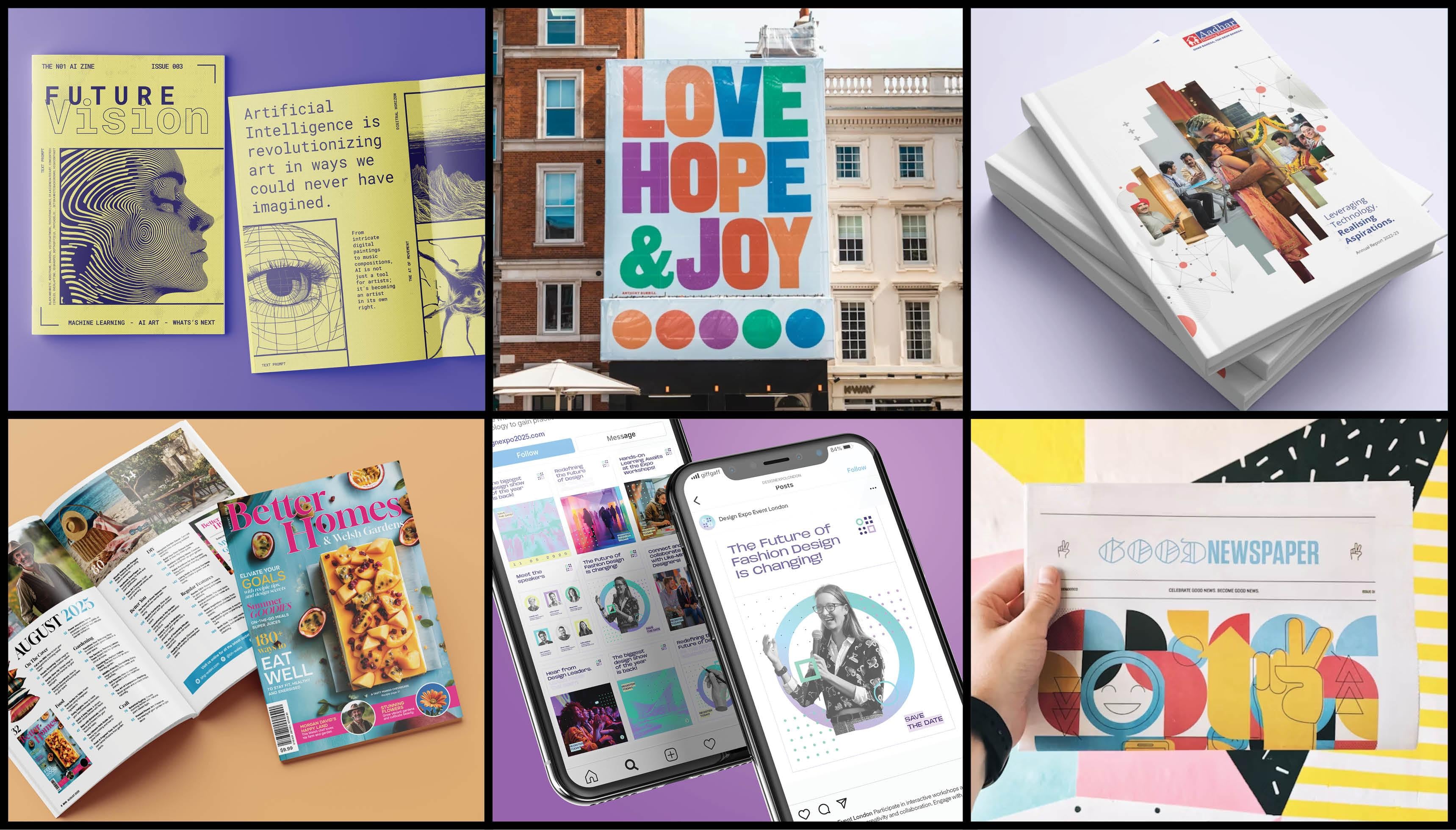
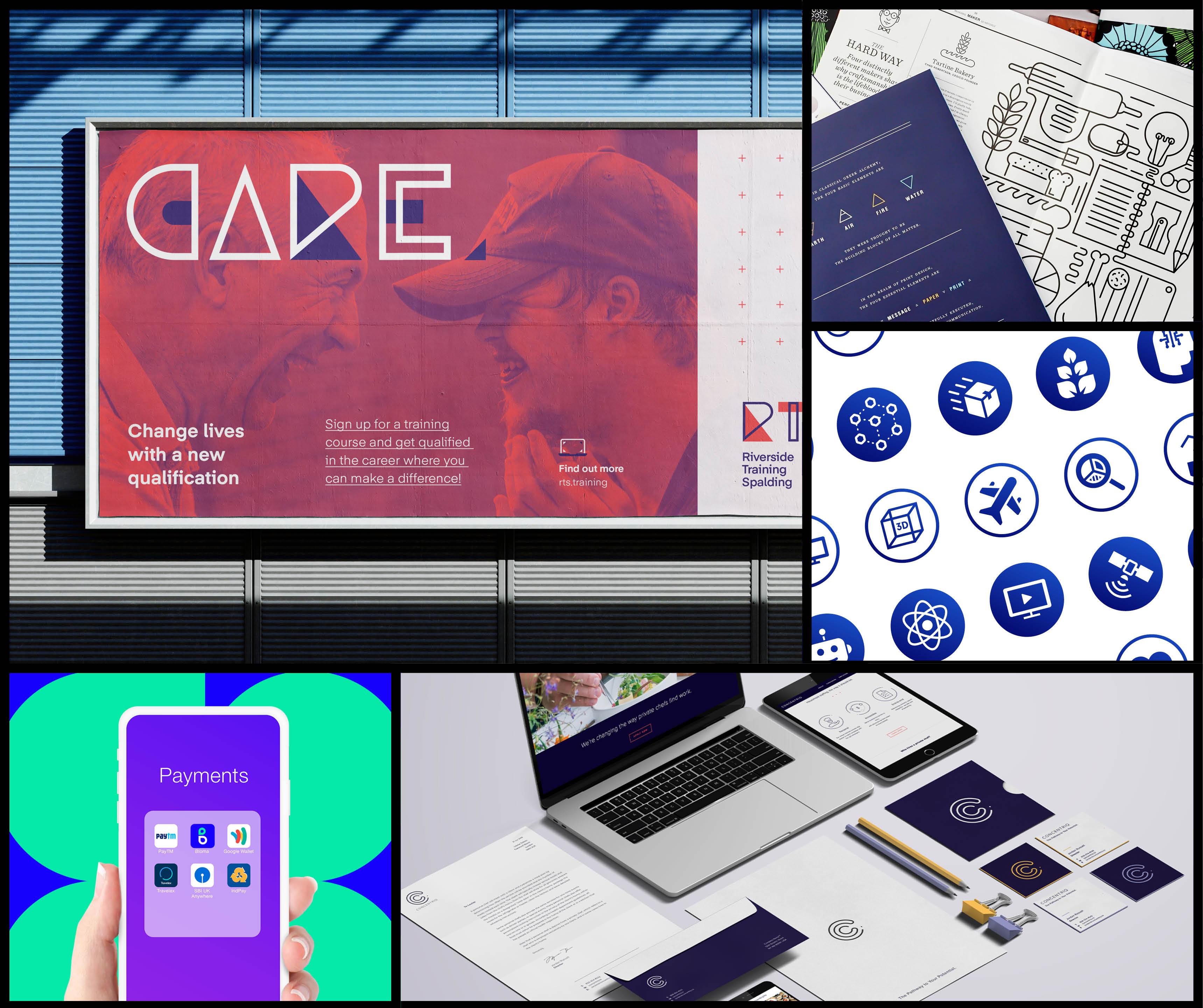
Transcripts
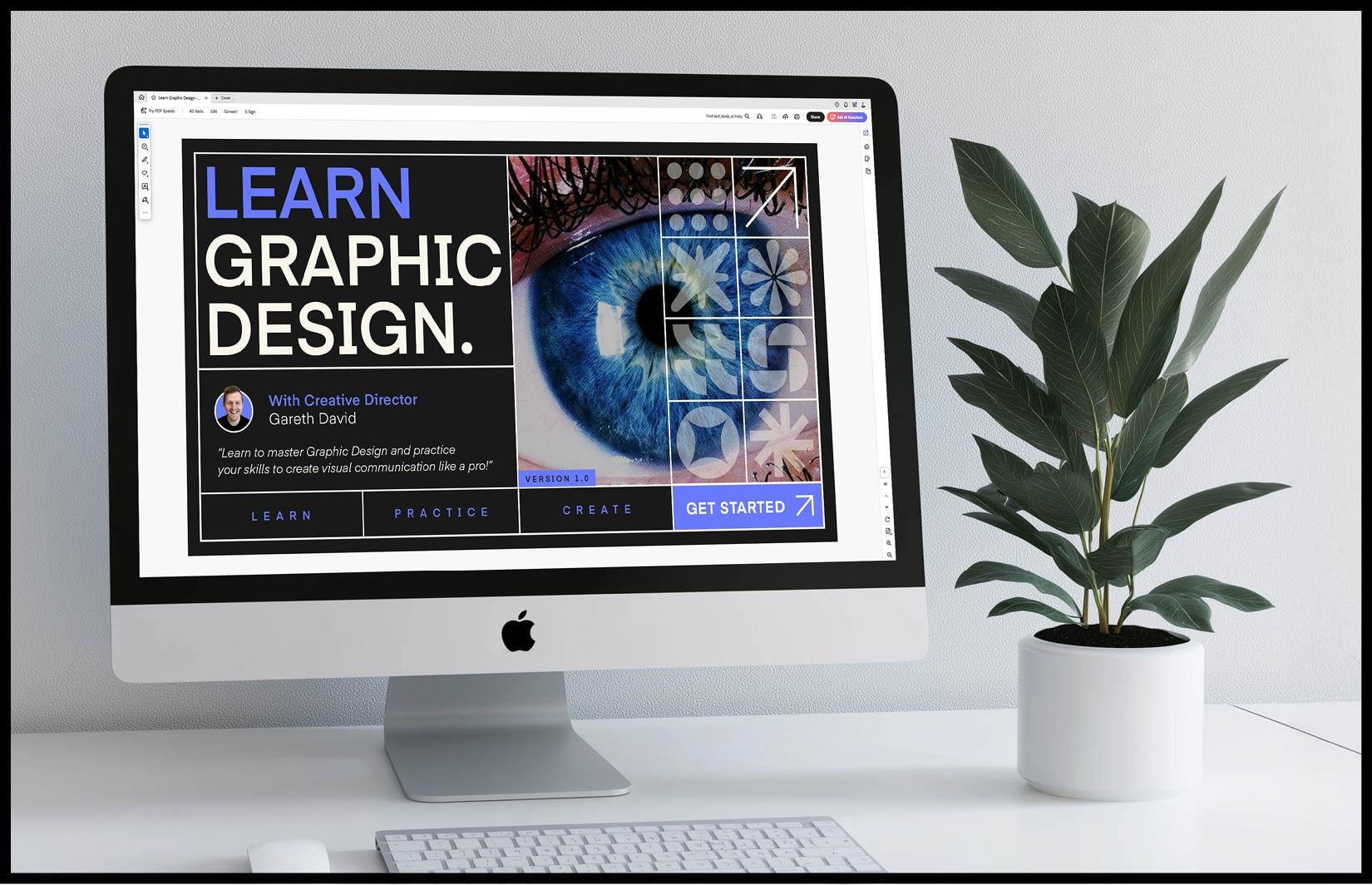
1. Learn Graphic Design: Class Introduction: Graphic design has never been more important
than it is today. In a world filled
with noise, content, and constant communication, good graphic design is what
helps ideas stand out. Every business, brand, product, and platform needs
to communicate, and more often than not, they do it visually. That's why graphic design
isn't just a useful skill. It's a creative superpower. Now, as technology
changes and tools evolve, the need for strong, clear and compelling decision making
will never go away. If you're curious about design, thinking of starting
a creative career or simply want to understand
how design works, this class is for you. Whether you're a total beginner, someone switching careers or even a marketer or small business owner who
works with designers, this course will give you
the essential foundation to understand and apply the
principles of great design. Hello, and welcome to this
graphic design class. My name is Gareth David, and I've worked in
graphic design for over 15 years across
both print and digital, from logo design to branding to event design to social
media and more. As a design director,
I freelanced with agencies and clients
all around the world. And over that time, I've seen just how much the
industry has evolved. In all of my experience, from client work to teaching, I've developed a deep
understanding of graphic design, and this is where I'll
bring it all together. Whether you're just
starting out or looking to sharpen
your foundation, I've built this class to give you the essential knowledge you need to understand
graphic design and hit the ground running. Everything you learn here
reflects the kind of content taught in design
schools and universities, distilled into clear practical
lessons to help you unlock your creative
potential and build a strong foundation in design. So I can't wait to
share it with you and help kick start your
journey as a designer. So in this class,
I'll be walking you through many
fundamental aspects of graphic design you
will need to be aware of from what graphic design is, the visual elements
of graphic design, the core principles of design, what makes a good designer, and I'll cover the design
process from start to finish. These are the fundamentals. So this class will give you
a solid understanding of how design works and how to begin
thinking like a designer. Finally, as part of this class, there is a downloadable PDF that will help you keep on top
of your learning journey. So if you're ready to
learn, get inspired, kickstart your journey into graphic design,
let's get into it.
2. Before You Begin: So before we dive
into the class, there is one thing
I recommend you do to get the most
out of this class. This class comes with a PDF that contains everything you'll
need to follow along. This PDF will give you a comprehensive
overview of this class, outlining every video contained, which will help you
track your progress and come back to at any
point in your journey. And it also includes links to other graphic design classes
I have here on Skillshare, where you can continue
your design journey. So before you
begin, head over to the project description section and download the class PDF. Once you've downloaded
the class PDF, you'll be all set
and ready to go.
3. Your Class Task: Before we dive in, let's take a moment to talk about
your class task. Now, this class is a little different from my other
Skillshare classes. The purpose here isn't to complete a hands
on design project. Instead, this class is all about understanding the
fundamentals of graphic design. It's designed to give you the essential
knowledge and theory you'll need before jumping into creative projects
in future classes. So your task for this
class is simple. Watch each video, absorb the
key ideas, and take notes. These foundational lessons will help you develop a
deeper understanding of design and give you
the language and tools to start thinking
like a designer. To support your
learning, there's a downloadable PDF that
goes along with the course. It includes a summary
of each lesson and links to other
Skillshare classes where we'll expand on
these fundamentals and start building real
design projects from scratch. So once you've
completed this class, you'll be fully prepared to take the next step in your
creative journey. So with that said,
let's get started.
4. What Is Graphic Design?: Graphic design is everywhere. It's where creativity
meets strategy, where logic meets beauty and
where ideas become visual, from the apps on your phone to the packaging on your
breakfast cereal, from street posters to
your favorite brands logo. But what actually
is graphic design? Is it just making
things look good? Is it art or is it
something else entirely? Let's discuss what
graphic design really is, how it works, what
it consists of, where it came from, and
why it might just be the most important form of communication in
the modern world. So what is graphic design? So at its core, graphic design
is visual communication. It's the practice of using visuals like type, color, shape, and imagery to communicate ideas, messages,
and information. Graphic design helps inform, persuade, guide, and inspire. Every design has a message, and the job of the graphic
designer is to make sure that message comes through clearly and powerfully
using visuals. It's not just about decoration,
it's about purpose. As human beings, we are visual
by nature and have evolved in a visual world where we respond instinctively
to visual cues. Graphic design is like
a universal language that resonates across
cultures and backgrounds. So where do we see
graphic design? The answer, literally
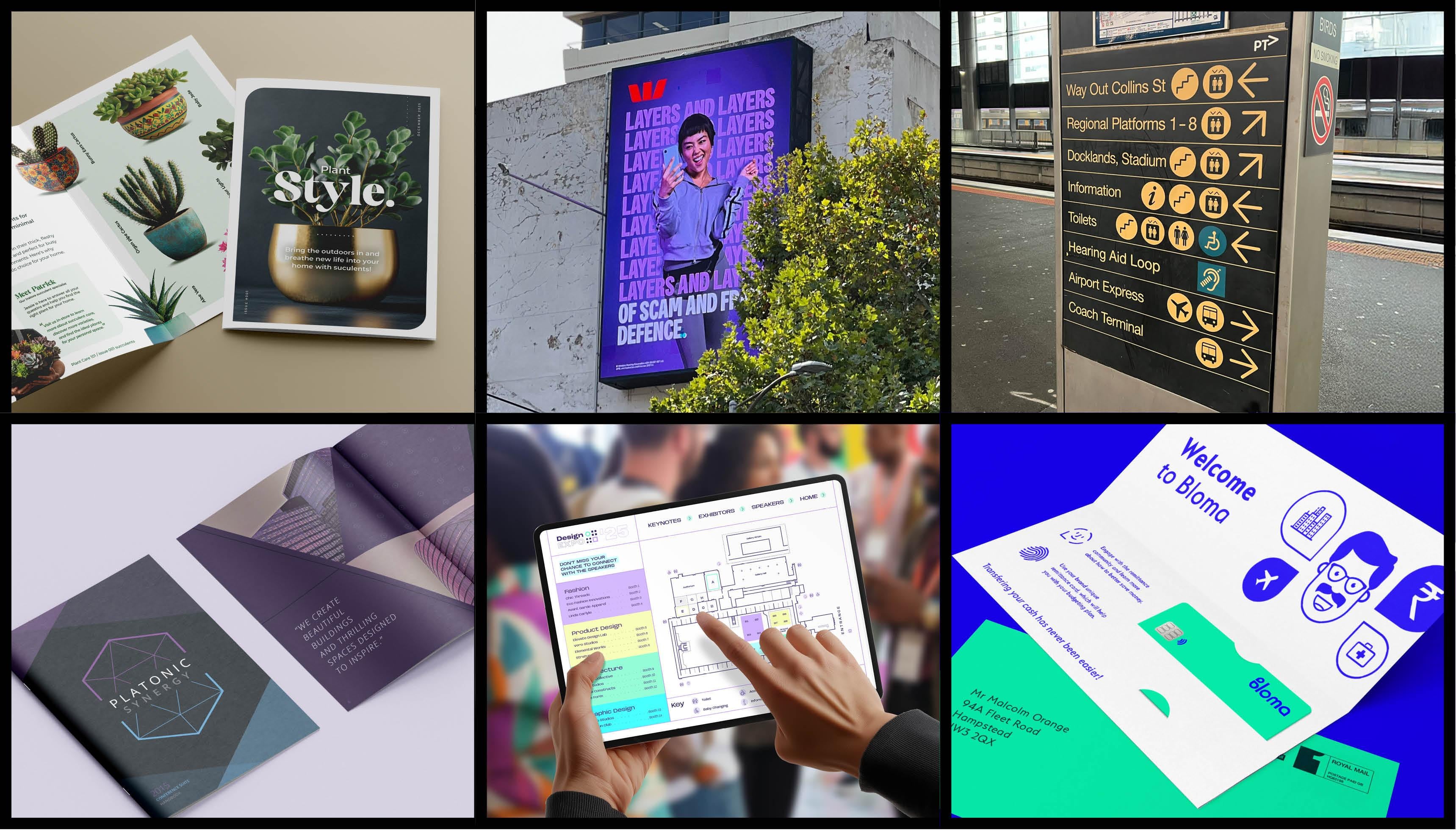
everywhere. It's in the logo on your shoes, the layout of a magazine, the banner of a website, the icons of an app, the instructions on
a medication label, in social media posts, wayfinding at your
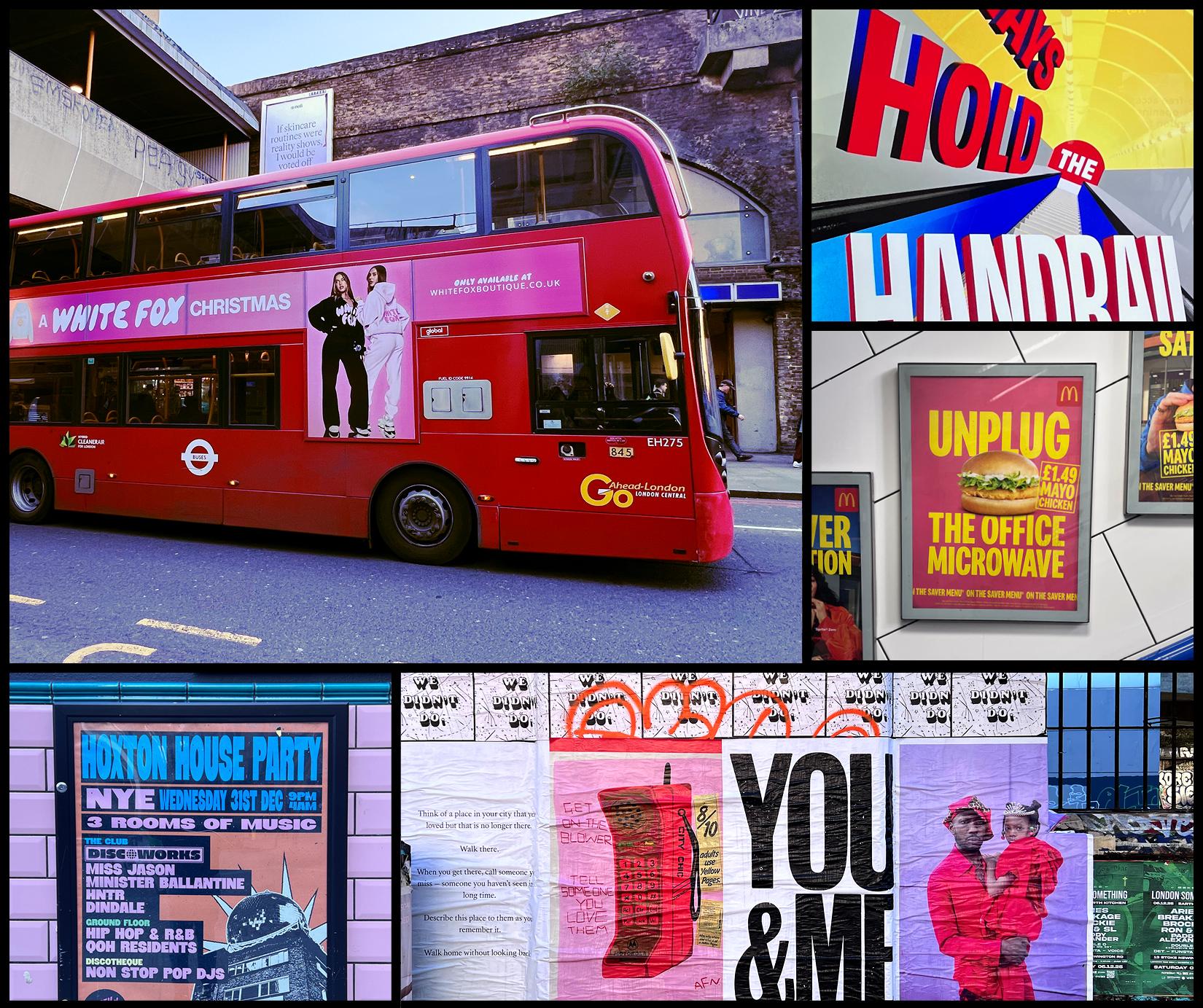
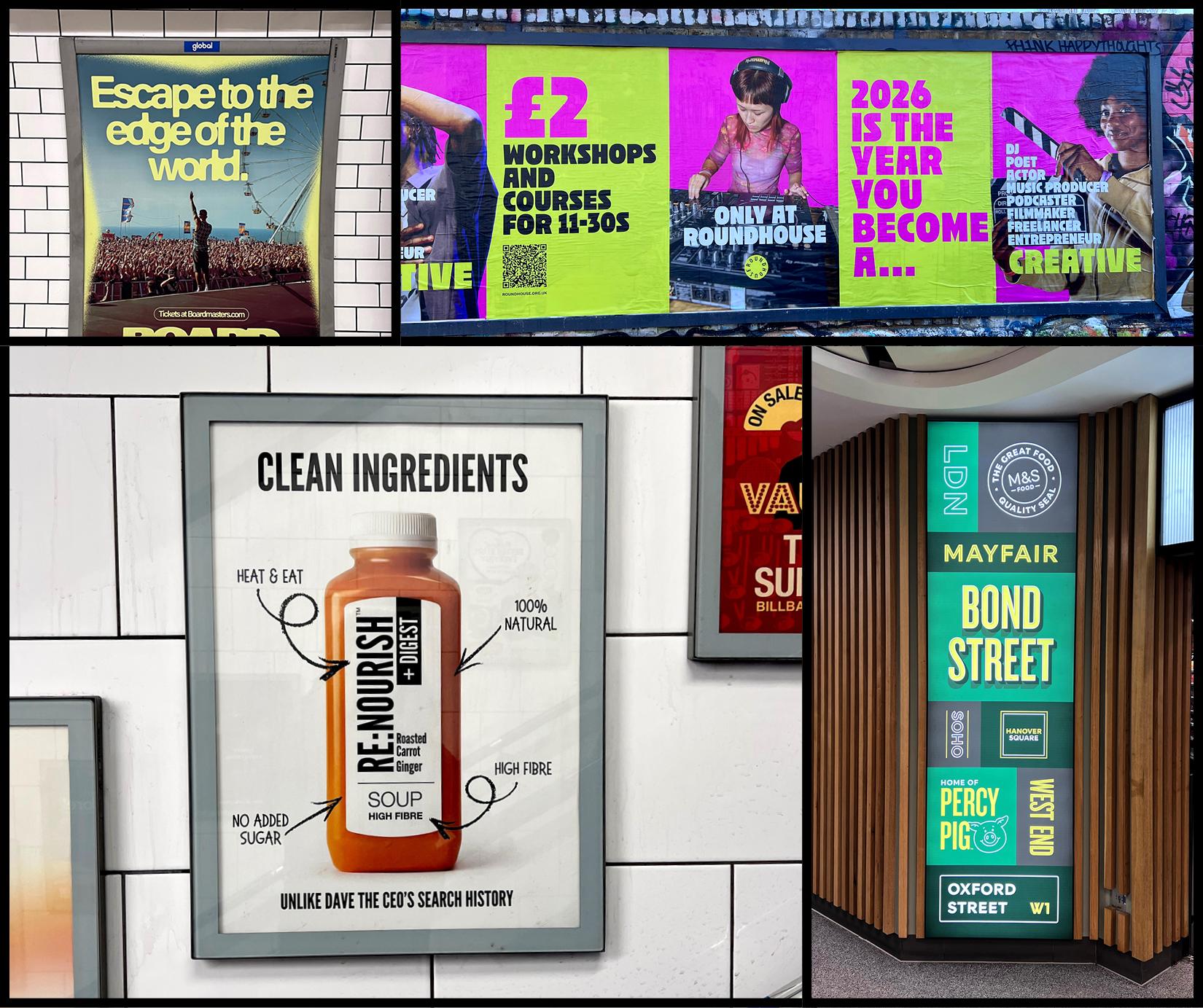
local train station, and in the advertising we
see in urban environments. Graphic design lives across both physical and
digital spaces, shaping how we engage with
the world around us and touches on everything we
interact with on a visual level. So what does graphic
design consist of? Well, with graphic design, we have two key parts. We have graphic and design. First is graphic,
which is visual the graphic aspect is associated
with art, imagination, and expression
involving many types of media such as drawing, painting, engraving,
lettering, and collage to give clear
and explicit detail. Now, the graphic part
of graphic design is made up of visual elements, the building blocks of design. The visual elements
that combine to create graphic design include
the following shape, form, color, space, texture,
typography, and photography. Now the second part is design, which is strategy, strategy on what to
do and how to do it. Design is to understand
a brief and then develop an idea of what to do
before anything is made. This is done through
research, contemplation, exploration, consideration, and planning to achieve
a specific outcome. Once an idea is established, this will influence how
to use visual elements in purposeful ways to communicate a message to create a
desired impression. Put simply design
is understanding, problem solving, and strategy. And involves a design process
to determine such outcomes. Now, when it comes to executing ideas and concepts visually, to achieve specific
look and feel outcomes, there are rules that
can be considered. These rules are
called the principles of visual design and can help us arrange elements in ways that create meaning,
impact, and clarity. The key principles
of visual design are contrast, hierarchy, alignment, balance, proximity, repetition,
simplicity, and function. These principles all have
a relationship with each other and appear in every well designed
piece of work you see. A good grasp and practice
of design principles will mean there is always a clear
strategy behind your work. When we bring visual elements and the principles of
visual design together, we have graphic design. And when it's driven by
a suitable strategy, we have great graphic design. So in summary, through the harness of
artistic expression, a graphic designer selects
visual elements and arranges them strategically
to communicate a message, create an impression, to
achieve a specific goal. Now, graphic design isn't new. Humans have been using visuals to communicate for
thousands of years. Cave paintings, hieroglyphs, Roman inscriptions and
illuminated manuscripts, to name a few, are all early forms of
visual communication. Graphic design as a profession, took shape with the invention
of the printing press. Grew during the industrial era with posters and advertising and really exploded in
the 20th century with movements like Bauhaus, Swiss design, and the
digital revolution. Today, we live in a world where graphic design is more
relevant than ever, shaping our digital and real world experiences
every single day. Now, graphic design exists across a range of
creative disciplines, each specializing and focusing
on their given outcomes. So what makes graphic
design different? Well, graphic design is
all about communication. That's what separates it from other types of design
like interior, product or fashion design, which are often about aesthetics and function in a
physical sense. Graphic design
exists in the space between clarity and creativity, solving problems
visually with intention. It's not created
to dress, protect, or decorate, but to connect,
inform and persuade. So what graphic design isn't? Now, keep in mind, graphic
design is not drawing. Graphic design is not painting. It's not creating a poster or a quick logo
on your computer. It's not playing
around in Photoshop, Illustrator or Canva. These things are a means to an end and skills
in their own right. Graphic design isn't throwing type and image into a layout, applying filters,
and hoping it works, and it certainly isn't
following design trends. Remember, graphic design is the organization
and presentation of information developed
through a creative process for a particular outcome. It's not about making things look cool
without thinking why. There should always be a reason, a why for the choices made. Good design has logic behind it, where every element should
support the message. So design isn't decoration, it's problem solving, which is done through a
design process. In graphic design, we first seek to understand the
brief or message. Then we research,
think, imagine, and develop a concept that visually communicates
the information, telling a story or conveying an idea in a clear,
impactful way. It's only once we
have a solid idea developed through
the design process, we can use our
skills with layout using design principles
like color and typography, image, and creative tools
to bring that idea to life. Once upon a time,
that would have been crafted with just
the aid of a pencil, a paintbrush or an
airbrush on paper. Today, it's all those
things and more. Today, we have cameras,
computers, and printers, and with the emergence of AI, we can generate images and ideas in ways thought of before. Since the invention
of the print press, which enabled reproduction
on a mass scale, graphic design has been used to communicate and spread
messages worldwide. Through the evolution
of technology, today we are surrounded by an abundance of
visual communication. Though remember, no matter
how much technology changes, the importance of strategy and the principles of design
will always stay the same. The fundamentals are timeless. The design process has been
and always will be the key to discovery and solving
creative problems and crafting quality
graphic design. Now, here's a common
misconception that graphic design
is the same as art. Now, design and art do overlap, both can be creative
and expressive, but their goals are
very different. For much of the 20th century, graphic design was known
as commercial art, a term that reflected
its primary role. Creating visual work for advertising, marketing
and business. As the field evolved, designers began to approach their work more strategically, combining creativity
with problem solving. This shift led to the
term graphic design, which better describes the
practice of using type, image, and layout to
communicate specific messages. Art is about self expression, asking questions and
inviting interpretation. Graphic design needs to
be more comprehensive, give answers, direction
and clarify the meaning. While art can exist
for its own sake, graphic design
almost always serves a purpose beyond
itself for a client, a brand, or an audience. Graphic design is
also geared towards a mass audience and is typically reproduced
for mass consumption. Whereas art is unique, typically one piece, and is a much more personal experience. With graphic design,
there is usually a brief or specific problem. Design is usually created
in response to a problem. There may be a very specific
reason or purpose and goal, whereas art is usually a
very personal endeavor by the artist or
perhaps a commission for an individual or location. Keep in mind, while both
art and design are visual, graphic design is fundamentally tied to communication
and function. So what do graphic designers do? Well, graphic design in
itself can be very broad. For one to say a
graphic designer today can be a very broad term. Contemporary graphic
design can consist of an extensive range
of areas and skills. Today, there are quite a few
areas of speciality with their own skill
requirements implemented across a broad range of media
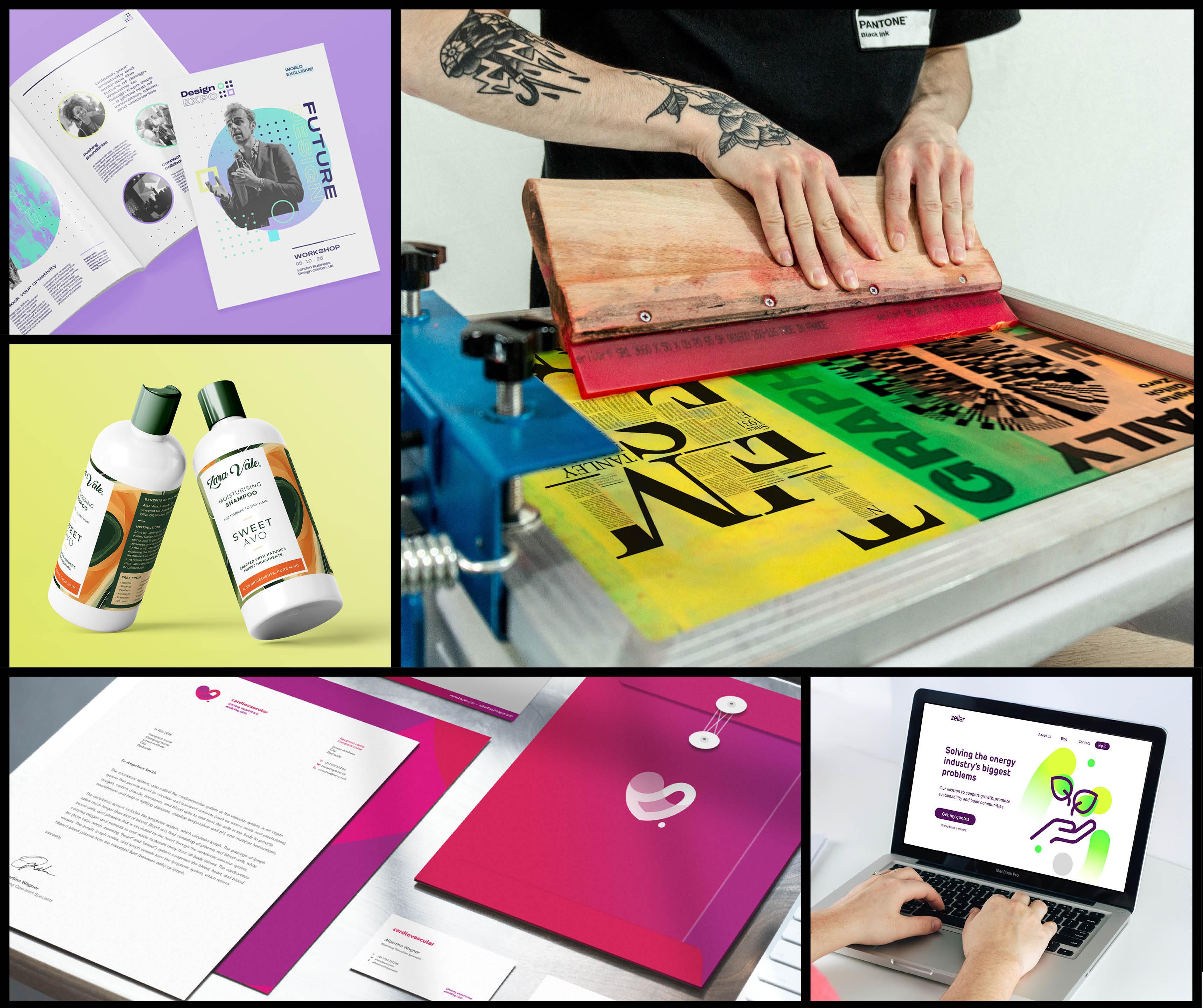
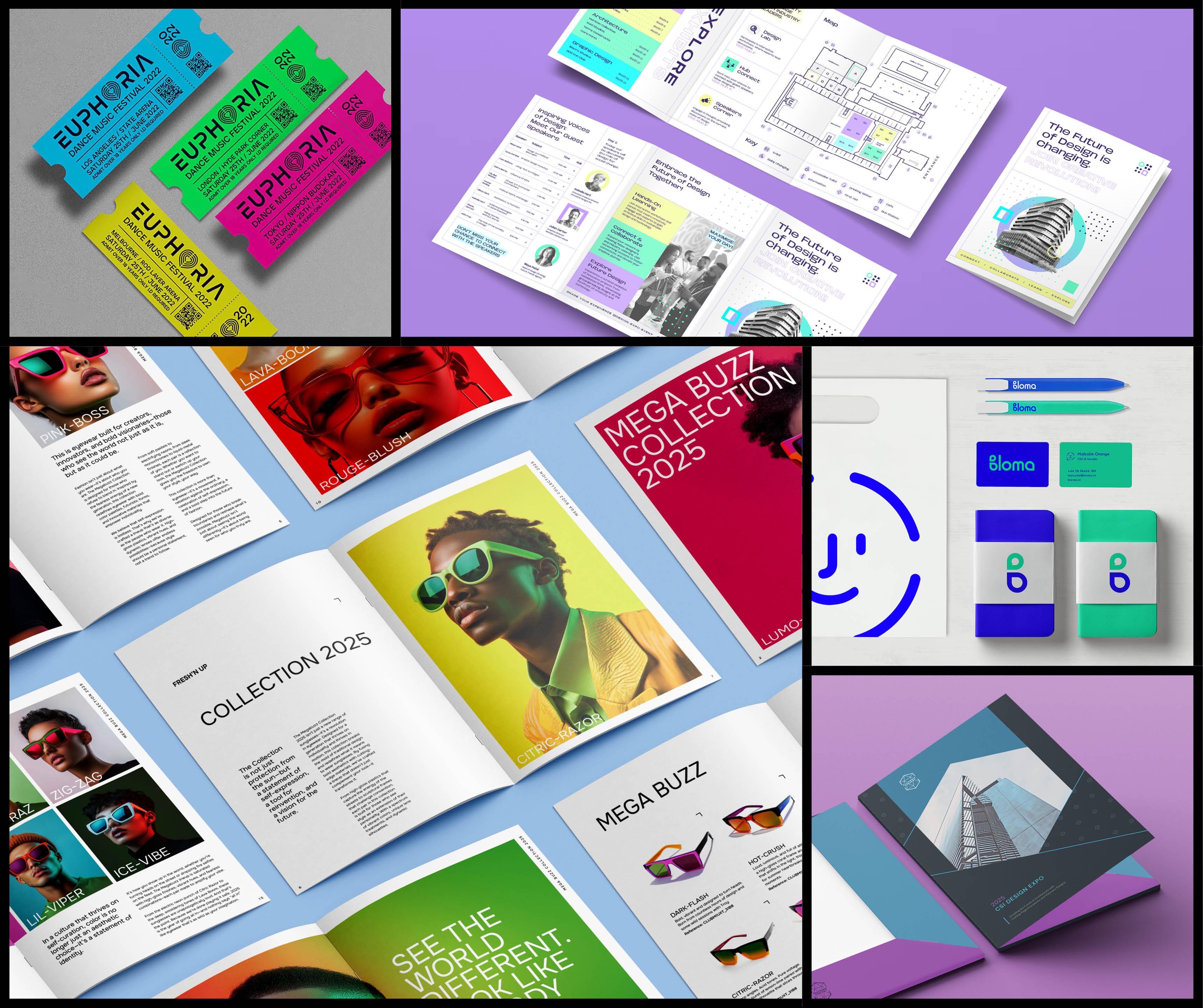
for both print and digital, such as packaging design, logo design, branding, graphic illustration,
design marketing, advertising, type design,
publication design, web UI UX design,
motion graphics, surface design,
creative strategy, and design for events
to name a few. If you're looking to pursue
a career in graphic design, you will inevitably end up creating work across
one of those sectors. Naturally, as one begins their creative journey
as a graphic designer and develops their career, it is common for one to become specialized in a
particular area or a few. Now, graphic design has evolved massively over the
past few decades. Graphic design has
shaped culture through political art
and commercial art. The ways we have
created designs has changed massively over
the past 100 years. It's moved from
print to digital, from posters to pixels, from still layout to
interactive motion. Designers today might
work on websites, apps, motion graphics,
three D experiences, and even AI generated systems. Today, graphic design has
a big commercial side. It's associated heavily with commerce and used to sell
and advertise things, but that's not all it has to be. The power of graphic design
to inform, influence, and instruct on a
commercial level can also be used to educate
and inspire a generation. No matter how much
culture changes and how many trends come and go, remember that the
building blocks of visual communication and the design principles
will stay the same. The fundamentals are timeless. What worked 50 years ago to
communicate will still work well today and will work
in the next 50 years. The only thing that really
changes is technology, the way we craft
our communication, and the platforms we design for. I believe graphic design is fundamentally the unity
of two opposing forces, artistic expression, creativity, and practical
application design theory. As a graphic designer, these two forces will always be at odds with each
other in your mind. When you can harness these two forces together in harmony, then you can create great
visual communication. Graphic design is all around us. Earning to see it,
understand it, and eventually
create it is one of the most exciting
journeys you can take.
5. Graphic Design Jobs: What Graphic Designers Do: Graphic design at its core
is visual communication, but that core now branches into many distinct
areas of practice. There was a time
when graphic design was easier to define. Print was dominant.
Posters, books, newspapers, packaging. Visual communication
existed within a smaller set of media. Today, that landscape
is very different. Communication happens
across print, digital platforms, motion, interactive interfaces,
environmental spaces, data systems, and more. As media has evolved, so too has graphic design. And with that evolution has come increased
specialization. To say you want to become a graphic designer is
a starting point, but it doesn't yet define direction because
contemporary graphic design spans a wide range of specialized disciplines
from branding to packaging, from editorial to
digital interfaces, from motion to
environmental graphics, and from typography to
information systems, each requires its own mindset, its own tools, its
own creative focus. And while all of them sit within visual communication mastering any one of them takes time, depth, and deliberate practice. So in this video,
we're going to explore the key areas of graphic
design so you can better understand what paths exist
within the industry and perhaps begin to see which one resonates
with you the most. So what are the key areas
within graphic design? Well, at the center
of everything is graphic design itself, also referred to as
visual communication. But surrounding that core are multiple areas of
specialization, each requiring its own mindset, its own tools, and
its own skill set. I like to visualize
this as a flower. At the base are the
visual elements and design principles. They are the foundation which every job specification will
contain and revolve around. Everything grows from there. At the center sits
graphic design, the discipline of
visual communication, and around that center are the specializations, the petals. Each petal represents a
direction you can grow into. Now, it's important to
understand something. You are not expected
to master all of them. In fact, you won't
in your career, especially during study, you're likely to explore
many of these areas. You'll experiment, you'll
test your strengths, and you'll discover what
resonates with you. Over time, as you
gain experience, you will naturally begin to gravitate towards
one or two areas. That shift doesn't usually
happen immediately. It happens through exposure, practice, preference,
and opportunity. Some designers remain versatile, others become
highly specialized. In my own experience, over
the past several years, I have increasingly focused on logo identity and branding. Those areas complement
each other. They build on similar thinking, and they align with my
strengths and interests. And that's often how
specialization happens, not by force, but by alignment. So let's take a look
at each key area in a bit more detail and see how they can
relate to each other. So let's begin with editorial
and publication design. This is one of the
oldest forms of visual communication
within graphic design. Its roots stretch back to
the early days of print. It may be one of the
older specializations, but it remains one of the most common and foundational areas of graphic design today. And over the past decade, it has evolved significantly
into the digital space. Publication design focuses on structured layout and
long form communication. Here, clarity and
hierarchy are everything. You are organizing information
across multiple pages, ensuring readability,
consistency, rhythm and flow. Unlike advertising, which aims to capture
attention quickly, publication design is about
sustained engagement. It's about guiding
the reader through information in a clear
and deliberate way. Traditionally, this meant
print formats such as books, magazines, annual reports,
brochures, and catalogs. But today, publication design also extends into
digital environments, including e books,
digital publications, digital presentations, interactive PDFs,
and online reports. The medium may have evolved, but the principles
remain the same, strong typography,
clear structure, and intentional hierarchy. If you enjoy organizing
information, working with grids and systems, and building coherent layouts
across multiple pages, publication design
remains one of the most transferable and enduring specializations
in graphic design. It connects naturally
to information design, branding, and digital
interface design. Next, we have packaging design. Packaging design focuses on
how products are contained, protected, and
presented to the world. This is where graphic
design meets physical form. You're not just
designing a label, you're thinking about structure, materials, texture, and how something feels
in someone's hand. Here, you have to consider
shelf presence, durability, production constraints,
sustainability, and how the brand translates
across different formats. You might design product boxes, bottles, labels, and
retail packaging systems. It's a blend of two D
and three D thinking. If you enjoy tactile
design, structure thinking, and seeing your work
physically manufactured, packaging can be
incredibly rewarding, closely connected to
branding and surface design. Next, we have logo
identity design. Logo identity design
is about distillation. Your task is to
represent a company, product or organization in its simplest and most
recognizable visual form. Now, a logo may look simple, but the thinking
behind it rarely is. It requires research,
concept development, refinement, and
strategic clarity. Here, you're solving
the problem of recognition, memorability,
and differentiation. You might create logo marks, word marks, monograms,
or icon systems. If you enjoy refining ideas down to their purest
visual expression, logo identity can be
a powerful area to specialize in it often
overlaps with branding. Next, we have branding. Branding expands beyond a logo. It's about building a full
visual identity system. Here you're developing a consistent language
that works across multiple touch points from digital platforms to printed material to
environmental spaces. Branding involves
understanding tone, personality, audience, positioning, and long
term consistency. You might design visual identity systems,
brand guidelines, stationary merchandise,
event branding, or property marketing campaigns. If you enjoy creating
cohesive visual worlds and defining how something
feels and behaves visually, branding is a strong path. It often connects
to publication, packaging, and surface design. Next, we have graphic
Illustration. Graphic illustration
within design focuses on creating bespoke visuals
that enhance communication. Now, this is not character
animation or narrative art. It's visual storytelling
used to strengthen brand identity or
clarify information. You might create icon
sets, infographic visuals, poster artwork,
custom lettering, pattern elements,
or three D assets. This area allows you to inject personality
into design systems. If you enjoy drawing,
experimenting visually, and creating custom artwork, graphic illustration
could be your focus. This one often supports
branding and surface design. Next, we have marketing
and campaign design. Marketing and campaign design
focuses on persuasion. This is where design
meets messaging. The goal is not just
clarity but impact. You're creating visuals
that attract attention, communicate quickly,
and influence behavior. Whether that means
generating sales, building awareness, or
launching something new, campaign design often
begins with a central idea, a concept, a message that can be translated across
multiple platforms. You might design social
media campaigns, digital advertisements,
print ads, billboards, and large scale
outdoor advertising, posters and transit graphics, launch visuals,
brand activations. This area can exist in fast paced agency environments where adaptability
and speed matter, but it can also involve big concept led
advertising that appears across cities in public spaces and across multiple
media channels. Unlike publication design, which focuses on
structured information, campaign design is about
attention and persuasion. If you enjoy bold ideas,
strong messaging, and seeing your work at scale, marketing and campaign design
can be a powerful path. It naturally overlaps
with branding, motion graphics, and
environmental design. Next, we have environmental
spatial design. This area focuses on graphics within
physical environments. This is where graphic design moves beyond the page or screen and becomes integrated into
architecture and space. Here you're designing at scale, considering how
people move through environments and how visual
communication guides them. This area combines clarity, system thinking, and
spatial awareness. You might design
wayfinding systems, exhibition graphics,
museum installations, retail environments,
event branding, and large scale signage, and public information systems. Working at this scale, you must consider visibility, legibility from a distance, material application,
lighting conditions, and how graphics interact
with physical structures. If you enjoy seeing
your work embedded into real world environments and influencing how people
navigate physical space, environmental design can be a
powerful and tangible path. It overlaps naturally with branding and
publication systems. Next, we have type design. Now, type design is
the craft of creating typefaces and custom
lettering systems. This is a specialized discipline
that requires precision, patience and deep
understanding of typography. You're not just choosing fonts,
you're constructing them, designing the shapes, spacing, rhythm, and character of
letters from scratch. You might create
original font families, custom corporate typefaces,
hand lettering systems, or display types for campaigns. Type design sits at the intersection of
art and engineering. Every curve, weight, and
proportion must be considered. If typography fascinates you at a structural level and you
enjoy detail orientated craft, this can become a
lifelong focus. It often overlaps with branding
and graphic illustration. Next, we have web
UI and UX design. Now, this focuses on
digital interfaces and user experience. Here you're shaping how
digital products look, feel and function visually. While developers
handle the code, you design the interface
and the experience. You consider
usability, navigation, interaction, accessibility,
and visual consistency. You might design websites, apps, interactive platforms,
and digital dashboards. If you enjoy digital
problem solving and thinking about how people
interact with systems, this is a highly prominent
and growing area. This one overlaps with
information design. Next, we have motion graphics. Motion graphics brings
static design to life. Instead of designing
only for still images, you're working with time,
movement, and rhythm. Motion graphics enhances
communication through animation. You might create animated
typography, logo animations, social media, motion posts, infographic animations, and
video presentation assets. Now, this area requires
understanding, pacing, sequencing, and
visual storytelling. If you enjoy movement and
dynamic visual experiences, motion graphics can add another dimension to
your design skill set. Next, we have
information design. Now, this area focuses on making complex
information clear. You're turning
data, research and detailed content into structured
visual communication. You might create
infographics, annual reports, data visualizations, complex diagrams, and
strategic documents. This discipline requires
analytical thinking as much as visual sensitivity. If you enjoy organizing complexity and bringing
clarity to dense information, information design is an
incredibly valuable area. This one overlaps with publication and digital
interface design. And finally, we have
surface design. Now, surface design focuses
on creating patterns, textures, and
decorative systems. These designs are
often applied to physical products or spaces, adding tone, atmosphere, and
distinct visual identity. You might design
textile patterns, wallpapers, packaging textures, and branded patent systems. If you enjoy creating repeatable visual systems and experimenting with
form and motif, surface design can
be a strong niche. This one connects to
branding and packaging. So as you can see,
graphic design is not a single lane.
It's a landscape. Early in your
career, you explore, you experiment, and you test your strengths across
different areas. Over time, patterns
begin to emerge. You start to notice what
holds your attention, what challenges you
in the right way, and what you naturally
want to refine. And that's usually the
beginning of direction. Graphic design gives
you the foundation. Specialization gives you
focus and fulfillment. So take a moment to
reflect which of these areas generally
excites you, because more often
than not, that spark is the first sign of where
you're meant to grow.
6. The Essential Visual Elements of Graphic Design: If graphic design is
visual communication, then the visual elements are the ingredients we use to
create that communication. The graphic part of graphic design is made
up of visual elements, the building blocks of design, the components that every
design is made from, no matter how complex
or minimal, shape, form, space, color, texture,
typography, and photography. These are the basic
visual elements that combine to create
graphic design. Whatever work you produce, be it for a magazine, a poster, a website, or an advertisement, these visual elements will
play a part in your design. Through the harness of
artistic expression, a graphic designer selects
visual elements and arranges them strategically
to communicate a message, create an impression to
achieve a specific goal. A designer is much like a chef, and the visual elements
are the raw ingredients. Shape, color, texture space, form typography and photography. These are your flour,
your salt, your herbs, spice, sugar, your meat, and veg and so on. On their own, they might seem
simple or even ordinary, but in the hands of someone who understands how to combine
them thoughtfully, they become something greater. Just as a chef blends ingredients to craft
a delicious meal, a graphic designer blends visual elements to serve up
compelling communication. It's not about using
everything at once. It's about knowing what
to use, how much to use, and how to bring it all together into something
that resonates. In graphic design, we taste with our eyes instead of our mouths. So let's dive into the visual
elements of graphic design. So the visual elements
that combine to create graphic design include
the following shape, form, color, space, texture,
typography and photography. So first, we have shape. Shape is the basic outline
or contour of an object. In design, we work with both geometric
shapes like circles, squares, triangles,
lines, and more, free form or natural
organic shapes. Shapes can be literal,
such as a circle behind a logo or abstract used to
create patterns or movement. Shapes help define layout, create contrast, and give a sense of personality
to the design. For example, sharp angular
shapes can feel bold and energetic while soft curves might feel calm and friendly. Shapes are one of
the easiest ways to add structure and style
to a composition. They can help define layout, create contrast, and give a sense of personality
to the design. Mastering how to use them with intention can give your work
a strong sense of flow, clarity, and visual impact.
Next, we have form. While shape is flat,
form adds depth. Form is the illusion of
the three dimension. It gives visual weight
and realism to objects. We create form through light, shadow, gradients,
and perspective. Think of a flat icon compared to a three D rendered object. That's the difference
between shape and form. In digital design, form can help elements feel tactile,
layered, and interactive. In print, it can add
richness and focus. It may be subtle,
but when used well, it brings a design to life. Next, we have color. Which is one of the
most powerful tools in the designer's tool kit. It sets the mood,
draws attention, and can even influence how we feel about what
we are looking at. In design, color isn't just
decoration, it's strategy. You can use color to
establish a visual hierarchy, guide the viewer's eye, or evoke a specific emotion. Think about how red
creates urgency, blue builds trust or
yellow adds energy. Color also plays a huge
role in brand identity. We often remember a brand by its colors before anything else. Understanding color theory,
things like contrast, harmony and complimentary
colors will help you make intentional and effective
choices in your work. Next, we have space. Space is what gives your design
room to breathe. Also called white space
or negative space, it's the area between
and around elements. Designers use space to create structure, rhythm, and clarity. Without enough space, designs feel cluttered and overwhelming. With too much, they might
feel empty or disconnected. Smart use of space
helps with legibility, focus, and visual hierarchy. It can isolate
important information, group related elements, and make complex layouts
feel effortless. Next, we have texture. Texture is all
about how something feels or rather how it
looks like it would feel. You can have actual
tactile texture in print design
like embossing or paper grain or visual texture in digital work using images,
patterns, or effects. Texture adds depth,
contrast, and realism. It can make a design
feel more human, more organic, or more dynamic. Even a subtle paper
grain or a soft blur or a gritty overlay can completely change
the tone of a piece. It's especially useful when
you want to move away from something that feels
too flat or sterile. Next, we have typography. Typography isn't just
about choosing fonts, it's about how you use
text as a visual element. It's one of the most important
tools a graphic designer has because most designs need to communicate
through words. The font you choose, the
size, weight, spacing, and layout, all of it impacts how the
message is received. Typography can shout or whisper. It can feel modern, classic, loud, quiet,
friendly, or formal. And when used with intention, it becomes the anchor
of your design, guiding the viewer,
setting the tone, and helping the message stick. Lastly, we have photography. Photography brings
realism, emotion, and storytelling
into your design. In graphic design, a photograph
can speak 1,000 words. Instantly set the scene, convey a message, or connect with the viewer
on a human level. It turns abstract ideas into something tangible
and relatable. Whether it's a bold
hero image in a poster, a lifestyle shot in a magazine, or a background texture
in a website layout, photography helps ground
design in the real world. It's not just decoration,
it's storytelling. The composition,
subject, lighting, and style of a photo all shape how a message
is perceived. A well chosen image
can communicate tone, context, and emotion
faster than any headline. Used thoughtfully, photography becomes more than just content, it becomes part of
the message itself. That's what makes
it such a vital visual element in
graphic design. So to recap the main visual
elements of graphic design, Shape creates the foundation
of a composition, framing content and forming
patterns and symbols. Form adds depth and dimension, giving a sense of volume and
physicality to a design, color, sets the mood, tone, and emotional impact, guides attention, and
creates emphasis. Space defines structure, creates breathing room and establishes hierarchy and flow. Texture adds richness, contrast, and visual interest, making flat designs feel more
tactile and real. Typography gives
voice to a message, shaping how it's read,
felt, and understood, and photography communicates
instantly through imagery, adding realism, emotion, and
storytelling to the design. Each one plays a different
role, but together, they're the
ingredients you'll mix and match to bring
your ideas to life. These are the tools we
use to build our designs, like a visual vocabulary, understanding them, not
just what they are, but how and why they work is
the first step to becoming a confident designer who can communicate visually
with intent and impact.
7. The Design Principles That Make Graphic Design Work: Graphic design isn't just
about making things look good. It's about making things work. Behind every powerful
visual lies a structure, a set of principles that guide the design to not only be
attractive but effective. In graphic design, we work with what are known as
design principles. These include contrast,
hierarchy, proximity, alignment, balance, simplicity,
repetition, and function. Think of these as the grammar
of visual communication, the underlying rules that
help us organize information in ways that feel natural
and intuitive to the viewer. These principles are what
separate good design from random decoration. They give design clarity,
consistency, and purpose. Whatever you're
designing, whether it's a poster, a website, a brand identity, or
a magazine spread, these principles
are always in play. A skilled designer doesn't
just make things look nice, they communicate clearly and guide the eye with intention. And design principles
help you do just that. In the beginning,
these principles act as reliable rules to follow, a framework to learn from. As you develop as a designer, you begin to realize something. Rules can be bent, even broken, but only
when done with purpose. Design legends like David
Carson, Paula Scher, and Stefan Segmeister are all known for bending the rules
of traditional design, but they knew the rules first and broke them with intention. Remember, graphic design
is communication. If someone spoke to you in a mumble with no
structure or clarity, you wouldn't understand them. The same applies
to visual design. Without structure,
without clarity, the message gets lost. Even the most rebellious
and expressive design still needs to be legible
in order to connect. So whether you're just starting out or deepening your craft, understanding design
principles is essential. They're the foundation
for creating work that not only looks good but
communicates effectively. So let's dive into the design principles
of graphic design. Now, in this video, I won't be going too deep into
each design principle. This video serves as
a quick overview. Later in the course, there will be a video dedicated
to each one. So if you want to
know more about each design principle,
don't worry. If you look further
in this course, you'll be able to
see dedicated videos for each principle with
more refined examples. The design principles
that combine to create graphic design
include the following. Contrast, hierarchy,
proximity, alignment, balance, simplicity,
repetition, and function. So first, we have contrast. Contrast is all about
difference, big versus small, dark versus light,
thick versus thin, smooth versus rough, and so on. Contrast creates
visual interest, highlights key elements, and
helps establish hierarchy. Without contrast,
everything blends together. With it, the
important stuff pops. Next, we have hierarchy. Hierarchy helps guide the
viewer through the design. It tells them what
to look at first, second, third, and so on. You create hierarchy
by creating contrast, playing with size, color, weight, position, even spacing. Good hierarchy makes
a design easy to scan and understand at a glance. Next, we have alignment. Alignment creates order. It's the invisible
grid that keeps everything connected and
looking intentional. When things are aligned, they feel organized and professional. When they're not, even
beautiful elements can feel messy or off. Next, we have balance. Balance is about how you
distribute visual weight. A well balanced design feels
composed and intentional, even when it's
energetic or abstract. Next, we have proximity. Proximity is how we group related items together
and how they interact. If things are close together, we assume they're connected. If they're far apart, we
assume they're separate. Proximity helps
organize information and makes your layout more readable and logical and helps communicate an
idea without words. Next, we have repetition. Repetition builds
consistency and unity. It's using the
same font, colors, or graphic elements throughout a design or even across
an entire brand. It reinforces the
visual identity and helps your design
feel cohesive. Next, we have simplicity. Simplicity is about removing
what's unnecessary. Good design is focused. It doesn't try to say
everything at once. It says just enough
and says it clearly. Simple doesn't mean boring.
It means effective. And lastly, we have function. Function is the purpose
behind the design. Does it work? Does it
solve the problem? Can people read it, use
it, and interact with it? Does it achieve its goal? A beautiful poster that's
unreadable, not functional, an app interface that confuses
users, not functional, does not get the
intended impact, emotion or message
across, not functional. Design must serve the user, not just the aesthetics. So then, why use them? Well, design principles are what separate decoration
from communication. You use them to create clarity, improve usability,
direct attention, build consistency,
and solve problems. They give your
designs a backbone, a structure that helps your creative ideas
land effectively. So when should we use them? Design principles come
into play at every stage, from brainstorming to layouts. Anytime you're making choices
about where to place text, how big to make something, what color to use, how to
group or separate elements, you're using design principles, even if it's subconscious. Knowing them just helps you make more intentional choices. So then, when should
we not use them? Now, here's the thing.
Rules are important, but in design, they
are not absolute. There are times when you can
and should break the rules. Sometimes breaking
alignment creates interest. Sometimes disrupting
balance creates a more compelling and
unexpected composition. Sometimes a lack of hierarchy is the concept. But
here's the key. Break the rules on
purpose, learn them, understand them, then bend them intentionally to create
meaning, contrast, or emotion. That is part of
the joy of design. First, learn how it works and
then learn how to push it. That's when you can put your
own stamp on your design. So design principles
are the guidelines we follow to make our designs functional and
visually engaging. They are the secret source
behind every strong design. They help bring
order to creativity, and they're what make your
visual ideas actually work. They help us create
structure and order, guide the viewers attention, and communicate a
message effectively. Whether you're creating a logo, a poster or a full brand system, these principles will help you build designs that are
not just good looking, but powerful, usable,
and impactful. So to recap, the visual
design principles of graphic design are contrast
to make things stand out, hierarchy to show
what's most important, alignment to create
structure and visual order, balance to give stability
and visual calm, proximity to group or
ungroup related items, repetition to build
consistency and recognition, simplicity to remove clutter
and focus on the message, and function to ensure that
it works for the audience. Mastering these
principles means you're not just decorating,
you're communicating, understanding not just
what these principles are, but why they matter
is what elevates your thinking and takes your
design from good to great. This is how you build
trust in your craft, confidence in your choices, and create with purpose.
8. The Designer Mindset: What Makes a Good Designer?: What does it really mean to
be a good graphic designer? Is it raw talent,
mastery of software, or is it something
deeper? Here's the truth. Graphic design isn't about
being good at drawing. It's not about using every tool perfectly or having some
magical creative gene. Great design isn't just a
skill set, it's a mindset. At its core, graphic design comes down to two
fundamental skills, and everything else
builds from there. Ideation, the ability
to come up with ideas and solve problems creatively
is where design starts. It's not just about
how things look, it's about how they work. Next is craft. The skill of taking ideas
and bringing them to life through visual
communication using creative tools is crucial, working with visual elements
and design principles to craft something
that not only looks good but also
communicates clearly. If you can generate ideas
and execute them visually, you're already thinking
like a designer. Though, as crucial as
those two skills are, that's not the whole picture. One can spend their
whole life on the pursuit of being a
great graphic designer. It's not just a job, it's a life journey. What makes a great
designer is skill, but also the
designer's mindset and a set of traits and habits
that help them grow, collaborate, and
thrive in this field. There are many traits that make up a great graphic designer. You might already have some
of them, and if you do, this could be the creative career you've been looking for. By the end of this
video, you will have a clearer sense ofther
graphic design is a path that fits you and what
strengths you might already have and those ones
you may want to build on. So what makes a good designer? Well, first comes the skills. To be successful in the field, you will at least need to have a firm grasp of the
two main skills. The first is ideation. One of the most
essential skills in graphic design is ideation, the ability to generate, develop, and refine ideas. It's the creative
thinking that happens before you even open
your creative software. Ideation involves
exploring possibilities, solving problems
visually, and thinking conceptually to find the right
direction for a project. Whether you're designing a logo, a poster or a full
brand identity, strong ideation ensures that your work isn't just
visually appealing, but meaningful and strategic. It's what separates
surface level design from purposeful communication. The best designers aren't just good at making things look nice. They're good at thinking, and ideation is where
that thinking begins. Ideation is a major
skill in graphic design, and while it can take time
to develop as a beginner, it often follows a process
that can be learned, practiced and refined to help generate strong,
purposeful ideas. After ideation comes craft. The ability to take your
ideas and shape them into refined, effective
visual communication. This is where creativity
meets execution. Craft involves using design principles,
creative techniques, and software tools to
bring your concepts to life with clarity and impact. It's what most people picture when they think of
graphic design, the layouts, the typography, the colors, the visuals. But good craft goes beyond just making something
look polished. It's about precision,
consistency, and knowing how to control every element on the page
to support the idea. Craft is what gives your
work a professional edge. And like any skill, it improves with time, practice, and attention to detail. Craft is a major skill
in graphic design, and while it can take time to practice and master
as a beginner, there are core design
principles that can be learned. Today, we have a wide
range of creative tools to choose from to bring visual
communication to life. Now, keep in mind that
skills aren't everything. Graphic designers come and go. A lot start, but
a lot also quit. It's the designer's
mindset that keeps you in the field and keeps you growing to be a great
graphic designer. Truly last, you will
need a mindset and certain traits to carry you through a lifetime
of graphic design. So let's look at some
of the design traits. You love communication.
At its heart, graphic design is
visual communication. If you enjoy getting
ideas across clearly, helping people
understand things, or shaping how
messages are received, that's already a huge
part of design thinking. You're highly curious. Great designers are
always asking questions. Why is that ad
laid out that way? How does that packaging
make me feel? If you love exploring ideas, digging into how things work, or even just going down
creative rabbit holes, that's designer energy.
You're passionate. Now, you don't have to be the
loudest person in the room, but if you feel excited
about creativity, visuals, or solving problems
through design, that passion will carry you far. Graphic design is not necessarily
the easiest profession. There is a lot of competition, and you will need to have
passion to keep you going. You like problem solving. Design is a creative
solution to a challenge. If you enjoy puzzles,
critical thinking, or figuring out how to
make something better, that's a big part of what
designers do every day. You're results driven. You
like seeing your ideas work. You want your design
to help someone, make something clearer, sell
a product, or build a brand. Good design isn't just pretty, it's purposeful. You're
highly creative. If you enjoy thinking
differently, coming up with fresh ideas, experimenting with style,
creativity is your superpower. In design, you get to
channel that creativity into real world impact,
your self motivated. Designers often have
to take initiative. Whether freelancing or working
in a team, staying driven, pushing ideas, and wanting to get better is
part of the job. You're research driven. Design isn't just
about inspiration. It's about information. If you're curious about
the audience, the context, or the meaning behind a design, you'll create work that's not just beautiful but relevant. You're comfortable
with structure and boundaries. Now,
here's the twist. Design is creative,
but it also has rules. Grids, margins,
brand guidelines, they help make your
ideas stronger. If you like finding
creativity within structure, you're already thinking
like a designer. You love typography. This
one's a bonus, but a big one. If fonts catch your eye, you love a good type pairing, or you notice when something
feels off in a text layout, that's a designer's eye at work. You like working in teams. Design is rarely a solo job. You'll often collaborate
with writers, marketers, developers, clients,
or even other designers. If you enjoy bouncing ideas, sharing feedback,
and being part of a creative process,
you'll fit right in. You're open to feedback. Good designers know that feedback isn't a
personal attack. It's a way to make
work stronger. If you're open
minded, adaptable, and willing to
refine your ideas, you've got a key
skill right there. You're visually analytical. You see things others miss, the spacing in a layout, the balance in a design, or the mood of a color palette. That attention to detail of how things look
and feel is what makes design impactful.
You're empathetic. If you can put yourself
in someone else's shoes, that's a powerful
skill in design. Empathy helps you understand
different audiences, so you can create
work that truly speaks to them, not just you. You're good at time management. Design often works
on a schedule. If you're someone who can
juggle tasks, meet deadlines, and stay focused, that's a huge strength in
any design role. You're willing to
learn new tools. Design software
changes all the time. If you're open to
learning tools like Adobe in Design, affinity
publisher, illustrator, photoshop, Canva, or even experimenting with new
platforms or AI tools, you'll stay ahead of the curve. You're a lifelong learner. Design is always evolving. New technology, new mediums
and new design styles. If you're the kind of person
who never stops learning, who loves picking up new skills
and refining your craft, you'll never run out
of room to grow. You're a critical thinker. Great design isn't just about
making something look nice. It's about thinking deeply about what you're doing and why. If you enjoy asking questions,
challenging assumptions, and considering
different solutions before jumping in, that's
critical thinking. Designers constantly
evaluate ideas, consider user needs, and
make strategic decisions. Thinking critically helps you
create work that's not only beautiful but effective and purposeful. You're open minded. Design is collaborative, and that means curing
different perspectives, exploring new styles, and sometimes pushing beyond
your comfort zone. Being open minded allows
you to experiment, grow, and adapt, especially when
working with clients, teammates and evolving ideas. The best designers stay curious
and receptive, not rigid. You're a good verbal
communicator. Design isn't just what
happens on screen. A big part of the job is
talking about your ideas. Whether you're explaining
your choices to a client, collaborating with the teammate, or presenting a concept, being able to express
your thinking clearly and confidently
is a huge asset. So to conclude, there are crucial practical skills you'll need to get started
in graphic design. But to truly grow and
stay in the game, you'll need something more,
the designer's mindset. So how many of those
traits felt like you? Now, you don't need all of them, but if even a few sparked something inside
you, that curiosity, that urge to create,
then you're already on the right path because graphic design isn't
just a career. It's a way of seeing, thinking, and shaping
the world around you. And if that excites
you, then get ready. This is just the beginning.
You've got the spark. Now let's turn it into
something incredible.
9. What Makes GOOD Graphic Design? 10 Principles EVERY Designer Should Know!: What actually makes a piece
of graphic design good? It's a big question
and a tricky one to answer because
design can be so broad. Sometimes it's a single logo. Sometimes it's a full campaign
with dozens of assets. Some designs are minimal, others are full of complexity
and nuance, and both can be effective
when done well. But if you're just starting out, you might be wondering, how do I know if my work is
on the right track? What should I look
for in a layout, a poster, a flyer,
even a website? If you're learning design
and want to feel more confident in what good
actually looks like, there are some key criteria
you can keep in mind. If you want to
improve your design, you don't just need
more practice. You need better criteria, because the better you
can judge your own work, the faster you will grow. Here are ten things
to look out for. Number one, not too many ideas. One of the biggest
mistakes beginners make is trying to cram too
much into one design. Good design will focus
on one clear idea. That's what makes it instantly understandable and
comprehensive. Good design has focus, and everything in a layout
should serve that one idea. Even complex layouts can
present a clear focus. To quote Anton de St. Ex Eupii, perfection is achieved not when there is
nothing more to add, but when there is nothing
left to take away. A good rule of thumb, if you
have to explain too much, you're probably doing too much. Number two, design with purpose. Now, good design doesn't just
look nice. It does a job. Visual communication
will typically aim to do a variety of things, inform, inspire, or promote. Every decision you
make, color, layout, type should be helping to achieve the goal of
doing a good job. To quote Steve Jobs, Design is not just what it
looks like and feels like. Design is how it works. You could have a
gorgeous layout, but if it doesn't
help the viewer understand what to
do, it's not working. When you're designing,
always ask, what is this for, and
what is it trying to do? And once you've created
your work, always ask, is it communicating the
intended idea well, and could it be doing it better? Remember, design should not just be aesthetically pleasing. I should also work.
Number three, create a clear hierarchy. Hierarchy is how we guide
someone's eye through a design. It's the order of information. It determines what someone
sees first, second, and third. A good design always has
a clear entry point, usually a headline or an image, then leads you through the rest. To quote Por Rand, without
order, nothing can exist. Hierarchy is what
creates that order. It's the difference between
a design that feels intentional and one
that feels chaotic. It gives structure
to information and it gives direction
to attention. You can use size, weight, color, contrast, spacing, and
positioning to create hierarchy. Think of a movie poster. The film title or Image
grabs your eye first, then leads to the tag line,
then the release date. You're not guessing where to
look. You're being guided. If everything feels equally
loud, nothing stands out. And when nothing stands out, the message loses
impact and gets lost. Hierarchy isn't about
making things bigger. It's about making decisions. It's about choosing what matters most and making that clear. Number four, balance
flare with function. Good design isn't just
practical, it's powerful. Good design will have structure, but it should also
seek to include flair. Something that catches the eye, sparks interest and
leaves an impression. After all, we are
visual creatures. We're drawn to what looks good, what stands out, and
what feels different. To quote Neville Brody, graphic design is the art
of visualizing ideas. That's why great design
often has its own style, a bold image, a
unique color choice, a layout with personality. But remember, flare without
structure is chaos. The real magic happens when
creativity meets clarity, when expressive ideas are
balanced with strong layout, legible type, and
practical use of space. Design doesn't
have to be boring. In fact, it shouldn't be. Where appropriate,
give your work energy, give it visual rhythm, but just make sure it works. That's aesthetic strength when your design feels
exciting and considered. Number five, design
beyond trends. It's easy to follow trends, but good design finds
a voice of its own. It's easy to lean on trends because the thinking
has already been done. It's comfortable, it's
easy and it's safe. But ask yourself honestly, are you really happy just
imitating someone else's idea? Good design doesn't start
with what's popular. It starts with purpose, and that purpose will usually come with its own
set of criteria, a message to communicate, a tone to strike,
a story to tell. Those things should
guide the design, not whatever's trending on
social media this month, but that doesn't
mean you need to reinvent the wheel every time. But it does mean
being thoughtful, trying something and expected, finding your own voice, a new layout, a playful idea, a fresh take, something that feels right and
is more tailored. To quote D Eta Rams good
design is long lasting. Design trends are fleeting, but originality,
that's timeless. Number six, execute
with precision. A good idea is only as strong
as the way it's executed. You might have a great concept, but if the type is rushed, the spacing feels off, the hierarchy is not clear, or the alignment is a
mess, it all falls apart. Design is about details, and those details matter. They shape how a
message is received. To quote Edward Tuft, clutter and confusion are not
attributes of information. They are failures of design. Cohesion comes from making sure every visual element feels
considered and connected. That's where the
design principles come in contrast, hierarchy, proximity, alignment, balance, simplicity,
repetition, and function. They aren't just
theory, they're tools. And when used well, they bring structure and
flow to your work. The goal is to build a
system, not a patchwork. Fonts should
complement each other. Color should feel balanced. Spacing and alignment should guide the eye
without distraction. Cohesion isn't
perfection. It's clarity, and clarity makes your
message easier to understand, easier to trust and
easier to remember. Number seven, know who
you're designing for. Design doesn't
exist in a vacuum. It always speaks to someone,
and to be effective, it needs to speak in a
way a person understands, relates to, and responds to. You wouldn't design a
kid's science magazine the same way you'd lay out a
corporate financial report. The tone, the colors, the images, the type, every choice should feel right for the people
it's meant to reach. That's where visual tone and
visual language comes in. These are the subtle signals that shape how a design feels, bright colors, playful
fonts, bold illustrations. Those might engage
a younger audience, muted tones, clean type, confident structure,
those might speak better to a more
professional, mature crowd. Everything from
layout to language carries emotional weight, and different styles resonate with different demographics, age, culture,
interest, and intent. These things matter. To
quote Frank Chi Miro, people ignore design
that ignores people. Good design isn't just
about looking great. It's about being appropriate. And that comes from knowing exactly who you're
designing for. When you understand
your audience, you make smarter
design decisions. You're not guessing,
you're connecting. Number eight,
communicate clearly. Design is visual communication. So first and foremost,
it has to communicate. Can someone look at your work and understand the
message quickly? If they're squinting or second guessing or trying
to figure it out, it's not doing its job. To quote Massimo Vignelli, clarity is the true
measure of design. We live in a visual
world overflowing with content where
attention spans are short, and competition is high. Most of the time, graphic
design needs to deliver a message clearly instantly
and without friction. But that doesn't mean all
design has to be simple. Sometimes complexity can
be part of the story, part of the mystery, the
discovery, the experience. And if that's intentional and part of the
goal, that's okay. The key is knowing the context. Clarity might mean
being bold and minimal, or it might mean creating a
layered, immersive layout. As long as it serves the purpose and guides the viewer
where you want them to go, when in doubt, simplify. Clarity always wins. Number nine, create
emotional impact. The best designs aren't
just seen. They're felt. Maybe it's the energy of a festival poster
or the trust you feel from a clean tech brochure or the warmth of a charity logo. To quote Milton Glazier, there are three responses
to a piece of design, yes, no, and Wow. Wow is the one to aim for. That Wow isn't about decoration. It's about connection. Design can tap into mood,
tone, and personality. It can create excitement. I can build trust. I can spark curiosity. It can even create a
sense of belonging. Emotion is what makes
something memorable. We might forget
the exact layout. We might even forget the font, but we remember how
it made us feel. And that feeling
influences behavior. It makes someone buy.
It makes someone trust. It makes someone share, and it makes someone care. Good design communicates. Great design resonates. If your work can make someone feel something intentionally, that's when it moves beyond functional and becomes powerful. Number ten, design
with flexibility. Finally, good design
isn't rigid, I adapts. A strong brand system works on a billboard
and a mobile screen. A great layout looks good
printed and posted online. To quote Ott Ika, a good system
allows for freedom. That's where
versatility really is. It's not fragility, it's
flexibility built on structure. When working on a piece
of design, ask yourself, will this design still work in different sizes,
formats, and platforms? Will it survive in
black and white? Will it still make
sense when simplified? Versatility isn't
just about resizing. It's about scalability,
the ability to hold up across multiple uses without
losing clarity or character. Strong design isn't
dependent on one setting. It works wherever
it needs to live. So those are ten key
criteria that define good graphic design from
clarity to craft to purpose. These are the things to keep in mind whether you're working on a small personal project or a big professional one.
And here's the thing. You would get all ten right
every time. That's okay. The point is to
think about them, to practice with purpose,
reflect on your work, and refine your
skills over time, because the more you design, the better you see, and
the better you see, the stronger your
work will become. Keep showing up, keep
asking questions, and remember, good design
isn't just about how it looks. It's about what it
does and how it works. So next time you
create something, stop and ask yourself.
Is it clear? Is it speaking to
the right audience? And is it doing what it's
meant to do as well as it can? That's how you grow, and that's how you
design with intent.
10. Unpacking The Design Process In Graphic Design: One of the most common
struggles for people new to graphic design is simply
not knowing where to start. What do I do first? How
do I come up with ideas? How do I go from a blank
page to a finished design? If you've ever felt like that, don't worry, you're not alone. It's one of the most common
struggles for new designers, and the reason is simple. Without a process, design
can feel directionless. Remember, graphic design is not drawing, it's not painting. It's not creating a poster or equipped logo
on your computer. It's not playing
around in Photoshop, Illustrator or Canva. These things are the means to the end and skills
in their own right. It's not about making things look cool without thinking why. There should always be a reason, a why for the choices made. Good design has logic behind it, where every element should
support the message. Keep in mind that design
is understand the goal, the context, and decide upon a direction of something
before it's made. This is done through
research, contemplation, exploration, consideration, and planning to achieve
a specific outcome. Design is understanding
strategy and problem solving. The truth is great design
doesn't just happen. It's typically the result
of a design process, a journey with clear steps that guide you from the
problem to the solution. So why is this important? And how can it help
you design with more confidence,
clarity, and purpose? So why is a creative
process important? Well, without a process, design can feel overwhelming. You might find yourself
making random choices, second guessing
everything, or jumping straight into software
without no direction. So what are the benefits? Well, the design process helps you avoid aimless
surface level work, helps you generate
meaningful ideas, bring structure to
your creativity, build designs that are
relevant, effective, and impactful, and
most importantly, gives you something to rely
on even when you're stuck. Ultimately, the design
process helps you solve a problem in a
thoughtful, meaningful way. The design process is what
turns problems into solutions. It helps you design with
purpose, not just style. And that's what
makes a difference between decoration
and real design. Now let's talk for
a minute about the designer's thinking process because this is integral
to the design process. When undertaking
design projects, a designer knowingly or not, will initially focus on a
process of thinking outwards, leading to a process
of thinking inwards. Psychologist JP Guilford termed this process as divergent, outward, and convergent
inward thinking. And it's this
thinking process that is fundamental to
the design process. Initially, one will
need to think outward. The more discovery
you undertake, the more connections you
can make and learn from. Think of divergent
thinking like a shower. The more water source
material is added will add to the pressure to create a bigger spray of ideas
and more of them. Convergent thinking
is to contract your options and narrow
down your possibilities. Convergent thought
is like a funnel, where we capture all the
creative thinking and ideas and channel them down
to identify the best ideas. Knowing and understanding
it will be very helpful when tackling
complex problems. During a design process, thinking outwards
and inwards will occur multiple times
across key phases. A typical design process can
consist of four key phases. Phase one, learn and discover concept territories, phase two, visual concept and
design, Phase three, visual artwork and design and
phase four deliver designs. Each phase focuses on
a significant part of the process involving outward exploration
and inward focus. It's important to
keep in mind that each phase will
have a key focus. The focus of phase one
will be to discover. The focus of phase two
will be to generate. The focus of phase three
will be to create, and the focus of phase
four will be to present. These phases are like
a creative machine. If you work through and give them enough attention and focus, you will almost always come
out with interesting results. So let's look at this
in context in what I like to call the
design process flow. A designer will always start at the beginning with a problem. The first step is
to undertake phase one and go through the
design process flow, thinking outwards and inwards
through to phase four, and end up at the
finish with a solution. So a designer would start
from the beginning, go through the design process, and if done effectively, will come out the other end
with a design solution. Now keep in mind that throughout the rest
of this presentation, this design process
flow will become a key in the top right
corner of each page. As we progress through
the design process, you can see at what point we are at in the design process flow. So the first phase in
the design process is learn and discover
concept territories. And here, the primary
task is to discover. The goal of this phase
is to gather and synthesize all the
information for a project. This will enable you to generate informed ideas and
potential territories to develop in the next phases. In this phase, you will seek to understand, discover,
and consolidate. So before you design anything, you need to gather
insight and ask the right questions
so you're fully informed and understand
the task at hand. At this stage, it's
less about solutions. It's more about preparation and understanding
what's important. To best prepare and
understand for a project, you can read a design brief, understand the audience, and
research the competition. Here, you'll carefully
read the design brief to understand the project goals,
requirements, and context. You'll also highlight
anything that stands out or triggers
any initial ideas. From there, you can get to know the target audience and research the competition to see what already exists and where
your design stands out. With a solid
understanding in place, you're then ready to start exploring ideas and
what's possible. To discover ideas and
potential concepts, you can undertake further project research
and inspiration, undertake brainstorming
and gather inspiration and
visual references. At this stage, it's useful
to deepen your research by exploring the subject matter further and gathering
visual references. Brainstorming is perhaps one of the most important initial
steps to identify qualities, explore keywords, observe
themes, and find associations. This process helps you discover compelling directions
and cover themes and gain inspiration that can guide your visual direction and
trigger ideas and concepts. During this process, you'll
be thinking outwards. Remember what we
covered earlier? This is like the shower. The more you learn and discover, the more water source
material is added, which will add to
the pressure to create a bigger spray of ideas. Here you're trying to think
as broadly as possible. This is what people mean when they say think outside the box. Really, you're just trying
to think more broadly. Discovery is seeing
what everybody else has seen and thinking what
nobody else has thought. And that's really the aim here. In this phase we're
trying to come up with good, compelling ideas. This is where the sparks happen. Keep in mind, fires don't
just suddenly appear. They start with the sparks. In this phase, you're metaphorically beating
stones together to get the sparks you need to ignite
a fire for a big idea. Now, once you have spent
enough time discovering, you will want to think
about sorting ideas into potential concept
territories to outline a clear strategy for how you
will develop your solution. To consolidate ideas
and potential concepts, you can identify potential
concepts to develop, list any directions
you want to go in, and make notes of any
initial ideas and solutions. So for those of you
that may be wondering, a concept territory is
a creative direction or theme you want to explore
as part of a strategy. It helps guide your thinking and influences what you develop throughout the design process. After brainstorming,
start identifying potential concepts
worth developing. This could include listing initial directions
you're interested in or noting any early ideas that show promise as
potential solutions. Capturing these thoughts
will help light the way where the
project could go next. During this process, you'll
be thinking inwards. Again, this is like a funnel, where we can now capture all
the creative thinking and ideas and channel them down
to identify the best ideas. So in phase one, you're
not designing yet. Remember, great design
starts with knowing what you're solving and having
a good direction to go in. Phase one is all about
setting you up for that. So the phase that follows is
visual concept and design. And here, the primary
task is to generate. The goal here is to
generate visual concepts and bring meaning and
coherence to your ideas. This gives you creative
clarity and sets the tone for what to
create in the next phase. In this phase, you will
explore, generate, and select. Once you've got
your insights and discovered some
potential directions, it's time to think visually and begin to explore how a
direction could take shape. So to start with this phase, you can explore visual themes, explore color palettes
and explore typography. As you explore your directions, it's helpful to
explore visual themes, calor palettes and typography that align with your approach. This process helps shape
the tone and influence of your direction and ensures all visual choices
support the concept. Again, this is where
more sparks happen. With more insight and
inspiration, next, you will start to generate ideas where you can
generate mood boards, generate style scapes, and
generate rough layouts. Here you'll take the visual
elements you explored earlier and start to combine them to generate mood boards
and star scapes. Moodboards and style
scapes help suggest visual direction early
in the design process. Mood boards gather inspiration
while Style scapes present a more refined look and feel to guide the
project forward. Sketching rough layouts
then allows you to explore ideas and test what works before
refining further. During this process, you
will be thinking outwards. Again, this is like the shower. Here you'll continue to think
as broadly as possible. You'll be developing
ideas you discovered in the first phase and building on them as more ideas generate. Now, this phase can be messy. You're playing,
experimenting, and developing creative concepts that can guide your visuals. But
that's okay here. What you're trying to do here is unearth and discover
that golden idea. Here, you're not
aiming for perfection, you're aiming for possibilities. Once you have spent enough
time exploring and creating, you'll then be able to start selecting your strongest ideas. Now, this will be
a similar process to the end of the first phase. But this time, you will select visual concepts and directions, short list ideas to develop, and make notes of any
initial ideas and solutions. The goal here is to outline your visual concepts and clarify the meaning
of your ideas. This gives you creative clarity and sets the tone
of what's to come. During this process, you'll
be thinking inwards. Again, this is like the funnel, where we now capture all
the creative thinking and ideas and channel them down
to identify the best ideas. So after phase one and two, you should have a
solid set of ideas, ready to take into
the next phase and bring it onto the computer. So you're not starting
from scratch. You've already built momentum. These early phases are crucial in preventing
creative block. If you've taken the time to explore and develop
your ideas properly, you'll have plenty of direction and inspiration to
guide your design work. So the phase that follows is
visual artwork and design. And here, the primary
task is to create. Once you have some good
visual concept in the bag, the goal here is to
create your designs and refine them into
more polished artwork. In this phase, you will
create, refine, and define. This is where we will use creative tools to
bring our ideas to life and craft them into
potential creative solutions. To start this phase, you will
create initial designs and layouts using software and
explore and consider options. This is where creativity
meets execution. Here you'll experiment
with visual elements and design principles to begin bringing to life
your sketched ideas. As you work, you can explore different layout
options and variations. This stage is about
pushing your ideas further to find the
strongest possible solution. And again, this is
where sparks can happen and more
ideas can emerge. During this process, again, you will be thinking outwards, and we are back to the shower. Here you'll continue to work
as broadly as possible, exploring many ways you can bring your concept
to life visually. Here you'll be developing
ideas you discovered in the first two phases and building on them as
more ideas generate. This is where design
becomes real and where your skills with creative
software tools come into play. You've spent enough
time artworking, you'll then want to start
refining your ideas into coherent routes you'd
like to present. Here you'll be looking to
refine your design approaches, refine final design layouts, and refine visual systems. As you move towards
refining your design, begin by compartmentalizing
your approaches to focus on specific directions. From there, you'll
start building out final layouts that feel like
strong creative solutions. This is also the stage where you'll define your
visual system, locking in your use of color, typography, treatments,
and any drone or graphic elements that will bring consistency and
cohesion to your work. Here you'll take
your strongest ideas and develop them into
polished artwork. You refine everything
to ensure that your work is not only
polished but purposeful. During this phase, you
will be thinking inwards. Again, this process
is like the funnel, where we now consolidate all the creative work and
organize it into clear roots. Once you have some clear
roots established, you'll then be able to start defining your design
roots and options. Here you'll look to
define clear roots and define rationale for
how your concepts work. Here you'll outline
clear creative roots and distinct design directions
that could be pursued. Alongside each, you can develop a rationale that explains the thinking behind
your decisions, giving meaning, substance, and
purpose to your solutions. From there, you refine
your chosen designs into polished presentation
ready visuals. With some solid roots lined up, you'll then be ready
to think about what and how you're going
to present to the client. So the last phase
is deliver designs. And here your primary
task is to present. The goal here is to
carefully organize all your thinking ready
to present to the client, to guide through your process
and convince them that your design solutions are thoughtful, strategic,
and effective. In this phase, you will
prepare, present, and discuss. To present your
design effectively and sell your
solution to a client, you'll need to prepare a
compelling presentation deck that includes
essential elements. To start this phase,
you will look to prepare final rationale, prepare insitu examples, and
prepare a proposal deck. Here you'll take the
rationale you developed earlier and compose
it into a clear, concise manner to effectively
communicate your thinking. As you prepare to
present your work, you'll also create
in situ examples to show how your design
would function in real world contexts. This helps bring your
ideas to life and makes them easier for
the client to visualize, and it helps to sell your work. Alongside this, you'll develop a well structured proposal deck that outlines each
creative route, supported by a clear rationale to explain each design decision. Once your deck is ready,
you'll want to present it to your client to take them
on the process journey. Here you look to present
thinking behind concepts, present challenges you solved, present visual mockups
and real world context, and present how the design delivers a strong
creative solution. Here, it's not just about
showing what you made, it's about explaining
why you made it. Highlight the challenges
you aimed to solve and demonstrate how your design
addresses those problems. Effectively communicating
your design can help persuade a
client of its value. A successful presentation does more than show the
final outcome. It tells the story
of the solution. It explains the thinking
behind your choices, outlines the
challenges you solved, and demonstrates how the design addresses the original brief. Presentation is a
skill on its own, and it's what helps clients or stakeholders see the
value in your design. During this process, again, you'll be thinking outwards. In your presentation, you may
present one or few roots, where you may discuss
options and ideas. Once the presentation
deck has been presented, you can now discuss with
the client the roots, see which one they
may want to go ahead with and discuss feedback. Here you look to answer questions and discuss
initial feedback, see if the client agrees that it works and request any changes. This step is crucial
for feedback, which you can use to refine
and finalize the work. Again, this process
is like a funnel. At this point, there will be some decisive
decisions made as to which route to go with with any requests for
additional changes. Depending on the
rounds of feedback, what will result is a
final design solution that the client
can go ahead with. So to recap on the
design process, the four key phases of the
design process are phase one, learn and identify
concept territories where the primary task
is to discover insights, connections and
themes, directions and concepts, and strategy. Phase two, visual
concept and design, where the primary task
is to generate ideas, visual concepts,
meaning and rationale. Phase three, visual
artwork and design, where the primary task is
to create visual language, visual systems, layouts,
and polished artwork. And lastly, phase
four, deliver designs, where the primary task
is to present rationale, design process, design solutions,
and institute graphics. Now, this process might look slightly different
for every designer, but the fundamental
approach remains the same. Now here's something
that I've learned after nearly two
decades in design. Your process is never finished. You'll always be tweaking
it, evolving it, and finding ways to
work more effectively, think more clearly, and
stay more creative. And that's the beauty of it. The creative process
isn't about limiting you. It's about freeing you. If you're just getting
started in graphic design, understanding and
practicing a process like this will give you
a massive head start. It gives your idea structure, and it gives your
creativity a direction. By following a process, you're starting with idea led design. Not just creating
something that looks good, you're creating
something that works. And when you trust it,
you can focus more on what really matters,
making great work. In future videos,
we'll walk through real projects using
this exact framework so you can see it in action.
11. Closing: So those are the fundamentals
of graphic design. I hope it's given you some valuable insight into
the fundamentals and helped you build a strong foundation to start your creative
journey with confidence. These are the essential
building blocks that every designer
needs to know, and by understanding them, you'll be better equipped
to analyze, design, create with purpose, and grow
your own creative skills. Remember, learning
design is a journey. The more you practice, observe and explore, the better you get. Help you continue learning, don't forget to check out
the downloadable PDF. It includes a summary of
everything we've covered, plus links to other Skillshare classes
where you can learn more practical hands on design techniques and expand
your skill set even further. So thank you for joining
me in this class, and I hope this class has
inspired you to keep going. Keep learning and keep creating. I'm Gareth David,
until next time, unleash your creativity, and I'll see you
in the next class.