Transcripts
1. WELCOME TO THE WORLD OF FOLEY: Mm hmm. Mm hm. I've spent the last
35 years in Hollywood creating the sounds that bring movies and television to life. Hello. My name is
Adam De Coster, and I'm a five time Emmy
nominated foley artist. I've had the privilege
of working on some of the biggest
productions in the industry, including Spider
Man No Way, Home, 911, the Pit and
hundreds of others. Most audiences never realize
they're hearing foly. Every footstep, chair sit, saddle creek, or
stethoscope movement, those sounds are carefully performed and recorded
by foly artists to make sure what you see on screen is real and
feel believable. In this course, I'm
going to take you behind the scenes and show you
exactly how it's done. If you're a filmmaker,
content creator, or someone who's simply curious about the magic of movie sound, you'll learn the tools
and techniques and the creative mindset the professional folle
artists use every day. Best part, you don't need a Hollywood foli
stage to get started. I'll show you how to create
convincing professional folly sounds using practical techniques
that apply immediately. So, if you've ever
wondered how and why the movies sound so
magical, stick around.
2. FOLEY RECORDING STARTER KIT: Welcome back. Now let's
get you recording. First, though, let's
start with clearing up three big misconceptions
about foley, okay? You don't need to be a
professional foly artist. You don't need a
professional foli stage, and you definitely don't need
a bunch of expensive gear. But here's the three
things you will need, and they are the most
important creativity, critical listening,
and experimentation. As I've said before,
it's what happens on this side of the
mic that counts. So, here's the basic kit I
recommend to get you started. First, a microphone. We generally use
shotgun microphones on a foly stage because
they're very focused, which is great for blocking out any background noise
and reflection. They're also perfect
for catching all the sweet little
folie details. Check out the road NTG two or
the Audio Technica AT 875r. These are great mics
for reasonable prices. Don't get hung up on
microphones, okay? And of course, you'll need a moderately priced
mic cable and stand. Next, you'll need
an audio interface. This is what goes between the microphone and the computer. Some affordable options include the Adient ID four or the
Universal audio volt. Both will work, but I do highly recommend the focus
right scarlet series. This is what I used when I
built my home foley stage. And remember, you
only need one input. You're not recording
a band or actors, the one beautiful
thing at a time. Now, for software, we use ProTools exclusively in
TV shows and movies, but there are plenty
of affordable alternatives like garage band. Reaper is also great
becoming more popular and audacity is a good
free option for beginners. Next is speakers. Specifically, you'll need a pair of active audio monitors. These are powered speakers. JBL and Yamaha both have
amazing entry level options. And if speakers don't work for your setup, headphones
work as well. I recommend the audio
technique ATHMX. And remember, good gear is
important, but not essential. Performance is the key.
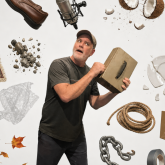
3. PROPS, TEXTURES AND IMAGINATION: Uh huh. Foli isn't always
about recreating sounds exactly as they
happen in real life. It's more about creating
the illusion of reality. That's why foli
artists build archives of objects, materials,
and textures. A good prop collection
is built over time. Start collecting
items like fabric, metal, plastic objects,
and wood scraps. Fill boxes and bags with
old toys, rocks, shells, and beads, and never forget garage sales and thrift
stores are your friends. As your collection
grows, start listening to everything in the
world with a curious ear. Instead of, what is this object, start asking, What does
this thing sound like? Pay attention to
detail and texture. Also, very importantly,
we are always using everyday objects in creative
and often unexpected ways. A purse and keys
become a police belt. A duster becomes bird wing. An old camera and a door knob becomes a futuristic weapon. So begin to train your ears. Some of the best foley
sounds come from props being used in ways
they were never intended. The goal isn't to build the
biggest inventory of objects. It's to build a collection
and roster of props that inspires creativity and
helps to tell your story. H
4. CLOTH AND MOVEMENT: The In this lesson, we're looking at
cloth and movement. This is one of Foley's most subtle but important
contributions to any project's
overall sound design. Every time a character moves, their clothes or their armor
or soldier gear moves, too. Those small rustles and shifts help make a performance
feel more real, even when audiences don't
consciously notice them. Different materials
create different sounds. Denim and canvas are heavier and thicker
than satin and lace. Leather is good for a squeak, but it can also flap. You'll need sheets of
rubber and tarps and tents. Toes don't make any noise. They're only good for
cleaning up messes. You'll also have
to be covered for all types of dresses, as well, sequined, beaded, chiffon,
silk, mesh, and scales. It is endless. Practice by grabbing some pants or a shirt, turn on a TV show and follow the movements
of the characters. Try to match the swish
swish sound of walking, the fast movements of a fight. Or the sound of a gentle embrace. This is the beginning
of you connecting your actions to your
character actions, one of the beginning concepts
of the Foley journey.
5. RECORDING FOOTSTEPS: In this lesson, I'll teach you about recording
one of the most essential of all
folie sounds for TV shows and movies,
the footsteps. Footsteps become part of the storytelling
of any project by making the scene feel real and ultimately giving life
to the characters, and performing footsteps
is also considered one of the most challenging skills
for a foliartist to master. It takes timing, performance, and attention to
detail all at once. Now, let's talk about
shoe selection. This is very important.
What are they wearing? A well stocked shoe
collection is one of the foliartists most
valuable tools, and building that shoe
collection takes time, experimentation, and
a bit of obsession. Getting good working shoes can be challenging,
but also quite fun. It's always great to
find the perfect pair of shoes for a certain
character's personality. Remember, every shoe
has its own voice. With footstep cues, we
always start by identifying the surface the character is walking on. What are they on? On a folly stage, we have
all the surfaces built in different woods,
concrete, dirt, sand. And our method is to bring
the mic to the surfaces, but we also bring
surfaces to the mic, like scaffolding or metal
grate, for example. And this is what you'll
do in your own setup. A flat piece of wood can be
used for apartment steps. A pillowcase filled
with dirt and leaves works great
for forest footsteps. The pillowcase trick
works great for gravel, bark, sand, and it keeps things contained
and easy to store. Also, you can use a
wet towel for mud, old tape for bushes, and a bag filled with cornstarch
works great for snow. Now let's look at the basic
foli footstep itself. There are two ways to perform
this the 1 ft method. And the two foot method. Both are used on professional foly stages and both ways work. I myself use a combination
of one and two footing. Whatever the method,
a critical element of good footsteps is the heel
toe separation sound. This must be heard, and
it's very important for when they add the
footsteps into the final mix, and it just sounds better. For me, this was the hardest thing to learn
in foley, but you'll get it. Practice this sound before ever trying to sink to a
specific character. The next skill now
is learning how to physically sink your
footstep sounds to picture so that every
step lands exactly when the foot makes contact,
not easy at first. But eventually, though,
as your sink gets better, you'll start to be able to
perform your character. Are they walking confidently? Are they sneaking or
running or even drunk? This, again, is foley adding
to the overall storytelling.
6. TIMING AND SYNC: Now, let's talk about sync. Whether a character is
putting on a jacket, stacking poker chips
or sword fighting, your goal is to make
each sound happen at the exact moment the
audience expects to hear it. Even a small timing
error can make a sound feel disconnected
from the action. When performing props, pay close attention
to the details. Watch for the start
of a movement, changes in speed and the moment an object makes contact
with something else. When a character
puts on a shirt, perform the initial grab, the sleeve movements, and the final adjustment as
separate intentional actions. A foli mixer can often make
small timing adjustments during the recording session and move sounds into
sync when necessary. However, it's always
best to capture the action as accurately
as possible on the stage. A well synced performance
will always feel more natural and honest
because the timing, rhythm, and energy were
created in real time. Remember, the folie
is a performance, not just a recording. You're acting through sound, and the more closely
your movements match the energy, rhythm, and intention of the
characters on screen, the more believable the
final result will be.
7. LAYERING SOUNDS: One of the most important
aspects of foly is that a single foly sound is often
made up of multiple layers. What the audience hears
as one sound is actually several different elements
working together to create a more detailed,
believable result. You can do this in
your own foly setup. Take a covered
wagon, for example. This needs multiple tracks. We'll record the
wooden creaks of the wagon body.
The wheel squeaks. Metal hardware sounds,
loose items rattling, and even the wheel
sounds on dirt. Each layer contributes
a different texture, and when put
together, they create the impression of a
large moving vehicle. The same principle applies to something like
a horror moment. The final sound might contain
some crunching of tape, maybe some chewing,
some surface sounds, and, of course,
some wet squishies. This depth adds to the
impact and realism, and it sounds so cool when
you play it all back. By recording and layering
these sounds separately, you can create foly that
feels much richer and more convincing than any
single recording on its own.
8. SUMMARY AND INSPIRATION: Uh huh. Congratulations on
completing this course. Over these lessons, we've covered the essentials
of foly from footsteps and props to sync performance and
layering sounds. My goal was to give you
a solid foundation and show that foley is something
anyone can start exploring. I began my career 35 years ago, and it took me a
long time to learn the craft and an even longer
time to make a living at it. But from the very beginning, I fell in love with the process. There's something
incredibly satisfying about creating sounds with your own hands and using them to help
bring a story to life. One of the reasons I created
this course is because I don't want people to
feel intimidated by Foley. You don't need a
professional studio or a warehouse full of
props to get started. Creativity, curiosity, and a willingness to experiment
will take you a long way. Whether you're creating films, video games, YouTube videos, TikToks or your own
personal project, foli can add realism, personality, and
emotion to your work. That's why they still pay
us to do it in Hollywood. Every major movie,
television show, and video game had
a foli crew on it. In the next course, we'll take
everything you've learned here and apply it to a real
scene from start to finish. We'll break down every sound and identify the foli
elements needed. We'll select props and surfaces and perform the sounds
in sync to picture. Then we build the
scene layer by layer, followed by a satisfying
and informative playback, and we'll see how well
you do at your foli. I'll also show you
how foly artists approach real world projects, and I'll dive deeper into professional foly techniques
like microphone placement, resonating, recording, in
motion, matching production, and the hybridizing of props, and I'll also share insights from my years of
working in Hollywood. So until then, keep listening
to the world around you, keep experimenting, and
most importantly, have fun. Thank you for
taking this course, and I'll see you
in the next one.
9. BONUS VIDEO! STUDIO COLLECTION: Things like right. Oh.
 Adam DeCoster, Hollywood Foley Artist