Transcripts
1. Introduction: This class, we're
going to break down the exact approach that I take when it comes to writing my YouTube scripts for my videos, whether that be
for YouTube short or for YouTube long format, and also how that workflow has changed over the last few
years and been heavily influenced by various
different softwares and also massive changes to how content is consumed on
the platform itself. Now, I personally, depending on the channel that
I'm making videos for, usually write the script
out wood for wood. But a lot of the time I do have a much faster method that's like bullet pointing
the actual script and outlining it that
can often sometimes result in a much more
natural and desired outcome, depending on the intentions
behind the video. But the use case for various different script
writing approaches may vary depending on what type of video
you're trying to make, but we'll break all of it
down within this video. So let's address
some of the pros and cons of using a script
within your YouTube videos, because depending on your
style of presenting it can sometimes be a little bit of a hindrance more than anything. Some of the pros are, especially when
you're starting out, it allows you to be
very intentional with what you need to
say within the video, which does help keep the length of the video way more concise. So an example of this
is when we're doing tips and tricks videos on
my technology channel, we'll often write these
out word for word to ensure that we
can explain how to change a particular setting
within some software or on a particular technology device
in a very concise manner so the person can follow without me rambling because there's
nothing worse than watching like tutorials and
things like that way, it goes around in
circles and doesn't really have a definitive
conclusion point, and you could have just
done it in 2 minutes rather than six to eight. So that allows the
watch attention of video to be much higher because we're blasting through the points at a
much quicker pace, but the information's
more digestible because every single
word has massive intent. But some of the downsides
when it comes to scripting out your
videos word for word, is the amount of
preparation time it may take to actually
produce that video. So for me personally,
I don't really like writing and
typing things out. So it can often take
quite a large amount of hours to actually structure these scripts in a manner that sounds like
how I would naturally talk, so it doesn't sound
like I'm some AI non faceless YouTube channel type thing that's
going on there. So it still has my approach
and my humor in the content, but we obviously have to
write everything out, which takes a long time. Whereas just like you're
watching with this video here, I've just got a
simple little bullet point list of everything
that I want to talk about, and I can just sort
of flow that out in a more conversational manner. So depending on the approach of your content where you want
it to be not fast paced, but a little bit
more moving much higher rate versus being a little bit more chilled
and podcast vibes really does drastically
change that approach. Another instance
where I wouldn't use a script is often in videos where we go on shoots like we're shooting
outside because so many things can change. So we'll usually plan the video heavily because
we've got to have a travel structure
around that to ensure that we're arriving at each
location at certain times. But usually what we do on site or on location will
change massively compared to what we scripted out anyways because you might not have access
to a certain part you know, the place
where we've gone, the location or somewhere
it might be closed or just something really daft like that, weather might change. So we'll usually just
have a rough outline of everything we need to
cover and the equipment that we need to cover
those different things in the event that may arise. And then a lot of it's
just capturing beer roll, so we capture the
entire experience, and then we fix it in post. So we'll just have loads
of natural clips of me experiencing talking
in the vlog footage, and then we'll just
do voiceover with this microphone to give
it more of a structure. You've got maximum access to all of the different
parts on the board, and then we can put it in as one whole unit into the PC case. I'm going to start with my CPU first and get that
put into the socket. Building a PC isn't
as hard as it looks, but maybe I'm tempting
fate by saying that. When installing the CBU, you want to line up
this little triangle on the chip with the matching
triangle on the socker. This will make sure that you
don't permanently damage your CBU by putting it
in the wrong way round. Then lower the arm down gently and you lock
it into place. The protective cover
should pop right off. The processor is installed. I'm going to put
my RAM sticks in. Now we've got jewel channel
of Ram here and more of a story line to it rather than just being a bunch
of random clips. That's probably more of an easier way to actually offer make YouTube
videos because you can just go out
and shoot stuff and then turn it into
something in retrospect. Now, if you are a
complete beginner to making YouTube videos, I personally think the outlining method that I will show you in this class is probably the best approach because
it's very fast time saving, it means you can do
it in your free time if this is a little
bit like a side hustly thing that
you've got going on versus actually being
your full time job. And also, it allows
you to understand how many words it takes to
make a specific long video, like how many bullet points,
how many talking points. And then from there, your brain can roughly guestimate how long a script needs to be word for word because it
just looks right. Whereas, if you go from the off writing your
videos out word for word, you can often overwrite them. So that means there's
way too many words, like a 10,000 word essay, and the video that could
have been five to 6 minutes, you spent days writing
the script and ended up being 20
minutes long anyways, and it just wasn't quite I just over researched
in many ways, compared to what was required
for that particular topic.
2. How to Research: Before we go into writing
the script, first, we need to actually research what we're
going to talk about. We have a few different
workflows and stages to what we do when
making our videos now, just to make sure that
they're as accurate as possible and also as
interesting as possible, especially making
technology videos, it's super duper competitive. About two years ago, if I
was making Xbox tips videos, Xbox accessories videos, I was sort of the first
mover in that marketplace. So we had a little
bit more leeway. Get it slightly wrong in terms of not what we
said in the video, but not absolutely
nailing the structure. So a video only had 28% watch attention instead of
38% watch attention. We could get away with
that 10% margin of error with it being a little bit less interesting than
it could have been. Whereas now we have to be incredibly specific
with every single beat of the video to ensure that we're competing
with everyone now making that type of content that we were sort of doing back then. So we have a few approaches to making sure that
every single tip, every single product covered is the best possible one that
could be in that video, and then we'll restructure
it accordingly depending on how it
naturally transitions. You can see her on my laptop, we have got a pre script. So this is the research stage. So right here, we've
got an Xbox tips video that we've literally
just filmed, and we've got every single tip that we want to
cover in the video. So that's almost a bit
of a to do list as well for us to ensure we
know what to film. So we break it down into
single little bullet points, which is going to be each
tip. There's about ten tips. I believe in this video,
maybe a bonus tip as well. And then we have sub
bullet points that basically explains the
steps you need to take. So I know how to go get the tip or how to then
turn this into a script, do the step by step
words to get the tip. You can see we've got the main talking point
controller settings. Then underneath that,
it'll be like configure, go to the profile, go to this screen on the Xbox,
change these settings. Then we've got dark mode, keyboard settings,
copilot, and so on. So this allows us to get the initial research
and brain dump out. So normally this
script might actually end up having 18 tips in it, 20 tips in it, and then we'll
go through and bin them. So anything that's not
quite strong enough, or could be put in a different
video about, let's say, specific controller
settings instead of specific gameplay settings. We can make a
separate video about that and we'll put it
in a different topic. So it's not wasted
that research, but it's got more of an appropriate context for
us to talk about that. So this then allows us to
bin out what we don't like. We'll either just
delete it or we'll just literally move it down to the bottom of the
bullet point list, and then we can restructure the bullet points just by moving them out, copying
and pasting them. One of the best
things about software like Notion is you
can drag the blocks, which I'll show how you
use that in just a moment. We could restructure
it to ensure that the flow of video makes sense. So, for example, let's say
we're doing a tips and tricks video on an Xbox,
we might first be like, This is the best way to get
the best display settings, you know, highest
resolution, whatever. And then after that, we'll go, now you've got the
best settings. Let's talk about how you get better gameplay performance or better graphics to go
with these settings. And then after
that, we've talked about gameplay, and
then we would go, Okay, now let's talk about on
the topic of gameplay, if you want to get more
points, more whatever, more score, you need some
better controller settings. So each point natural flows between the topic
rather than being 1 minute talking
about a controller, then the next minute
you're going and talking about audio settings, and then maybe
doesn't really flow quite the same bit more abrupt. Also done the exact
same thing here for a PS five tips video that we are also just
currently filming. Went through, did
the pre research, structured everything
into sub bullet points, so we can then use this and put little Tiamods on there to know that we've
captured clips as well as a little
shoot list, too. But also, this script then obviously changed
for the final ones. So some of these actually ended up getting dropped because the settings got deleted
or removed temporarily. So we went in and had
some backup tips in the extra tips down here, so that then gave us something extra to cover to flush out the video to make sure
that it was still ten tips as it was
promised on the thumbnail. This is something to
definitely bear in mind when it comes
to your scripts. It isn't a final plan
for the entire video. It can change as you
go. Sometimes you might start shooting
the video and go, actually, that
doesn't quite flow. That sounds a little bit weak what I've
just talked about. Cut that section or put
something else there, or even go and do another section there's a
different voiceover, so you go back to the
script and do like a version 3.2 or something with some variations in
there that make it fit more to what ended up getting shot on that particular day.
3. Choosing a Format: How do you find the
information that you actually want to talk about
in your YouTube video? This is actually not as straightforward as you
would first assume. You think, I've got knowledge. I'm just going to
share the knowledge, but you need to make sure that the video is actually
going to be watchable, or there's a gap in the
market for that video. It's so easy to make
a YouTube video that just no one wants to watch
as bad as that sounds. So you think, Oh, I've
got this great idea. We're going to talk about XYZ. And then you might go research that topic further and
realize that videos on that particular subject
and maybe only pulling like 20,000 views
or 30,000 views. And there's probably a
reason why that's happening. A few reasons that
could be is maybe the people making content
on that particular subject. It isn't structured correctly, so it's just not very engaging. So there might be potential
in that marketplace to come in and actually create something that
could dominate it. Secondly, it could just
be simple supply demand on the actual topic itself. Great example of this
is my music channel. On my music channel, this is a successful channel. However, the market size is significantly smaller
compared to tech. Doesn't mean you need to pull
millions and millions of views to have a successful
YouTube channel, but it kind of helps. So on the music channel, it's a very, very small niche. Sure, we play guitar, we review guitar
pedals or whatever. But we specifically focus on a sub niche that's live
looping in particular, which is tiny, little
loop pedals, whatever. I'm going to talk about
it because you probably don't but this is a tiny market. Let's say, there's millions and
millions of guitar players. You've got a tiny not 0.1% of those guitar players would
probably use something like a loop station or at least to the level that
would require them to watch a YouTube video about it and learn about
all the different settings. But that does mean that
there is a little bit of a gap in the market
for this content because not many
people are making it. And this was my first
ever YouTube channel when it was about 20-years-old, so about four years ago. I started this channel, which was probably
the perfect one to start for a few factors. One, I didn't know
how to make a video. I didn't know how
to edit a video. I was learning all of that. I didn't how to make fumail I didn't how to use photoshop, didn't know how to
stutre stuff, I didn't even know how
to use a camera. So it allowed me to learn
the essential core skills to become a successful YouTuber in a market where the
quality was rubbish. There wasn't anybody else
making these videos, so there was no competitors
to really worry about. So I was kind of the
only show in town for so it's not even sometimes, you know, you might
start a YouTube channel. That's not necessarily the one that you end up doing anyways. This could just be
like your pilot test. So it took me 100 videos to
get this channel, I think, like 1,000 subscribers,
which was ages. But then from that, I
learnt the skill set to obviously then start the
technology channel and blow that up within
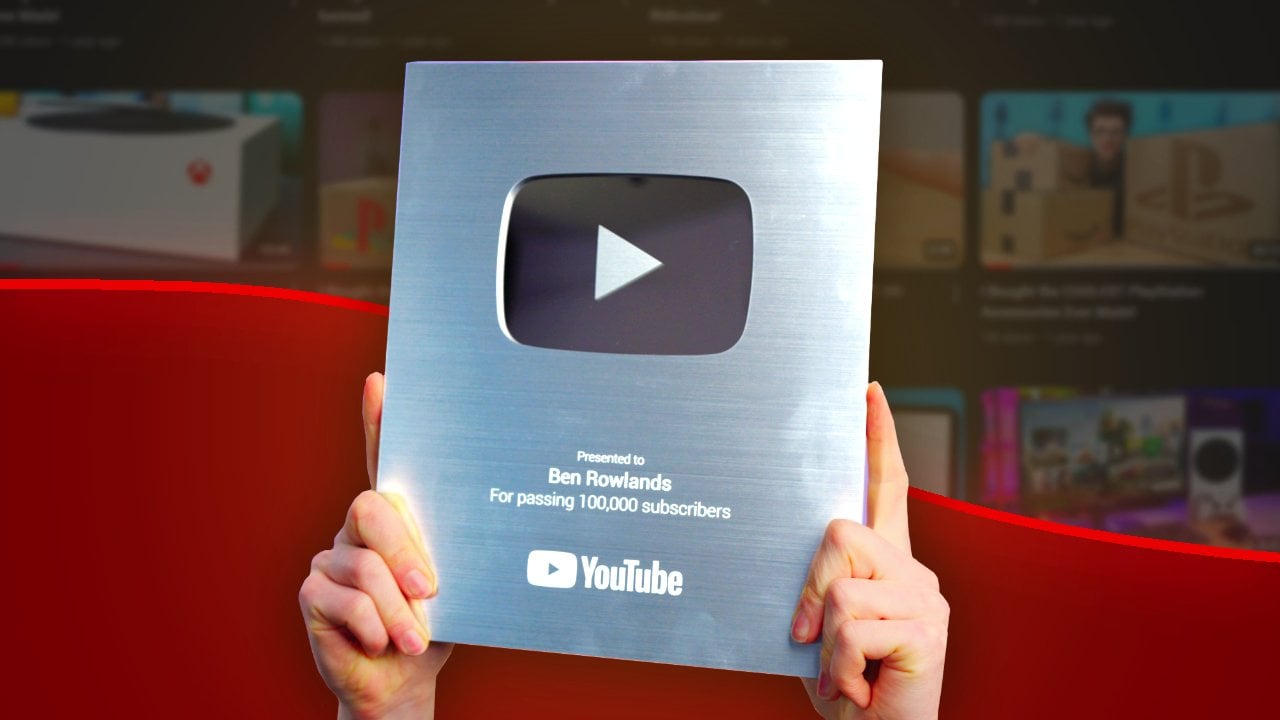
like a year or 100,000 subscribers because
of everything I did in this smaller market. So it had nothing to
do with the fact that the videos maybe
weren't good enough. It was just market size, which is a huge lesson
that I learnt about. So what I would often do is
when I go to research a video I'll often type the idea
into YouTube itself, and just see what the
views roughly are on it. So something would be like,
let's say, gaming PC. So I might make a
tech video about building a gaming PC or
something like that. So you can see obviously
it's a big market gaming PC, but also very saturated. So the videos that
you need to make in this subcategory of technology need to be a little
bit different. Otherwise, you're just
going to be boxing out how to build a
gaming PC guide, which is being done
like every single week, three times a week by
pretty much every tech YouTube channel there
is in the world. So you can see if we have
a little look on here, we can have a look at
what's recent content. And what's sort of popping off. And then we can start to throw
different variations into the content to make it a
little bit more specific. So you might do cheapest,
little like Amazon's cheapest. And then we can see
what happens if we do a variation of a game PC
video that's the cheapest, and we can have a little
look about it and go, Okay, little bit of interest
because obviously it's a bit of a bigger market. Not many people, you know, balling to go buy
an expensive PC. It might be a younger market, though, so the ad
rate might be lower, might not be as profitable in terms of the click per view, whether you're
interested in that or if you want an older audience that can obviously
potentially and, you know, be a little
bit more valuable for sponsorships and other ways
of monetizing an audience. You can then maybe try
something like most expensive, type these different variations into whatever your topic is, whether that be travel,
cooking, fashion, anything like that,
most expensive clothes, cheapest clothes,
things of that fastest, smallest, weirdest,
strangest, fake, so on, all those
different variations. So you can see
here, this has got a little bit more of
a gap in the market. One thing to always
bear in mind is channel size when you do
find a particular topic. You can see here this video has pulled 9 million views in a
year, and you think, Wow, we'll go build a
Minecraft gaming PC then, but it's been done
by Linus detectives. So he's got 20
million subscribers. So highlight Hood Chance, it doesn't really matter
what video he puts out. It's going to pull about one to 2 million views on average, because that's what they
do channel wide anyways. So yes, it's an outlier
on their channel, but not really one that you could go and make yourself
because you think, Oh, well, he's got
a massive audience. So you can then look at
particular things that stand out and then go and
click on their channel, and then you'll see
whatever size they are, and I've got a few
thousand subscribers, 80,000 subscribers, 40,000 subscribers, and they're on the smaller side of a
creator, you go, Okay, there's potential here and
it's interesting this topic that I can slot into and
make a video on this myself. So you can see right here
this is starting to open up a few different
variations that we can sort of slot into as
a content creator. Once you've then got your ideas
for the different titles. So for us, this might be built or I built a
cheap gaming PC, cheap gaming PC, and it might
be that's actually good. We've kind of got
a rough premise for the video just
from the title alone. We sort of know what
this is going to entail. That titles sort of
telling the story for us as the producer of the video to know
what we need to deliver for the actual audience. So from this point,
we can start to just literally box off
some bullet point list. And this bullet point
list is going to be a rough outline for the video. Now, usually, I wouldn't I wouldn't do this
on the laptop. I usually just write it on some paper, write
on a whiteboard, draw it out, use an iPad and draw almost what the
scenes might look like. Storyboard it out, because that for me is the fastest way. I don't really like
typing. So it's faster to just draw
it out and go, Okay, that's what's
roughly looking out. Looking best part about using Apple pencil on an
iPad or a whiteboard, you can rub stuff
out and then change the section out without
messing around too much. So we'll just do it on the
laptop for ease because I can obviously show you this
on the video much easier. So we obviously have an
introduction, which is obvious. But then from there,
we might want to jump in and maybe talk
about problems. What's the problem with
like a super cheap PC? And how are we going to
overcome these problems? This is going to introduce
some stakes in the video, overcome so already, it's going to get
the viewers in with a degree of a hook where
we're not just going, Hey, guys, I'm going to build a CGPC or you're gonna watch me. You're gonna be like, we're
going to build a GPC, but the huge problem with
these is it can't do XY z, da da da da da, da, but
I think I found a way. So that's going to hook them
in and make them potentially stay beyond that 32nd
mark within the video. Usually in the YouTube video, if you can get
people to watch over that 32nd mark in
your view retention, you can hold it around
75 to 80% people. You've got a banging
video at that point. Shows the hook delivered on
the thumbnail and title, and they're sort of
invested in the story line. If it suddenly drops
off after that point, something might be
quite slightly wrong, maybe in the delivery of
the video, the pacing, it's maybe a little
bit too fast, or it might be too slow. Probably more on
the too fast side with how YouTube's
evolving lately with how people are
consuming and watching on different devices rather than just shorts and mobile anymore. So we're going to
hit them with that. How are we going
to overcome these? We're then going to
probably get straight into not building the PC, but actually getting
some physical parts, probably, and so PCP picking. So we're going to pick
out these different parts for them to keep it engaging, whether that be going to
an actual store itself, just doing it on a
laptop like this, screen recording it,
and getting them engaged in the process of
what we're about to build. So they sat there and
go, Oh, oh, go to buy? Oh, we might buy that. Oh, I think you
should buy that one. And then you sort of pros
and cons at the same time. So it's a little bit of a
buyer's guide, as well. So you're not download
random parts. You maybe educate them a
little bit and go, Okay, we're going to go for this CPU because it's got X Y Z feature, but this one's $50 cheaper,
and all we lose is this. So we maybe go for that because we can get
a better graphics card, and then the benefits of why the graphic card might be better for this
particular situation. So you're going to educate them, so it's going to have
value at that point. So once we've got the parts, we can then obviously turn this into a little
bit of a storyline. I think one of the
biggest things on YouTube videos at the moment is, like, storification, if we
want to make up that word. We want to try and
make it where it feels like the viewer is
completing like a story arc, but not in the cliche way. This is something
everyone's been doing now where YouTube
videos have become incredibly formulaic
because everyone's using the same three
arc structure, which is just a standard
way a movies written. I've just bought a ticket in
every airplane seat to find out which one of them gives you the best gaming experience. I have booked a ticket on
every mode of transport to find out which one gives you the best gaming experience. But because it isn't 2
hours long like a movie is, it's obvious to spot the
patterns of S subliminally. So even if you aren't
analyzing videos to death, you can sit and see what the rhythmical patterns are in the editing across every
single YouTube channel, regardless of what it is. It's almost the
Mr. Beatification of content that people
often talk to it as. So because Mr. Best does
XY and he's editing, some person doing
a YouTube video on how to video edit or how
to edit photos in light room, we'll have that same
ridiculous pacing, but context for that content
is completely different. You want it to be slow,
you want it to be chill, you want to be able to follow
along with the tutorial. So the less edits, the
better, probably ideally, but you don't want
it to be ramy where the guy talks about something that's
completely irrelevant. You want it to still be on thread with what's
actually going on. So I think slowing down
the pacing of the content, but taking time to tell a
story in more of a unique way, so it doesn't have
this predictability, where it's Huck problem, then, like, some
cool exploration, and then, oh, we've
got this jeopardy now, and then you overcome
it 3 seconds later. It's not enough tension for
the viewer. That's the issue. In a movie, if there's
tension in the midpoint in that three c story line which work still got
another 30 minutes, 45 minutes to actually
overcome that with the main protagonist or
whatever in the storyline. Whereas when it's eight
minute YouTube video, you've got 30 seconds to
overcome that with the blogger, and then the tensions
release super fast. So it doesn't have
the same satisfaction for the brain when
you're watching it, which is why it feels like
fast food, all the content, and also why YouTube shorts are slightly less effective now in this current time
because it's 30 seconds and everyone's doing the
exact same story arc thing. But in 30 seconds,
so your brain just knows exactly what's coming next without even needing
to watch the video, regardless of its
topic, it's niche, whatever, because
everyone's doing the
4. Choosing a Workflow: Transitions us perfectly
onto talking about structuring the main content
and body of the video. And this where I'm
going to break down the two
different approaches, which is word for word
and the outline method. So when you're doing the
script word for word, this is where you're going to be able to really go into detail with particular research on the topic that
you're focusing on. And this is often where voiceovers lend themselves
very, very well. A bit of a common trend
we've noticed on YouTube, but when we've
analyzed content is a lot of people just sit with
one of these microphones, do the voiceover,
never show their face, and then they'll just
overlay it with loads of cool we want a spawn point, and we are back with a brand new TV Twin box on the channel, and this is one I'm really
excited to show you because it only comes with a
new tandem Ola tech, four K, Dolby there's this new handheld fix everything
the original got wrong, as it now has a bigger
battery, better thermals, more RAM, a sleeker chassis, and with some new
features like the Xbox. Especially in technology, we're seeing this as
a bit of a trend, so people can obviously
see more of the product. So it depends on the type of
video that you're making. So if you're a vlogger,
you obviously want it to be ad hoc logging on the camera, more about you like, Hey,
guys, welcome to the video. But if the videos
about technology, unfortunately, your ego has to take a backseat and
it isn't about you. So me as Ben Rowlands, the technology dude, no one really cares about Ben Rowlands. They just care
about the Xbox tips or they just care
about the PC that we're building or the
knowledge that we're going to tell them about this product or whether it's worth buying. They're clicking on the video because of the
product in the video, because of the
brand in the video, that the Xbox, PlayStation,
Sony, you know, these big, big names, not clicking on it
because of Ben Rowlands. And so that changes
massively how we shoot the video and what
shots we use in the video. So, of course, I can
be on the camera, I can be talking on the camera. It's not going to be completely
solas, how it's done, but we might do more sections
of particular B roll that overlays a lot of the talking heads so they can see the detailed shots
on the products, what buttons are
on the products. How big is the screen on a
product? Is it touch screen? How's the power How
does it charge? What power bricks come with it? What accessories were
included in the box? All of these things will
take up a good 80% of the video compared to my face
actually being on a video. Let's say you're more of an
informative YouTube channel, whether that be tutorials
or like coverage of, like, you know, sort of those more finance
niches or something. You might be sat on the camera, and it's all about your face because
people are coming for your knowledge in particular because you're the
authority on the topic, so you might sit here with
a podcast mic, and percent, 90% of the videos you're talking head with just a
little bit of Bro supporting it to maybe cover up mistakes with Bureau clips
so it's not awkward or has, like, lots of jolty
cut in there. And that's something to also bear in mind when
you're presenting. You don't have to nail the
take every single time. You can do your lines
in different parts, join it all together
in the edit and overlay it with supporting Bro. So we can't not talk
about these CX doors. Show you what is it? I can't come to the
UK and we can't be in the UK and not talk
about the CX, right? Okay. We do that
all of the time, especially sometimes
in busy environments when we're filming in public. You might start the line
and something random happens and you got to wait
and then get the next line, but we can overlay that little
awkward cut or something, and just leave it in because it helps the pacing of the video. The brain's like, Oh, what just happened there, but
it's still the same. Lots of things you can
do with the approach. You have to sit
there for 10 minutes getting the perfect line. So, right here, I've
got an example of what this scripting method
would look like when it comes to actually
doing it word for word, and this is a tips video that we literally dropped very recently. I did well, by 100,000 views, something like that on
it. In about a month. So ten Things do when you
get a Metaquest threes. So this is essentially
going to take them through all of the
beginner guide settings. So another way we
could have titled this would have been
Metaquest three S, beginner tips and
tricks or walk through. But a more interesting
thing that's maybe a little bit more
relatable to browse feature on YouTube
because there's obviously differentrafic
sources is going for ten Things do when you get a
new MetaQuest three. So obviously, it's more relatable to the viewer
because they're going, Oh, that's me, and I've just
got this for Christmas, and we dropped this
video obviously December around
later in the year, we might maybe switch
the title out because it's a little bit
more less seasonal, but it depends depends on what obviously the
context is on that. So right here, you can see
we've got the full setup. Tip number one is the setup, so taking it straight
out the box, and that's exactly
what they would do. So that's obviously
the most relatable way to kick things off. So we can do the cool
hook. We're going to show you ten
tips in this video, then boom, what are
they doing right now? They maybe just unboxed
it at Christmas. So they're taking it out
of the box and seeing what accessories are inside of that. So we're going to take
them through that and the first thing of
putting the headset on, then obviously adjusting the
lenses that go with there. But we've made sure that
we've kept it word for word, so the talking head
clips or the tips and tricks are obviously flowing, and we're not rambling for ages. And it means we get to the key bullet points
that we require. By doing it word for word, it allows you to transition
between sections beautifully, so you can write sections where the flow of the video
will obviously change. So you can see right here we've got this little bit bottom
bit here that says, you know, set it to which
setting is best for you, so it's the most comfortable. And then we go into a complaint. We've just fixed that
problem with the headset, but another common complaint that comes with this
is battery life, and we're going to
fix that for you so you don't have
the same issue. You know, we're instantly addressing with the
first time setup, the super hyped that
they've got the headset on. And then now they're
thinking, Oh, what problem? There's a problem
with the headset? I'm gonna have
rubbish battery life, it's okay. Ben's gonna fix it. On your eyes, you
can install an app, which is called eye
measure onto your phone, and then you can use
the Self camera to calculate the exact
measurement between your eyes, and then you can see which setting is best suited for you. A complaint amongst
many users of the Metaquest three
is the batch life. Now, thankfully, there are
some settings that you can change completely
for free to help increase the batch we're
already addressing the second huge issue
that they're going to experience as a user because they're going
to put the headset on, jump into some games, and then it's going to die
45 minutes later. So we're going to
show them how they get an hour and a
half out of it, so that issue doesn't occur. So instantly addressing a
pain point for the viewer, keeping them interested because, What else is this dude
going to show me? Because he is on fire
with the information. Another way we can often
use this technique in script writing when we transition this section
is, I love doing this. It's on the topic of. So we might have a
tip, conclude that tip and on the topic
of batch settings, let's talk about these
accessories that will allow you to extend the
bachelor to 4 hours. So let's switch topic, but also keep it on subject. So another way might be on the topic of how to
write a YouTube script, let me show you how you also
edit a YouTube video the correct way so it all matches and works
together and so on. So it allows you to basically
choose a topic and then move over to the next
phase of the video that's kind of got a
degree of crossover there, but also change direction without it being too
abrupt for the viewer, which way that comes into
doing that pre research, pre bullet point
and everything el, and then restructuring
the bullet point in accordance for what
you actually require. Now, with that address, I think we've talked enough
about how to do a tips video. You're probably think this
guy just does tips fids. You know, come on, mate. So I want to show
you an example of a more story specific
video that's got that classic cliche
story arc to it. So this was actually an
iPad air review video, but we did it in a way that
was not a day in the life, but it was more of
like a 72 hour review. So it had days to it, day one, day two, day three, and it allowed us to
share my experience with that in a more interesting way than just being
like, iPad review. And people would be like, Well, we've seen that 1
million times, Mate, but it's more like, you know, three days with the iPad. So the viewers think, Oh, it's not long term review, but it's going to
be more than just taking out the box and
saying it's pretty good. So he's going to
have a degree of pros and cons to his experience over almost week his first half of a week
with this thing. You can see the way I
actually scripted this out, and I've relabeled it to make it super easy for you
to understand. We've got beginning, then
the incident that's, like, enticing to keep
the viewer hugged. Then we've got second thoughts. This is where there's a degree
of doubt in the storyline. Then we've got the
climax of Act one. So a degree of conclusion for the viewer that then transitions
into those obstacles, obstacles, which is obviously that three c story
line, Obstacle one, obstacle two, midpoint
where twist with that, where we go in a completely
different direction because I've had a bit of a
breakthrough in those problems, and we're making progress. And then obstacle three, it
brings us straight back down. It takes the viewer
to a high point, then brings us straight back
down to another problem, keeping them hugged, like an
emotional roller coaster. We're on and off, we're
on and off on and off. And finally, there's a disaster, climax to that disaster, and then boom, we have a bit
of a hero arc at the end, and it wraps up the video. And the way I did this
was with an iPad. Shows you can do it with
absolutely anything. If you structure it in the
three c story arc technique, and then you apply
your topic to that, with a bit of
brainpower, you can make it work on
literally anything. So you can see with
the iPad example, the first part sort of the challenge as to why
I'm using this iPad. So I'm sort of saying last year I bought the world's
most powerful iPad. Fast forward like a year
or six months later, you can now literally
purchase the same power iPad, but for half the price
in the cheaper model. So it's like, Whoa, that's a
little bit unlucky that mat. I'm a bit annoyed as a customer. But I'm thinking, can it be the same experience
half the price? And then I can it
replace my laptop? Can it replace my MTBk? Can it do something like that? So that's the
challenge. But then we've got that second thoughts. You know, I've paired
it with the keyboard. You know, I think it's one of the best keyboards
that you can get. However, I've got
some regrets here, and that was buying the
case in the wrong color. I bought it in white
instead of black. I intentionally
purchased it in white. Looked better for the thumbnail. And also, it meant I could
put this into the script. I'd be like, actually, this was a mistake because last year, I got it in black, and it
was covered in fingerprints, all sorts after, like,
a couple of weeks. So the white ones got no chance, especially with me travel. That is a stupid example of how you can do
it with an iPad. So we've even put
challenges and climaxes and all that type of
stuff in with the storyline stuff within Act one, just on choosing the
wrong color iPad. That was a huge disaster.
Then we've got the next act. This is the next obstacle. You know, the issue with this
iPad is the screen smaller. Though it's cheaper, last
year's models 11, 12 inch. This is only seven inch
or whatever it is. So it's half the size almost. So I don't think
it's going to be good enough for multitasking. So that's the next obstacle
we've got to overcome. How am I going to
get through this? And then this then transitions over to what I just talked about, multitasking. So the screens small so how am I going to
use multiple apps? I use these apps, productivity, blah blah, blah blah
blah, show them how I use the iPad in a day
to day experience, so they've got
context of how they could replace their
laptop with an iPad, but this is a huge problem
with using the smaller one. But then we've got a
bit of a breakthrough. Got a bit of a breakthrough.
Actually, it's been pretty perfect so far. The smaller iPad's lighter. It's easier to travel with. It's got a similar
performance anyways. And actually, it's not been
that much of an issue. But it doesn't have face ID. It's got thumb ID.
You got to use a little touch ID thing,
which is rubbish. So it's another little
bit of an issue. So, again, we're reviewing
it at the same time, whilst keeping them on this
day in the life story, it's more than just
me sitting here, doing the talking
head and being like, This is everything you need
to know about this iPad. One big thing to bear
in mind, as well, all of this is Bro.
So it's me logging. It's me doing
contextual day to day shots of me actually taking
the iPad out and about. So it's very engaging to watch. It is almost like a movie. But instead of me being the
hero, I'm not Spider Man. The iPad Spider Man. So that is the main character. So you've got to
bear this in mind, who's the main character
in the video and why? And the iPad's the main
character in this video. And in many ways, the
more expensive iPad, the iPad Pro is the villain. We've got the little
underdog that's $500 fighting against
the $2,000 iPad. So you've got them
playing against each other in quite a
fun, unique way. Then transitions through
to of other obstacles that are need to break down. You can read them
if you want to. What I want to point out
in this script is how I've also sort of micro organized it in a
really simple fashion. This notion is fantastic. So within Notion, it's
free, by the way. With notion, you can
just drag blocks around and you can restructure things,
which is fantastic. So if you decide that
this act isn't right, you can just drag
it all, select it, and then move it about
dead easy, put it there. Boom, job done. But you
can also color code stuff. You can do that in
any word processor, really, but it's
really easy to do. So you can see these
lines are all in orange, and there's a particular
reason for that, and that's because
there are lines that I'm going to film
talking to the camera. So everything else is a
voiceover that isn't in that, but the colors that
are in orange is going to be lines where
I log it on the camera, talk to the camera, do it that. I say it word for word,
exactly the same, not really, but
the threads there. So I can read that and go, Okay, this is what I'm going
to talk about, boom, and I can do a
more natural take, or I can say it word for word, if it needs to be
so intentional. Then everything else that isn't highlighted is going
to be voiceover, just talking into this
microphone and overlaying that with additional
footage to support that. Now, going more further into our current workflow
because obviously this video was filmed
a couple years ago, we now color code
a lot of things. So we'll color code, what type of burial might go in
a particular section. And then that might
match up with like a short list or
something like that. So then that way, we can
see the whole thing and see which sections
are overhead camera, which sections are voice which sections are talking
to the main camera, which ones are going to be
Ball in certain location, Bureau in the studio,
bureau outside. There's a lot of ways you can do that on more complex shoots. And we also often
storyboard this. Where AI is fantastic is it lets us generate
images so we can type in Ben holding a
laptop in location, and it can generate an image, and then we can throw that into a storyboard just on like Canva. So we'll use Canva,
which will basically be us taking the
storyboard that I did on the whiteboard
and turning it into a digital asset where we
can put those images in. So whether that be
screenshots from old content or AI generated images
for us to visualize it, but also to pitch it
to brands as well. Sometimes when you
work with a brand, they need to see the storyboard
or the vision before they support the video and
actually back it, so you have to basically do a presentation and
pitch it to them. So this helps make that way easier for them to actually see the crazy idea that we're
trying to articulate to them.
 Ben Rowlands, Content Creator with 800,000 Followers