Transcripts
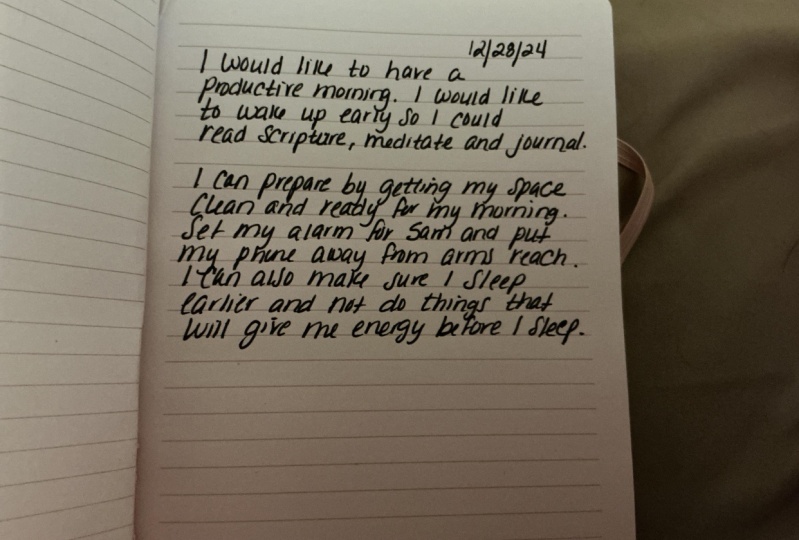
1. Intro: Hi there, My name is Ricardo Castillo. And in this class you'll learn how to wake up early. What are you feel like doing it or not? Why would you want to do this? Because the morning it's a game changer. During quarantine thing, I develop habits such as stretching and practicing your languages. And I changed my entire meeting three morning. The power of the morning is real and I want to share it with you. For your class project, you'll write a sentence in which you will say, which activity would you like to do in the morning and what can you do to make it happen? Let us begin.
2. This is not a Negotiation: This isn't a negotiation. The problem waking up early to be productive is that it's not an obligation with an immediate consequence. Were referred work all through the sleep if you are tired, right? That's usually when you are about to give up. The idea of waking up is the hesitation, the second thinking, just thinking like, why, why am I doing this minus, well, I'll just keep slipping, right? Well, let's try to create a consequence. Imagine that you have to wake up early to catch a flight. Now there's an immediate consequences. If you don't wake up early, you will miss your flight and you'll ruin your trip. So this is the idea here. We need to think what activities we want to do in the morning and what will happen if we don't do it? Like, what are we loosen? For example, this thing that we want to wake up early to practice the piano, right? Okay, so now the idea is to think or know if I don't wake up early. And they're going to get those sweet piano skills to impress my friends and family in the next meeting or gathering. Or another example, perhaps you want to start us, Ronnie and every morning, right? Well now you know, if you don't wake up early, you don't get to run. And if you don't get to run, then you're going to be like less healthy and that's no good. So those kind of like exercises are they way that you can think of real consequences for the things that you want to do. And that will make you more likely to do then more likely to wake up early in the morning to do them.
3. Environment: Environment. Okay, So this is a trait. This is the thing that most important thing that I'm going to say in this class, and it's this, makes sure that your alarm clock is far away from you, non-differentiable by hand. Make sure that you have to walk to like Stendhal, a walk towards war and alarms coming from. So you shut it down. This is very important because hey, guess what? Once you do this, you have the LEA Oraibi, the thing you got out of bed to shut down the alarm night. Now that you're standing up, you are very like you got this. You want this hole. A battle. Now comes to the next part, which is make your bed right away and also make it like impossible to go back to sleep. Like for example, I put like books on top of my bad. I tried to count like, you know, create this illusion that, you know, these bed. I think here it's no longer available. It doesn't exist anymore like there's no going back. That's the whole idea here. So then it's like, okay, you want to get into this realization that you are like, Okay, I'm already here. I guess I'm just going to start my day. Like that's that's the waned situation here. Basically make it impossible to go back to sleep and just keep going.
4. Momentum: Keep the momentum going. So now that you are aware, you need to make sure that you have a clear idea of what you want to do, that you have all this figured out, so you start just taking action and not thinking. If you don't know what to do, you might start just like I like going in circles and thinking, you know why this whole waking up early, it's not, it's not it's essentially a waste of time and I should just go back to sleep and then try this some other day or never. So that's why it's very important to be clear what to do and basically the most difficult things to get to like to get started once you start, it's ACT yes, good coin.
5. Bedtime Routine: Your bedtime routine, what do you do before going to sleep is very important. Your morning depends on it. So the most important thing here is to be constant with the time that you go to bed and the tiny you wake up. For example, if you want to wake up at 05:00 AM, USU got to better by 10:00 PM. You want to wake up for a and then go to bed by nine PM, so you get like seven hours of sleep. Also tried to make sure that the activities that you do before going to bed, they are like predictable. Let me explain. For example, let's say that I want to practice the piano before going to bed. Like, I know what to expect for knowing that. Like, I know that I might use played like a few songs like I know, I know what's going to happen. But now let's say that I want, I'm going to open Instagram. I'd have no idea what's going to happen. I might see a story of a friend sharing some good show on Netflix. And I'm going to be like, Oh, I want to watch that now. Maybe someone's talking about food and then maybe I want to order something. You see where I'm going with this. Like you really don't know what to expect. Like there's some variety, it's random. So you are taking the risk of basically staying awake late. So the idea here, we need to make sure that the activities and things that we do if we're going to get are like fully on our controls. Like we can make sure that we're not gonna go over past our bedtime.
6. Two Ways: The way that I see there are two ways to wake up early. Optional one, you make the jump regardless of your current sleep cycle and schedule. You use a star and waking up at five AM and you just fight for it. This is certainly the monster amortizing way because you just fuel fill awful. I there's just no way around it. But I can tell you that after about 30 days, I will say you get used to it and you adapt to it and then it becomes easy, very easy thing to do. That's the approach that I like because It's faster. The other option I will say is to wake up earlier gradually. So like go to bed ten minutes early and wake up terminals early. And you just keep doing that each day until eventually you reach your target. Going to bed time and I'm waking up time. Those are the options that I will say are available to you. But I really recommend the first one because it's faster and it's, it's, it's fun kind of thing.
7. Track Your Progress: Track your progress. Use a notebook to write down the time you go to bed and the time you wake up. And also make notes of how you feel and things that you do during those times. This is very important because everybody is different. And the key here is to identify patterns that you can use in your favor to basically improve yourself. For example, let's say that you start waking up early and you realize that you are not getting a good night of sleep. But then you read your nose and realize, Oh, spending like two hours in front of the computer ride before going to bed. And my eyes just feel EGN its source. So that's why it's causing you trouble. And then you can brainstorm solutions, like for example, okay, maybe I can do the computer thing before and then I can switch that for another activity that is less, that causes less stress in the eyes. So the idea of journaling here is to get all the facts. Because sometimes we might think that we're doing things right or like we are not aware of things that we're doing. But once we have the actual data and information, we can make better decisions. We can realize habits or things that we were doing, that we were not aware of them. And that way you can come up with very creative solutions to keep improving your routine and reach that target goal of waking up early, do the things that you want to do.
8. Mindset: It is very easy to just think about how a drag is to wake up early, that it's just a chore. That is, it's not fun, right? I mean, that's what everybody says. However, if you think about the things that you want to accomplish, you can actually create the excitement to wake up early to think, wow, I really want to go to bed as soon as possible so I can wake up and start working on that project or on that habit that I want to build. Now, it's no longer like something that bothers you, is more like something that you Can't wait to get to do this thing. So try to replace that. I have to wake up early with the, I get to wake up early. I get to enjoy my mornings to practice this art or do this activity that I really like or work on this project. The idea here is to change your view about waking up early to actually look forward to it.
9. Activities: Activities you can do before going to bed. That one caused so much stress in your eyes. These are some examples. You can schedule your next day. You can schedule your week to come play an instrument. If you play the piano, you can just play music very, very slowly. You can read a book, you can listen to an audio book, you can listen to a podcast. You can listen to a language podcasts. You can call a friend, you can write in your journal, you can write in your URL about that phone call. You have your friend, double-dot Bowlby, who were written. The possibilities are endless. I'm sure you can find something to do.
10. Thank You: Congratulations, you made it this far a woo hoo, okay, for your class project, all you need to do very easy is to write a sentence in which you say, which activity would you like to do and what can you do to make it happen? So I what's stopping you from doing that that you wish to do in the morning. And how can you address that situation? That's your class project. Thank you so much for taking this class. I really appreciate your time. Please leave me a review and let me know your thoughts about it and until next time. Thicker.
 Ricardo Castillo, Filmmaker | Designer | Productivity