Transcripts
1. Class Introduction: Hi there. I'm Lisa,
and welcome to my how to cater
Granny squares class. I've been crocheting
for about 15 years now, and I work as a
crochet teacher and published Carty patterns under my nickname of misses Lamb. I'm really looking forward
to teaching you how to make Granny squares and going through what you can use your
finish gunny squares for. You'll learn all the
stitches and techniques needed to make a granny
square in this class, including how to work in the round and how
to change colors. You will learn how to make
both a traditional style granny square and a
solid granny square. We'll then put all
your new skills into use in our class project, where we'll ct a large
granny square that you can continue working on after the class to make
into a blanket. You will need some basic cheer
skills to take this class. You'll need to know how
to make a chain stitch, double crochet, and slip stitch. Although I do go
over how to make double roche stitches
in this class as well.
2. Lesson 1 - Materials and Tools Needed to Crochet Granny Squares: Fed, I'm just going
to go through which materials and tools that you
will need for this class. You'll just need the basics for this class. You will need yawn. I've got a double knit yawn
here and you will need a hook in the correct size
to go with your chosen yawn. I'm using a 3.5 millimeter
hook with my double knit yawn. If you're unsare about which size hoop you
need for your yawn, have a quick look at the
label on your ball and it should tell you the
correct size on the back to use that
particular yarn. You can either make your granny square or with one
color of yawn, such as this square where I've used a variegated
yawn for it. Another option is to do a granny square where you change color on
every single round. If you want to do
that, I will explain that in one of the videos
further along in the class. We did want to do a
mult coolred square, then you'll just
need a couple of different yawns around about the same thickness
like I've got here. It would also be useful to
have a pair of scissors and a sewing needle at
the hand just for finishing off your granny
squares at the end.
3. Lesson 2 - How Granny Squares are Constructed : In this video, I'm
going to go through a short introduction
to Granny squares, and we'll go through
what they are, how they're constructed, and
what you can use them for. The first thing that I just
want to go through before I start this lesson is just to say that the terms that I use in all of my classes
videos patterns, I always use what's
known as US cro terms. You will find that patterns
are either written in a UK or US set of tier terms. It just depends on where
you've learned to crochet. I learned using US videos
and books and what have you. And that's just the
terms that I picked up. What I have done is in the class project
section of this class, you will see that there's
a download for you, which explains the
class project, but it also has in there lots of useful information that
you might want to keep handy. It's got a table
in that download that explains what
the different names are between different terms. For instance, these
granny squares, I would call this as the
Minster double cro in the UK, that would be referred
to as t, treble croche. That chart will basically say that this is called one thing in the US and
one thing in the UK. As long as you check
your pattern or your class to see what terms they're using before you start, then you will be
absolutely fine. As you say granny square, the basis of it is it's
obviously a little square. They've been around for
a really long time and there's and lots of different variations of granny
squares that you can make. You can see this one on the
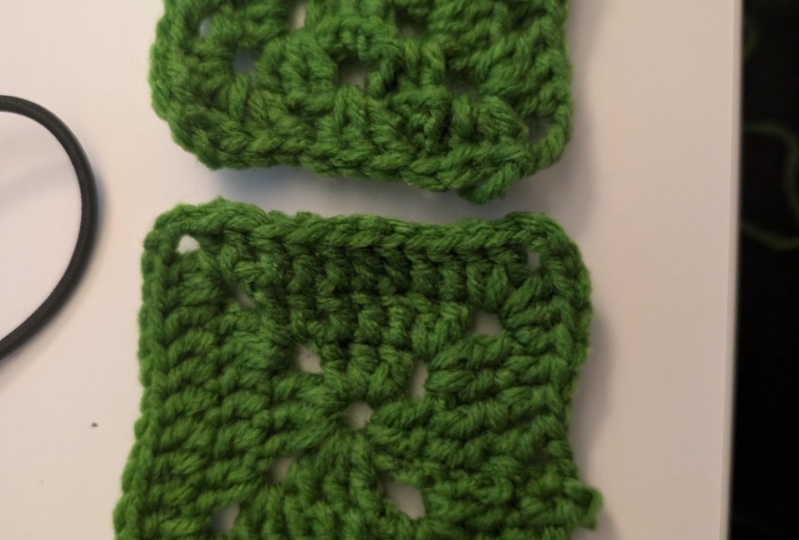
right that I've got here. Has gaps in it.
This one is made up of little clusters of stitches, three double cot stitches, and then we have what called
chain space in the corners. And we've basically got that repeated in around to
make the little square. This is probably
the most popular granny square that you will see, or you will see that this one
is quite popular as well. This is what we
call a solid one. Instead of having the
gap in like this one, we've just worked double
quart along the whole line. In this class, I'm going
to teach out to make both. L I say there's a hundreds
of different ones. If you have a look on
Pinterest or Google, you see that there's ones that
have stars in the middle, ones that have heart
in the middle, have circles, animals. Anything you can think of, somebody will have designed
a granny square for it. It's really good
as well if you're a beginner and you're
just wanting to expand your skills because a granny square is
really versatile. You can make lots
of little ones like this and you can then
join them together. So seem them more together
and make it a blanket. One thing that's
quite fashionable at the minute is the granny
square cardigans, jumpers and other
items of clothing, which is basically just
the same concept of lots of little squares joined together according
to the pattern. You can make one
big granny square, which is what we're going
to do in the class project. That is really
good to do because it's basically your first
round of your square, your second round and
then the third one repeats itself for as long
as you choose to keep going. You could make an
absolutely huge blanket and just keep going over that third round and using those instructions to keep going till you're
happy with the size. That person is my favorite
type of requiring square because it means I've got no joining to do
to make a blanket. Now, what you will find is
with the granny squares, in terms of how
they're constructed, it will be a little
bit different if you've just
learned to crotate, and you've learned to cotate
into a straight chain. With a granny square, they're
constructed in the round, which you can probably
see easiest on this one. You can see in the middle,
we've got a little circle. That is a ring that we
make to begin with, so we'll make a little
chain ring there. Then what we do is,
we then work all of these stitches into that
ring for the first round. We're basically making of
say three stitches here, a corner, more stitches corner. It's a four repeat into this
little chain in the middle, and then we join it at the
end of a little slip stitch. That's what makes
it in the round. Then your next one, you're
just working round it again. You've already got your little square from the first round, and you're just
building onto it.
4. Lesson 3 - How to Make Double Crochet Stitches: This video, I'm
going to show you how to make a double ct stitch. Now, to start with to do this. I've got some double
it yarn here, and I've got the
corresponding hook of the right size with
three half mil hook. First thing that
I'm going to do is to make a chain quickly. I'll just do that. Now
for double crochet, you will need a turning
chain of three chains. I am going to do five
double croche stitches. I'll need the five
chains plus three extra, so I'll just chain eight here. One, two, three, four, 56, seven, eight, let's
check how many of ****, two, three, four, five, six, seven, eight. Yeah. So for double coche, We're going to leave a turning
chain of three, as I said. We'll be working into
the fourth chain from the hook for
the first stitch. Now, the way I
crush into a chain, I crush into these little
humps on the back, a lot of people will go into
the vs on the front there. Using the little
humps on the back is just an easier way that when I learned how to crotch and
it's the way I generally teach students how to do it
because it's a bit easier. Do it whichever way
you normally would, but we're going
to start by going into the fourth
chain from the hook. O, two, three, and
this is the fourth. The first thing we're
going to do, for double crochet is yarn over. And then we're going to put our hook through the
chain stitch there. Y over again, we pull that yarn over through
the chain stitch like so. We've now got three
loops on our hook. Now the next thing
that we're going to do is we're going to
go yon over again. This time we're going
to pull the y on through the first two
loops on your hook. Se now just got two again. Then just as the last stage, we're going to yarn over again, and then this time we'll pull this yarn over through both
loops that we've got left. It goes back to the one
that we've got there. You can see we've got one double cote
stitch there formed. I'll go through the
next few quite slowly. Don't worry if you've got to rewind the video,
watch it again. That's absolutely fine. Just
do it at your own rate. The first thing we
do is yawn over, and then I'm going to go into the next chain stitch there. I'm going to yarn over again and pull it through
my chain stitch. I've now got the three
loops there on my hook. I'm going to yawn over once again, pull it through
the first two. Y over again and pull it
through the remaining two. I'm back to one there.
We go yawn over. Cook through the stitch, the chain stitch,
Yawn over again, pull it through
that chain stitch, and then we'll yawn, pull it through the first
two loops on the hook, and then we'll yawn over and pull it
through the second two. See, we've got three there, three double cot stitches, and we've got the chain three here that
was the beginning. We've got two more stitches
left, so we'll just do them. Yawn over, insert your hook
into your chain stitch. Yan over again and pull it
through that chain stitch. We're going to go y over again and pull it through the two, Yawn, pull through
the two again. P a little bit more y. And for our last one. To this little last
chain stitch here, we're going to go y
over through there. Yawn over again and
pull it through that chain stitch, Yawn over, pull through two stitches, Yawn over and pull through
the two stitches again. You can see now, we put
this down on the table. We've got one, two, three, four, five, double ct, and our
three chain to start. Now do our next row. Again, we're going to need
a turning chain of three. We'll just do our chain now one, two, three, and then
we'll turn the work over. Then for the first
edge of this row, we're actually going to work not into this one at the base, but into that double ct you
can say it the second one. This is just going to give
you a cleaner more even edge. We're going to work into
this one here first. To do into existing stitches. Rather than obviously, before
we went through the chain, we're going to go
through these vase on the top. We yawn over. We go into that second
one. Through that. We're going to yawn over
and pull it that stitch, Yawn over, pull it through the first two
loops you've got, yawn over, and pull it through the second two that you've got. That's your first double
the stitch there. So I'll repeat this again a yarn over through next stitch, Yawn over and pull through that. Yawn over, pull through two. Yawn over and pull through two. Just going to grab a
bit more yarn, my ball. So Yawn over again. Pop your hook through
the next stitch. Pull yawn over there, Sg your three loops. Yawn over and pull
through the first two, Yawn over and pull
through the second two. Yawn over into the next stitch. Yawn over and pull
through that stitch. Yawn, pull through the f two, yawn over, pull through
the second two. Now, what we're going to do for our last and final
double coors stitch. This is our chain three
starting chain that we had, the three that we left at the beginning of our first rule, and we did our first
stitch in the first rule. What we're going to do is,
we are going to work into the third chain of that starting
chain from the last row. See on the side a bit better. There's one, two, three. This one at the top here is the one that we are
going to work into. We're going to do our yawn over. Then we're going to put our hook through the two loops of the third chain in
this starting chain. We're then going to yawn
over what we normally do, pull it through
the first stitch. We've got our three on
the hook, Yawn over, pull it through the
two, yawn over, pull it through the two again. Now you've got two
rows of double, and you can see it's got
nice straight edges there. You can see now that
you've got your one, two, three, four, five, double to stitch is there in your second draw,
your turning chain, and you've got your
starting chain, one, two, three, four,
five there as well. That's how you do your
double cautious stitch.
5. Lesson 4 - How to Crochet Round 1 of a Traditional Granny Square: Okay. In this video, we are going to learn how to do a traditional style granny
square like this one. A traditional style
granny square is made in the round like
all grane squares, but it has got
clusters of stitches, so you can see here if
I just pop it up here. You can see here you've
got your center, but then you've got three
double casar stitches there. Then this little gap here will
be made with chain three. You would chain three stitches. Then you're going to repeat
that another three dams. You do another three
double crosta stitches, then a chain of three
in the next corner, and then another three
double casar stitches, C chain three for the corner, another three double cross, and then chain three
for the next corner. Then you would slip
stitch that to join it into the first one
that you made. So We're going to stop
by doing this part. What I'm going to
do for the purposes of teaching you
these gane squares. I'm going to use the
fixed chain method to make my ring in the middle. Whoever if you wanted to do it with matric circle, you
could do it that way. But I'm just going to do that because I find that
a little bit easier. I'm going to do chain
four in the beginning. I'll just pop this to one side. The other good thing actually
with these granny squares, I'm going to teach you later on is that you can change
colors as well. If you wanted to do one
that's all one color like this because this is
actually a variegated ion, you can, or you can do one where you change
color after every round. I'm going to start
by making my chain. I do my slip knot
put my hook through. I'm going to make
a chain of four, one, two, three, four. Once I do my chain of four, I'm going to slip stitch into
this first one in my chain. Slip stitch that pull
it through there. Pull it through the one you hook and you say I've got this
tiny little ring there. All of the stitches in my first round are going
to go through this. What I'm going to
do to start is, I'm going to make
three chain stitches. Make my chain here.
One, two, three. Now, that will count as my first double crochet in my first cluster
of three stitches. It's useful to remember that. Do my chain three, and then
I'm going to do my yawn over. I'm going to work the hook straight through the
middle of the loop, going to yawn over and pull
it through the middle. Ya and pull it through
two, and then the two. Then I'm going to do
another double croch into the center of the spring. We've got our two doubles. You can see that makes
my first three cluster. Even though that one's a chain, but it looks pretty similar. Then this is the first
corner that we're on. We're going to do a chain
of three to me the corner, and then we're going to
just rotate it like that, so 90 degrees that. We're going to do our next
cluster of three, our first. And then we're going
to do a second do cart through the ring. We are going to do a third. Then we've got our
second cluster, first you can see, and we've got a first
and second cluster. We're going to do
chain three again. 123, we're going to
rotate the work again. And then we're going to do
three double and c again. Got 12 three. I'm going to chain three
again for the corner. One, two, three, rotate it. See now I've got my
two bottom corners. I'm going to do my last of three double rotate in
the beginning and so one, two Then three is my last one. Then just to form
the last corner, I'm going to do
with chain three. I've got one, two, three. I'm going to turn
it. What I'm going to do is I am to
join this round, I'm going to slip stitch it. You can see this one here, is your chain three
from the beginning. You've got your first chain, second chain and your third one. We're going to do a slip
stitch at this top one here. We're going to go through
both of the loops of the third chain in the
starting chain for the round. We're going to pull through there to make the slip stitch. And then we're going to
pull it through the one on the hook and there you can
see we do our first round. I'll just pull the lip bits and take my hook
out and show you. C and C now, you've got your four little corners
that are all chain three. These are often called
three corner spaces. Chain three corner spaces. These are your three
little cluster, four little clusters of three double pushes that make up the beginning
of chi square.
6. Lesson 5 - How to Crochet Round 2 of a Traditional Granny Square : Okay, next, we are going
to go through how to make the second round of your
traditional style granny square. Now, we ended where we had on the last
round where we slip stitched into the chain three
of that last round to join. Now to start the second round, we are going to need to go to this corner space over
here on the left, to get to this
corner, going to slip stitch into this
first double crochet. Pull your through. Pull
it through that one slip, and then we'll do it
in the next double croch we're slip stitching. There. Then lastly, we're going to slip
stitch in the corner. Put it through put you hook
through the corner space, and then we'll pull through
and we'll make a slip stitch. You can see that we're
now at this corner, here. The first thing we're going
to do is, we're going to make our chain three
to start again, 02, three, and this is going to form
the first double croche. It's going to be counted
as the first double cloche in the cluster double going
to put in this corner. We are going to do two
more double crotch here, so we're going to go run of
and into the corner space, pull it through
the corner space. Just like you were
working with the ring in the first round where you were working all your
double crotches through that. W these ones through
this corner space here. We do a double crotch there, we'll just grab some more yarn. We do our last double crotch
of the section, so was born. Two, three, and we've
got our one, two, three there, cluster of
three double push stitches. Then like we did in the
last round where we did three chain stitches
to make a corner. That's what we're
going to do here. Basically, when you're making your clusters into your corner
spaces, you're increasing. You're doing that
on every round. See here that on
your first round, you've got one, two,
three, four clusters. But on your second
round, you've got one, two, three, four, five, six, seven, eight, you're
increasing on every corner. Back to this, we're do our first cluster of our corner this. We're going to chain three
against one, two, three. Now we're going to
turn this because the next that we're going to
well at this corner space, but they're going
to be along here. We're going to do three
double cart stitches. That's the first one.
Do our second one, and then we'll do our third one. You're starting to
see here, I just pop. I ho out the whay a little bit. You can see here that
you've now worked two clusters and then you've got this chain three
space in here, which is going to make another corner space like this one. They go up diagonally. The next thing that we're going to do is we're not going to work into any of
this cluster here, so any of those three,
we're going to skip them, and we're going to go straight
for this other corner. We're going to do our yarn over, and then we are going
to put our hook into this next chain space, this next corner space here, and we're going to
work our double quote like so into there. Once we finish in this chain
space, we skip these three, we yarn over and we put our hook through the
second corner and we work our next cluster of lot of
stitches into this one. On double cart there. We're going to do another two. We do our first cluster
in this corner. We're going to do
another three chain. And then we're going to do
another three double ct here. To finish off this corner. Now see we've now
formed two corners. Again, we're going to skip
these three double cot here. We're going to yawn
over and we're going straight into this
corner with a hook. Straight through
that chain space, do the first and do
two more for this c. That's my first, three, do quart, chain
three for the corner. Then you're going to
go and do our next. Set of. We're doing our next
set of double stitches. There you go got
the third corner. Again, we're skipping thee, over straight into
the next corner, do our next double quart stitches.'s go out a little bit more ya. Then we're going to do
our last little cluster. We're going to do chain
three, for last corner. One, two, three. We're going to do our three
double into this corner. Here on this side. Now to finish, what we're going to do is,
we are going to slip stitch again like we did in the
first round to join. This time, we're still slip stitching in the
first chain three. But obviously, we've got a gap. We're going to go for this chain in the first starting chain. We got one, two, three. We're going to ski. We're going to put a hook the th chain and
this starting chain. X so, and then we're
going to slip stitch. Pull it through
that one and then we're going to pull through
the one on my hook. I'll just pull micro out
the way a little bit, C and C. C and C now, you've got your first round there and then you've
got your second round. C and C, these are increased. You've still got your
four corner spaces there, diagonally out from
the ones in there, but now you've also got
these gaps on each side. In the next round,
you're going to make equal son to each one
of these gaps as well.
7. Lesson 6 - How to Crochet Round 3 and Further Rounds of a Traditional Granny Square : Okay, so we're now going to do our third round of our
traditional style guni square. Now, this round is repeatable
from this point mites. However big you want
your grani square to be, if you want to make a giant one, if you want one of six rounds, ten rounds, you just
repeat this third one now. So basically, you've
only ever got three rounds that
you actually need to remember because
the first two, obviously, the first two
rounds are the same, and then the third one is the same for the
rest of the rows. That's what makes gi
squares so verstil, you can do them
whatever size you want. Again, like before, I do want
to start in this corner. What I'm going to do is, I'm
going to slip stitch into these two double crotch here because we've
already slipped stitch at this one to join
with the last round. We're going to slip
stitch and then two and then into
this corner again. Pop your hook through the first double crochet
a slip stitch. Now and make your slip stitch. The second one, and
then put your hook through the corner space and
slip stitch into that one. Now, as of the last two rounds, we're going to start
with a chain three, which is going to count as
our first double crochet of this little cluster
that we're making. One, two, three, So we're going to do our
first two double cross into space as before. And calls our first
little cluster of three. In this corner,
we're going to do a chain three for the corner. Then we're going to do our next three double t. Obviously when
you're doing your corners, I to rotate your piece around. Hopefully, by this point,
you're starting to get the hang of a little bit of how granny
squares are put together. You always say, feel
free to watch the video. However many times you want, when I was learning,
I watch videos. Pay about 100 times
all that clicked. But really practice
makes perfect. We rotate be honest. We've done our first two
double cote clusters here with our chain space. Now, from this round onwards, we're going to have
this little space in between clusters
from the round before. As well as increasing,
like we said, do two into each
corner like this, which is where you
increase the square. We're also going to work in every single little gap
between the clusters here. We're going to skip these three. We're going to do our
yarn over and put a hook through this hole in the
middle of this little gap. And then we are going to
pull way on through and do our double course the same way we have been in the corners, and we're going to do our
three here into the scap. We've now got our
little cluster of three there into this space. Then we're going to
skip this stitches again and we're going to
go in this corner again, do three more
double this corner. Because granny squares
are so repetitive. Once you've got the hang, the sky is the limit on how big you want your square to be. We've got a three there, we're going to do our
chain three corner, and then I'm going to do
another double quart there. That's a second corner in there. Then again, we're
going to go into this little chain space in
between my two clusters. We're going to miss these three, and we're going to
go straight into the over the gap. D double second one. Double. Then we're going to
jump these three again, skip these three and go
into the next corner. We're doing our three and
do this little corner. Then we're going to do
a three for the corner. One, two, three, turn it, and we're going to do our
double to complete corner here. That's the third corner done. And we're going to do
it into this again. So straight in through there with your hook and
do your three. Double crochet into that. And then we're going to ski
and into this last corner. So two or three double. I do a three, one, two, three, and then we're going to do
last three double into here. Then the last bit of completed
We're skipping these two and we're going
into this middle space here for our last cluster. 02, three. Now we're going to
skip these three, but we're going to
slip stitch into the third chain third
chain stitch of this chain three that we started with for the round to
join in the circle. Join in the round.
We're going to go for one, two,
three, that one there. Pop the hook through there, and then do our slip stitch. And you can see now. We've
got one, two, three, rounds. You can see the corners
now come out diagonally, and you can see that now
you're actually working on all of the gaps as well. What I'm going to do
is, I'm going to do another round and I'm going
to do it really quickly. I won't talk through
it, but I'll just go through and see exactly how this looks after the fourth round and so on just by
repeating the third. We'll get into this
corner to start. Y. So starting
fourth round here. You can see now we've
got two spaces to work in on the next one, we have three and
so on and so forth. Doc on this side. L et's see. I've got my first
side done there already. So you've got two in the gaps
here and then two corners. Okay. And now you can see that I've now done another round. I've got one, two,
three, four rounds, and you can see I've just
continued to go into each space in between clusters and other
corners to increase.
9. Lesson 8 - How to Crochet Round 3 and Further Rounds of a Solid Granny Square : Just going to go
through and show you round three on the square. Now, again, like what we said with the
traditional square, you do repeat the third round. The second and third
rounds are quite similar, but you basically just repeat the third round
for as long as you want until the granny square
is the size that you want. You could keep going on for
100 rounds if you wanted to. It just makes let's say
more versatile in terms of what size you
would get from them. The first thing that
we're going to do again is we're going to start
with our chain three again, which is going to count as our first double
crochet in this round. Then we're going
to work this time again into all of the doubles
from the round before. Obviously, we've got more now than we had in the last row. We only need the last round, sorry, we only had the three. From the cluster from the first round that we worked
to on the second round. On this one, we've now got
the increased stitches in the corners and this. It's still the same
principle really. You're just working into
all of the stitches and then you're increasing
into these corners. What we're going to do
is, we're going to do our three and then we're going to work our double
into that next one there. You can see. Now, we're just going
to continue doing our double art in all of
these stitches from the side. I got one more on this side. Then I've grabbed
some more yard. We're going to do our increases
into this next corner. We're going to do our
two double quarter into this side of the corner, so we're going to do
one, and then two. We're going to do our
chain three to make our little corner
space, one, two, three. Then we're going to rotate. It's likely we're
going to do our next two double rotate
in this corner. So we've got the one. And two. Then we're back to
working into these ones. Always be careful when you're
doing a solid square that you're making two doubles
in your corner space, that you're not
covering where you'd work into this solid stitch. It for some reason, I always seem to do
that where these are pushed over over too far and I end up with that one
hidden away under that one. Always make sure that
you're working into this one after your corner. We're going to do double cot across these solid ones here. So obviously, on every role now, this amount that you've
got to work into from the last round is going to
increase by four on each side. We back a corner. We're going to work
into this chain space, this corner space here, with our two double cross. Then we're going to do
our three in this corner. Do our next double crow on
this side of the corner. Now again, I'm going
to start working into these stitches for this side. Again, don't miss
that one there. This is the one that I was
saying sometimes hides. So we've done our
existing sites then, we're back to increase
in our corner. So do two here. D 03. I do our next. Cross you on this
side. Then we're starting back into work
on this side here. Not missing that one into there. Do our last two here. I like to bring into our
last corner space here, we're going to do double
into this corner. We're going to do our
three, one, two, three. Then we're going to do next
double into this corner. S. Then on this round, you can see because
we started from where we left off on the
last round with our chain. We've now we two more here before the end of the work into. We're just going to do what we've done with the other
rounds and just work into these two by doing another
two do car into them. Then the same principle as the other rounds to
join it in the round, we are going to slip stitch into the third chain in
the starting chains. You've got one,
two, three, through this stitch at the top and
we're going to slip stitch. And there we go. T rounds so far.
You're starting to see how it becomes
more solid looking. What I'm going to do is, I'm
just quickly going to do another round just see and
see exactly how it works. I'm just going to
speed up a little bit and just hopefully just watch
how this is going to build. So now that I've done
the four rounds, you can see how this
starts to grow, and how are you just
following the same round on every round and just duplicating that until it gets to the
size that you want it to be.
10. Lesson 9 - How to Join New Yarn Colours While Making Your Granny Square: This video, I'm
going to show you how to change your color of yarn when you're working
on Granny square. Now I've got my traditional
so one and my solid one here. I've got two very short ends. Ignore that. Normally you would leave quite a long
end fat to sow. I had actually already
sawed these in, but I've just pulled
it out so that you can see where my last round ended. When we end around in the particular color that
we want to finish working, basically just tie off the granny square as
you would normally. We're going to do a slip stitch and then just cut the on and pull the on through the
last stitch to tighten it. Now as you can see here with
this traditional style one, because we have always slip stitched and began
in a corner space, That's where the beginning
and end of round is. With the solid one, we tended
just to start where we had end of the last round because we're working
in all the stitches. But what we're going
to do is make a little bit easier is we are going to just join the yarn for
both in the corn a spaces. Now, you see on these I've
done three rounds on each. These are actually both one yn. This one is this pink and
yellow type variegated on, and this one's
blues and purples. They are actually done with the same yarn for all
three rounds though. What I'm going to do is,
I'm going to join in. Now I'm going to do
this on the solid one I think and the traditional one. You can see the differing
way that it would work. But We'll just go with the
traditional one first. You can see that I've ended the, the ram there of the last one, and I'm going to
put my yarn into here at the scap here
into the corner space. Now this an that I'm using here isn't as different
with this one, but you'll be able to see
the technique anyway. We're going to thread this new an through
this corner space. So aims it's easier with a hook, some aims it's easier just
to do it with your hands. See we've put that straight
through the corner space, and then I'm just
going to tie you on. See there where I've noted
it into my corner space. Now, what I'm going
to do now is, I'm just going to hold this
other end out of the way. And you can see, I'm
going to put my hook through the corner space, and I'm going to
yarn over and pull a lip of yarn through
the side of the corner. I'm going to do a chain stitch, and that is just basically starting me off there
in that corner. Not a little b far over,
I just adjust that. Can see I've got
one chain there. If I do my next two
chain to start my round, this again will count as your first double in your rounds. We'll do our three double
cross as we would. And our chain three
for the corner. We'll do our three, double cache on this side. I'm just caching over my end where I've changed my yarn, you
don't have to do this, but just secures the end of it, but I see see there
that I've just started, and I've done my
first corner already. You can't see where
I've joined it really. That's where I've
nodded it in. You just continue to do your whole
round and then join it there. If you're always
joining in the corner, it just continues the pattern of the style of granny square. That's why we just
noted in there. Now, what I'm going to do is, I'm just going to go
back and I'm going to show how to do this
on the other style. Now we should be able
to see a bit better on this one because it's
more differenter. But you can see That is
where my third round ended. I'm still going to add
it in the corner though. With this one, we're not doing three double in the corner.
We're just doing two. Again, I'm just going to
pull the yarn through this corner space. Like so. I'm going to tighten
it in it or not. Go. You can see a bit better
way tied this one in, so I'll just take this
loose end out of the side. Again, I'm going to
pop the hook through the corner space like
so yarn over and pull the loop through and do a basically like a chain stitch
by pulling that through. I'm going to just move
that little n over, and then I'm going to
do the other two chain to make my start and
chain three there. That's my first stitch. I'm going to do
my one more here. I'm going to chain my three. And then I'm going to do
my next two double quart. I've done my corner there. Now, again, as with
the other style, we're just going to keep
working as we would. We're just going to
start working on our double a few so that you
can see what I'm doing. See I've joined my yarn in there. You can't
really see it. I've done my corner and then I've just started to
work along there. And I've worked it in
exactly the same way. It's just you've got a slightly different start and
point view round. So see if you wanted every
round to be a different color. You can just add in every round your new an in
your corner space, and obviously your
round is now going to start where you've
joined your yon. Sometimes it actually
makes it easier that, you're always
starting in a corner. But it's up to yourself, you
can either do one color, if you've got a
nice variegated ya, or you can do change every two or three rounds,
every other round. It's just the possibilities are endless for the
grane square rely. That's how you join in your yan on both the different
styles to change color.
11. Lesson 10 - How to Complete Your Large Granny Square Class Project: In this video, we're
going to be going through our class project and how you
can go about starting this. What we're going to do
for the class project is we're going to make
a large grani square. It can be as large as you want, it could be 100 rounds,
it could be ten rounds. I say granny square
is very versatile. If you want to just
continue to they've got something blanket
size, that's fine. That's what I'll
be doing, or you can make it ten, 12 rounds, make a place setting
or tablecloth, whatever you want,
you can basically make it and it's very versatile. What I'm going to do is, I'm just going to go
through what I'm going to do and a bit
of other information. What you'll find in the class project section
of this class, you'll find in the APDF
document for you to download. But if you grab that,
you'll find in there that there is two patterns. You've got your
pattern for a more traditional style square and a solid one, and in there, I explain how you can keep using the same round after
three rounds to just continue and make you
square as big as you want. We've got both of them there. Also in the document, there is a bit of a cheat sheet. In the first lesson
of this class, I spoke about different
terms depending on whether you're using
US or UK cro terms. I've got a really handy conversion table
in there for that. Also, there's a list of
different abbreviations that you used in case you're
not familiar with them. It's really worth keeping that in your little project
bag if you have one, and you can refer back
to it when you need it. It is a re handy
document to have. What I've got here is I've
got a new cake of yarn. This is double knit yarn, and I've got my
hook to go with it. I've got a 3.5
millimeter hook here. Now, I think the double it yarn normally calls for a
form millimeter hook, but my tension is a
little bit loose. I tend to go down a hook
size or two sometimes. It doesn't really matter if your at tension is a little bit
lose with a gane square, it just means it'll perhaps be a little bit bigger
or a little bit smaller as long as your
tension is equal throughout. That's fine. Let's say I'm aware that my at
tension is loose so I know that I can use
a smaller hook if I wanted to be a b a bit smaller. Just use whichever
y you want to use. And have a look at the ball
band, like you see here. And on here, you
can see that this is that for hook four
millimeter hook. This if you really nice is
Yn Smith's pebbles prints. This is normally made by a
company called warehouse. It is a very nice one
to weigh it with, but it comes in a lot
of different colors. Have a look at your ball
band and it will tell you what size hook to use. What I'm going to
do is, I'm going to get started on my square and I'll stop after a few rounds and I'll show you what
I want to do so far. See and see that I've now got my traditional Granny Square, where I've worked
roughly ten rounds. What I've done is, I've
basically followed the same pattern
that I showed you in the traditional
gunny square video for rounds one, two, and three. Then I've just kept
repeating round three until I've got a ten. This sizes still quite small for say a
blanket or something. So for myself, I want
to make a blanket. I'm just going to keep repeating that third round
until the square gets to the required size of the blanket that
I'd like to make. You could do ten rounds and then tie these off and
make several of the size and join them
together to make a blanket. It's really up to yourself how big you would like
this square to be, whether you combine it with
other squares or whether you just continue and make a
blanket or something else. But I really hope
that you've enjoyed learning how to make
these granny squares, and I'd love to see you finished larger granny squares in the class project
section of the class.
12. Thanks for watching!: Thanks so much for
taking this class. I really hope that you've enjoyed learning how to
make granny squares. If you haven't looked
at the section already, you will find the
class project document in the class project
section of the class. This contains the patterns
for both the types of granny squares
that we've learned how to make in the class, as well as having
the cheat sheet that I mentioned earlier
on in the class. In that section of the class, you can also upload pictures of your finished large
granny squares. We really lovely to see your
finished class projects. If you want to have
a look aides of my other classes that
I have on skill share, if you visit my profile, you should find a list
of all of them there. It would be really great if you could leave a
review of my class. If you have any
questions at all, feel free to conduct me through
my social media channels.
 Lisa Browell, Craft Instructor - Pattern Designer