Transcripts
1. Intro: In a world where
single brand name can spark your imagination, diving you into their world, whether it's a
fantasy magical world like Disney or a powerful, inspirational fitness
Power House at Jim Shah, there is no doubt
that brand names are the foundation for
building a business. Crafting a brand
name is like magic, and it allows you to create a timeless identity that can withstand the ever
evolving marketplace. While holding a care
value and brand message. Whether you're a
small business owner, artist, illustrator, or content Having a very unique and
inspiring brand name can help you stand out from the crowd and help you create a memorable and long
standing business. And in this class, we're going to break down how to create an iconic brand name for your
future business ventures. Hello, I am Katherine Key. Illustrator and director behind the wonderful world
of tic. I have been on the journey over
the last nine years to craft my dream business, starting from a small
bedroom, creating whimsical, cute characters and
designing and producing a bunch of different Kawaii
merchandise to sell, and hopefully spark joy and put a smile on
people's faces. We went from starting in
my small business to now being in our fifth I think
studio, this might be. And we are now also at a family run business
where I employ my husband, Dean, and my brother
in law, Mike. And the first ever
step that I took into starting small business was picking my brand name.
And I have stuck with Katnip and with my brand name for the whole
nine years since I began. And honestly, I won't
change it for the world. I'm going to break
down exactly the steps I personally took and the steps you can take to build your
very own brand voice. And today, I'm going to take you through the steps of what I went through right back from the very beginning when I
first ever opened atnIp. And I'm also going
to share with you some of the secrets
and insights into the process of creating an absolutely
outstanding brand name. Sit down and relax, and let's
take this class together. I'll also have a class project. Guys to take part in as well. So if you're thinking of
starting a small business or maybe you're an artist,
a content creator, or maybe you are actually
just curious about how I personally start in my brand and picked a brand name and
sit back and relax. Let's just jump straight
into it, Shelly.
2. What makes a good Brand Name: Before we can even get
into brainstorming our brand names and ideas for the brand that we
want to build together. We need to first look into what actually
makes brand names good. L what makes a
brilliant brand name? I have noticed there's
a few different things. Let's take a look at
these brand names. Disney, Mifi, Hesler, Apple. What all these brand
names have in common? One thing you might
notice is how short and snappy all
these brand names are. Of them are a really, really,
long, extensive brand name, and that is something that I'll dive into a little bit deeper later on as we go into the different types of
brand names you can have. But that's certainly
something that I thought about when I chose
the name atnip. That's also hopefully short and snappy and
easily rememberable. And I've noticed that there's
three things in total that make these brand names stand out and the most popular
brand names in the world. Number one is that they
are short and snappy. Number two is that
they are memorable. And number three is that
they are easy to say monks multiple languages and roll off the tongue
really, really easily. It's also really interesting to me when you think
of a brand name. So let's take, for
example, Disney. What do you imagine when you
think of the name Disney? You probably imagine fantasy, cartoon, a totally
different world of magic. Or, for example, if
we think of Apple, you probably think of
the iPon, sleek design. You also kind of know what type of customer would use
an apple product. And it's really interesting
to me that these brand names be associated with a
feeling and an emotion. But that comes later
down the line. These type of brand names on the round don't
really mean much, but you can add meaning to a
brand later down the line, and we are going to get
into that now as we look into the different type
of brand names you can have. And in the next class, we will break down all
the different types of brand names that you can
apply to your business. But I wanted to keep
in mind that I wanted to build a brand that
had a wholesome que and cuddly feeling about it. Now, on its own, tip or Disney doesn't
really mean anything, but the association
with that brand over time makes that brand
name have meaning. Although initially,
brand names might not have a meaning on
their own in the abstract, you can later down the line, adds your branding and your
meaning to that brand name. But to do that, we need to pick a brand name that still
suits us and our brand. So now we kind of know what really big brand
names have in common like the shot and the
sweet and the snappy. Let's deep dive into the
different types of brand name We can attach our brand and know what type of brand name we
want our brand to have. So we can pick one that
is perfect for our brand.
3. Types of Brand Names : Let's look at 12 examples
of different brand names. So the first one
we're going to look at is descriptive brand name. Descriptive brand names are
exactly what the sound like. They describe the product or
the service being offered. Think of brand names like British Airways or
the weather channel. These names give you
a clear idea of what the company does from
just hearing the name. These names are straightforward
and need to understand, which can be a huge advantage. For example, take the
American brand whole foods. This tells you the
store focuses on natural and organic products
with their brand name alone. This clarity helps attract the right customers
who are looking for exactly what you offer
right from the get go. Say you're a small
business owner who has a landscaping company, a name like Greenleaf
landscaping, for example, could tell the customers exactly what it is that
they offered without leaving much up to the imagination right
from the very start. However, there are
some challenges with descriptive names. They had a trade back since they are based
on common words, plus they might limit your brand's ability to
expand into new areas. For instance, if Green
Skate landscaping decided they wanted to start offering
interior design services, the name might not fit as well. Maybe they could shorten it to something like Greenleaf or expand into the other brand name types we're
going to get into. When choosing a
descriptive brand name, consider your long term
vision and whether the name will still be relevant
as your business grows. The second one is
evocative brand names. Fuctive brand names are designed to evoke
a certain feeling, idea or image in the
consumer's mind. These names don't describe
the product directly, but instead create an
emotional connection. Think of brands like
Amazon or Apple. They don't tell you
what the company does, but they do conjure up powerful
images and associations. Let's take a look
at some examples. Let's look at Amazon,
for instance. The name evokes the vastness and diversity of the
Amazon rainforest, suggesting a wide variety
of products available. Tesla, named after the
inventor Nikola Tesla, This one evokes innovation, cutting edge technology, and a futuristic vision of
energy and transportation. And last but not least Jaguar, it evokes power,
speed, and elegance. The name suggests a high
performance luxury experience. Let's make up an imaginary skincare brand name
Serenity Skincare. This small business
wanted to evoke feelings of peace and
relaxation and the name helps our customers feel
like our products will provide a calming and
rejuvenating experience. Evocative names can be
incredibly powerful because they connect the
consumers on an emotional level. They are memorable
and can create a strong brand identity that
stands out from the market. But there are challenges too. Evocative names might not immediately communicate
what the business does, which can require more mark in efforts to build
brand recognition. This is what we
personally have had to do here at C Katnip.
And additionally, meaning and impact
of the name can vary across different
cultures and languages. So when choosing an
evocative brand name, think about the emotions and imagery that you want
your brand to convey. It can be a creative
and impactful way to connect your audience. The third one is completely
invented brand names. Inventive brand names are
unique and often entirely made up of words that don't
have a predefined meaning. These names are crafted
to be distinctive, memorable, and to create a
unique identity for the brand. Think of brands like
Google, Kodak, or Rolex. These names didn't exist before the companies
created them. Take Google, for example, It's a playful twist
on the word Google. A mathematical term
for number one, followed by hundreds of zeros. The name suggests
vast amounts of information fit in
for a search engine. Kodak, on the other hand, was designed to be short, punchy, and easily pronouncable. Inventive names are powerful
because they are unique and can be come synonymous
with the brand itself, the standout in a
crowded market, and are often easier to trademark due to
their originality. However, creating an invented brand name
can be challenging. It requires significant
marketing effort to build recognition and convey the
brands values and offerings. Additionally, the
name's unfamiliarity might initially confuse
potential customers. When choosing an
inventive brand name, think about its uniqueness, ease of pronunciation, and potential for brand
storytelling. It's an exciting
way to carve out a distinctive identity
in a marketplace. The fourth one is acronyms. Acronym brand names
are found from the initials of a
longer name or phrase. These names are often short, memorable, and can carry
significant meaning. Think of brands
like NASA or BMW. These acronyms stand for much longer names but have become iconic
in their own right. For example, NASA stands for national aeronautics and
space administration. That name doesn't quite roll off the tongue easy, does it? So using an acronym helps this brand stay
short and memorable while also instantly evoking images of space exploration
and innovation. Acronym names are powerful because they are
concise and often easier to remember than
longer more complex names. They can also create
a sense of intrigue promoting people to learn more about what the
letters stand for. The challenges to using
acronyms is that they can sometimes be confusing again if people don't know
what they stand for, and they mere lack
the emotional impact of a more descriptive
or evocative name. When choosing an acronym
brand name ensure it's easy to pronounce
remember and that it accurately represents
your brand's identity. Five is geographical
brand names. Geographical brand names
incorporate the name of a place, region, or location
into the brand. These names can evoke a sense of origin, quality
and authenticity. Think of brands like
Patagonia or Air France. These names immediately connect the brand with a
specific location. Geographical names can be powerful because
they can leverage the reputation or qualities
associated with a place. They can also suggest expertise, authenticity, and a unique
connection to the location. Challenges with these
type of names are that geographical
names can sometimes limit a brand's
perception if they expand beyond the
original location. When choosing a
geographical brand name, think about the associations
and qualities of the place and how they align
with your brand's identity. Number six is eponymous or
founder led brand name. So these are like
you Walt Disney's, and this is actually also
something that are blended. You can blend the two of these, so actually at name. It's actually a partial
blend of my name, but we'll get more
into exactly how I brainstormed and came up
with the name later on. Onomous of founder led brand
names are derived from the name of the
company's founder or a notable individual. These names often carry
a sense of legacy, personal, touch, and trust. Think of names like
Ford, Disney, or Del. These names honor their founders and reflect their vision. For example, the
most famous brand in the world, Disney, of course, carries its name
from Walt Disney, symbolizing his studios
creativity and vision. Founding names can be also
used for those of you who are wanting to build
personal brands or blogs, for example. What is often seen for
designers and artists. I actually have a smaller personal brand
called Katherine K, where I document my
travels and life sele. This follows along
on my adventures and signifies following along
with me personally. Eponymous names are powerful because they create a
personal connection and convey a sense of heritage that can evoke trust
and credibility. Making it easier to build
a loyal customer base. However, the challenge
here if the brand expands beyond the founders
vision or enters new markets. In this case, Disney, Dell and Ford still
work really well, but some names might
not resonates strongly, like my personal
brand, for example, would be much harder to grow and expand into other markets. But knowing what you want out of your brands and business
can really help. In my case, I wanted
to create a second, smaller brand share
in my life and adventures on YouTube
and social media. This case, using my
name makes more sense. And I don't really want
to grow it beyond that. So it works well in this case. But my other brand
catnet, for example, uses different brand name
elements and future elements, which we are going to go
into later in this class, and can be easily expanded into different
products and markets. So when choosing an
eponymous brand name, consider the legacy
you want to build and how the name reflects
your brand values. So on number seven, you've
got compound brand names Compound brand names are
created by combining two or more words to form
a new distinctive name. These names can be highly
descriptive and memorable, giving consumers a clear idea of what the brand represents. Think of brands like
Facebook, YouTube, Microsoft. These names merge words to convert a specific
meaning and identity. Compound brand names are
powerful because they can convert a lot of
information in a compact form, and they often describe what the brand does
or stands for, making it a lot easier for consumers to understand
and remember. There are some challenges
with these names as well. The combined words need
to flow well together, and the name should be easy
to pronounce and spell. Additionally, it is
important to ensure that the combined words don't
create unintended meanings. Number eight is
metaphorical brand names. Very similar to
evocative brand names. The metaphorical name uses
figurative language to create a vivid image of idea
in the consumer's mind. These names often
convey deeper meanings, emotions, or qualities
associated with the brand. Think of brands like
Vrgin Dove, or Pandora. These names use
metaphors to evoke specific associations and
create a strong brand identity. When choosing a
metaphorical brand name, think about the imagery
and emotions you want to evoke and how they can
relate to your brand story. But be careful because metaphors can sometimes
be a bit abstract, and the meanings may not be immediately clear to everyone. And it's also important to ensure that the metaphor itself aligns well with your
brand identity and values. Number nine is suggestive Suggestive brand names,
hint at what the brand does or its benefits without
being overly descriptive. These names can often evoke a
certain quality or emotion, making them memorable
and engaging. Think of brands like Netflix,
Pinterest, or Gator. These names suggest the essence of the brand and its offerings. For example, Netflix,
combines net and the Internet Flix for
movies suggesting a streaming service for
its films and TV shows. Pinterest, merges
pin and interest, hinting at the platform where the users can pin their
interests and inspirations. Suggestive names are
powerful because they create associations
and emotions, helping consumers
quickly understand what the brand offers
and what it stands for. The name needs to be carefully
crafted to ensure it conveys the right message and doesn't confuse or
mislead consumers. Number ten is associative. Associative brand
names, leverage, connections or relationships
between words, concepts, or ideas to create a unique and memorable
brand identity. These names often evoke
specific images or emotions, or qualities that the brand
wants to be associated with Think of brands like Visa,
Linkedin or Twitter. Twitter brings to mind quick short messages like
the chirping of birds. Very similar to metaphorical
and evocative names, associative names are powerful because they create an
immediate mental connection, making it easier for consumers to relate to and
remember the brand. The associations
must be positive and align well with
the brands identity. Additionally, it is important
to ensure that the name is unique and not easily
confused with other brands. Former 11, which
is kind of again, where catnip came from a
kind of blend is playful. Exactly like it says on the tin. Playful brand names
use humor, creativity, and whimsy to create a memorable and enjoyable
brand identity. These names often evoke
positive emotions, making the brand more
reliable and appealing. Th of brands like
Google, Coca Cola, Snap chat or even my own Cane, these names are designed to be fun, catchy, and memorable. And number 12, again, which I kind of think C atnef has come from is also hybrid. Ooh, there were so
many brand types. Last, but not least
we have hybrid, very, very similar
to compound names. These combine elements
from different words, concepts, or even
different languages. I myself have used a blend of all the different types we kind of went into in this lesson. And Cat Nip is actually a hybrid of my name or nickname, Katie, along with my love for
cats and wanting to be playful and draw
them in with catnip. So these names often
blend meanings and ideas, making them memorable and usually normally
unique and engaging. It does seem like a lot, but bear in mind, you can literally use all of these to blend your
own brand name. That's certainly what I
add when I blended catnip. It was kind of a mix
between an eponymous, founder owner name, my
name's Katherine Kay. So I used kind of my
name, at Katherine. They also got called Katie, a lot when I was younger, and also my love for cats, as well. And it was also quite a atnip as a lover of
cats and cute things, also kind of made up as well, because there wasn't
anything called catnip in the way that
I actually spelled it. The traditional
spelling for catnip. For example, is CAT NIP. And I knew that I couldn't have a brand name just called
that because it would just get lost in the sea of different brands and
catnip toys out there. And I wanted to make sure
that my brand name stood out. So I kind of blended
all these types. You don't have to just pick one. You don't have to just pick
a descriptive brand name, or you don't have to just pick a eponymous brand
name, for example. You can blend it. And as long and if it sounds right to you and it rolls off the tongue, Then that is a
really good start, which leads me in
to the next lesson.
4. Finding your brand 'Voice': So now we kind of have an
understanding of the basis of brand names and the different types of
brand names you can have. We now need to actually define
your vision as a brand. This is going to make
the brand name process a lot easier. You should already have in mind kind of what brand you
already want to build. And there's a few principles that I had in mind
when I was building. I'm going to break
them down for you now. Fought a brand can connect
deeply with its audience. It needs a clear sense of
direction and identity. So let's break it down. I'll be referring
to my own brand throughout this
lesson to help you understand my personal
process a little more deeply. To define your brand's
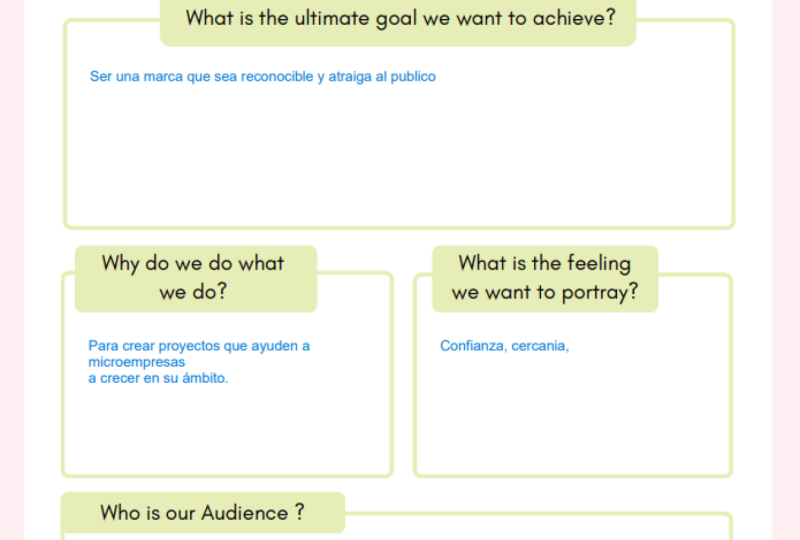
vision and purpose, ask yourself, what is the ultimate goal
we want to achieve? Why do we do what we do? What is the feeling
we want to portray? This clarity right here
sets a foundation for all future brand decisions and importantly brand name
picking in this case. I wanted my brand to
give a sense of magic, wholesomeness, joy,
coziness, and laughter. So I needed to bear this in mind when I was choosing a
brand name for myself. And another important factor is looking at your
target demographic. What does your
audience look like? In my case, my
target audience was predominantly female between
the ages of 18 to 35, who had a love for
Japanese pop culture or illustration and anime. Examples of different
brand voices are playful, authoritative, compassionate, and mine personally
was fun, joyful. So picking an aggressive
or overly masculine name, for example, bull muscle, wouldn't quite make sense for my brand vision and my voice. This is where today's
first lesson project actually comes in handy. So be sure to download
it and fill in your goals and audience to help de find your brand vision. I'm going to give
another example of a brand vision just to
clarify Kesler, for example. Their vision is to accelerate the world's transition
to sustainable energy. Purpose is to create
electric vehicles and renewable energy
products that are not only sustainable,
but also desirable. And their brand voice matches
this with their visionary, revolutionary and tech
forward approach. Tesla's brand voice is focused on innovation and
sustainability, appealing to the environmentally
conscious consumers and tech enthusiasts alike, while also creating sleek, fast and really desirable
cars and products. Now you know your
brand identity, it's going to be a
lot easier to brain maap all the different types of brand names you could choose from and then mix that
with your brand voice and what you want to sell
or create as a brand. Now we can combine these all together for our next lesson.
5. Market Research: F. So now we have got our
brand identity started. We kind of know our
target audience. We know the types of brand
names we can choose from. Now we need to look
into market research. The world is a vast place, and there's probably plenty of different competitors out there. You can go and have a
look at inspiring brands that inspire you to create
your very own brand. For me, for example,
my market research was often looking at some
of my favorite brands. A lot of the
inspiration I have for atnip comes from
Japanese pop culture. And some of my favorite favorite brands
were like the likes of San o, Pushin Disney, Studio Gibby and I combined all of these into
kind of like my brand ethos to create my own version of a brand that I
wanted to create. And I would often
do market research and see kind of what they sold, what their audience liked, what the colors were
that they used. This comes later down the line when you're building
your brand out. But when I was building my name, I kept all these in mind. And I often looked
at, like, pushing, Miffy, Hello Kitty,
Sanrio as examples, 'cause I wanted a name
that was short and sweet, and I also realized that
these brands that I personally loved also had
these short sweet names. And they were also quite
whimsical and cute. So it is good to first do competitor analysis and study your competitors brand names. There's also things like
looking into industry trends. But quite honestly, I
would stay away from really trendy names in that year cause
what is trendy now? Might not be trendy
in ten years time. And I definitely kept this in mind when I built my
name atnet because I didn't want something
possibly be really untrendy. So for example, in 2017, unicorns were,
like, a big thing. It was super popular to
have unicorns everywhere. Or millennial pink, for example. Remember when that
was the thing. So imagine if I built a brand
called Millennial Pink. Well, now that would be
a little bit dated and a little bit out of fashion
and doesn't age very well. So when it's your brand name, I would kind of avoid
trying to do any sort of trendy name of that time because it might
not edge very well. So, now we've done
our market research. We know the brands we love, and kind of who we would
aspire to be in the future. Now it's time for
the good stuff and to get our creative
juices flowing, and that is where we
get into brain mapping.
6. Mind Mapping Exercise: Now, I've actually
got a notebook, which I'll sit
down and show you, and I actually
sketched out a bunch of different names and mashed
a bunch of names together. So let's get out my notebook, and I'll show you exactly
how I built my name. But then there's also
probably tools now that are a lot better than the method
that I actually used to use. So this right here is the notebook where actually
planned my brand name. I've actually made a
worksheet project lesson, which we'll going to
after I've shown you, but I just thought
it'd be interesting to show you my process. So in this notebook, the first thing I started
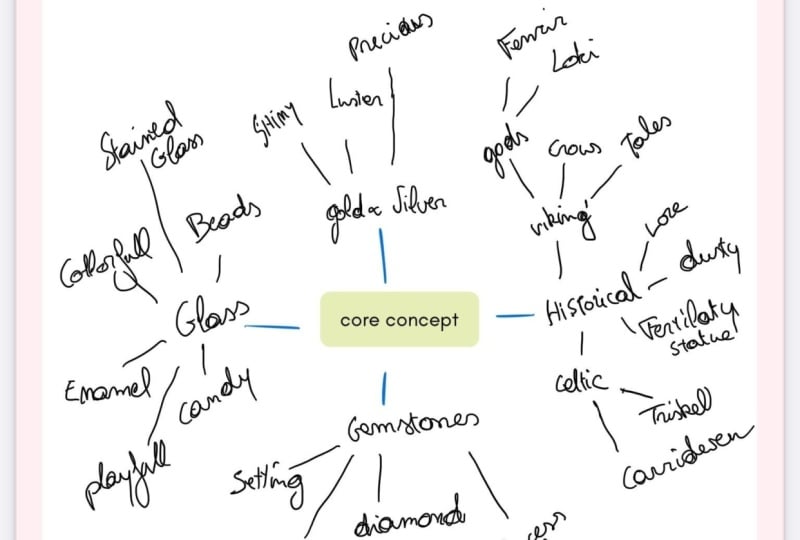
out with is a mind map, which is also in
the lesson project. Basically, I just wrote
down anything that came to mind and I wrote down
all the things that I love. So I put different words
in like milks soft, lowers anim but it, and
I went off those words, and then I would expand. So say we said food, then pizza, then
health and salad, then I just literally, anything that came
to mind, I would put it down in this mine math. And then I moved on and
I went to a thesaurus, and I also like combined names. So this was actually
for my crafts brand. I went down and I
combined the name, so I'm using a mix of
like compound names here, which we discussed earlier. So we've got like dainty hi, dainty butter,
dainty, Mky corner. As you can see, none of these really apply to my
type of brand yet, but that does not matter. You're just combining things
and seeing what works. It doesn't matter if it sounds silly or it sounds daft for now. This is all just to get stuff out of your
mind onto paper. And I had all sorts
of different things, but as you can see here, we started to break it down. And look at that catnip. It is at the bottom of the list. We had like milky paw, soft chocolate,
tea, cat, bag tea. Obviously, these are not
going to work Tea Nicko, so this is a
combination of, like, combining words and also
different languages as well. Then I also had Cat Nip up here spelled a
different word as well, so part of a combined name. And then I also had the Sass. Now, this is where it would
be a lot easier to use chat GPT when I was planning my
brand, it was nine years ago. So Chat GPT was not a thing. But you could go on
there and ask for loads of different lists of
words, but I didn't. I actually just went
into an actual thess and wrote down different
names for cute for Cat and also just wrote down loads of
different alternative words. And then what I did
was on the next page, I ended up buying. There we go bought
tenth of the six, 2015, I bought my domain name because Cat MIP is what really
stood out to me. I'm going to break down the
class project and how I would now mind to
get my brand name. It's time to go back
to our project lesson. For the first task, write down a central concept
or essence brand. This could be a word
or a short phrase that encapsulates what
your brand is about. For example, I
used illustration, fun, cute, cosy, CE, and then I went from there, write down everything that comes to mind in this mind map. Then, on page two, I want you to branch out
with related themes. So I started added themes
like pencils, pens, at, because the cute, my name, elements of magic, for example, sustainability, you might branch out into
words like environment, ethical, natural,
renewable, et cetera. Again, let your imagination
and your mind flow. At this stage, you
can use tools like Chat GPT, or in my case, I used a thesaurus
and also Google translate and also blended different languages
and words together. Then, we're going to move
on to the next step, which is to brain map
words and phrases. Mash words together,
create new ones. Use a blend of our 12 different brand name
types that we learned earlier in the class to
jot a bunch of name ideas. They can be silly, they
can sound ridiculous. Just write down
whatever comes to mind. This is the fun part. It doesn't have to sound great
right at the start. It will float in the end. Which brings us on
to our final page, which is where I want
you to narrow down and refine the names you
absolutely love. And by the end of this page, you should have
one or two or even five brand names that
you have in mind, and we can move on
to the next lesson. So that was my notebook and actually how I created
my brand name. But there is other
tools out there that you could use to help
your brain math now. Like, for example, Chat GPT. This would have made the
process of name lot easier. When I was blending my names together and mashing
them up together, I would have basically
just put into chat GPT, named some other names for
cats for cute, for Kawai. And it would have brought
me up a lot of names. And then I could also have
used those names as part of my mind mapping
session when I was naming So definitely
utilize tools, like at GPT to find some new inspiring names
or unique words to help you mind map and
really bring to life your and your brand voice because I think that
would have been really, really helpful when
I was starting out Canav I definitely would
have utilize this tool. I literally just went onto my computer and
typed in Thesaurus. And also Google translate to
translate words to see if there was anything that sounded phonetically nice to
roll off the tongue. But that's how I did
it. So definitely utilize modern tools
like Chat GVT. I think that would be a
great brick place to start
7. Mistakes to Avoid: So now we have a Mn Map, and we've hopefully got quite
a few names suggestion. Normally, something just feels right when you've
got a few names, but I remember
narrowing it down to a couple when I was
picking my brand name. But there is a few
things that you want to avoid and don't
make these mistakes. So number one, is you don't want any swearing or offensive
in other language words. Unless you're trying to
be a controversial brand, which I'm assuming many of
you are not trying to be, I would do my research about whether that
name is actually a translation in another
language that could be something that is slightly
awkward in that language. Even offensive, or even a
bit silly in that language. And I'll just double
check that to make sure you could use Chat
GPT for this tool. This would make
it a lot quicker. I just went on to Google and I Googled it to make sure
I wasn't offending any or that I wasn't using a word that was perhaps a swear word in a
different language. So now we've got the offensive and the swear
word languages out the way. You also want to make sure not to have a super super long name. You have to remember that when people come
across your brand, whether it's through social
media or your own marketing, a long name is going to really make it
difficult to remember. They are not gonna
remember a really, really, long drawn out name and then type that into Google
to try and find you. But if you have a very short, concise, and snappy,
memorable name, they are going to remember you, and they're going to
be like, Oh, wasn't that catnip catnip. Oh, catnip Then they'll
search it in, for example. So do try and keep it
short, sweet, and snappy. The third point is
actually try and avoid any words that
are difficult to say, especially in your
target language. So if you wanting to
build worldwide appeal, I would try and make a name that could be easily said amongst
different languages. However, if you
are just trying to target your demographic
or your language, then try and make it It's easy to pronounce
in that language. There is some exceptions
to this rule, and I have seen some
brands where they have very hard
names to pronounce, and even people mispronounce the names in
different languages. But for now, if you're
going to start off as a brand with
potential scaleability, I would try and keep
that brand name to roll off the tongue
as easily as possible. And the last mistake is not
making it search friendly. So this kind of goes back
into my point of making it difficult to say and in turn difficult to type
or read or write, and also not long. Because if it's not searchable, or even if it's too common
of a hymn, for example, it's going to get lost in the thousands and thousands
and millions of thousands of results that come in search. And that is what
you do not want. So make sure you do your test. This pool of new names that you've got is easily searchable, and there isn't too many
people already using it so that you'll just get flooded and people won't be
able to find you. That is not what we want. I remember when I first started Katni I typed in Tnip
as a whole word, K AT NAP, and no one had it. So this was super
important to me. There was barely any searches. I went ahead and I went for it, which brings me in
to our next lesson.
8. Picking your Iconic Brand Name: So we have got our
final brand names, and now it's time to pick one. In this lesson, we
need to evaluate, we need to check
the availability, and we also need to
gather feedback. So first of all, evaluate. The first evaluation I want you to use is, is it relevant? Does it reflect your brand? Make sure the name
conveys the essence, values and call offerings we did earlier in the
class. Your brand. It should be relevant
to your industry in your target market. Number two is, is it
easy to remember? This goes back to
our first lesson. Number three, is
the pronunciation again? Is it easy to pronounce? A brand name should be phonetically simple
and straightforward. A void names are difficult for your target audience to
pronounce correctly. Number four, distinctiveness.
Is it unique? Your brand name
should stand out from competitors and be
distinguishable. And you can conduct
a trademark search to ensure it's also
legally available. And then number five, does
it have visual appeal? Does it look good in
print and online? Consider how the
name will actually appear in logos, websites,
marketing materials. It should be visually appealing and suitable for your
branding purposes. Number six is the
emotional resonance. Does it evoke the right emotions you're trying to portray
with your brand? And number seven,
is it scalable? I grow with the brand,
consider future expansions. If you're a blogger
or a designer, this might not appeal to you. But if you're a brand like
me who want to eventually go into many different
markets with my audience, then this is something
you have to think about. Number eight, which is
very, very important is to check domain availability. This is one of the very
first things I did at CTIP, and I found out
catnip.com and catnip dot.uk were free and I
bought them straightaway. So make sure the
corresponding brand name also has a free domain name. This can be very, very helpful and one of
the first steps you should actually take in this dinage with any
online business. Number nine is
cultural sensitivity. Is it culturally appropriate? Be mindful again that it's not
offensive or it hasn't got any cultural implications or translations that could affect how your brand is perceived. And the button would be
gather some feedback, get the name of your
friends, your family, and make sure you test the name of with your target
audience, if you can. That would be great.
Ask your colleagues and consider the opinions. I know when I personally was
picking the name Cat Nip, I had people who didn't
really like the name, and then some people who
absolutely loved it. So also bear that in mind your feelings about your
brand name as well. You also have to remember
legal considerations. You really going to
have to look into trademark availability and make sure you conduct a
thorough trademark search to ensure the name is not
already registered by another entity and consult with a legal professional
if it's necessary. So there you have it. You now have your very own brand name. There is a project in this class to help
inspire you and hopefully download this worksheet so you can generate your
iconic brand name. And this is where the
fun really begins, guys. You have now got
your brand vision, and you've got your brand name, and now it's time to piece them together and
bring it to life.
9. You Did It! : And this is where the
fun really begins, guys. You have now, got
your brand vision, and you've got your brand name, and now it's time to piece them together and
bring it to life. And this is something that I'm personally on a journey on now. I've been crafting my dream business for the
last nine years, and I'm in it for the long ha, so I've learned a
lot along the way. And I am super happy with the brand name that
I ended up choosing. You now can put that
into the world and start building and
making your dreams come true and building
your very own brand. Which is just so exciting. Congratulations to making it
at the end of this class. This is step one in
your next adventure, and I really hope you
feel inspired and take the skills of creating
a short and snappy, memorable brand name
or artist name. Hope you're now ready to
take your brand name and craft a wonderful story
and meaning to your brand. Because this is where
the fun part begins. This is where you start crafting your story
and your brand name, and then it becomes
associated as one. Don't forget to post
e class projects to inspire other students in
our class project section. I personally would
love to keep an eye on this and see what you
guys are up to and see how this helped you and what
brand names you came to. And I really hope you
enjoyed this class. Now, go out there and chase your dreams because the
adventure is your sign.
 Katnipp, Director & Illustrator