Transcripts
1. Learn Why Focal Length Matters: Today, I'm looking
at how lens choice, I E focal link, affect the tone and mood, the feeling of a shot. That doesn't matter what
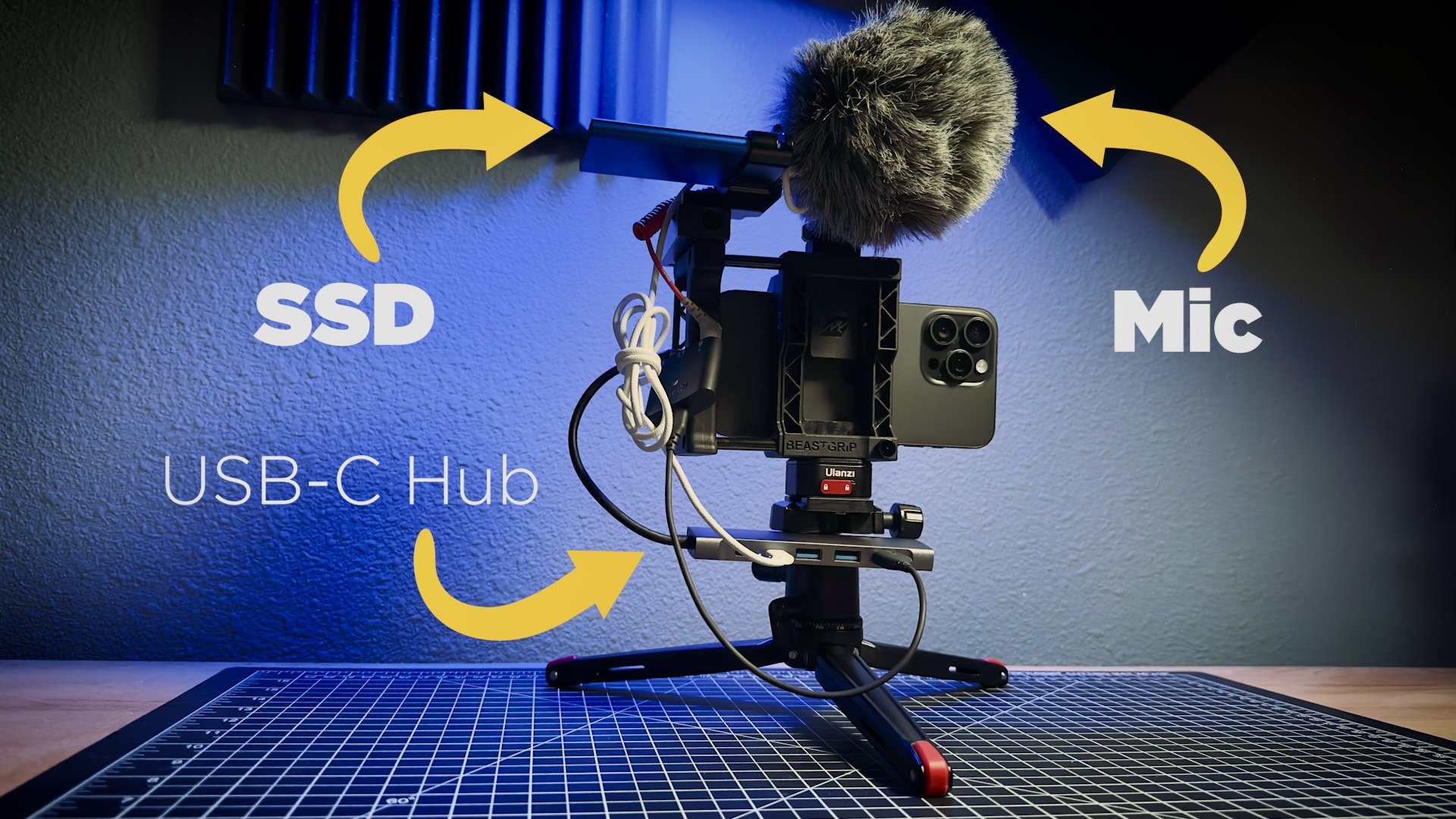
kind of camera you're using, but today I'm shooting
with an iPhone and reflex G Series glass. And here, what I'm
really talking about is lens choice when shooting
narrative fiction, movies and TV, although it could apply to other types
of work as well.
2. Sample Scene Setup & Shooting Master Shots: Alright, so here
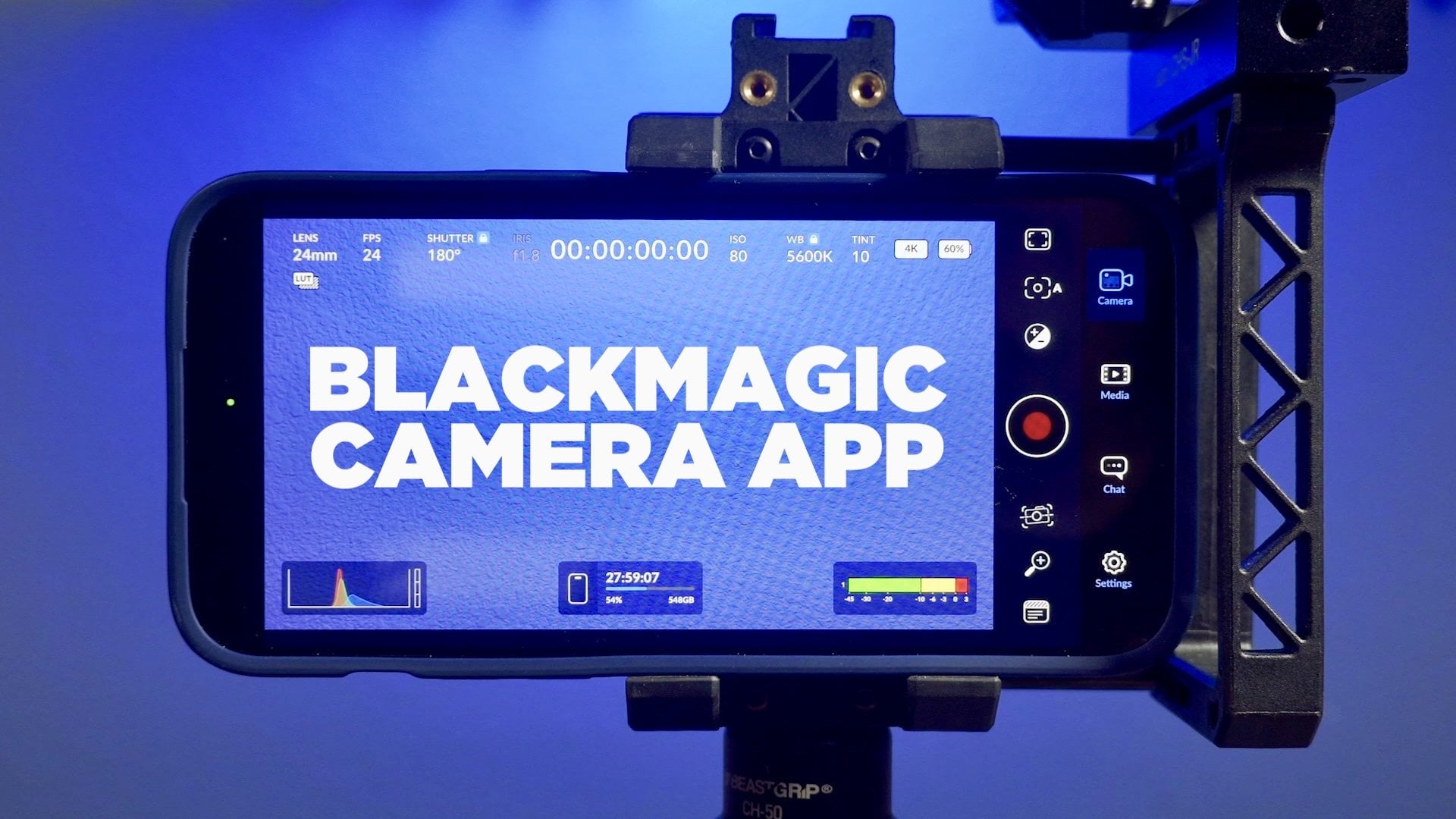
is the scenario. I'm using the Black
Magic camera app and, of course, the reflex lenses. And that's what this
test is all about. It is showing what
different mood and tone feels like when you use different focal links
or different lenses. We're going to be
using the telephoto, which is what this
is right there, the white angle and
the anamorphic. And the basic setup over here
is super simple. Got a cat. Actually, he's not
part of the scene, but we do have a cat. So I've got a couple
of bounce boards over there, just
kicking light back. The main light is outside. This is the Colbor CL 220 light. I've got it at about 60%. I've got this light probably
at about eight feet high. And then right here, I've just got a little bit of diffusion at the bottom trying to keep
the hard light off her skin, but I wasn't really
that worried about it. It's a single source, kind of
a motivated lighting setup as if the sun is coming in. That's the key
light on this side. And then I brought
those in a little bit, but then they just help
fill it in a little bit, and still looks natural
going that way. The props here are
actually from my movie called Kasey Makes Mixtape
that is coming very soon. But we got an old
phone from the 80s, and that's a real jam
box from the 80s. Bought that on Ebay, and
then got some castte tapes. Got a list as if the kids
making her mixed tape. And then these are some old I think these are radio
Shack. What are these? Yeah, they're
realistic headphones that were real popular
in the 70s and 80s. And so the scene is going
to be a girl getting her cassette tape ready as she's waiting on
the song to play. That's the setup, and let's
now get into the scene.
3. Breakdown of the Master Shots: Alright, now I'll
do a breakdown, and what I just showed
would be a master shot, how you might shoot a wide
with that focal link. But before we get into that, I want to mention one other thing. And one thing I did, too, just to add a little bit of cinematic vibe is
I used atmosphere. This is basically haze in a
can, and I love this stuff. It's an easy and
convenient way to go. If you don't want to
use a haze machine, don't have a haze machine, or even, like, a
little party fogger. This stuff is great, and you
can just buy it on Amazon. Alright, with a wide angle
lens, typically speaking, you're going to use that for
a wide shot, a master shot. And in this situation,
that's what I'm doing. And so it would be a fairly normal lens
to use in a wide shot. And it doesn't necessarily, in this situation, evoke
any different emotion. It would be a fairly
standard shot. Now, on the telephoto, using it as a master shot
is a little bit different. And here I actually
edited the two shots together because I kept the
camera in the same spot. And so when I went in
for the tighter shot, I couldn't get her face and
the spiral in the same shot. Now, I could have done
a tilt up or down, but I wasn't really
set up to do that. And so here I shot it twice and got the two shots together. A longer lens here, I think, does pull you into the scene
more versus the wide shot. And so in that respect, the telephoto does affect
the mood of the scene in a different way than
the wide because the wide is just
establishing the shot. But the telephoto pulls you in and maybe makes
it a little more interesting off the
top because you don't know exactly what's
going on in the scene. And now the anamorphic here
is a lot like the wide angle. But the anamorphic,
of course, is a wide shot, regardless. They don't make a telephoto for the anamorphic for a phone. Can punch in using the 48 millimeter, but
I didn't do that here. But of course, with
the anamorphic, you get distortion, and
you can get flares. And so often, an
anamorphic will feel more cinematic because lots of times that's what's
used to shoot movies. Here, though, in this
setup, it just works as a wide shot and
ultimately a master shot.
4. Shooting Coverage Shots: A right now we'll look
at shooting coverage.
5. Breakdown of the Coverage Shots: Okay, now I'll break
down the coverage, and here I think you'll
really be able to tell even more how the focal length
affect the look and feel, the tone, the mood of a shot. Alright, now, using
the white angle for coverage and in this case, close ups absolutely does really start to affect the mood
or tone of the scene. In this situation,
when I'm moving the camera close but
shooting tighter shots, it can feel more comedic, or it can feel more unusual
for lack of a better word. Normally you would shoot tighter shots with a longer lens. But it really just depends on what type of story
you're telling. There are lots of
directors out there and cinematographers in Hollywood
that use big wide lenses, and they give a
very unique feel. Again, usually it's more
whimsical or scary or weird, especially if they're
using distortion. And often, to me, it makes
you more of a participant. You feel that the cameras there more than being objective. It's more of a
subjective camera in a way than being objective. And it doesn't have to
be a point of view shot. Using the telephoto is a more traditional way to get coverage. And again, it depends
on your story. And here I did it in one shot. When the camera's moving, you do notice the camera, but it doesn't feel out of place here because you're
not dealing with any kind of wide distortion or a warp to look like you
are with the wide angle. And then the second version
where I used edits, this is very much a traditional
way to do coverage. You're getting tight shots
with a telephoto lens. And here the idea is you don't even really
notice the camera. It's a very objective
way to shoot a scene, and it can work for
any kind of genre, comedy, thrill or what have you. Anamorphic is going to be very similar to the wide angle
on these close up shots. It's an unusual way to shoot close ups,
typically speaking. And anamorphic, of
course, is distorted. The edges bend a little bit. And you get a somewhat of a
fish eye look to the shot. And so in those situations, doing close ups like that,
you're going for a look. You're going for
maybe a comedic feel or a weird, an alternative feel. You wouldn't normally
shoot close ups like that. You would normally
shoot a tighter shot even with an anamorphic. But not always. It
really just depends on the lens and the story
you're trying to tell. To be clear, there's no right or wrong way to do this stuff. But normally, you
have a reason to why you shoot something
a certain way.
6. Final Edit with Various Focal Lengths: I've edited the wide
and the Telly together, and so we'll check
out the final look. And typically, that would
be how you would build it. And we'll check it
out one more time. Oh, And I've edited the
anamorphic together, too, and normally,
you wouldn't put anamorphic and spherical
together in the same edit. But you can. I've done it. I did it on a short film. I shot on an iPhone called pre owned. But again, typically, you
would do one or the other. And one more time.
7. One More Example and Course Wrap-up: And I did one more quick
setup with the telephone. I shot a close up
of the telephone to show how the focal
link affect the feel. And one more time. I do think it's a little more subtle with this shot, but
I'll break it down. Wide angle again, feels kind of comedic or
kind of unusual. The tight shot feels
what I would say normal. That would be how you would
normally shoot a tight shot. And then the anamorphic,
it can work just fine. If it was me, I
would probably shoot a tighter type shot instead of having the lens
up close like that, but just really depends on the story you're trying to tell. If you're doing a comedic scene, then shooting wide tight
shots is a cool idea. If you're doing more dramatic or more of a thriller
or a horror film, you might stick to the longer
lens shots for close ups. If you're shooting anamorphic, you can shoot wide and
tight by pushing in with the iPhone 48 millimeter
to the 24 millimeter. Go back and forth. So
it really just depends on the mood and the feel
you're trying to portray. Depending on the lens you choose can really make a
big difference in that. And this really affects the way you feel when you see a face. Hey, you're on the Zoo. Oh, hi. Can I request a song? Hey, you're on the Zoo. Oh, hi. Can I request a song? Hey, you're on the Zoo. Oh, hi. Can I request a song? So when you're
thinking about how you're going to shoot a scene, definitely consider the tone and the feel you want the scene to portray and not just from a script or how the
actor performs it, but the lens choice,
the way you shoot it can really make a big difference in the
way your story is told.
 Blake Calhoun, Filmmaker