Transcripts
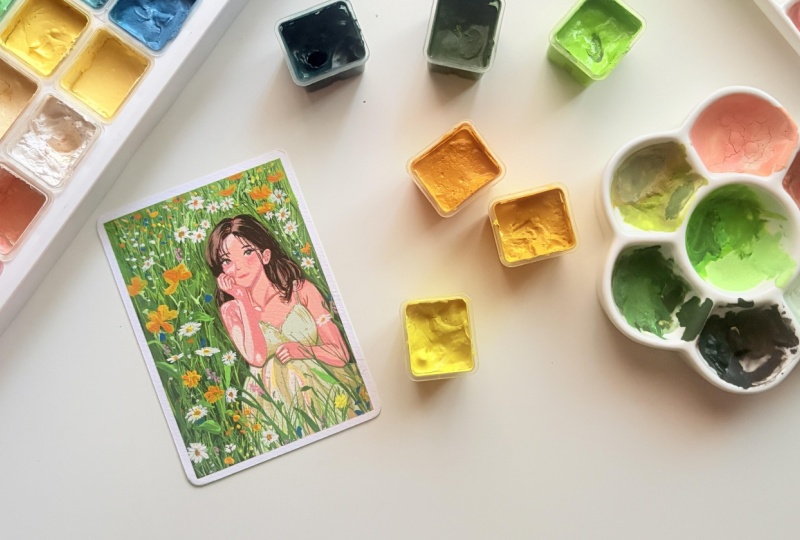
1. Welcome to the class: Want to paint soft story book style
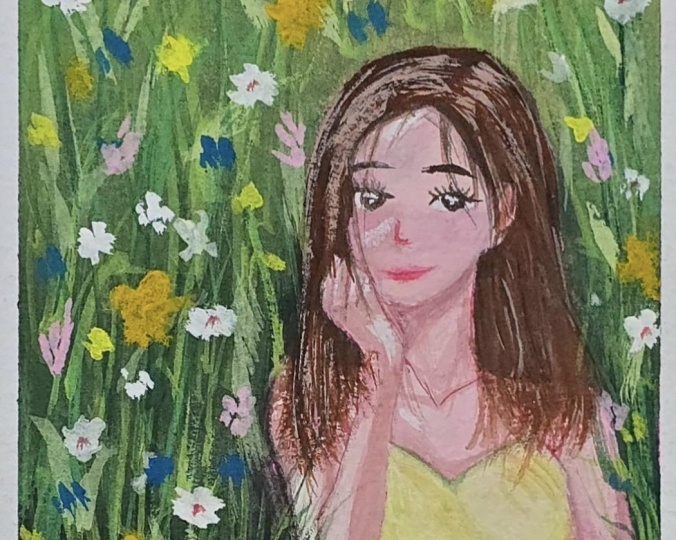
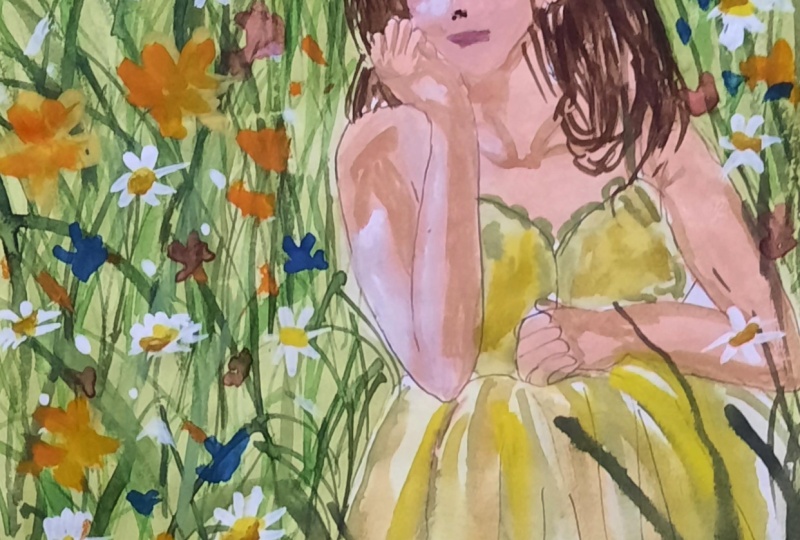
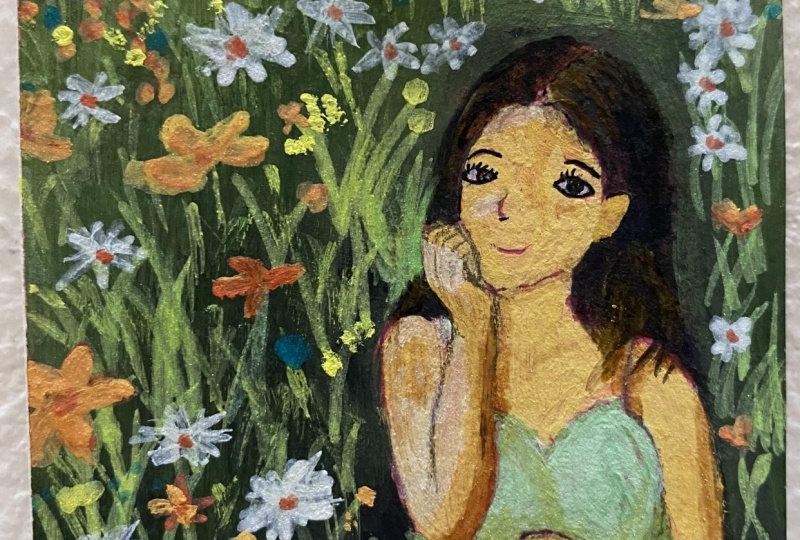
characters using gouache. In this class, I'll guide you
step by step as we create gentle illustration of a girl sitting in a field.
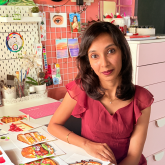
Hi, everyone. I'm O'Hari, also known as September butterfly
on Instagram. I'm a fine art graduate, a multimedia artist,
and also a mother. Math has always been
a quiet space to me. Something that grows
along side lines, creativity and everyday moments. This class is designed for beginss and dos looking
to advance their skills. So even if you are
new to gouache, you can follow
alongside comfortably. We'll focus on
understanding the medium, keeping our color choices simple and enjoy painting
process without pressure. I'll start by
walking you through the materials and a few
basic gouache techniques, including paint
consistency and layering. Once we are
comfortable with that, we'll move on to
sketching the character, starting from basic shapes and gradually adding facial
features and details. For the painting process, we'll work step by step. We'll begin with a soft
underpainting to set them out. Then we'll paint the
field background, building depth with
simple green layers. After that, we'll focus
on painting the girl using gentle tones and
minimal detailing. And finally, we'll finish
the artwork by adding the grass details
and tiny florals, including daisies to
bring the scene to life. By the end of this class, you'll have a completed
gouache illustration and a clear understanding
of how to approach characters painting in
a calm confident way. So gather your materials, find a comfortable
space to paint, and let's get started.
2. Materials needed: Before we begin painting our gouache character
illustrations, let's take a moment to look at all the materials we'll
be using in this class. I want this to be simple and
accessible for everyone. So feel free to use
whatever you already have. I'll just walk you
through what I'm using and why it works well
for these projects. First, let's talk about paper. I'm using Zensungam
brand gouachPaper, which is 300 GSM. You can choose either
A five or A six size. But for this class,
I'll be working on six. It's small, comfortable,
and very beginner friendly. This paper is one of
my favorite because it's affordable but still
holds gouach beautifully. It can take multiple layers
without buckling and the texture helps the paint
sit nicely and smoothly. Next is paint. I'll be using the Mia hii
gouache 56 cup jelly booxer. If you already have a
different gouache set, feel free to use that. This class will still
work perfectly. I love the mia himi set because
it offers a huge range of colors and the jelly
consistency is creamy. Vibrant and easy to blend, especially when
painting skin tones, soft backgrounds like fields
and grasses and skies. For brushes, I'm using
the Aarti five brushets. This set includes multiple
brush shapes and sizes, which makes it really versatile. We'll use a few different
ones throughout the class, one for washes, one for details, and one for outlining small
features on our character. But again, use any
similar brushes you already have at home. You will also need
a ceramic palette. Ceramic palettes are great
for gouache because they keep the paint moist for longer and allow you to mix
colors smoothly. A plastic palette works too, but ceramic just gives a better mixing surface
and is easier to clean. Make sure to have a glass jar filled with clean
water beside you. Since scratch dries quickly, we'll rinse our brushes often
to keep our colors fresh. You will also need a simple
pencil and an eraser to sketch out the basic shape of our character before
we start painting. We'll draw lightly so the lines don't show through too
much once we add color. And finally, keep some masking
tape and a towel handy. We'll use it to secure our
paper to the table or a board. This helps prevent warping
and gives you final painting, a clean, beautiful
border once we peel it off. That's
everything we need. These materials are
affordable, easy to find, and perfect for beginners, as well as experienced artists. Once you have everything ready, let's move on to the next lesson and start learning the
basics of gouache.
3. Gouache Basics + Consistency: Before we start
painting our character, let's take a few minutes to understand the
basics of gouache. If you are completely new to
this medium, don't worry. Gouach is one of the most forgiving and enjoyable
medium to learn. In this lesson, I'll walk
you through everything you need to know to feel
confident before we begin. So first, what
exactly is gouach? Guach is an opaque
water based paint. You can think of it as a mixed between watercolor and acrylic. It has the softness and
blendbility of watercolor, but the vibrancy and
coverage of acrylic. That means you can
paint light over dark, correct mistakes
easily, and create both soft washes and bold
details in one piece. In this demo, I'm
going to show you the three most important
gouache consistencies. Let's start with a thick
and opaque consistency. Here, I'm taking the
paint almost straight from the palette with
very little water. When I place it on the paper, you can see how strong and
solid the color looks. It covers the paper completely, and you can't see any
texture underneath. This type of consistency
is perfect for highlights, fine details or when you want to paint light colors
over a darker area. Next, let's look at the
creamy consistency. I'm adding just a little bit of water and mixing until
the paint feels smooth, like melted butter
or thick cream. When I brush this
onto the paper, it spreads easily, but
still looks opaque. This is the consistency
we use the most, especially for characters,
clothing, and grass. It gives you good coverage
without being too heavy and it lets you
build layers beautifully. Now, I'm moving on to the
watery wash. For this, I add more water until the paint looks fluid
and transparent. When it goes on the paper, you can see the texture of
the paper through the colour. This is perfect for
backgrounds, skies, soft shadows or the first
base layer of the fields. The wash creates a
gentle smooth area that we can layer on
later with thicker paint. So just to compare, heavy, solid, strong coverage, smooth, even perfect
for most painting, light, transparent,
great for backgrounds. These three consistencies are
all you need for gouache. Once you understand
how each one behaves, painting becomes much more
predictable and enjoyable. As you paint along,
you will slowly learn how much water to add depending
on the effect you want. Now coming to the drying
and reactivating. The unique thing about
gouache is that it reactivates with water
even after it dries. So if you painted a darker color layer and
wanted to adjust it later, you can gently wet
your area using brush and soften the etches
or blend the color again. This makes gouache much
more flexible than acrylic. But keep in mind because it reactivates overworking
the same area too much can lift the paint. So we will work
in gentle layers. One of the best thing about gouache is how forgiving it is. If you make a mistake, let the area dry. Mix a thicker opaque
layer, paint over it. Most mistakes disappears
easily with one or two layers. This is why gouache
is so beginner friendly and perfect
for illustrations. Don't be afraid of gouache. It's a medium that
encourages play. Some areas might dry patchy, some mixes may look unexpected, but that's all
part of the charm. As we continue
through this class, you will learn how to
control consistency, how to layer smoothly, how to mix gentle tones, and how to bring
character illustration to life with soft
gouache textures. Now, I'm going to
show you how to build a clean gouache background
from the dark to light, add grass details on top and finish it with
few tiny flowers. I'm starting with my black mix. This creates the deepest shadow at the bottom of
the grass patch. The paint here is
thick and opaque, so it gives a strong base. I'm placing it just at the bottom to anchor
the whole cluster. Next, I'm switching
to my dark green. This layer overlaps slightly with the black to
soften that edge. The consistency is creamy, so it spreads smoothly while still looking
rich and solid. This darker shade sits at
the bottom to show depth. Now, I'm moving to
my medium green. This is the mid
tone of the field. I'm keeping the strokes
horizontal and even, and you can see how the color is lighter
than the dark green, creating a natural transition. And finally, I'm applying
the lightest green. This one has a bit more yellow
mixed in with a creamy, but slightly thinner
consistency. It becomes the topmost
part of the background. Once the background is dry, I'll start adding grass details. Using a small round brush
with thicker paint, I am pulling quick
upward strokes. Some lines are long, some short, and some
slightly curved. This variation keeps
the grass natural. I'm using dark green for
the deepest strokes. Medium green for the center and the lighter green
for highlights. I'm taking a small amount of opaque white paint with
very little water. With just the tip of my brush, I'm tapping tiny petal
shapes almost like little dots or tear drops
because the paint is thick. It sits beautifully on
top of the darker grass. Now that you know this, let's move into the sketching and start building our artwork.
4. Sketching the Character: Now that we understand
the basics of gouache, let's move on to the most
important foundation of our illustration, the sketch. This step sets the structure
for the entire painting. So take your time
and sketch lightly. I'll guide you through each
line slowly starting from the very first circle all the
way to the final details. Let's start sketching
a character. First, I'm drawing a simple
circle for the head. Then I add one center line vertically and one
horizontal line. This helps me place all the
facial features correctly. Following that, I
sketch the chin by bringing the circle
down into the soft point. And then I add the neck. Right under the neck, I draw a horizontal shoulder
line to guide the posture. Next, I draw the hands, the neck connections, and
the outline of the dress. I'm keeping the shapes
very simple and light, just enough to understand
the structure. Once the body is placed, I'll move on to the hair. I'm adding the main
hair shape first, thinking about how
it frames the face. No tiny transit, just
a big flowy shape. Now, using the guideline, I place the eyes on
the horizontal line. Then I add a small
curved line for the nose and a soft
line for the lips. We are keeping the
facial features very minimal and delicate. And that's our finished sketch. It's a simple, soft and clear. Just enough to
guide the painting without overpowering
the gouache layer. Once your sketch looks balanced and you're happy
with the proportions, we can start bringing
it to life with colors.
5. SIMPLE COLOUR MIXING — Field + Girl: Before we begin painting, let's prepare all
our colors together. I like to mix
everything in advance, so the painting process feels
relaxed and uninterrupted. I'll keep the mixing very simple and use only a few
colors for each section. Colors for the field. I'll start with the
field background. I am placing black olive green and Latin yellow on my palette. Olive green will be
my main base color. To create depth, I
mix a small amount of black into olive green
for the darker areas. For warmth and light, I mix Latin yellow into olive green to create a
softer sunlight green. This gives me three easy values, dark, mid and light
using just these colors. Colors for the girl skin tone. Next, I'm mixing the skin tone. I'm starting with
nude as the base. Then I add white to
soften and lighten it. Finally, I mix in a
very small amount of spiced tapple just to touch to bring warm and life
to the skin tone. This mix gives a gentle, natural skin color that works
beautifully with gouache. Colors for the hair. Now for the hair colors, I'm placing black and burnt
umber on the palette. I mix these together
to create a deep, natural baystne for the hair. For highlights, I take yellow teeth and add
a little ocher to it. This warm mix will be
used lightly on top of the darker hair to create soft
highlights and dimensions. Colors for the dress. For the dress, I'm keeping
things very subtle. I start with yellow
cream as the main color. Then I add a tiny amount of olive gray to create
a gentle shadow tone. This keeps the dress soft and neutron without overpowering the rest
of the illustration. Colors for the grass. Now let's prepare
the grass colors. I'm using olive green, Latin yellow, yellow green,
and green frequency. Oolive green will be used
for the deeper base strokes. Latin yellow and
yellow green help brighten the grass and
create variations. Green frequency adds a fresh, lively touch for highlights
and front grass details. I keep these colors
close on the palette so that I can easily switch
between them while painting. Colors for the flowers. For the flowers, I'm choosing
bright but gentle colors. For yellow flowers, I'm using
primrose and medium yellow. For pink flowers, I'm using
pink and peach blossom. For white flowers and daisies, I'm using white and for
the center primrose. Now, for the
highlights, finally, I keep white aside for
highlights on the skin, hair, dress, flowers,
and grass tips. Using white carefully at the end helps bring light and
freshness into the painting. Now that all our colours
are mixed and ready, we can move into
painting smoothly, knowing exactly which color
we'll use at each stage.
6. Getting ready and under painting: Now that our sketch is ready, let's prepare the surface
before we start painting. I'm using an A 6300
CSM gouache paper. And the first step is to
tap down all four sides. This helps keeps the paper flat, prevents any warping when
we apply watery layers, and also gives us a beautiful clean border when
we peel it off at the end. While taping, make
sure the paper is firmly pressed on and there
are no gaps at the edges. A well taped surface makes the whole painting
process much smoother. Once the paper is secure, we can begin with
the underpaint. The underpaint is simply a
light base color that helps unify the illustrations and remove the plain
white of the paper. It also gives us our later
layers more depth and harmony. For this piece, I'm
choosing a single color, either yellow Ocha for
a warm field atmosphere or floscent pink for a soft
glowing tone underneath. Both color works beautifully. It's just a matter of
the mode you want. I am mixing the paint into
thin watery consistency, almost like a wash. Then I spread it gently
across the entire sketch, keeping the layer transparent, so the pencil lines
still show through. Don't worry about creating
a perfect flat wash. This is just to give the
painting a warm base to sit on. Once the underpaint is applied, let it dry completely. This layer sets the tone for the whole artwork and makes the upcoming colours
richer and more cohesive. With the paper taped, the surface is prepped and
the underpaint is dry. We are fully ready to move into the main painting process.
7. Painting the Field: Now that our underpaint is dry, we can start building the field. I'm beginning from
the background and slowly layering
towards the front, so the whole scene
feels soft and natural. First, I'm taking
the darkest green, and I'm applying it at the
very bottom area of the field. I am keeping the strokes
horizontal and gentle, letting the colour
settle into the paper. This darker base creates depth and helps the lighter
greens shine later. Next, I switch to
my mid tone green. I am blending it right
above the dark green, letting the colors
softly overlap. Make sure your breast
is slightly damp. It helps the transition
stay smooth. I am covering most of the
area with this mid green, since this will be the
main color of our field. And then for the top section, I'm using the lightest green. I am lightly brushing downwards, so it blends softly
into the mid green. This gradient from dark
to medium to light makes the field looks like it's stretching
into the distance.
8. Painting the Girl Skin & Dress: Now that the field background
is completely dry, we can start painting
our characters. All our colors are
already mixed and ready, including the skin tone, hair color, and dress color. So the process will
be much smoother. Before I begin painting, I have a small tip
for beginners. If you're not fully
confident painting facial futures directly
with the brush, you can use a 0.05 M fine liner to lightly
outline the eyes, nose, lips, and eyebrows. Since these features will eventually be defined
with darker details, creating these guide
marks beforehand can help with placement
and proportions. With the guidelines in place, I'm starting with the
skin tone mixture that we prepared earlier. Using a creamy consistency, I carefully applied
the bay skin color across the face first. Then continue down to
the neck and hands. I like to work on
all the skin areas together so the colors remains consistent throughout
the illustrations. Once the base layer is applied, I let it settle for a moment
before adding shadows. For the shadows, I'm taking the same skin tone and mixing in a small amount of burnt sienna to create
a warmer, deeper shade. I'm placing this under the hairline along the sides of the face beneath the chin, around the neck and where
natural shadows would fall. The subtle variation
immediately add dimension and help the character feel more three dimensional. H After the shadows are in place, I soften some of the
transition using a slightly damp brush blending
only where necessary. This creates a smoother look while still maintaining depth. Now, it's time to bring the face to life with
the facial futures. I'm starting with the
lips using a soft, rosy tone and keeping the
shape simple and delicate. For the cheeks, I add a touch of blush using a diluted pink tone, concentrating it softly around the cheek area to create
a natural warmth. Moving on to the eyes, I carefully paint
the Irish and pupil, taking my time with the details. Then I add the eyebrows, keeping them soft and
proportional to the face. A thin eyeliner and
a few eyelashes help frame the eyes and add
expression to the character. Small details like this
make a big difference and gradually bring personality
into the illustration. And Once I'm happy with the
facial features, I move on to the
highlights using white paint with a
creamy consistency. I place highlights
on the forehead, the bridge of the nose, the cheek, the chin, and the other areas where sunlight would
naturally hit the face. I also add tiny
highlights to the eyes, lips, hands and fingers. These final touches of
light creates contrast against the shadows and help
the face feel luminous. With the skin, shadows, facial futures, and
highlights complete, the character already
begins to come alive, and we are now ready to move on to painting the rest
of the illustration. For the dress, I'm creating a soft
pastel green by mixing green frequency with
a little titanium white. This gives a beautiful muted
green that complements the field without drawing too much attention away
from the character. I'm starting with the
top portion of the dress and filling it with an even
layer of this pastel green. I like to work from
top to bottom, gradually building the
form of the fabric. Since the character is
sitting in the field, the lower part of
the dress naturally creates lots of folds
gathered fabric. To show these folds
and add dimension, I'm using different
values of green for the areas where the
fabric catches more light. I'm adding a lighter version of the pastel green by mixing
in a little more white. These lighter areas help create highlights and
make the folds stand out. For the deeper folds
shadowed sections, especially on the right side, where the dress disappears
slightly behind the grasses. I am using a darker mix with
a touch of olive green. These darker values create depth and help separate the
layers of fabric. As I continue painting, I'm alternating between
lighter and darker greens to suggest different folds
and strands of fabric. This variation helps
the dress feel more natural and gives it a
soft flowing appearance. Once the main folds
are established, I begin refining the details. I'm adding a small shadowed line in the deeper creases and carefully strengthening
a few highlights where the light would
naturally hit the fabric. For the final highlights, I'm using a touch of white
along the brightest areas. Then right next to some of
those white highlights, I'm adding a soft
light yellow tone. This creates a subtle glow and gives the fabric a slightly
sunlight appearance, making it feel more
luminous and dimensional. With the diss complete, our character is starting to
come together beautifully. The skin tones, facial features, and fabric details
are now in place. And in the next lesson, we'll move on to the
painting the hair and adding the final details that brings the entire
character to life.
9. Painting the Girl Hair: Now that we have completed
the skin tones and the dress, it's time to move on to one of my favorite parts of the
illustration, the hair. Hair can sometimes
feels intimidating, but by breaking it down
into simple layers, it becomes much easier to paint. Instead of thinking about
individual strands right away, we'll start by focusing on the overall shapes and
gradually build up the details. I'm beginning with
the darkest value first using direct
black from the palette, I'm carefully filling in
the main shape of the hair. At this stage, I'm not worrying about highlights
or individual strands. My goal is simply to
establish the silo and create a strong foundation for the layers that
will come on top. As I apply the black, I'm paying attention to the natural flow
of the hairstyle. Even though it's a
flat base layer, I still follow the direction of the hair would
naturally move. This helps guide the
later layers and make the final result
feel more natural. Now, I'm moving on to the
mid tones using burn siena. Instead of covering
the entire black area, I am placing the burn siena only where the light would
naturally hit the hair. I use gentle strokes that follow the flow
of the hairstyle, leaving some of the black
visible underneath. You can already see how the hair starts to
gain dimension. The contrast between
the black base and the warm burn sienna creates depth and gives the hair a much more
natural appearance. As I continue, I'm wearing the length and thickness
of my breast strokes. Some sections receive
broader strokes while other receives
thinner marks. This prevents the hair from
looking flat or repetitive. Next, I'm creating a darker highlight colors
with the bunsiena. I only need a small
amount of white because I still want to maintain that warm
brown appearance. Using this darker mixture, I'm adding highlights
to the areas that would catch
the most sunlight. Usually, these are the
top section of the hair, the curves, and the strands
closest to the light source. Notice that I'm not painting
solid blocks of highlights. Instead, I'm using
controlled strokes that follow the
direction of the hair. This helps maintain the texture while still creating brightness. At this stage, the hair should
have three clear values, the dark black base, the medium burn Siena tone, and the lighter
highlighted sections. These three values work together to create
volume and depth. Now I'm moving into
the detail stage. Using a fine breast, I'm starting to add
individual hair strands. The small details helps break up larger shapes and make the hair feel softer and more realistic. Some strands overlap
the darker areas while others sit within
the highlight section. As I work, I constantly stepping back and checking the balance
between the light and dark. If an area feels too bright, I can add a few darker strokes. If an area needs more dimension, I can bring back
some highlights. For the final touches, I'm adding a few very fine
high lightened strands using the lightest
burn Siena mixture. These tiny details
catch the eye and give the impression of sunlight reflection through the hair. At this stage, our
character is fully painted and beautifully
integrated into the field. In the next and final
project lesson, we'll complete the
illustration by painting the grass details and adding
delicate floral elements, including tiny flowers and daisies to bring the
entire scene to life. I'll see you in the next lesson.
10. Painting the Grass: Once the base is dry, I'm adding the first
layer of grass details. Using a small round brush, I gently flick upwards
with quick thin strokes. These strokes don't
have to be perfect. Vary the height and directions
for a natural look. I'm using the same three greens, the dark greens for
shadow grasses, the mid green for
balance pleats, and the light green
for highlights on top. I'm starting with
the lightest grain, using quick upward strokes to build the first layer
of grass structure. These strokes stay
soft and loose, almost like little
flicks of the brush. This gives the field
that sunlit breezy feel. Next, I'm switching to
the mid tone green. I place the strokes
slightly in between the lighter ones just to
add a body and variation. Notice how I'm not
covering everything. Letting the colors
speak through each other makes the field
feel more natural. For depth, I take the
deepest green and add it sparingly at the base
areas and shadowed sections. This dacaton instantly
give dimension. You don't need too much.
Just a few strokes here and there are enough to
suggest layers of tense grass. Now, using the light green
from our colour palette, I'm creating small grass and leaf details
throughout the foreground. Now using some mid greens, I'm filling some of
the empty spaces between the lighter
grass details. I'm starting with
yellow flowers using a small round brush and
a bright yellow colour. I'm loosely creating simple petal shapes
throughout the field. These don't need to be
detailed at this stage. I'm simply placing them where I want clutters of
flowers to appear. Some flowers are positioned
closer to the character, while others are scattered
further into the background. To create the
illusion of distance, I'm also adding tiny yellow dots in the far away
section of the field. These small dots suggest
flowers that are much further away and help creates a sense of depth
within the landscape. Once the yellow
flowers are placed, I'm taking a soft orange shade and adding a few touches
around the petals. This creates subtle
shadows and helps separate the individual
petals from one another. It also adds warmth
and dimension to the flowers without making
them look overly detailed. Next, I'm moving on
to the white daisies. Using titanium white, I'm creating simple daisy petals
throughout the field. I'm varying the size
and placement of the flowers to keep everything
looks natural and organic. Remember, your flower placement doesn't have to
match mine exactly. Feel free to use
your creativity and add as many or as few
flowers as you'd like. This is your artwork,
so make it your own. Oh as we did with the yellow flowers, I'm also placing
small white dots in the distant areas of the field to represent
flowers further away. Once the white
daisies are complete, I'm taking a little
orange paint and adding tiny centers
to each flower. These small details
instantly make the daisies stand out and give them a cheerful appearance. To add even more variety, I'm introducing a few
blue floral details. I'm using simple shapes and clutters rather than
painting individual flowers. After the blue flower, I'm taking a soft
pink sheade and adding additional floral
accent throughout the field. And just like that, our
illustration is complete. Allow the painting to dry completely before removing
the masking tape. This pat is always
one of my favorites. Slowly peel the tape
away from the paper, revealing the clean border
around the artwork. Taking your time here helps prevent any
damage to the edges. Seeing the finished piece come together is such a
rewarding moment. We started with a simple sketch, build our colours
layer by layer, created depth within the field, brought the character to life, and finally completed the scene
with grasses and flowers. I hope you enjoyed painting the squatch character
illustration with and learned a few
techniques that you can use in your
future projects. Thank you so much for
joining me in this class. I'd love to see you
finished artwork, so don't forget to
upload your project in the class gallery and
share your experience. Your feedback and
review helps me create more classes and continue
sharing my creative journey. Until next time, happy painting, keep experimenting and keep telling beautiful stories
through your art.
11. Thank you for joining: Hi, everyone. We have reached
the end of this class. I just wanted to take a
moment to say, thank you. Thank you for choosing
this class and spending your creative time
painting along with me, whether you have been working
with gouache for a while. Oh, this was your very
first quash illustration. I hope you enjoyed the process and learn something
new along the way. Together, we explore
the basics of quash, practiced colour mixing,
sketched a character, build up the painting
layer by layer. And finally, brought
the entire scene to life with grasses
and floral details. I hope these techniques helps
you feel more confident when creating your own character illustration
in the future. One of the most important
things that I want you to remember is that every artist develops their style
through practice. Don't worry about making
everything perfect. The more you paint, the
more you'll discover what works best for you and what
makes your artwork unique. I would absolutely love to
see your finished project, so please don't forget to upload it to the class
project gallery. Seeing your creation is one of my favorite
part of teaching. If you enjoyed this class, I would really
appreciate it if you could leave a review and
share your feedback. Let me know what you enjoyed, what you found helpful, and what you'd like to
learn from me next. Your feedback helps me create better classes and continue sharing my artistic
journey with you all. You can also find me on Instagram
as September Butterfly, where I share my
artwork tutorials, behind the scene content and creative experiments across
the different art medium. Until next time, happy painting, keep creating and keep telling beautiful stories
through your art. Bye for now, and I'll see
you in Min Next class.
 Manohari Muralidharan, Artist