Transcripts
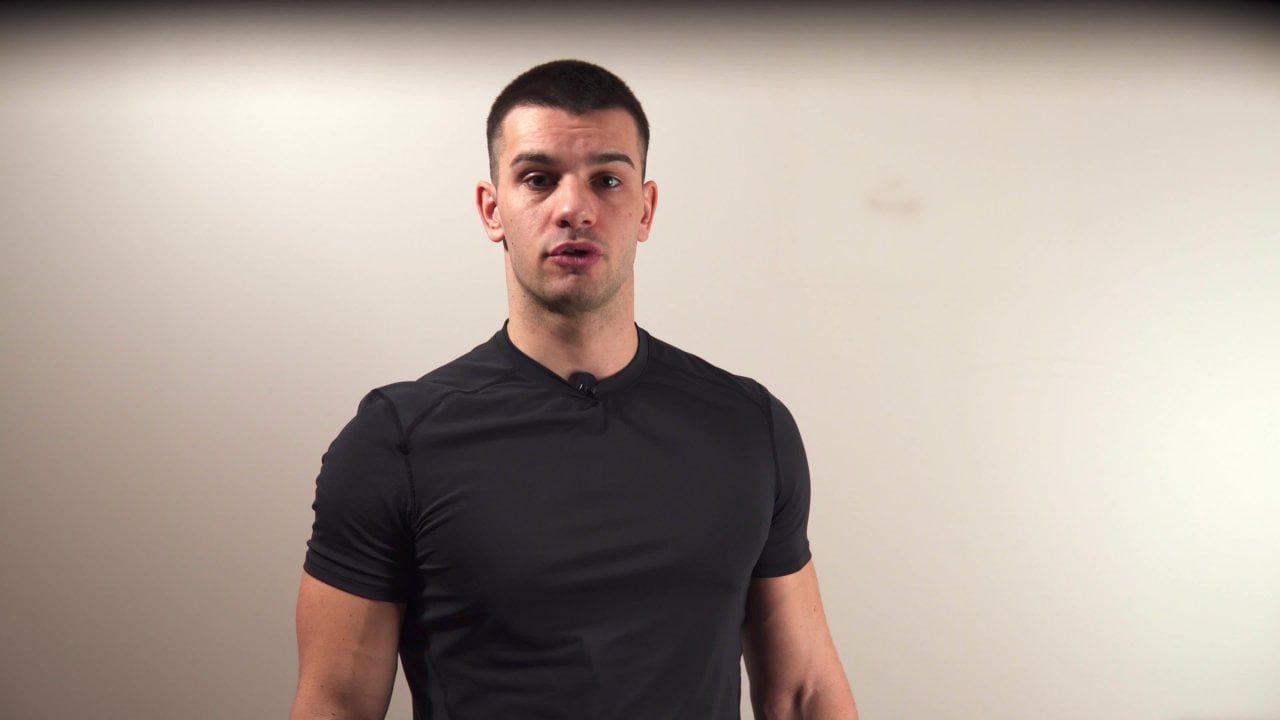
1. Introduction: My name is Mike Anderson. I'm a massage therapist and Canada, I've worked in and also consulted for some of the top-right is paused in the world. And I can only assume that if you guys are here on Skillshare, that you're creative as a mike. And I know as a creative, oftentimes we can stress ourselves out. We're usually self-directed and we feel like we need to do a lot to maintain that creativity. When really we need to take time and space to relax and meditate. And that's when the best creations are going to happen. In the course, I'm going to teach you guys how to massage the arm, the hand, and the shoulder. Let's face it, we're all kinda rounding forward at our computers. We're learning, we're typing, we're editing. Most people are working in that environment today. But even if you are some sort of manual labor, this is going to be a great little sequence. I've taught it all over the world. People love it. So join me for this nice relaxation, massage for the arm and hand.
2. Relaxation Massage Arms & Hands: Moving on to the arm, just going to apply the lotion with the arm, you just need a little bit less lotion. So what I'd like to do with the arm is incorporated a lot of movement. I find a lot of times when you're working on the other parts of the body uses want the person to be as relaxed as possible. But with the shoulder, the arm, the packs, It's so nice. Just get some real good movement in this area. So I'll roll the arm forward and then get in through the bicep that way. Nice broad contact, not too much pressure, and nice flowy stroke into the shoulder. And then as I get up to this area, I'll do a little bit of a pump and a mobilization. And this is really nice for lymphatic drainage. This is also a synovial joint, so there's fluid that goes around the joint. So by doing that, you're actually helping to increase the range of motion of the shoulder. I'll start. You can even bring the arm down and then roll it out and then follow that all the way into the shoulder and then create a nice little mobilization and pump in that area. And that also helps to bring the shoulder down and back. Now here you can also do a nice little pec stretch. So I can take my fingertips, place it on the pack, and then move the arm up as I move up the entirety of the pec major muscle. And that feels really nice. And make sure to follow it all the way into the end. Getting a nice stretch. And then once again, once you get to the shoulder, you can do a little pump in that area, fall that all the way down past the anterior deltoid muscle. You can even come at it from this angle and place your fingertips here. And then you could do the stretch this way and bring the arm up and stretch down the pecs. And then you could bring the arm back a bit and then pull up and do the stretch that way as well. And it's nice to just work all the different fibers and create a lot of different sensations for the client. And all of these techniques are nice and flowy and relaxing. And you're making sure that you're flowing from one technique to the next. And that everything is really consistent. Make sure your pressure is consistent. But when you go over the more sensitive areas of the body, make sure to decrease your pressure a little bit. So I'm going up this side of the arm and then you can even roll the arm in and go around the shoulder. And then down in across the elbow into the extensor muscles and then flow back up this side of the arm and then into the shoulder. And then I'm going down the tricep muscle. And then once again you can bring the arm up, use some movement and then stretch out through the pack, which is going to be so important because this muscle plays such a large role in the rounding forward of shoulders and all of that kind of stress and posturing we do with our cell phones. And if your student just rolling forward to study and be on your computer and follow that up into the shoulder and down and move the arm down as you stretch through the shoulder. Let me show you guys from more of a wide angle on this arm. So start by spreading the lotion out down the arm, even get in through the packs. And just make sure that those lotion everywhere before you get into your treatment. And then I'll start on the upper arm, provide a little bit of movement, bringing the arm out and stretch along the bicep into the shoulder. Then I can even do a lighter stroke down, hold the rest with this hand, and then go in through the bicep and do a nice stretch through the entirety of that muscle as well. And then as you're going up, you can transition that into a pec stretch by pulling the tissue down as you move the arm up. And then you can come back, bring the arm down, work in through the anterior deltoid, come down the bicep, and then down into the flexors and stretch everything out. And then here what you can do is take your thumb and then bring the rest, shorten the tissue, and then stretch everything out in that area. Stretch it out. And then you can turn the arm over, shorten the tissue in the extensor muscles, and then stretch it out as you move the arm down. And then stretch it out. And you can use quite a bit of pressure in this area. And you can work all the way up into the elbow right there. Now, after you've worked the flexors and extensors, you can place the arm on the table and then do a nice kind of flowy technique up this side of the arm. And you're coming up around the shoulder, come back down little lighter over the elbow, come down into the extensors, and then with the arm on the table, you can also use two thumbs to go in on this area and you're just flowing up, breaking up all of that tissue in that area. This will be good for anyone who plays tennis or anyone who is using a lot of wrist flexion and extension a lot. So come up. You don't have to use your thumbs if you don't want to, you can use your fingertips and you can break up all of the tissue like that. Another thing you could do here is take a rolled-up towel and you can place it underneath their wrist. And then you can create a bit of movement this way. So place your fingertips down and then bring the risk down. And then you could use your fingertips to stretch up all that muscle. And in along the elbow and lighten your pressure here, go over that area, and then use that to go up into the posterior side of the arm, come back down. Once again, get a nice stretch, use some movement. You can even roll the arm like this, supinate and pronate the hand. And then use that to flow up into the posterior aspect of the arm, into the shoulder and then come back down and get a nice overall effect for the entirety of the arm to work on the hand. It's also really nice to use this support towel too. And I'll place it just like this. And then I'll use my thumbs to open up around the carpal tunnel. Usually carpal tunnel syndrome is a compression syndrome. So open up along the rest just in this area. And you're stretching out along that area to open up the median nerve right here. So just stretch, break that all up. And it's nice to treat it from this angle because you can use your body weight to drop your arm and your thumbs down into the technique. If you don't want to use your thumbs, you can also use your fingertips and stretch it out that way. Readjust if you need to. And you can stretch down the hand. You can even do where you place your whole hand. And then eventually you roll the fingertips open with your fingertips and you stretch it out that way as well. And that also provides a nice little stretch for the rest here. So you can hold that for a second. And then you can come back and do some nice little needing the hand opening up. And the key with the hand is to open up all of this tissue and stretch it all out. After you've opened up around the hand, you can even just do these nice little kind of rubbing motions down the fingers. This is just nice to get some circulation in that area. You can go one finger at a time. And you're just kinda rubbing, just creating a little bit of circulation. So with these two fingers and the thumb, you're going to use this hand. So 123. And then what the other two fingers you're going to use this hand, so 12. And with this one you can also do a little bit of traction in the fingers. And usually that's going to be more relevant to these three and the thumb, not so much the small finger. But this feels really nice to just kinda pull on the fingers and do a nice little traction of the joints of the fingers. And when you're doing relaxation massage, it's nice to think about everything. Think about the muscles, but also do a little bit of work to traction everything and create space within the body, within the joints. The muscles of the lymphatic system. You're really focusing on getting that nice overall effect for everything. So after we've worked the entirety of the arm, we've done the pack, the shoulder, we've worked the hand the fingers. That's when you finish the arm sequence by just once again doing some nice flowy after Raj. And you can use both hands transition down and just finish that sequence with getting a nice overall fact, increasing circulation. And you can even press down on the shoulder and then take the arm below and do a little stretch and traction that way. And then that's a really nice way to end off the arm sequence.
 Mike Everson, Instructor + YouTuber