Transcripts
1. Welcome!: Taking on client
work can be scary. Not Night of the
Living Dad scary, but intimidating,
daunting and sometimes, like, trying to find
your way in the dark. Well, consider this class the
lantern to light your way. He my name is Amy Plant. I'm an artist and designer, and for the past 15 years, I've been taking commissions
for my creative work. However, it's only in the
past couple of years that I found a system that makes
this process truly easy. If you're an artist or
creative that has found client work to be
stressful or chaotic, or if you're completely new to this and want to start out on the right foot for
your first commission, this class is for you. I'll cover how to organize your process for a
smooth experience, ideas for constructing
your sales page, easy tips for excellent
communication, and how to leave a
lasting impression. This is a crash course on
leveling up your commissions like a P. So buckle up
and let's get started.
2. Prep Work for the Intimidated Artist: Prep work for the
intimidated artist. If this is your first time
taking a paid commission, there are three components you should focus on to
ensure success, a great customer experience, a smooth process for you, and a great final product. The last one is up to
you, but the first two I'll be helping you with
throughout this course. Before you start
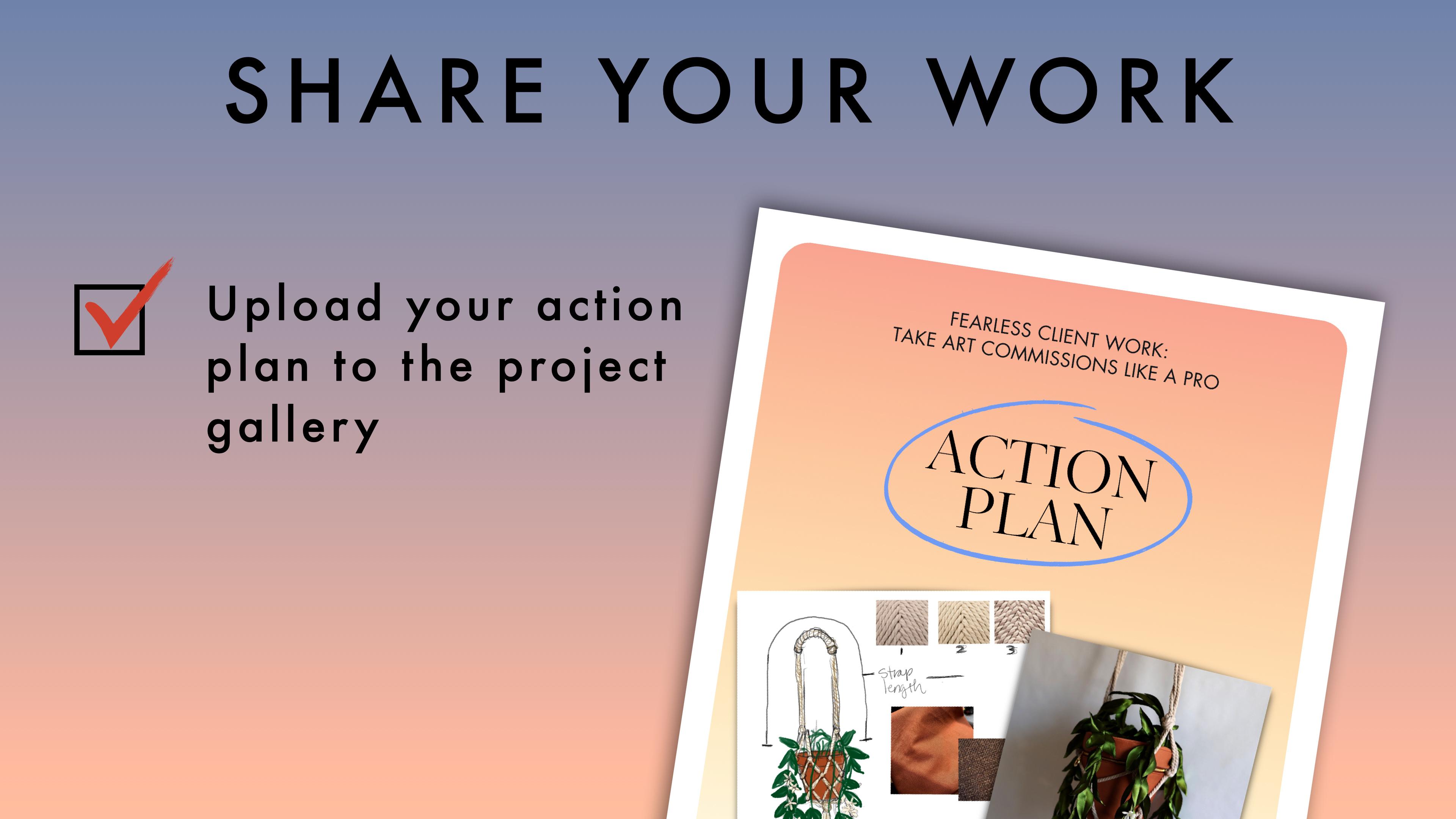
accepting custom work, let's get you organized. In the downloadable PDF that
accompanies this class, you'll find an action
template to fill out and map out your plan. This
is your assignment. Upload your action plan to the class project gallery to
hold yourself accountable, get feedback and
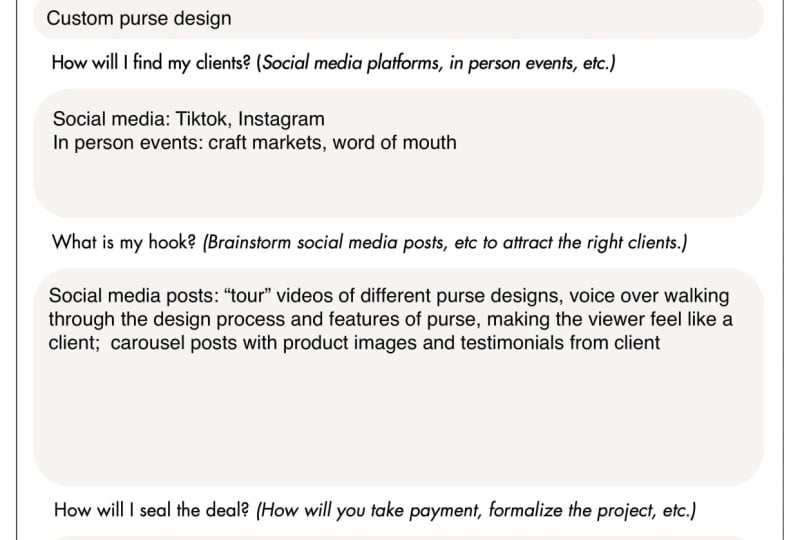
inspire other students. Let's begin your action plan by answering the question,
what am I offering? For beginners, I recommend you focus this to one
niche offering. For example, instead of
offering general portraiture, offer pet portraits
in watercolor. Instead of offering
custom macrame pieces, offer one macrame dress
design that can be custom made to the client's
exact measurements. Being clear about your
specific style or niche will help attract the right customers
to your business. The next question you
should answer is, how will I find my clients? Many artists, it will be wherever you are active
on social media. But if you're someone
that frequently does in person events, this could also include
fairs and markets. If you're an active member of online forums or message boards, that could be a great place to network and spread the word. Once you find the where, answer the question, What is my hook? If you're using social media, what types of posts will you use to attract the right people? In most cases, this won't
be process videos or behind the scenes because
those types of posts tend to attract other
artists and creatives. Instead, you should focus on the final product, its features, how it can be framed or styled, and testimonials from
previous clients. Try to put yourself in the place of your potential client. How does what you're offering meet their needs
or appeal to them? If you're marketing your
custom work in person, you could have a section of your booth or table
with examples of custom work and a postcard of info for customers to
take away with them. Whenever possible, try to
get contact details from potential clients so you can follow up with
them after the event. Next, ask yourself, how
will I seal the deal? This means finalizing the
agreement and taking payment. I know this can be a scary
topic for beginners, but I highly recommend you always have some sort of
contract for custom work. I have some horror stories, and I'm sure you do, too, of customers changing their mind or not wanting to pay after the work has
already been completed. A contract protects your
interests and theirs, so everyone's on the same page. There are lots of
boilerplate contracts online you can copy and websites that allow
you to collect digital signatures if you don't work with
clients in person. I've linked some
of those resources in the PDF download
for you to check out. For my personal creative work, I use Squarespace for my website and as a central hub for
my custom purse design. On my website, I
have a sales page to direct outside customers with a contact form that
sends their details to my inbox to start the
line of communication. On the back end, I can create a project profile for
the client linked to the original form
inquiry by Squarespace and then send contracts and invoices all kept in one place. This is not an ad
for Squarespace, and it's absolutely fine if your project hub is a simple spreadsheet or
a page in a notebook. Don't think that you
need all the bells and whistles to get started, but do make your life easier by keeping
everything in one place. I mentioned the sales page
for my custom work earlier. Now let's take a closer
look to give you some ideas for your own sales
page in the next lesson.
3. Anatomy of a Sales Page: Anatomy of a sales page. When attracting clients
for custom work, I highly recommend you have a dedicated page on your
website for commissions. Having your own
website means you have the flexibility to
add contact forms, galleries of past work, and testimonials from
previous clients. You also have control over which information is front
and center for the viewer. Let's take a look at my
sales page as an example. As we go through it, think
about how you would construct your own page and write some
ideas in your worksheet. It starts with an opening pitch. The title and first line on my page state plainly
what I'm offering, where I'm based, and who
can access my services. This is both to help
with SEO and so people know exactly where they are when they navigate to this page. Now that I've
covered the basics, I want to add a bit of finesse. The custom purses I
make are unusual, so I want to open up the
viewers mind a bit by evoking dream imagery and get them to think
outside of the box. Then I bring it back down to
earth again by touching on my expertise and making them feel like I can bring
their vision to life. Probably not ready
to commit yet, so I have an FAQ section to give them more details
about the process. The goal is to make
them feel like they know exactly
what to expect. Don't be afraid to be
upfront about the price. It's actually really helpful and will save you time when
you're fielding responses. People tend to have
wildly different ideas about what commissions
are worth. I can't tell you how
many times I have not bothered to get a quote
for a custom job from a business because
they give absolutely no indication about starting
prices on their website. I just assume I can't
afford it and move on. Don't let this happen to you. By avoiding talking about price, you might be missing out
on clients altogether. At this point in the sales page, a potential client
might be convinced, so I have a button to take them right to the contact form. But if they still
need persuading, I have testimonials right below. Testimonials can be really
important when you're starting out and haven't
built up a reputation yet. Usually, our first
commissions as artists are for friends and
family, and that's okay. Ask them to write a sentence or two about their experience
working with you. Whenever I have a particularly good experience with a client, I ask if they'll write a
quick testimonial for me. The final component of my
page is a contact form. Having this format is a
useful way for me to get all the key info I need from a potential client to
open the conversation. Having these fields be required means I'm guaranteed to
get that information. Again, I recommend having a drop down with
different budget ranges so you can set realistic expectations for the client. This is the sales page
that works for me. You may find a different
format works for you. To recap, you should have a clear statement
of your offering, a sales pitch for that offering, FAQs or other key information you want the client
to know beforehand, testimonials if you have them, and a contact form for them
to get in touch with you. In the worksheet, you'll find a section to build
out your sales page. Think about what information
you want to impart on the client and what information
you'll need from them. Coming up next, a little
boost of confidence for you.
4. Expertise is Your Sword: Expertise is your sword. When you start to take on
commissions for the first time, it's normal to have feelings of self doubt or impostor syndrome. So I want to take a moment to
give you a bit of a boost. People are coming to you for your talent and your expertise. You can do something they can't. They chose you
over other artists because of your particular
style and skill. Remember that when you
need to push back on a particular suggestion they may have or an unwillingness
to trust the process. Be kind, be professional, but remember that you are the
expert in this situation, so lean into your expertise. The question I want
you to think about is what skills or expertise
do I bring to the table? Make sure your answer is at the forefront of
your sales pitch. Now is not the time
to humble yourself, but rather to celebrate the full breadth
of your abilities. Now, if expertise is your sword, then communication
is your shield.
5. Communication is Your Shield: Communication is your shield. The most important thing
you can do to ensure a good client
experience and shield yourself from potential
misunderstandings or disappointments is to
have clear communication. Don't make assumptions about
what your client wants. Ask them questions and keep
a record of their responses. I recommend you have boundaries
with your communication. If you're using social
media to find clients, you may be getting
inquiries via DMs. However, you should
aim to get them to your sales page and move
the conversation to email. You could lose access to your social media
account out of the blue, so it's safer to
have ownership over any communication in
the form of emails. I make sure to have all of the information for the project
in a single email thread. A client sends me
emails outside of the main thread or DMs me
a piece of information, I screen grab or summarize
what was said and add it to the original email thread so everything is in one place. If your custom work requires getting a lot of information
from the client, it's useful to use bold
text and bullet points for key questions and to ensure your points don't get lost
in a paragraph of text. Also make sure you are sending an email for each
milestone of the project, such as after sending an invoice or contract
when you have a design sketch for them to approve or after you've
shipped their piece to them. Think of these emails as a record of the work you've
put into this project. Are easy techniques that can ensure smoother communication
with your client. Your action plan should be
looking pretty solid by now, so it's time to leave
a lasting impression.
6. Leave a Lasting Impression: Leave a lasting impression. The goal of any commission you get should be to
give the clients such a good experience that they would gladly write you
a glowing testimonial. If you followed all of the
tips I shared with you, you're probably most
of the way there. Take it over the
finish line with little details that leave
a lasting impression. If you're delivering
physical work to the client, use thoughtful packaging that is a delight to
receive and open. A handwritten thank you
note is a special edition. If your final
product is digital, make sure the email they
get is professional with clear instructions on
how to download their assets. Test out your uploads
and downloads to ensure the client will have no issues getting their product. Your worksheet, brainstorm
some ways you can leave a good last impression on your client that pertain
to the work you do. Don't forget to reach
out at the end, asking for a short testimonial. Their complimentary words might just secure your next sale. Now that you've got
a plan of action, client work doesn't seem
that scary, does it? Over the course of this class, you learned how to prepare
for commission work, what tools to have in place for a professional
experience, how to put together a sales
page to attract clients, easy communication tips, and how to leave a positive
lasting impression. Show me what you've
learned and hold yourself accountable
by uploading your completed worksheet to the project gallery so
we can cheer you on. Post any questions you have
to the discussion section, and if you found
value in this class, please leave a review to
help other students find it. Good luck with your
next commission, keep in touch and
happy creating.