Transcripts
1. Introduction: Hi everybody. My
name is Olivia and I'm an artist here in
San Jose, California. I'm going to walk you
through everything that you need step-by-step. In today's class, I will
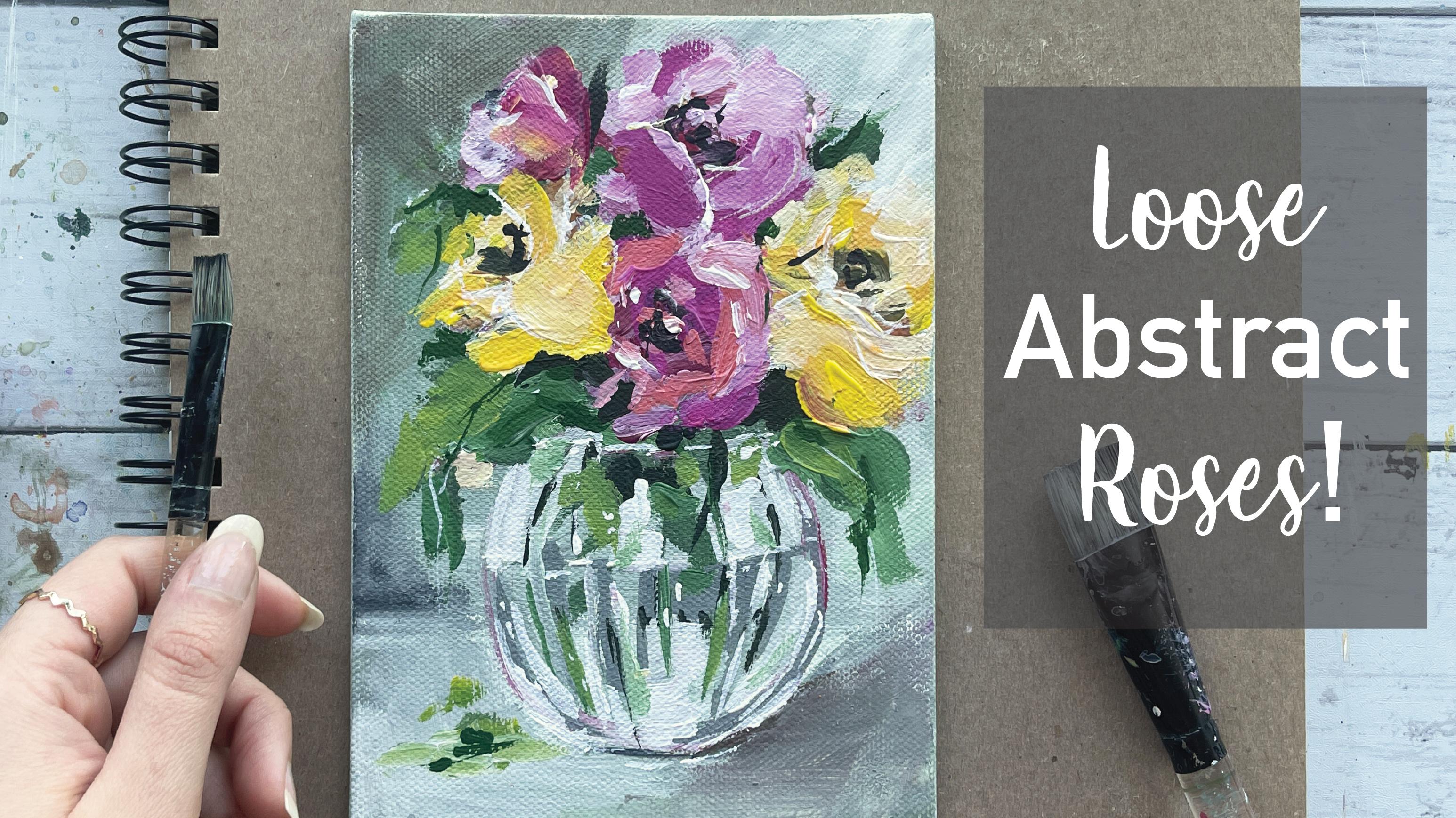
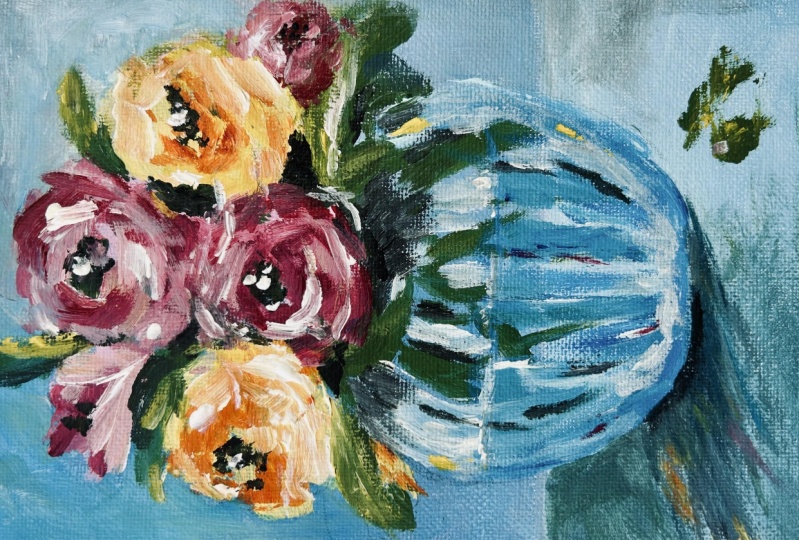
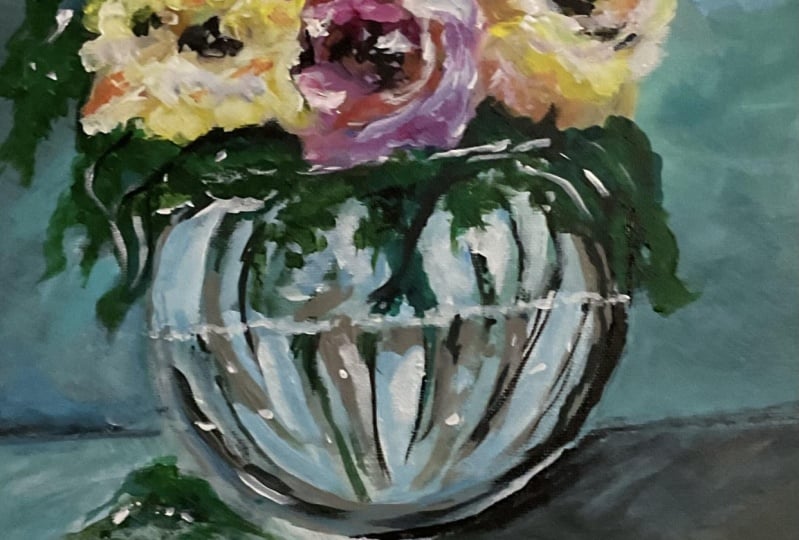
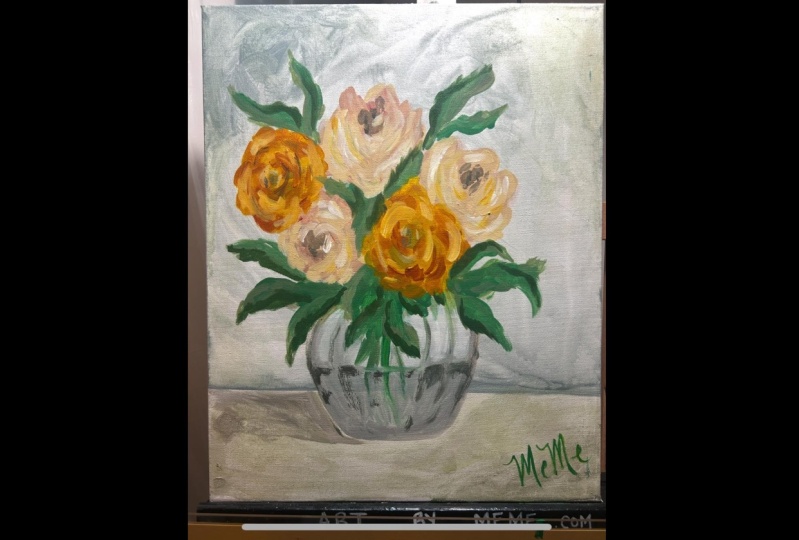
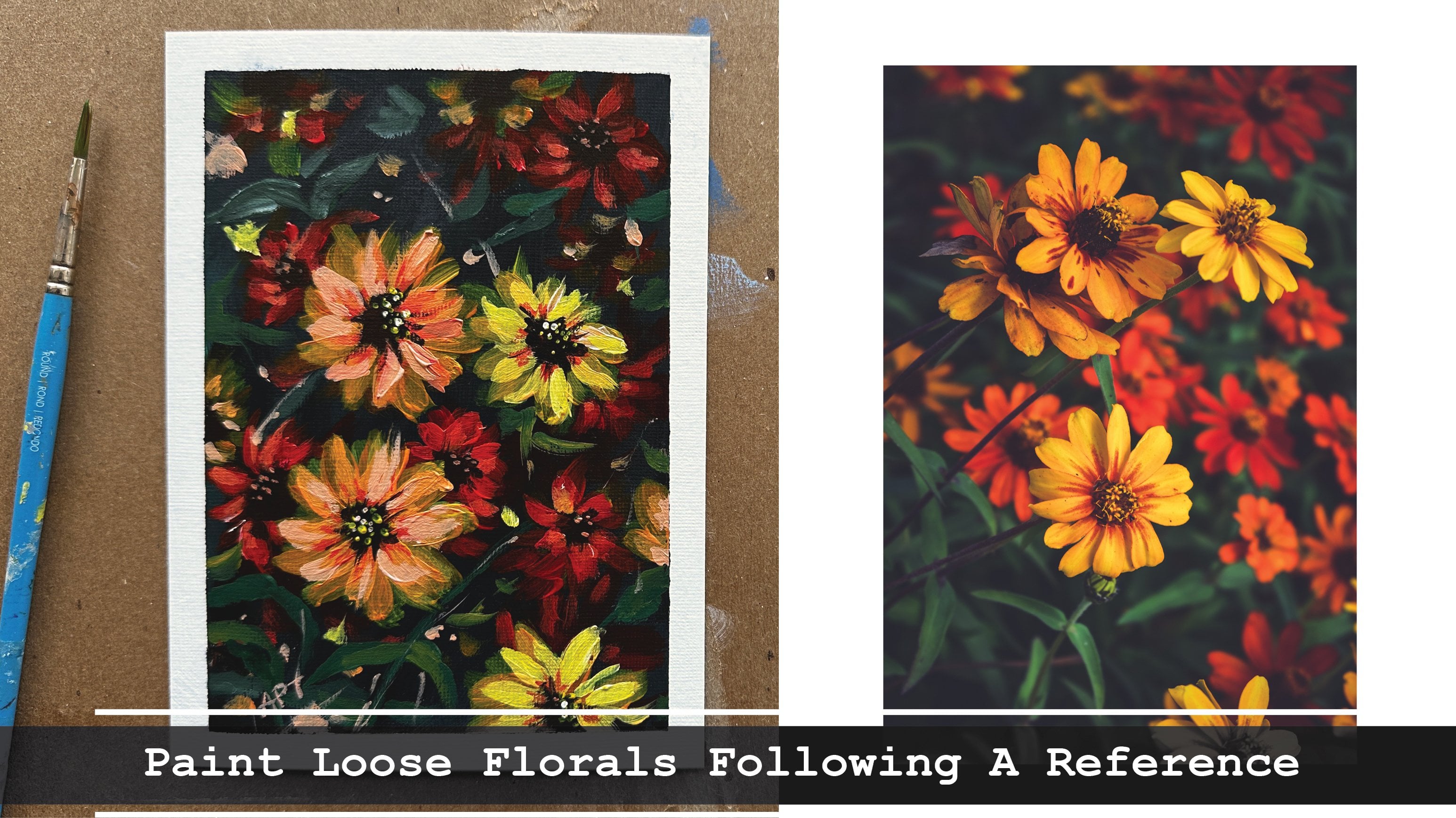
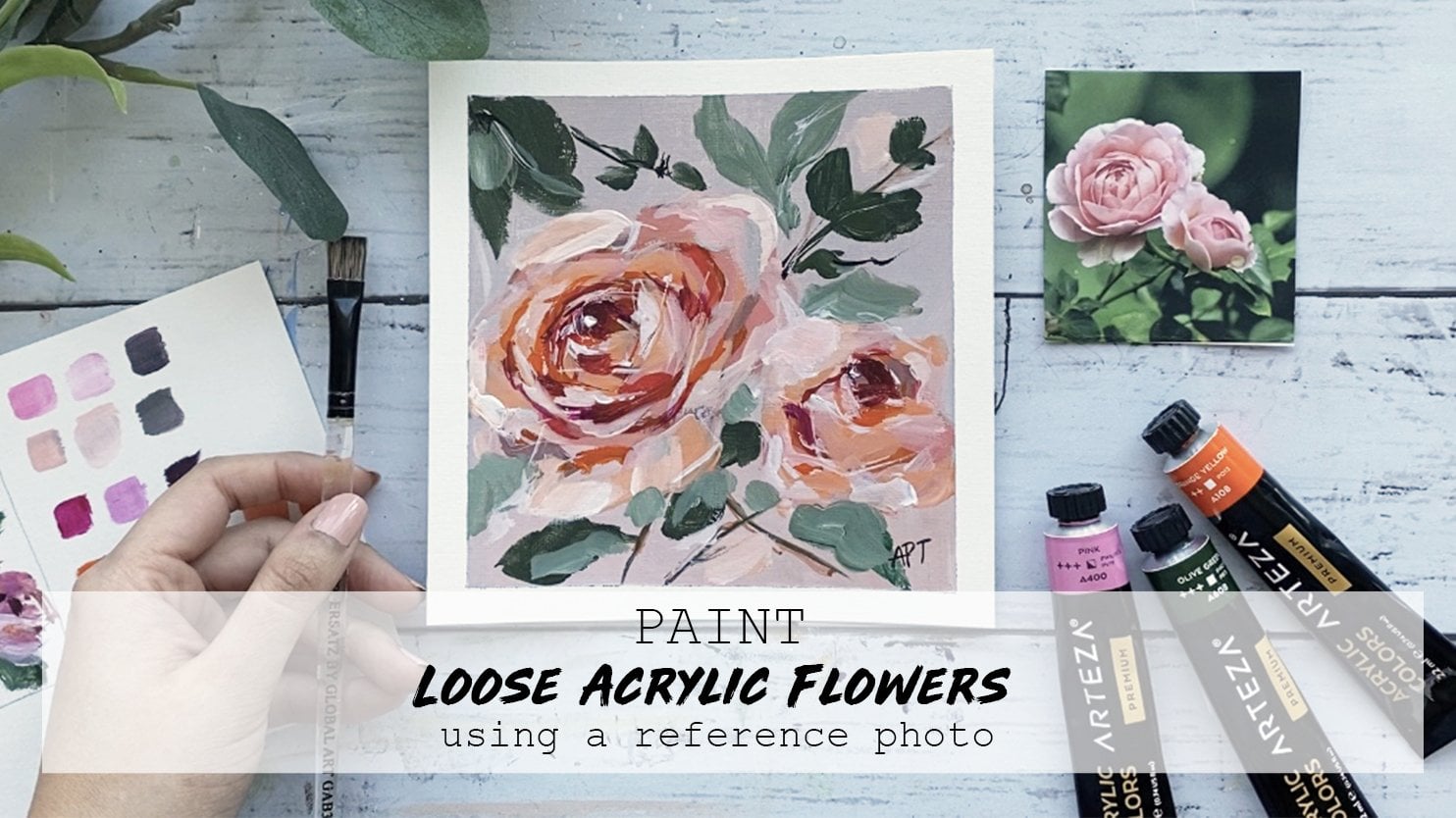
show you how to paint loose abstract acrylic roses
using a reference photo. We're going to go through
all the materials, color mixing, brush techniques, and how to understand
dimension and form. We will then paint this abstract expressive rose
paintings step-by-step. It began.
2. Materials: Okay, so these are all the
materials that I've used. You can get a Gesso Primer
to prime your Canvas, then a wolf of
water and a napkin. And this is a five
by seven Canvas, our teaser Canvas, that
panel that I've used. And then as far as paints, these are Heritage medium
multimedia paints. Again, all the names and everything is listed
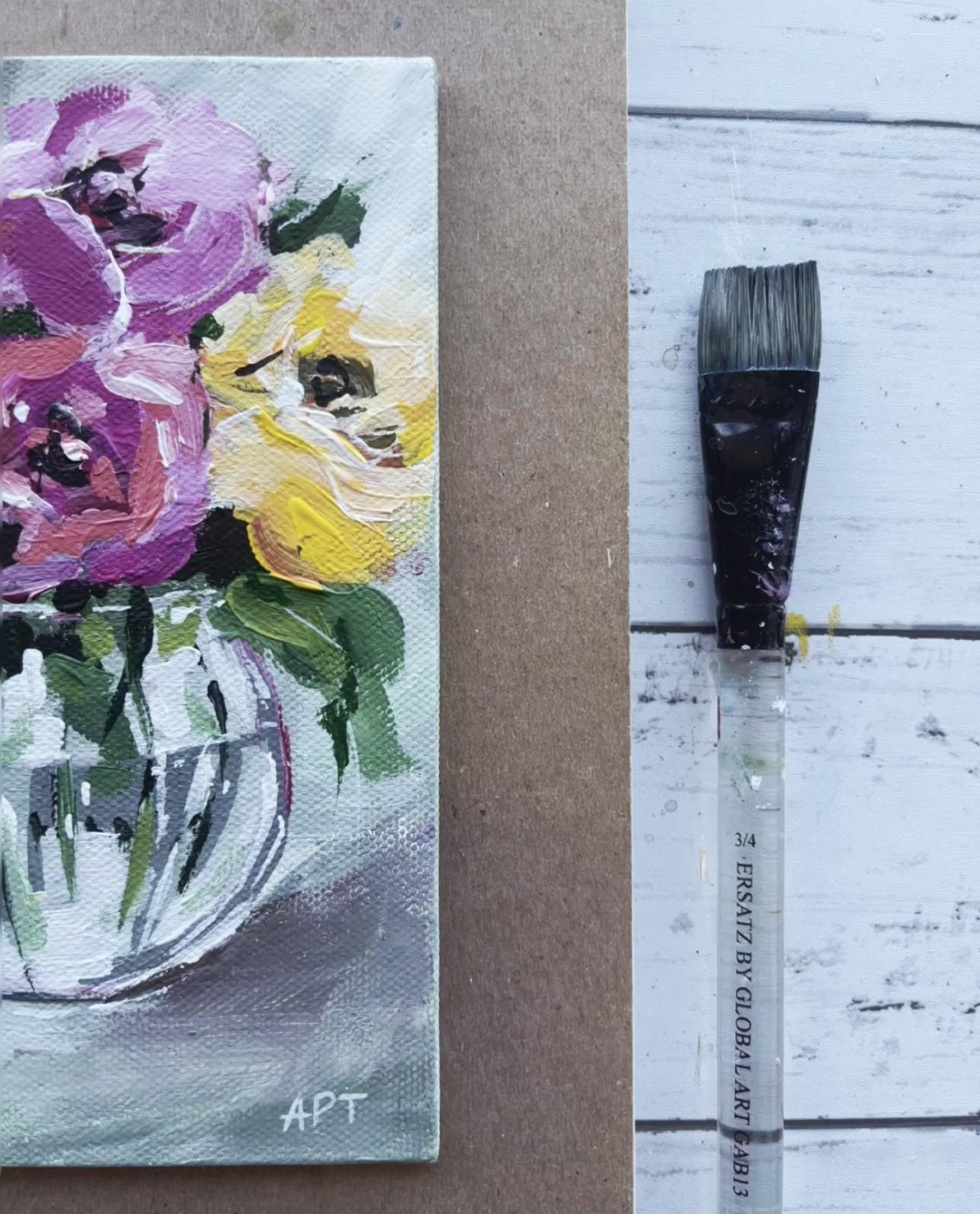
in the description. And then four brushes. These are the three main
brushes that I've used. They're all flat brushes, big, small, and medium. Again, they're all listed in the description so you
can check them out. I used a thin brush
for detailing. And then this one I just used to sketch the ways
in the beginning. Of course, you'll need a
palette for your paints.
3. Color Study: In this color mixing lesson, I will walk you through some
colors and show you how to mix colors to get a variation
of darks and lights. This technique can be applied with any color of your choice. We will begin with
these four colors here, and black and white. I'm going to make four
columns here are run with the plain color
right off the tube, which will be in
the first column. And then I'll show you the different variations you can get by just mixing white
and then black. And then the last column will be a combination of these
colors amongst each other. Let's begin with
this darker green, which I believe score because green and acrylics
Liquitex basics. Here's what you get when
you mix in some white. As you can see, there's
a huge jump between the original color of this
green and then this one. Of course, you can
control the lightness of your green depending
on how much right? You mixing, mixing in some black can really give you
some really nice dark tones. Again, you can totally
control how much dark you want your
colors to be two. So depending on how
much black you add, you will, you can change
the different tones. If you want to mute
this color a bit more, adding some white and black to his green can
give you just that, which I want my absolute
favorite colors to mix. So remember if you want
to turn down any color, mixing some white and black
to any original color can just give you that
really nice kind of mutant toned down version
of the existing color. Here I'm adding
some more white and just a tiny bit
of black but more white to show you the different new
lesions you can get in this version as well. Alright, so I will be repeating the same steps and
all these colors. So I'm going to just speed
this up a little bit, but I just wanted to
point out how you can get so many different colors by not using that
many colors at all. To begin with, the
variations that you can get from each
color are endless. These are just a
few basic examples and I'm able to show here, but feel free to practice with some color mixing techniques if you want an
absolute beginner. These can be super
useful and handy. And before you know it, this will be second
nature to you. And when you need to
reproduce a certain color, you will know
exactly off the bat what makes an order to
get that exact a color. Alright, so, so far we
have only introduced white and black to
an original color. But now I'm gonna show you even more variations and
options that you can get by mixing our original
colors that we have together. For example, what happens
when you make sport these it together or mixing this
light green and raw sienna. Maybe even raw sienna, blue. You get the idea. So let's try some of that
to see what we can get. You are mixing in
both these greens, but some white and black, which creates this grayish tone. And then if you mix more
of the darker green, hookers green, you'll get an in-between green from the two. Here you can see mixing
the light olive green with raw sienna gives you this
really nice warm tone. Whereas mixing some
blacks who that will give you a materially
cooler tone. Raw sienna and tailor
blue will give you a somewhat sap green color
with some warm tones in it. Then mixing white that gives
you a muted olive green. But I'm hoping this exercise can help you understand the depth of colors you can get
by mixing them together and just putting
around with them. These next two colors are some of my absolute favorite
colors to paint in. And I often use these colors quite a bit and
all my paintings. So if you're interested,
I got this color by mixing in hookers, green, Taylor blue,
some white and black. Then this next one, if you take that
exact same color, I'm mixing a little bit
of raw sienna in it. You will get this muted
version of the one on top, which just old beautiful. Here's an example of these
colors applied to a painting. And you can tell how some of these colors have been
used in this landscape. In order to build
dimension and depth, you need to have these
variations of colors in order to make your
painting not look flat. So play around with color
mixing beforehand to give you a sense of colors you can get from a limited
color palette. And this will really help
you visualize how you can use these colors
in your painting.
4. Brushwork: All right, so now let's dive
right into some brushwork. I'm going to show you the
different marks you can make with my most commonly
used brushes. And I'll show you how I
applied and use them. Let's first begin
with the flat brush. This one's super
basic and clean. I use this one for the sky. And you can get simple
flat washes with this one, but extremely thin lines if you use the tip
of it as well. Clearly the smaller flat
brush works just the same and I use this for a simple flat
washes for my landscape, especially when I block off
colors in the first step. Like mentioned, these
next two brushes are my most used and amongst my favorite
to paint landscapes. They are very versatile
and are great for that loose style landscape
paintings which we love. You can get really great, clean flat strokes with this. I love painting, this painting
like huge mountains or like just to going
to block in shapes. I love using this
brush to block in. I'm the initial stages. This brush is also
great for layering paint on top of one
another as well. If you change the direction of the brush and hold
it vertically, you can get arch like shapes
that can be used for bushes, trees and loose objects. Because of the brushes
are like shape. It is great for bushes and hence really great
for landscapes. Using the side of the brush or its tip can also
be very useful to paint faraway trees
or houses, etc. And overall, it's just
really great for detailing. The smaller size
four brush is great for smaller bushes
and objects far away. I use this long thin brush
and every single painting, which I mostly bring out
at the end for detailing, whether I'm painting
florals or landscapes, I always bring this
out at the end. This brush can really add some visual interests with
just little tiny marks. Today's painting, I use
this brush for the grass. I gave it some
highlights and just a little tiny marks faraway. This can also signify and give impressions of little
objects like far away. So maybe even houses or animals. I even actually assigned
my art with this brush, fewer wondering
how I assign them. It's always with this
brush at the very end.
5. Dimension & Form: In this lesson, I'm going to
go over dimension and form. A form is a
three-dimensional figure as opposed to a shape being flat. And how would you add a one to an object while in painting? You can do that by adding color. In this example here
we have dark tones, mid tones, light
tones and highlights. This is exactly what
you need to turn a flat object and give it
some dimension and form. And I'm going to show you
how I'll be using red, black, and white to
demonstrate this. First, I'm going to block in
the shape with just plain red so that we can have
a base to start from. This wave. Here is an
example of a flat 2D object, which we will now turn into
a three-dimensional shape. Now, I'm going to start
adding in my mid tones. So I'm going to add
some black and white to the red to create that. To get my dark tones, I'm going to add some more
black and fill in that edge. Now we're gonna take
these two colors and blend them in-between. You can already see how
this is forming a shape. Now let's add in
some light tones by mixing in some white. Notice how I'm painting in
the direction of the ball. I'm not just painting
this up and down, since this is a round shape. You want to kind of
paint in that curve. I'm just going to
go back and forth in-between my dark tones, mid tones and light tones until I'm satisfied and I
feel that this looks good. I'm just giving it a
rough background so that it doesn't feel like
this is just floating around. Alright, then for the highlight, I'm going to take a lot more
white and a tiny dab of red. A quick recap, dark
tones are achieved by mixing your original
color with some black. Then the more white you mix in, you will get a gradient. You can see how you can
move from a dark tone to a mid tone to light tones
and then your highlights.
6. Prep Canvas: I like priming my
canvas beforehand. Most kinases do come
primed already, but I like giving
it an extra layer. Wait for this to dry completely before we move on
to the next step.
7. Painting Process 1 - Background & Sketch: Alright, so let's begin with painting the background forest. I'm using pine green, black and wives to get this muted olive green
shade for the background. The paints I'm using today are there called
Heritage medium. I have linked to below. But by all means, just use
whatever paints that you have. They don't have to
be the exact color, but just in the same color range if you're trying to
get what I have. I'm adding a little
bit of yellow to warm up the background
tone a bit. Using any flat brush
that you have. Again, doesn't have
to be super clean. I like my backgrounds
to be a little bit more rough and have the brushstrokes show through a little bit and have
some more texture. So just paint your background with any flat brush
that will work. From pretty early on. It is a good idea to establish your light source and where
you want it to come from. So in this case, I wanted my light source to come
from the right side. I'm leaving that side of my background later
than the rest. This is just the initial
stages of the background. I will play with it a lot more simultaneously as I walk
with my flowers too. But this is just equal to start Getting the bottom bed a
bit lighter for the table. So I'm just adding
a little bit more white to that section. I liked painting my edges
as I work along the piece. But if you prefer waiting at the very end and then
painting the edges, feel free to do that. It's just one less thing
that I have to worry about. So for me, I like
painting as I go. Alright, so now that
we're done with that background kind of frame, we're going to come back to it as we work along the piece. But let's get a rough
sketch outline here so that we have an
initial structure to work with for your
painting to be halfway dry before
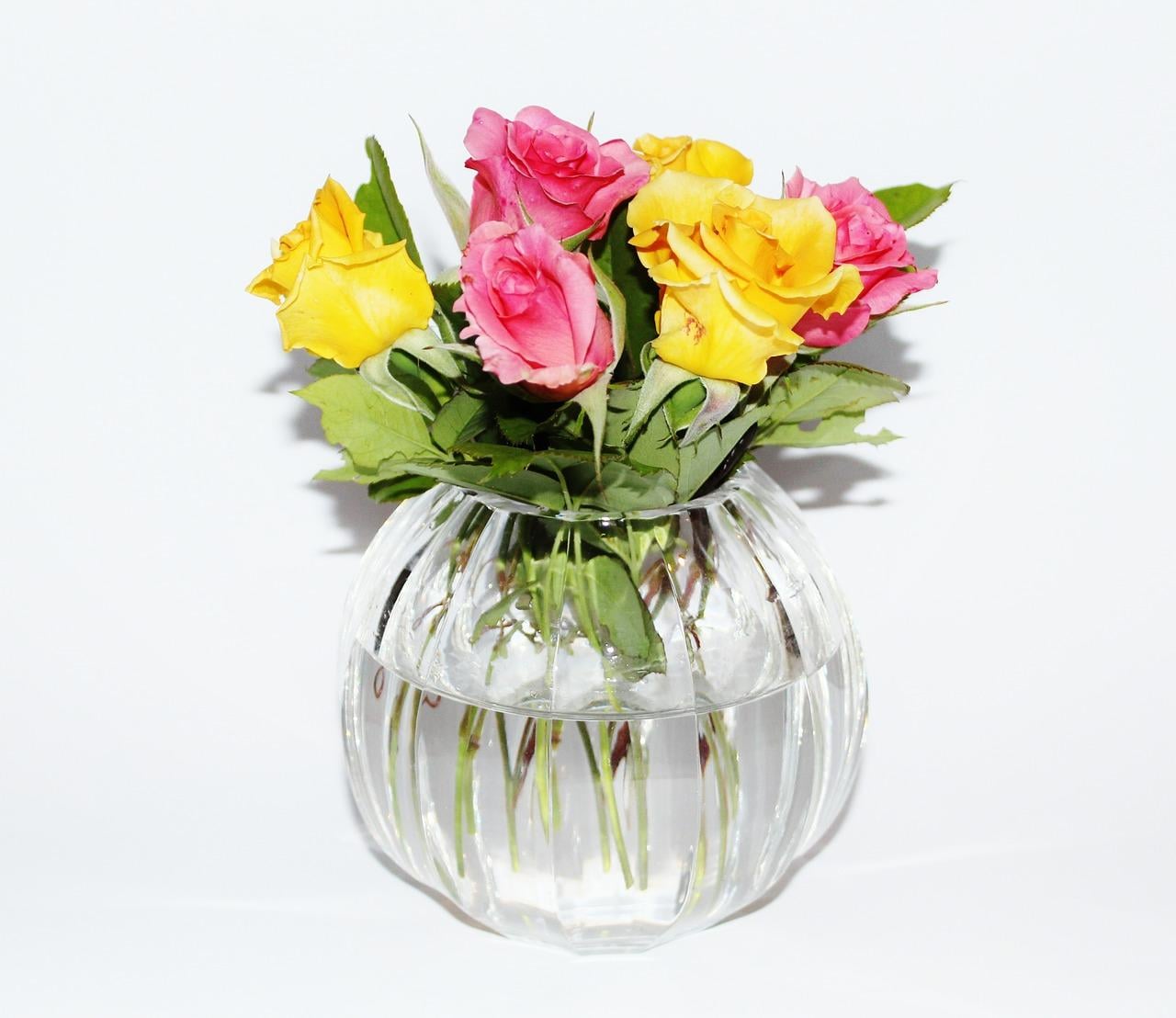
doing the sketch phase. So looking at the
reference pic here, I am getting the round
ball with forced. The reference pic
is also provided in the project and resources
tab and as an image, right-click and save
it on your desktop and then open that up
while painting this. You can also choose to print
it out for your convenience. As far as the flowers, I'm only looking at the outline, shape, and placement as of now. No detail that required. This is just for placement
and composition purposes. So as you can see
in the reference, there are a bit more flowers. Then I am going to be drying
out today or painting today. And just because I mean, just based on the size that
you have working with, you can feel free to kind
of make that adjustment. I'm doing for flowers
in the center here and then one small bed to the left.
8. Painting 2 - Base layers: Perfect, So now let's move on to painting the base layers. So I'm just looking at
the lightest shade of each flower and getting that
shape covered using violet, you can use pink if you have
that. And lots of white. Take a small flat brush and just paint some bold strokes
to cover that area. Just a few strokes in
different directions will do, but try and capture the shape
of the rose as a whole. Looking at the reference pic and the direction of
how the petals are facing should be your guide as to how you apply
your brushstrokes. Do the same thing with
a yellow and white. Just get that base layers
of the Roses done. I was just trying to balance out the colors here is I
felt like you needed a little dash of yellow
on the left side as well. Cleaning my brush off and going back to the background again, I wanted to accentuate the light source
to the right more. Some going back in
with green and white and adding that to the
upper right corner. Sometimes I'd really like
using my fingers to blend, especially when it
comes to blending edges to give it a
softer look and feel. These paints actually work
really well with fingers. So I like playing with it. Sometimes. I feel like there are always two kinds
of painters out there. One that's always spotless and super careful
while painting. I'm definitely not like that. I I like getting my hands dirty. Next step I like to do is
getting the center by down, just an impression of it. So usually the buds in the
center are much darker. So I'm adding some black to the violet using a
small filbert brush. And I'm just twisting
my brush around using its tip to get
that in the middle. Just be aware of
facing your bud in the direction you want
your rows to be facing. Use your reference
picture and look at the direction of the
way the rows is facing. That is the direction you want your bed to also be facing. Remember this is a loose
abstract paintings. So getting impressions of the flowers is what
we're aiming for, simply a suggestion
of shape and object. Do the same with
the yellow buds. So using the other oxide, I'm getting a few short
strokes in the middle here. I'm just looking at
the reference picture. And wherever I see any of the slide darks is where
I'm adding this color. I also wanted to get
a basic structure of the leaves here so
that we can have the whole picture of
the composition and colors using pine
green and some white. I'm getting just some rough
marks of the leaves and foliage to the background
and around the roses. A flat brush works great for this since you can
get a variety of shapes and thickness with it by using all the sides to it. So make sure to use the
belly of the brush, the side of the brush, and the tip of the brush
to get much thinner stems.
9. Painting 3 - Building Layers: Now let's build up on the roses a bit more
little by little. So I'm going in
with pink again and adding flat to short
brushstrokes around the center. To give it more fullness. I see a lighter shade of pink at the edges to this rose
in the reference. I'm just getting that across. Pulling out some red. I wanted to give more color to the pancreas as shown
in the reference pic. Painting these flowers is really all about looking
at the reference provided and breaking up the shape based on
value and color. Squinting your eyes can help
you see the larger shapes better if you're having
trouble with that. Match the color up in the best way you
can based on lights and darks and follow the
direction of the petal. Doing this in itself will
give the impression of roses. It's all about
capturing those lights and darks and just breaking up this big shape into smaller
pieces based on color. Just blending the edges with my finger again to
give it a softer look. I see the edges,
the reference pic, a lot like very light pink and the reference peak
that's around the bud, I'm just going in with
a lighter pink there. Then the bud has a lot
more of a brighter red. So again, going back
with the red and just filling up
that central part. Just short simple strokes. Enough to give a
suggestion of shape. In this case, it is our roses. Just getting in a bit
more lighter pink now to surround the bud as you
see in the reference pic. So it's just a matter
of going back and forth with your
lights and darks. Alright, so this bug is
not in the reference pic, but I'm just kinda
making it my own. Really again, just
quick little marks will give the
impression of a bud. Those are all either
easiest to make. Combination of lights
and darks is all you need to create that
impression of a bud. Here. I'm just smudging out this edge of the flower to give
it a more loose fill. And I wanted that section to be a lot more light in pink shade. That is what I'm doing here. Then the one at the top again, I am taking it a
very light pink and adding bold strokes
and going upwards. Just to kind of follow the
direction of the rows. Let's add more color and
layers to the yellow roses. Now, I'm getting a
nice big strokes here for the petals I see
in the reference page. I'm mixing in some white with yellow four sections I see at the edges of the roses that are a lighter color in yellow. I like getting in my
central beds darker, slightly darker shade, although it is not like that
in the reference pic. So you can choose not to add
this if you don't want to, but I think it adds nicer value.
10. Painting 4 - Vase: All right, before we
move any further, let's paint the
waste portion a bit. So since it is glass, we do need to reflect
the background. So pulling back those
background colors again, using black, green, and whites to start with, for those darker gray bits that you see in the reference
pic at the bottom. Simply blocking off
those shapes down in the lower half of the ways. Pulling in more white now and filling in the lighter
portions on the top. Use thick juicy paint to
add interest and texture.
11. Painting 5 - Darks & Lights: I'm getting in some shadow as
well to set the ways down. The right side would be
slightly darker than the left. So adding more darker
values to the right here to give the painting more
depth and dimension. Since I was already
playing with some darks, I thought why not just add more darks to the
painting overall. So looking at the reference pic, I see some darks in the
center there as foliage. So I'm adding in some short
strokes to that area. This also helps separate the roses and makes them
appear more forward. Similarly, looking at the ways, I'm also getting some
small thin dark lines for the stems in places. So again, you can use
this with the same brush. If you're more comfortable
using a smaller, thinner brush, then
feel free to do that. But if you have your flat brush, I like using the
tip of that brush. So just holding it
straight up can give you a thinner strokes. Here I'm just adding
some different values to the green leaves. So darks and lights and
placing them randomly around the roses. To
make them darker. You could also mix, obviously mixing black and
a little bit of green. You can also do red and green will give you a
nice different shade. And to get lighter greens, you can obviously makes
white with green, but also mixing yellow will also give you a volley
nice light green. Just improvising here and
adding some green colors to the tabletop to give the
impression of fallen leaves. Just to add color and
balance out the composition. I'm deepening up
to the values to the background and
highlighting the darks and lights even more to push
out the flower ways further, applying the darks only in the lower right and
upper left corners.
12. Painting 6 - Defining Roses: Time to give our roses
a final shade of path. Going in with a violet
pink shade directly and adding some strokes
to the upper rows. Not too many, just enough to form roundness and then going in with some white and mine
it to fill in the gaps. Pay attention to the direction of how the petals are looking at the reference pic and add
your strokes in that manner. If you see a pedal, for instance, more
going upwards, more towards the left corner, then make sure you are applying your stroke
exactly in that manner. Now taking some white
and pink shade, just fill in the
gaps in-between. You don't have to cover a
completely leave some of the existing layers
underneath showing through, but just adding this color on
top as a buildup of layers. Same thing with the
bottom row is here and going in with just
the wildlife forest and filling in some of the gaps with the
lighter pink after. Just so that this bottom rows is slightly different in color, I went ahead and added in
some red and white to it. Don't forget to add
in some highlights using the same technique
with the yellow roses. Now, I'm going in with
a yellow to start with, then getting some thick
bold layers here. Adding some whites
to the yellow. I'm filling in some
of the gaps again. Make sure to keep some of the existing layers
already present. Keep your brush marks
loose and quick, and get into the habit of using all the sides to your brush
for brushstroke variety. Holding your brush from
the backhand Or will also help with keeping your
marks loose and abstract.
13. Final Touches: Now let's add
finishing touches to the ways by bolding on the
layers just a tiny bit more. I'm going in with white and adding brush
marks to those areas, ICS highlights in
the reference pic. Using a smaller detailed
with pen brush, I'm getting in some tiny
marks to ad impressions, glass and reflection
to the ways. I love using this brush for final details and
the flowers as well. Just a few Lewis
Marks of this can really bring the shape
of the flower together, making an abstract piece more expressive and put together. Sometimes these tiny
little details is what will he brings
attention and interest. Taking in some black and
using the same brush, I'm getting in some last
minute loose marks as well. Make sure to not overdo it, but just quite easy to do. So just stop anything, it is enough and just write. If you want to play it safe. Always remember less
is more. In this case. There we have our loose expressive abstract
roses for today, and I cannot wait to see
what you guys come up with. Share your projects. I would love to see them and do not forget
to leave this class. A review. If you've enjoyed this class, make sure to follow me so
that you do not miss out on future painting classes
from me to shop, my art and merchandise do
visit my website where I sell all my original
landscapes and florals, art prints and lot of variety
and mortgage that includes phone cases and mugs
and much more rivals to come sooner to keep
up with latest news. Do you follow me on
Instagram where you can stay up to date with
my new launches. Thank you once again
and happy painting.
 Alifya Plumber, Artist | Acrylics, Watercolors | Painter