Transcripts
1. Introduction: [MUSIC] In today's
world, photography has been largely democratized. Practically, everyone has a smartphone camera
in their pocket, and the advent of
social media has also made photographers spring out, right, left, and center. Now more than ever, photographers are struggling
to set themselves apart. One of those ways you can
successfully stand out from the crowd is by developing your own distinctive
photographic style, which is pretty much
your own creative voice. With a unique and easily
identifiable photographic style, you are definitely on a path
to finding true purpose, economic viability, and
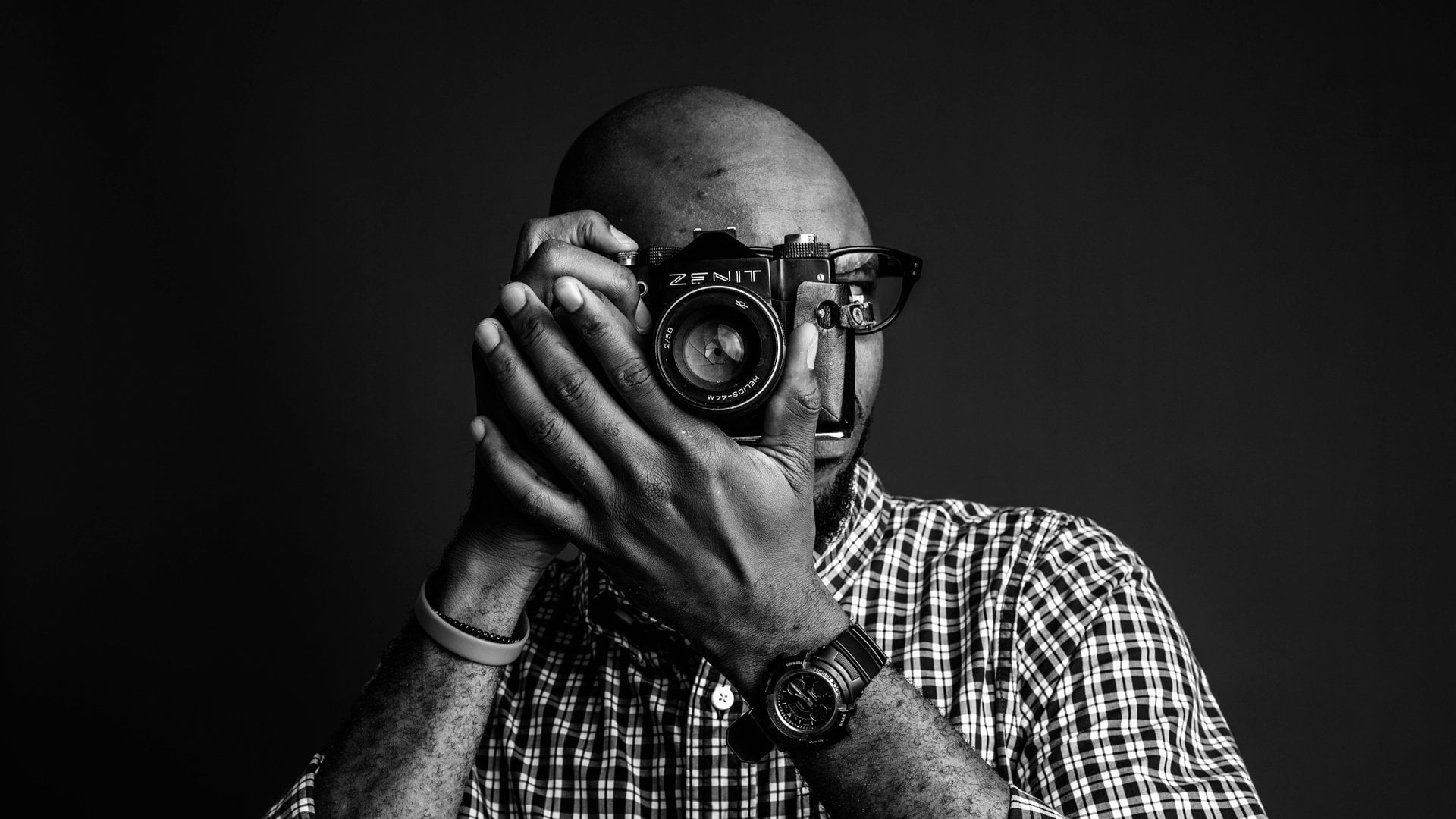
long-term satisfaction, with your creative practice. My name is KC Nwakalor, and I'm a Documentary
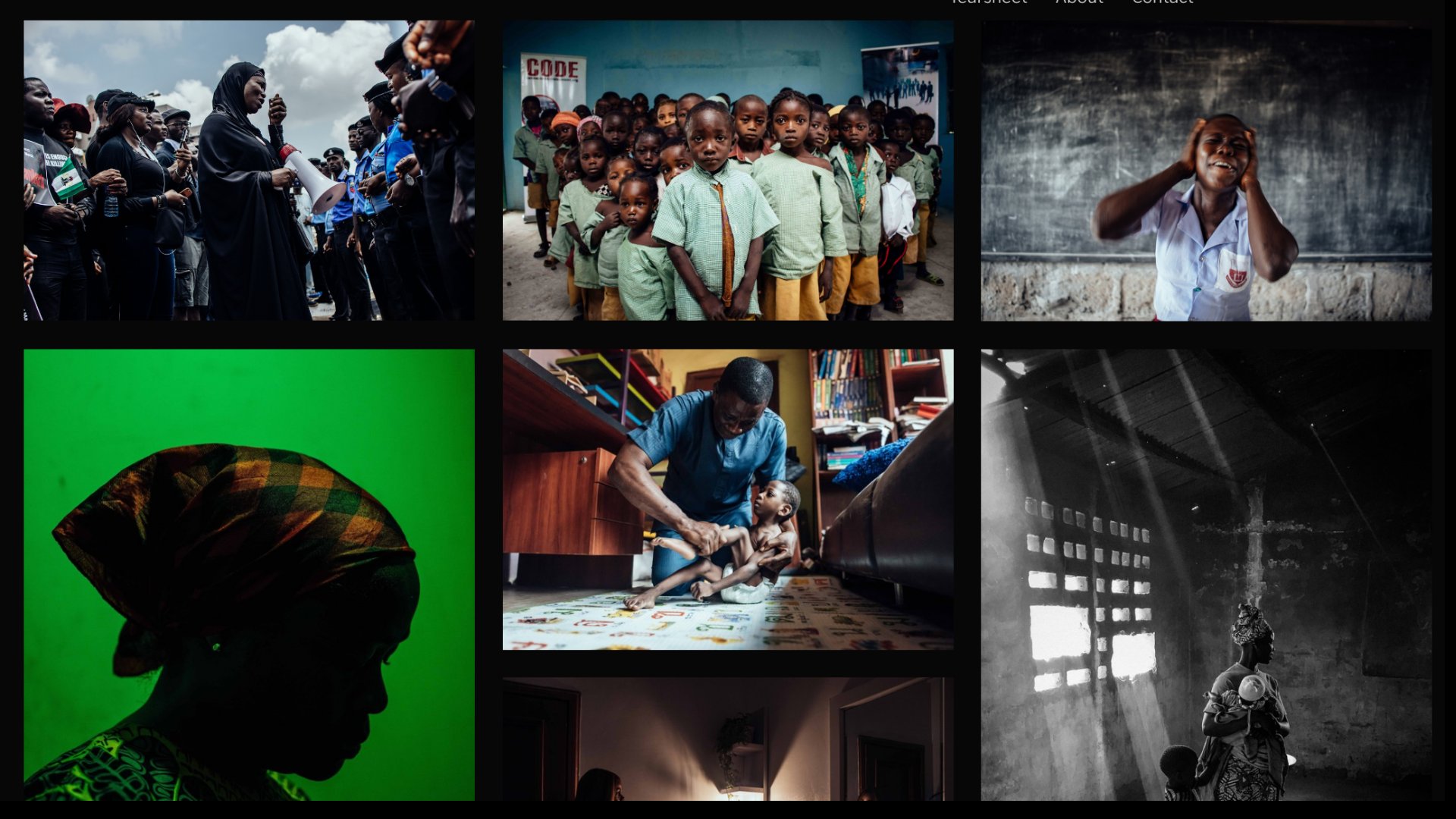
Photographer and Producer and my work focuses on humanizing
real socioeconomic, health, and environmental issues within the African continent
and the African diaspora. In the last six years, I have worked in more than six African countries
and my work has been largely published in numerous international
publications, like The New York Times, Bloomberg, Financial
Times, amongst others. I've also been
commissioned by a lot of development organizations
like UNICEF, USAID, World Food Program, etc. In this class, I
would be teaching you techniques that I've
used in my own practice. These techniques have
helped me develop a distinctive
photographic style and has been instrumental to my career successes within
a short period of time. This class is great for everyone at all levels of their
creative practice. In as much as the focus
skill is photography, things taught in this class would be largely relatable and deployable in any creative work that you presently engage in. Do you want to stand
out from the crowd? Do you want to find depth and true meaning
in your practice, or you just want to make creative work that is
more economically viable? Do you want to find your audience and
your tribe to attract the right clients and practice your own photography
on your own terms? Then this is the
right class for you. We would unpack the
various steps that I've taken to answer these
pertinent questions. If you are ready as I am, jump right in, and
let's get started.
2. Class Project: [MUSIC] What is a class without an exciting
class project? An incomplete class. I implore you to participate in the class project
because it gives you the unique opportunity to practice what you've learned, and to share your work
with other students, and most importantly, to get a personalized
feedback from me. Remember, you only
get better by doing. I strongly encourage you to participate in
the class project. The class project is to upload one images that embodies your own distinctive
photographic style. Please upload your
images along with a brief description of what makes your
images distinctive. Do well to also share
your work in progress or any other mini
assignments that you've completed as you work
through this class. To get the best value
for this class, you would need a camera. It could be a DSLR, a smartphone, a point
and shoot camera. Anything you have
access to that can take descent images, that's
perfectly fine. You also need a photo editing
software on your computer, on your smartphone, like the Adobe Lightroom,
Bridge or Snapseed. With that being said, let's get started. Come on.
3. Understanding Your Craft: [MUSIC] In any creative
practice you have to understand why
you do what you do. This I can also say with
regards to other professions, but it is particularly important
with creative endeavors. To understand your
craft is to have a deeper understanding of the images you make
or wish to make. It is the bedrock of
your creative practice. It is what keeps
you grounded and focused on what is
most important to you, even when it's not
trendy or popular. Starting off, I dabbled
into weddings and events photography something I did
for a while and got bored. That was when the
real journey began. I took time to
understand my craft. To understand my craft, I started with asking myself
some pertinent questions, some of which I want you
to ask yourself today. The first question
is, who are you? This is always a
good place to start. What is your life about? What do you hope to
achieve out of life? Who are you? We can be different things at different times with
different people, but our core values
often stay the same. For me, I had to
mentally go back in time to investigate what my
dreams and aspirations were. What made me feel
happy and fulfilled? At the crux of this was my heart to help
and support people, to see that I leave
people better off than they were when
they met me first. I was one person
has stood up for the people I cared about. I helped amplify voices
that I believed in. I've always believed
in the truth. Practically everyone close to me knows that I do
not tolerate lies. This has always been
my core values. What other traits do you think a photojournalist or a documentary photographer
needs to possess? Simply the urge to amplify vulnerable voices
and the empathy to do it ethically
and truthfully. The second question
is, why photography? There are so many
mediums of expression. You could be a filmmaker, you could be a painter. Why photography? I said I asked myself
why not other tools. Why must it be with a camera? There is no right
or wrong answer but you have to be
truthful to yourself. For me, I like how
powerful photographs are. It's as easy to
access and digest. It is not limited by language as human experience
across board is similar. Example, regardless of
your race, your religion, your geographical location if you see a photo of a
mother and a child, you can relate with that image. I also like how photography
is not exhaustive. It shows you about
enough to inform you, but gives you room for your
own imagination and judgment. When a photo is well-taken, it forces you to think. The third question is, what is your end goal? I deal with real people,
with real stories. The end goal for me
is often to bring global attention to
pressing issues so as to trigger relevant
authorities to act or just to ganner some sort
for people that need it. In a country like Nigeria, where governments support
is almost non-existent with the ongoing humanitarian crisis
in Northeastern Nigeria, which is as a result
of Boko Haram or ISWAP terrorists
operating in that region. This has led many families to get displaced from
their communities, leaving their farmlands, and the source of
livelihoods behind. Some are still trapped
in the conflict zone. There is no hope for survival. Their only hope for
survival might be through coordinated
humanitarian assistance. Without compelling
visual stories, how will NGOs raise money to continue to work in these
hard-to-reach regions? Without photographs, get them
published in new stories or newspapers like the
New York Times or other popular news outlets. How will the public
be compelled to pressure their
governments to act? There are lots of crippling issues in my
home country, Nigeria. Using my camera to
tell the stories in a dignified way is one way I'm able to
help the situation. Even if I don't fix the problem, at least I didn't fold
my hands to watch. The fourth question is, where will your focus be? What will you be focusing on? The problems of the
world is numerous. Too many things need our
attention part-time. In this time and age, it is very easy to
get distracted. Where will your focus be on? This is pretty much
determatic area you decide to focus
your practice on. This very choice is
informed by who you are, your education, where you live, and what your end goal is. For me, I aim to humanize
socioeconomic, health, and environmental issues within the African continent and
the African diaspora. Socioeconomic issues
because I was raised by a single parent in a
working-class family in Nigeria. At the age of 14, I was already working to support
myself through school. An average child in Northeastern Nigeria
I'm privileged but to some great extent, I can relate to the harsh
economic realities of Nigeria. Health and environmental issues because I have a
background in biology. My background and interests have helped me to know
where to focus on. I've done stories on sickle-cell
disease, tuberculosis, blindness, family
planning, global warming, pollution, and severe
acute malnutrition. I've also done other stories relating to other health
and environmental issues. If I do a story on sexuality or the topics that are
not well acquainted with, viewers that
understand the topic will feel the disconnect. It is important that you
know who you are and focus on the things that you connect
with on a deeper level. This in turn will help you
tell nuanced visual stories. The last question would be, how will I make a living? Photographers have bills to pay. It is important to understand the economy of your
creative practice. If not, you will quit out
of frustration and hunger. I always tell people, if your goal is to be rich, you have to try some other type of businesses, not
in photography. I'm yet to see a photograph
on the Forbes list. Simply put, if money is
your driving force or your primary aim as
to why you want to be a photographer or any other creative
practice for that matter, in no time, you would
likely be frustrated. This is because creativity
is fueled solely by passion. For me, I am based in Nigeria's capital
city, which is Abuja. This is where all NGOs have their regional offices
if they operate in Nigeria and the international
airport is busing. International news agencies and NGOs are always looking for photographers to help gather visual
communication materials. I am well-positioned to harness any story opportunities
available in the whole of Nigeria. In this lesson, we've discussed
some of the questions that I've asked myself to understand my craft even better. In asking and answering
these questions truthfully, I found a deeper meaning and
understanding of my craft. Some of the questions
are, who are you? What is your work about? What are you trying to achieve? The next question would
be, why photography? Why not other mediums? What is your end goal? Where will your focus be on tying into your education and
interests and experience? How will you make a living? Are you well-positioned
to get the opportunities? When you carefully and truthfully
answer these questions, it will give you the
insights you seek. Remember, there is no right or wrong answer as my journey and yours will
always be different. For this lesson's assignment, I need you to write out your answers to the
following questions. Who are you? Why do you do photography? What is your end goal? Where will you focus on? How will you make a living
doing what you love? The answers to these
questions will give you the needed clarity and depth to push your career
to the next level.
4. Developing Your Photography Skills: [MUSIC] In as much as
this class is not about the technical aspects
of photography, I think it's
important to touch on why you need to develop
your photography skills. I mean, you can not have
a photographic style if you don't know how to make good photographs in
the first place. Making good photographs involves knowing how to use your camera, Understanding light, and
making a good composition. In terms of understanding
your camera, you need to understand
your exposure. Exposure refers to the amount of light that reaches
your camera sensor. It is controlled
by the aperture, the shutter speed, and the ISO. Aperture is the size of the lens hall where light passes through
to make your images. It's measured in
f-stops, for example, F2.0, F4.5, F11, etc. The higher the F number, the smaller the aperture, which means the lens is
letting in less light. The lower F number, there is more light coming
in into the camera. The camera's aperture
controls the depth of field, which is how much of
your image is in focus. If it's mostly blurry, then it means that the picture has a
shallow depth of field. In this time you're
using a low F number. But if you use a high F number, which means that your lens
is pretty much closed, then you have a sharper image. The shutter speed is
how long your shutter stays open when
you make an image. Is measured in
fractions of seconds, which is pretty
much five seconds, 1/60th of a second,
1/250th of a second. The longer the time, the more light enters
the camera sensor, because the shutter is open. The lower the number, the less light it captures. The shutter speed also
controls the motion blur, which is pretty much a
blurriness that is caused when subjects move whilst
the shutter is open. Then you talk about
the light sensitivity, which is also the ISO, it is the camera's sensor's
sensitivity to light. Is measured in ISO
number which is 100, ISO 400, ISO 1,000, etc. The higher the number, the more sensitive the
sensor is to light. The lower the number, the
less sensitive to light. Light sensitivity
controls the noise, which is pretty much like a grainy effect on your
photos when you use high ISO. With these three functions, you can control the
exposure of your images. You have to aim to get
a well-exposed image unless over-exposure
or under-exposure serves your creative needs. You have to read your
camera's manual to know what button or knob that
can control what function. In terms of light, light is everything
in photography. Having an understanding
of light will have a huge positive
impact in your work. If an image is too bright, then you can say
it's overexposed. If it's too dark, you
say it's under-exposed. If it's neither too
dark nor too bright, then it is well exposed. Unless creatively
intentional, a photographer must aim to produce a
well-exposed image. There are various types of
lights that are grouped based on their intensity
or how it's used. You have the hard
and the soft light and you also have the
key and the fill light. Hard light is pretty much
a high-intensity light. Is often coming from
a single source or a direction and it
produces high contrast. Example is your
direct sunlight at noon or flash faced on. You also have the soft lights, which is a diffused light, often coming from
multiple directions. It produces low contrast. On a very cloudy day, on overcast sky, you get
like a good soft light. Key lights is pretty much the
main lights that lights up your subjects while
the fill light fills up the shadow areas. I strongly recommend that
you do not depend on postproduction to fix the
exposure of your images. You have to always aim to get your exposures right
from the camera. Another thing that can improve your photography immensely
is the composition, which is pretty much
the creative placement of components within the
frame of your photo. The ultimate aim in
your photo should be to place your main subject in
such a way that it stands out. You can achieve
this by composing your image in a way that
the environment and other components help
direct the eye of the viewers to the main
subject of your photo. I have discussed extensively on the various
compositional techniques that you can apply to make your photographs better
in these classes. Do well to check them out. In this class,
we've talked about the various aspects
of photography, which is understanding
your camera, the aperture, the shutter
speed, and the ISO. We also talked about the
various types of light. Then we closed it out with an understanding of
your composition. For the assignments
of this lesson, I want you to experiment
with depth of field and motion blur by tweaking your camera's aperture and
shutter speed. [MUSIC]
5. Developing Your Style: [MUSIC] Every photographer makes photographs but masters
make unique photographs. Explaining photographic
style can be a bit difficult because it
is somewhat abstract. Think of photographic style as a photographer's creative voice. Successful artists
have the style, different musicians
sing a certain way. They have a certain melody and a definite tonality
to their voice. As a photographer, you need to find your own creative voice, your own photographic style, and this can be developed through intentional consistency. Here are the elements
that you can tweak to develop your own distinctive
photographic style. The first is how you shoot. How you consistently
make photographs whether intentionally
or unintentionally, can ultimately determine
your photographic style. Do you like wide or
close-up images? Do you shoot mostly vertical
or horizontal images? What angles are you
often drawn to? For me, I started off getting really close to my subject
for almost every shot. I use prime lenses so it
forces me to get close to the action and suck up the energy and express
that in my photos. Earlier on in my career, I was making a lot of close up portraits with
my 15 millimeter lens. I liked to show the details in the skin and the
stories in their eyes. But as I continue to grow
and evolve in my career, I started to make more
environmental portraits. The face or detailed in the skin wasn't enough to tell the story, so I learned to incorporate
more of the environment using a 28-millimeter lens to give a sense of who
I photographed. I learned that the
environment holds too many details to be excluded from the
composition of my sharp. Ultimately, how you
shoot your images, what angle, what lens you use, what distance you shoot
from when used over time, consistently can shape your
own photographic style. The next would be
how you compose your shots with the knowledge of the various compositional
techniques. Over time, you will
start noticing a trend in your photos
composition-wise, you will start noticing
a certain type of composition opportunity
whenever you want to make photographs. Personally, I like
to use shapes, balance, and lines
in my composition. Sometimes I experiment with other compositional
techniques like Larry. But the first three are
predominantly what I use. To find out yours, take a look at your
portfolio and see what compositional techniques
you are often using. The third element would
be how you use light. Light is a crucial
aspect of photography. In fact, without light, there will be no photography, it would be pitch black,
complete darkness. How you use lights
in your photographs can contribute to your
photographic style. In terms of source, there are basically
two types of light, which is pretty much the
natural ambient light or the artificial light. Natural ambient light is pretty much sunlight
bulb in the room, while artificial light
is strobes and flash. In my practice, I work with
natural and ambient light. In most of my photos, I mean, documentary photography
is often about telling stories of real
people or events. So if I work with what is available at the
location of the shoe, I retain that aspect of
the realness of the story. So next would be how
you edit your photos. Here I'm talking about
post-production of your images. Editing is also
used in the context of sequencing and
arranging your work. For editing within this context, I'm referring to the adjustments you make to your photos
like color grading, contrast, saturation, reduction of highlights
and the lights. While this is not a class on
how you can edit your work, you have to understand that
how your photographs look can immensely contribute to your photographic style
if it's consistent. How you edit your
work is subjective, but the primary thing is that
you stay true to yourself. My editing process is pretty much simple and straightforward. It has stayed
consistent for years, and people that know my work can recognize it
from a distance. I like to turn down my
saturation, improve the clarity, adjust the highlights
and shadows to match the specific photograph
because I have to present the true nature
of the things I photograph. I do not tweet colors in a
way that it alters reality. I also like black
and white photos. In fact, I post only black and white
photos in my Instagram. Asides, my like for it, I use it as a source of
protection against online theft. On my website, most of
my images are in color, except for the ones or the project that I shot
in black and white. To make sure you stay
consistent in your editing, I strongly advise that
you save your edits as a preset on light room or
as an action on Photoshop, depending on what you use
to edit your pictures. The next element would be
how you present your work. How you present
your work can also contribute to your
photographic style. Some photographers
utilize borders, some crop their images
in square format, whatever it is, how
you present your work also contributes to
the whole package of your photographic style. This part refers to the extra work that you put
in to make your work unique. This is all about presentation and packaging of your photos. It's also important to note that this could be time-consuming, but if it is what you like, it can improve the overall
experience for your viewers. Personally, I do not
have the extra time to put in the extra work
to present my work. So if the composition permits, I post square images
on my Instagram. I like how it looks, and it also adds
another layer of protection from online
theft of my work. The next element is the
images you consume. There is a saying you are
pretty much what you eat. If you're a photographer,
there's a huge chance that other photographer's
work may have inspired you to
pick up the camera. Sometimes, often
without knowing, we start making images that look like the ones we consume. To develop your own distinctive
photographic style, it's important that you consume a different
variety of images. When you have a lot of sample
of work to be inspired by, you have a higher probability
of producing something uniquely different from
the individual's work that made up the sample. This is what I like to
call creative copying, which is pretty much
getting bits and bobs from here and there to create
your own unique thing. Consume more work, buy more photography
books, go to exhibitions, go to photographer's website, and keep experimenting until you find what's best
represents your vision. Then last element
is what you shoot, what you often point
your camera at can also contribute to your photography
style and profile. Even a music, we know musicians that often talk
about relationships, some talk about
money and romance, and some are into more inspiring
and empowering topics. It's pretty much the same
thing in photography, what you often point your camera adds becomes your thematic area. Throughout my career, most
of my stories are usually based on health, environmental,
socio-economic issues. I've listed some of the
reasons why I'm drawn to this type of topics in
my previous lesson. What you shoot
becomes your beat, it becomes the message
you put out in the world. It becomes what
clients hire you for, it becomes what
you are known for, it becomes an integral part of your creative voice and
your photographic style. The big question is, what do you want
to be known for? In this lesson,
we've talked about the various elements of
your photographic style, namely, how you
shoot your images, how you compose your shot, how you use lights and
your editing process, how you present your work, the images that you consume, and what you shoot often. Uniquely tweaking these
various elements can help you develop your own distinctive
photographic style. In this lesson's assignment, I want you to take the time
to look at your photos, write out your
observations regarding the various elements of your
photographic style. [MUSIC]
6. Staying Consistent: It can't be a photographic
style without consistent and consistency can only be attained through
repetition over time. While this sounds simple
and straight to the point, it isn't always as
easy as it sounds. Consistency requires discipline. I'm going to list steps
that can help you stay consistent so that you can build your own
photographic style. Consistency is key
because your clients want the assurance that you can consistently produce images that match what you presented
in your portfolio. Nobody wants to gamble
with their time, money, and other
useful resources. Here are the steps
that you can take. The very first part is
to study your work. It entails you actively
looking through your archive to see how your
work has evolved over time. If you're starting off, you need to continually
take photos to enable you have something
to review later on. When you look at your work, you will start seeing a pattern. Ironically, not seeing a
pattern is also a pattern. A pattern that means
your work lacks intentionality that is required to be a credible voice
within the creative space. What type of photos
are you drawn to most? Maybe you need to dig deeper
in those types of themes. What type of compositions
do you see more often? Do you want to stick with that? The idea of studying
your work is pretty much to understand
and evaluate it. When you better
understand your work, you can consistently
produce that type of work. Studying your work
helps you evaluate what you have done
in the past so that you can make better
decisions with what you will need to do
now or in the future. The next step is to refine
your creative workflow. Workflow is basically how your
work flows from ideation, research, preparing a shoot, shooting, downloading
the images to a laptop, editing, processing the images
to exporting and backup. Different photographers
have a different workflow. If you have to go
through these steps, which I know every
photographer goes through, you already have a workflow, but it is probably not defined. Refining and defining
your workflow helps you stay consistent in the
results you produce. My workflow is
pretty much simple; I start out with ideation, which is pretty
much me writing out my ideas in a notebook and
sketching out visual ideas, pretty much writing things down. Then I had to research, which is basically me Google, searching a topic or finding an organization that is
working on the theme, reading books or topics, or just speaking with someone that is knowledgeable
about the topic. When I've started my research, then I prepare for a shoot
because already have made contacts with the
right people to photograph, then for the shoots
and I make sure I have the right lens, the camera body, my camera memory
cards are formatted, my batteries are charged, my recorder is packed. On the day of the shoot, I try to get a
variety of shots of my subjects in different
scenarios and environment. This is also the
time for me to bring my visual ideas into reality. Then in editing and
processing of my images, I download the images
onto a laptop, process them first on a bridge to sort the
images and star them, then move into
Lightroom to apply my presets and also impute
metadata information. I then proceed to export the
photos in the right format. Then I close off by
backing up my files on a hard drive and on
a Cloud storage. The more structured
your workflow is, the more consistent
your outputs would be. Consider automating
some of the processes. It will save you valuable
time and energy. For editing, if you use
Lightroom or Photoshop, there is a function to save your edits adjustments
as presets or actions. With just the click of a button, you are able to apply all editing
adjustments you would normally make on a new photo. You could have variations
of the same adjustment, maybe one for outdoor lights, another for indoor lighting. Then the very last step in this process would be
to share your work. To stay consistent, you have to consistently and continuously
share your work. I advise you to
experiment in private, but always make sure that
you put out work that represents your brand
and what you stand for. You can't have an identifiable
photographic style unless people can view
and identify your work. In this lesson, we've talked
about the need to study your work by also understanding the type of
photos you're drawn to most, the need to refine your workflow and a very important
need to share your work. All these things come
together to help you become consistent
at your work. For this lesson's assignment, I want you to write out
your present workflow and also write out the ways
you intend to refine it.
7. Finding Your Niche: [MUSIC] The final parts of crystallizing your
photographic style or creative voice is by
carving a niche for yourself. You know, niche here refers to the specialized segment of the market for a particular
product or service. Within the photography industry, there are different
specialized segments. Example, product photography, photojournalism,
travel photography, wedding, and events photography. The list is endless. The first step in
carving a niche is by understanding and
choosing what type of photography you want to do. If you're starting out, I
strongly recommend that you try the various types of photography to know which one
you enjoy the most. Particularly for this lesson, I'm talking about
carving a niche, within a choosen niche. This right here can
help you stand out even more and help form a huge part of your
photographic style. Occupy a niche does
not mean you have to reject jobs that fall
outside your niche. It just means you
consistently push out content that further
promotes your desired niche. Niche is pretty
much you utilizing your unique attributes to set yourself apart
from the crowd. Here are the steps
you can take to carve your own niche using a model
I call the niche model. First would be
understanding your goals. As you might have already answered in the first
lesson of this class, I would ask again,
what are your goals? What do you plan to achieve
with your photography? Knowing your goals
in clear terms will help you find
your own niche. As I earlier shared, being born in a country
with countless issues, I became very frustrated and I decided to speak up on these
issues using my camera. I just didn't focus on every issue Nigeria
is plagued with. I narrowed it down to aspects
that I was connected to. Which was pretty much
health and environmental issues due to my academic
background in biology, socioeconomic issues, because of my social and economic
struggles growing up in a single-parent working
class family in Nigeria. Understanding my goals
have helped me carve a niche for myself
and subsequently helped me stand out
from the crowd of photographers that are
presently working in Nigeria. The second part is your
economic realities. We love photography
as a know but if we were to make a living
doing what we love the most, we must consider the
economic realities at play. You have to consider the
prospects of getting hired, commissioned, or getting
paid to produce work. Social media has breached
some of these economic gaps. Artists can independently
sell their work online or through NFTs. However, as photographers, we have to find where
our clients are, what they need, and how
we can serve that need. As I earlier mentioned, I am based in Abuja, the capital city of Nigeria. With the insecurity and other issues still
ongoing in Nigeria, there's a huge international development operation
within the country. I am well-positioned to take on opportunities as they arise. You have to find ways that your goals ties into
your economic realities. If you do product photography, you want to be based
where there are lots of small businesses. If you're into
wedding and event, you want to be where
these things happen. The third thing is your
personality and your skills. You have to be true to
yourself at the end of the day by playing to your
own strengths. If you're not patient
or not a people person, maybe wedding photography
is not for you. If you don't like traveling
or walking in volatile areas, maybe photojournalism
is not for you. We all have different
personality traits and dispositions, and it is our duty to find how we can use these things
to our advantage. The skills you presently have
or the skills that you're willing to develop can be harnessed to carve
your own niche. Different types of photography requires different
types of skills. For example, you can't
choose to become a wildlife or sports photographer
and all you use, always comfortable
using, is a prime lens. You will definitely need experience handling zoom lenses if you are to become
successful in that field. Whilst you might not be able
to change your personality, you can acquire new skills. That tiny intersection
point between your goals, the economic realities,
and your personality and skill is where
your niche lies. In this lesson, we've discussed how to
find your own niche, as this is always
a crucial parts of cementing your own
photographic style, visual voice, or identity, whatever you like to call it. We talked about
understanding your goals, doing a reality check on
your economic realities, and understanding your
personality and skills, and how the
intersection point of these three unique attributes
can define your niche. The assignment for this
lesson is for you to use the niche model provided in this class to identify
your own niche. [MUSIC]
8. Conclusion: [MUSIC] Congratulations
is in order. You made it to the
end of the class. That is enough reason
to celebrate you because not everyone that
starts eventually finishes, so I'm super proud of you. Let us run through some of the things that we've
learned in this class. We discussed the
various building blocks that would help you create your own distinctive
photographic style to enable you stand
out from the crowd. We talked about the need
to understand your craft, which is basically the why
of your creative practice. If you're not well-grounded
in your craft, you will be easily swayed by
what is trendy or popular. We also talked about developing
your photographic skills. I shared tips and
resources on how you can become a better photographer
in today's world. Then we talked about
developing your own style, which is you shooting, editing, presenting
your work your own way. Then we talked about ways
you can stay consistent, which is pretty much building a creative workflow that keeps your results consistent
every single time. Then we concluded with finding your niche using my niche model, you can find your own
niche and stick to it. Remember that your
photographic style will continue to evolve as you grow as a photographer so always give yourself
room to grow. Of what use is all
my talk if we don't want to put what you've
learned into practice. That is the essence
of the class project. It is an opportunity to share your work
with the community, and receive personalized
feedback from me. The class project is to upload 1-3 images that embodies
your photographic style. Do well to include a descriptive text of what makes your image as distinctive. I would also like to see your
work in progress or any of the many assignments that you've completed as you walk
through this class. It's been an amazing
journey with you, and if you enjoyed this class, do well to drop a review. If you'd like to connect
or be in the loop with my upcoming
classes and projects, do also follow me on Skillshare or on my website at kcnwakalor. Until we meet again,
[NOISE] peace out.
 KC Nwakalor, Documentary Photographer & Producer