Design Principles for a Simple and Organised Room: Guided Worksheet 2.0
 Ana Marcu, Home Wellbeing, Licensed architect
Watch this class and thousands more
Watch this class and thousands more
Lessons in This Class
-
-
1.
Intro
2:17
-
2.
Step 1
6:54
-
3.
Step 2
5:19
-
4.
Step 3
2:40
-
5.
Step 4
15:38
-
6.
Step 5
2:38
-
-
- --
- Beginner level
- Intermediate level
- Advanced level
- All levels
Community Generated
The level is determined by a majority opinion of students who have reviewed this class. The teacher's recommendation is shown until at least 5 student responses are collected.
74
Students
--
Projects
About This Class
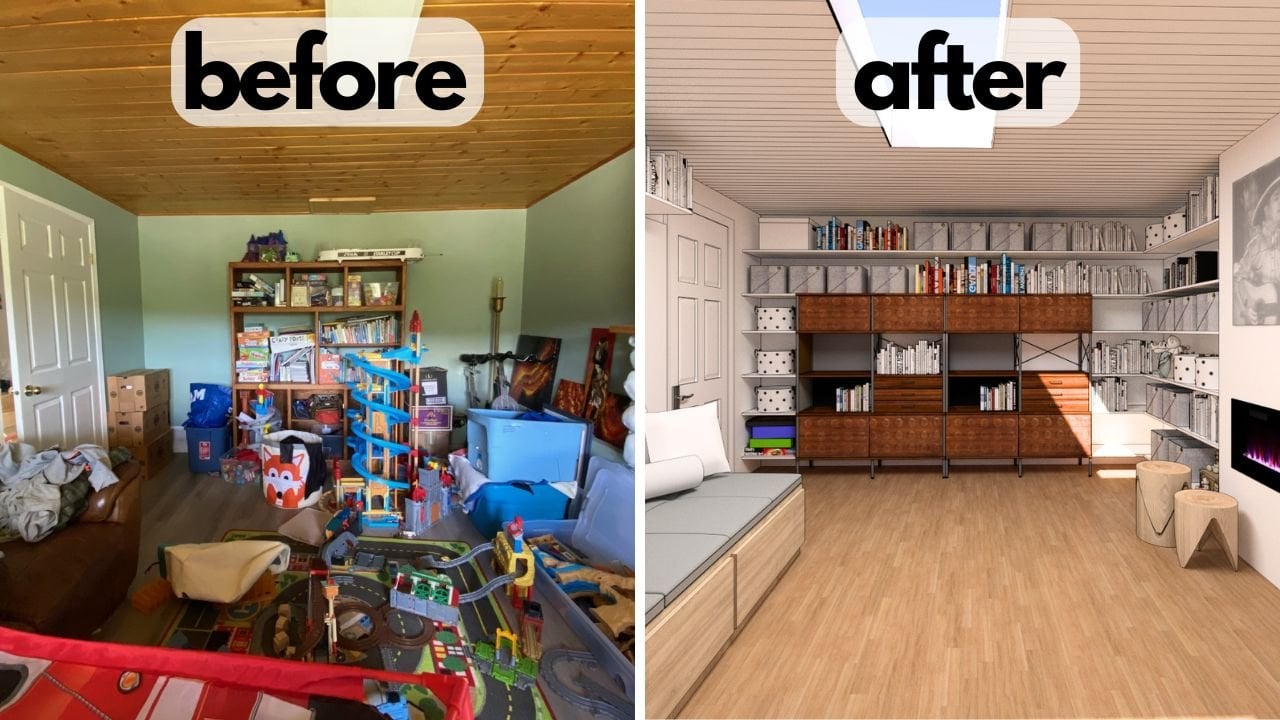
This class is the action-oriented companion to the original "Design Principles for a Simple and Organized Room." Instead of more ideas, systems, or theories, you’ll work through a structured, 12-exercise worksheet to evaluate one real room in your home—and come out the other side with clarity and concrete decisions.
It’s a powerful reflection tool that shifts the focus from perfection to intentional design, helping you understand why your room doesn’t work and what to do about it.
What will you learn?
You’ll learn how to assess the invisible obstacles in your space, define your values, and make meaningful design choices—step by step. This class will guide you to think like a designer without needing any professional experience. Each step will bring you closer to a calm, purposeful, and functional space.
Who is this class for?
This class is for anyone stuck in a space that constantly feels messy, chaotic, or frustrating—even after decluttering. Whether you're a design novice or have already taken Ana’s previous class, this worksheet-based course offers a grounded, practical way forward.
Why should you take this class?
Because lasting change in your space doesn’t come from more organizing hacks—it comes from clarity. This class gives you a structured way to reflect on your space, define what truly matters to you, and make focused, effective changes. You’ll leave with a clear action plan and a deeper understanding of how design supports daily life.
You’ll learn how to...
- How to evaluate the root causes of disorder in a room
- How to map daily routines and align them with room layout
- How to increase storage without buying more stuff
- How to create alignment and harmony through subtle changes
- How to make small, impactful design moves
- How to connect your values to your space’s function
- How to plan changes you can act on immediately
- How to use design to improve not just how your home looks—but how it feels
Relevant Links:
- Design Principles for a Simple and Organized Room
- Room Organization Without Decluttering – YouTube
- Color: Room Simplification Without Decluttering – YouTube
- Back to Skillshare Lifestyle / Other category
Related Classes You’ll Love:
- A Hygge Home: Danish Interior Design Principles for Cosiness and Comfort
- Room Fragrances. How Scents Influence Your Performance, Wellbeing & Interior Design Experience
- Home Interior Design for Better Habits. Self-development by Design
Let’s Connect:
Instagram | YouTube | My Website |
Meet Your Teacher

About me:
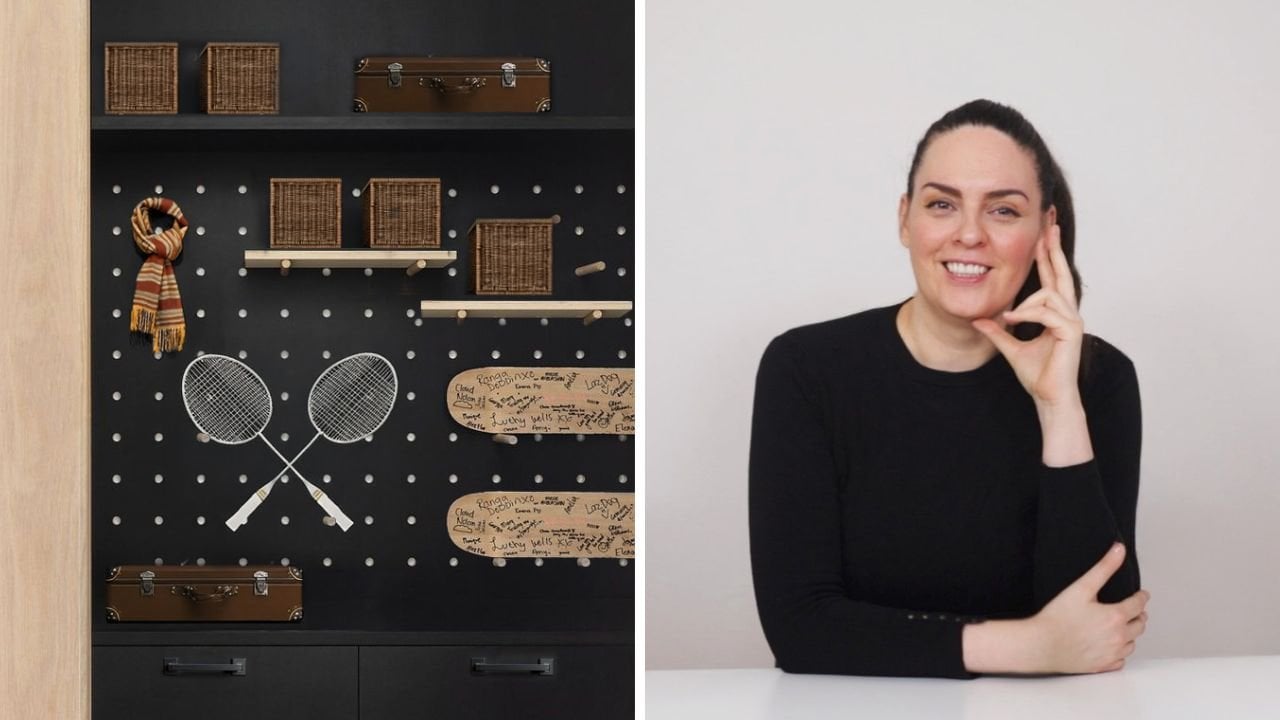
I'm a licensed architect and have over a decade of experience in the design and architecture industry. I have worked as an in-house architect on various projects with a strong focus on furniture, interior design and experience design. I have a double degree in Architecture and "Building Science and Technology", and I am deeply passionate about design that generates great emotional experiences for people. I've recently started my little design studio, and I'm excited to teach you everything I've learned to help you create a great home for yourself.
Transform your surroundings, transform your life!
Your home environment profoundly impacts your mood, thoughts, behaviour, performance, and overall well-being.
Learn how to design a livi... See full profile
Hands-on Class Project
-
Your class project is to complete the guided reflection worksheet using one real room in your home.
-
You’ll work through 12 exercises across 5 steps, helping you read the room honestly, identify why it feels hard to maintain, and define realistic design changes that support daily life.
-
The goal is not perfection, but clarity: understanding what’s actually causing disorder and what small, meaningful adjustments would make the biggest difference.
-
By the end, you’ll choose one concrete action you plan to take next.
-
Share that decision in the project gallery, and—if you’d like—add notes or photos to show your starting point or intended change.
Class Ratings
Why Join Skillshare?
Take award-winning Skillshare Original Classes
Each class has short lessons, hands-on projects
Your membership supports Skillshare teachers
Learn From Anywhere
Take classes on the go with the Skillshare app. Stream or download to watch on the plane, the subway, or wherever you learn best.