Transcripts
1. Prologue: Good writing often marries two seemingly incongruent things together so that
the reader thinks. Well, of course, of course, jealousy tastes like
clicking a battery or a marbde cat is
also a goldfish. I've designed this class to help you learn to be discerning
with your word choices. The exercises in
it are friendly, bite sized ways to get you
using language in fresh, poetic and concise ways. My name is Ne Breyer, and I'm a published author and poesh from Cork on the
South Coast of Islands. I've spent many years
writing, studying, and teaching the
craft of writing at every level from beginning
to fs graduation recently. Do you remember learning
your times tables from mas? You learned them in isolation. So three times
three equals nine, four times five equals 20, 12, 12, 144, and so on. And even though you've
learned them in isolation, at some point, you started to use them in everyday calculations
in your head without even knowing
you were doing it. So given a certain
number of cakes, and certainnumb of friends, you just divide it
all up then even realizing that you were
using your times tables? This class works a
little bit like that, and I think it's more fun
than learning time tables. You know those happy accidents
when words or phrases come together in ways that
are surprising and pleasing. Well, in this class, we
engineer those in isolation, just as your time
tables in isolation. The exercises are
short and are focused. Aside from having a few finish pieces at
the end of the class, doing the exercises
pays off in the long as you start to use these techniques without
even thinking about it, and those happy
accidents become less accidental and more a part of the natural way
in which you write.
2. Warm-up : First of all, we'll be doing
a little warm up exercise, making unusual
word combinations. These combinations
could turn out to be really poetic completely
anal or just plain odd, depending on how the
exercise goes for you. I recommend doing a bit of free writing as a warm up
for any writing exercise, and if you are unfamiliar with free writing or you want to know a little
bit more about it, do check out my
class on it because I see it as foundational to
any good writing practice. But for now, we are going
to speak very briefly, grammar. If you'll bear with me. Just the tiniest
bit and it's purely to make sure that we're clear
on a couple of definitions. Also, just to get you
thinking about words as well. Nouns, first of all, nouns, as I'm sure you're
already aware, are people places where things. Pen, es a noun, jokes a noun, desk. Note pat. These are all nouns. Also names of people, Mary, Peter, Paris, guy,
are all nouns also. These are all concrete nouns, meaning we can see
them or touch them. They're somehow perceivable
with the senses. Mostly the concrete
ones are tangible. There is another kind
of noun that doesn't necessarily spring
to mind immediately, and that is the abstract noun. I have to think for a moment about things that are
definitely things, but that you can't taste
or smell or touch or see. For example, time. Love delirium, justice. These are all abstract nouns because they definitely exist, but if you were to try and grab one of these and put it in your pocket or pin
it down physically, you'd have a really
hard time doing that. That's nouns covered. Now
onto a and adjectives, as you probably
also already know, are words that describe
nouns, big, s, yellow, splendid horrible, et cetera Those are adjectives. That's it. Framer section
over already done. That's all I wanted to touch on. On more exercise. What I'd like you to do is take a page and draw a line down
the middle please sh this. Draw a line down
the middle of it and on the right hand column, write down ten nouns and mix up your abstracts and your concrete
nouns in here as well. So anything at all
that comes to mind. Okay. So when you
have your ten nouns written on in the
right hand column. I want you to cover them up. So just grab something to cover them or
fold the page over, cover them up and
whatever you like. And on the left hand side in this column, write
ten adjectives. You can jump between
lines if you want to if you remember the
order in which you wrote your noms just
to make sure that becomes as random as possible. And be as wild and adventurous
with this as you like. At the same time, don't
labor too much over just be whimsical and whatever comes
to mind, just throw down. Now, when you have your ten
adjectives written as well in the eg adjectives and
your ten nodes, there. Now if you read them across, you get some very
unusual combinations. For example, what have I got? I've got sparing half digested, dynamic magnificence,
crazy planet, purple diagram, fertile heater, Concrete carpet,
papery elephant, delicious now,
painted basil plant. These are combinations
that you would probably not have come up with without the construct of
an exercise like this. Another way that you can
do this, by the way, if you wanted to be a
little bit more mix and match and random
as to how they come out is to cut up ten pieces of paper
and ten pieces of paper, 20 pieces of paper altogether like these ones are
prepared earlier. And you can write
your words on those. I just threw one or
two in here earlier. I didn't actually write them all the papers,
but some of them. So they have ses, just randomly one of these. Watery pineapple, that's
actually not weird that's the. We're looking for
the weirder ones, drop those back in
Oh, watery magnitude. Water magnitude is quite
nice, I like that. Watery magnitude
and I know much. Pineapple with *****. ******** pineapple. L's
a bit more interesting. You see how you can just sort
of play around with them so by making a um Yeah. This way of doing
it means you can be a little bit more mix and match. That's that. Once you have your combinations, you can then put
them into sentences. This is the challenging
part is to pick the weirdest most
incongruent matches and write them in a sentence so that they make
sense to the reader. I'm going to try
an example here. Let's see. I've done three as examples. I picked fly challenging ones, and what this exercise does
is it really makes you make imaginative leaps and
creative poetic leaps that you wouldn't otherwise do. The first what I put together
was the fertile heater. The sentence that I
wrote with it was the fertile heater was so
covered in dust and dirt from years of neglect that
a seed that had landed on it had sprouted into a green
chute heading for sunlight. That was a way of
making sense of the fact that the
heater is fertile. You have to figure out how
can a heater be fertile. Another one was the
papery elephant. The papery elephant reminded the little girl of her
grandmother's skin with its multitude of
lines that gave her the urge to reach out and
stroke it with affection. That was actually a slightly
easier one because I think elephants look a
little bit papery anyway. The third one that I
did was delicious now. Sees we're talking
about pounds anyway. The writer had little
need to stop for lunch when she was chewing on delicious now after
delicious now. That's just a fun exercise
to get you throwing words together in t ways
and seeing what happens.
3. Exercise 1: I. Now that we're warmed up, let's move on to a slightly more
challenging exercise, though not much more. Think of an animal. Any animal at all and jot down notes to do
with this animal. You might think about
what it looks like, what it reminds you of, what its personality is, any associations you
have with that animal. Just jot down some
notes and this doesn't need to be in sentence form or
anything like that. It's rough notes, basically,
so phrases, images. We'll do just fine. Once you have your notes
made on your animal, you are going to take those notes and craft
them into a haiku. A Haiku, as you might
already be aware, is a Japanese form of poetry, and it's a very short poem. It's just three lines and it consists of five syllables
in the first line, seven in the second,
and five in the th, that's only 17
syllables altogether. There's a lot more to
writing Haiku than that. But just for the purposes
of our class today, we're using it purely
for the structure for that for the tight syllable
structure so that it forces you to be
choosier basically with your words
and it forces you to trim the fat as it
were from your notes and pick the most essential parts of your notes to
put into the pom. Bacho was one of the most
famous writers of Haiku, and an example of two of his poems are an
old silent pond. A frog jumps into the pond,
Splash, silence again. And another one is
in the Twilight rag, these brilliant huge
viscus, a lovely sunset. You can see how tight these are, and yet how much you can fit into them if you choose
the right words. Being discerning and
being concise in prose writing is just as
important as it is in any other writing
and script writing, whatever it is you're doing. Hemingway, for
example, is credited with having written the
shortest short story ever, and that story is
just six words long. For sail, baby shoes, never won. And that is even
shorter than a Q, and yet it's still froze. There are some tips that I
can give you to help you fit your notes into the twins
little space of a iQue. Those are to avoid using the or unless it's
completely necessary, so you can avoid the
use of articles. Also, if you're using verbs, you can avoid using
the in version. For example, in my
notes, I have living, If I choose to say live
instead of living, then that saves the syllable. Also avoid repetition
of words themselves. That's fine in other poems, maybe where repetition
is the point of it. But in a hi ku, you're so limited that
repeating a word unless you're really really making
a point or it's really necessary is a waste
of syllables really. The other thing that you
can do is if you're really stuck for syllable space or a word is too short
or too long to fit, then think of
synonyms or consult your thesaurus for
synonyms that will better fit into the syllable count. Those are my tips for that. And just one more thing. If you're in any way
unsure about syllables, my favorite way of figuring
out how many syllables are in something is you
can co to clap them out. Cota my notes here at what? Remember. That's three syllables, which is quite a lot of
syllables for one word for a poem like this,
living potatoes. Yeah. That you can clap
them or count them out on your fingers just to make sure that you're
counting them right. If you get them wrong,
it doesn't really matter as long as you're
writing a very short poem. So, onwards, let's craft
our notes into iC. Okay, that's my Haiku finished. I'll share it in the
gallery of the project. As we read it out.
We're here now. Rat is my animal. I guess the title of
my Haiku can be Rat. You don't have to title or
is the name of the animal. You can be more elusive
or mysterious with it, or you don't have
to give it a title. For fun, you can see it and you can guess what the
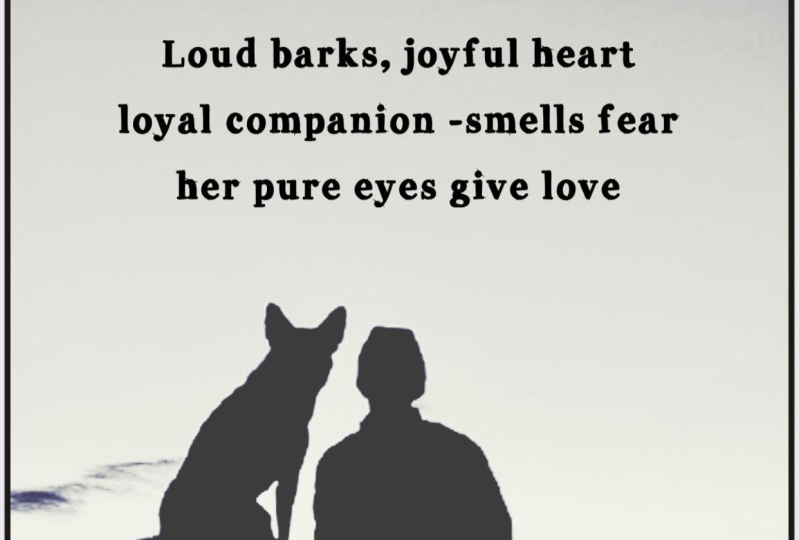
animal is if you like. Anyway, mine is Rat. Dense gray beast,
nighttime spud stealer, want to love you, but
primal fear wins. So I had a few challenges there. I kept having to come up with synonyms
for things, for example, revulsion was the word that I kept wanting
to use revulsion, but that was so
many syllables that it was just impractical. Yeah. I had stealer of spuds. I changed into spud stealer
to say review to say one s. Anyway, that's the thing
that you do and As you learn and get used to editing things down
and trimming the fat, the more distilled your writing
in general will become. You're doing these
little exercises, but this all spills over into
your everyday writing when you craft a little
bit more carefully, without even knowing it. Like I said with
the times tables, you're doing
calculations without even knowing you're doing it because it naturally
becomes part of your writing. And I remembered in a writing workshop
that I used to attend, where you would share our poems, we pass them around and people would write
comments on them. Somebody gave one
of my poems back once with a comment
written on it that I have treasured and carried with me and repeated in my
head many times since. And it was audition every word. There were obviously
excessive words in the poem that I
had passed around. I just fought that was just
such a fantastic piece of advice, audition every word. So is this word necessary? Is this one necessary? Each word has to earn its place? Also by doing this
particular exercise, we are without naming it, although I know I just said
the title of minus Rat. Forget I said that or I'll
just change the title. What we're doing is without naming something
that's familiar, we are expressing it
in different ways. We're finding ways to get across what that animal
is in this case, and looking at it from
different angles. So, these exercises just make you Look at things a little bit differently and
make more creative. That's it for this exercise.
4. Exercise 2: S. Now, I'd like you
to pick a color. Any color at all, it can be as straightforward as
red, blue, yellow, or if you know all kinds of
terms for color, go for it. I'm also going to do this
exercise along with you. So that I don't I'm going to pick a pretty
random one so that I don't end up picking
something pick. I'm going to pick more. Now, once you have your
color written down, we're going to think
of the five senses, sight, hearing, smell,
taste and touch. And we're going to
think of this color in terms of those things. So smells like sounds like. Tastes like feels like. When I say feels here, I'm not talking about emotions, I'm talking physical feelings, texture temperature, that thing. Actually, you know
what we can leave outside because color is
something that we see anyway, and what we're doing
here is expressing it in terms of senses through which we don't
normally perceive it. I know this might seem odd
at first of the color. How can I possibly have a smell. But you know what? When you think
about it, maybe it smells like mothballs. T. So do this for your color and
see what you come up with. Whatever associations, there's no right
or wrong for this, whatever associations come up. Yeah. What does red sound like? What does blue taste like? Just top down a few notes
there for yourself. They can be they can be just one word or
they can be entire phrases. Once you have your notes written and you have
a smell a sound, a taste and texture temperature, whatever it is for your color, then take those notes and
shape them into Haiku. You're already familiar
now with what Haiku is, and Yeah, go for it. Also, I recommend writing all of your first drafts
and notes and things long hand because it just flows a bit more
naturally than it does on screen or by typing. It allows you to do
a lot more editing. It's more able when you
can scribble things out and write notes around
it and that sort of thing. Also, there's a sense of
finality that comes with having typed something up
that if it comes to early, it jeopardizes your chances of making a piece of writing
as strong as it could be. Allow yourself lots
of space when you're drafting before you
type something up. That's mine done. And, move. Thro butterfly,
mothball, and mohair, handbag, born boiled sweets. Yeah, I'm going to hear
what you've come up with. By doing this exercise, we are expressing something that we experienced through one sense through
the other senses. This can be very useful
for making writing more effective and getting
more across to our reader. It's using the idea
of synesthesia. Synesthesia, I actually looked up my dictionary
earlier just to make sure I had the correct
definition for it. I see I have an idea
and a sticky ta. Hopefully, I did't take too long to find it. Okay. So, synesthesia, according
to my Oxford dictionary, is production from a
sense impression of one kind of an
associated mental image of a sense impression
of another kind. There you have. That's
the official definition. I'll leave that with you.
5. Exercise 3: For this exercise, I'd like you to choose
an abstract now. Love, peace, justice,
space, time, anything you like,
any abstract noun, and do the same as you did
for the color with it. Write down the senses, smells like tastes like fields like you can put in the
sense of sight for this one, sees abstract nouns
are invisible. I'm going to pick one here. If you're not sure which
abstract noun to pick, make a little list for yourself and then
choose one of them. By the way, all of the
emotions are abstract. Once you've got
your notes written, we're going to shake
this into I Q as well. Surprise surprise. You're
abstract now, I Q. One way of making
these particular kinds of ICU where you're using the other senses more concise is to leave out the mention
of the other senses. As in, you can just put in the descriptions
themselves without saying smells like ore or feels like
unless it really sees it. You can use your
discretion about that. That's mine done. T. Probably not the greatest
bit of literature ever, but it's an exercise,
it's doing something. I chose piece. Sun warmed skin, cool, clear, spring water, post grain, seagulls, glide and
blend in white. In this exercise, we've
taken things one step further by choosing
an abstract noun, which by its very nature is perceivable to our five senses. It is intangible, invisible, odorless, tasteless, and silent. Yet what we are doing
is we are making the imaginative leap to see what it would taste like what it would sound like and so on. This makes it more
relatable to our readers. If you were to take an abstract, for example, in some contexts, it's fine just to
use the word soul, but in others, we want to express something
a little bit more precise and the idea of soul and I don't mean the sole
of your foot or the fish. I mean your soul, which is an abstract and maybe lift somewhere
inside the body or the head or somewhere
in the cosmos. That is my point
exactly is that it's so big and vague a concept that it is very useful to reify it, to pin it down, make
it into something concrete that your
reader can relate to.
6. Going Further: If you feel like taking
these exercises further, there are a couple of ways
I can suggest you do that. First of all, you could write a series of haiku on an animal instead of
just the one Haiku. It doesn't even
necessarily have to be strict a haiku in form. It can just be short pieces. If you take a look at Wallace Stevens poem 13 ways
of looking at a blackbird, you'll see that's
exactly what he's done. I used that poem as a
prompt for writing my own, which was 13 ways of
looking at a macrel. I later came out to it a few
months later and decided to whittle it down further
and make it into Haiku and to take
out any stanzas, which I felt didn't
really serve it. I ended up with a seven part
poem of Haiku with macrel. There's no telling where these little exercises might lead. You might end up with
a finished piece or maybe you'll just spend
your time messing around with. If you feel like writing
a little bit more extensively on something you could choose one of the abstract
nouns that you have made lists of and write
a lot on that. Instead of doing this
really concise writing, you could do some
free writing on it, fill a few pages and
just say, what is time, what is space, and just write
write without thinking too. Then if you feel like it, you can pick out a
few favorite lines or phrases and craft them
into a shorter piece. Much in the same way
as I've described in my free writing class on putting together
a five line pal. In putting together this class, I got to thinking about abstract
nouns a little bit more and I struck me just how often abstract nouns
are defined in songs, say, for example,
love is an ocean. I think it's been an
ion quite a few songs. One came to me from Bong loser. Time is a piece
of wax falling on a termites choking on splinter. I think it's pretty
safe to say that it's impossible
to be too far out or too inventive with your
definitions of abstract nouns. The exercises in
this class are ones that you can come back
to time and time again. Whenever you want to flex
your writing muscles or if you're faced with
the blank page syndrome, then you can use them as a
way to just get you writing something because
writing something is always better than
writing nothing. Whether or not they lead to a finished piece is
besides the point, at the very least, you'll
always be left with a few little scraps of creative
brilliance by the end of.
7. Epilogue: Congratulations on
finishing the class. By now, you should be
very comfortable with playing with unusual noun
adjective combinations, describing something
without naming it, expressing something
that is perceived by one sense in terms
of other senses. Putting into words
something that is not perceived by the
five senses at all, and trimming the fat
from your writing. Good writing is surprising and
resonant at the same time. Very often, the best
way to understand and to express something is in
terms of something else. If there's one thing that I hope that you take this class today, it's to go forth with courage and discernment
in your writing. Be bright and be taking choices. Thank you so much for
taking this class. It's been an honor and
a pleasure to you to. Remember to post your
projects in the gallery, and I'm so looking forward
to seeing what you produce. If you have time, please do because your feedback
helps me that classes. So thank you so much
and copywriting.
8. Project: For your project, you'll
write three Haiku, one on an animal, one on a color, and one
on an abstract now. Feel free to post some one at a time to your project in the gallery and
just add as you go. Also, feel free to
add a couple of sentences on your experience of doing the exercises or any rough notes or anything
you feel you want to share. Remember, it's good to share. Because sometimes we
don't realize how good what we've done is until we witness somebody
else's appreciation of it.
 Niamh Prior, Author & Poet, PhD