Color Harmony: Double Complementary Mini Paintings | Tamas Benko | Skillshare

Playback Speed


1.0x


  • 0.5x
  • 0.75x
  • 1x (Normal)
  • 1.25x
  • 1.5x
  • 1.75x
  • 2x

Color Harmony: Double Complementary Mini Paintings

teacher avatar Tamas Benko, Drawing & Painting Classes

Watch this class and thousands more

Get unlimited access to every class
Taught by industry leaders & working professionals
Topics include illustration, design, photography, and more

Watch this class and thousands more

Get unlimited access to every class
Taught by industry leaders & working professionals
Topics include illustration, design, photography, and more

Lessons in This Class

    • 1.

      What's in This Class?

      1:38

    • 2.

      Yellow & Orange vs. Blue & Violet

      10:33

    • 3.

      Orange & Red vs. Blue & Green

      7:29

    • 4.

      Yellow & Green vs. Red & Violet

      11:57

    • 5.

      Let's Paint Some Shadows

      8:32

    • 6.

      What's Next?

      0:49

  • --
  • Beginner level
  • Intermediate level
  • Advanced level
  • All levels

Community Generated

The level is determined by a majority opinion of students who have reviewed this class. The teacher's recommendation is shown until at least 5 student responses are collected.

13

Students

5

Projects

About This Class

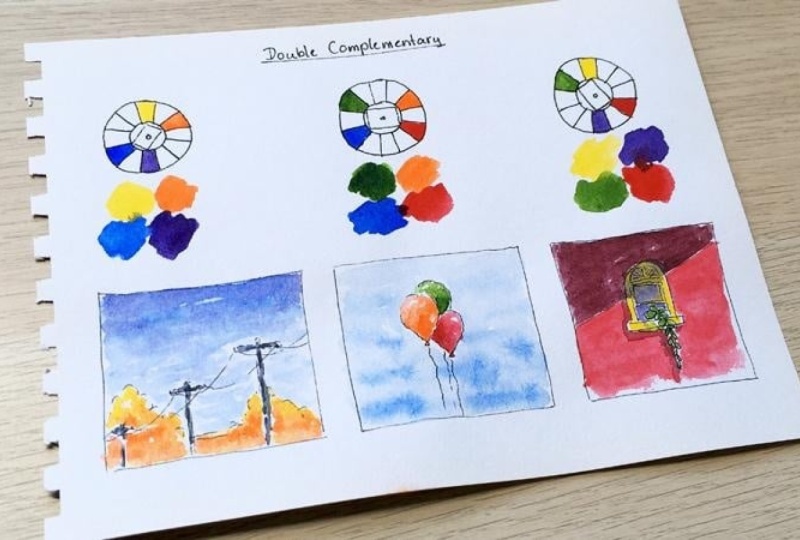
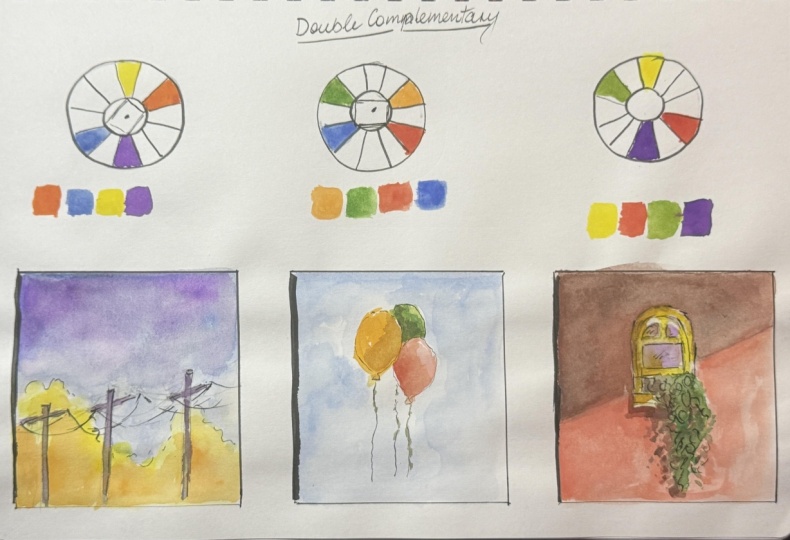
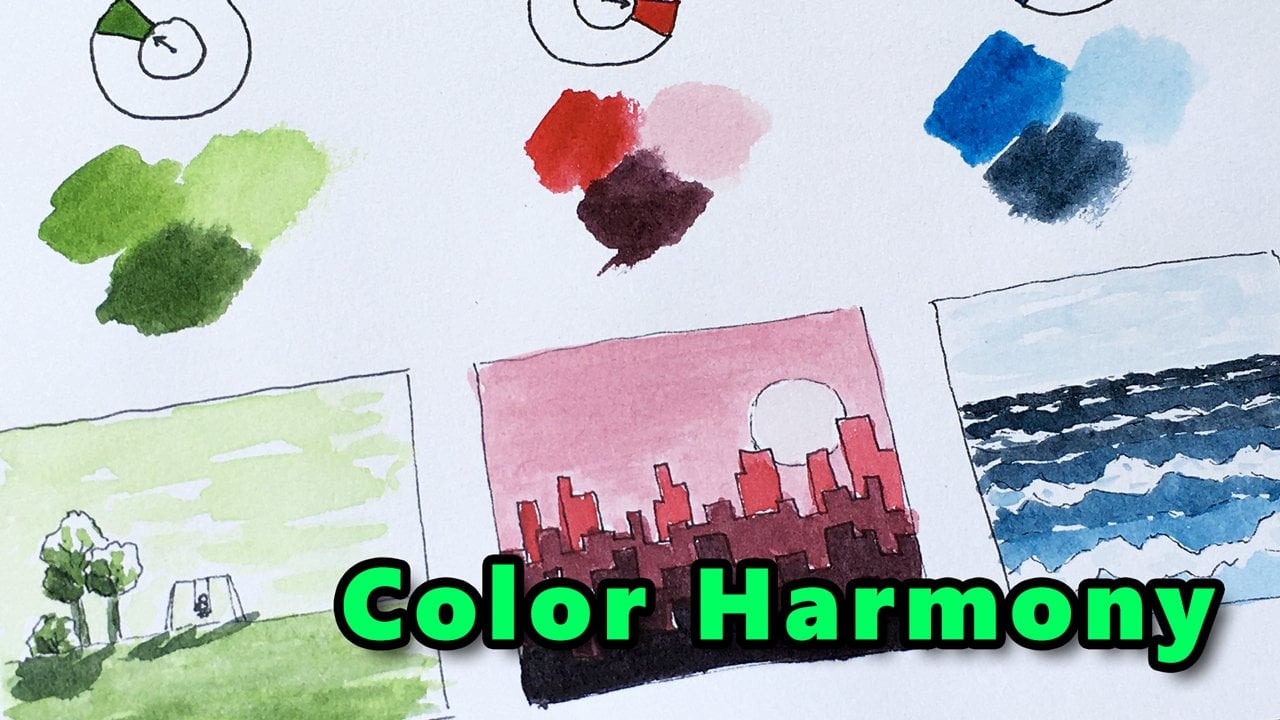
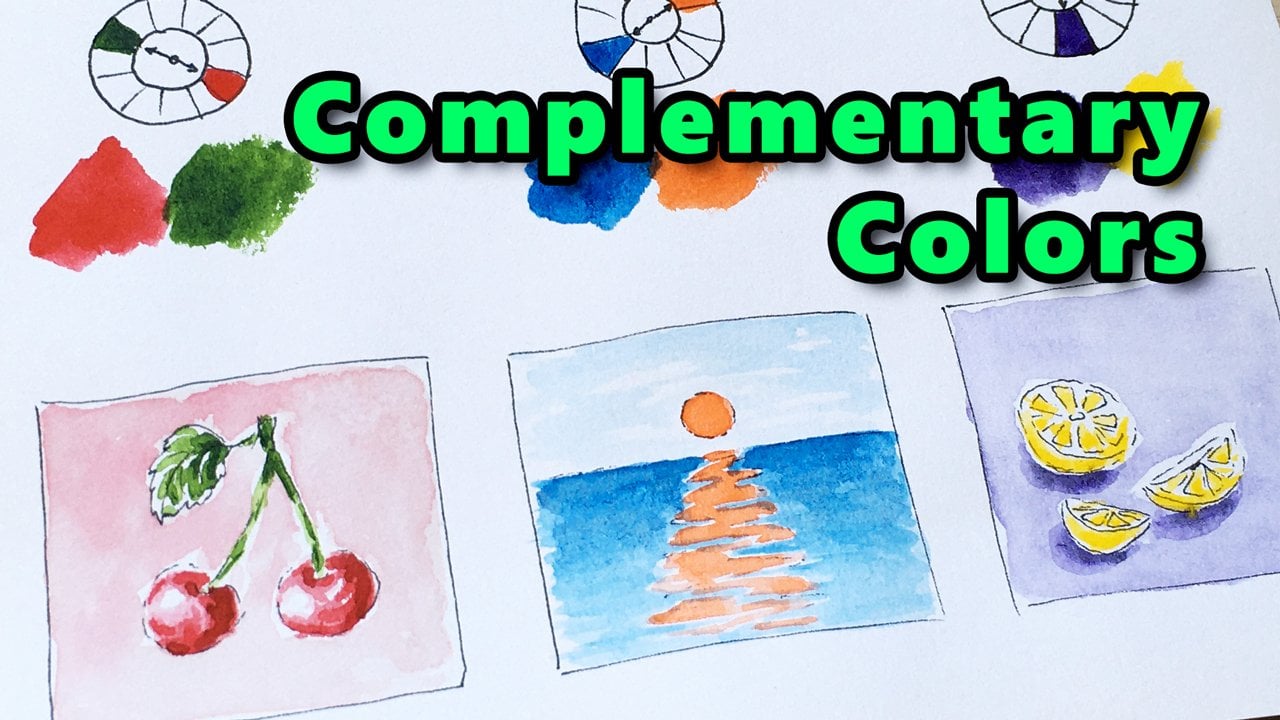
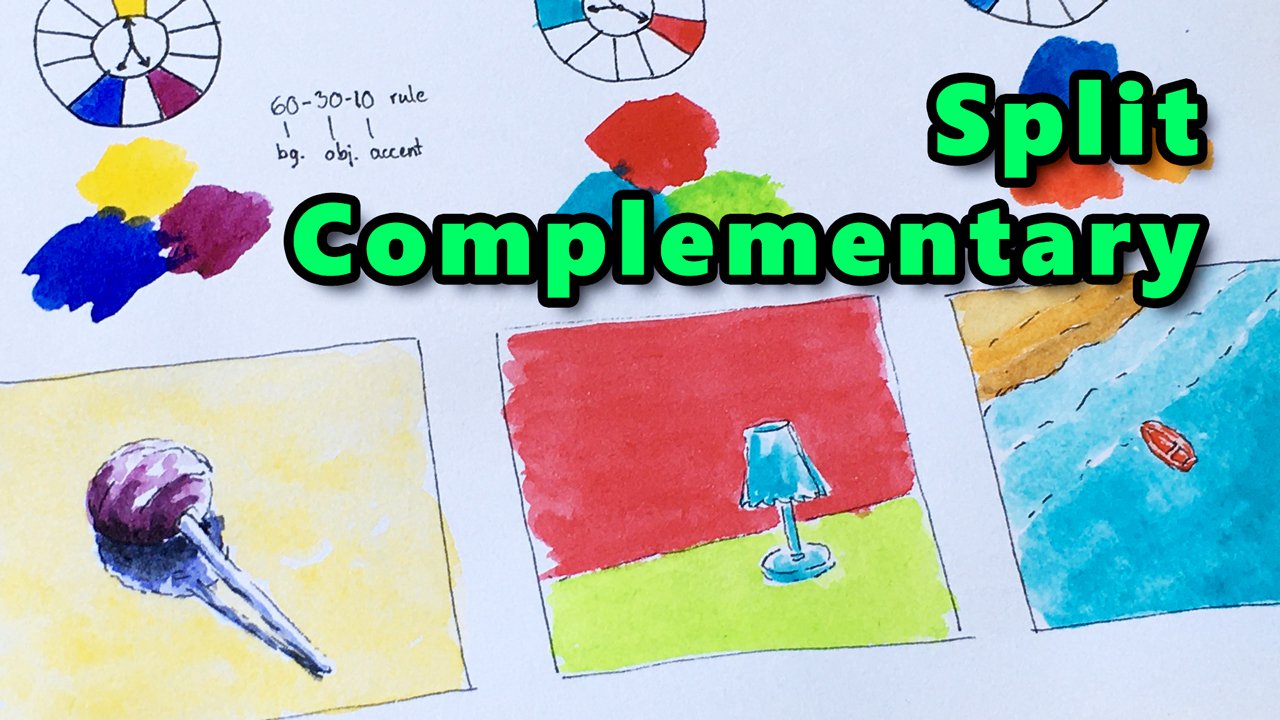
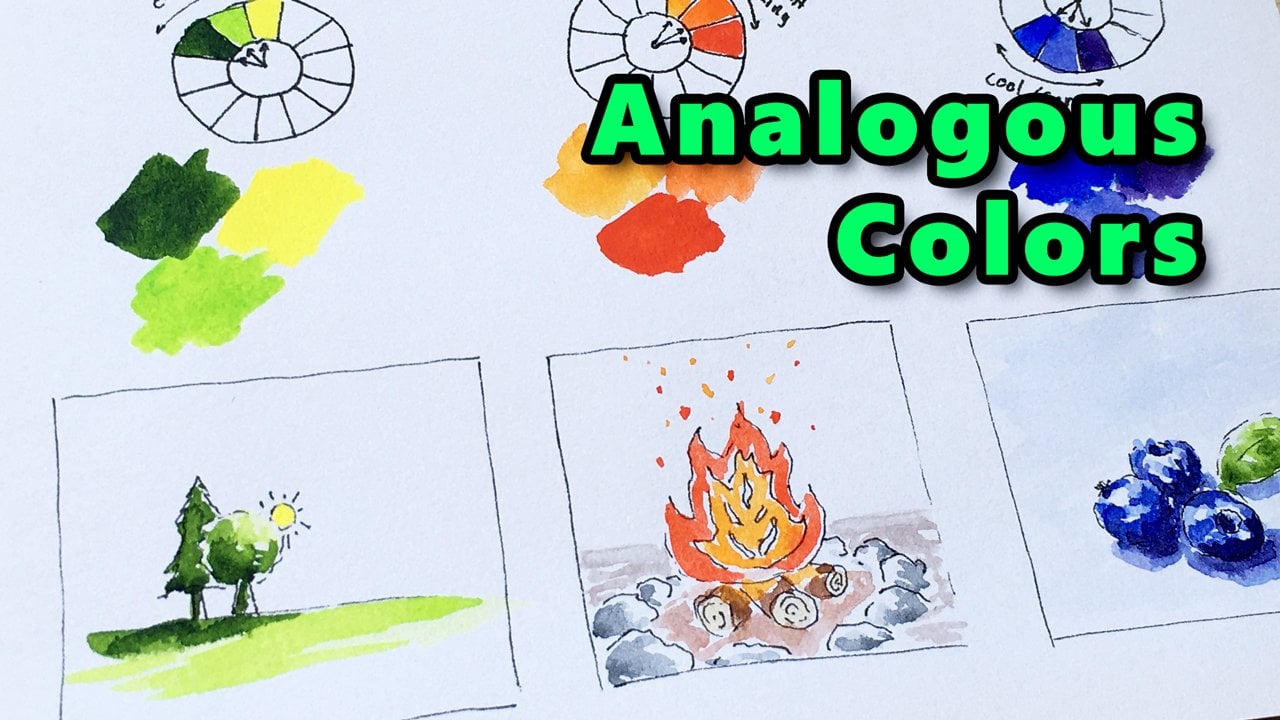
Let's explore how we can create aesthetically pleasing Double Complementary color combinations, also known as TetradicThis session is part of my Color Harmony series to help you understand color relationships better.

Links for other episodes:

  1. Color Harmony: Monochromatic (start here if you're new to the series)
  2. Color Harmony: Complementary
  3. Color Harmony: Analogous
  4. Color Harmony: Split Complementary
  5. Color Harmony: Double Complementary (you're watching now)
  6. Color Harmony: Triadic

Who this class is for

This class is for you if you'd like to get familiar with Color Harmony basics through practice.

What you will learn

For a beginner, it's useful to know the most commonly used color harmony types that have been proven effective. In this episode, we’re going to explore the Double Complementary color combinations. We will paint 3 simple mini compositions to see how these colors work together. So, I encourage you to come with me, and let’s continue our journey in Color Theory.

What tools you need?

We’ll be painting in watercolor. You need the basic accessories:

  • some sheets of A5-size sketchbook paper, 120 gsm.

  • a water-resistant archival ink or permanent marker with a thin tip

  • a watercolor palette with the 6 base colors (like yellow, orange, red, violet, blue, and green) + black and white

  • a size-8 round brush for painting the minis

  • and some common tools like a water container, and some paper towels.

Learn & practice

I hope you’re excited. Whenever you’re ready… I’ll see you in the first video.

Meet Your Teacher

Teacher Profile Image

Tamas Benko

Drawing & Painting Classes

Teacher

I'm Tamas. I love to teach new skills to students. Join one of my drawing or watercolor painting classes for beginners! Learn the fundamentals of drawing and painting, and your journey in art will be less frustrating, and much more exciting.

Don't forget to hit the +Follow button to stay up to date with all my new classes.

See full profile

Level: Beginner

Class Ratings

Expectations Met?
    Exceeded!
  • 0%
  • Yes
  • 0%
  • Somewhat
  • 0%
  • Not really
  • 0%

Why Join Skillshare?

Take award-winning Skillshare Original Classes

Each class has short lessons, hands-on projects

Your membership supports Skillshare teachers

Learn From Anywhere

Take classes on the go with the Skillshare app. Stream or download to watch on the plane, the subway, or wherever you learn best.

Transcripts

1. What's in This Class?: Welcome to my introduction to Color Harmony series. My name is Tamas, and we are here to explore how we can create aesthetically pleasing color combinations that just feel right to the viewer. If you are new to this series, I suggest you start with the first episode. You can find link to that in the A section right below the video. Today, we are going to look into some double Complementary color schemes. We will paint three simple mini compositions to see how these colors work together in practice. I encourage you to come with me and let's continue our journey in color theory. I'll be painting with watercolor, but our focus will be on colors and not on the technique, how we apply them on paper. If you choose to use watercolor, you just need the very basic supplies. I'll be using some sheets of A size sketchbook paper, 120 GSM, the water-resistant archival ink. Alternatively, a permanent marker with a thin tip will also do the watercolor palette. If you have the six space colors like yellow, orange, red, violet, blue and green, plus black and white, you'll be just fine. A size a tram brush for painting the minis and some common accessories like a water container and some paper towels. I hope you are excited. Whenever you are ready, I'll see you in the first video. 2. Yellow & Orange vs. Blue & Violet: I'm so glad you are taking this class. Today, we are going to paint a more complex color harmony type called double complimentary. It uses four colors arranged into two pairs of opposite or complimentary colors, forming a rectangle. The double complimentary is the richest of all schemes, but it's hard to harmonize. Avoid using equal volumes of the four colors, select one color as dominant and use the others as axons. You can create high contrast, vibrant, energetic and eye catching designs, as you will see in a few minutes. They can have a high impact on the viewer becoming memorable visuals. This scheme can create diverse moods from vibrant to subtle. As usual, let's start off by drawing the color wheel. Let's paint the samples. We will have you And orange on the warm side. And blue And boil that on the cool side. Yellow's complimentary is violet, why blue's complimentary is orange. Now, let's draw our first ink sketch. I'll be drawing three electric pools. They will be placed in perspective like this. Mm. Let's draw some cables, too. And this will be our foreground scene. Now let's draw some cloud outlines in the background. I'm barely touching the paper with my ink um, you know, um, Good. Now, let's paint. First, the sky. I'm starting with blue diluted with water. There will be a transition from dark to light from top to bottom. I'm taking some violet paint. Mixing it with the blue and painting mainly the top with this darker shade. And that's it for the sky. This was quick. Now, let's paint the clouds. They will be light at the top, so I'm using my cadmium yellow paint. And while the paper surface is still wet, I'm adding orange to that. So I get a nice blending with the yellow. Right. We can add even more orange in the middle. Wonderful. Now, let it try. We'll come back to that later. A 3. Orange & Red vs. Blue & Green: Now let's see another double complimentary scheme. We just need to rotate the rectangle. A Let's paint samples. We are going to have orange. Red Go. Um, I'm blowing the scheme. And Now, let's draw our ink sketch. What shall be draw? That's draw balloons. Balloons are fun. Mm hmm. As simple as that. Let's paint the sky with a well diluted blue by making just a few brush strokes. More water to the surface. Me cute. And let's add some darker shade, meaning the lower section. Now, let this layer dry. Okay. I guess we can continue our first mini. So I'm taking some black paint. Diluting it with water to get the gray. You can add some violet to that if you want to. And let's paint the balls. Make sure your yellow orange clouds are already dry before you do this. And that's it. We have our first composition done. Now let's move on to the third mini. Oh 4. Yellow & Green vs. Red & Violet: That's true. Another color wheel. We are going to paint a third possible double complimentary combination that contains primary and secondary colors. These are yellow. Green there's some dust on my paper. Plus red. And wholet? But before we make the sketch, let's go back to our balloons and paint the one in the front with orange. As usual, I'm leaving some paper white for the highlights. Okay, this is the base layer. Now we can add some darker shade. Something like this. Very nice. Now, let's show our third composition. Which will be a lovely old window with a plant on its ledge. H et's paint the background first. Here, the dominant color will be red. With a touch of white. The wall will be divided into two light side that I'm painting with a slightly pinkish red. And we will have a shadow area at the top. But first, let this section dry a bit. In the meantime, I'm adding some dark to the poles to make them more interesting. Uh, More dark orange to a balloon. With only three different tunnel values, we are creating a very nice surface. Oops, I smashed my paper. Let me try to fix. Never mind. Let's create a red base layer for the second balloon. I guess I don't wait for it to dry. It's in shadow anyway, so we can add some darker shade of red right now. Good. Now our third balloon will be green. We see mainly it's dokide Let's add some more dark red to this one. We can even add some violet on the left. It looks good, I think. 5. Let's Paint Some Shadows: Now let's make some dark for a shadow on the wall. We need a muted dread. Let's test it. I guess this will work. So what we are seeing here is that the roof or maybe some adjacent building casts a shadow on this wall in a diagonal direction. One less touch on the green balloon with some dark this one is completed as well. I like the result. As we are done with the dominant color on the wall, we can start using the accents. Let's paint the window frame with yellow. Like so. Now, let's paint the plant with green. So mid green. And hopefully I can paint the space inside with violet without bleeding into yellow too badly. Good. I guess we can add some dog green to the plant. Now let these things dry. Well, you know what? Let's paint some cas shadows with this muted red. Nope. This doesn't make sense in here. I mean, painting another shadow inside the shadow, so I lift it off. This looks good. One thing has left to mute the upper section of the window, which is supposed to be in shadow. Let's do this with some gray. Like this. Okay. I think the inside space is a bit darker than it should. So with a clean and damp brush, I lift off some violet. Finally, I'm adding a bit of extra yellow to the frame to make it pop a bit. And I guess we have completed our double complimentary study. I hope you like the result. 6. What's Next?: All right. I hope you enjoyed this color harmony painting session and you made something that you like. Now I'd really like to see your own beautiful colors used in this painting session. So please upload your work in the project section right below the video. If you found joy in this activity, please leave a review on the review tab below the video player. Your feedback is important to me, and it will also help others to find this class. If you like my teaching style and you are interested in other topics, I definitely have some more drawing and painting sessions for you. Make sure you check them out on my profile page. I hope you had a good time with me, see you in another class. I