Transcripts
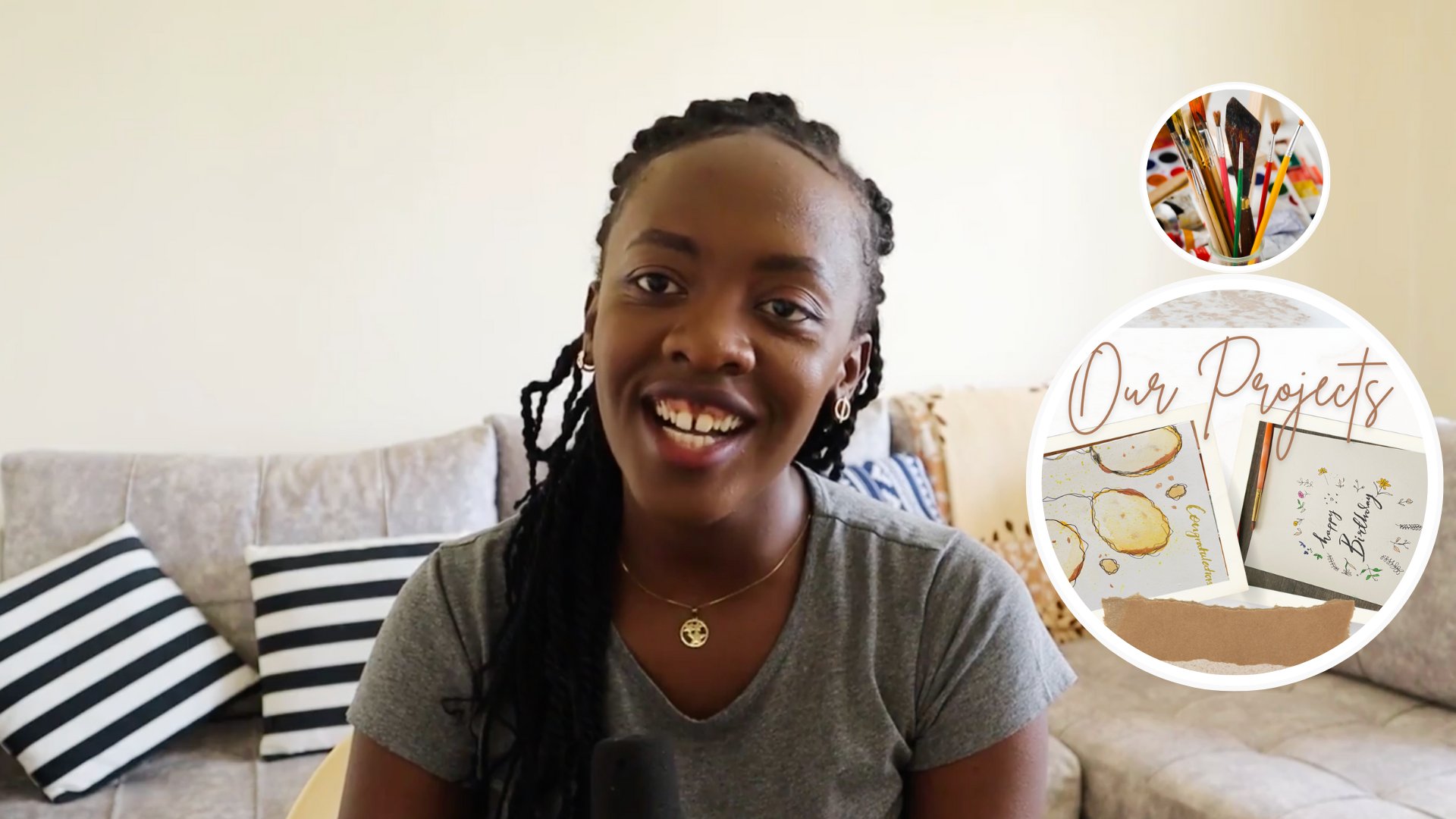
1. Introduction: Hello everyone. My name is solvents
are key and I'm the course instructor
for this project. The past few years, I've been working to increase the way that
I work on my art. That is providing
more opportunities to have my audience
engage with my hand. I'm a phone that has been a difficult journey because I haven't gone into a point of creating products or
experiential spaces for people to engage
with my work. And that's made me
few challenge to the, to identify a new opportunity that could bring in my audience to come in and engage with my work and also engage
in creating work. I believe that, like any
other skill at learning how to create art is a skill that can be taught
to any other person. Because I reflect on my background and planning
how to create art, being an experience
where I land in media, a lot of mistakes. I came, I grew into having more confidence in creating
the pieces in this course. I'm going over all of
that and how to kick start a business or a project
to engage your audience. In this class, we're
generally going, going to go over how to
start from the start, from the scratch on what
ideas you should think about creating and right
onto the launch phase, I'm going to go through
this process with you, working with a case
scenario of my own project, which is creating
one day experience for people to come and
engage with me, my country. And they line to create that. So we're going to
be going through the whole process of
doing the whole research. And I'm gonna be adding a little bit more
information as we go along. I understand that this, while this course is more suitable for people
in the outfield, I still believe a
core concepts of it can be applied to anyone who wants to walk to create a launch a
project in the future. Because I have done the same with other projects that
have wanted to work on. And it's enabled me to cover or go over the imposter syndrome that often all these creeps in when you're thinking about
starting a new project. And once you're able to now overcome the imposter syndrome and go onto the next phase. You feel very excited about
testing are the new ideas. And that's what I feel currently because I believe that I have, I tend to postpone when I
would work on this project. But now that I'm doing this with you is something
that I've already started in my life and I've engaged a few
people that I need. So I'm so excited
for you to learn how to launch your business and the core concepts of creating a human-centered
business model or human-centered products that
can engage your audience and enable you to have an opportunity to share what
you love with the world. Be it in a heart
beat, in cooking, be it in any other business
that you're working in or any other interests that you want to share
with other people. So welcome to this class.
2. Your Class Project: Hello. In this class, the class project
for this class, we'll be creating a pitch
for our business that you want to run or a project
that you want to run. In this speech, I'd like for you to include, first of all, what achievements
you look into have had within that period that
you're doing the pitch, what problem you're solving, how you are solving it, and why you are excited to
share that P3, they investors, I believe this is a
good exercise for you to gain more
confidence and gain more understanding
on what you're providing to an audience
ensures that you can also link this up to how you do your marketing campaigns
to attract an audience. Because you'd be linked to
the problem you're solving, how you're solving it, and why people should
come into their project. Make sure you attach
your project below. And I'll be reviewing it and sharing feedback
on what I believe you can add on as you
continue working on this.
3. Understand Audience: Get to understand your audience. I believe a first step of any project that you
want to work on is to understand the needs of
the people that she wants to bring on on the experience. Say for instance, you want
to start an organization or a project-based heard people interested in environmental
conservation. What you would be
looking into is creating works that will engage with people in environmental
conservation. So things that aren't, I'm environmental
waste management at tree-planting
such activities. In a similar way for whatever
project you're starting, it is important to understand the needs of your
target audience. And that is by saying, Say for instance, for me, I'm starting on a project where
I want to bring on people to paint or explore painting
for one day experience, that's four to 5 h experienced people who would
be interested in these are people who like art
or have engaged in art before or are interested
into pursuing art, not full-time, but could
be full-time for Sam. But we'll be interested
in pursuing, but feel a lot of blockers when they
wanted to do it alone. So what I would provide is a space where they can
engage with each other, but also established
that they can do it by themselves through
providing the material they need to paint in that space, the project should
be aligned to what? Creating an experiential
space for people to paint when engaging with other
people in a similar way. If you're going to be launching a project in environmental
conservation, you'd want to do one
within tree planting or risk management so that you engage with people
within the field. And they're able to engage with you and
you're able to get more information on what you
need to do for the future, for you to have a better established business and more performance
in the future.
4. Brainstorming Ideas: The second part that
you should look into is brainstorming ideas. Once you've collected
information from an audience, for instance, this
could be online through sending out forms
to your friends or people. Within the field. It's important to think
about how to create your business idea or
come into fruition. So for me, one of
the things that have been doing over
the past few months is collecting information
from my colleagues on what type of event they
would like for an article. And that has enabled me to
understand that a lot of people don't want to figure out what adds
tells they want to do. They just wanted to create an art piece and go
with it at home. As they fast it experience. They don't want to learn
about the background of art, the history of art. They generally don't
want to engage in such type of information, but are really interested in creating the end product
in a similar way, if you're creating a
product in itself, it's important for you to understand what
information you're getting from your audience and in what ways you can use that to create a product that is feasible for the market that
you're trying to attract. So that you always aligned to provide useful products and valuable products
to your customer. Let's go on to the next phase
of lunch in your project.
5. Prototyping Your Idea: When thinking about
launching your business, it's important to
understand what type of product you're
bringing to the market. So once you've obtained
information from your audience on what
their needs are and a balance of what your
ideas or you could go into creating your
final product or a test version of
the final product that would meet their needs while also bringing out the
idea that you had in mind. This works best with
physical products, but you can also do the same for service
oriented products. I believe that while working
with physical products, see for instance, for prejudice
have worked on before. There is, is that you
can create the product and take it into market and
receive feedback immediately. On the other hand,
with a service, you could do the same, but that will require you to
engage with the audience. See what instance
you're testing out a new project for
coaching and audience. What do you do in the prototyping
phase is actually have a coaching event to
get feedback from the audience on what to do in a similar way for my
type of business, what I intend to do is have first event to
receive feedback or how the audience engaged with a painting exercise and what key areas of
improvement I can make this. In this prototyping phase, it's easier for you to do into the fewer number of people. So for instance, if your
target audience was 20 people to engage with
their product or a service, you could try work it with a group of five
people to obtain immediate feedback on what
you need to work on before you actually launch the
product into the market.
6. Implementation in Market: Next step of the project is launching it or implementing the key steps that
you've thought about. So one of the things that come up in this phase is
creating smart goals. Smart goals, to be specific, it needs to be timely. So that's the most
essential things that I want you to focus on. One thing here about
smart goals in this step. Because you want to think
about when you want to launch the project and what you need to do before
you launch the project. So say for instance, you want to launch a project
two months from now, and you need to do research and market marketing
within that period. So you need to look into having the first two weeks into doing your research
the next week, introducing a compilation
of how to access the data. In the next three weeks should
be focused on marketing, in continuing marketing
leading up to the event. So while collecting all
the things that you require for the event
in a similar way, if you're launching your
product in the market, you need time to think
about which places that you will launch the product head and what elements you require, what materials do require. Say for instance, you're
in launching notebooks. You need to source
for their materials, design the products,
print the product, market, the product,
and finally, have them available for
purchase for the clients. So thinking through this
steps is important. One of the things that I
like to do is give yourself, first of all, a one-week period. Say for instance, if you want to do research on the
competitors in the market, do it within a one week period as the main
deliverable of a week. Because in that period of time, you'd be able to assess what the other competitors
are doing and what you can do differently so
that you can improve your overall performance
for the project. And that is what you should focus on in the implementation.
7. Marketing to Audience: So in the marketing phase, you need to do a few things. The first thing you
need to identify what your goals are for the
marketing campaign. Say, for instance,
is your goal meeting more people in the audience are attracting a
bigger audience, or is your goal
increasing sales? So based on this
different goals, you'll have different
identify as to promote your progress
towards attaining them. The next thing is you need to identify your target customer. Say for instance,
you're creating notebooks and they're
not for children. You mean by market. Therefore, one
should be parents. But you'll be seeing middle aged individuals who will be able to
use their product. And I say this in comparison
to using children, because while your target
market may be children, the people who actually buy
the product or the parents. So you need to think about
who your target customer is and who your target
audiences so that you can be able to engage with them in an individual level and
enable them to find value and see value in your
product so that they can become a person who
purchases a product or service. It is just something
that you're creating. The next thing is,
you need to create a unique value proposition or a selling point
for your project. So for instance, for my
project in this case, I intend to do a painting
experience for current. So my value proposition is for individuals who
have no skills in painting to learn how to paint without necessarily
having to source for materials or things that they need to have to
launch the product. And finally, being able to
create the project through my guidance within this space and going home
with your project. So this value proposition
works because I've seen it working for other competitors in
the market as well. And I understand that
what somebody is looking into when getting
into painting is finally, is creating the project. The product, sorry, is
creating the painting. Rather than figuring out where to source for art material, whether to look
into going through oil or gouache paints
or acrylic paints. You need to be very focused on what do you want
to bring on board. And that will enable you to have a very clear definition of what your goals are and
how to get there. The next thing is you need to price your products
competitively. The truth is, you can't have your product cheaper than what the market is providing to
cheap and more expensive. So you need to be
around the budget or the estimated value within
the market so that you can engage with a larger
audience within their market. Another thing is put in
place distribution channels, say for instance,
you are creating productivity will be
distributed across the country, are things that you
could look into is, say for instance, if the US, you'd look into having UPS be your supporting team for
delivering the products. Or if you're in a
different country, sourcing for individuals
who will help you deliver the products
with their customer. And everything is, consider your promotion timelines
or what you want it to do. So if I sense when you're
launching your product, you tend to bring on board people to experience
the product for free. So that's maybe one of
the things that you may think about when launching
your promotion plan. All you were thinking about launching a promotion plan to engage people
for longer periods. So, for instance, recommending other people to come
on board to purchase a product or a purchase and experience will enable
them to get a discount. So you can think about different
promotions that you want to walk with over this period to engage a larger audience on what you're
offering and how they can access it while also
bringing value to yourself. Another thing you
need to do is develop a budget for the
marketing foods. The reality is marketing
is very expansive. So you can look into
traditional marketing or content marketing. I believe that is good. Good to think about a
combination of both aspects. While the traditional marketing focuses on one-to-one marketing, carried marketing
practices enable you to understand what a
customer is in need of because you're able
to fully reach them through social media
and phones and other means. So that's one of the reasons
you should consider thinking about their budget for social media marketing
or Google ads, such terrible things to engage
with a larger audience. Finally, measure your success. So say for incentive, target for a marketing campaign
was reached 50 customers. So once you meet over two, over a certain period of time, say I wanted to meet 50
customers over two weeks. If I made 25 people, they need to understand what
it is I'm doing to meet 25 and what more I could do to expand that number
of engagement. So once you do that, you'll have more information and
you'll be able to make more decisions that can
inform how you grow your product into the
market, into the next.
8. B2B Development: In the next phase, you
should look into your cells. So cells is an essential part of launching your
business or launching your product because
it's the what establishes where you have people in teaching with
your product or not. And it is important because it enables you to
share your story with the world and attract people who engage with your
sturdy and engage with your product in a
deeper level and look into acquiring your product or
service for their own benefit. The most important part when
you're looking about sales, are thinking about sales is
to understand what you're offering and why it is
valuable for your customer. When many of us smile, look into sales as a
difficult process in each of your businesses development
as a daunting process. And it may be
daunting initially. One thing that would help you overcome this phase
is thinking about the value proposition
that you're providing to the customers or people who want to engage
with your product.
9. B2B Development Confidence : Why are things that you
need to think about when establishing how to grow
your confidence in sales. Is practice, practice, practice. The beautiful thing about
giving yourself time to grow around how you develop in show business is actually always gain more
confidence on how to represent it to people who
are interested or potential clients who'd become people who you can engage you for
the long term business. Wife, things that I
also learned when I was setting out for my
own self in sales, is that there's always
an opportunity for you to grow more through
establishing new networks. So astonishing how to deliver your presentation or deliver your message across
to a wider audience, gives you confidence
on how to reach more people and enables you to refine the message or the tangent message that you have for your ideal audience. And overtime you're able to meet those people and have them
engage with the product. So say for instance, for
me while I'm setting out on the product that
I'm launching, which is, I'm teaching
people how to paint. I want to be able to provide value for people and
I want them to know that value while I share
it in the messages that I create on social media and
across other platforms. So my sales process or my peach, should come across
in how I create the content because it
enables me to connect with my audience and establish potential clients and be
able to engage them to make them long-lasting
glands for my organization or for my project or business
that I wanted to take on. So think about how you can start off or send
your message to people and what it is that is of value to other people in the product that
you want to create. And you may use this as a guideline to inform how
you do the marketing. Because a lot about how you do the marketing is connecting
with your audience. So if you're able to present
your ideas authentically and articulate what you want or how are you
providing value for others? It's very likely that
they'll connect with you.
10. Financial Planning: The next thing that you need
to consider when looking into kick-starting your project or starting new businesses, their financial expenses
that going into the project or the financial
revenues expected. One of the things that I
like to do or that I've done in previous businesses
and projects that have Ryan is to do a financial projection of the average expenses at
NCAR was in a period, say for instance, for the crochet business that
I was running previously, I had a friend financial
projection for two quarters and the number of clients
expected or valid period. While the main things that was informing was the
main indicator to inform how fast or what's nature of the
business is growing. So as you see here, in the first month of January, I was expecting ten customers. And in February of 15, in March, 15 in April, 20 in May 25, and in June 25. So this is the prediction for the two-quarters or the first
six months of the project. And the product was
being sold at $25. So this is 500 in my
country's currency. So that's our actions, $5. The total income is
a stipulated below 25,000 and it
increases over time right up until the six
months because that's my financial projection for how fast the business
should grow. From that, you can also
note the expenses, and it's important
for you to note, aside from the cost of products, you need to actually factor
into the cost of the labor. And that will also include your running costs of you
walking on the project. So say for instance, if it takes 10 h to work on
a product in your country, you are challenged
$10 for an hour. You do $10 times
ten to establish their cost of their product
in terms of the labor cost. You should also
consider other costs that come into
running the project. C points and transportation to deliver the products or
to the service area, packaging of the product, if it's a physical
product, marketing, if you're gonna be doing
instead of marketing, or if you're gonna be doing
other forms of marketing. For instance, if
you add Google ads, you need to include that in your projected expenses
for the month. And then you will establish how much income you
obtain from the business. Over time. You'll be able to make more informed decisions
on how much you should invest into the business
as the business grows. So the estimated profit that you shouldn't make per month could
also increase over time. Because as you can
see here above, is that over time I intend
to increase the number of customers additionally by
five c over every one month. And that's through the number of marketing campaigns
that I would be doing. So based on the marketing
that you intend to do. You should also note that your projected income
should increase over time. Try to have this table
with app rejected versus actual to establish how your
business grows over time. You could also use the
templates that I've included below on the projected
versus actual incomes. If you're interested
in a crime that, that will be in the
resources provided. So just make sure you use this
as a template to guide how you kickstart your business or kickstart and project how
you're going to walk over time. Because this will inform
the speed at which you grow and also inform the
decisions that you make.
11. Accounting: The next thing you need to
go today is accounting. Accounting is an
essential part of running a business or starting out your project because
it enables you to keep all the finances of the
project within one place. It makes informed
decision-making from it. So some other
questions that I use. Well, establishing
what The method of accounting you should
use is first of all, do you have a bank
account for the business? And if so, when do you
estimate to open it? So in some cases you
could choose to go the bank controlled
muscle if you have registered your company
or your business, because that enables you
to separate finances between your personal
transactions and those of the business. And this is a preferrable
option muscle when you want an
ease of accounting. The second question is, which records do you need to keep in place for your business? So as you set out, I would recommend keeping an
expense and incomes record. So that would be
receipts for purchases. You've made, receipts for sales orders that you have
provided to customers. If you're using an online accounting software,
say for instance, wave, this will be easy
for you to store records. Or if you're using online
payment systems because they have automatically
generated records for you. The next thing is how do you intend to store your
financial records? And you intend to track
your income and expenses. So as you start out, if it's a small project, you can start out by
writing it out and hand. While this does not or is not recommended for the ease of moving it into
the online system. It works at the initial fees. So I would recommend for you to start off with Microsoft Excel. You could access that to just include your
income and expenses. The next question is, do you have someone in
your network who can provide you with financial
management advice? So if you don't have anyone on your natural teeth and
you also choose to use online learning for
as you start out because you want to keep your
expenses and the minimum. But over time, if you
choose to move on into somebody providing
the services for you, that would be ideal because it will enable you to
keep the accounting clear and also have a bad party who is not necessarily engaged
fully with their business. So they have no they always
keep the record straight. In essence. The fifth question is, what taxes do you need to pay and what is
their taxation rate? So understanding
that attrition rates within understanding
the taxation bracket of your products provided in
the market is a good way to inform how you price the products as you go
into the launch phase. The next thing you
need to think about, aside from the taxes that you require for
running the products, but also for their
business registration, registrations, right? Is how we intend to keep
your financial records. Some people will tend to keep their financial
transactions through their checking account or like a normal account for variations, and that's the only
thing they use. So you could choose to use
this or choose to adopt a different financial
recording method in your life. So that could include maybe scanning their seats over time to ensure that you have
all records kept together. Next question is, what
taxes do you intend to pay? Their taxes that are in COD
for selling their product and taxes and cared for and drain the funds
from your payment type. And say for instance, when using feedback and maybe
transaction taxes, that tiny pores
which would cost, which will change the cost of
that product to an extent. Finally, is, what way do you intend to ensure the
clients pay on time? One of the things that has
worked for me is using PayPal or using a
payment platform that ensures that clients
can only fully acquire an order for delivery once
they have made the payment. And in the same way
for the service. So they can only
schedule or book an appointment once the
payment is received. And finally, which bank you prefer to use and why
the bunk you choose to use is generally
dependent on you because it's it's more of an
individual decision. And it will change based
on like your country of origin and driving
factors at two, I forming your decision and the driving factors that
guide your decision-making. So ten to check with your
friends or your colleagues, or you could try and use one bank and then over
time you could offer, often just choose to switch
to a different bank. If that makes things
much easier for you to run the project and
initiate the business.
12. Vision: The next slide for you to
understand is the vision of the business or the vision of the project
that you're running. It's very important for you
to keep in mind what are the driving factors that are
leading you to acquaint that you're running your own
projects for your own company. Because this will inform to a large extent to what
extent you go to, to increase the growth
of the organization or what level of resources you require any assistance
that you would need. So for instance, for me, my vision while running
the app project is to increase the
engagement as I have with me when working in the online market while walking in service
industries idea, we tend to not engage with as many clients or as many
people as you want to, but running a project once in awhile and
say for instance, a present for people to come together gives you an
opportunity to fully engage with customers or fully engage with people who are
using your products more and understand what is driving reason or what do they
like about your product? And why do they
keep coming back? In the same way? The standing, the vision
for your business will enable you to go and have a stronger drive as you conquer challenges that
may come along the way. Because it gives you a clear direction of
where you want to go and what you need to
do to get to that point. For you to develop your vision, you could ask yourself
the following questions. Ten years from now, how does my company or how
does this project look like? So that informs what
you will do within the first year to write
down to the 10th year, because you're always focused on what you want the
future to be like. And you can always change
this app as you go along. And then how has the world changed as a result
of This company, of this project and what
impact have I created? So this is a good aspects to
add an impact line on your, on your project and tight to enabling the world around you or providing benefits
to those who may not be in the same
position as you are. And then the next
thing is what kind of products or services
and we are firing. So you must always
try and think about creating something that
ties to your vision, but also provide value to them. And people and officials
should generally be as strong as simple
sentence which is clear. And one example is my vision statement for
the various businesses, the empire during and redefining how women
feel in their clothing. So that was through making clothes
character from scratch, using naturally SaaS products to create things that are ideal. So the Crochet fluids, that's how it's creating, you can change the
strategy is to ensure that you get
to your end goal. Just think about different
strategies that you can adopt in the first
quarter to enable you to get to a point where
you're engaging with a wider audience or whatever qualities that
you've created so far.
13. Pitching to Potential Investors: Finally, in the final
speeds for you in 19, your project or business. And in this stage we
are going to be looking into creating a
pitch for investors. So the pitch provides you
with an opportunity to link up with everything that
I've shared with you before. You started off with your vision and your
finances and what you do and how you do it into one message that ensure
that people can come in, have buy-in into your business. It is important for you
to think about how you craft over time because it ensures that people get
a thorough understanding of what your business is
or what your project is, and what they can contribute
to your visit and how you can contribute to
what they have already. So one of the questions are, why are things that
you need to think about as you're starting out is To what extent
is your pH engaging? So it's important
for you to keep investors are people who are
interested in your business, engaged by you speak to
them about your product. Because that ensures that they understand what
you're providing. And that comes through
understanding your vision, understanding what you're doing, understanding how
well they do it. Recognizing the successes
that you've had, and recognizing opportunities
for growth that you're looking into while
bringing people on board. The next thing you
should think about is articulating the problem
that you're solving, Kelly, and making sure that way, the way you solving
it looks specific. While it may not be different, say for instance, from what
the competitors are doing, brings out your
identity because it links you as a creator of his project or as the
creator of this business to solve the problem being sold. And enables you to
link clearly with the investors are
individuals who would be interested
in the business. Finally, be well prepared
for such a space. It's important for you to practice in front
of a mirror or in further or in front of
an audience if you can, over time, to ensure that you are clear on what
message you're sending. And also you are able to get buy in from the investors
and buy a nice people wanting to engage
with your product and wanting to engage
with your company in terms of investing in it and having Liberation
Organization. So that is why you
should be prepared, be prepared for teaching
and what aspects should think about when you're
going to be true business.
14. Final Thoughts: Thank you so much you've come
to the end of this class. I'm so excited to have taken you through the journey
of learning how to start your project and
create your project over time. This is an exercise that I did more than four years
ago when I was setting often different projects
and I believe I saw a lot of growth over
the period because I was able to launch
an organization in environmental conservation
and understand the key points are
the key factors that attract an audience
to meet and investors to me and how I'm able to grow my business over time through
using these concepts. I hope you learned a lot during this class and I'm so
excited to see what you're going to share with me in your project attachments below because they provide me with an opportunity to
understand what excites you say you are in the
cooking industry or you're in a
different industry, a completely from
the art industry. I am so, so, so excited to see
what you're going to provide and share my
feedback with you. Thank you once more for
checking up on this class. Goodbye.
 Silvia Njoki, Creative, Artist & Marketer