Basic Colored Pencil Techniques for Beginners: Adding Depth & Dimension to a Drawing | Smitha Rao | Skillshare

Playback Speed


1.0x


  • 0.5x
  • 0.75x
  • 1x (Normal)
  • 1.25x
  • 1.5x
  • 1.75x
  • 2x

Basic Colored Pencil Techniques for Beginners: Adding Depth & Dimension to a Drawing

teacher avatar Smitha Rao, Pencil and Pastel Artist

Watch this class and thousands more

Get unlimited access to every class
Taught by industry leaders & working professionals
Topics include illustration, design, photography, and more

Watch this class and thousands more

Get unlimited access to every class
Taught by industry leaders & working professionals
Topics include illustration, design, photography, and more

Lessons in This Class

    • 1.

      Introduction

      1:04

    • 2.

      Materials Required

      0:25

    • 3.

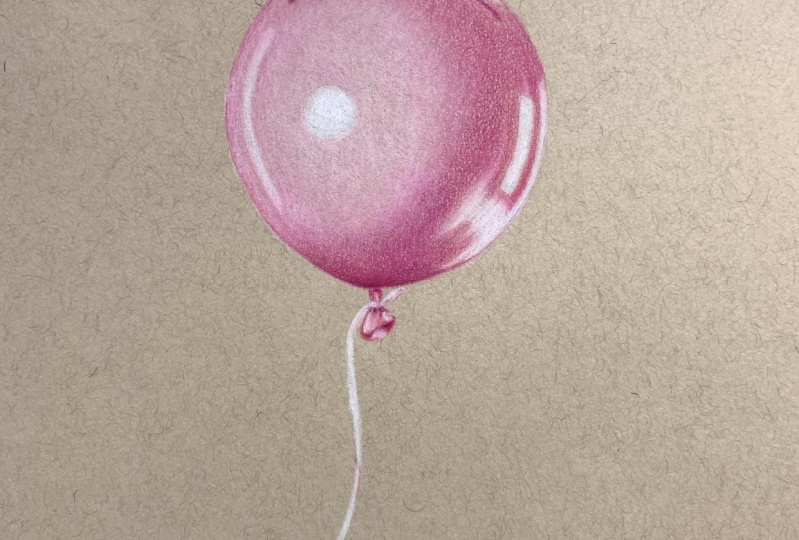
      Balloon Drawing

      12:36

    • 4.

      Closing Thoughts

      0:27

  • --
  • Beginner level
  • Intermediate level
  • Advanced level
  • All levels

Community Generated

The level is determined by a majority opinion of students who have reviewed this class. The teacher's recommendation is shown until at least 5 student responses are collected.

387

Students

23

Projects

About This Class

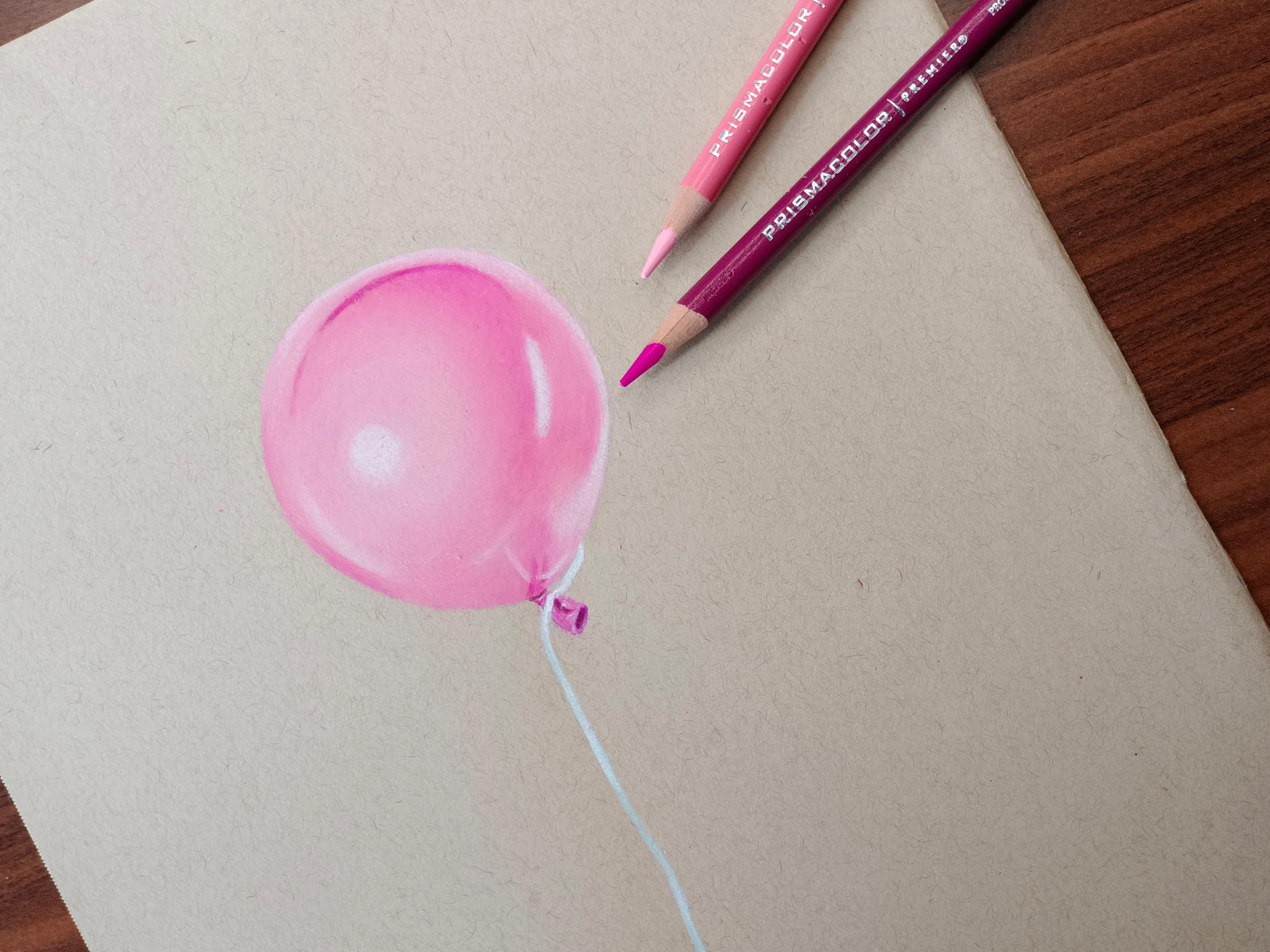
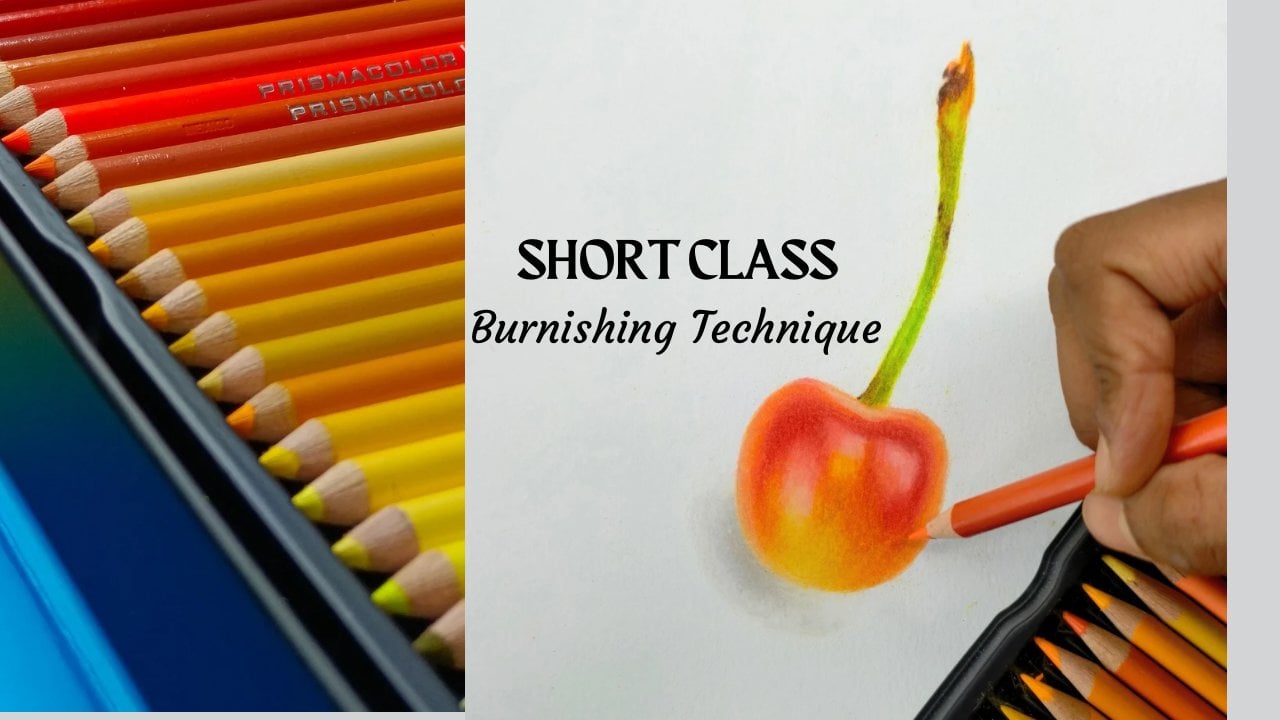
Before mastering Realistic Colored Pencil Drawings one must understand and practice the basic techniques. I will be creating a series of Short Classes, each covering a specific Colored Pencil technique which can be then applied onto any Drawing

In the first Class, we learnt how to create an analogous Color Gradient. In this second Class of the series, we will learn how to add depth and make any drawing look three dimensional. I will explain all the relevant steps and draw a balloon, which will be your Class Project

Following topics will be covered in this Class:

  • Layering Technique
  • How much pressure to apply with Pencils
  • How to shade to get a 3D look
  • How to add highlights, light tones, midtones and dark tones
  • When to burnish
  • Important Colored Pencil tips to follow to add depth and make a drawing look realistic

This Class is perfect for beginners wanting to learn Basic Colored Pencil Techniques or for those who would like to improve their skills and apply these techniques onto Realistic Colored Pencils Drawings

Materials Required:

Colored Pencils and a Paper suitable for Colored Pencils

Please download the Art Supplies recommendation document from the Projects & Resources Section for more details

More Classes in this series:

Other Useful Resources:

Review of Colored Pencil Brands that I use

Meet Your Teacher

Teacher Profile Image

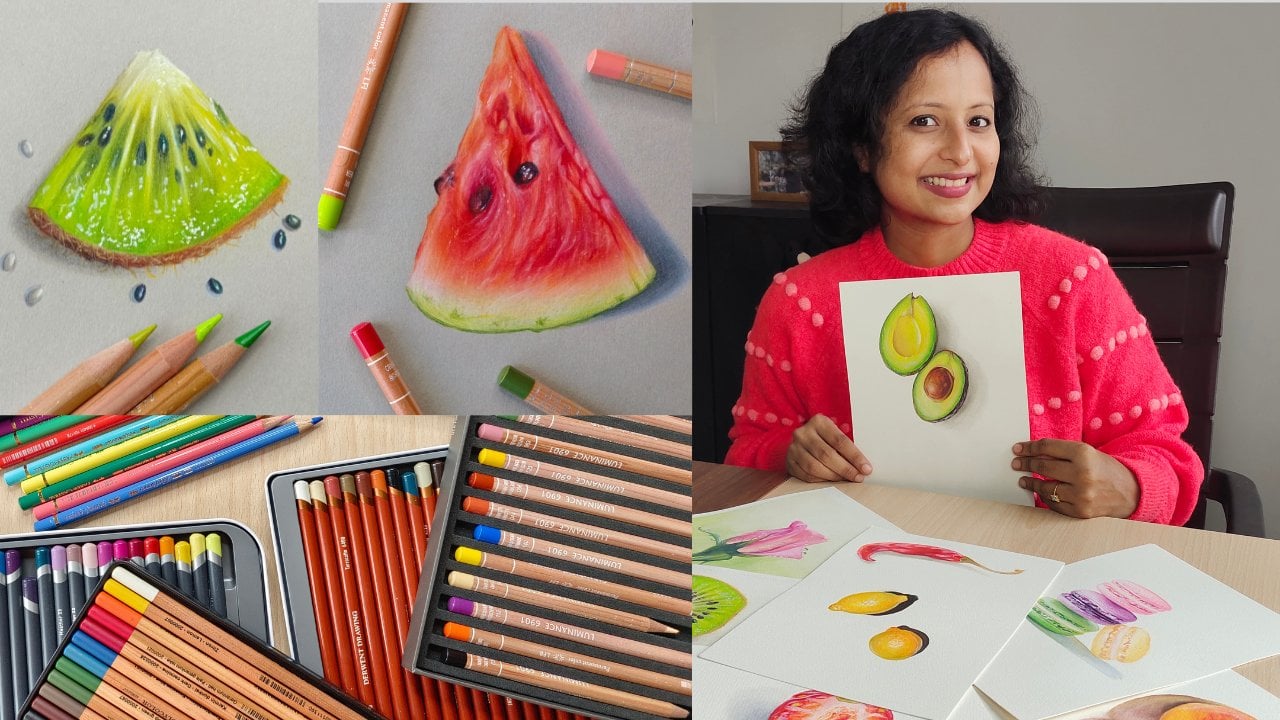
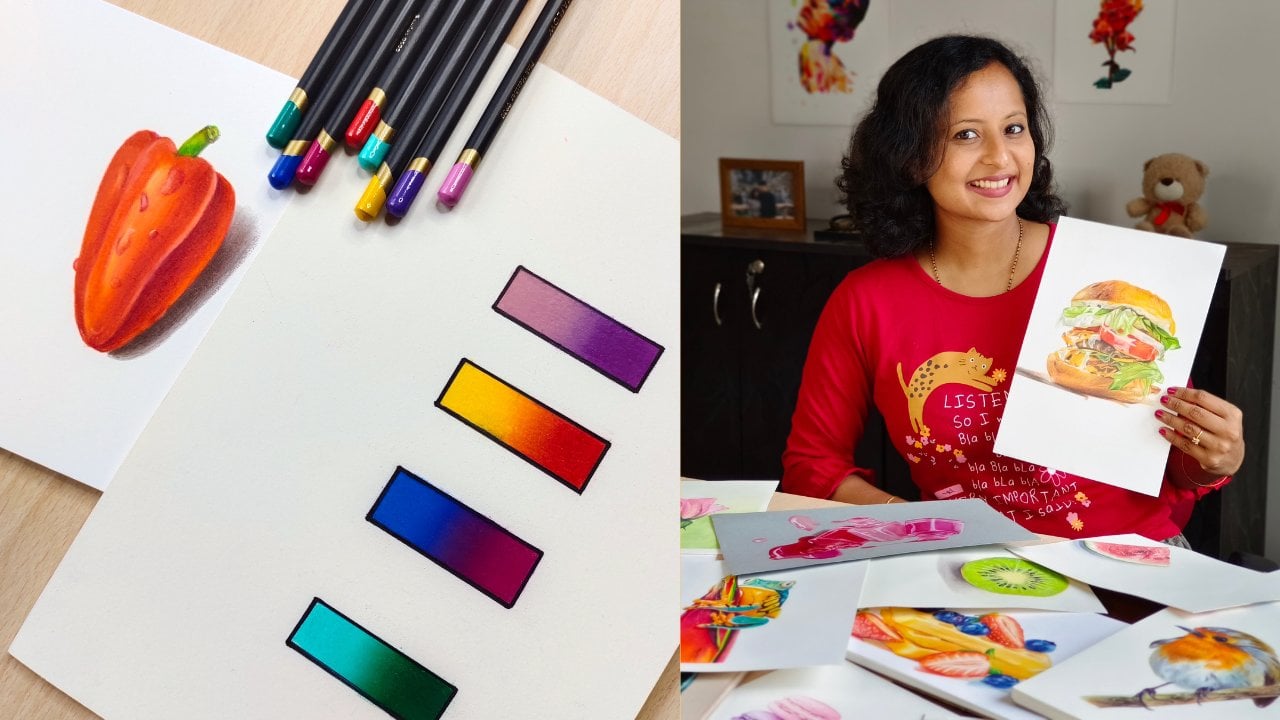
Smitha Rao

Pencil and Pastel Artist

Teacher
Level: Beginner

Class Ratings

Expectations Met?
    Exceeded!
  • 0%
  • Yes
  • 0%
  • Somewhat
  • 0%
  • Not really
  • 0%

Why Join Skillshare?

Take award-winning Skillshare Original Classes

Each class has short lessons, hands-on projects

Your membership supports Skillshare teachers

Learn From Anywhere

Take classes on the go with the Skillshare app. Stream or download to watch on the plane, the subway, or wherever you learn best.

Transcripts

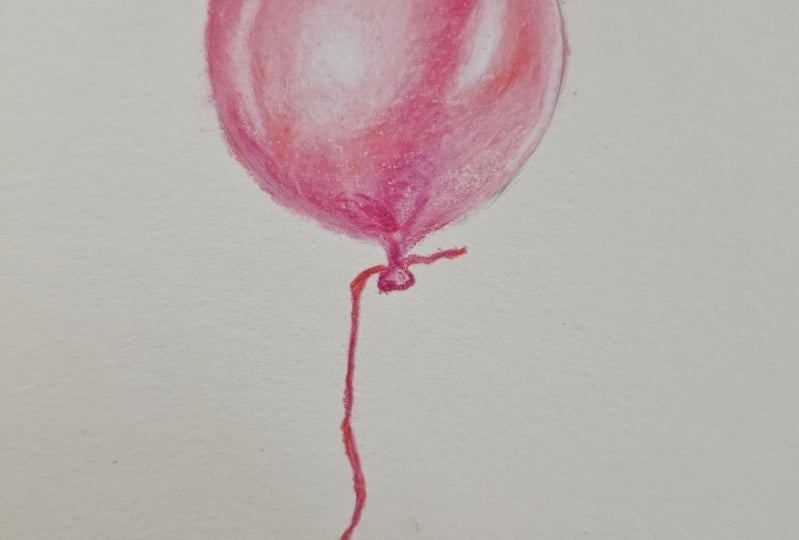
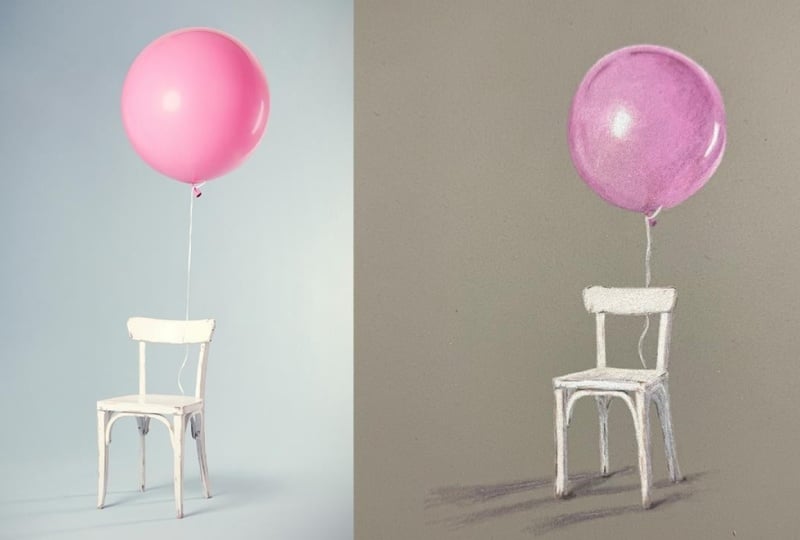
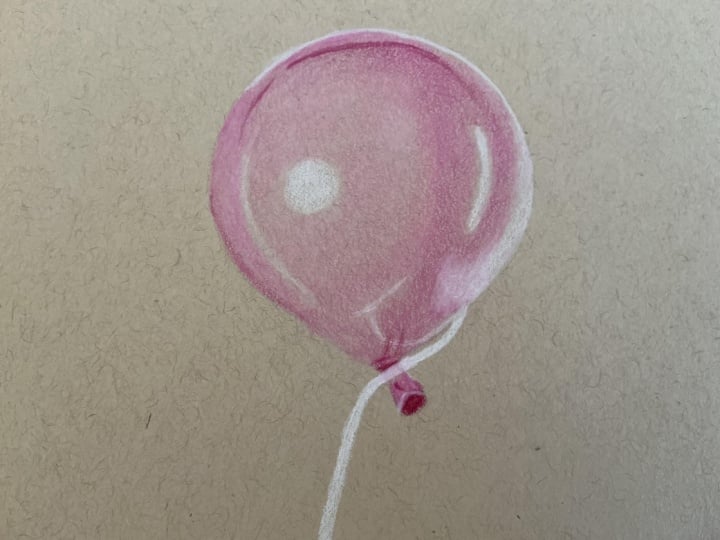
1. Introduction: Have you ever wondered how to add that extra depth to your colored pencil drawings and make them look three dimensional? Let's find out in the short class. Hi, I'm Smitha, and I've been teaching art since 2020. This is the second class in the series of short colored pencil classes that focus on basic techniques for beginners. In the previous class, we learned layering, blending and burnishing techniques and created a smooth gradient with analogous colors. Now, let's take those skills to the next level and learn to draw something three dimensional. In this class, with the help of this balloon drawing, I will explain how to layer different colors on top of each other, how to seamlessly blend them, how to add different tones, highlights, and most importantly, how to add depth and dimension to your drawing. Before we begin, here is an important note. By the end of this class, you should be able to apply the tips and techniques learned onto other subjects as well. All right then, see you in class. 2. Materials Required: I will be using this tone tan paper from Stratmo. I highly recommend such mid tone surfaces for beginners as it is easy to add highlights and dark tones, but feel free to use a white paper if you like. I will be using the prisma color premiere wax based pencils. You can also use oil based pencils. For more details on art supplies recommendations, please refer to the projects and resources section of this class. 3. Balloon Drawing: Let's begin. In order to simplify the initial sketch, you can just draw a circle and then modify it a bit. I will soon lighten up this sketch. Please download the reference photo from the projects and resources section and observe it carefully. There is a sharp, white, circular highlight towards your left hand side, and around it, there is a very light tone. As you move towards the right, there are mid tones and darker tones. There is also a sharp curvy dark tone at the top and another highlight on the right hand side. You will need a very light pink for the lightest tone, and then a mid tone pink and a slightly darker. The darkest tone, you can use a magenta or a very dark pink. If not these four, at least try to use three shades a light pink, a mid tone pink, and a dark tone pink. And, of course, a white pencil for the highlights. I have uploaded this color chart in the projects and resources section. If you don't have these particular shades of pink, please feel free to modify the reference to any color of your choice. I'm using a needed eraser to lighten up this sketch so that any harsh graphite marks are not visible. Start by roughly marking the highlights with a white so that you don't accidentally shade it over with pink. We will come back later and refine it. Now, start with the thus tone, Blush pink. I'm making swatches here on both tone paper and white paper for your understanding. Cover the entire area using small circular motion, except the highlight. Shade along the curvature of the balloon. Apply very light pressure by holding the pencil further away from the tip. Next, a mid tone pink. Again, with light pressure and on top of the light tone, except at the circular area around the highlight on the left. Observe the reference photo, and you will see that you have mid tones towards the right hside and also in a small section towards the extreme left. Mm. Always shade along the shape of the object if you want the result to be three dimensional. If you just shade horizontally or vertically, the drawing will look flat. Here, I'm using another slightly darker pink just to intensify the mid tones at certain areas. If you don't have one, you can use the previous shade with slightly heavier pressure to get a darker tone. Now that we have the highlights, light tone, mid tone, and dark tone in place, let's repeat the same process and add a second layer with slightly more pressure, and then a third layer with medium pressure. Hold the pencil closer to the tip whenever you want to increase the pressure. Remember to overlap adjacent colors to get a smooth transition. The number of layers that you can add depends on how much pressure you apply and also on how much the paper can take. I generally add a couple of layers with light pressure, and then a couple with medium pressure and another with heavier pressure. It is important to start with extremely light pressure and gradually increase as you build up layers. This makes it easier to fix mistakes and avoid a harsh, streaky look. Mm. Now add the darkest tone at the top with a dark pink. I'm just refining it with another pink that I used earlier so that there are no abrupt ends. You can always make adjustments as you progress. Add white, if you want to get a lighter tone, if you feel the highlights are too sharp, add a light layer of pink to soften them. If you want to make an area darker, add a dark pink at an angle like this and then add a light pink on top to make it smoother. Once you are satisfied with the way the drawing looks, you can burnish with maximum pressure to get a smooth look. In this case, use the latest tone or a white to burnish. As I explained in the previous shot class, burnishing should be done in the very end. The lower section is straightforward. Use a light pink, a mid tone pink, and then dark purple for the darkest tone. For the string, use a gray along with a white. 4. Closing Thoughts: Here is the final drawing. One can distinguish the light, medium, and dark tones, along with a white highlight. The drawing looks three dimensional as I have layered multiple colors on top of each other and shaded along the curvature of the balloon. Please upload your drawings in the projects and resources section of this class so that I can give you feedback. If you have any questions, please start a discussion. If you have enjoyed this class, please leave a review. That's all for now. See you in my next class.