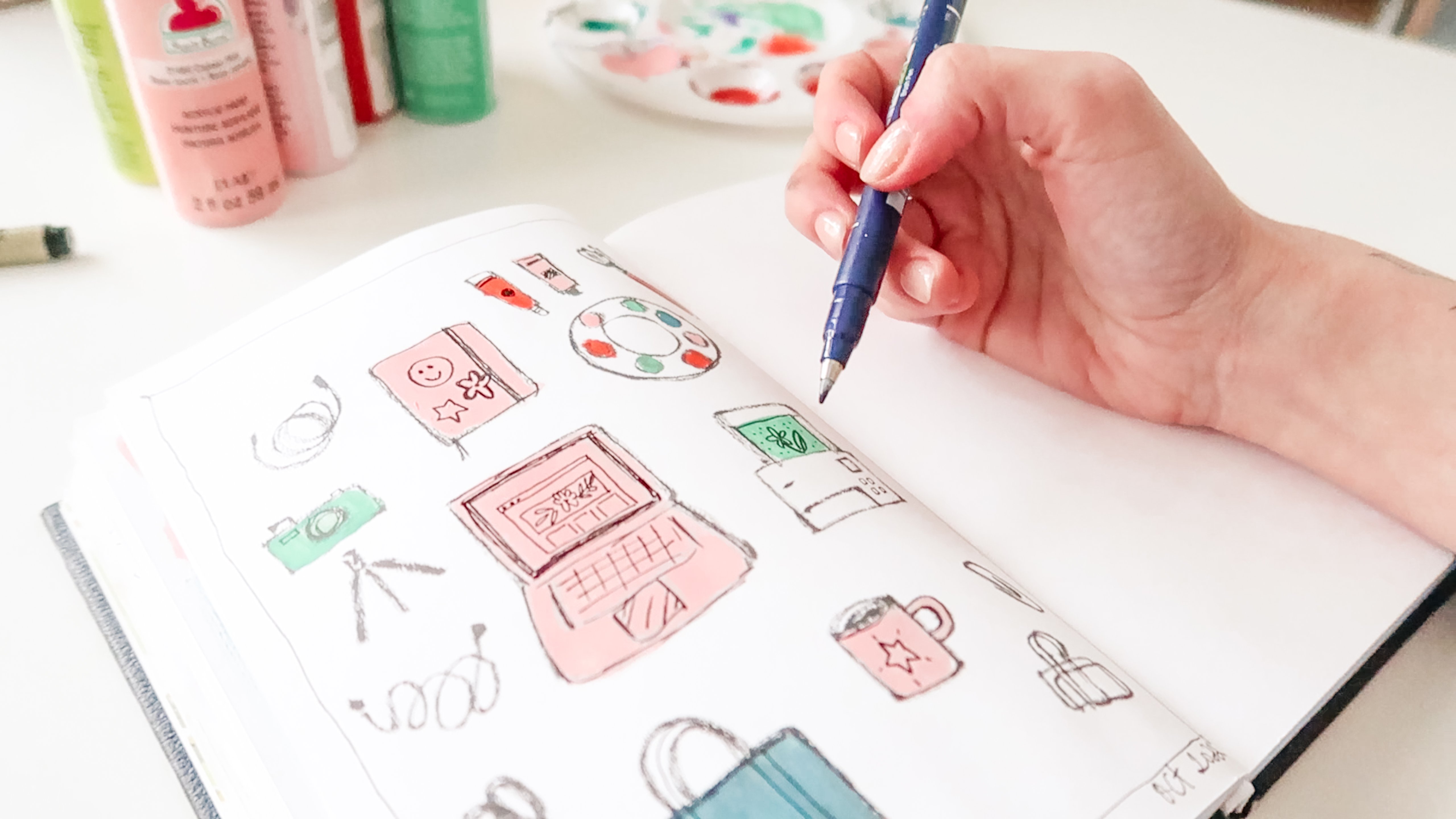
Art Journaling Creative Sparks: 3 Simple Background Techniques to Fill the Blank Page | Ashton Womack | Skillshare

Playback Speed


1.0x


  • 0.5x
  • 0.75x
  • 1x (Normal)
  • 1.25x
  • 1.5x
  • 1.75x
  • 2x

Art Journaling Creative Sparks: 3 Simple Background Techniques to Fill the Blank Page

teacher avatar Ashton Womack, Artist & Surface Pattern Designer

Watch this class and thousands more

Get unlimited access to every class
Taught by industry leaders & working professionals
Topics include illustration, design, photography, and more

Watch this class and thousands more

Get unlimited access to every class
Taught by industry leaders & working professionals
Topics include illustration, design, photography, and more

Lessons in This Class

    • 1.

      Introduction

      1:14

    • 2.

      Art Journal Background Techniques

      1:49

    • 3.

      Final Thoughts

      0:17

  • --
  • Beginner level
  • Intermediate level
  • Advanced level
  • All levels

Community Generated

The level is determined by a majority opinion of students who have reviewed this class. The teacher's recommendation is shown until at least 5 student responses are collected.

130

Students

1

Projects

About This Class

About This Class

Ever find it difficult to journal when faced with the blank page? This will be just the class for you!

This class is the first in a series of mini classes featuring quick tips for art journaling by Ashton Womack, the artist behind stationery brand Virgo and Paper.

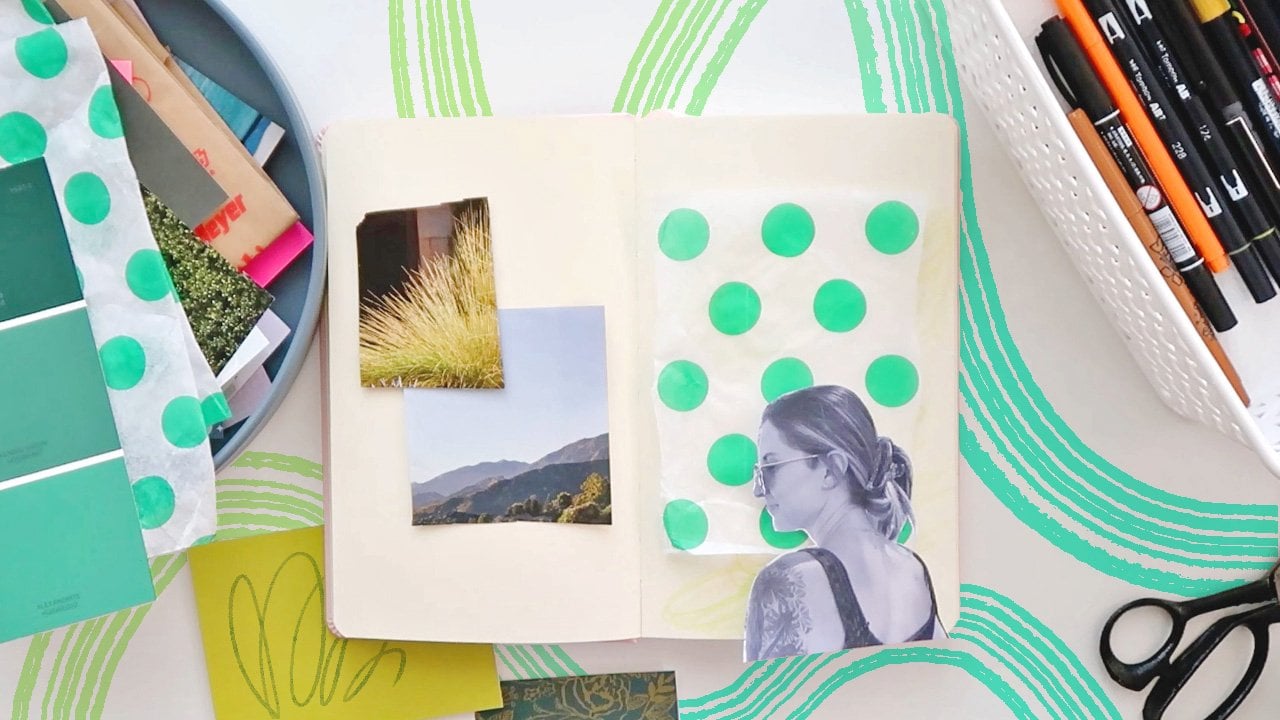
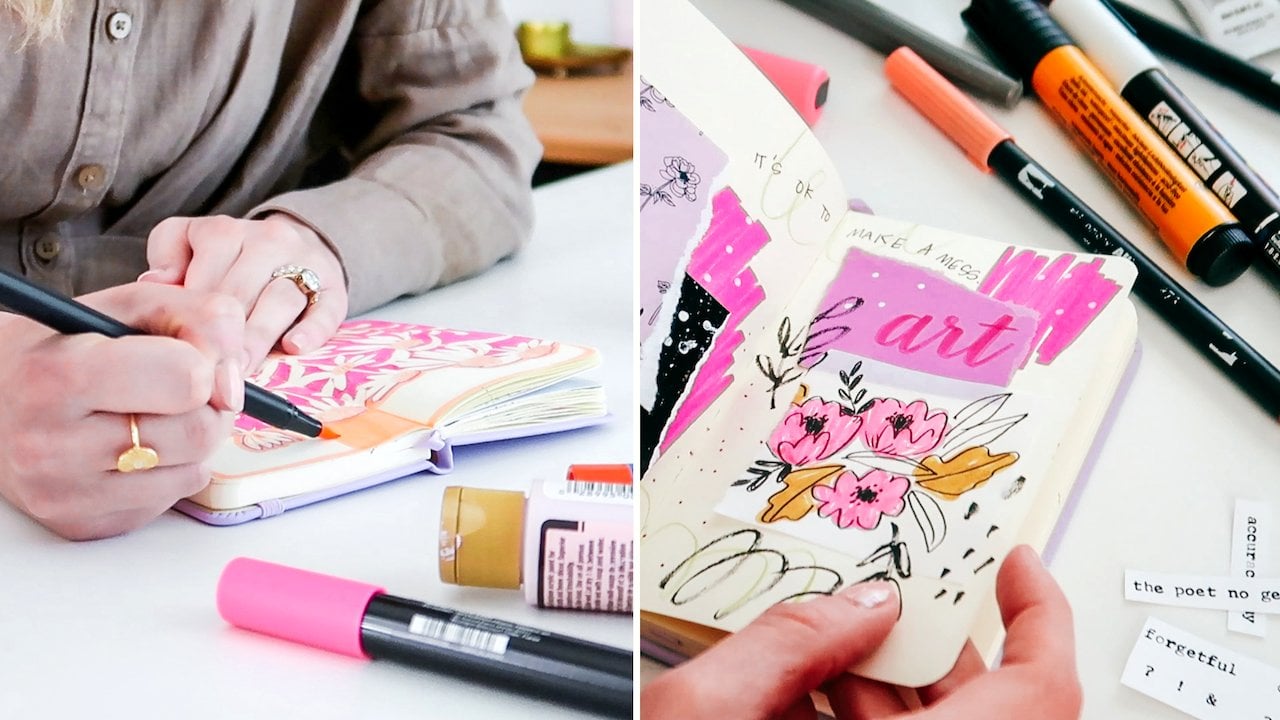
This class approaches art journaling as a visual way to document your daily thoughts, feelings , and experiences. We’ll explore a playful, intuitive approach to art and journaling where students of all levels of experience with art are welcome.
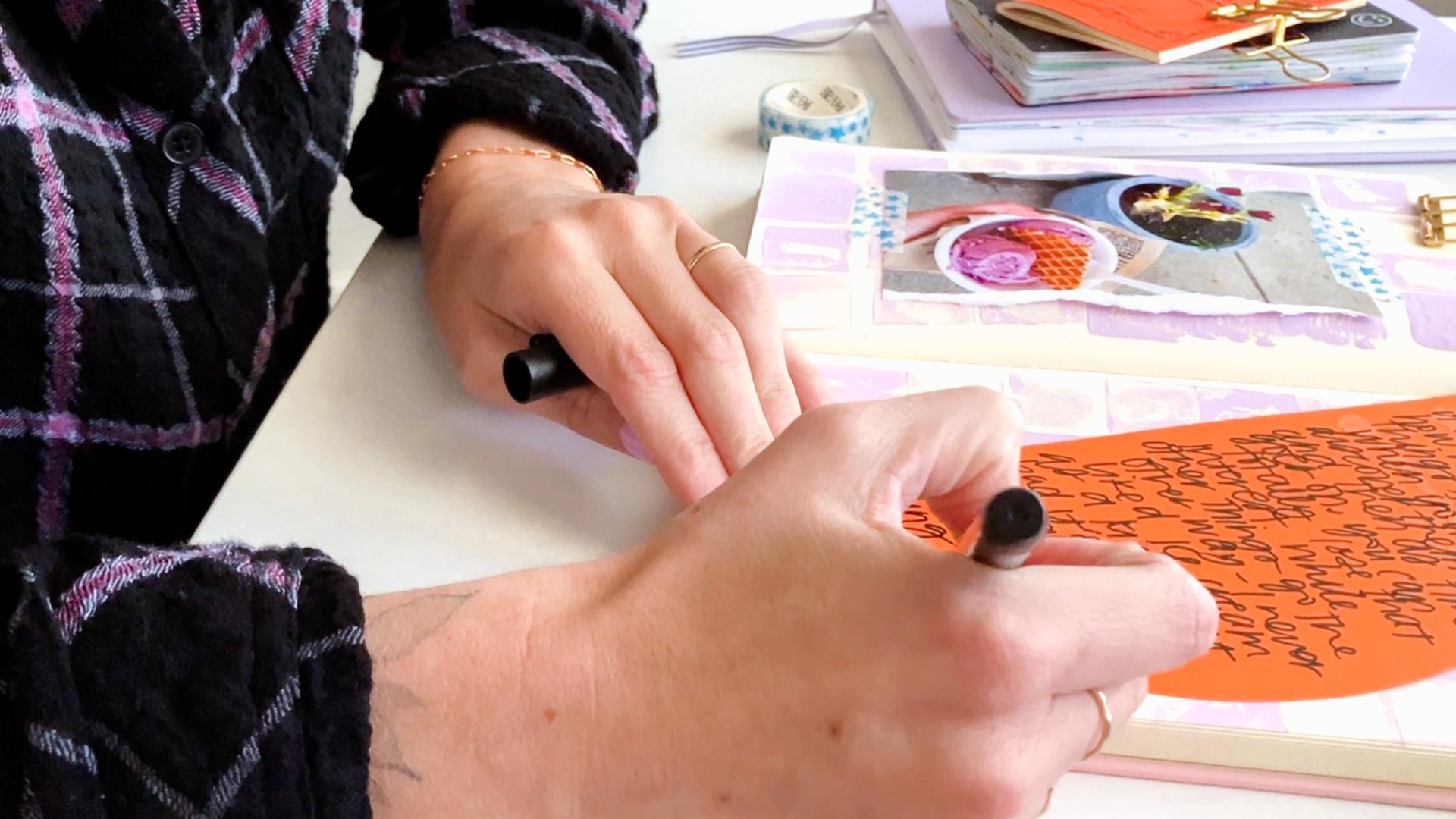
This class is for beginners and experienced artists willing to experiment with their art supplies and learn new techniques to create art for personal expression. Art journaling is for everyone!

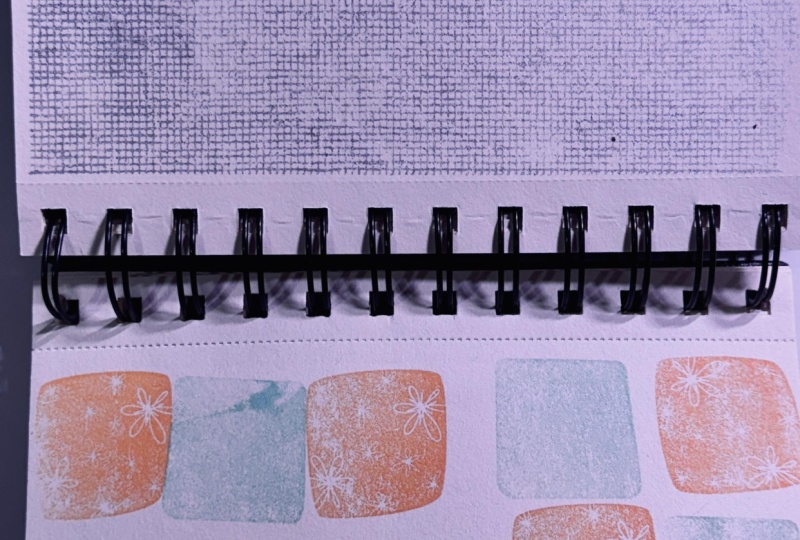
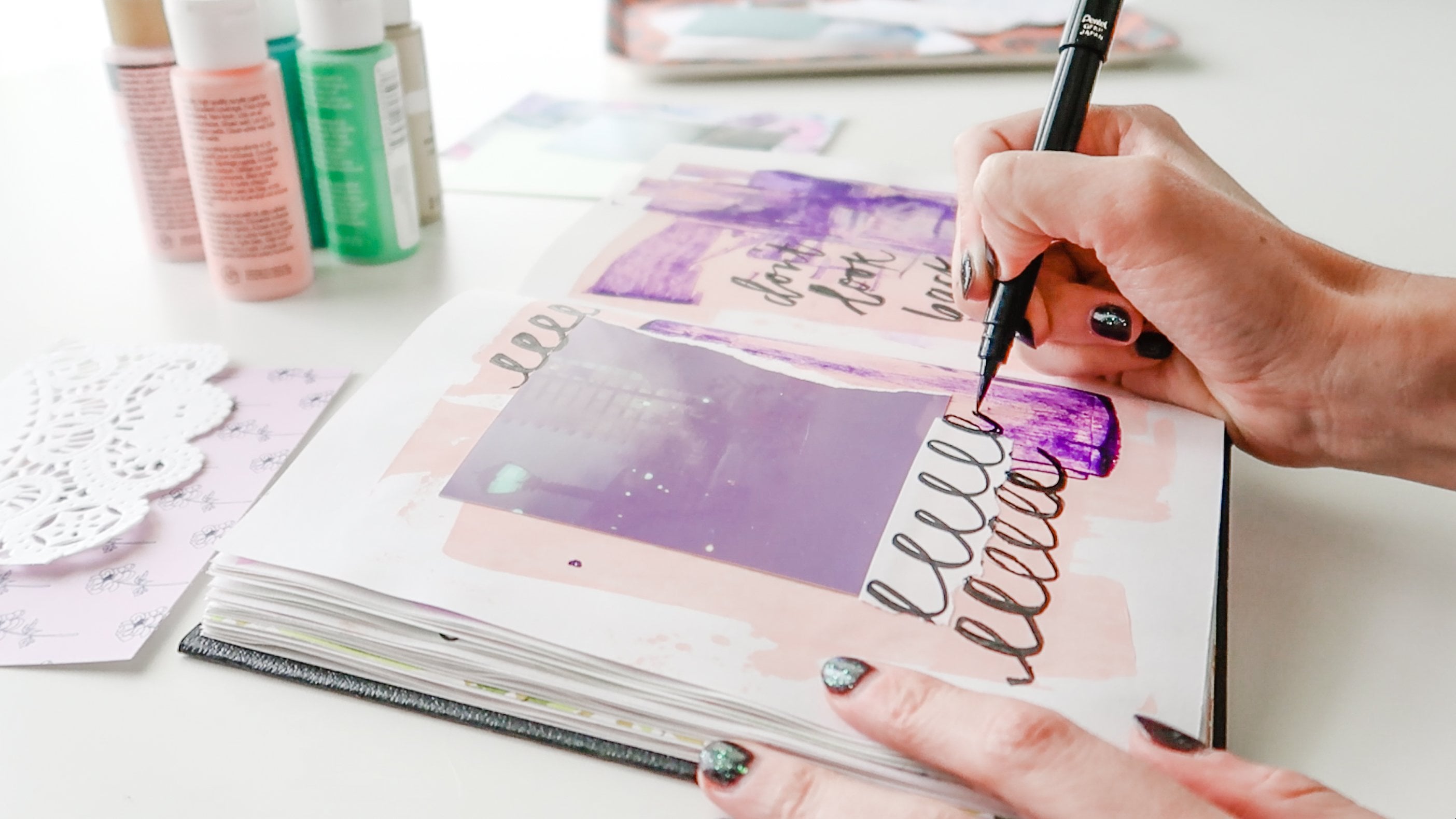
In this class, you'll learn 3 simple methods to create an art journal page background. We’ll use acrylic craft paint, colorful markers (or pens), and a basic eraser for these techniques. When faced with the blank page, you can use these ideas to get your creative thoughts going and spark new ideas to fill the page.

You’ll be creating 3 art journal page backgrounds using the techniques shown in this class.

Looking for more art journaling ideas?

Take Ashton's class, 10-Minute Art Journaling: A 7-Day Challenge to Conquer Artist’s Block, to learn more creative art journaling techniques.

Meet Your Teacher

Teacher Profile Image

Ashton Womack

Artist & Surface Pattern Designer

Teacher

I'm the artist, surface pattern designer and educator behind stationery brand Virgo and Paper. I love sharing my passion for creative experimentation and self-expression with art journaling.

If you've ever felt intimidated by the blank page, my classes will be for you! I teach a playful, intuitive approach to art and journaling where students of all levels of experience with art are welcome. A journal can be a powerful place to explore your creativity, where it's okay to make a mess. Let's create together!

Hop over to my website to see more of my artwork, shop, blog, and freebies for you.

See full profile

Level: All Levels

Class Ratings

Expectations Met?
    Exceeded!
  • 0%
  • Yes
  • 0%
  • Somewhat
  • 0%
  • Not really
  • 0%

Why Join Skillshare?

Take award-winning Skillshare Original Classes

Each class has short lessons, hands-on projects

Your membership supports Skillshare teachers

Learn From Anywhere

Take classes on the go with the Skillshare app. Stream or download to watch on the plane, the subway, or wherever you learn best.

Transcripts

1. Introduction: Maybe you've heard about the benefits of journaling. But if you're like me, sometimes you find it difficult to just open up a journal, flip to a blank page, and start writing. Let me introduce you to what I prefer to do instead, which is art journaling. Of course, this can include written journaling, but it can also include collage, stamping, stickers, drawing, painting, bound ephemera, or any other art supplies that you enjoy using. It's not just writing, it's telling your story in a visual way. Hi, I'm Ashton Womack, the artist behind stationary brand Virgo and paper. I've been using my journals to experiment creatively and tell my story for years, and I've learned a lot about self expression along the way. This class is the first in a series of mini classes I'm doing, featuring quick tips for art journaling to help you get started right away. Today I'm sharing three different methods to create interesting backgrounds and start filling the blank page. I'll show you each technique with finished examples from my own journals. If you decide to follow along, I would love to see what you create. Take a picture of your finished journal page and upload it to the project gallery to share it with myself and fellow students. Okay, let's get started. 2. Art Journal Background Techniques: You ever stare at a blank page and don't know how to get started? When I feel stuck, I like to just start filling the background first. That helps me get the creative thoughts flowing and spark new ideas. I'll show you three easy methods for creating backgrounds that take just a few minutes. Let's start with technique number one. This is my go to method for backgrounds. I'll start by putting a drop of acrylic craft paint onto the page and then use an old plastic card and a dry paint brush to fill the page with texture. Add a second color of paint if you want some variety. I love this method of filling the page, and you can really change the mood of the page, depending on the colors that you use. I have plenty of examples from my journals where I use this method, and I like it because you can choose to totally fill the page with paint or leave lots of white space to work with. Technique number two is using markers to create a simple pattern. You can use any colorful markers or pens that you have and fill the page with quick repetitive shapes. I'm using lines in both directions to create a plat effect, but you could do dots, dashes, Xs, circles, or even just scribbles. This is another go to method for me, and I enjoy it because the page starts to look full and interesting in just a couple of minutes, and it creates a really dynamic background. Technique number three is a stamped background. Stamping is a great way to add texture to your page. You can use rubber stamps and an inkpad if you have them, or you can look around for basic household items to use as a stamp. I'm using a pink eraser. I'm cutting it in half to make a square shape, and I'm using acrylic craft paint again as the ink. I really like the variety of texture you can get with the method and the unpredictable results. I'm going to stamp all over my page, and when I'm done, I'll use a baby wipe to clean off my DIY stamp so I can use it again later. I hope you enjoy putting these techniques to use in your own journal, and I can't wait to see what you do with it. 3. Final Thoughts: Congrats. You finished the class. I can't wait to see how you use these techniques. Take a photo of your finished journal page and upload it to the project gallery if you'd like to share it with myself and fellow students. Thank you for watching the class, and I hope you'll use these ideas to keep journaling.