Transcripts
1. An honest portrait - Intro: An honest portray. Hi, I'm Ken. A photographer in
love with taking portrays of my fellow humans. For me, that means not just to take a picture
of someone's face, but to discover something
about the person that I'm photographing in
the process that we're having together
in this course, I want to take you
on a journey to two portway sessions with me so you can witness
that process that I am having with the people
that I'm photographing. It's important for me to create a safe environment for the
people that I'm taking photos of so that they can
unfold and bring something from their inside to the outside and to my camera. So that they can feel safe to be playful and to get involved
into the photo session. We will also take a little tour into other photographers
portway work. And also look into how I apply my approach to
portway photography in a corporate setting. There are a lot of details to discover and I am
sure this course will inspire you to play
with your own approach to photographing other
humans in the future. Let's go ahead and explore
the portway photography.
2. Portraits of a stranger: Here we are with Katya. She is a contact improvisation
teacher and she was holding a two weeks workshop at that time that I
was taken part in. I've only spoken a few sentences with her with the
help of a translator. She's a stranger to me, and I was expecting us to also have quite a language
barrier between us. But it turned out that
she does understand and speak a little bit
of English also, that she had been a photographer
in the past as well. Wow, I didn't know. I long time ago. Not only, but especially when working with a person
that you don't know. It is important to
establish an atmosphere that the person who is
portrayed feels comfortable in, can relax, and does not feel pressure to deliver
something for the camera. Especially nowadays, people
have a reflex to present themselves in a certain way when they have a camera
held into their face. If you're working with a
model for a fashion shooting, for example, it's something you might actually
want you scan. When I'm photographing
someone, though, I want to find at
least a little bit of that person's truth and have
it shine through on photos. Have you worked with
a Haselgag or a Kiev? I naturally can't do otherwise, I'm bringing my
authentic truth as well, not pretending anything. Every photographer is
different, though. I say through their
own personality, everyone attracts
different people into their lives and in
front of their camera, you might be a very
different person in a portway situation and take very different photos
and that's okay. Just don't try to be
someone that you're not. The rest will fall into place. Let me have a Before I
even take the first photo, I'm taking my time to talk to get to know
the person in front of me and give them the opportunity to get to
know me a little bit as well. This is not just something
I do as a strategy. I want to get to know people. It is part of why
I love doing this. You can see now how
I'm checking the light and adjusting the settings
on my camera accordingly. I am not giving at any
instructions at this point. I'm intentionally leaving
her space to just be and get comfortable with
the presence of a camera. And just with herself
and the situation. I often see photographers being uncomfortable
with silence, with moments of no interaction, no clicking of the camera. They just start taking photos to overcome the silence and
uncomfortable feeling, not giving themselves
time to actually find something that they find interesting enough
to take a photo. I believe that with patience, the person I photograph might struggle with the presence
of the camera at first, but will overcome
the possible feeling of being uncomfortable
with time. I'm trying to bring them over the mountain instead of flattening the
mountain for them. While I'm moving around seeing potential images
through the lens, I'm waiting for something
to click within me. Something that tells me
here is where I start. There is a photo that I see
here and I want to take it. This is our first
image of the session. A good simple start, but we both haven't fully arrived in our
portrait journey yet. Would you prefer
being on the floor? Yeah, I feel that there is still some tension and so
I invite a little bit of a change of place
and close the hands, maybe close your eyes
for a little bit. I like giving this
invitation to close the eyes for the person who
I'm taking portrays off, but for myself as well, it's a great way to
relax and arrive within one's own body and release potential tension and
feel more comfortable. For a lot of people, closing
the eyes while others are present is very
unusual in a way, it means to take them out
of their comfort zone, but inviting them into another comfort that they
may not even know about yet. Quite often people tell me afterwards how
much they enjoyed, that part and the
invitation I gave them. As a photographer, you are
the creator of this space. You can play with
what you invite to. That depends, of course, a lot on what person you are. You might want to invite
them to shake their body or sing or make them tell
you about their day. Play with the ideas that come
to mind, bring your twist. I feel that I already
got closer to Katia. The image is taken
closer to her face. But what I mean
is that I can see that she has opened up a
little bit more already. A simple truth
about all people in the world is that they
want to be listened to. Situations in which someone
is being given the space to talk and to really be listened to with
patience is rare though. If you are genuinely
curious about us, you are in a position to give that space to people when
you photograph them. And they will
appreciate that a lot. But yeah, you are giving them a special experience
also and that will be seen on the images
that you take in that situation rather
than sitting in silence. It's something that
sometimes I like it or like sometimes
I feel how during that conversation the
fact that there is a camera present moves
aside and cut your, relaxes her body and
mind a bit more. But I feel like what we are doing together in your workshop, I feel like this is more the kind of meditation
that works for me. Oh, you see that were here. So when I then bring the
camera back into play, I find her in that relaxed state and can take a photo
in that moment. This is one of my favorites
from our little session. There is not much variation in the close up
portraits that I take. The aspect of how
the person feels and how able I am to get a true
image of them is vital. I feel it worked very well here. Let's take the hand
down once more. Let's take the let's
take it down again. Maybe let's move back
a little bit again. Tiny differences? Tiny
but they do a lot. Tiny differences. I'm just
moving her back a little bit, but it has an effect on the
light that reaches her face. We are very close to the edge
of the space and with that, the main light source
moving her back equalizes the influence of different light
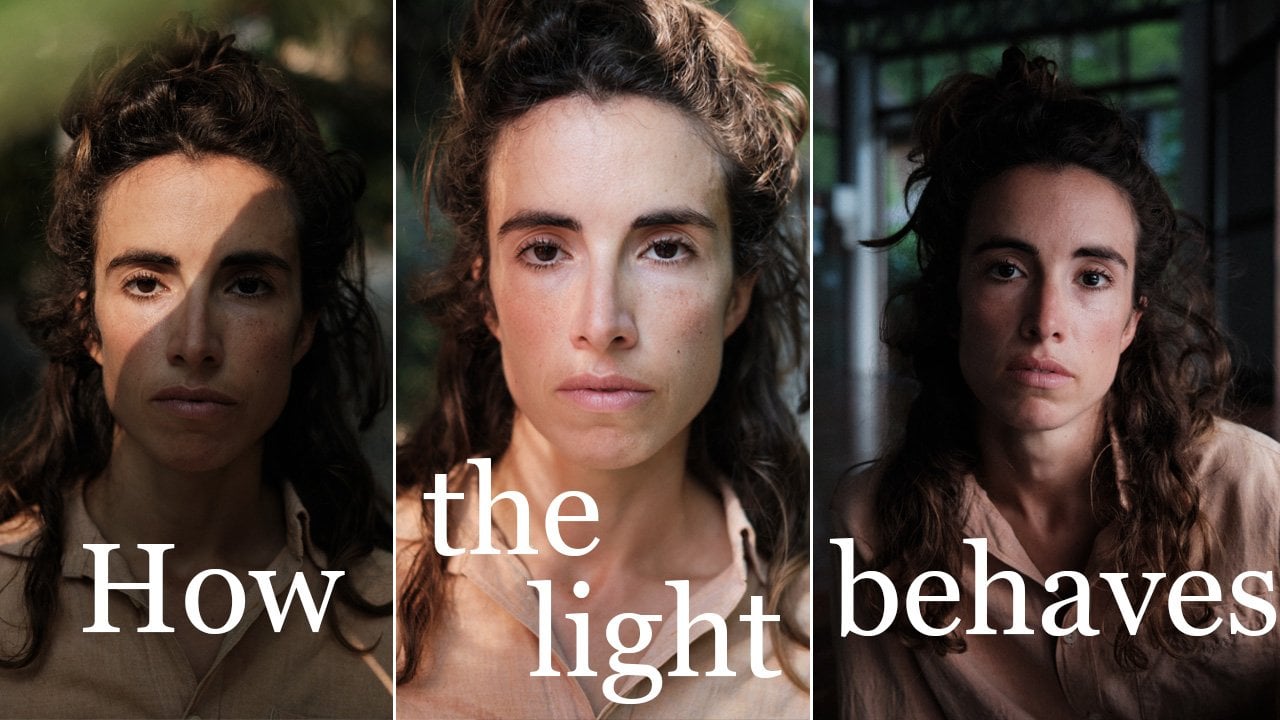
sources in the space. To learn more about
these things, join my course on how
the light behaves, in which we also
discover the light in this specific space that
we're in right now. The third image in a row that's almost identical in framing. It is just her
expression that changes. This one, for example, could well be an image that she could present herself
with as a teacher. Yeah. Yeah, yeah. Very good. M if we use a bit more of the space, like if you would
want to move in the space or find
another position in your body that is not
sitting, what would it be? Feels right to you. Like how would you be
if this was your space? You stop me. Yes, it would be good to. My light is coming from here. The light I'm using
comes from there. It's always good if your face somehow ends
up in this direction. At this point, I am giving her the invitation to bring more
of herself into our meeting. Until now, I was guiding
our portray session and keeping it on rails in a very specific
direction that I chose. Because she is a dancer, I'm inviting her to
move in the space. This opening can be done in very different ways
and depends a lot on who you are working with and what you may have already
learned about that person. Before or during the
process of taking photos. Whatever it is that they are doing in their lives,
hobbies or work. Invite them to do it. See if something about it
inspires you and go after that. Okay. Or what you do for me. Happy birthday to you. Happy birthday. Happy birthday to you. Happy birthday. Happy birthday to thank you for taking the time on your birthday to take photos with me and do the workshop with
us this day? Yeah. Yeah, like these photos
will mark us your birthday. Makes it even more
special for me. You want to move again a bit? We're going back to cut your
dancing with the floor. You may have noticed how
we are moving in waves. Through this session, we took some photos in a
rather slow setting. We talked again, took
some more photos. I invited her to move.
We talked again. I am creating a little
journey with her. During that journey, I continue to be aware of the
changes that happen. Yeah. Oh, yeah, yeah, yeah. Let's go back to the
Yes, yes, yes, yes. I'm looking for moments, expressions, movements
that spark my interest. I don't just want
to take any photos. I want to take photos
that come from a momentum of interest rising. Yes. Sometimes I become more of
a director of the scene. How or little of that
I do always depends on how open I feel the person
would be to my input. It may well happen that the person is enjoying
my directions and it may encourage them to bring more of their own
creative input also. Okay, yeah, I think maybe we can
have a bit of a, maybe we can see if we can find a place in the nature
up towards the studio. Reminds me of your
hair. These things they remind me of your hair. I don't understand the things they remind me of
your dreadlocks. Maybe we can do
something with it. I shared with Kata
what I am seeing and how we could possibly use this
location to take a photo. By now, she has become an active part of the session and the
photo creation becomes even more of a mutual process in which she starts looking for
potential photo herself. It's sticky, I think rather here because then I can, I can have light in your face
and the plans can like be an extension of of of
your hair going up. Yes. Do you want to go over there? Okay. This is super overkill. Can you bring your
head a little? Yes, yes, yes. Oh, wow. This is what we came
up with a little bit more. We were going up
to the studio now, where we took a
couple more photos. The start of the
workshop was near, and so we ended our
session very quickly. Let's see how we
wrapped it up and then we'll have a look
at the photos together. I'm really happy I got to
spend some time with you. Because in the workshop it's
difficult for me to have this language barrier
and have someone ends translating for my brain.
It's really difficult. I understand. And so even when you come
to a group while we're doing something like you use your body and you bring the
English words that you speak. It already makes me
feel closer to you. Now that I spent
an hour with you, like in a calm
photography environment, I feel like I have more
of a feeling for you. Thank you very much.
3. Recap of the first session: Here we are with the images of Katia and I want to
go through them with you and in a more
compressed format than we've seen them before. Talk about what happened
in the session with her. This is the image
that we started with. With some time and
progress and conversation, we got a bit closer
to each other, our connection got
a bit more safe, and there was more
trust, I believe. And I think that's visible
in the photos now. From this moment to the next is where we moved back
from the light a little bit. Do you remember I said
tiny differences. You can see how the light in this second image is more even. I'm going to jump back. Now, in this image, there was a bit more of
a focused light spot. You see that the overall
tonality is different, the film reacts differently. And we can see that there
are these areas here, up here, where the
light is quite direct and it's more contrasty than in this image that is a bit more evenly lit. That was the tiny difference. And then we started rolling on the floor and took another photo of her face
and ended up on the rock. Now I'm a big believer
in being selective and not showing how many of those
eight images or something. Nine images in my eyes.
That will be too much. Too much to show
different images from this session may be
good for different purposes. I want to point out, I would say three favorites that I have from this session. The first one would
be this image here. You can see on the left,
I'm clicking on it, It's the third one that we took. I feel that in this image, this is the closest that I
got to Kata with the camera. There may be moments where
we were closer as persons, but a lot of things
have to come together and the connection between
me and her is one thing. Then there is the light
and different things. You've seen it all
in the session? I feel in this image, yeah. I feel that I can
really see into her. I'm liking also how her hand is pulling her lips to
the side and Yeah. Creates a bit of an
unusual face other than if she was just Let's
jump back, be straight. Nothing against that.
But this one brings a little bit of a
twist also with the hand pulling the lips. Yeah. And to me
it's just the eyes. It's all in the eyes. I'm yeah. I'm really loving this photo. This would be my favorite
to put up on my website, in my portrait gallery. Now, I want to point
out another one. This one, I think for a, as a dance teacher, this would be a good portrait for her to use in her promotion. If she has to send an image to a festival that she may be teaching in or
holding a workshop, something like this, I think
that would be the one. It shines a lot of confidence. But yeah, I feel I'm
looking at a calm, peaceful, confident,
friendly person. Yeah. For this purpose, that
would be my favorite. Then the last one, I don't quite know for what yet. In my work, it often
happens that I work and work and work and
take photos for years. And then at some point, or at some point necessarily, it's a process that
there is a red line appearing of a
series of a project, of something that
ties images together. I can see that image ending
up in a series one day. Yeah, I don't know
what it will be yet, but yeah, I'm really
liking this as well, what I've seen already in
the moment when I came, that these plants remind me
of her dreads and he reads, reach out and become
almost like a plant. I really liking that. Yeah, these are my
three favorites from the first session with
K. Let's keep going.
4. Approaches to portrait photography: After being with me
in the first session, I want to take you to a tour to two other portray
photographers to get a wider perspective
on what a portray can be. What portray someone takes depends a lot on
their personality, on their motivation
for taking pictures. The people that they choose to photograph and how they
choose to use their tools. Let's have a look at two
different approaches, the photography that
comes out of them. For that, we're going to jump to the screen and then I'll see you again in the studio afterwards. The first portrait work
I want to show you is the serious meetings of
by Sne Jana an Budingen. I hope I say that
name correctly. She photographed a girl
with Down Syndrome. She actually did that with the same camera that I am using. I met her in the photography festival in Al and spoke with
her for an hour. Amazing, amazing photos. And I just want to go through
some of them and bring your attention to some of these things that she does
in this Portway work. What you can see already is that she is including other people. And she's including
details like here, other people and environments. By doing that, she puts zophie, her subject into
a wider context. She is not just
photographing her in a bubble space
like I'm doing that, but she is more of a
documenting photographer. It's a mixture of
documentary photography and portrait photography. Then there are elements
like here where, yeah, I don't know how far
specifically in this image, but I feel that sometimes also, there is a dynamic of play
between Mnejana and Sophie, her subject where
they play and also creatively come up
with things, I think. I'm not entirely sure, but that's my impression
sometimes by bringing in environments and bringing in other people into this
photographic work, into these portways. It's telling something
her subject about Sophie, that you see the
environment that she lives in and that
you see, in this case, animals or people that Sophie is interacting with that
tells something about Sophie. I spoke with her specifically
about this image because I was wondering if she actually asked her to
put on this dress and go to these flowers that match with the one on her dress or how that whole
thing happened. Apparently, she didn't. Apparently, that's
just how it happened. She happened to be there. I'm saying that lightly. She happened to be there. There is, of course, a lot
of trust work involved to get to a point
where you can be so close to the people that
you're photographing in their real life situations
here with Sophie's boyfriend. I'm amazed. I'm looking at this and I'm like,
how did you do this? Yeah, I'm really
loving this work here. We can also see,
we can see Sophie, but we cannot really
see much of her face, not see much of her
face expression. It's just the
environment that she is in and her body posture. And the fact that she's
sitting at a bus stop that tells us something about her and the environment
she lives in. It gives us information, but not in a Like in a subtle in a sensitive way that
is not in your face. She's doing a very
good job in Um, yeah. In showing us in a subtle
way something about Sophie's life, about
her relationships. Okay. I'm leaving
it at this point. Of course, I would highly
recommend you to go visit her website and Yeah. Follow her on Instagram. Do all the good
things. You can see the website written
up here. Yeah. Amazing work. I'm a big fan. The second photographer I
want to show you is Williams. Troy takes photos of
people in New York. What we can already see
from this overview is that he chooses very similar ways, like he's placing
his subjects in his images in a
very similar way. We almost always see
the entire body. He is using wide angle lenses, I would say, at least
in most of the images. I think it let's jump
into some of them. Maybe that's a 50 millimeter. I think 50 would
probably be his max. But I think he's
often ranging 28, 35 millimeter in
this kind of range. One thing is that we can
see that he's got an eye. He's very carefully
choosing who he's photographing or at least what photographs
he's going to show. I think this selection
process of who he's photographing starts
in the moment and then of course it
continues afterwards in the choice of what he's showing, the people with
cameras are probably his friends, maybe
fellow students. Yeah, I imagine
him to be walking around the streets
and finding people. I think most of these people, he probably doesn't know them and just meets them
somewhere on the street is also, like I said before,
he's using the space. He is always choosing that part of what
he's telling about the person who
he's photographing is the environment that
he's photographing them in. And their body posture,
their clothing. Good example at this point. It's rather simple. It's not very fancy. He's not building any crazy
studio setups or whatever. He is photographing people in
their natural environment. I think most of the
people he doesn't know. He's probably just a
curious person who lives in a city environment and knows how to use
that environment. I mentioned it a
few times already. Like what you
photograph has to do a lot with your own personality. What kind of person you
are, What suits you? In this case, I would
say he's a city person. Like he knows how
to rock the city. The photographer we've seen
before meeting Sophie. Completely different setting. Most likely, Shana, probably she wouldn't be
functioning in a city that would probably not
be an environment where she thrives and
where she's able to find people to photograph
and where she doesn't have the skills
to approach them. Obviously, Troy
has these skills. Yeah. He uses them very well. Yeah. The fact that he's
always similar lenses. Yeah. I think let's say it's
between 28 and sometimes 50, but I think most
of his photos are somewhere 28, 35 millimeter. The fact that he does that
and that he's using film and that always showing
the entire body of the person including city, environment, or
environment where they live or spend time in, that makes his work
recognizable as his work. It's part of what
brings consistency. When there was an image of him showing up in my Instagram feed, I can immediately
see it's his photo. Like, I don't have
to look at his name. I know this is Troy's work. It's his signature. Okay. That was Troy Williams. Again, his website up here. If you want to look
him up on Instagram, he's got a really long name, just Troy, but with 1 million S. And then you'll find him. Yes. That was Sn. And work. Of course, there are many
different approaches and I could spend hours just looking at different
photographers work. I just wanted to give you a
little bit of a hey look. There are different
ways to take photos and different signatures
that make people's work recognizable as there
are 1 million more ways. I hope that yeah, you have one of those ways and that you
continue building it out. Now we'll go back to the studio.
5. Seeing the light & Beginning a session: After this little detour, let's get back into
taking photos. In the second session
that we're having with Sasha and Dolores, again, I'll be staying with you with
my voice and sometimes just let past Ken speak in the video and then I'll
see you again later. So this is our space
at CM Healing Center. It's the early afternoon. It's like three 30. The sun is over there right now. If you look on the floor, we can see how it's falling in. I was particularly excited about this light because I know I can do some
beautiful things with it. We need to be aware that
this is only going to be there for a limited time. I take that into consideration
when I start the session, that certain lights
are not going to be available for
the whole time. Yeah, this is a
really beautiful one. The sun is falling
in from over there. We can see the angle
that it's falling in on, the angle that the
light hits the floor. We know that the sun is going to move this way and it's
going to go down, this light is going to
move in this direction and it's going to get longer until
it eventually disappears. There are also trees outside. Yeah, It may just
disappear earlier than the sun actually goes down. Yeah, because there's trees and they may just
block it earlier. We can also see over there. Let's go a little bit. There is more light falling in. We see how the
trees are moving in the wind and therefore the
shadows are moving as well. Yeah, these movements
in the shadow. In light, that's very
slight differences. That can make a huge
difference later. Also, this is going
to disappear at some point behind that, a pretty gray neutral wall
with a bit of structure in it that is probably going to be something
interesting to work with. Apart from this,
the space doesn't necessarily feel very light. It's not like there are huge windows and
no plants outside. The light is coming in
in particular spots, and it's hitting
particular spots. It's not like the space is
flooded with a lot of light. What's also interesting
to know is that there are two big doors or windows. Sometimes it's the same thing. In Thailand, there is not any direct sunlight
coming from out there. It's a rather soft light. That means when we go to
the edge of the door, we're basically sitting
in an open shade. That's a rather soft
light that we can use, probably more towards the end, because in the
beginning I want to use these light spots on the floor
that I mentioned before. Yeah, but that's something
interesting to notice. Also, there is a
black dance floor here which doesn't reflect as much light as the lighter
reddish wooden floor here. Yeah, something to consider, maybe some to play with. Yeah, it's going to be fun. I'm excited about it. So let's get Sasha and
Delis and get started. Also, there will be
Fern who is assisting me a little bit and
is behind the camera. Let's have a beautiful session. I'm not even sure
that that you needed. You already had a
little bit of time of just off just sitting there. But yeah, I need a bit of a
I'm arriving I'm arriving with you in this place and that that we're having
a photo session now? Yeah, because I was
quite nervous when I, you know, when I came and,
like so many people and, um, I was nervous for the start. I'm really excited about this because I've known
you for three years, and I met you basically in writing this space almost
exactly three years ago. Yeah, I said it a lot of times. I'm so happy that I met the space and the world you create and the
people that you bring. Um, yeah. And it's the first time that
we're having like a focused, like a focused photo
session with each other. So I'm very excited about it. Maybe we can lie
down for a minute. I think I need to lie down
and breathe for a minute. These are Sasha and Dolores
who've known for three years, and we have already had a little bit of a history
of collaboration. Dolores has a project
called Being Nature, in which she invites people to feel themselves as
part of nature. In this context, I
photographed her a few times, but always from an
observing perspective, in which I was witnessing, not holding the space and
guiding where things are going. Sasha is a bit more shy when it comes to being in
front of the camera. I never photographed him before. At the start, I'm inviting to lie down and
arrive in the space together to let go of what was before and be open for what
we are about to create. With people that are less
familiar with meditation, I guide this arrival
process with more words, but in this case, the invitation is enough and I know that
they know what to do. I intended to take some of my signature closer portrays
of them separately, but I also wanted to use the opportunity of
working with people I already relate to to get a bit
more creative and playful. Sasha and Dolores are dancers. I definitely wanted to
let them move with each other as it is part of how they express themselves
and communicate. Whoever you may be
taking photos of, be curious about what they could bring to
your photo session. This may be an
activity that they do, may be the place they live in. It doesn't have to be
something crazy exciting, allowing the viewer of your photos an honest
look into someone's life, into their house, their work or their hobby can
be interesting. If you allow that activity or scenery to become
part of the image, I'm gonna load the film and you can just
stay there for now. I am using my favorite
camera for portrays the Hassel blood 500 M with
a standard 80 millimeter, 2.8 lens, and a set of extension tubes for when I
want to get a little closer. The Hassel Blood is a medium format film camera that takes images
in a square format. And one role of one 20
film holds 12 photos. It is a rather slow camera
that was not really designed to be used the
way I do without a tripod, moving around, photographing, moving people in
rather tricky light. But combining a tool with a situation it was not
intended to be used for, is a twist that
influences how I work and the look of the photos that come out of that
unusual combination.
6. Giving space & direction: Ready to start. I get up and look around and
let the scene sink in. I'm observing Sasha and Dolores how the light folds onto them, the position they are in. I am asking Sasha to
move closer to the laws, because I want them
to fit in one image. The light is also very tricky, falling onto their faces
with different strength. A little more. We'll stay with her. Stay with yourself with Dolores. And I'm playing
with the reflector, seeing if I could possibly
block some of that direct sun. This is when I'm seeing the first image that
I want to take. Taking a portray doesn't necessarily mean to take a
photo of someone's face. Details of their body, how they hold themselves, how they interact with each other can say a
lot about someone. I believe it's part of a photographer's nature
to pay attention to details and the
camera just becomes a tool to visualize
one's observations. At this point, some
confusion comes up about how long we have
rented this studio for. It will turn out
shortly after that, we will have about an hour instead of the 2 hours we
were supposed to have. That puts another layer
of pressure on me. I share that feeling with
Sasha and Dolores briefly, But keeping your head up in such a situation is important. If I let the pressure that I am feeling become a bigger issue, I run the risk of disrupting
the calm atmosphere in which I hope we can explore and creatively
play together. You can almost be certain that something is going to go wrong
in your Portway session. In this case, it was the time that we were supposed to have. But be prepared for something to happen that
you were not planning. I want to move a little bit
outside of Wait, wait, wait. Now, can you go back
to the Dolores Y? As I come back to the two, they have moved into a beautiful position in a
light that is great as it is. This happened because
I left them alone. Leaving the scene,
the person I'm photographing is a
technique I like using. It can take some of the tension
that may be present away. Because it gives them
time to just be with themselves without a phone or something to distract
themselves with. We'll come back to
that topic later. Sasha rolled to the side
and suddenly the sun shine on his red shirt and reflected
into Dolores's face. Oftentimes just a
tiny move of someone, a change of angle to the light source can
reveal an opportunity. I always a to some degree, but especially with
a camera in hand, I am hyper alert to
these things happening and ready to use that
opportunity to take an image. Yes, move around. Move around like until you find something that you
feel comfortable with. Because I know you can be comfortable
together at the same time. I know you have this ability when the
camera is not there, to just find a physical
way towards each other. Yeah, if you just find a
slow way to find together, I realized that keeping
them rather rested on the floor without movement makes them feel
tied up in a way, especially Sasha seems
to be wanting to move. I invited them to speak
with each other in a physical way that is
more natural to them. Yes, this is not necessarily the way I
always go about things. In another situation,
I might gently try to take someone out
of their comfort zone. It can lead to them discovering something
about themselves. With that very
interesting photos, what portraits you take
has a lot to do with what mental state the person in front of your camera is in. That state is
influenced a lot by what vibe you create for them to rest or play
or be crazy in. Okay, let's do one. You're doing beautiful. I am going to make a
little mistake here. Pay attention to where
I hold the light meter. I measure the light somewhere in or close to the
direct sun coming in. But the photo I will be
taking is actually more about the shady parts rather than the sunspot stop there
for a moment ago. It is one of those
imperfections that annoy me, but at the same time, it's something that I
like about shooting film. This would have
been an easy fix in a digital raw file by looking through a
digital viewfinder. The wrong exposure wouldn't have happened in
the first place, but because I'm using
this tool that I'm using, an image comes out that I Yeah. Had in mind a little differently,
but that's what it is. I am continuing to let
Sasha and Dolores do their slow dance at this point. I feel that they
are comfortable in the situation even though I
stop them from time to time. It's not like I'm constantly
in control of what is happening within the photo
session frame that I set up. I don't need to be
in constant control with some patience, a position, a light, an expression will appear. When it does, like
in this situation, that brings a direct, but rather soft sun
into Sasha's face. I adjust his position slightly and ask him to stop
to take the photo, and then I let them go
back into their movement. Let's stop there for a moment. Go down a little bit.
Yes, a little more. Stop while I'm going to load another film. Let me say a few more words about the use of different
cameras and lenses. The hassle blood is a
very slow camera and it forces me to slow
situations down and take breaks when I'm changing film that gives my
subjects time to be alone. I take different kinds of
portraits with other cameras. However, I don't think it is helpful to constantly chase
after another camera, hoping it would make
your images better. In a way, it distracts from the things that
really matter when taken. Portrays the chemistry
between you and your subject. The atmosphere that
you create and how much you in directions. However, different
tools make you work differently and they encourage or discourage certain behaviors. But before you run off and
buy a different camera, I would encourage
you to try working with only one or two
different focal lengths. If you don't have a prime lens, take your zoom lens
and decide to only use it at 50 or 35
millimeter, for example. Doing that encourages
you to move your body instead of just moving your
fingers to zoom in or out. It encourages you to go on a search instead of being lazy. I think that already
this tiny step makes you feel like you're using a different camera
than you were before. But of course, if you are a curious photographer
over many years, you will inevitably go and try different cameras and see how they influence the
way that you work. And you will probably
find one that you will fall in love with and stick
to for a longer time. While I'm observing the dance, looking for a moment that makes
me stop and take a photo, I want to tell you about the
principle of the triangle, which is especially relevant in a creative portway session that goes beyond taking a
photo of just a face. A triangle has three edges and three points at which
come together stuff. At one of these points, I see myself as
the photographer. At another point is the person or the people
that I am photographing. At the last point, there is the space in the light
we are photographing in. In my approach to
portray photography, I want to make sure to give room for each of these points to pull in its direction with that influence the
shape of the triangle, AKA the photo session. Let's move a bit
more into the light. I come into a session
with ideas for images, but instead of
using my subject as a puppet to strictly
make my ideas come true, I want to stay open for what may come from my
subjects or the space. Yeah, yeah, stop
here, stop here. You've seen me in the beginning explaining the light
we'll be working in, and then, for example, noticing the spot in Sasha's
face in the last image, this was me acknowledging the space and following
its suggestion. You've seen how I invited Sasha and Dolores
to begin to move. That was me seeing that
they are uncomfortable with where their point in
the triangle was positioned. And then inviting them
to shape the triangle differently by bringing what is a big part of their
personality, the movement. Steph, yeah, I think to understand this principle of dynamics
in a photo session, the triangle is a
very good image. And I often use it to
explain to people what I do before going on a
photo session with them.
7. The triangle & posing: Maybe we can move
a bit into this. There were some more
light spots there. And the gray wall? Yeah, if you feel like
you need a little bit of a like we were rather slow and I was trying to slow
down if you want a moment of releasing energy. What we've just seen was
the triangle in a nutshell. First, I invited them to go to the other side
of the studio to see what inspirations
might come up in a different place with a different light and
different surfaces. Then I invited them
to move and release some energy by inviting change at two of
the three points. Our triangle reshapes within
a very short amount of time. Then after a little while, they end up by the wall and I ask them to stop the movement, which is me pulling at my
point of the triangle. We get to have a photo. Quite often you are seeing
me just waiting, observing. I could of course,
cut all of this out. But sometimes I want you to
see the uncut for you to possibly feel unease with the silence or maybe a
sense of non direction. I think a lot of photographers
cannot handle the silence. Needing to fill every moment with conversation or direction, giving and clicking of the
camera, but allowing silence. Or in other words,
not constantly pulling from your photographers
point of the triangle, gives space for the
magic to happen and can ease the situation
and take out the pressure. Stop there, stop there. Oh, wait, wait, wait, wait,
wait, wait, wait. Fun. From this point on, I'm getting really excited
about the light we found, and Sasha and De
Los are happy to be in a bit more
of a posing mode. For me, the poses are still something that they
naturally ended up in. I just stop them sometimes
and adjust slightly. Can you try to soften the
light on the Los face? A. Sasha, can you go down
a bit more with your head? Oh, oh, just with your head. Keep her on this
height, can you? Yes. Yes. Where is
the shirt? Shirt. I'll leave you
with the video for a few minutes from
here as we are exploring the light
and how we can adjust it for taking the photos. This is me in following
the director's note. Difference. No, I need you to block the sun
on the Los. Yes. Can you get the
shoulder as well? Shoulder. Oh, no, no, no. I was speaking to Fund, sorry. Okay. Stay there. Oh
yes, we found something. Want something good here? Yeah, stay there. Stay there. Wow, this is amazing. Okay. Sasha, can you move
your head closer to her? Yes. Let's try without, let's see how the line changes. And let's open it up a bit again towards where
we were before. Wow, Wow, wow, wow,
wow, Wow, wow. Yeah. I shall bring you clk face a bit
closer to stop. Try to hold still there to Lois. Can you turn your head to me? Turn my head to me, Yes, a bit more. Keep your eyes open a bit. Yes, yes, yes, yes. Wow, that was great. Okay. Can we have a sweaty
hug? Thank you. I love Sasha and Dolores. They are wonderful
people and they introduced me to so many
other wonderful souls. Let's listen into how they
and how I felt during our photo session
while the cleaning for the next renters of the space is already
happening in the background. And then we'll meet
again in the studio and have a look at the
photos that we took.
8. How did that feel?: I feel like he took
a little while took a little while to
to like dial us in. Oh, I don't know if I don't
know how how you felt, but I felt I I needed a while to to to get into it
and maybe to find a way how how you feel
comfortable and yeah, and good. The movement helped. I should
have known it was probably not probably not a good
thing to practice. Yes. Name and help also helps that
you said contact connect to her more than
sort of look at me. That was then I ask you not to be with me
but to be with her. Yeah. And somehow when we're moving, that's naturally
what I would do. Yeah. But don't get to
this very still place. I start to kind of
tune to others. But then in the movement, especially because it was slow, I had these moments when
I saw your movement. The position of your
heads and faces coming or close to be
aligned with the light. Where I could stop you
and adjust a little bit and bring you to this move, the last few centimeters
to get you there. It was very enjoyable. I think I can go on for hours
in a deep conversation yet. Yeah, it's a beautiful sensation that we feel something
beautiful in this stillness. And then it's also externally almost like saved and captured. Well, we have several jokes about in the beginning
that you are like a priest because this is the house we
actually met properly. And it's mean a lot to us. And then you come now and
you're like married in each. It's like, it has this
beautiful poetic essence in it. For me I felt a little bit
like there's your church here. You're the priest in
this space and you hold this space as priests
so many times. And actually just before we had this session move a little bit. This was like your, this was like your church. And then I came over and came in and took over the
role of the priest. I think that was why
it was a bit weird in the beginning for me, maybe for you also to
change from something just happened in this
space and you've been part of this and now something
different happens. There were like dialing in how of space holding
am I doing now? Where do we find this
balance? Like a new balance? Yeah. Somehow you create a space where I feel
this aliveness. We come from this
dancing where we live space and
transition to the photo, kind of free me and
then invite slowly myself to open back and I feel very good
in your presence. Wide opening, I sometimes imagining what is there you see. And somehow it's also beautiful. And I see her and all the light. So I kind of can sense I walked with different
light than I intended to. We came in and I explained
the space a little bit. And I was planning to work
with this reflection, but somehow it hardly ever
worked the way I wanted to. But then sometimes
situations where the light, especially here in the end, the light was on her and
then reflecting into you and also your shirt made
it red again in your face. And then trying with phone to keep the balance
because she was in the full sunlight and you were not trying to balance
these two out. I'm excited to see if
that came together. Also excited, yes. So thank you. Thank
you very much. Yeah. It was a bit cut
cut short but I think I think we found some beauty next time I come to the place
is going to be your church. Again, I don't feel
like a that's also a different life of this camera instead of something
where you're like just passing through digital cameras and any number of
images and this was everything feels alive and also seen because
it's precise in a way, sensitivity to
light, to the light. I need to be so precise because the camera is asking for it and I need to slow
you down at some point. Or let's say I can always just work with the
movement and say whatever. It's going to be blurry now. But yeah, for what
I'm looking for, I need to switch in my
head as well from digital, unlimited amount of
photos and more. I'm moving through and
finding already there is versus taking something that there is and then bring it like adjusting it
maybe or slowing it down and find this
precision point that hopefully is going to
be Gorges on the photos. This was like, oh my God. But here working with
this precise light and also our relationship
to the space and here's history of all the space
and our relationship, I feel like it allows me to
also connect to deeper place. What you're actually
capturing is more than, of course, work of the light. I think it allows
more to show up. That's a beautiful process
to be in. A living painting. Yeah, living painting, a living kind diving
in the memories, but then it's also like
alive is something not just remember,
it's real work. Thank you very much.
Again. Yeah, so now I need to go home. Give the films to all come back. It's going to be a while until I see them but it's
part of the magic. I think we're going
to wait Cc cap. Also. Thank you to
fund who assisted. We can show fun as well. Thank you for assisting today. Thank you for for filming. I'm going to close focus. Otherwise I'll blend in a photo. Yeah, we have to move.
Thank you very much.
9. Recap of the Session: Let's again have a look
at the photos we took of Sasha and Dolores in a bit
more of a compact format. Rather than seeing them in
between me taking the photos, this is where we started with
a detail of their hands, then this is when we
started moving with them. From this point, the
session came alive. I felt, yeah, I mentioned it
already during the course. I was fighting with
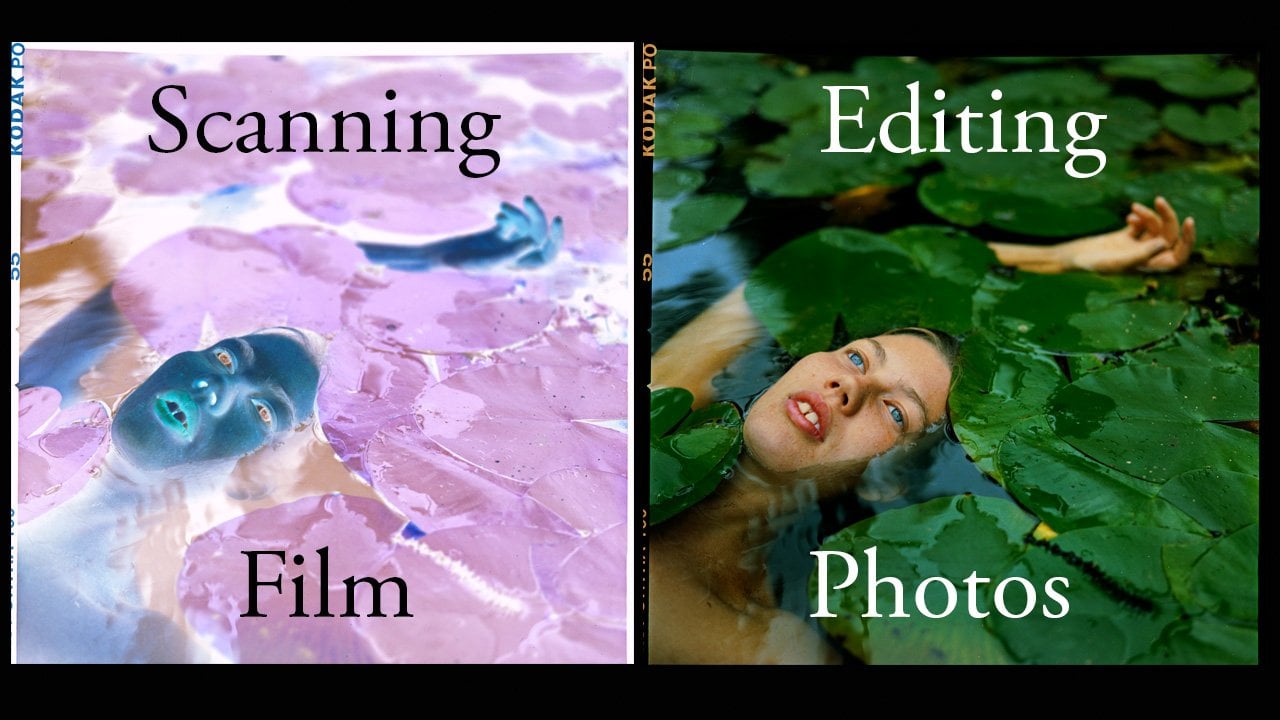
this image quite a lot. I was dialing in my DSLR scanning set up and
this was my test image. And it was one that, yeah, I scanned it like 30 times with different variations
in how the set up was that I really, really like. In the end here, we can see what would have actually like this image
was measured for the sun. And you can see
that the dark areas here are properly falling
off into the dark. And that's what I was
struggling with in this image. Yeah. That the ducks had
this muddy feel to them. This is what happens
when you actually expose properly for the sun and want to see the sun
in the image later. Also as the point where the attention of
the image should go. These were our images. This photo of Eli who
was filming us that day. I took right after the session. I had like three frames
left on the film. Yeah. Had a tiny, tiny little bit of a session. Now, there are
quite many photos. Again, you can see here,
that's all of them. That's a lot more than
we had with at as well. That's much more than
I would actually show. Again, I think
it's overwhelming. It contributes to
the magic to yeah, to not show every single image, but leave a magic by leaving
a lot of the images out. I cut the session short. And some photos I didn't show you like
some don't even make it to the point that I would
bring them up in the course. Because naturally, whether that's shooting
film or digital, you always shoot more
photos than you show. But I particularly believe that narrowing down a
selection a lot helps a lot. Let's go back a
little bit and look at some of my favorites. This would be a first
of my favorites. It's the one that is
probably closest to how I usually run a portway
session or my signature pay, just in this case of two people. I especially like that
it's Sasha who yeah, like I said, is not so used to being photographed
as Dolores is. I'm very happy that
on this image, yeah, I got her a calm, true, honest look of him. Yeah, I really love that image, especially because I don't photograph two people in a
portway session so often, I'm happy that it worked out together with two
people in one image. This one also very beautiful and similar to my
signature portraits. Yeah, I'm liking that
as well in this image. I really like the lighting and the composition with the holes in the windows in
the background. The exposure is just perfect. Technically, everything
comes together very well in that image. I would have loved
if I would have gotten that look into the
camera and not away from it. But yeah, I still
really like that image. I also like, I don't
know if I would put all of the images that
I'm pointing out now together in one gallery. Like they may appear in different series
where they fit in. But this one I really like,
although technically, again, that was a bit of a
struggle with this image. Then in the end of the session, this is where my
favorite really came in, like this one for
Sasha and Dolores, as an image to present
themselves as dancers, as dance teachers and
organizers of events. I'm really liking that because
I feel an honesty in it. And at the same time, there was a creative action
happening in the photo, as you've seen in the session. I didn't come up
with this posture, they just played
themselves into it. If I had to name one photo, maybe this would be my favorite
then with those images. Let's go to this
one. Like amazing, Technically everything
worked out very well. It's impressive. I'm not quite
sure if it maybe for me, leaning a little
bit too much into something that looks as
if it's set up and posed. Maybe it just
doesn't necessarily fit well into a lot of
other work that I do. This is why maybe it's
falling a bit off the table. For me, these are
hard decisions, but sometimes you got to
make a hard decision. Yeah. Keep up your consistency. And I have like hundreds
of these photos, photos that I really like, but somehow they never fitted
into a series of photos. They're just sitting on
my hard drive or some day find their way onto my Instagram feed where I can show them as
a single photo, as a set of three, maybe That would be
one of those. Yeah. The same thing
counts for this one. Technically, very beautiful,
very happy with it, but it's maybe leaning a bit
too much for me into Yeah. Into something that
looks set up and posed with this one. I cheated a little bit. Something that, let's
say I rarely do it. Usually my editing doesn't go very much beyond what could
be done in the dark room. Also, what I did here could
be done in a dark room. It may be a bit tricky, but also that could be done. But usually I don't do that. The face here, I let it
sink in into the black. Sasha was holding his
hand in front of his eye. In this scene, the sun had a very bright spot on the hand and that was
destroying the entire image. While all of this was beautiful, amazing, I loved it. But I was very distracted
by seeing the hand. I blacked out Sasha's head, which was the rest of the head. Not the hand was already
falling into dark a lot. But yeah, I gave it the last little push of the
edge to disappear completely. Yes, that was it. Let's go back to my favorite. Yeah, this will be my one
favorite photo of the session. Let's continue with the course.
10. Portraits in a coorperate setting: You've seen me in two
different portray sessions now in which I was very free
to do whatever I wanted. But every now and
then I do go work. In the corporate world, there are customers
and there are expectations and deadlines
and there are time frames. And I have to work
with a digital camera. Things are just a
little different. For me, it's important to
still bring my approach to photography and portray
photography into those jobs. Because I want to be
hired for what I'm good at and bring my twist to
the corporate photography. I want to have a look at two
jobs with you that I did. One was taken,
portrays of people in office and one was taken
portraits of people. While they're working for that, we're going to jump on
the computer, yeah, have a look at photos and
talk about how do I take this approach that I do when I just shoot
film and do whatever. How do I bring it into the corporate world
and mix those two, and then we'll meet again
in the studio afterwards. Let's go first. We're looking at the
photos in an office. I asked to have
about half an hour, 45 minutes with each of these people that I
photographed there. Of course, when
you are a company and you want to present
yourself to your customers, you want to communicate a friendly image of the people
working in the company. I cannot take an
image of looking into someone's soul when
seeing their struggle. And this is work like
they need to shine. My job in this situation
is it to bring these people into
a state where they can be friendly and open
towards the camera. But because a, I want
to do it with my twist. I don't want these
people to just come in and we have 3 minutes, and I sit them down and I say, hey and smile to me and ba, ba, yeah, yeah,
yeah, yeah, yeah. And just give me
some fake smile. I want to see a truly
honest, friendly person. That is what is asked of
me when I do this job. I have about 30, 45 minutes to get there. What I try to do in this situation is
get those people out of their every day office bubble that they are in where they're sitting in front of a screen. Maybe sometimes they talk
to their colleagues or on the phone and then
the photographer comes and I am
inviting them to leave that desk and to
come be a person. Usually first, I walk around with them
a little bit in the room just to get their
body moving a little bit because they have been
sitting all the time. Then, similar as we've seen
in the other sessions, I talk to them and I am being curious and I want to hear about their work and what they have to what they can tell
me about what they do. And then I can figure out
how much are they may be willing to tell me about their life
outside of the office. I'm trying to build a
connection to these people. I'm a genuinely curious person, so it's not just
something I'm setting up. I'm seeing it as an
opportunity to go into a different world that is not
my world, the office world. And learn something about
these people who live in this other reality than
the one where I live in that's very exciting in this process as
you've seen me before. Also, there are times when
I have the camera in hand, but I'm not pointing it
at the people at all, I'm just having it in my hands. And I'm just being
curious and I'm waiting for something to come up. And also, as you've
seen me before, I sometimes then stop them or I ask them to change their
position a little bit. The aspect of where they sit, what's in the background, where is my light coming from. That is, all of these things are things I have to take into consideration while
I'm doing this. But this is not
happening. I'm not. Bringing this to the
highest importance. Or at least I'm not
letting the people I'm photographing feel that this is something I'm
dealing with very much. I'm trying to really be with them and deal
with the people, with the person who
is in front of me and who who I'm talking to. Yeah. And then we get
to those images where people look friendly and they
look competent and Yeah. Represent the company that they're working for
in a positive way. This is from another
job that I did working for a company. They run places where people
with disabilities work. Not all of the people that we will be seeing
have disabilities. Some have more and
some have less. This company, for many years, used to run a policy
of not showing people, showing them blowy
in the background, photographing them
over the shoulder, rather using symbols of hands
reaching out to each other. They wanted to work with me because they wanted to
show people and they wanted to show
them alive in real and in their actual
environment where they work. This is where I came into play. The time was pretty tight. We had, depending
on where we were, sometimes an hour,
sometimes a little less, sometimes a little more. To cover one place in which
different people work, I have quite a limited time to reach a level of trust with these people that they accept me to be in their working space. And accept me to photograph them in a real way without setting them up
too much and saying, I want you to sit there, I want you to look this way, and I want you to, Nana, I didn't want them to have too much pressure of
having to do something, especially with these people. They're very sensitive or
a lot of them are very sensitive and so do I have
to be as a photographer. Sometimes it turned into some images are rather
documentary images like this one. Because for one, it's something that the company
will be able to use. But it's also for me a
time and an opportunity to just be in the space and photograph them just while
they're doing their work. Give them time to get comfortable
with me walking around there and pointing the camera
at them and taking photos. Sometimes, like in this image, I'm stepping into the situation
a little bit and ask her, for example, what is it
that you're doing there? Can you tell me what
is it that you're actually checking when you're looking at these rubber things? What are you looking for
Then she's showing it to me and explaining it to
me in this image, then showing it into the camera. Like I said before, everybody
wants to be listened to. For someone to come into
their work environment and ask them about their
work and what they're doing. And can you show me this? Can you explain me about this? It brings them alive. I think it's something that every photographer who is
photographing people should be genuinely curious about people and should
have that curiosity. Because then when you bring it into any of these situations, it's not even work. It's just being curious. And that leads to people
opening up to your camera. Of course, in this situation, for example, I sometimes
step in and say, can we take a photo of you
with this photo, for example, I've been around these two
women for about half an hour. At this point, they got comfortable with me
already In the beginning. They were a bit shy, but at this point it became
a bit of a play. It was fun to have the
photographer there. People are much more
likely to open up to someone who is
bringing a fun situation, rather than someone who may be bringing stress or a deadline. Because that is something
that I have the stress and I know there is
expectation and I know we only have a
limited amount of time. But I am not bringing
that up to them. I'm not letting them feel that. I know there is pressure. I'm just bringing curiosity and yet a change in their
everyday life because that doesn't happen
every day that a photographer comes and I'm making it fun for
them to have me visit. As we can see here very well, there are situations
in which I am using the environment
more like in this image, for example, where I'm
really loving this green, green frame of the kitchen. Yeah, it tells me more
about these people. It shows me their
work environment. It doesn't just show me
the face with this image. The company in one image communicate that there are people working there and
that they are friendly, approachable, that
they're having fun. It tells me what they
are doing there. On top of that, it puts it in a beautiful green frame when otherwise an industrial
kitchen is a bit of a difficult place
to make look nice. Another portray in a workspace that this time shows
the face a little more, but it also leaves room for
showing a bit of a room. Like I can see that he's in a wood workshop
without him doing it. There are also photos where he's actually working on
things, but here, just by showing the person in the environment
the person is in, I'm already communicating
multiple things just in one image. And the last image
from this job. Yeah, that was really fun. I really enjoyed that.
Visiting people in their work environment and photographing them
while they're working. In this case, for example, I didn't even have to
tell him to look at me. The session just
became fun for him. And then whenever he saw the camera and he saw
that I'm looking at him, he was looking back at me. Just because I came
with a friendly, with a curious, not intrusive
vibe to the situation. He was open to share, to share his look with me
and share his work with me. Yeah, these were some images about how I bring my approach to portray photography into
a corporate situation. There are different
corporate situations and expectations of customers and many
different things that could be talked about. I would just to give you
a short glimpse into how the approaches I would always recommend to
try to work for people, for companies who somehow who want to hire you for what
you do and what you bring. And not just make you
a tool to photograph, let's say the marketing
person's vision, of course, you will have to take their vision into consideration. But if from the beginning
you feel that they don't really care about you or what
you do or why you do it, they just want you to be
a hand with a camera. It's a bit of a red
flag, at least for me. I want to try to work for people who hire
me because I'm can, because I can bring
certain qualities and I would recommend
you to look out to find those people to work for who want to hire
you for your qualities.
11. Get inspired and Outro: Get inspired. I underestimated this point for a long time. And I want to encourage you to do better than I
did for many years. Looking at people's work
that amazes and inspires us will find its influence
into the way that we work. It's not about making your photos look
like someone else's, but about getting inspired
by how other people work, what techniques they use, what people they photograph, how they find their topics. There are many aspects to that. Getting inspired means to take a little bit of that and add a twist to
your own approach. This can be a little
bit difficult nowadays because algorithms on
social media, Instagram, especially in case
of a photographer, they want to show
you fast spectacle and not necessarily good work. An idea is that you could create a separate Instagram account on which you only follow very
selective photographers, and use it on your computer with an ad blocker instead
of on the app. This little trick, for example, can help you to create a space that is not
overloaded with junk. But it's about
quality photography. There are printed
formats as well, of course, like these ones. Let me show you a
couple. For example, the British Journal
of Photography. That's a very beautiful
good magazine U that you can get a
printed version of. But of course they have
an insagam account, they have a website, and they have beautiful
stories and portraits. Too much stuff on my desk here. Yeah, very good source. Then there are magazines like for example,
the Epic Magazine, just a example for an indie
magazine portrays without a face as we've spoken about before, these little
publications. Um, yeah, they're just amazing
little pieces of creative work that
people put together. I know they cost money and I'm aware that not everybody can always
buy these things. And it's also something
that you need to store me being a bit
of a minimalist, something that I
consider as well. But yeah, they are a good source for good photography because
we spoke about it before. Obviously, focus a photo books. Yeah, they cost money. You need to store
them somewhere. It's not everybody's thing, but this is the formats. This is how photography is
thought to be presented. Actually, if you live in
a city or near a city, there are exhibits to visit. Yeah, I would really
encourage you to try to have a bit of a space in which you can inspire yourself with quality photography that is not overloaded with a junk and reels and just
your friends baby photos. Nothing against the baby
photos is just that. It's mixing in with your
inspiration for photography. I think it's very helpful. I will also put a few names of online places to
visit on the screen. You can post the video screenshot
and look at them later. I think once you are in
that bubble and once you have some of these
accounts that you're following in a separate
Instagram account, what will be recommended to you will also be in that direction. And obviously, let's say the British Journal of
Photography posts something, they will link the photographer and through those ways you can find yourself
inspiration that is Yeah. Valuable for. Yeah, getting good
quality inspiration. I thank you very
much for your time. Yeah. Joining this course, I hope I was able
to inspire you with this dive into my portray
photography practices. You can show us some of your portraits in the
project section below. If you have any questions, then you can also
post them there. If you happen to enjoy the
course, I would really, really appreciate
if you would leave a positive review of the
course here on Scout. That helps me a
lot as a creator, if you want to talk about your photography in more detail and have a one on one session in which we can really discuss
your work and see maybe where would be a
step for you to go, then you can get in
touch about that. And of course, you're
welcome to follow all the social things and have
a look around my website. Yes, I think that's it. I wish you a very beautiful
rest of your day and I'll see you here
one day. Bye bye.
 Ken Buslay