Transcripts
1. Intro : For the first time in her life. Our creativity goes as far
as our imagination takes us. Welcome to the world of AI. Hi, I'm Arnold. I've
been working in the advertisement space for
over the last decade now. I've worked on all types of ads, from graphic ads, billboard
ads, television ads. I've been there, done
that. We're no longer limited by time,
space, equipment. We can go as far as our
imagination takes us. We could be in the future, we could time
travel to the past. We could be in a side
of spaceship right now. We could be anything
that we want as long as your creativity
takes you there. And this is perfect
for creating with a brand campaign or whichever client or customer
that you're working with. Some key takeaways
we're going to get from this class are how to
use creative direction to break down a
brand's core values and use that in prompts as
you're working with AI. By doing so, you have this uniform idea of what
a brand communicates. And then you can
augment your creativity to take your ideas
to the next level. And of course, your clients
are going to thank you for saving them thousands
of dollars because now they don't have to create a time machine travel to the past or fly you to
some exotic island. We're going to learn about the different steps that you need to take as you're breaking down your ideas so
that you can cement a solid thought process
when working with AI. In this class, we're
going to learn about how to understand brands, their ideals, their values, and how to communicate that into an AI prompt And using those
terms that we're prompting, we're going to create
material that is very powerful for this brand to be
able to be used everywhere. And our project for this
class is going to be creating a piece of material for this brand that
you're working with. So if you're as
excited as I am to begin creating with
AI, let's begin.
2. Project: All right, so the
project for this class, we're going to have a brand
that we're working with. And for you, it could be
any brand that you want. A fixed seal brand,
a real brand, your own personal brand. For our example, we are going to have this
brand that I've worked with that is a outdoorsy
motorcycle type brand. Something that is supplementary to that brand that we can create using AI and a bit of design editing to bring
that brand forward. And I'm going to
guide you through the thought process
of what we can make. Because now with AI, essentially we can
make anything right. Like the only limitation is
what you can think up of. But for the sake
of this project, what I want to see from you is a deliverable that is
in graphic form. And we're going to go
through different ideas of what type of graphics that
you can make for this brand that you're working
with and to have it fit on brand with whatever
brand you're working for. Now this should be
really fun because we're going to be
able to replicate a lot of awesome styles that
potentially are outdated, that maybe no one's
making anymore. Or some new styles that are potentially extremely
creative that only you thought of yourself. All right, so let's
get started and talk about how we're going to
approach making this.
3. Deciding What to Make?: So what are we making and
why is it a postcard? All right, let me explain. One of the biggest appeals
of AI is to be able to create immense amounts of
value from very little input. Now this here was
a postcard that I had received from a small
event that Chanel had hosted. It was a pop up event in
a super mall in Asia. And in that event, they
had you go through certain steps and they gave you stuff like this along
with this postcard. Now when they were going through this whole
process to give you a ticket and the perfume, that was also the little
gift that they gave. One of the must does was share
this on your social media. For them to throw
this and to print this on does not
cost a lot of money. This is probably the
cheapest part of it. And for them to be able
to get a share from you as a customer or potential customer is
immensely valuable. Because that share also reaches all of your
friends on social media. And at the same time it
vouches for you and says that, hey, you are
supporting this brand. And you're saying
this brand is cool. So your friends seeing that
subconsciously will think, oh, maybe I'll go buy
this brand in the future. So, and so likes it. Now they do some really
cool things about it, and that is making
these things look nice. Very nice. So nice. In fact, that when you share it, it makes your reputation
look a bit better. Because it shows that
you're in the N with maybe a luxury brand or a brand that has knowledge
of aesthetics and fashion. As we all know, this is a very famous
luxury fashion brand. But the point is that they put effort into
creating something that creates the vibe with the
environment for someone to be able to associate with
this luxury experience. And that once they share it, their friends and family, whoever sees that also get
that impression as well, all at a very minimal cost. And that is the beauty of
using something like AI, to be able to create
a lot of value using very minimal
input, AKA cost. So we are going to
make a postcard because in our time
constraint with this class, a postcard is the most
reasonable thing to do. But for you as a creative, when you're working with AI, consider what can you
make using AI that gives you access to creativity that you wouldn't
have had before. And then with that creativity, how can you work with a brand to bring that brand forward, to add value to that brand for their customers
or consumers? And also at the most
minimal cost possible. And so now that you
understand that concept, let's move on to
the next lesson.
4. Brainstorming: All right, so the first step
that we have to do is to brainstorm as we're
brainstorming and coming up with ideas. This is going to funnel
down and give us kind of these guidelines for us to think about as we're
working with AI. Because AI, since
it's so limitless, sometimes we're actually
confused on what to do. So the fact that we're able to think of these
ideas separately, I think personally is going
to help expand our ideas so much more so that we have
more structured approach to making things. And especially while
we're doing this, this will make things
a lot more on brand. So that as we're creating
whatever it is that we want to deliver for
this brand and for this brand to deliver
to their consumers, it's going to be more on
point and more fitting. So the first thing
that we have to do is a brainstorming exercise. And I suggest having a 1 minute exercise where
you sit down, write it down. I personally use a notebook for a lot of my ideas as I write
them down and as I think. But anything works if you
are more comfortable on your cellphone or on
your laptop or wherever, just whichever is most
comfortable with you. So for the next minute, either pause this video
and give yourself a 1 minute tutorial or a 1 minute run through
and tell yourself, hey, I'm going to come up with a lot of ideas for this brand. And it doesn't matter
if it's a completely related as long as I
come up with ideas. So I'm going to go through
it myself here so you can get an idea of what
it's going to be like. So as you go and do it, you can get a lot
of ideas yourself. Now with this approach, I'm going to come up
with these ideas. And then afterwards
we're going to look at these ideas and see what's relative to
what we want to make. And then move it on
to the next step. And the next step is going to be where we're going
to start making it. All right, So I'm
going to set up a stopwatch and have
a 1 minute timer. And in this 1 minute, I'm going to come up with ideas and we're going to go
through it together. So let's begin. Since this is an outdoor brand and more
of a motorcycle theme, we're going to start with
that ideas motorcycle trip through the desert, Americana. Denim. It doesn't have
to be fully related. Like I said, denim like
Levi's Wrangler and stuff. All of these are connected
to this motorcycle vibe. Maybe sand or gravel,
smoke and rubber. Maybe if someone is riding
their bike really fast, smoke and rubber, grainy film footage, barbecue, smoked meats. Since I could picture
having a motorcycle meet up and having barbecue with
smoke meets backpacks. Backpacking trip, tour
in the mountains, soldiers riding bikes,
maybe darker colors. And our time's just about up. So let's go through this. It's a little bit over our time, but like I said, if you have
ideas, that's totally fine. The main goal is to come
up with different ideas, to just connect all your points. And so sometimes this
brainstorming process can take a couple minutes, like we're doing
here, for example, or it can even be
hours or days long. Sometimes when you're working
with marketing campaigns, the idea doesn't instantly hit, but instead it just hits you while you're going
about through your day. And that's kind of the beauty of marketing too, is
sometimes, you know, you have this concept that you have in mind that
you're trying to advertise for and then you can't really think
of it right away. So you're always thinking
a bit subconsciously. And then as you're
going about your day, boom, it hits you and
you're like, oh, okay, I can do this for the
campaign that we're running, so don't get too worked up about the time that you have to
spend on writing personally. I'm just going to
suggest 1 minute for this class and let's
move on from here. Which the next step is
we're going to look at these ideas that we wrote down and then dig
deeper into them.
5. Augmenting Cognitive Paradigms through LLMs: In this section,
we're going to go and look at the ideas
we just wrote down. And we're going to dive
inside of these ideas. The goal of this is to consider
different words prompts that we can use as
we're generating images through our
AI application. Your takeaway should be what I am thinking of and how I am bringing these ideas
into a different level, as in coming up with more
ideas based on these ideas. And then as we have
these different ideas, how do we compact it and then eventually move on into
the production stage. So let's get started and
go through the ideas. So the first one we got is motorcycle trip
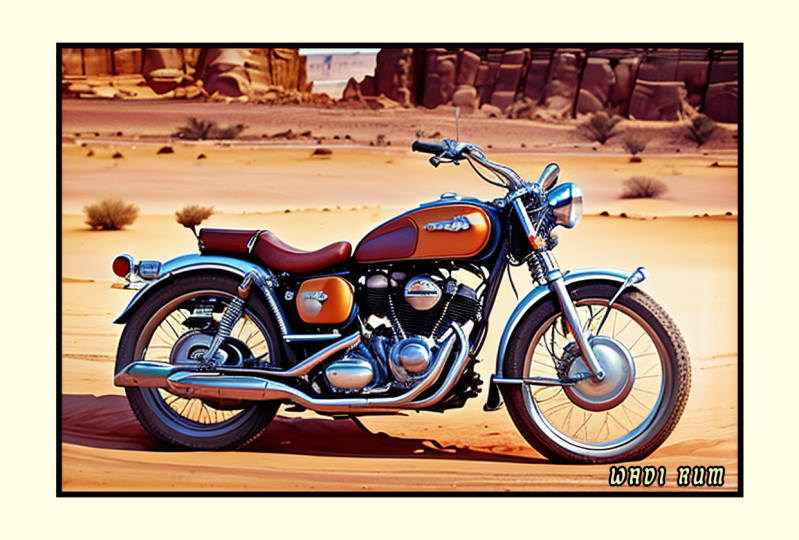
through the desert. So where? Which desert? Maybe Namib desert or Sahara, maybe like Wadi Rum, which is a really
red rock type desert that's super beautiful. And you don't have
to be limited by time or by technology, because through AI we can
take all of these everywhere. So if you can't bring
a motorcycle to the Antarctic coast,
you could do it in AI. So consider how these
places could be represented and tied
to the brand that you are representing,
also, Atacama. Now these are just
some deserts that are on top of my mind that
I think are beautiful. So we'll start with that. But essentially think
about a setting, a ware that we can have to represent what
we want to create. Now next we have Americana. So with Americana, what comes
to mind with Americana? Maybe certain font choices,
maybe certain colors, color ways like maybe
black and white or film like old Western
film colors Fanny. And then when I think
of Americana too, I think of like a vintage
kind of cowboy esque thing. So maybe like rundown signs or store fronts. And that also connects
with the denim. The denim also has
a similar vibe to, it's more of like an outdoorsy, like a rough raw life, which is odd brand
with motorcycle stuff. With the denim, let's consider what type
of denims there are. And I've already wrote down
brands like Levi's Wrangler, but maybe there's salvage
denim, faded colors. Warren in denim or desert
mines where people wore denim. And then that also connects
with the sand and gravel. Sand and gravel gives me a impression of what
could possibly be a background or
what could possibly be around the images
that we're making, but essentially just
like a texture element. So sand and gravel may be a certain type of sand or
a certain type of gravel. Maybe a white sand, gray gravel, marble colored horse,
and one of my favorites. So just keep thinking,
diving down, think about where
these places might be, what might be in those places. And then for the next
one, smoke and rubber, I was just thinking of
like maybe tires that were riding really fast
and it's smoking out. So BF Goodrich is a brand
that comes to mind. And then from there, we can look online and see what the BF. Goodrich aesthetic is like. And research some of that too. So you can get ideas on what type of imagery
is on brand with that. And by being associated
with a brand like this and tying it
back to your brand, it is more fitting
in this aesthetic. And then maybe like fat
tires on a motorcycle. Next we have grainy
film footage, which could be like
eight millimeter film or just grain on images. Which having grain on images sometimes really sells
a certain point. Because if we're doing
a outdoorsy kind of brand and lifestyle stuff and we want to show
off that like, oh, we're shooting this all Ok film, then we put this grain
type look on it. But of course we're emulating
that here with AI now. But it's good to have a
notice, or at least note, these elements and how
it plays a part in creating the whole experience to feel and making it
feel more immersed. And so I also thought
about barbecue with smoked meat because it's a
very American thing that gathering with
friends or maybe this is an event and then
backpacking trip. A lot of people tie backpacks on the back
of motorcycles to go on these like tours around the world,
around many countries. I've read a lot of cool stories of people just backpacking through South America with
a Bic, with a motorcycle. Or people going through Southeast Asia with a motorcycle and they just have a backpack. So I thought of backpacking trip with motorcycle and
these could be spots, like I said, like Southeast
Asia, Latin America, And that also ties into
tour in the mountains. So maybe if you're going
through the United States, there's a lot of tours through the mountains like
maybe the Rockies, Rocky Mountains, and a lot of the different
sites in America. So I can't think of
too many right now. But let's move on to the night. So here I just thought
about a photo that I know about a vintage
bike that I used to have. And there were some American
soldiers riding them. And this was the 1960,
so that came to mind. So you can have
photo inspirations. And then from these
photo inspirations, you can look online and see what other shots there are
that are similar to this. And like I mentioned, we're
not limited to the time, like time period that we're in. We can go back in the past, we can explore the future. So seeing these
photo inspirations, we might want to create something
that is of the past and create this experience that is from something of the past, paying homage to
something of the past. And then finally, darker colors. I was just thinking of like
maybe gray or like black, dark maroon, like the
faded dark color palette. So I was just thinking of the
color palette that could be used when we're discussing something that is
more on the grittier, rough type of style that is fitting for a motorcycle
outdoors brand. All right, so now that
we built this list up, we have a good reference of just certain terms and words
that we can dig into and ideas for us to consider
as we are prompting Up next we're going
to tie this into actually prompting and
creating a product.
6. Foundational Key Prompts: How are we going to connect
all of this together? First of all, we're going
to look through this and we're going to have
a list of prompts, like key terms for our prompts. So from here we can
see that we have a list of deserts of locations. This is a good
starting point for a location of what we want
suburb of our media to have. And then as we move forward, we can think of potentially
a vintage motorcycle, since we're using a lot of vintage elements here
like film grain, maybe even the colors of
vintage style westerns. And we're also
going to use fogts, which are a separate side of this because we're not going
to be generating the fot, but we're starting to
see certain concepts come up that we want to use and note so that we can have them in our prompts as
we're creating something. And the thing about creating
with AI is a lot of it is the preparation
before you make it. Much like cooking
as you're cooking, a lot of it is preparing
the ingredients. You need good ingredients
to have good outcome. And same with this, if you
go in and just prompt that, most likely you're
just going to prompt something with no direction
and not know where to go. But if you go in with the intention to
prompt with direction, with color palettes,
with a theme in mind, with maybe a certain time period that you want to get to that is going to come up with a
much, much better output. Because now you have a
direction that is fitting for the brand and there's a
reason for this to exist. Whereas if you're
just going in to make random images and you know it doesn't really
belong anywhere, unless of course
you're making art, then yes that belongs. But if you're just
going into prompt and just want to throw it
somewhere on the Internet, It's not going to have
as much meaning as when you go in with something that you're doing
with intention. So for you, as you're going through this
part of the class, look through your ideas, see what terms are popping up. Consider what key prompts are. Key terms that you want to
include in your prompt, so that as you're ready to
go create something on AI, you have those terms ready.
7. Rendering on AI (Workflow): All right, so I have the laptop, the notebook with the
terms that we're going to look through
and discord open. Now we're going to
go into discord. I'm going to generate
images based on these key terms that I've
been liking from here, some of these things
that I listed. I'm going to use what these
brought up in terms of key key prompts that I want to include in my prompt.
And I'm going to form Matt It, keep the format that
I always talk about with advanced prompting which is the subject having
a setting for it, styles for it, and
then parameters. So for our generation, I'm going to start
with motorcycle trips through the desert. So there's a couple
beautiful deserts here that I want to try out. And I'm going to go and imagine Vintage motorcycle, that
will be the subject. Where would be in Namib Desert. Now I also want to have
a couple of these. So I want to do the
variation thing, which is having this in Namib
at the Sahara and Wadi Rum. So I'll have four
deserts in here. And these are going to have four different
variations with desert. And I will have the aspect ratio of three or four by three. We want something horizontal and I want it to be shot from a film camera because I like the vibe of a film camera and I think that is perfect
for a brand like this photographed on
Leica film camera. So we have all of
these going and I'm going to press Run
to have it run. And we'll press yes because it's asking if I'm
okay with for job. So four of these are going to run and we're going
to have previews of what it's going
to look like with our vintage motorcycle
in this desert. Now there's also all
these other elements here that we can
pull from as well. So perhaps maybe I want something where it's
a vintage motorcycle in an Americana type style. So maybe it's somewhere in
an American desert or dunes, sand dunes of America, like maybe sand dunes in Malibu or driving
across the Midwest. That as we're looking
through all of this too, what other terms do I see
that I could probably use? So right here, there's
the filmy grain stuff, which is why I decided
to do a film camera, which as you can see here, there's not much grain on it. But if we had decided like to use something that is
of a 1970s film camera, you'll start to
see more grain and have it look more
realistic. So here I like this one a lot.
This top right one that looks like
it's from the past. Some of these look like they're bikes that aren't working, like the left two, so I
don't like those too much, but I like this one
on the top right. So I'm going to have
variations of that. And I'll press V two and
run some variations. Now we'll look back
at this one as well. This is at Takama Desert and it's got some
cool looking bikes. I like these ones with a
backpack strapped on them. It looks like a road trip. So I'm going to actually upscale this bottom left one because I like
that one a lot, a lot. It really looks like
a road trip feeling. The one on the top right
as well looks really good. And this one on
the bottom right, I'm probably not going to
upscale this bottom right one, but I really have a
affinity to it because it reminds me a
lot of my old Bke, which was a 1967 Honda. So I will upscale the bottom
left and the top right. Now this one's a bike
through the Sahara desert. Beautiful photo on
the bottom right. I'll upscale that one now. Sometimes with AI it does have some weird things happening
like on this top right photo, but it's all right,
we'll skip that. Although I do want to
see some more variations of the bottom right one. Now with the bottom right one, I'm going to do a variation. And as I do variation, I want it to be a wide
shot of this motorcycle. So I'm going to have majestic, wide photograph of
vintage motorcycle. Now the reason why I want
it to be majestic is so that it could be very
awe inspiring. And when you put in words like that,
it's going to look for something that is more awe
inspiring or majestic. Now, I could also put
awe inspiring in there, but I think majestic
will do the trick. So I'll submit that
and let that run. And then here, this one
is of the Namib Desert. This looks very Americana, but not something that
I like personally. Of course, this could be
good photos to have ads in, like this one on
the bottom left. You could have
texts and stuff pop up in the middle or
just written on there. And it will look good
because it's center framed. But since we ran those two, let's see what
else came up with. So here's the first one that
I ran for variations of the bike and the
water rum desert and it looks like a
very similar bike. Now when we zoom in a bit, we can see that it
is looking like a British service bike
from back in the day. So that's pretty neat, but with things like
this, of course, there could be some
minor mistakes on the engine and whatnot. So I'll go and do one
more thing with this. I'll make it a 1970s photo. Now this way it will
have some grain and it'll make it more realistic to have this effect on there. So I'll add with grain of vintage motorcycle in the desert and we'll see what we get. And here's the
other one with the majestic wide shot that
I was talking about. It does look like a fun trip. This bike is just riding
through the desert, so we could possibly
use some of them. So I will go and upscale it and see what we can
do with it later. But before I do
that, I will have the other effect that I
did in the last photo, which is 1970s grainy
film photograph of Majestic wide
vintage motorcycle. Of course, another
approach to this is instead of putting
a wide shot in there, I could have expanded the image by using the
zoom out function. So say for example,
I really like this red bike and I want to take this bike and
use that same shot. I could press zoom out two X. Now we'll do that anyway.
So we have two images of this bike in case we decide to do something
very zoomed out. So load here and
then we can check on these last images
of the grainy film. So this bottom left one had some grain and the other
one's not too much grained, which is typically the default
for something like this. It doesn't want to have
very grainy photos, which is fine if you
want to grain effect, you can go and do it
post processing on Photoshop or other softwares that you're comfortable with. All right, so here are
the zoomed out images of that red motorcycle. I'll upscale one of them just to keep maybe the second one. And here's our other
1970s vintage bike shot. Nothing here really
speaks to me. So we're going to skip
this one and we're going to go back into
these ideas that we have. Maybe we can have motorcycles on the sand and
gravel with smoke, like burning smoke up. Or a group of people with
a barbecue met up like a Sunday barbecue with motorcycles next to it.
That could be fun too. So let's go and have a
couple generations of that. So I'll imagine for
the first one we'll go vintage motorcycle on sand and gravel shot on the style which I typically like these
like a film cameras. Like a film camera. And then since we already
had a pretty wide shot, I'm going to go back
to the front and add close up photograph. That way it emphasizes on the close up aspect as it
starts generating the image. It's a close up image
first because if it's generating something like what we did before and it's wide, it's harder like
along the prompt. Because the image is changing
as it goes down the prompt. And if it's way
down in the prompt and you decided to say, let's make this image wide, it's most likely
not going to do it because it had
already started and built to frame the
whole structure of the image on
something that is wider. So I'm going to do
close up photograph first and let's see
where we get now, We also mentioned the barbecue, so I'll do a barbecue shot. Vintage motorcycles next to barbecue grill with smoked
meats, American style. And also do the close
up vintage shot. Again, an aspect ratio
of four by three. And let's see what we get now. This is the close up shot of the vintage bike with sand
and gravel. Pretty cool. I like the top right one a lot. This looks very neat,
but it doesn't have that complete wow
factor to me yet. Let's go back in here and
look at what we have. Then. Here I see maybe Southeast
Asia and Latin America. What elements from these places could we implement into this? And since, like I
mentioned earlier, there's no limit
on what creative, whatever creative
ideas that you have, like time, place, and whatnot. So let's take this
into Southeast Asia, so the jungles of
Southeast Asia. So I'll move this
part here and I'll still have that close up shot of the vintage motorcycle on sand, but in the jungles
of Southeast Asia. And of course still shot
on the Lycafilm camera. And I'll have this going now. Here's this close up
vintage motorcycle meet up with the barbecue. Not quite the vibe that I like, but potentially
we could use this for something so
we could save it. Now I think these
colors are a bit wild. So if we do use
something like this, we could go back and edit the colors and make it
something that is more fitting. Okay, so I will upscale
this third one and if you feel like there's so
much or too much focus on the motorcycles. As you can see, there's a lot of motorcycles instead
of the smoked meats. Maybe we're promoting a smoked meats event,
like a barbecue thing. Then we could start
out by having the barbecue first
before the motorcycles, so we could go close up of barbecue grill with
smoked meats next to vintage motorcycles
shot on Leica film camera, since we like that,
Leica Vintage Five. Now here's the
close up photos of the vintage bikes on the
beach in Southeast Asia. I do think these look like bikes that might not be working, so I'll go back and
fix a bit of it. Now, I do like this one on the bottom left and
the bottom right, but let's go and
fix up and give it a model name instead of just
saying vintage motorcycle, let's say a Royal Enfield. Like a 1970s Royal
Enfield motorcycle. So here it needs a bit of knowledge on what
is maybe popular in the scene or the niche that you're currently
making your generation on. So I knew about the brand Royal Enfield and I'm
going to use that in here. So it comes up with something
that is a bit more accurate and stuff like
that should pop up as you're coming up with ideas, when you're writing these downs. Maybe some brands pop
up like we used the Levi's and Wrangler earlier. Of course, I didn't
come up with these motorcycle brand names
because it didn't pop up at the time we were
doing some short exercises. But if you have a long time and as you're working
through this, your project names
and ideas will pop up and you can use it as
you're generating images. All right. So here's
the barbecue shot. These are some pretty
big motorcycles. So let's go and have some
smaller motorcycles as well. And again, have a bit of knowledge about the
subject that you're doing. So I'd have a CG 125 Honda, which is a small bike name, So I'll reference images of that bike and then I'll
put it in this shot. So I'll run this
again and then we'll scroll down and see
what we have on this, which is our other generation. So it still seems like these are really old bikes that
it's showing here. Some of them look
pretty decrepit. Now, I'll go in and
I'll add restored. So since we're doing
a vintage bike, let's have a restored
royal field. Hopefully that way show
with a new shinier bike. But regardless, I do like the vintage field these as well. So whichever works now, I decided to add the
motorcycle on Gravel Road next to Sandy beach in the
jungles of Southeast Asia. This way we can have
this special scene that is very unique
without flying there. And maybe if you want to, to make it more specific, instead of jungles
of Southeast Asia, you could have a
specific island in mind, Sami, which is an
island in Thailand. So I'll put that in
there and then I'll submit it and see what
we generate from that. Now with these images, I
do like the feel of it. I think it is a bit off the beaten path and
not even on a path. So we'll go with different generations since none of these really stick out to me. But since I do like the vibe
of this and the styling, let's go and change
it up a little bit. I'll have an area
of photograph of this 1970s bike riding through the jungles
of Southeast Asia. Now of course it's not
going to be on the, a film camera anymore
since it's flying. And I did mention here
some darker colors, so I'll add in dark, warm, sunset colors or tones. Okay. And I'll submit
that and see what we get. So the barbecue one
looks pretty good. I'll upscale this
third one just a two, and then we'll see
the other ones, which is on the beach
with the dirt road. Nice. I do like these a lot, so I'll upscale the top left
and the bottom left one. Could even use the
top right one. So I'll upscale all
those three and then I'll go down and check these
other photos that we got. Okay, so here, the
aerial photograph just rendered and
it looks amazing. It's through the jungles with some smoke like
we mentioned there. And we didn't even
prompt that one, so that was just lucky, and I like this a lot, so
I've saved a few of these, you know, upscale, the first
one and the third one. And I do like the
vibe of this so much that we should build another
scene on here as well. So let's go back and instead of these jungles
of Southeast Asia, I do like that aerial shot. Let's have something with
the other ones that we did. Maybe the Sahara Desert. So we'll go back and
replace Southeast Asia with the Sahara Desert
with the same tones. And let's see what we get now. I'll also try to do a backpacking trip and let's see if they have a
backpack generate for us. And instead of
Southeast Asia, again, I'm going to have the wadi
run and I'll submit this. Okay. So here are the ones
that we have riding through the Sahara desert and I think a more vintage
feel will be cool. So let's have the
beginning start with 1970s photograph and instead of a Royal Enfield motorcycle, we can have like a Yamaha DT, which was one of the
original off roading bikes. All right, so I'll submit that and we'll see what we get now. The other one had finished
the wadi Rum one. And this looks like a fun bike trip with a couple of guys, three guys riding through
the beautiful scenery. I am 100% going to take these
shots and upscale them. Upscale one and upscale
the upscale three. Okay, and I do like this vibe, so let's continue with this
and do maybe an action shot just so we can get
another scene. And let's go. So here are the
Sahara Desert shots, and the top right and bottom
left look pretty good to me. So how upscale those, and we'll keep those upscale
two and upscale three. Then here's the action shot. Now, do you still like
that vintage Field? So let's go and redo this with the 1970s photograph style. And I'll take out the
Royal Enfield just to have it motorcycle just
to see what it can do. And for this one,
let's have it in black and white film photo and then instead of action shot, I'll have a speeding shot. Of course, we can
go even further back into time if
you want and we can do something like a 1930s
road trip through America. So we'll take this
out and we'll do 1930s photograph of motorcycle
road trip through America. Filmed on Leica camera or photographed on a film
camera and aspect ratio, the wide like we've been using. And let's see what
we get from this. I'm pretty optimistic
because I think 1930s could be a very interesting time that is rare to see
a photograph of. And if we do like that style, we could even do an aerial
shot from the 1930s, which is even more rare
because at that time you'd probably have to fly a plane
to be able to get that shot. And since we're generating it, let's just go ahead and do it. Ariel 1930s photograph. All right, let's go and so here are black and white
shots that generated, I think they're pretty neat. So let's go and save them. All right, so here
are the 1930 shot of a motorcycle road trip. Let's open it up and get
a little more close up. So of course with AI, here's a guy on the side
doing something strange. And this one is also
pretty neat here. This looks cool like a simple
old school motorcycle. But I do like this one
on the bottom right. It does look like it's exploring the American Frontier
way back in the day. So we'll save that. And our other aerial
generation also finished. So let's take a look as well. And this is of people on a
road trip through Old America. And I like this as well. It's very scenic,
so let's save them. And at this point we have a good amount of photos already. You can get even more creative. But you understand the concept that as we're brainstorming, we came up with a lot of coal terms that are
on brand with what we're making and eventually plugged it all in
together to make this. So up next we're going to see how we could
implement this into actual usable material for certain brands or projects
that you're doing.
8. Application and Examples: All right, so now
we're going to jump into Canva and I'm going to show you how we can apply some of these images
that we generated. And I like Canva
because it's simple. It's got templates
for you ready to go. If you want more control, you could use
Photoshop in design or other platforms that you're
more comfortable with. If you specifically have a certain effect that
Canva doesn't do, then absolutely I
recommend going on there. But for now, since this is
such an easy platform to use, there's a ton of
different designs that we can just tap into, then I recommend using Canva. If you don't have any or
much design experience, Canva can be a very
powerful tool to use. Now, since we said we're
going to do a postcard, this is our postcard template. And since we have this
template ready to go, we're going to drag in some of these images and create that
vibe that we were going for. So the first thing that I would do is I will bring in an image. Now we have our
generations here, and since this really
could be for anything, let's just pretend we have an event celebrating old
classic motorcycles. So I will bring in something
like this, for example, to replace this old image
that they have here. And then I do like a full
screen kind of thing, or at least a full card thing. And now you see that there needs to be adjustments, right? Like the font is being
blocked by the mountain. So you could move it up, you could also move
different things around. Now since this is
simple and done, already has brand
name, the event, we could just have August
Motorcycle Club and then event could be a
boy gathering 2024. So this is also a little
blocked by the mountain. We can do different
things like drag it to the side for a
different element, make it smaller even. That's really up to
you at this point. Even something like this
works, you know, just smaller. But it still highlights this. And now you can think about what colors would fit with this. Since we were going for
an old vintage type feel, motorcycle club type feel, I could potentially
see this being yellow. And then once I changed
this fault to yellow, it has this black and
yellow type to it. And then depending
on the vibe as well, you can go into your
fonts and see what is a more applicable font
for your application. So for example, here I
have a lot that I liked, like these for certain brands. Like if I wanted to
be a bit more classy, I could do something like this
and just change things up, maybe put it down here. So the key here is to
have the image that you made on AI not really be
noticeable as the key element. So here, most likely
people wouldn't think that the first thing
they'll notice is that this image is AI generated. They'll probably notice
that this is advertising a motorcycle club or a meeting
for the body gathering, and that's what they'll notice. So then now that you have
this good looking postcard, you can go down and edit
the rest of the postcard. Now this is of course
outside of the AI realm, but we could use canvas
magic, right, or something. And just, right, so
I deleted some of the extra texts and just
kept this one for example. And that we could
use the magic right, that they have on Canva and just change the tone of
make it fun or, or whichever that you like. So this will give
you some more ideas if you use the magic, right? And of course your
address goes here, so I just had a random one. But essentially this is it. Now, of course, you could
even take this out too, so that your customers can
fill in what they fill in. So as you went through
this template, you get to see that we made a motorcycle club postcard using AI elements without
having the AIB. So overbearing that
people are like, oh, this is AI, which is the
perfect formula for using AI. It's actually to amplify what
you have going on already, which is our beautiful postcard. Now there are other
templates also that I was looking around at
that looked really cool. So I saw this one. And for example,
with this one we can drag in some of
our other images, like for example, this. And then with this we can
fill up the screen and have a postcard or an
advertisement thing for a movie night, like
I mentioned before, our real exercise from this class is to
learn how to be able to use AI to amplify your brand or whichever
project you're working on. So here we're able
to get a shot of someone in a motorcycle
in the desert. So this could be a movie
night for a certain movie, maybe the movies called Wheels Out 2024,
something like that. And then here for brand slogan, you can even have
maybe your time for 08:00 P.M. Pacific
Standard Time, for example. Now I just replaced a background because I remember there was a logo on the bottom. And then with this logo that was already
in this template, you could replace
with your own logo. And then it'll look
like this, Cool. Banner design like
this looks good. Now I would move
this element a bit closer because it looks
a bit out of place. But once it's closer, I think
this looks a lot better. And so here we have this banner
looking ad for our brand. And of course it's followed
up with another page, two. And as you go through
these templates, you'll see that there's a
lot of different templates, sometimes many pages
within one template. So for this one I'll
just add in some images. And then these images will be, for example, looking on
something like this. And then you can advertise
the movie or the event. Or if this is like
a thank you card, this could be thank you. You know, if somebody
buys from your product and this could be a
thank you message. Now I also looked at this other template.
This was really cool. It's very fitting for this contemporary looking
cinematic kind of feel and for something like this, I thought maybe this
one would be fitting. So I'll set that image
as the background. And then now we have
this beautiful image of a motorcycle riding along
the ocean as the background. And none the wiser for everyone that's looking at it because they'll
see and think, oh, this is a beautiful decor. Now this could be
something else, like maybe a film that you're
showcasing for your brand, or a video advertisement
that's going to go live. So it doesn't have to be lazy Sunday, it could
really be anything. Cozy, rides, for example, and then this could
be your brand's name. Now if it's blocked
by something, move it around, see where
it pops out the most. Maybe sometimes even
put it on the bottom. And then just play
around with the different elements
that they have. So here you could have
maybe upcoming preview of our feature film. And then maybe write a bit
about it going from Changu to De in the tropical
island of Bali. And then just write a short
description if you need, you can use the magic
right function. Again, expand on it, and for example,
I has changed the top 21 says good times, one says speed tires. But essentially, just like that, you're able to
make this graphic. And now whenever somebody comes to this event,
they can see this. Or you could use this as
advertisement when you post at restaurants or cafe shops cere affiliated with your brand. Or this could just be
sent out in the mail. It really depends what you're
using certain content for. Now this other
template I also really like because it's
just a film reel, it should be super easy and this could be
social media content, for example, you put it
on Facebook or Instagram. Here all you have to do
is replace these images, which I'm doing now, so I won't have to bore you
with the individual details. And so here we have it. I replaced all these
images and then we have something that's
on theme for the brand. So of course this
doesn't have to be body, we just use that example. And it could be showcasing motorcycles of maybe
a certain brand, custom motorcycles of August. Maybe since that's the brand
we had for an example. And then now you have a little postcard looking like this, which could go anywhere
that you wanted. So from this lesson, I hope you got to take away that our practice is to
make this postcard. But if you use other templates such as these other
ones that I showcased, you can have these
beautiful premade templates that you could also put in other different places. And like I recommended,
if you need specific changes or
specific effects, you can use Photoshop
in design or whichever design platform that you're most comfortable with.
9. Conclusion: Congratulations on
finishing the chorus. Now you know what the process
like in creating with AI and the world has
expanded to you. For example, I've done work
such as this where I've done AI art to supplement
this T shirt design. And otherwise, you know, we wouldn't have this
beautiful Asian inspired Tiger for you. You've learned
in this whole course how to ideate what is perfect for the brand
that you're working with. What's on brand, what
is that aesthetic. And then breaking that down into the key elements that
you're going to use as you're prompting for
beautiful AI work that supplements what
that brand needs. And that finally we went
through with creating art and creating different mediums to present that work
that you created. Now I'm very excited to see what you post in the
project section below. And if you want
to keep in touch, I do always make these
AI courses teaching you how to be better creatives and augmenting your creativity. So if you want to follow along, you could follow me
here on Skillshare or many other platforms as well. And I'll see you in the
next course that I release.
 Arnold Trinh, Multi-Disciplinary Creative