Transcripts
1. Welcome To The Class!: Hello everyone. My
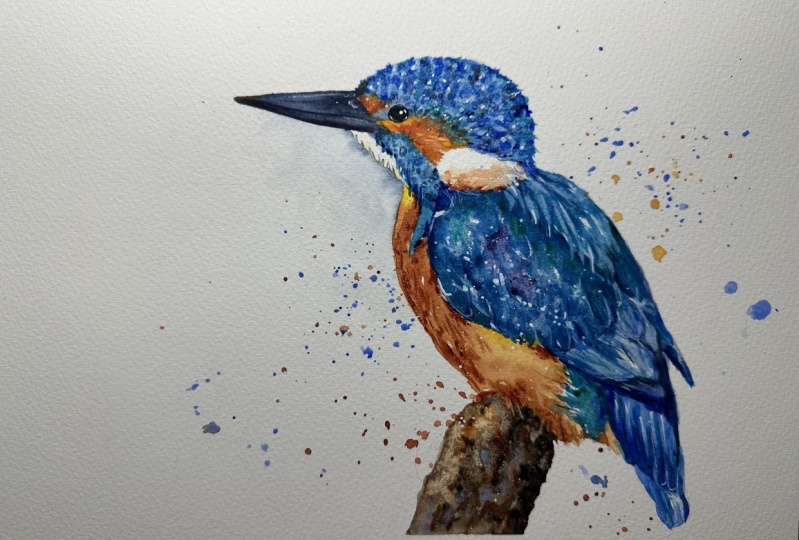
name is Will Elliston, and in this class we're going to capture the viber beauty of one of nature's most captivating creatures,
the kingfisher. With it's magnificent colors
and graceful presence, kingfishers have
long been a symbol of inspiration for many
watercolor artists. Watercolors have a translucent, ethereal quality
that can beautifully mimic the delicate feathers
and textures of kingfishers. It's also a perfect
opportunity to explore the power of
complimentary colors, in this case, blue and orange. We'll see how they work together to create an engaging
piece of art. I've been a professional
artist many years, exploring lots of
different subjects, from wildlife and portraits to city scapes and
country site scenes. I've always been entranced by the possibilities of watercolor, but when I started,
I had no idea where to begin or
how to improve. I didn't know what
supplies are needed, how to create the
effects I wanted, or which colors to mix. Now, I've taken part in
many worldwide exhibitions, been featured in magazines, and been lucky
enough to win awards from well respected
organizations, such as the International
Watercolor Society, the Masters of
Watercolor Alliance, Winsor and Newton, and the SAA. Watercolor can be overwhelming
for those starting out, which is why my goal is
to help you feel relaxed and enjoy this medium in
a step by step manner. Today, I'll be guiding you
through a complete painting, demonstrating a variety
of techniques and explaining how I use all
my supplies and materials. Whether you're just starting out or already have
some experience, you'll be able to
follow along at your own pace and improve
your watercolor skills. If this class is too challenging
or too easy for you, I have a variety of classes available at different
skill levels. I like to start off with a free expressive
approach with no fear of making mistakes as we create exciting textures
for the underlayer. As the painting progresses, we'll add more details to bring it to life and
make it stand out. I strive to simplify
complex subjects into easier shapes at
encouraged playfulness. Throughout this class, I'll be sharing plenty of
tips and tricks. I'll show you how to turn
mistakes into opportunities, taking the stress out of
painting in order to have fun. I'll also provide you with
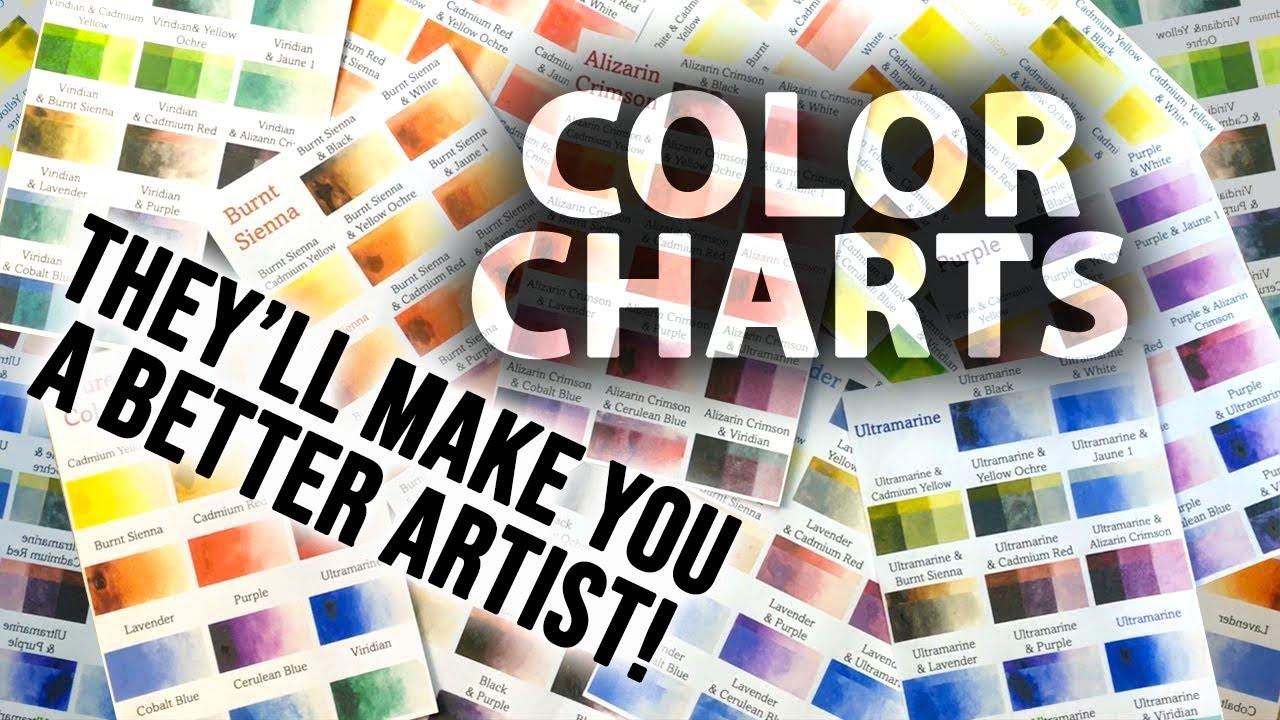
my watercolor mixing charts, which are an invaluable tool when it comes to choosing
and mixing colors. If you have any questions, you can post them in the
discussion thread down below. I'll be sure to read and
respond to everything you post. Don't forget to follow
me on Skillshare by clicking the "Follow"
button at the top. This means you'll be the
first to know when I launch a new class
or post giveaways. You can also follow me on Instagram @willelliston
to see my latest works. Are you all ready? Fantastic. Let's begin our
watercolor journey and unlock the beauty of the
kingfisher together. Let's go
2. Your Project: First of all, thank you so
much for choosing this class. I'm very happy that
you're joining me here. Today we're going
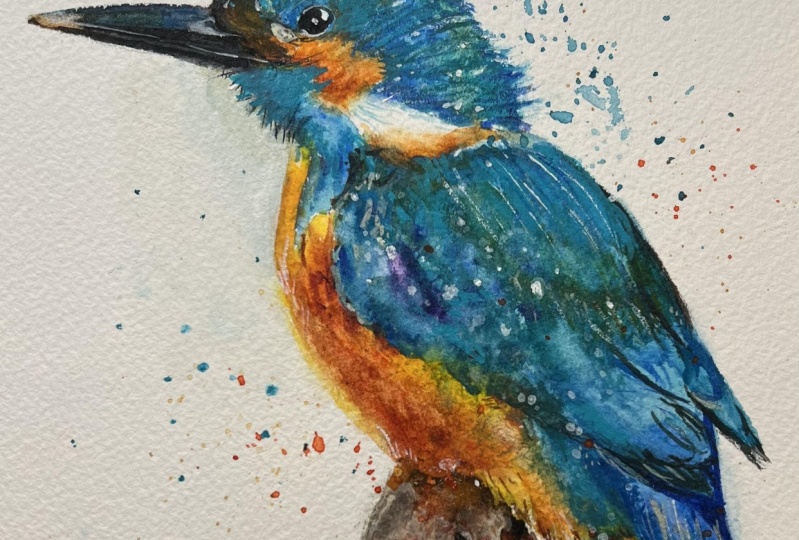
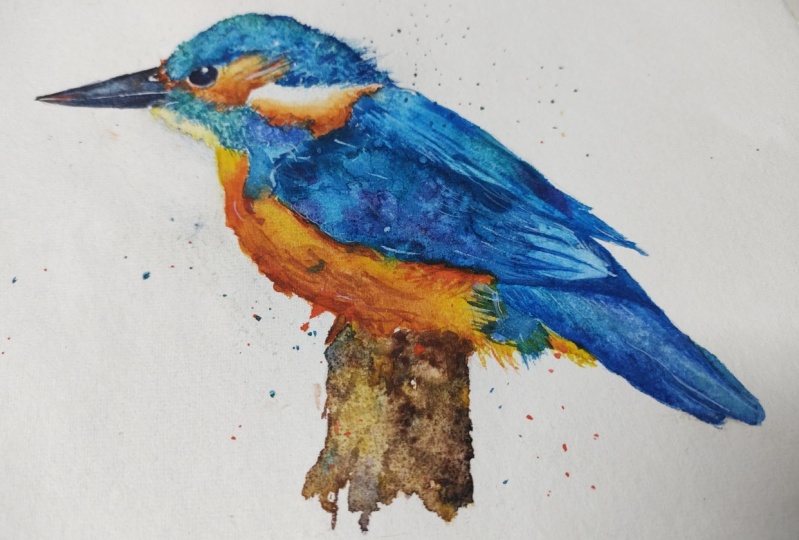
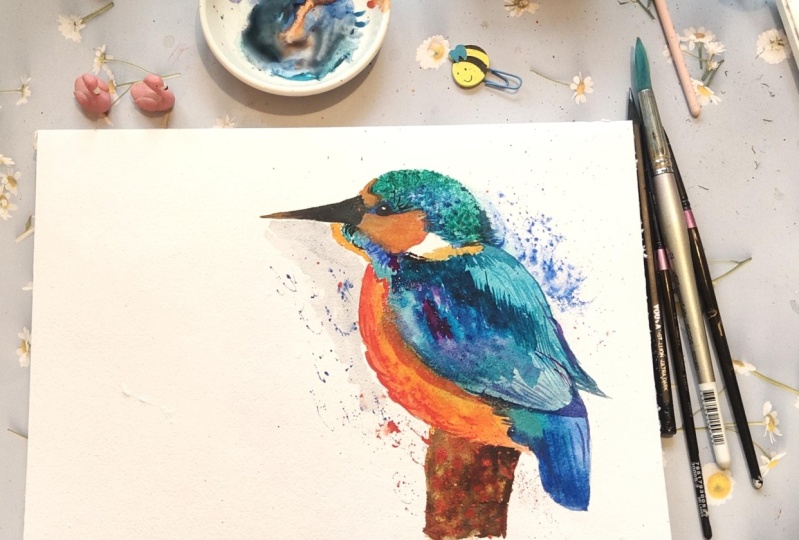
to learn how to paint a vibrant king fisher. I love the majestic
colors in a king fisher, ranging from brilliant blues and vivid oranges to
the earthy browns. They offer us a rich
palette to work with these striking hues allow us to explore the play of
light and shadow, the interplay of
warm and cool tones, and the harmonious blending
of colors that are essential to creating depth
and realism in our work. I've planned out a
step-by-step approach, but if you're feeling brave, you can add your
own individuality to it and truly
make it your own. Maybe you want to incorporate
different colors than I do. In the resource section, I've added a
high-resolution image of my finished painting
to help guide you. I've also included
the photo reference will be using for this painting. You're welcome to
follow my painting exactly or experiment with
your own composition. As we are going
to be focusing on the painting aspect
of watercolor, I've provided templates
you can use to help transfer or trace the
sketch before you paint. It's fine to trace when using it as a guide for
learning how to paint. It's important to have the under drawing correct so that you can relax and have fun learning the watercolor
medium itself. Whichever direction
you take this class, it would be great
to see your results and the paintings you
create through it. I love giving my
students feedback, so please take a
photo afterwards and share it in the student
project gallery. Under the Project
and Resources tab. I'm always intrigued to
see how many students have different approaches
and how they progress with each class. I'd love to hear
about your process and what you learned
along the way, or if you had any difficulties. I strongly recommend
that you take a look at each other's work in the
student project gallery. It's so inspiring to see each
other's work and extremely comforting to get the support
of your fellow students. Don't forget to like and
comment on each other's work.
3. Materials & Supplies: Before we start the painting, let's go over the materials
and supplies that I use. Having the right materials can greatly impact the
outcome of your artwork. I'll go over all the supplies I use for this class and beyond. They're very useful to have at your disposal and will make it easier for you
to follow along. Let's start with the
paints themselves. Unlike most of the materials
we'll be using today, there is a lot to
do with preference. I have 12 stable colors in my palette that I
fill up from tubes. They are cadmium
yellow, yellow ocher, burnt sienna, cadmium
red, alizarin crimson, ultramarine blue, cobalt blue, cerulean blue, lavender, purple, viridian, black, and at
the end of the painting, I often use white gouache
for tiny highlights. I don't use any
particular brand. These colors you can
get from any brand. Although I personally
use Daniel Smith, Winsor & Newton,
or Holbein paints. Let's move on to brushes. The brush I use the most is
a synthetic round brush like this Escoda Perla brush
or this Van Gogh brush. They're very versatile because not only can you use them for detailed work with
their fine tip, but as they can hold
a lot of water, they are good for
washes as well. They are also quite affordable, so I have quite a few
in different sizes. Next are the mop brushes. Mop brushes are good for
broad brushstrokes filling in large areas and creating
smooth transitions or washes. They also have a nice tip that can be used for smaller details. But for really small
details, highlights, or anything that
needs more precision, I use a synthetic
size zero brush. All brands have them and
they're super cheap. Another useful brush to have is a Chinese calligraphy brush. They tend to have long bristles
and a very pointy tip. They're perfect for
adding texture or creating dynamic lines
in your paintings. You can even fan them
out like this to achieve fur or feather
textures as well. That's it for brushes. Onto paper, the better
quality of your paper, the easier it will be to paint. Cheap paper crinkles easily
and is very unforgiving, not allowing you to
rework mistakes. It's harder to create
appealing effects and apply useful techniques like
rubbing away pigment. Good quality paper, however, such as cotton base paper, not only allows you to rework
mistakes multiple times, but because the pigment
reacts much better on it, the chances of
mistakes are a lot lower and you'll be more likely to create
better paintings. I use Arches paper because that's what's available
in my local art shop. A wood spray is
absolutely essential. By using this, it
gives you more time to paint the areas you
want before it dries. It also allows you to
reactivate the paint if you want to add a smooth line
or remove some paint. I also have an old rag or t-shirt which I use
to clean my brush. Cleaning off the paint
before dipping it in the water will make the
water last a lot longer. It's always useful to have
a tissue at hand whilst painting to lift
off excess paint. Also, you never know
when an unwanted splash or drip might occur that
needs wiping away quickly. I also have a water dropper
to keep the paints wet. When you paint, it's
important to have them a similar consistency to what
they're like in the tubes. This way, it's easier to
pick up sufficient pigment. A hairdryer is useful to have, for speeding up the drying time and controlling the
dampness of the paper. Lastly, masking tape. This, of course, is just to hold the paper down still onto the surface to stop it sliding
around whilst painting. Also, if you plan on
painting to the edge, will allow you to create a
very crisp clean border. That's everything you
need to paint along. I highly encourage you to experiment and to play around with what
works best for you. Now, let's start the painting
4. Composing The Sketch : When it comes to coming
up with a composition, I'm going to sketch it
here in my sketchbook because I can add
little notes and annotations that will help remind me what to do
in the final painting, and of course, you can see how I'm thinking when I'm
coming up with ideas, and I can't write the notes on my main paper during
the final painting. It's a good opportunity for
you to see how I'm thinking. I've already done a few
different paintings in my sketchbook just to come up with some
ideas for this class. Originally, I thought
I'd do the bird flying midair but
after a few attempts, it just didn't feel right. I think I'll go for
a seated pose here, a woodpecker sitting
on a branch. I also experimented
with a few textures here on my sketchbook
because some of the patterns or the
feathers reminded me of some of the textures
and techniques you can achieve with
watercolor and salt. I tried different
consistencies of water, different drying times, and I'll explain
how to do that when it comes to the
painting process. But for the time
being, let's get on with coming up with the sketch. Now, I'm going to draw the
bird slightly off-center on the right-hand side as it's
looking towards the left. Like that, some
more dynamic pose. I'm using a traditional
pencil to begin with rather than my
mechanical pencil. Because it's easy to rub out any mistakes using a
soft lead pencil like this. This is a 2B pencil. I'm just using very light
circular lines at the moment. This sketch working out the composition
doesn't have to be accurate because it's
not the final painting, it's just working out how
you want things to be. Where the lights and darks are, where the different colors
will mix and merge. Just getting your mindset into how you want things
to be done on paper. Of course, you can use
the templates I've included to get your
sketch to how you want it. Because it'll take me a bit of time to sketch it out
properly on the paper, so I think I'll do
that off-camera. So that when it comes
to the painting, we can focus on those techniques because
you can always improve your sketching abilities
outside of the class. I want to demonstrate all
the watercolor techniques, so we'll focus on that today. Once I've done the
rough outline, I go back in with
a thicker mark. Of course, King Fishers
are mainly turquoise, blue color, green,
with some orange in. Those are lovely, complimentary colors
that we can work with. Nice and exotic. They bounce off each other and look very vibrant together. I'm just very softly sectioning the different colors according
to the reference photo. The wings comes down here. I don't think I need to
use my mechanical pencil. It's one of the
good things about watching the class
before you paint along. Because I say things at the beginning, that
sometimes change. That's what's are all about. It's about impulsiveness
and going with the flow. Sometimes, not everything can
be planned of watercolor. In fact, the more you plan, if you over plan things, it loses some of the magic. It needs to be spontaneous. I suggest students to watch
the whole thing through first because even though I try and foresee what
I'm going to do, it doesn't always
end up that way. That's the main outline. Now, I'm going to
add, of course, when I come to draw
this out on the paper, I won't be adding
these shaded areas. I'll just keep the outline. But some fibers here that
are very vivid and bright, and I want these sections here to be light on
a dark background, and there too, light on dark, and maybe a bit down here too, maybe have a bit of
that down there. It'll be very subtle, but just
enough to make these pop. Let's put on D, just to remind me of that. Then maybe I'll have
a few splatters, I'll just sketch those
in just to get an idea. Of course, when it
comes to painting, I'll flick with my brush. I'm just getting
an overall idea. Then, I could put a rough idea of where
the shading will be. I want some dark bits here. Of course, I want the beak
to be darker and the eye. I'm using this just think
about how I'm going to do it. It might not look very clear, but I'm just getting an idea of where I
want things to be, and how it's getting
them to work together. You have a bit of
a contrast here. I won't necessarily
write these notes down. I'm just doing them
for your sake. But I'm just getting a
few visual points that will look very excited
with watercolor. I'll take my time to sketch it out properly
on paper and then we'll come back and
start the painting.
5. Starting The Painting: I'm all set up ready to paint. Got my references here. The first thing
we're going to do, because it takes the
most time to dry, is actually create
the salt textures on the top of the head here. Because the salt it
compacts the water inside and it takes
much longer to dry. We don't want to use a hairdryer
straightaway for that, so we need to allow it to
dry naturally for a bit, which can take a bit of time. Let's start off with that. The way I do it is I look
at the area that I want to have this texture
and I wet it. I already have my salt at hand. This is sea salt, which
is thick granules, not the fine salt. I just wet the area where I
want to add this texture. I also have everything
prepared, my palette. By adding the water first, it's quite liberating
because there's no pigment. If we want to stop, we
can easily stop and it'll dry with nothing changed. You can use the reflection
of the light to see which areas you wet and
which areas are dry. I have my painting
at a slight angle. I've got a little border underneath there
just to lift it up. Just helps flow the water
downwards rather than upwards. Helps you control it a bit. I think I'll bring the
water just down to there. Keep it wet. Now I'm
going to pinch a bit of salt and just drop it in there. Doesn't need to be a lot. Just enough so that
it's noticeable. I'm not overcrowding it. You don't want them
to touch really. It's okay if a few
of them touch, and I've just got a toothpick. I'm just moving them into place. It looks very odd without
any pigment setting this up. It's not a normal
way people do it, but actually, after a
few experiments myself, this is the safest way to do it because there's less
pressure this way, you can get everything
the way you want it. You can see on the
drawing I've added pencil lines in line with
the curve of the head. It's starting to dry a bit. I'm adding a bit
of water already. By doing it this way, also, you're not messing up the rest of the painting
with lots of salt. You're keeping it there.
It's already wet. When you add the pigment, you can control
this a bit better. That's just about
where I want it. Now what I do, acting quite
quickly now before it dries. I've got my cerulean
blue here, or turquoise. You can use turquoise
or cerulean. I use the same pan for each. Make sure it's quite
thick on your brush. Also quite diluted, so it's got a fair
amount on there and just drop it in to that area
and it will bleed itself. It will go to the areas. You don't need to tamper
with it that much at all. As it dries, it will spread out. I'm going to start
off blue there. I'm going to clean my brush
and pick viridian green. Same again, make
it nice and wet. Now you can drop
that into there. Hang up here for a bit more. Definitely greener
there at the top. More green than it is blue. If it's not falling into
the water, so to speak, you need to add more
water on your brush, and more pigment just so
that when you tap it, it will just drains
out of your brush. If there's not enough water, it will actually suck up liquid from the paper into your brush. But if you have enough pigment
and water on your brush, then it will just fall
off. It is what we want. I'm starting to like
the look of that. Put the brush away,
clean my brush, make sure there's no
salt left on there. Instead of using my
brush to move it around, I'm going to use the toothpick. Just again, move salt
where I want it. I misplaced it a bit. If the granules are too thin, they'll dissolve too quickly. Then there won't
be much texture. It's having them thick and
wet that as the texture. That's it for the
salt. Now while that's drying we can
move on to other things.
6. Painting The Underlayer: I like that turquoise color. I'm just going to
mix that viridian with the turquoise
or Soreian blue, very nice and vivid. I try to plan my palette so I don't contaminate
different colors. This will be the nice
turquoise section here. I'm just going to
do an underlayer in this section because this
section is nice and vivid. So I want to put a
nice light area there. It's one on my brush scribbling up and down like that just to do a few feather textures. There's a bit of that
here too down here. Then I can take
this cobalt blue, and mix it up here because this blue here is slightly more cobalt than
turquoise, just slightly. And we're doing the
underlayer at the moment. I need pure water just
to wash this out. I'm looking at where
the edges are. There's going to be a
bit of contrast here, like I've got
written on my notes. I want it to be a
bit of contrast. I'm going to move a
little bit up here. I can clean my brush actually. So far I've just been
using this Number 8 brush and I plan to use
this most of the way, a majority of the way
for this painting. So I'm going to wet
this area here. Another turquoise blue area. I should have done this same
time I did this salt area, but I changed my mind. I didn't notice it, that's okay. We've wetted that area and
again add a bit of salt , not too much. I don't want the salt to be anywhere else in the painting, so I'm just using a toothpick
to move it where I want it. Filling on my brush up
completely and then dropping the pigment in
because the larger you paint, the more control
you actually have. It's more intimidating
painting larger. If you're just painting
in your sketchbook, it's more difficult because you have to have more control. A different blue down the
bottom here, cobalt blue. Make it a bit green
up at the top. While that's drying, just add a few more lines here.
7. Adding The Orange: Now I'm going to take this stand away so that our
painting is pretty flat. I have a tissue in my hand. I'm just going to draw some
of the liquid out here. As it's drying, I want it to be softer here because it
blends with an orange here, and I don't want that
to be a hard line. Just whiting an area here. Then, now it's time to
mix a bit of orange. I've got my cadmium red, a bit of cadmium yellow. I've cleaned my brush really, I don't want to
contaminate the yellow. Maybe a bit of yellow ocher
because it's not that vivid. Just tap that in there. Now, if I wet it a bit,
it'll bleed upwards. That bit can stay white. They'll really make it pop. Go back to this
vivid orange color, I need to be very careful here. I don't want it to touch the turquoise greens or
blues at this stage. Making sure it doesn't mix, creating a little boundary
there at the moment. Cleaning my brush,
wetting this bit here, and then it can bleed
after this into there. You have to wait a
bit for this to dry. If you use the hairdryer
on it at the moment, it would move the salt around, and the texture
wouldn't be right. The salt will hopefully leave
a lot of white dots which will look like reflections
on the feathers. That's quite a vivid yellow, just very top here. I'm not mixing it with
the green turquoise. Just a little bit like
that there at the top, then it turns orange, quite quickly after that. You need the water just
to blend it a bit. I keep on looking for
different highlights where I need to add a
little underlayer. I've see another spot here. Then a few lines in the
shape of the wings. Mixing a bit more of that color. Just arbitrarily adding a bit of water to create
some nice textures. It has a bit more
green in that section. This the underlayer, so
we can just relax a bit. Well, not to be a bit
lighter. I'm just brushing this away, which is a fine thing to do. You can interact the pigment
that's already on there, especially at this stage. I'm going to get the
yellow here, yellow ocher. There's is a bit
of contrast here, so I'm just going
to wet a lot here, just at the edge, and the orange underneath it. But I think that orange is
a bit too vibrant actually, so I'm going to add
some burnt sienna, and then go back
with the yellow. I'm just finishing with it. I'm going to put my
board back in there, so it's a bit more of a tilt. Then the water will
run itself down there, I don't need to do much. There's a yellow section here that I'll just fill in. It comes further a bit here. There's a bit of contrast
there with the blue, so I'm going to bring
that down a bit the blue and the orange. Touching, it's still a bit damp.
8. Using Thick Pigment: Now I'm still waiting
for it to dry, so I'm just thinking
of things I can do, because I can't use
the hair dryer yet. I'm just going to add some bold dry brush marks here that will
reactivate a bit later. You now can see
this contrast here, will really make it pop later. [NOISE] This almost looked like
feathers themselves. [NOISE] Dry brush marks adds nice texture there
that I'm really happy with, and you have to have
a textured paper, of course, to do that. It's a bit darker
there. Throw some of the water out actually. I'll have it dry faster. It's going to go up the edge of this while it's still wet. But very thick
pigment on the edge. It will bleed out as it dries. [NOISE] Likewise here, I was looking for those dark
spots, those dark areas. Out there too. Now I can
see it's not so runny, so I think it's safe
to do a hair dryer. But if yours is still runny, if it's damp and not wet,
that should be fine. But if it's very glossy, then just wait a bit longer. Find something else
to do for a bit. Watch the rest of
the video maybe.
9. Blending Colours: It's pretty much dry
using the hairdryer. I'm not going to
remove the salt yet just in case it is still
a little bit down, but we can definitely move
on to the next stage. I'm going to mix
another orange here. I'm looking at where to go here, have it applied in a bit here. Some yellow here. I really want this pit bit to pop right here to make sure that
it's very vibrant. Mix this cobalt blue here. I'm going to do a bit
of blending here. I'm going to add a
bit of blue there, and then a bit of green, then clean my brush. Now the orange. Then I'm going to bit
by bit mix it in. Now I'll leave it as it is. Hopefully, it will
blend in a nice way. Sometimes you just got to let the watercolor
do its own thing. If it doesn't turn
out well, well, it was always going
to be that way, the nature of watercolor. Place burnt sienna to a few
dark dabs here and there. Then add some pure water to that just to let it
please and create some interesting marks. Put that here too. Keeping the eye
visible at this stage. Few strands there. I'm going to go back into this section. To make this pop, I have
to make this a lot darker. Actually, change of plan. I'm going to add a little sig
drop of burnt sienna there. Pure pigment. Maybe
some other places down here too. Try a brush. I'm just going to add a bit of water to give it a smooth edge. I quite like that effect so I'm going to do a
bit more down here.
10. Being Playful: Do a similar thing with the
blue side, or orange side. Going to I get it
very dark here. Because I really want
these wings to pop here. Really quite deep dark there. I even see subtle
touches of purple. I might dare to put that in. I'm going to do a
slight purple touch. Right there. That
should be enough. Just one dab a bit there. Then clean off the brush again. Mark the bottom of
the feathers, here. Now we're going go quite crazy. I'm going to, again,
make it flat again. I'm just going to drop
loads of water in there, quite sporadically. Let it do its thing again. I'm just take my
tiny size one brush. Just add a few more
fine lines here. Few dabs of pure pigment, and back with the salt, very sparingly this time. Follow that along. Using the tip just to create
feather-like textures. Blending, making it
a bit more varied, a bit more exciting, if I feel it. It needs to be
emerged a bit better. Painting at the ends here. Take my ultramarine blue here. Follow the line across here, and negatively painting
the shape of the wing. Even a bit of black in there. Don't be scared to
use thick pigment. It's what makes
it very exciting. [NOISE] Nice contrast here between
the blue and orange.
11. Painting The Branch: Now we're going to
start to think about the branch that it's sitting on. I'll paint its tiny
little foot there. [NOISE] Some dark pigment, just to the base
here, pure pigment. [NOISE] Branch like textures, like cracks almost
look like cracks. [NOISE] Let me put a bit of lavender in there. So that when it
mixes with a brown, it has a nice effect. Some areas a bit brighter. Few dabs of other
colors in there too. [NOISE] Now I'm going
to mix the main color, which is a kind of
grayish, yellow ocher. [NOISE] It's a bit
warmer than that though. [NOISE] Add much more water. Now I'm just going
to wet the area, and let it do its thing. [NOISE] A little pool of water then I'm going to
add a bit more salt in there. Add a bit of salt
to the branch too. I want it to be a bit dark on that side, so I add a bit more black. [NOISE] I can add some water just so that they
get sucked up and blends a bit better
into the bird. Few shadows down here. Now I want to do a bit of
negative painting up here, so I'm just going to paint
a tiny subtle yellow there. That should be
enough. [NOISE] Also here I'm going to draw out, were you at that and
make it a bit lighter. [NOISE] While that's drying, I'm just going to split water in there just to add a
bit more texture. Do that out there too actually. Use the hairdryer now
12. Painting The Beak & Eye: Now I'm just going to use
an edge of a paintbrush, a paint tube just to
scratch off the paint, always scratching inwards
in case it marks. Now I'm going to move into some of the
more finer details. Do for the dry brush marks here. To let that mark,
I'm just going to use a tissue just to rub it out. There's a bit more
blending here as well, so I'm just going to
blend that a bit better. Start painting the beak. Going to make that blue, I think ultramarine blue to it. Blue-gray thing going on. Very carefully
coming across here, making sure I don't
go over the line. It's got a bit of an orange tip, just add that orange
tip just there, and goes straight back
into the blue again, so make it blue. It's actually very dark there so make my pigment very thick, I use this card. I always use the darkest darks, so rather than use my pad
and clean it every time, I just use this. Cerulean blue. Taking my drawers out into the head using
the very tip of my brush. Painting out the eye, which goes very black, so I'll come back to do the highlights and it'll
look like it's glistening. Few dot points just to
make the total contrast. I'm going to fill this
same with a gray here, just to make the rest
of the colors pop. By adding a bit of gray, you make vivid colors pop. Show more branch textures. Using that same purple, a few feather shadows
13. Adding Some Highlights: Coming back to
this vivid orange, we're using pure pigment just to make a few areas really pop. They get a bit of a white. I'll very carefully
do a line down there. I'm going to adopt
this to the top there, an even small one just
next to it. I was using a bit of finesse just do a little highlight around
the outline of the eye. Now, I'm going to pull
away some highlights, especially at the top here. I'll start wetting it, then rub it. You splatter water.
14. Negative Painting: Now I'm going to do some
[NOISE] negative painting. I'm just going to
paint wet that area. Always have clean water,
you can go quite far out. Then just with some
slightly gray water, it's going to make that area
pop a bit by graying it out. [NOISE] I'll mix
some white. Put some white on the bottom. You do some of the palette,
I'm just doing on here. We get some of my cerulean blue, some green. To add a
few, highlighted lines. Just to add a bit of
control to the chaos.
15. Adding Splatters: Now going back here, let's clean that section a bit. I'm mixing a very vivid color of green and blue back
to the turquoise again. I'm just going to make a
few artificial splats. [NOISE] Then on top of that, we'll add some genuine splat, just to keep it a bit organic. I had a few orange
splats mixed with burnt sienna holding the brush perpendicular to the paper, making sure it's fully
loaded, and lightly tappy. They're a bit too
dark, so I'm just going to lift them off a bit. Come to some bigger blobs there with a bigger brush, just to give it a
bit more action. I think that's it. Let it dry. It's difficult to tell
when you think you've finished the painting because I like to keep elements of an unfinished to draw
the viewer in, to fill in the gaps, and
make it more exciting. When I feel like it's
90 percent there, I just disconnect
for a bit and maybe come back for it
a few days later. That's what I'm going to do now.
16. Final Thoughts: Welcome back and congratulations on completing this class. I hope you've had fun watching, and if you haven't already
given this painting a go, now is the time to put what
you've learned into action. One One the most
exciting aspects of watercolor painting
is its versatility. Throughout this class,
I've demonstrated the possibilities of using a
different variety of colors, brushstrokes, and techniques to create a painting that
is uniquely yours. Every stroke of the brush
opens up a whole new world of possibilities and lets
your creativity shine. We've talked about using complementary colors to
create pleasing compositions, playing around with
light and dark tones for depth and realism, and experimenting with textures to bring some lively
energy to your paintings. I hope that you now have a better understanding
of how to use these artistic tools to create a painting that is not
only visually appealing, but also helps you
to express yourself. Remember, watercolor painting is not just about
technical skills, but also about expressing your creativity and
personal style. I encourage you to continue
exploring, experimenting, and pushing your
boundaries to create your own unique
watercolor masterpieces. As we come to the
end of this class, I hope you feel
more confident and comfortable with your
watercolor painting abilities. Practice is key when it comes
to improving your skills, so keep on painting
and experimenting. I want to express my gratitude for each and every one of you. Your passion for watercolor
painting is so inspiring. I'm honored to be your teacher. If you would like feedback on your painting, I'd
love to give it. Please share your painting in the student projects
gallery down below, and I'll be sure to respond. If you prefer, you can
share it on Instagram, tagging me @willelliston, as I would love to see it. Skillshare also loves
seeing my students' work, so tag them as well
at Skillshare. After putting so
much effort into it, why not share your creation? If you have any questions
or comments about today's class or want any specific advice
related to watercolor, please reach out to me in
the discussion section. You can also let me
know about any subject, wildlife, or scene you
like see to do a class on. If you found this class useful, I'd really appreciate
getting your feedback on it. Reading your views fills
my heart with joy and helps me create the best
experience for my students. Lastly, please click
the "Follow" button up top so you can follow
me on Skillshare. This means that you'll be
the first to know when I launch a new class
or post giveaways. I'd hope you learned
a lot and are inspired to paint more in
this beautiful medium. I look forward to seeing you
again in future classes. Until then, happy painting
 Will Elliston, Award-Winning Watercolour Artist