The Good Hour Issue 010: The Joy of Solo Learning
September smells like new pencils, even if you haven’t touched one since third grade. We’re chasing that back-to-school energy: cute supplies, a ruthless drawer purge, and a smitten frog.



Pencils Up
We are unstoppable creatures of habit. August turns to September and the desire to get a new pencil case surges, no matter our proximity to pencils. Yes, January is the new year, but this particular moment has added poignancy due to the changing of the season. Flowers wither, leaves turn from green to spotted yellow. Soon, all shall be crispy.
But it’s not fall yet. There’s a last-gasp energy in the air, sort of like how a pen works best just before it runs out of ink. Now is the time to take a creative risk, or try something new to you. As students of the world re-enter the classroom, we can harness that energy to fuel our own solo pursuits.
No tests, all electives. Let’s begin.
– NAOMI SKWARNA, EDITOR
We Want It:
Decorate your laptop with citizens of Busytown, organize your affairs with a colorful pencil set, and steal Ivy League valor with a handmade prize ribbon.
Some links in this email are affiliate links, which means we may earn a commission if you make a purchase.
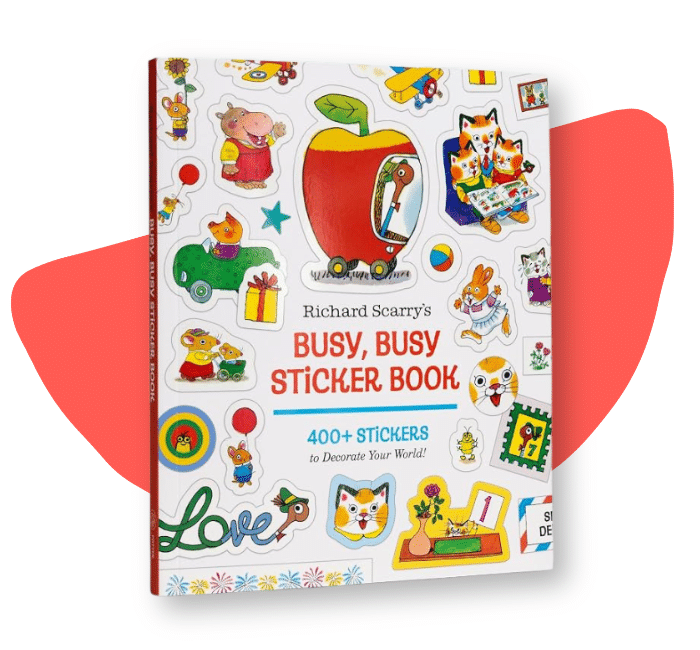
Richard Scarry’s Busy, Busy Sticker Book
Why we like it: Having accesss to stickers is so important, no matter your age. This 400+ piece Richard Scarry Busytown sticker collection is chock-full of your favorites, including Lowly Worm in his famous apple car.
Why it might not be the right fit: You could never betray Lisa Frank.
Verdict: These double as psychological first aid if you have kids in your life.
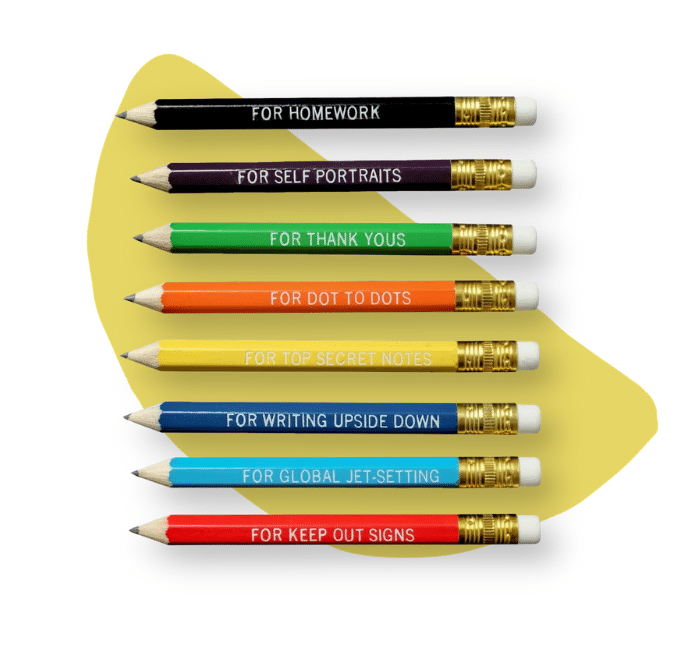
Pencils For All Occasions
Why we like it: Pencils are for everyone, especially these chic and playful little guys who thoughtfull remind you of the important task you were just about to do (write upside down).
Why it might not be the right fit: You prefer invisible ink.
Verdict: What other occasions could you possibly need pencils for? These have you covered.
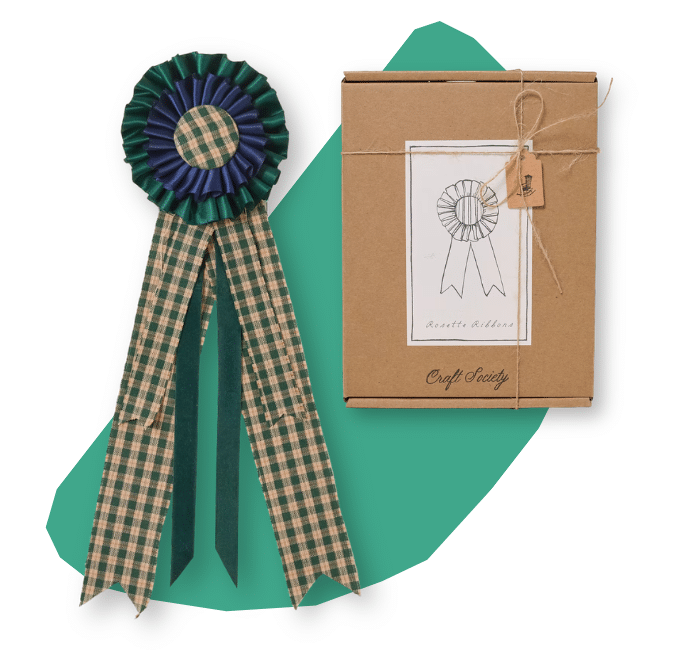
Craft Society Ribbon Kit
Why we like it: Who says you have to start from scratch? Craft Society’s gorgeous arts & craft kits are to be coveted year-round, but this collegiate-colored ribbon kit is one for the ages. Pre-order it now and feel like a very festive ribbon winner.
Why it might not be the right fit: It doesn’t really go with your trophy collection.
Verdict: Don’t you want to be able to add “proficient in rosette fabrication” to your CV?
The Conversation: Shannon Layne
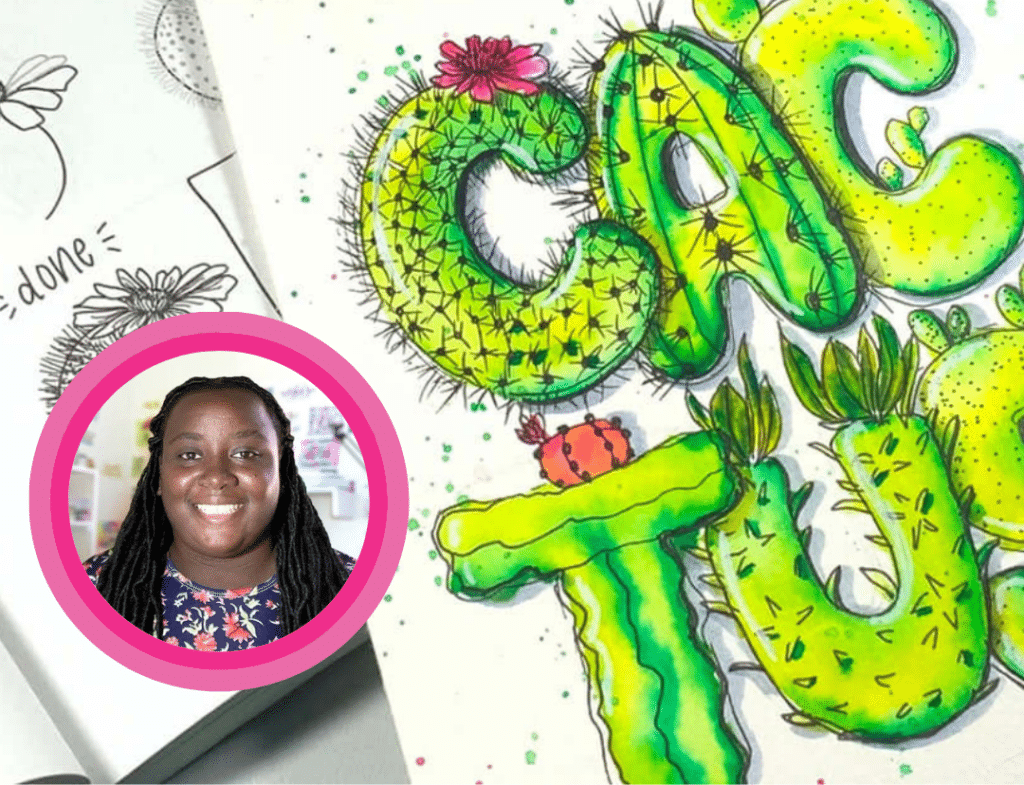
A decade ago, hand letterer and Skillshare teacher Shannon Layne had never touched a brush pen in her life. Then a scroll through Pinterest cracked open her curiosity, and what started as a hobby turned into a full creative practice — one built letter by letter, mistake by mistake, with nothing but patience and daily reps to show for it. Living and working on the island of Barbados, today Shannon works across brush pens, watercolor, acrylic, and Procreate, gently leading Skillshare members through the careful techniques she once had no inkling of.
We recently spoke with Shannon about independent learning, practice, and the aspects of lettering nobody tells you when you’re just starting out. Her answers are as candid as her line work is clean, with loads of insight into beginning your hand-lettering learning journey from the ground, up.
Skillshare: What inspired you to start teaching yourself hand lettering, and how did your first attempts go?
Shannon: This summer actually marks the 10-year anniversary of the start of my lettering journey. At that time in 2016, I was looking for a hobby and Pinterest and Instagram were filled with artists turning words and phrases into art. Witnessing the progress and improvements they achieved from daily practice, especially those who were like me and had no art skills before their started, made me want to give it a try. So I researched, read books, watched videos, experimented and practiced every day to see if I too could be make pretty letters too.
My first few attempts were amazing, it didn’t matter that I didn’t have the right tools, or that I was making so many mistakes, the process of translating an idea from my mind onto paper felt incredible.
Do you typically pick the text before or after you’ve decided on the lettering style?
I choose a word or quote first and then think of what style fits it better because I like my words to be visually representative of what they mean. There have been times where I’ve wanted to do a particular style but then I find myself getting too distracted trying to find the perfect quote to fit the style and getting frustrated.
Brush pens have a reputation for being a bit fussy — what advice would you offer for someone using one for the first time?
This may be a but controversial but don’t be afraid to push them to the limit, which sometimes mean you may wear them down a bit faster than you like, but you need to know and learn the different angles and pressures and get comfortable, without worrying about ruining your brush pens. So I’d definitely say start with inexpensive supplies and when you have larger sets of brush pens. practice with the colors that aren’t your favorite. For me I don’t usually like browns or really dark colors so when I’m practicing I use those.
Along with downloading your workbook, what are three items that you would recommend a beginner might start their lettering practice with?
You’re going to need the patience and dedication to sit and practice every day. It can be a short amount of time or a dedicated block, but you do need to work on building your muscle memory, and daily practice is the only way to do that.
The next thing, also mental, is to turn off your self-critique at least as a beginner. Don’t try to judge or critique yourself based on the progress or art you see from others. You need to just look at what you did yesterday, and if there’s anything you want to improve today, work on that. Just go on your journey improving day by day.
The next thing, also mental, is to turn off your self-critique at least as a beginner. Don’t try to judge or critique yourself based on the progress or art you see from others. You need to just look at what you did yesterday, and if there’s anything you want to improve today, work on that. Just go on your journey improving day by day.
The third thing would be Crayola broad tip markers, or any of the kids’ markers that have that conical tip. Those allow you to create thin and thick strokes, they’re very sturdy and they’re usually super inexpensive so you can have a range of colors for a fraction of what good-quality brush pens cost. I started with Crayola markers, and when I bought my first brush pen, I didn’t really run into much trouble in terms of damaging the tips or not understanding the pressure needed, because I’d already done months and months of practice with these Crayola markers.
You mention in your Basics of Hand Lettering class that lettering and calligraphy can be a calming practice. Has hand lettering changed your approach to artmaking?
For me calligraphy was the start of my artistic practice. Before I tried lettering for the first time, I had never bought or used an art supply in my life, but the more I practiced and the better I became, the more it improved my confidence to try other mediums, like watercolors, acrylic, alcohol ink, even Procreate.
What is the most challenging word (or letter) to write in calligraphy?
Everyone struggles with different letters, I struggled with ‘m’ and ‘r’ a lot as a beginner. One tip I can share: if you’re struggling with any letter, don’t look at it as a letter, break it down into it’s basic strokes. Uppercase letters especially tend to be difficult because they look a little different from the eight basic strokes, but every single letter is going to be some variation of a basic stroke. You just have to practice, or you can look for an alternative way to write a particular letter if it’s giving you that much trouble.
But I would say that the hardest thing I’ve ever had to letter was a quote in another language. I was asked to write a verse in Hebrew, which is very different from English and after doing something like that, I’d say there’s no letter in the English alphabet, or word in English, that I’d consider as difficult as writing in another language.
One Small Practice
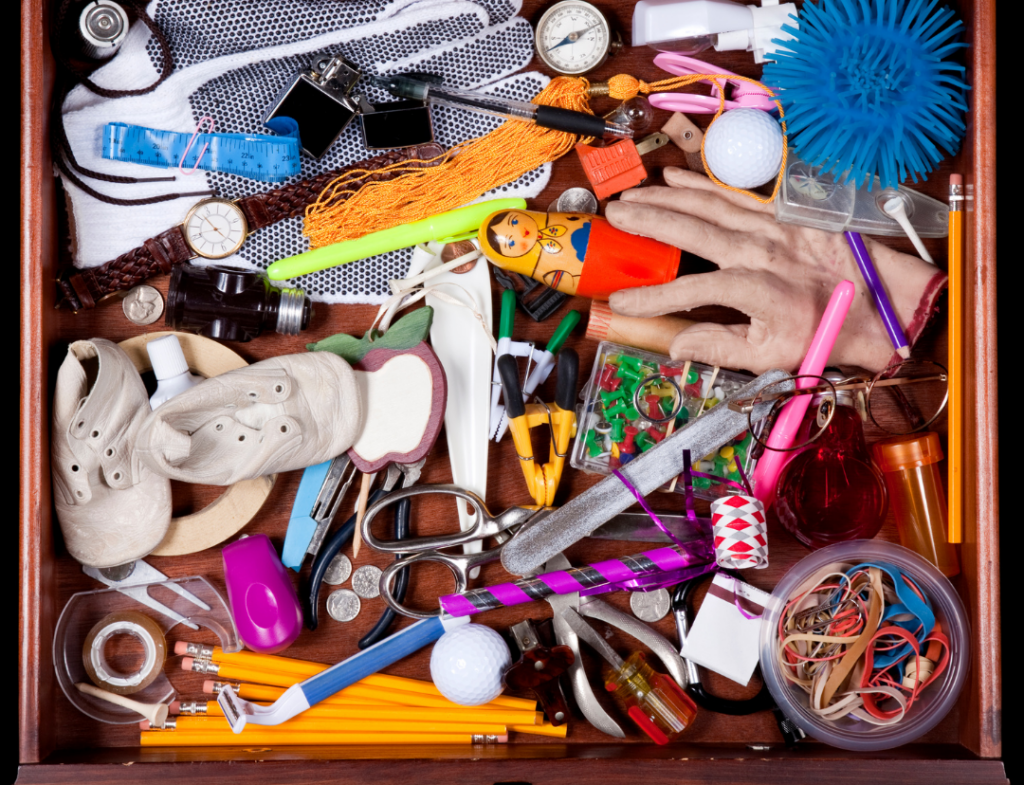
A Mindful Drawer Purge
Sometimes the best mini-practice is not one of creation, but elimination. Inspired by the massive amounts of flattened club soda cartons I recycled after surrendering to the reality that I would be “using” them for “something,” today’s small practice is one worth keeping in your pocket.
Pick a drawer, a closet, or the kitchen cabinet where loved and unloved objects go to die. Whether you use the freshly-cleared space for something else, it doesn’t matter. By making physical and psychic space in your home, you’re telling the world you’re ready for something new. Enjoy the clarity, and see what comes.
Locate the offending drawer/closet/cabinet. If you’re prone to overwhelm, start small.
Get two cardboard boxes. One for things to keep, the other for things to toss.
Set a timer. 20 minutes!
The purge begins. Don’t hesitate. Pick up each item in the drawer and decide immediately which box it goes into. Try and get a rhythm going.
Clean the drawer. A gentle surface cleaner or microfiber cloth should do the trick. You’ll be stunned by how much discreet grime accumulates in these places.
If you’re out of time, set another 10-minute timer. Everything you decided to keep, put it back in the drawer.
Throw the rest out. Be ruthless. Decide whether it goes in the trash, recycling, the curb, or the thrift. Do it immediately.
Take a picture of your newly organized drawer/closet/cabinet. One day, it will surprise you.
Final Thought
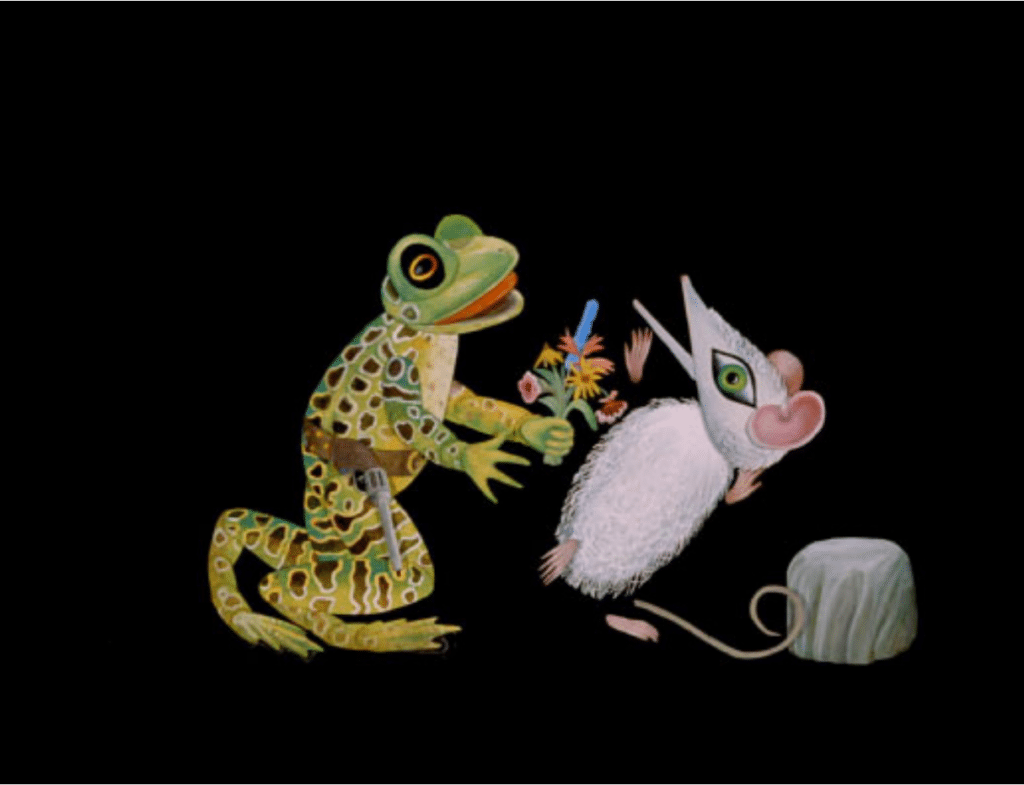
At odds with just about everything I’ve been saying this issue, you don’t have to start anything right now. If anything, this post-Labor Day moment might be thee time to consider the way work figures into our lives, as a mode of sustenance and creativity.
Today’s very final thought is something I was lucky to see recently: the 50-year-old animated short Mr. Frog Went A-Courting, a papercut interpretation of a classic folk nursery rhyme by the prolific Canadian artist-animator, Evelyn Lambert. In this 4-minute film, an extremely rootin’ and tootin’ frog courts his mouse baddie through a gorgeous hand-cut landscape, accompanied by folk singer Derek Lamb on the lute. Canada’s National Film Board website has 15 of Lambert’s films available to stream for free, all of them just as delightful as Mr. Frog.
💐🐸
The Good Hour
A biweekly dispatch for creative humans and their brains.
Try Skillshare for free! Sign up for a 7 day free trial today!
Get Started- Unlimited access to every class
- Supportive online creative community
- Learn offline with Skillshare's app