

The Good Hour Issue 003: Going Analog
Hello From the Editor It’s 2026 and everyone on the internet is talking about the hot new trend of not being on the internet. If you’ve somehow managed to avoid this conversation topic, congratulations! You’re probably offline already. We’ll give you a brief rundown: after years of total digital saturation, nonstop news updates, and barrages […]


Hello From the Editor
It’s 2026 and everyone on the internet is talking about the hot new trend of not being on the internet. If you’ve somehow managed to avoid this conversation topic, congratulations! You’re probably offline already. We’ll give you a brief rundown: after years of total digital saturation, nonstop news updates, and barrages of wall-to-wall information, people are turning to the natural world to find community, have new experiences, and generally take control of their lives. It’s an admirable goal, but it’s also kind of tricky. We’re so intertwined with our digital worlds that even halfway extracting ourselves can pose a challenge.
This installment of The Good Hour can hopefully help you take some of those steps, getting you off social media so you can focus on the act of creation instead of consumption. We’re convinced that there’s a happy middle ground between terminally online and using the internet in a healthy, productive way. Hopefully we can help you get at least part of the way there.
Sam Hockley-Smith, Guest Editor
We Tried It:
From vintage film to digital hybrids, these are some of our favorite point-and-shoots.
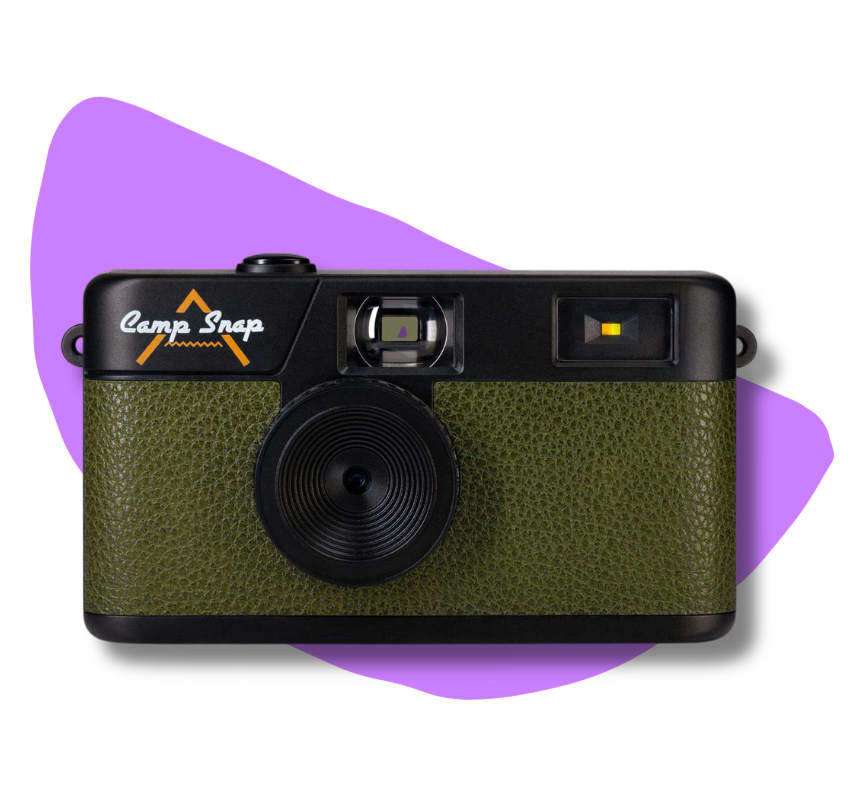
Fujifilm Quicksnap
Why we like it: In the pre-digital camera days, these things offered up a quick and easy way to capture life moments, without having to worry too much about carrying an expensive piece of equipment around with you. In this case, this isn’t, like, a remake of an old disposable camera, it’s just that same thing, still trucking along. Still doing good work. Still requiring you to find a place to get the film developed. At this point they’re kind of a novelty, but they were popular for a reason, you know?
Why it might not be the right fit: You don’t have a place to get your film developed. You have no nostalgia for the past at all.
Verdict: At around $20, you can’t really go wrong. Plus, you’ll see your friends and loved ones in a whole new light when you do eventually get the photos developed. Why not give it a try?
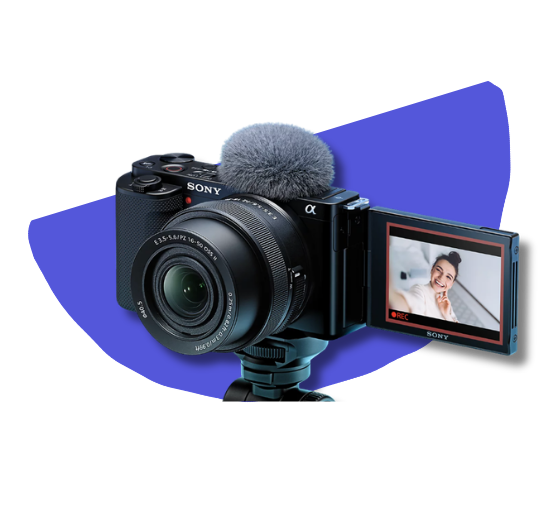
Sony ZV-E10
Why we like it: There’s a fairly reasonable chance that your first camera was actually the camera on your phone. But if you’re ready to level up and spend a bit more cash than the other picks on this list, this Sony camera will allow you to create both video and still images with relative ease.
Why it might not be the right fit: It’s comparatively pricey and it’s got a bit of a steeper learning curve, but once you get the hang of it, your output will be high-quality.
Verdict: This is an investment that will grow with you, so if you’re feeling confident about sticking with photography this is a great next step.
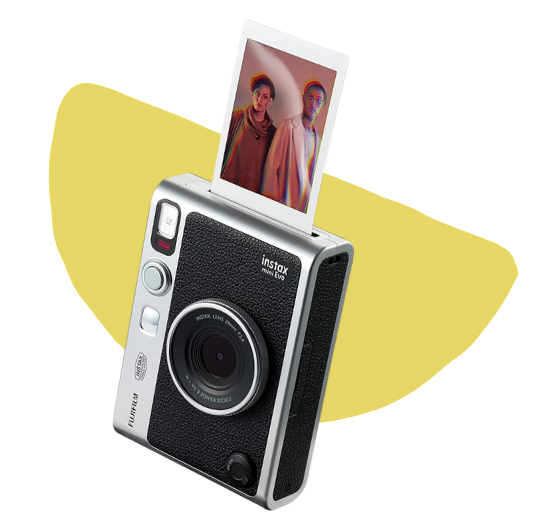
Fujifilm Instax Mini Evo Instant Film Camera
Why we like it: So much of going analog involves rejecting stuff you’ve gotten used to. Not this camera! You’ve got the convenience of digital, the design of vintage film cameras, paired with the thrilling novelty of an immediately printed photo, direct from the camera.
Why it might not be the right fit: By standard camera prices, it’s not exactly expensive, but it’s not really very cheap either. The instant photo printing capability is fun, but may not feel like a necessity later on.
Verdict: If you’re looking to reinvigorate your love of photography, you’ll have a blast with this camera.
New/Now/Next
For the first time, the group chat was quiet. Did everyone leave? Find new hobbies? What happened? It turns out Brick had happened, and the real world was where they went. If you’re unfamiliar: Brick is a handy, low-profile device that sticks to a fridge or wall. Tap your phone against it, and it’ll bar you from using any app you tell it to for the amount of time you tell it to. Think of it as a non-sentient friend who is just looking out for your best interests, if your best interests happen to involve being online a whole lot less.
Looking at the popularity of Brick alongside the popularity of “dumbphones” aka old phones without internet capabilities, or ones like the Lightphone, which allows for some apps, but keeps social media off your phone, and everything on your phone in black and white, it’s clear that we’re collectively yearning for IRL connection and experience. We recommend any of these devices, depending on how and if they can fit into your life. Even if none of these align with your exact needs, we encourage you to take their purpose to heart and block those sticky social apps — at least for a little while.
Q&A
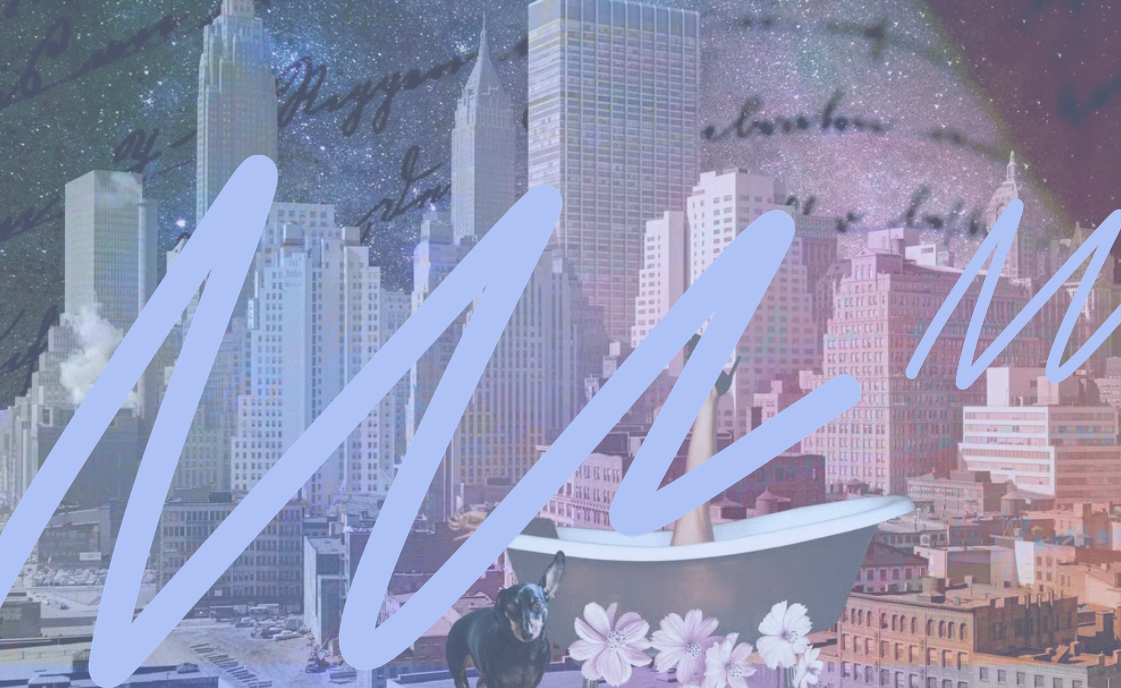
Skillshare teacher Kelly Bren Burke found her digital calling while working in a very analog world. When she got her first iPad in 2017, she was managing a Barnes and Noble, spending long days at the store with no time to devote to art. But that iPad changed everything: she downloaded Procreate and took some Skillshare classes that taught her how to make collages — a traditionally analog medium — digitally.
"I can trace everything I do now back to those early Skillshare experiments, and to one unexpected afternoon where I clicked on a class just because it looked fun," she says.
Her fluid approach to thinking in analog ways about digital creation is inspiring, so we thought we’d resurface a profile of her we ran at the beginning of this year. It’s not only a great guide to finding your artistic calling, but it’s an insightful look at how to bring your dreams into reality through methodical education and consistent drive.
One Small Practice
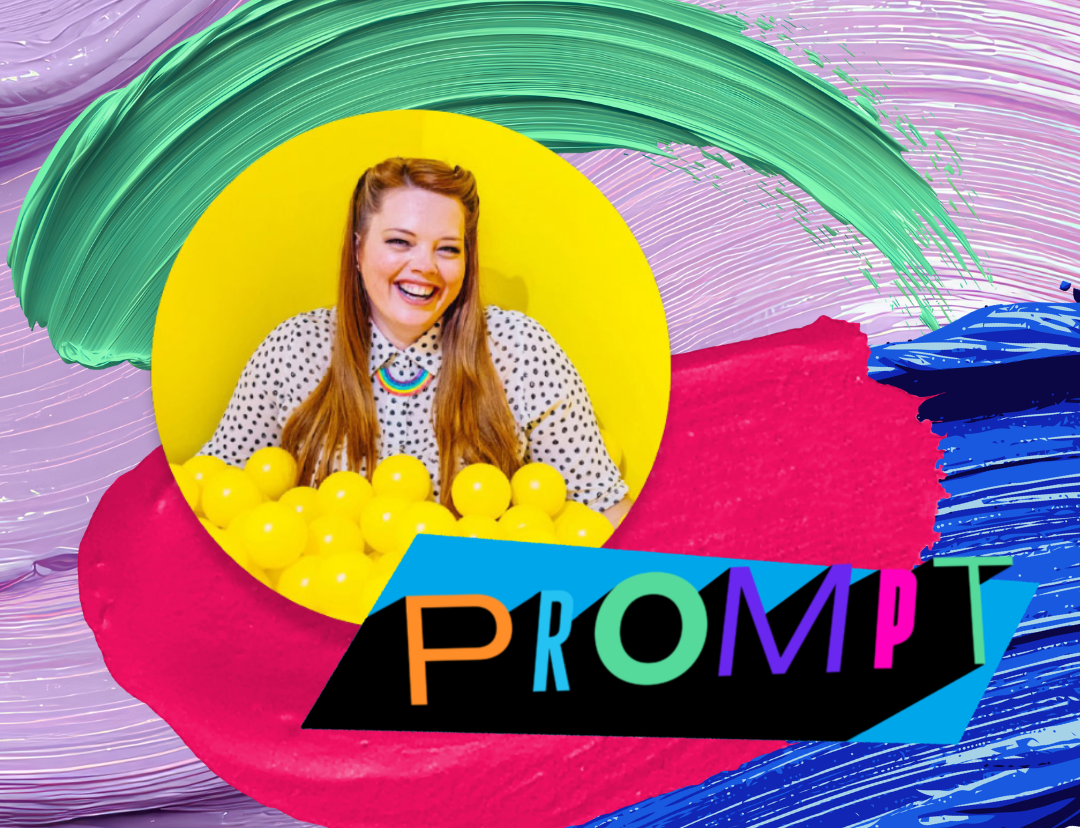
Skillshare teacher Lisa Bardot’s Analog Meets Digital: Fun Mixed Media Illustrations in Procreate class is a celebration of the way analog and digital mediums can collide and generate new dimensions of your artistic style, acting as perfect inspiration for this week’s prompt. This one’s a bit more labor-intensive, so you’ve got twenty minutes.
Begin with a piece of paper and an illustrative utensil: pens, paint, charcoal, whatever you want from the physical world. Draw semi-abstract textures, shapes, or marks. Nothing too detailed or too fancy. Just let it flow.
Then scan or photograph your analog piece into Procreate, and use its digital tools to transform your piece into something entirely new.
Final Thought
Before we leave you for the week, we wanted to acknowledge the practical difficulty of going analog. It’s easy to envision, but not so easy to execute. Being online is, at this point, just part of life. Even learning an offline skill, like many of the ones we offer on our platform, requires — you guessed it — getting online, at least for a little while. We recommend jumpstarting your creativity with a quick and breezy class like The Sketchbook Fillers’ Club: Four Powerful Guidelines for Stunning Spreads, which’ll get you off your screen and onto the printed page in mere minutes.
See you next time!
~
The Good Hour
A biweekly dispatch for creative humans and their brains.
Try Skillshare for free! Sign up for a 7 day free trial today!
Get Started- Unlimited access to every class
- Supportive online creative community
- Learn offline with Skillshare's app


