The Research-Backed Benefits of Drawing for Your Brain & Creativity
From enhancing memory to fostering mindfulness, drawing is far more than a form of self-expression.



Often overlooked as being “just a hobby,” drawing is increasingly recognized by researchers as a powerful activity with profound benefits for our brains, bodies and overall well-being. From reducing stress and improving memory to boosting creativity and sharpening focus, the simple act of drawing holds a surprising array of advantages that extend far beyond artistic expression.
Up ahead, we'll dive into the fascinating research that explains why drawing is so beneficial to begin with. Because as it turns out, drawing is so much more than a pastime; it’s a science-backed way to uplift your mood, build confidence, enhance neuroplasticity and cultivate a more profound sense of mindfulness.
Enhanced Memory Retention
Time and again, the act of drawing has been shown to significantly enhance memory retention, especially compared to more traditional methods such as writing, rereading or verbal repetition. This phenomenon is known as the “drawing effect,” and it occurs because drawing leads to richer and more durable memory traces than alternative memorization techniques.
What the science says:
A 2016 study by Wammes, Meade and Fernandes published in the Quarterly Journal of Experimental Psychology found that participants who drew information they were trying to remember—such as a word or concept—recalled more than twice as much information as those who simply wrote the words down.
Key findings:
- Drawing improves free recall and recognition more than writing or viewing.
- The drawing benefit persisted, even when time constraints were put in place.
- It worked independently of drawing skill—even simple doodles were effective.
General Memory Support
Drawing has been shown to be an effective strategy for enhancing memory in older adults, including those experiencing age-related cognitive decline. Unlike many memory-enhancement techniques that rely heavily on verbal or semantic processing (which tend to deteriorate with age), drawing taps into preserved visual and motor systems in the aging brain, providing an alternative and powerful path to encode and retain information.
What the science says:
Another pivotal study by Wammes, Jonker and Fernandes (2018) published in Experimental Aging Research examined how well drawing supports memory in both younger and older adults.
Key findings:
- Older adults who used drawing as an encoding strategy remembered significantly more words than those who used other methods.
- The magnitude of the drawing benefit was as large or larger in older adults than in younger adults.
- Drawing reduced age-related differences in recall ability.
Improved Neuroplasticity
Drawing isn’t just a creative activity—it’s also a neurologically enriching experience that stimulates and strengthens the brain’s capacity to adapt and reorganize itself. Regular drawing practice has been shown to promote neuroplasticity (the brain's ability to change and form new neural connections) and enhance functional connectivity between different brain regions, including the areas responsible for visual processing, motor coordination, attention and more.
What the science says:
A seminal study published in PLoS ONE (Bolwerk et al., 2014) examined the neurological effects of a 10-week visual arts training program in adults aged 62–70. It confirmed its findings using fMRI scans, which measure brain activity by detecting blood flow changes.
Key findings:
Participants who engaged in drawing and painting showed:
- Increased functional connectivity in the default mode network (DMN), a brain system that’s associated with self-reflection, memory and imagination.
- Enhanced connectivity between the frontal, parietal and occipital lobes, which are areas that are critical for attention, planning and fine motor control.
- Strengthened resting-state networks, which support overall cognitive efficiency.
Better Visual-Spatial Processing
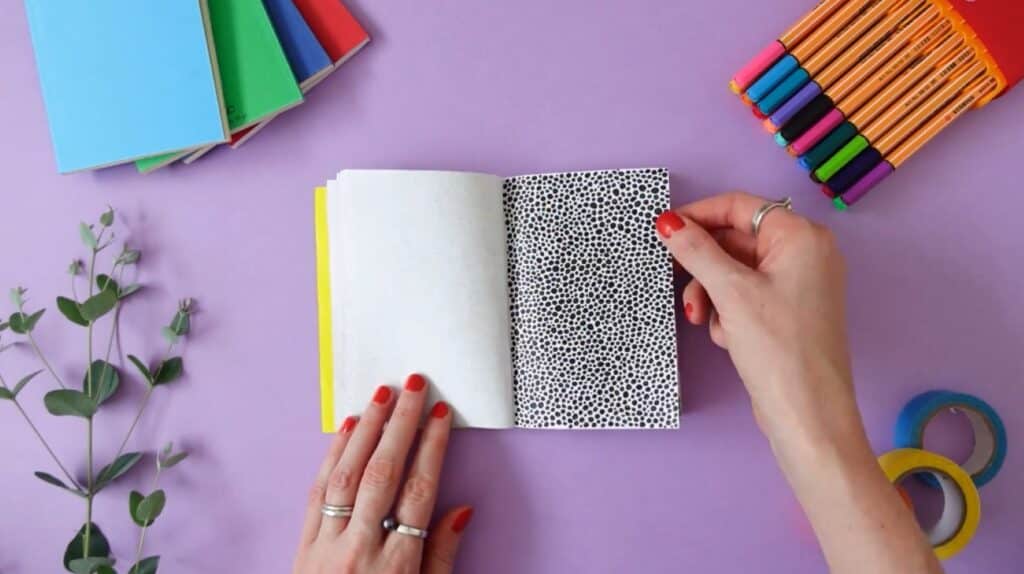
Drawing is a powerful tool for enhancing visual-spatial processing, the cognitive ability to perceive, analyze and mentally manipulate visual information in space. This includes skills like accurately judging distances, mentally rotating objects and maintaining spatial awareness, all of which are essential for everyday functioning, learning and problem-solving. Regular drawing strengthens these capacities by continuously engaging the brain in spatial reasoning, coordination and visual analysis.
What the science says:
A 2023 study by Marina Martinčević and Andrea Vranić published in Memory & Cognition examined how three different activities—drawing, origami and coloring—affected young adults’ visual-spatial abilities.
Key findings:
- Drawing and origami were more effective at enhancing complex spatial abilities.
- Drawing increased participants’ spatial visualization skills just as well as origami, even though drawing is performed in two dimensions while origami is a three-dimensional activity.
- Drawing and coloring both triggered a flow state.
Boosted Fine Motor Skills
Drawing is a complex activity that refines fine motor skills and strengthens the sensorimotor system, the interconnected brain regions and pathways that coordinate sensory input with motor output. Whether sketching with a pencil, shading with charcoal or detailing with ink, drawing engages precise hand movements, visual tracking and tactile feedback—all of which contribute to improved manual dexterity, hand-eye coordination and neural efficiency.
What the science says:
In a 2012 study published in Trends in Neuroscience and Education by James and Engelhardt, researchers used fMRI to show that handwriting and drawing activated key motor planning regions of the brain more robustly than typing. These areas are essential for fine motor precision and skill acquisition.
Key findings:
- Handwriting and drawing activated key visual-motor brain areas more than typing or passive viewing.
- Motor-based learning led to better recognition and memory of letters and symbols.
- Early drawing helped build neural pathways critical for later reading and writing development.
Reduced Sadness
Drawing is a calming, non-verbal activity that provides a therapeutic outlet for emotional processing, which means it’s a scientifically supported way to reduce negative emotions like sadness. Even brief, unstructured drawing sessions have been shown to reduce cortisol levels, quiet the nervous system and enhance emotional self-regulation. By focusing attention on creative expression rather than rumination, drawing allows the mind to shift into a more relaxed, parasympathetic state. This in turn promotes a sense of calm, presence and psychological relief.
What the science says:
In a 2012 study by Drake and Winner published in Psychology of Aesthetics, Creativity, and the Arts, participants who engaged in drawing reported significantly better short-term mood repair than participants who engaged in writing.
Key findings:
- Drawing improved participants’ moods significantly more than writing.
- Distraction through drawing (rather than venting) was the most effective mechanism for reducing negative mood.
- Participants who engaged in drawing experienced a greater mood boost than those who simply sat quietly.
Better Mood
Drawing acts as an all-natural mood enhancer by providing a creative outlet that promotes joy, satisfaction and a sense of accomplishment. That’s because drawing encourages the release of neurotransmitters like dopamine and endorphins, which are linked to feelings of pleasure and reward. This creative engagement not only uplifts mood in the moment but can also help counteract symptoms of depression and improve overall emotional well-being.
What the science says:
In a study by Kaimal et al. (2016) published in Art Therapy, participants who engaged in 45 minutes of art-making—including drawing—showed significant reductions in cortisol levels and reported improved mood and decreased feelings of anxiety and depression.
Key findings:
- Art-making led to a significant increase in positive mood and feelings of relaxation, regardless of participants’ prior art experience.
- The creative process reduced cortisol, the body’s stress hormone.
- Demographics such as gender, race and age did not affect the stress-reducing effects of drawing.
Increased Confidence and Self-Esteem
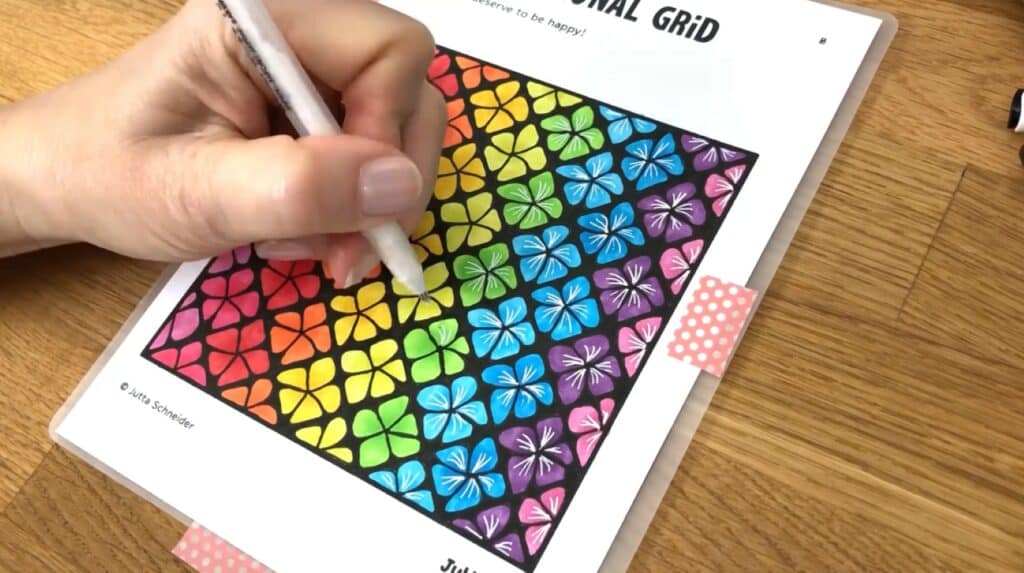
Drawing is a fantastic way to build confidence and self-esteem. As you practice and see your skills develop, you’ll gain a tangible sense of accomplishment. Each completed drawing, no matter how simple, is a testament to your creativity, which can reinforce a positive self-image. Why? Overcoming creative challenges and bringing your ideas to life fosters a belief in your abilities that can extend beyond the sketchbook and into other areas of your life.
What the science says:
A 2016 study by Kaimal and Ray, published in Arts & Health, investigated the impact of free art-making on various psychological states. Their research found that even a single, brief session of art-making significantly improved participants' self-efficacy, which is a belief in one's ability to succeed in specific situations or accomplish a task. This concept is closely linked to confidence and self-esteem.
Key findings:
- Participants who engaged in 45 minutes of free art-making in a studio setting reported a significant increase in feelings of self-efficacy.
- This improvement was observed regardless of the participants' prior art-making experience, suggesting that the act of creating itself, rather than artistic skill, is beneficial.
- The study indicates that a supportive, non-judgmental creative space provided by art therapy allowed participants' innate confidence to flourish.
More Mindfulness
Drawing is an excellent practice for cultivating mindfulness, which is the ability to be fully present and engaged in the current moment without judgment. When you draw, you naturally direct your attention to the task at hand.This focused attention helps to quiet the mind's constant chatter and external distractions, which allows you to become deeply absorbed in the creative process. The act of making marks on paper, paying attention to the sensation of the drawing tool and noticing the subtle details of your subject all serve to anchor you in the present.
What the science says:
A 2018 study by Curry and Kroll that was published in the Journal of American College Health investigated the effectiveness of mindfulness-based coloring for university students' test anxiety. They found that engaging in mindfulness coloring activities significantly increased state mindfulness among participants.
Key findings:
- Participants in the coloring conditions reported significant increases in state mindfulness, indicating a heightened awareness of the present moment.
- This mindful engagement through coloring (a form of drawing) provided a beneficial effect on their psychological state.
- Art-based interventions can be an effective means of promoting mindfulness, especially in stressful situations.
Improved Problem-Solving
Drawing is a potent tool for enhancing problem-solving skills by encouraging visual thinking, fostering creative approaches and providing a unique framework for analyzing complex situations. When you translate abstract thoughts into visual representations on paper, you're forced to clarify and organize your ideas, making intricate connections more apparent. This act of externalizing your internal models allows you to identify patterns, pinpoint missing information and explore novel solutions that might not otherwise emerge through purely verbal or analytical methods.
What the science says:
A compelling study by Quillin and Thomas (2015), published in CBE—Life Sciences Education, demonstrated the effectiveness of student-generated drawings as a learning tool for both recall and problem-solving in biology students. Their research, which involved a "minute sketches with folded lists" (MSFL) drawing method, showed significant improvements in students' ability to solve problems related to biological concepts.
Key findings:
- Students who used drawing as a study method showed better performance on problem-solving tasks compared to those using traditional study methods.
- The act of drawing compelled students to actively engage in selecting, organizing and integrating information to develop visual models, which in turn aided their conceptual understanding and problem-solving abilities.
- After the experiment, most participants adopted the sketching study method.
Embrace the Art of Well-Being
Drawing can certainly be an enjoyable recreational pastime, but it’s also so much more than that. It’s a profound cognitive and emotional exercise with a wealth of science-backed benefits. From uplifting your mood and boosting self-esteem to sharpening your problem-solving abilities and fostering a deep sense of mindfulness, the act of putting pen to paper offers an accessible and natural pathway to enhanced well-being.
So, in a world increasingly reliant on digital interactions, embracing the tangible act of drawing offers a valuable counterbalance that invites us to slow down, observe and connect with our inner creativity. Whether you're keeping a daily sketchbook, doodling during a meeting or completing beginner-friendly drawing exercises, the evidence suggests that incorporating drawing into your routine can lead to a myriad of benefits for your mind and body alike.
Carrie Buchholz
Carrie Buchholz is a freelance writer who lives in Northern Colorado with her husband and dog.
Level-Up Your Drawings and Illustrations with Skillshare
Start Your Free Trial Today!- Drawing classes for all levels
- Digital and traditional drawing styles
- Unlimited access to all classes