Cosplay Basics: Stand Out at Your Next Convention
You don’t have to cosplay when you attend a sci-fi or comics convention. But you may have a lot more fun if you do.



Technically, there’s no rule that says you have to deck yourself out in a cosplay outfit every time you go to a convention. If you don’t want the attention, that’s your choice. But if you want a hundred compliments, strangers to ask for photos, and a day full of unforgettable memories, there is one way to seize the day. Put together a heck of a cosplay outfit.
But what is cosplay, exactly? What separates it from dressing up in a Halloween costume? What are the little micro-skills you’ll have to learn to stand out from a crowd of talented convention cosplay masters? Allow us to introduce you to the art of the convention costume.
Quick Links
- What Is Cosplay?
- How to Make Cosplay Come to Life
- Common Cosplay Accessories to Consider
- How to Make a Cosplay Costume Pop
What Is Cosplay?

Cosplay comes from a Japanese word, kosupure, coined in 1984. For obvious reasons, some mistake it as an abbreviation of “costume play.” But kosupure is distinct from your run-of-the-mill Halloween costume for one reason: artistic value. While Halloween costumes are essential for getting trick-or-treating candy, cosplay tends to focus more seriously on authenticity and craft. In fact, people often learn other skills—like sewing or swordsmithing—just to upgrade the quality of their cosplay.
Costumes date back to the invention of…well, clothing. But many insist cosplay got its big start with the coining of “cosplay” as a word in 1984, reflecting how many people wore costumes to anime and science fiction conventions.
The reasons for cosplay vary. Some people, like Yaya Han, have turned cosplaying into a celebrity or influencer role. Others do it out of sheer enthusiasm for the source material. But one thing is clear: When you get started with cosplay, you get to choose your own adventure. Whether you’re finding costume items from thrift stores or learning how to sew, it is a hobby you can follow as lightly or intensely as you want.
Cosplaying at Conventions

You can display your efforts on social media, as many have done. But it’s especially welcome at conventions like Comic-Con, where it isn’t just a fun sideshow, but part of the main attraction. In fact, there are even anime and cosplay conventions like Sakura-Con dedicated to the art itself.
Cosplay Contests
Like anything else, you can turn cosplay into a sport. Sakura-Con, for example, is one of the many contests that pit individuals against each other to see who can put together the best outfit. While some use cosplay for fun, contests turn it into a serious, professional challenge. You’ll be judged for costume accuracy, craftsmanship, and originality in achieving effects like unfolding wings.
How to Make Cosplay Come to Life
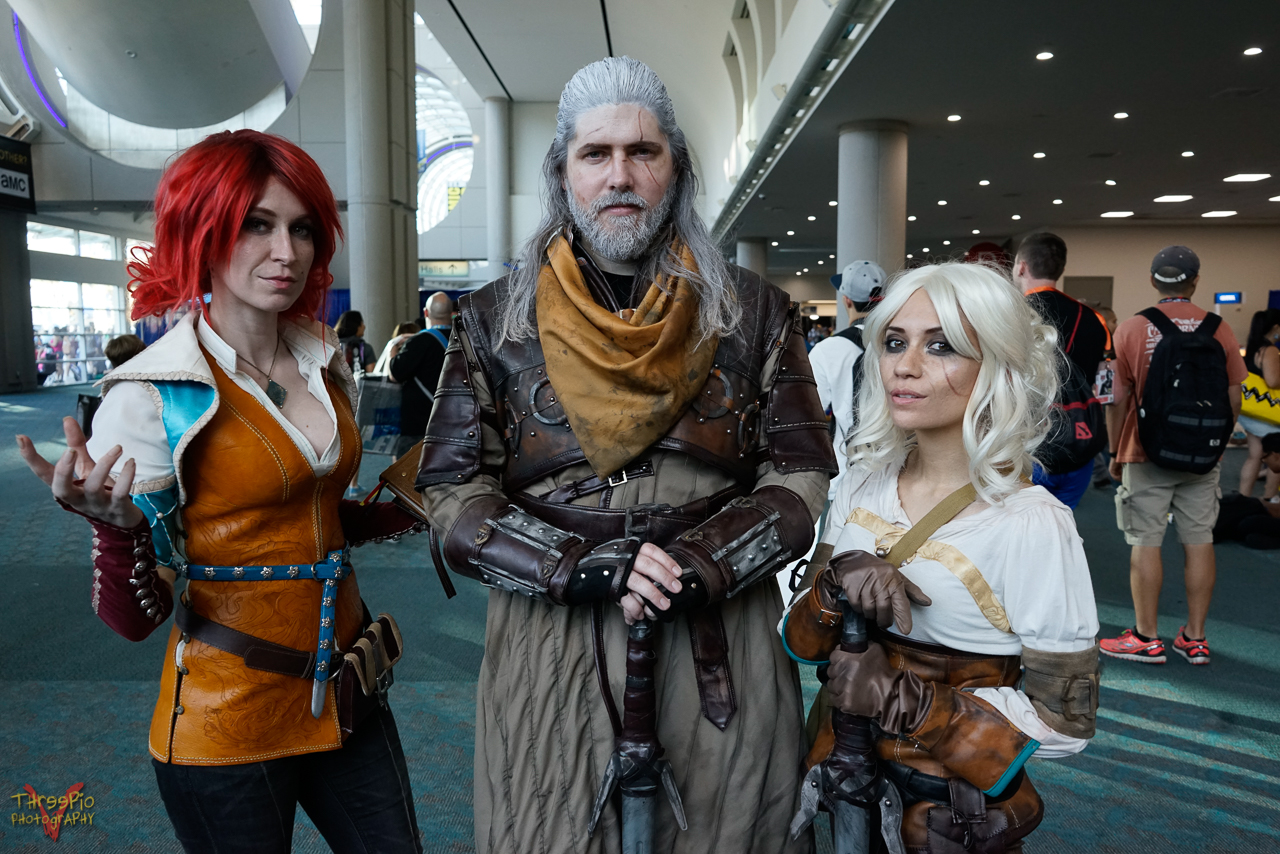
Learning how to cosplay is a bit like learning how to cook. You need knowledge of both the ingredients (like a sewing kit) and the process if you’re going to create a finished product. And just like with cooking, it helps if you plan out your recipe.
Planning Your Cosplay Outfit
An outfit encompasses everything you use to achieve the illusion you’re someone else. Clothes are important, yes. But don’t forget the hair, makeup, props, and even technical elements that make the costume breathe with life. It usually helps to start with a character in mind. From there, you can figure out which materials to use to achieve the desired effect.
It might help if you don’t start with the most challenging characters possible. You can start small, like quick and easy pet costumes, to familiarize yourself with the cosplay process. You might learn sewing, for example, just to get started. The more you learn about assembling your materials, the better equipped you’ll be to tackle complicated projects.
Common Cosplay Accessories to Consider
Great outfits are more than the sum of their parts. But as you stack accessories together, you’ll get a sense of how every detail kicks up the impression the overall outfit makes. Let’s look at some of the most common cosplay accessories to include in your list:
The Cosplay Cloak
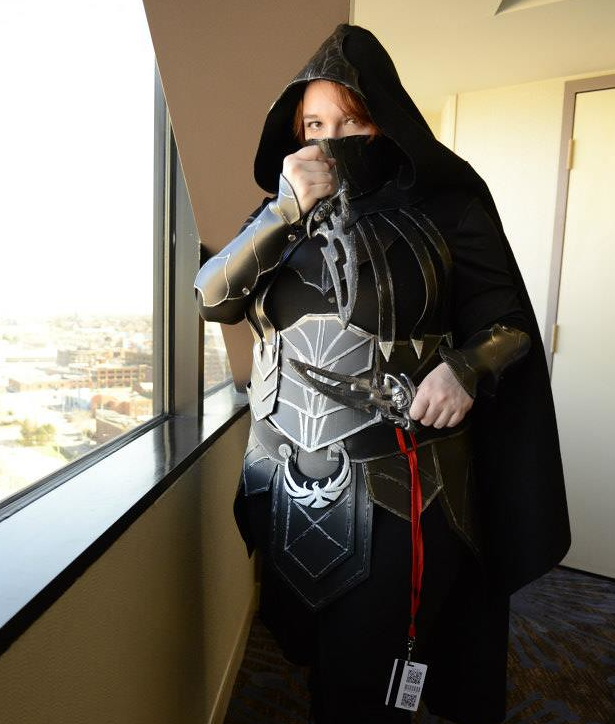
Cloaks aren’t required in cosplay, but they’re extremely common. Cosplay cloaks appear in everything from the Grim Reaper to Assassin’s Creed. And in some costumes, they’re so essential you might not even consider them accessories—they’re the main event. This means cloaks are great for beginners, as sewing a cloak is a pretty straightforward way to learn sewing.
(Note: if you want your dog to join you with some pet cosplay, attaching a simple cloak is probably the easiest way to get them to cooperate. Good luck getting them to stand still while you attach costume ears, though.)
Cosplay Capes
What distinguishes a cloak from a cape? It’s more than just villain vs. hero. Cloaks tend to envelop the entire body, while capes are typically shorter and don’t have to fall over the shoulders. Superman wears a cape; the Grim Reaper wears a cloak.
The advantage of cape accessories is that they’re easy to sew out of larger fabric. As long as the cape cinches around the neck, you have your starting point. However, don’t forget to pay attention to details. Look at your character for inspiration. Does the cape have frills at the borders? Is there extra fabric draping around the front of the costume? How much fabric will you need to cover your shoulders? Plan it all before you start fashioning your cape.
Cosplay Jewelry

Jewels can be some of the most potent cosplay accessories around. The more lifelike, the better. How, for example, could be a queen without a crown?
As strange as it may seem, jewels can bring together an outfit like nothing else. The proper application of jewelry can transform cosplay from “generic ancient Egyptian” to “Cleopatra” with just a few pieces.
Fortunately, you don’t have to buy jewelry to make it work. You can learn how to make your own out of cheaper materials. Like many of the other elements on this list, remember it’s the cumulative effect of these details that adds up to a great costume. You don’t need a genuine diamond to make a costume sparkle. You just need the illusion of the diamond.
Cosplay Swords
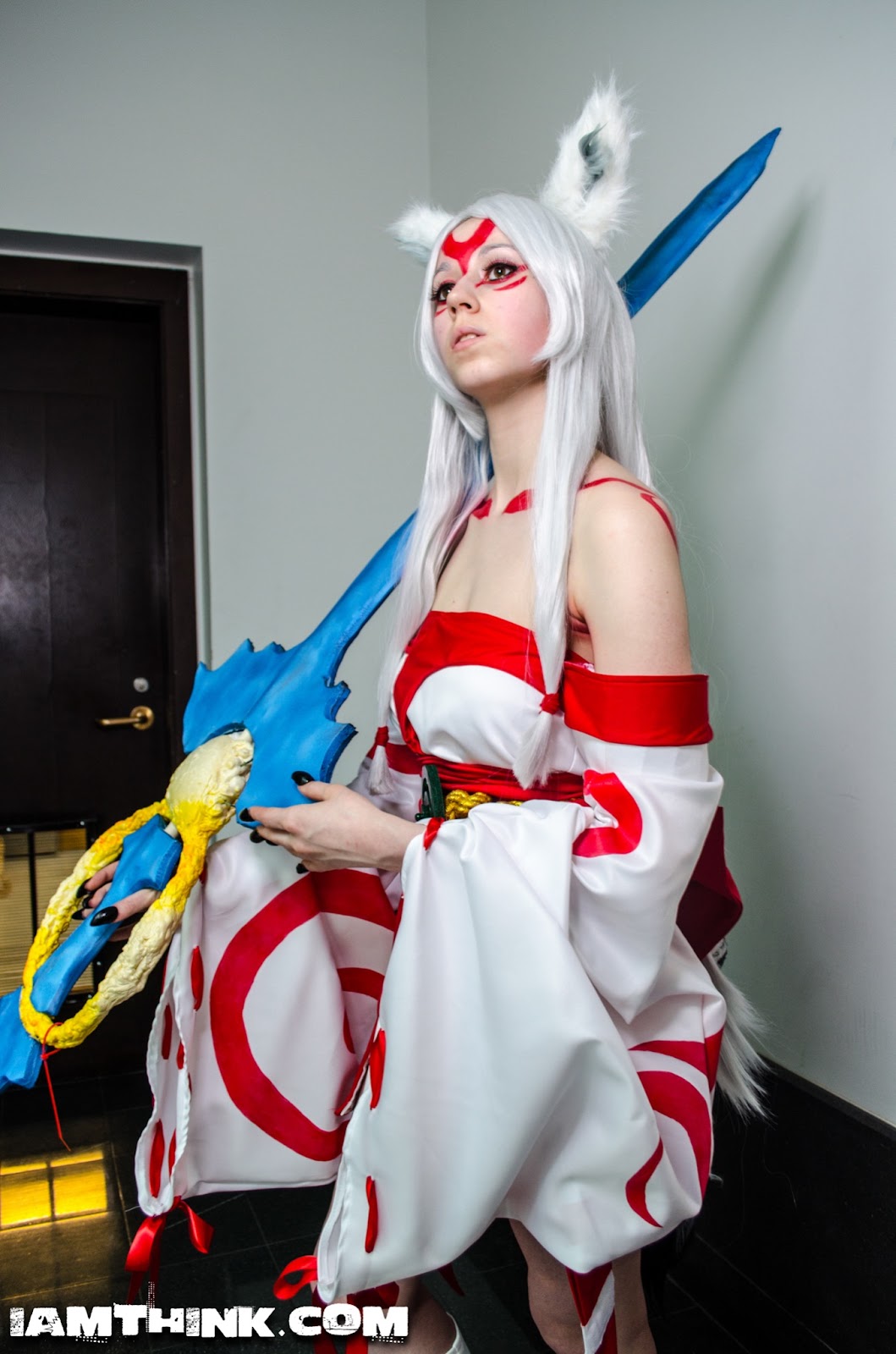
Cosplay usually focuses on anime, sci-fi, or fantasy. This means swords will make all sorts of appearances in costumes, from warrior cosplays to accessories for royalty. And while you can strike an authentic look with a genuine weapon at your side, it’s less risky if you use a prop sword instead. Bladesmithing is an essential skill here—just make sure not to cut yourself.
Cosplay Weapons
Of course, not everyone is cosplaying as a knight. You have to be careful with other weapons because there may be laws prohibiting what you can and can’t do in public. For example, it’s probably a bad idea to walk around like Tony Montana from Scarface unless you leave the weapons at home. Before you head to the convention, check their rules for cosplay weapons.
Cosplay Boots
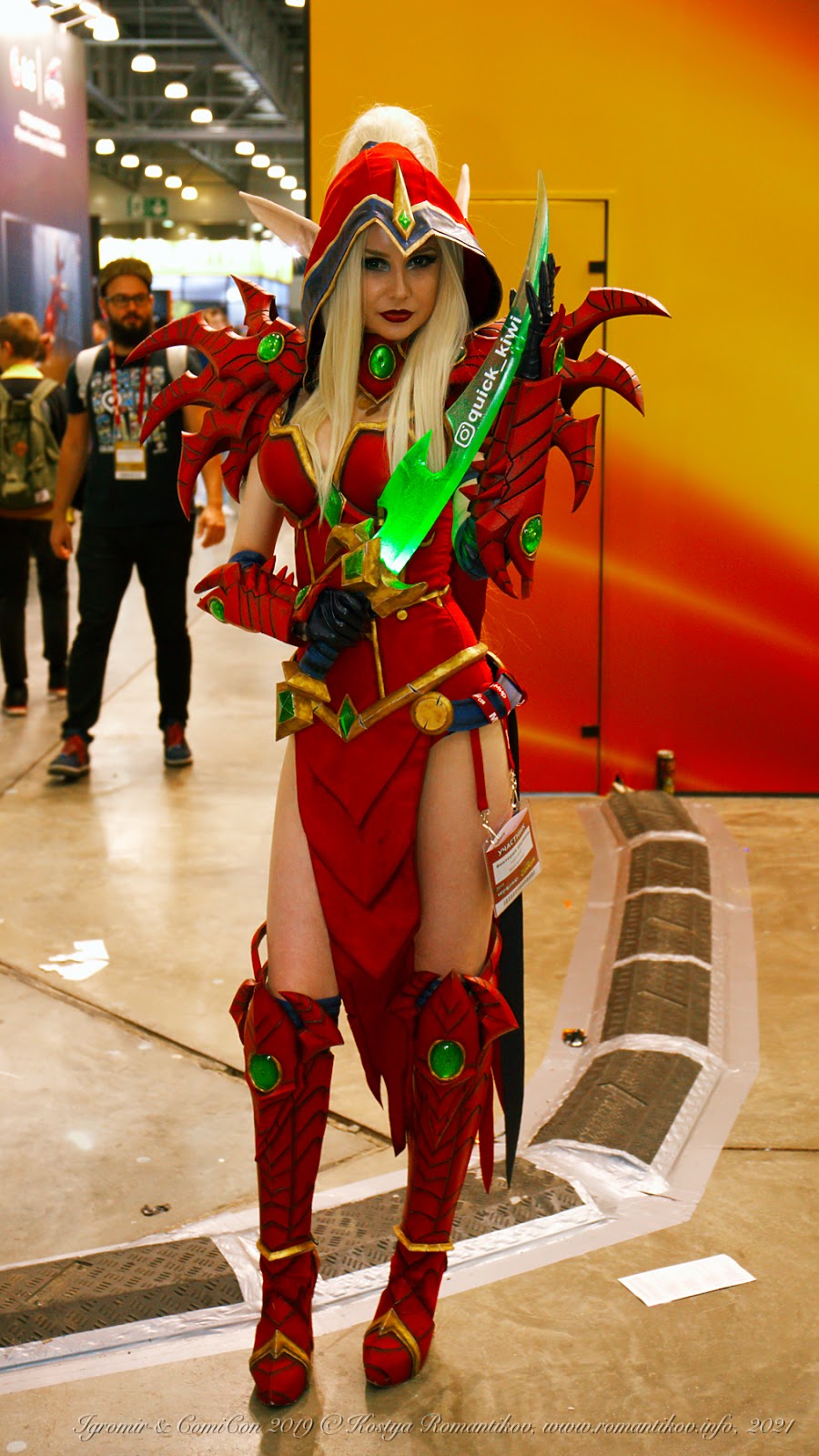
You can’t very well dress up as a cowboy or cowgirl in tennis shoes. It’s often the cosplay boots that determine how the overall costume looks. The next time you see a striking example of cosplay online, try focusing on the choice of boots. You’ll likely find that they look one-of-a-kind and completely authentic to the character.
Cosplay Ears

What is a Vulcan without the pointy ears? A very serious-looking human. Accessory ears are necessities in fantasy and sci-fi, where you’re often portraying aliens, elves, or any other number of mythical creatures. Fortunately, cosplay ears have been around for years, and they’re easy to mix in with the rest of your ears with the proper application of adhesives and makeup.
Cosplay Wings
Wings and arms are often the stars of a costume; the accessories that make people say “Wow!” For example, wearing steampunk arms can be enough for an entire costume and make people forget you’re wearing an ordinary T-shirt underneath. And, like steampunk arms, cosplay wings are great opportunities for movement in angels, fairies, and other common subjects.
Cosplay Armor
What is a hero without some defensive armor? Vulnerable, that’s what. The key to realistic cosplay armor is metallic painting. You can turn an ordinary plastic vest into Batman’s abs with the appropriate application of paint. This is one of the many “sub-skills” necessary to learn cosplay and can really save you a lot of money. With the right painting techniques, your thrift shop pickups can look twice as expensive.
Cosplay Horns
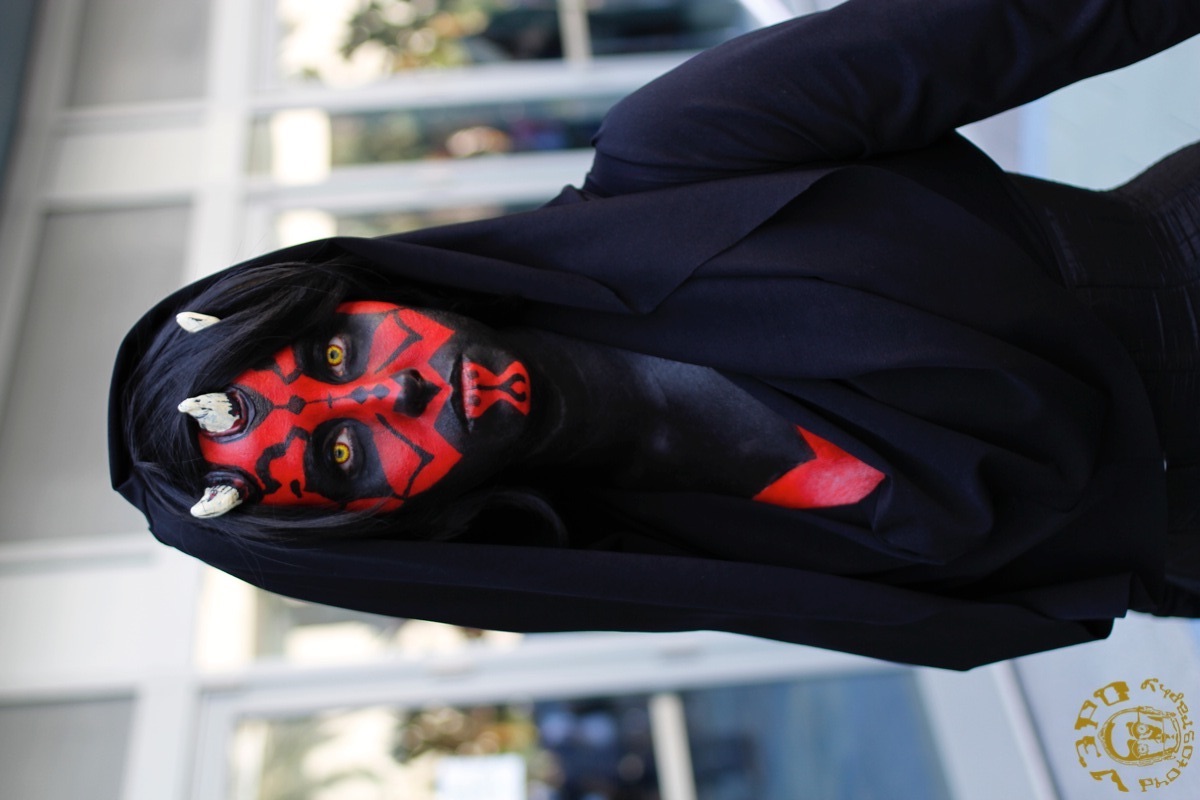
Horns can be trickier than you imagine, because you have to make them look real. You can have them pop out of your hair or a headband for a cheat. But if they come out of your forehead, you’ll have some makeup skills to learn. Just like you need to know your way around a sewing machine, cosplay horns can be a quick lesson in the importance of learning makeup for cosplay purposes.
Cosplay Props

Who is Aquaman without his trident, or Snow White without her apple? We might enjoy the costumes, sure, but deep down, we’ll know something is missing. To get better with cosplay props, you might want to pick up some additional skills like woodworking, or even blacksmithing. You might not have to become an advanced blacksmith just to secure a prop, but these lessons will help introduce you to the simple arts of manipulating everyday objects into something greater.
How to Make a Cosplay Costume Pop
You can choose any one of your favorite characters from comic books or anime. No one will ever get tired of a good Batman, Superman, or Wonder Woman.
But you can also dig deeper to find unique costumes. Try to find a supporting character that hasn’t been recreated as often. In 2014, for example, everyone cosplaying Game of Thrones was Daenerys—so you might have gotten even more attention with a Quaithe mask.
If you’ve ever gone to a comic book, sci-fi, anime, or fantasy convention, it’s clear that a $25 trip to the party store isn’t going to cut it. Cosplay is visual artwork—and you’re the canvas. A cloak and a mask will help you feel like you belong, but if you truly want to stand out, you’ll have to learn the ancillary skills to fashion an outfit full of stunning accessories.
That might mean trying out some basic skill courses, like woodworking or even leatherworking. But once you put it all together, the work you put into your accessories will add levels of realism and detail to your outfit that you’ll never be able to find in a store. And when you see the effect this has on the other convention-goers, all of your hard work will be worth it.

Create Your Next Costume
Sewing Basics: Make Your Own Clothing
Try Skillshare for free! Sign up for a 7 day free trial today!
Get Started- Unlimited access to every class
- Supportive online creative community
- Learn offline with Skillshare's app