How to Become a Graphic Designer Without a Degree
No degree? No problem! Here’s how to become a graphic designer on your own terms.



Breaking into the graphic design industry without a college education might seem far-fetched, especially when so many job listings still mention a Bachelor of Design degree as a requirement. But the truth is, a growing number of employers and clients are shifting their focus away from formal credentials and toward what really matters: your skills, your portfolio and your ability to think creatively and communicate visually.
Whether you’re changing careers, opting out of college or simply teaching yourself at your own pace, you can become a successful graphic designer without setting foot in a classroom. Up ahead, we’ll show you exactly how.
Learn What Employers are Really Looking For
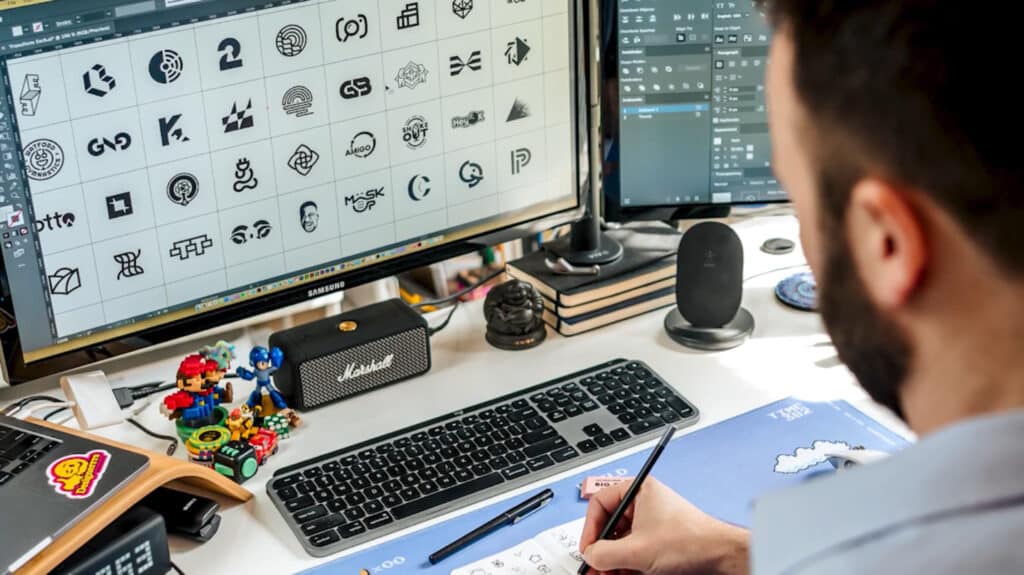
When preparing to apply for graphic design jobs, many aspiring creatives worry that not having a formal degree will hold them back. But here’s the truth: most employers aren’t fixated on whether or not you’ve attended a four-year university. Instead, they’re focused on what you can actually do.
In today’s design industry, a strong portfolio can speak far louder than a diploma. Employers want to see evidence of your creativity, your technical skills and your ability to solve visual problems. They’re interested in your grasp of design fundamentals like typography, color theory and composition, as well as how you apply those principles to real-world projects.
Your mindset is important, too. Hiring managers look for self-starters who are eager to learn, take feedback well and can quickly adapt to new tools and trends. Graphic design is a fast-evolving field, so showing that you’re committed to growth and adaptation can outweigh a traditional education in an employer’s eyes.
So instead of worrying about the degree you don’t have, focus on demonstrating the value you bring to the table. Show them your talent, your drive and your ability to keep improving, and you’ll set yourself apart from the crowd.
Know What to Expect
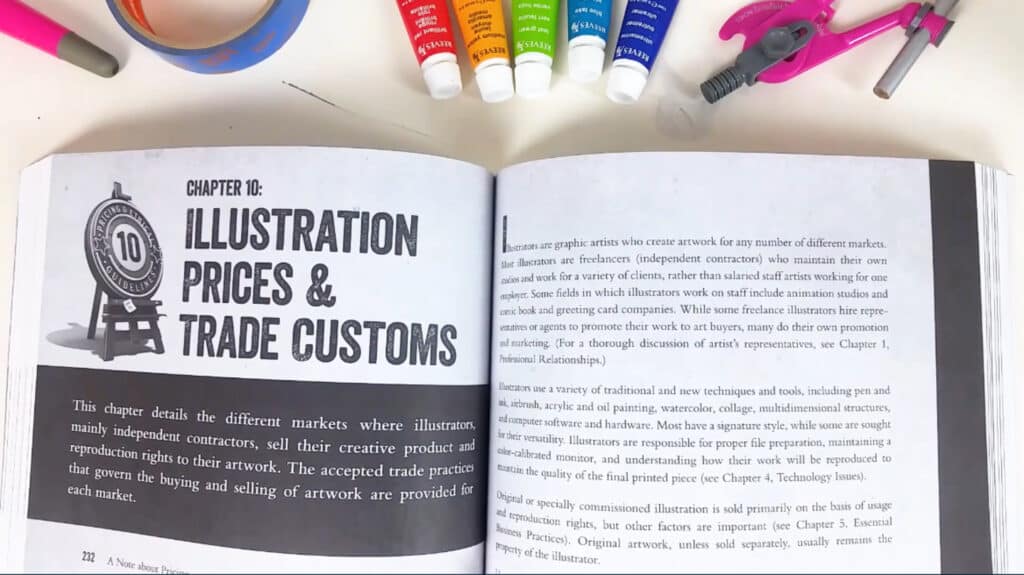
Pursuing a career in graphic design without a formal degree is entirely possible. But to set yourself up for success, it’s important to go into it with clear, realistic expectations. After all, being self-taught means setting your own pace, but it also means you need to be honest about what it takes to build a lasting career.
It Takes Time
The reality is that you won’t become a sought-after designer overnight. Mastering the tools of the trade, building a solid portfolio and attracting clients or landing a full-time role often takes months or even years. Expect to start small, possibly with unpaid or low-paying projects, while you gain experience and credibility.
Income May be Inconsistent at First
Especially if you’re freelancing, your earnings are likely to be unstable as you gain traction. So, it’s normal if you need to supplement your income early on with part-time jobs or contract gigs. Just know that as your reputation grows with time, so will your income.
Creativity Is Just a Piece of the Puzzle
Many people get into design because they love the creative process, but in reality, only a portion of your time will be spent designing. If you’re freelancing, you’ll need to work with clients, market yourself and manage your finances. And whether you’re freelancing or working as an employee, you’ll need to articulate ideas, respond to feedback and meet deadlines.
There Will Be Setbacks
Revisions that test your patience, clients who ghost you, creative blocks and slow months are all par for the course. Prepare for them, learn from them and don’t let them discourage you.
Drill Down on Crucial Skills
To succeed as a self-taught graphic designer (and impress potential employers), you’ll need more than a couple projects under your belt. You’ll also need a well-rounded skill set that combines technical proficiency, creative understanding and professional savvy.
These are some key areas you’d be smart to focus on:
- Master industry-standard software: Get comfortable with tools like Figma and Affinity Designer, as well as Adobe’s Photoshop, Illustrator and InDesign. These programs are widely used in the industry, and knowing how to use them is often considered non-negotiable.
- Understand design principles: Learn the elements and principles of design, including color theory, emphasis, balance, contrast and unity. These are the building blocks of good graphic design and will enable you to create clear, effective visuals.
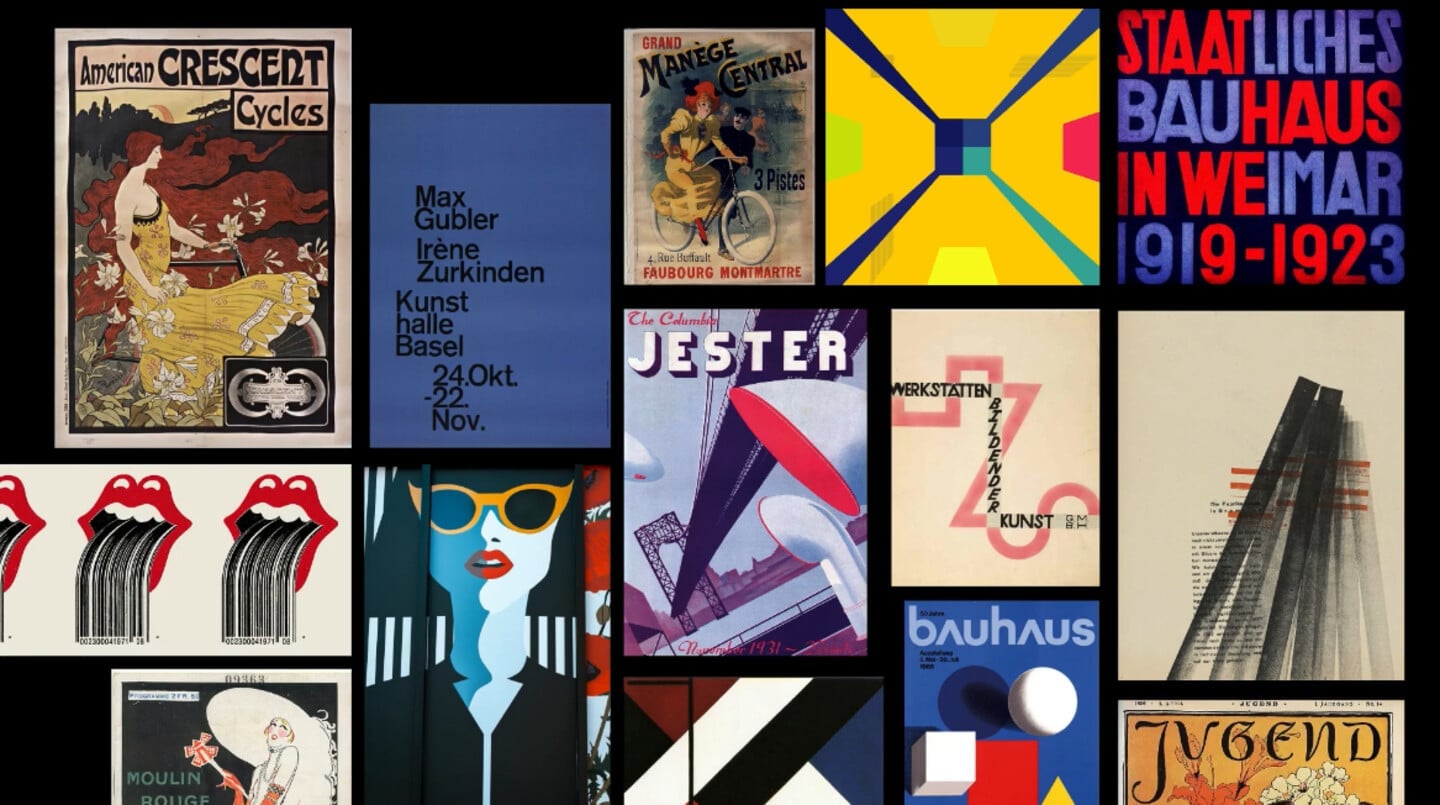
- Learn about the history of graphic design: Study influential movements throughout graphic design’s history, such as Bauhaus, Swiss style and postmodern design. By understanding how past designers approached their work and why certain styles evolved, you can deepen your appreciation of design and make more intentional creative choices as a result.
- Develop a strong eye for visual composition: Train yourself to see what works and why by analyzing great design. Take note of well-designed magazine layouts, posters, branding systems and websites, and practice recreating them on your own.
- Sharpen your UX/UI awareness: If you’re interested in digital design, get familiar with basic user experience (UX) and user interface (UI) principles. To start, brush up on usability, accessibility and how design choices affect user behavior.
- Learn project management basics: Especially as a freelancer, you’ll need to juggle deadlines, feedback and revision cycles. Learn how to use tools like Trello, Notion or Asana to stay organized and keep your workflow under control.
- Keep up with trends and technology: Follow design blogs, subscribe to YouTube channels and listen to industry podcasts whenever possible. The more you immerse yourself in the world of design, the more current and inspired your work will be.
Create a Beautiful Portfolio, No Client Work Required
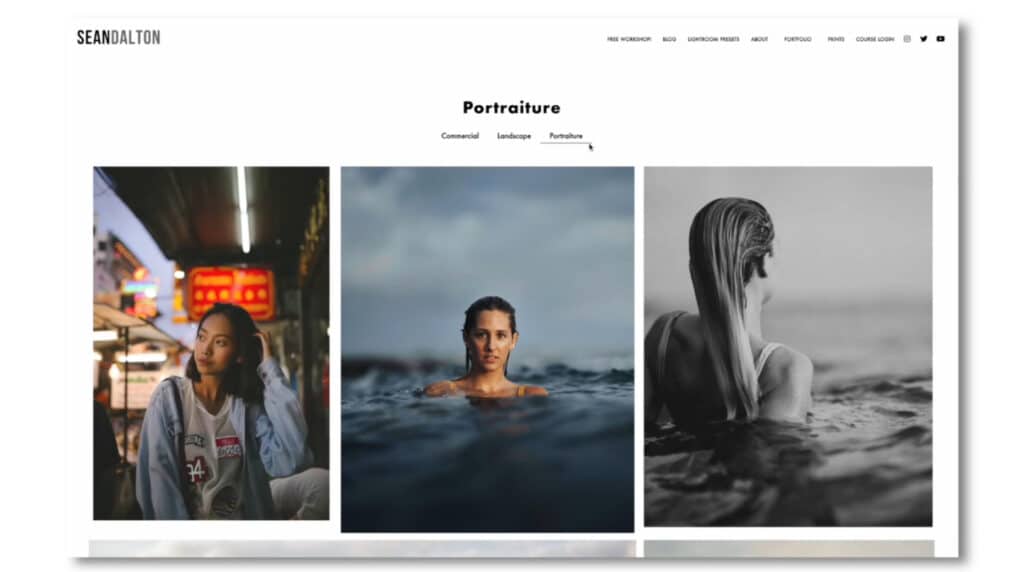
Some aspiring designers might think that you need real clients to build a real portfolio. But in truth, many self-taught designers land their first jobs or gigs with portfolios built entirely from personal and practice projects. In the end, what matters most is the quality of your work, not who paid you to make it.
Here are several effective ways to build a great graphic design portfolio without a single client:
- Create personal projects with purpose: Try designing logos, websites and social media graphics for fictional brands, or take a stab at rebranding an existing company. Treat these practice projects seriously and strive for pro-grade results.
- Take on design challenges: Design challenges can help you build your skills, gain confidence and add variety to your portfolio.
- Use online class projects: Skillshare’s graphic design classes each have a project you can complete over the course of the class. Take your favorites, build on them and incorporate them into your portfolio.
- Document your process: Don’t just show final images—also include sketches, mood boards, iterations and written explanations. These give potential employers and clients insight into how you think and work.
- Design for causes or communities you believe in: Volunteer your design skills for nonprofits, student groups or local events you care about. Even if it’s unpaid, it’s still real-world experience, and you can include it in your portfolio just like any other job.
Building an impressive portfolio from personal projects is so feasible there’s even an entire Skillshare class with thousands of students on the topic: Design for the Job You Want: Personal Projects to Build Your Portfolio. So don’t let a lack of paid clients discourage you from building a portfolio; the key is simply to present your work as if it were done for actual clients.
Build Soft Skills

While technical skills can get you noticed, soft skills will help you thrive. It can be tempting to focus solely on sharpening your design abilities, but if you neglect things like time management, communication skills and emotional intelligence, you may quickly find yourself overwhelmed, misunderstood or burned out.
After all, soft skills aren’t just for making clients happy—they’re for making your life easier too.
Here are the essential soft skills every self-taught graphic designer should build:
- Time management: Without professors, a boss or a structured schedule, it’s easy to fall behind or burn out. Instead, learn how to set realistic timelines, break down large projects into manageable tasks and avoid procrastination.
- Clear communication: Whether you’re writing an email, hopping on a video call or explaining your design choices, being able to express yourself clearly is crucial.
- Receiving and applying feedback: Learning to hear critiques without taking them personally is a skill in itself. Practice taking in what’s useful, asking clarifying questions and showing that you’re open to collaboration.
- Professionalism and reliability: Clients and employers remember the designers who make their lives easier, so show up on time, deliver what you promised and always be courteous. You don't need to be perfect, but you do need to be reliable.
- Stress management: Design work can be creatively rewarding, but also mentally draining. Learning how to manage your workload, set boundaries and step away when you need to will help you avoid burnout and stay inspired.
Find Community Without College
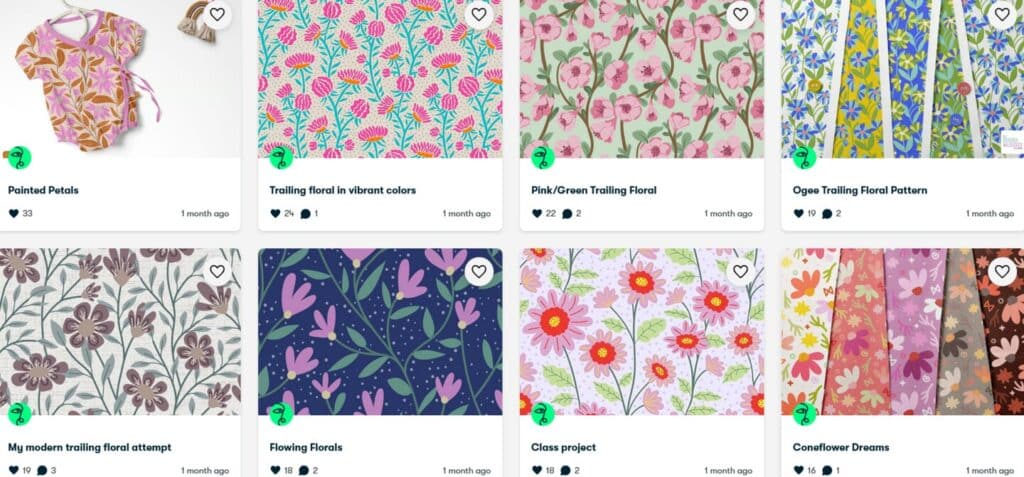
One of the biggest challenges self-taught designers face is the lack of support that comes with formal education. There are no classmates to swap feedback with, no instructors to guide your progress and no alumni network to lean on. But that doesn’t mean you have to go it alone.
In fact, finding a supportive creative community is one of the smartest moves you can make. Surrounding yourself with other designers—either online or IRL—can fast-track your growth, keep you motivated and provide you with valuable feedback.
Here’s how to find community outside of a classroom:
- Take online classes: Skillshare’s online graphic design classes don’t just include the lessons themselves. They also include space for you to share your projects, ask questions, comment on other students’ work and receive feedback on your own.
- Engage in design communities: Join public forums like Reddit’s r/Design and r/graphic_design, Discord servers for creatives or Facebook and LinkedIn groups dedicated to graphic design. These are great places to ask for feedback, get advice and connect with others who are in the same boat.
- Follow and interact with designers on social media: Platforms like Instagram, X, Behance and Dribbble aren’t just for showcasing work—they’re also networking tools. Comment on other designers’ posts, ask thoughtful questions and share your own projects.
- Find a mentor: Mentorship doesn’t have to be formal; it can be as simple as reaching out to a more experienced designer you admire and asking if they’d be open to a quick chat. Just be respectful of their time, and come prepared with a couple of your most pressing questions.
Continue Learning Anytime, Anywhere with Skillshare
We may be biased, but Skillshare truly is one of the best places for self-taught designers to find their footing and take the leap from hobbyist to professional. With curated learning paths, one-on-one sessions and classes on everything from graphic design basics to creating your own creative business plan, you’ll be covered no matter your skill level.
So the next time you’re worried about whether your lack of a degree will hold you back, remember that the name of the game is what you can do, not where you went to school. With the wealth of online resources available at your fingertips, there’s practically nothing you can’t do.
Related Reading
Carrie Buchholz
Carrie Buchholz is a freelance writer who lives in Northern Colorado with her husband and dog.
Try Skillshare for free! Sign up for a 7 day free trial today!
Get Started- Unlimited access to every class
- Supportive online creative community
- Learn offline with Skillshare's app