Portrait of Madame X (1884) by John Singer Sargent
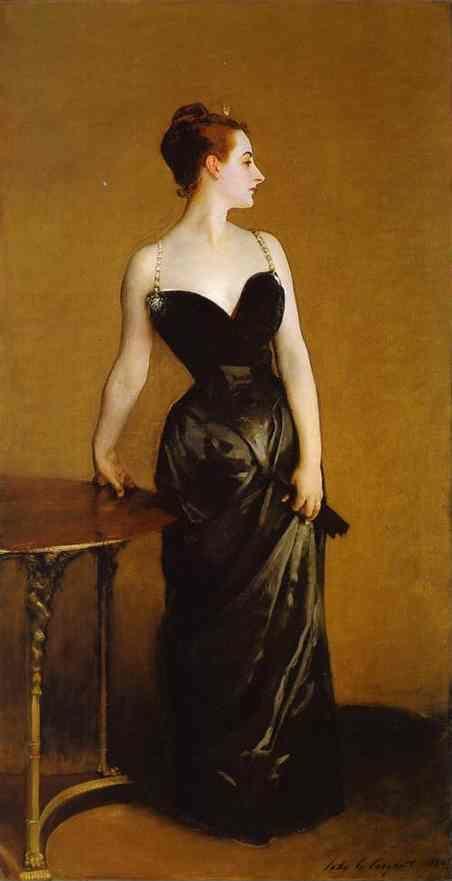
Painting: Portrait of Madame X (1884) by John Singer Sargent
Time Period: Late 19th century (Belle Époque, France)
Colour: Black
In Portrait of Madame X, the subject (Virginie Gautreau) is painted in a striking black satin dress with jewelled straps. Traditionally, black was linked with mourning and Grief. It was also associated with the colour of the workers' uniform. However, during the Belle Époque, black also began to signal sophistication, elegance, and sensual power, especially among the upper class.
John Singer Sargent’s use of black in this portrait was provocative for the time. The shiny, form-fitting gown with a plunging neckline defied conservative expectations. Black here was not about grief but about glamour, mystery, and high fashion, a statement of elite identity and bold individuality.
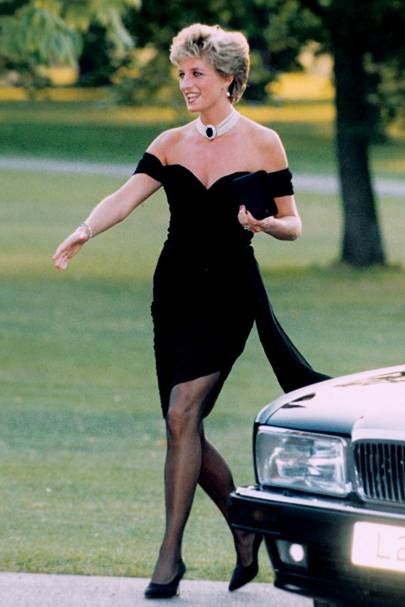
In modern times, black is widely accepted as a symbol of timeless elegance. A woman in a black evening gown is seen as confident, classy, and bold—think “the little black dress” as a staple of fashion wardrobes. And who will forget Diana, Princess of Wales' iconic Revenge Dress?