Lost Languages
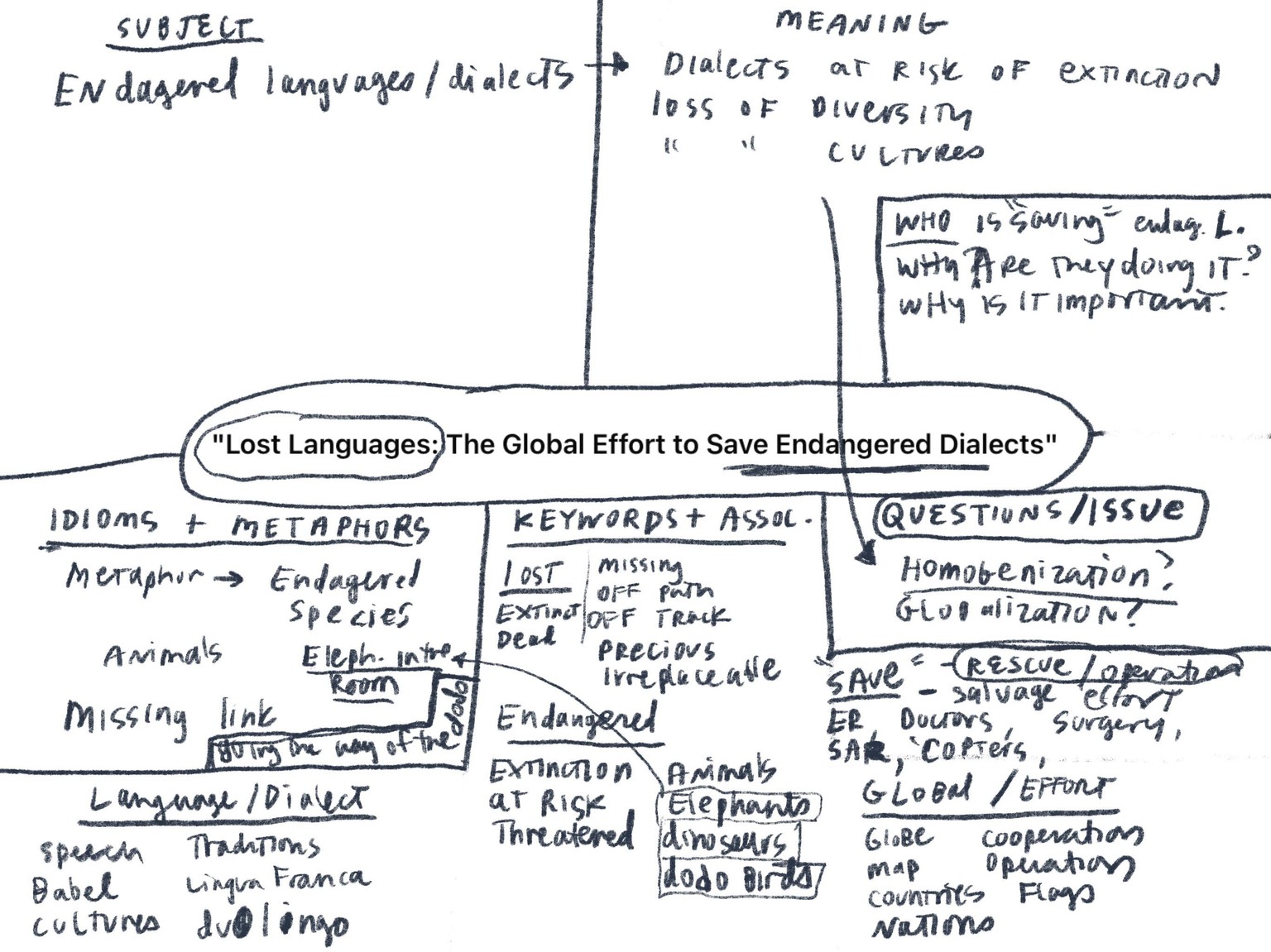
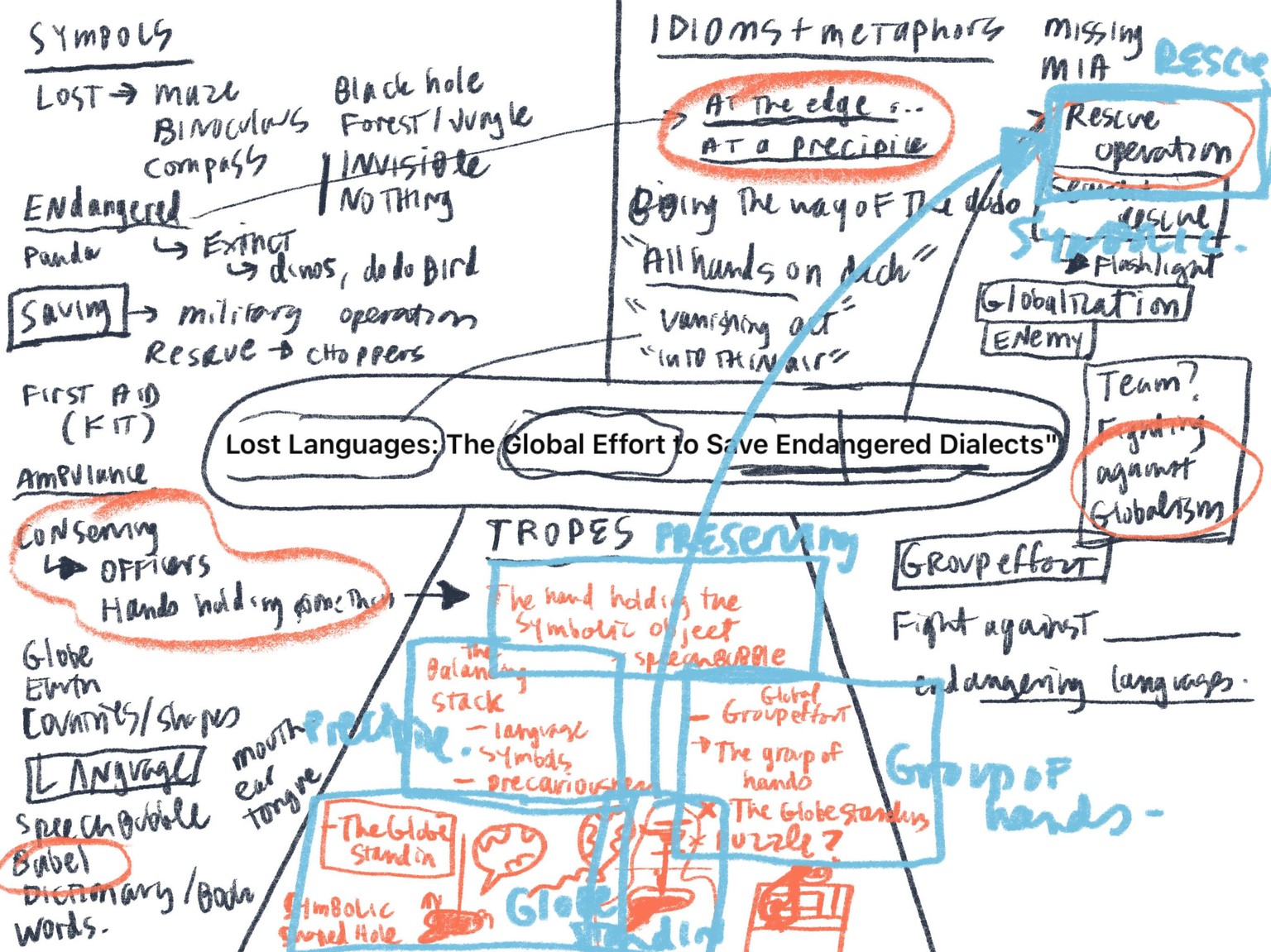
My illustration is based on the headline, "Lost Languages: The Global Effort to Save Endangered Dialects".
My exercises are down at the bottom.
==============================
Headline Analysis
==============================
Pre-visual Brainstorm
==============================
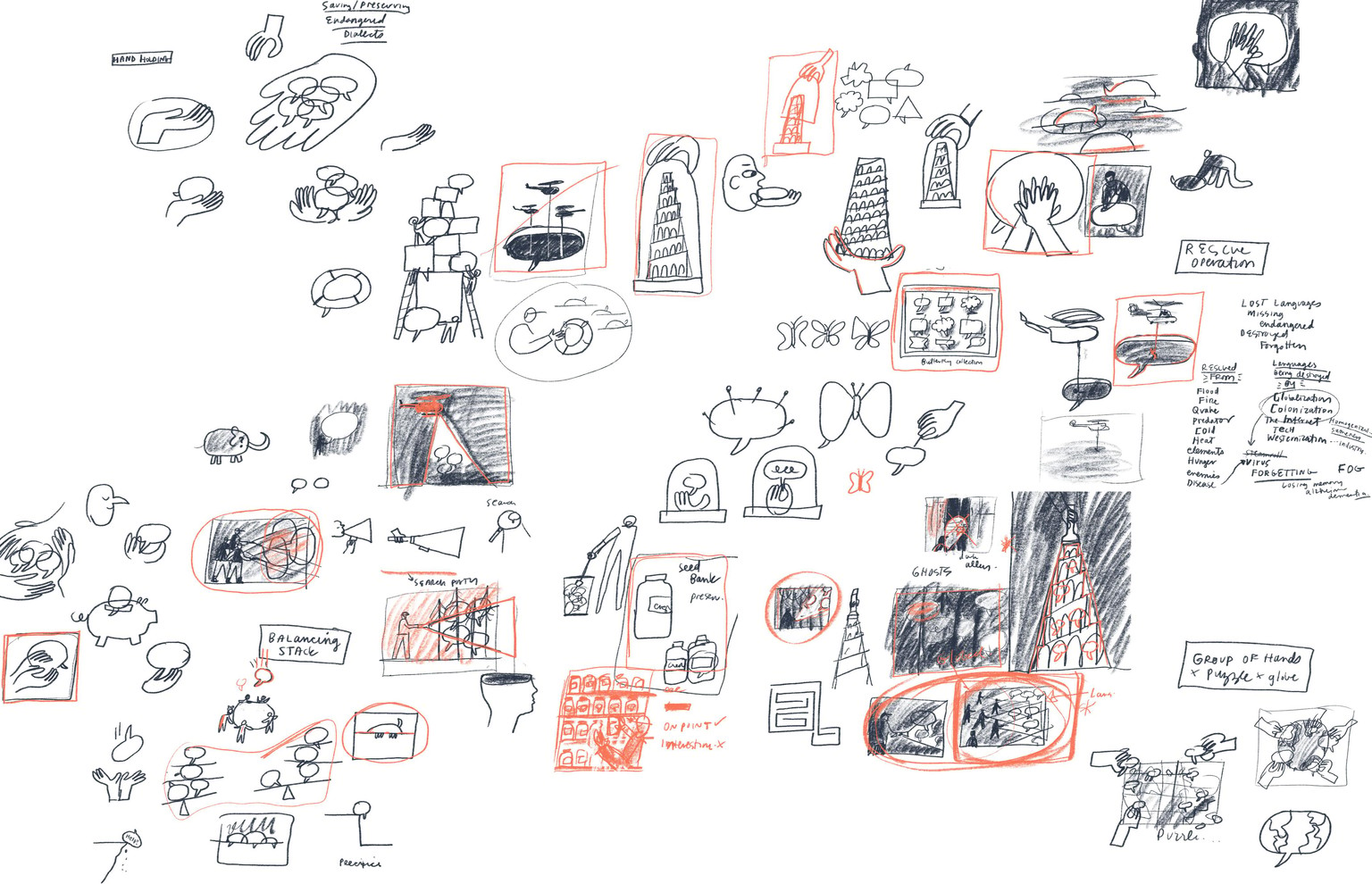
Rough Sketches
==============================
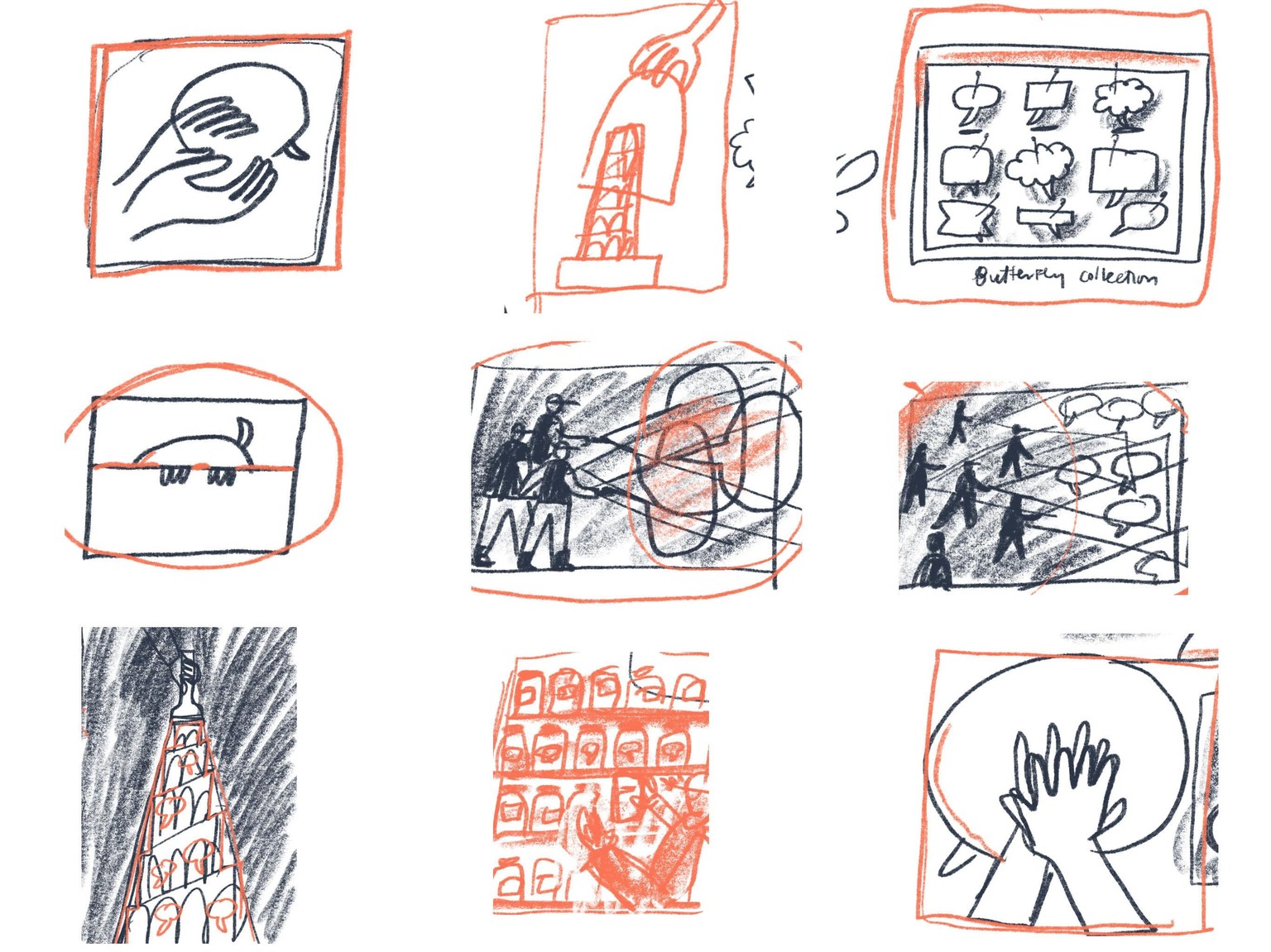
Selections
==============================
Refined Sketch
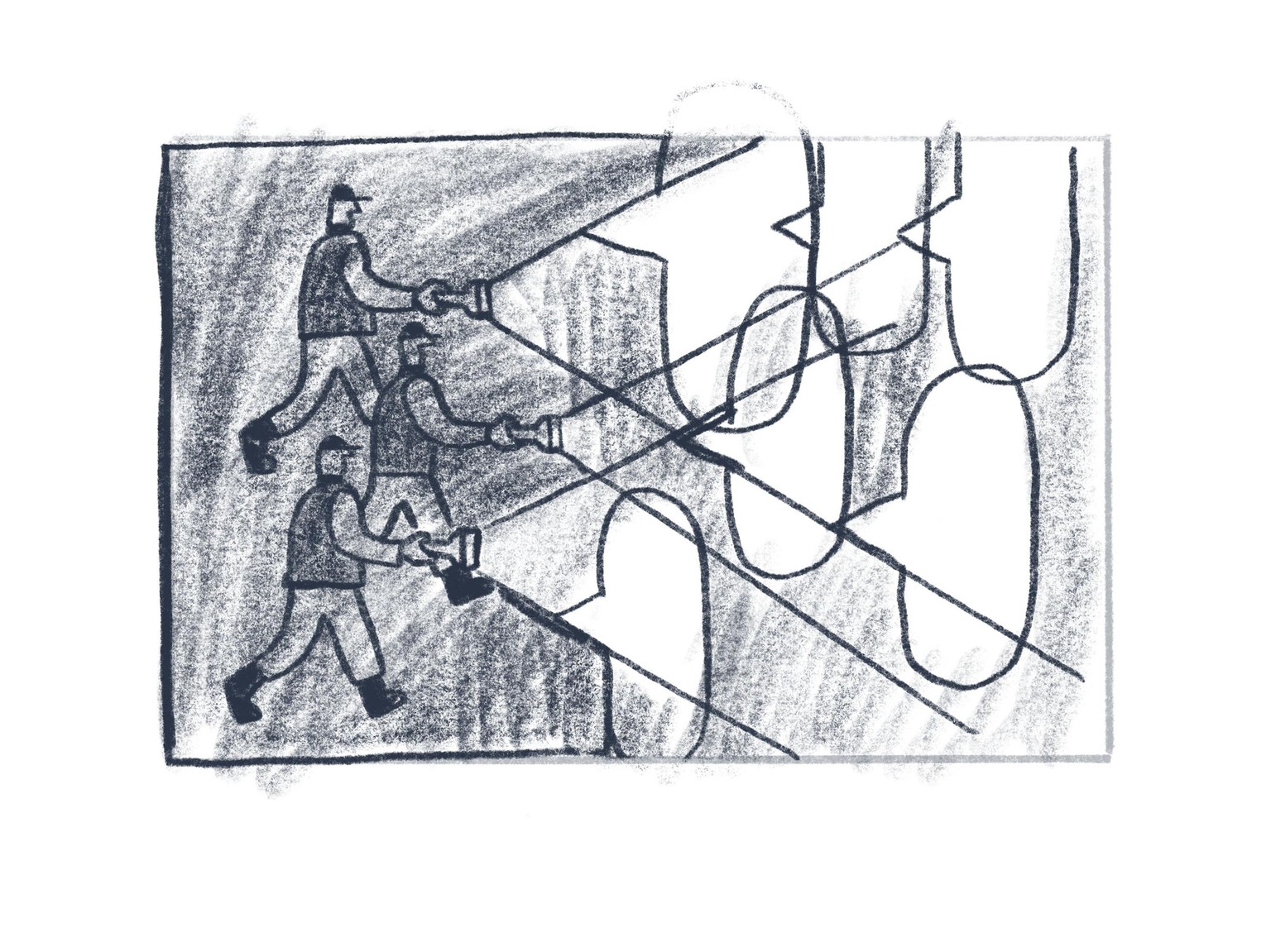
==============================
Final Illustration
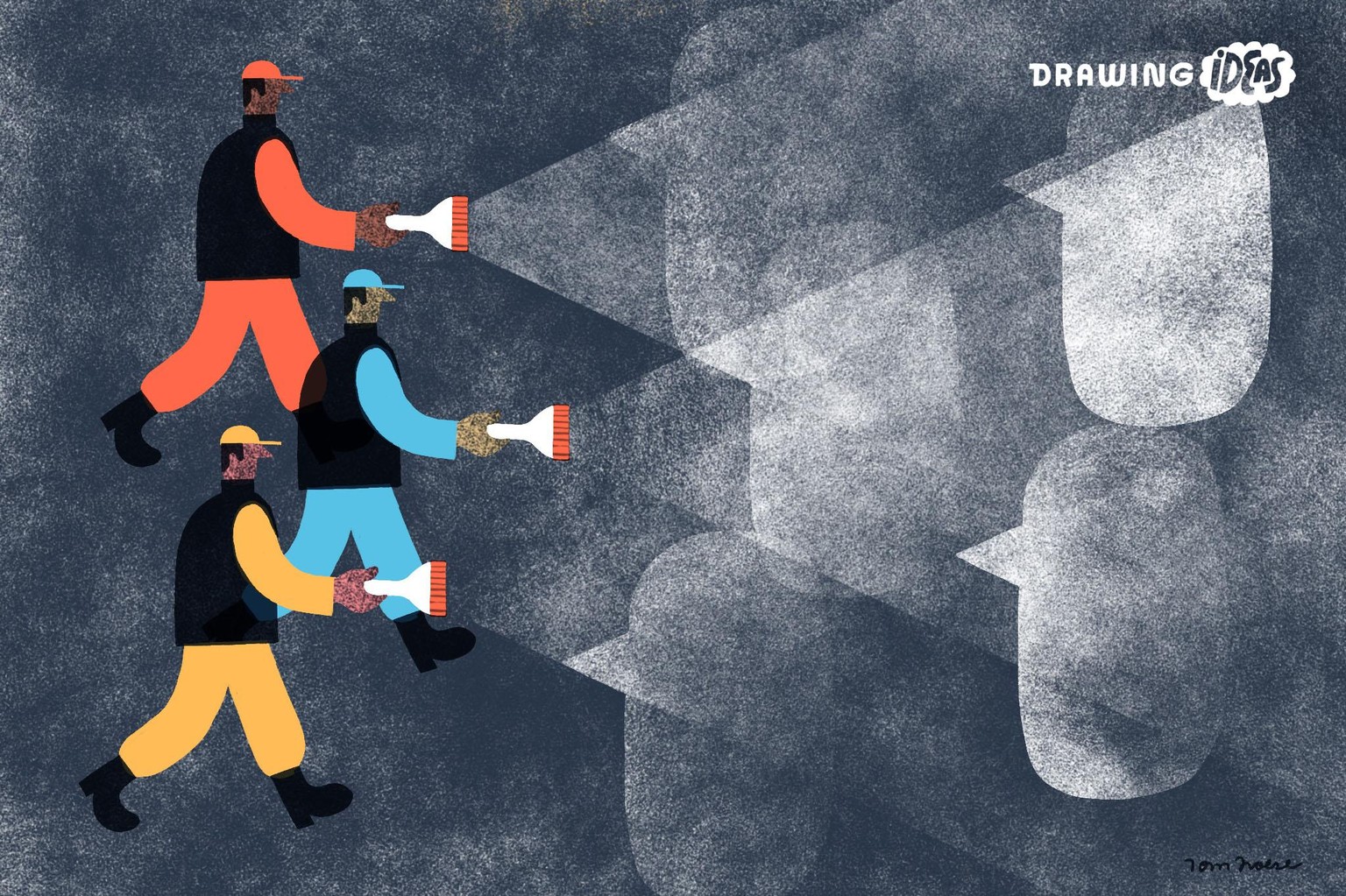
==============================
Exercise 1: Is it Conceptual?
Below is my comparison between a conceptual and a non conceptual illustration. On the left, it is conceptual, because it's using a metaphor (Atlas bearing the load of the world on his shoulders) to express an idea of carrying a huge burden. While the meaning is ambiguous, I believe it suggests something about the idea of keeping up one's reputation — symbolized by the carved head — living up to others' expectations (or one's own expectations). Image by Antonio Sortino.
The image on the right is an example of a non-conceptual illustration. It is beautifully illustrated but it has no apparent symbolic or metaphorical meaning, at least out of context. Image by Jordan Kay.
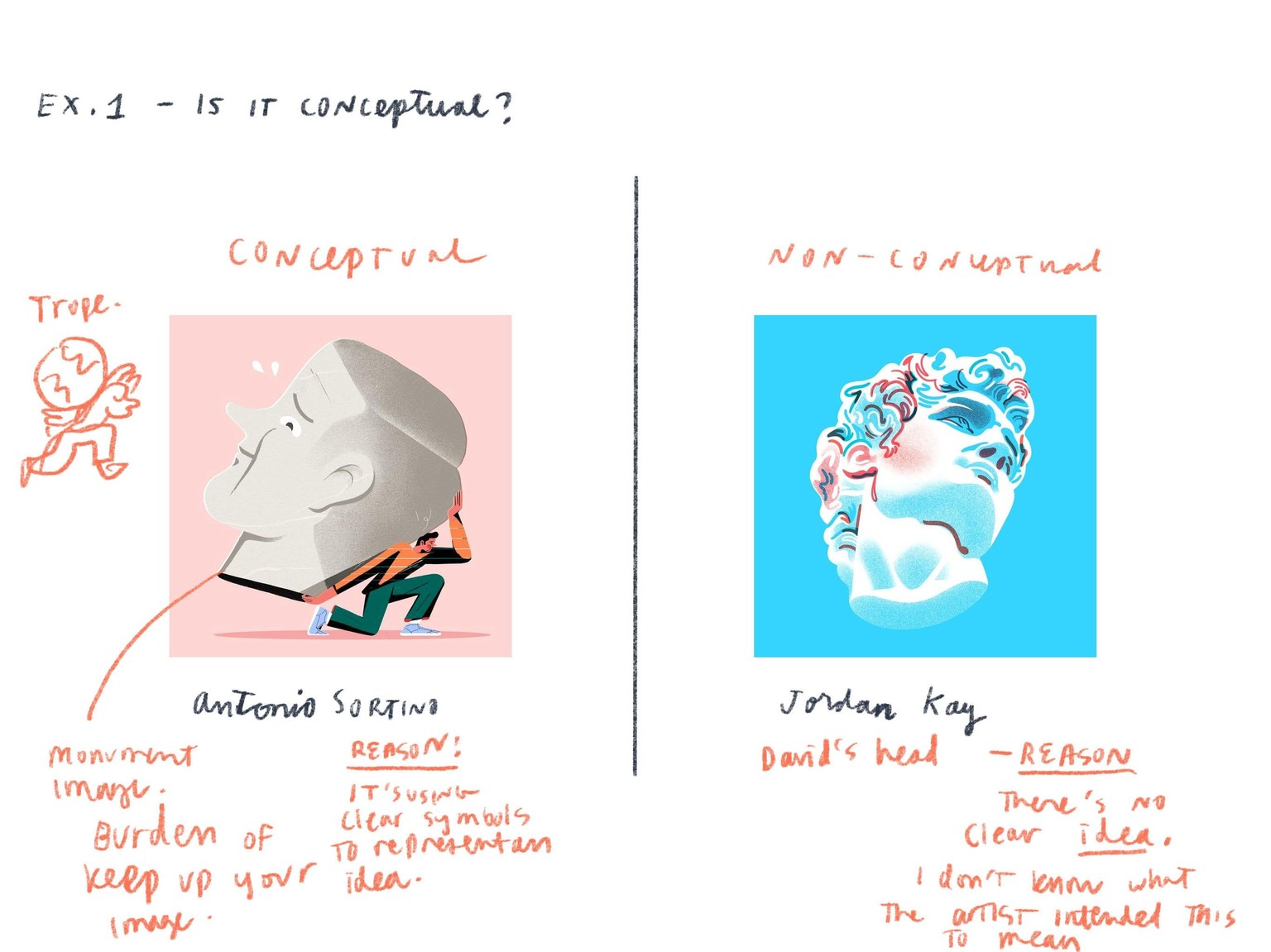
I have one more pair of conceptual and non-conceptual illustrations here, as an example:
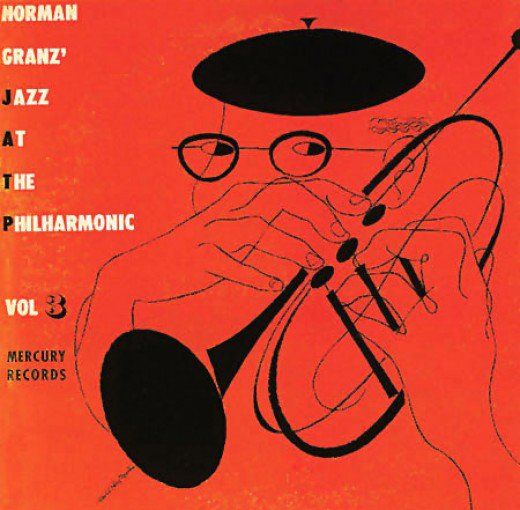
This first illustration is a non-conceptual illustration example. This one is by David Stone Martin, and it is a record cover for Norman Granz' Jazz at the Philharmonic Vol. 3. Although it is mysterious, it is not conceptual, and that's because there does not seem to be any intended message or double meaning to it. It is just a portrait done in a very interesting way.
This is a conceptual example, by James Steinberg for Time Magazine. The headline is "Who should control AI?". The concept uses the symbol of the humanoid robot to stand for AI, and the colours red and blue to symbolize the Left and the Right of the political spectrum. The figures suggest each political side having "tug of war" contest; the artist is careful not to suggest a clear winner in the image. 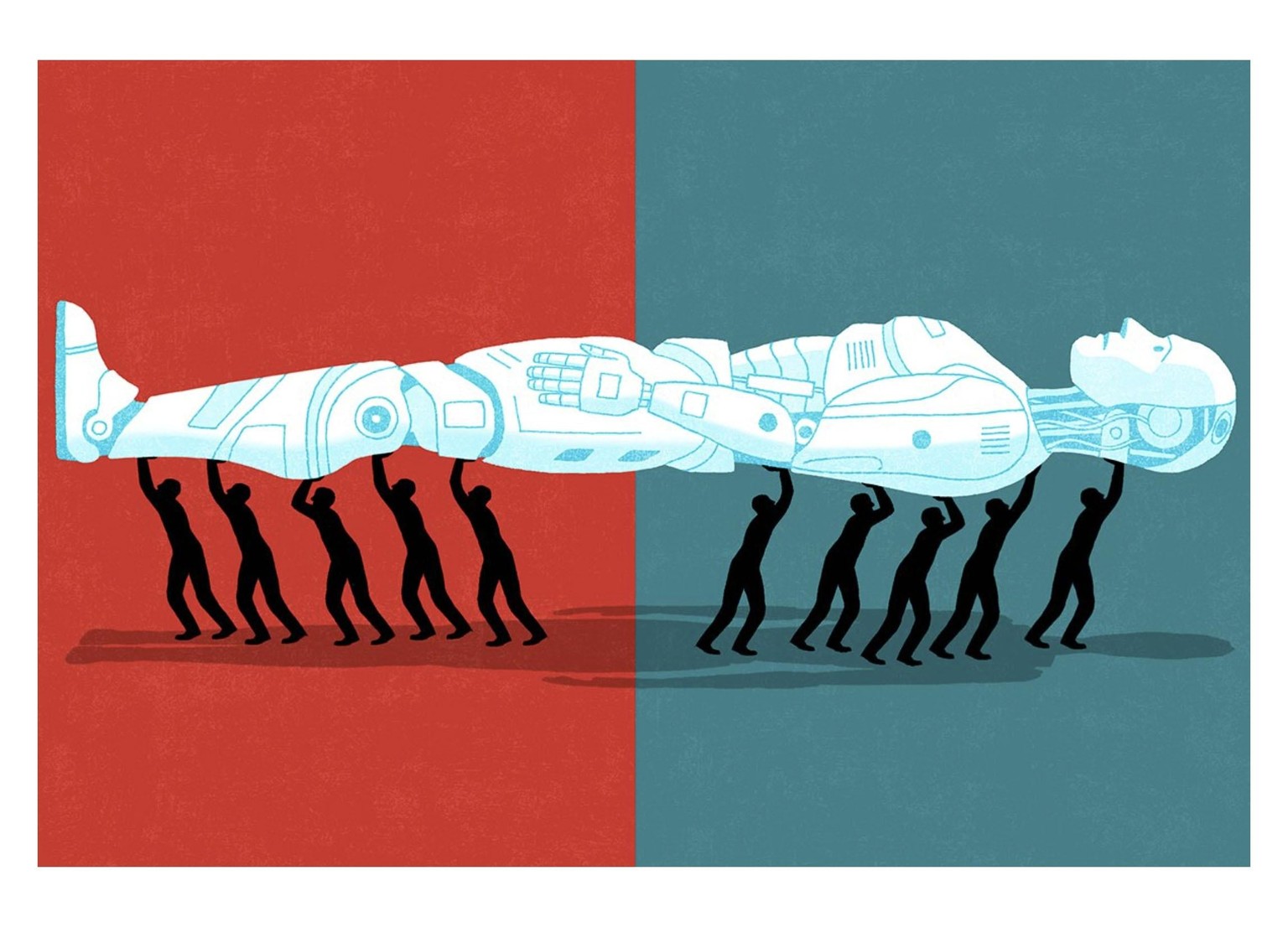
==============================
Exercise 2: Symbolic Nouns
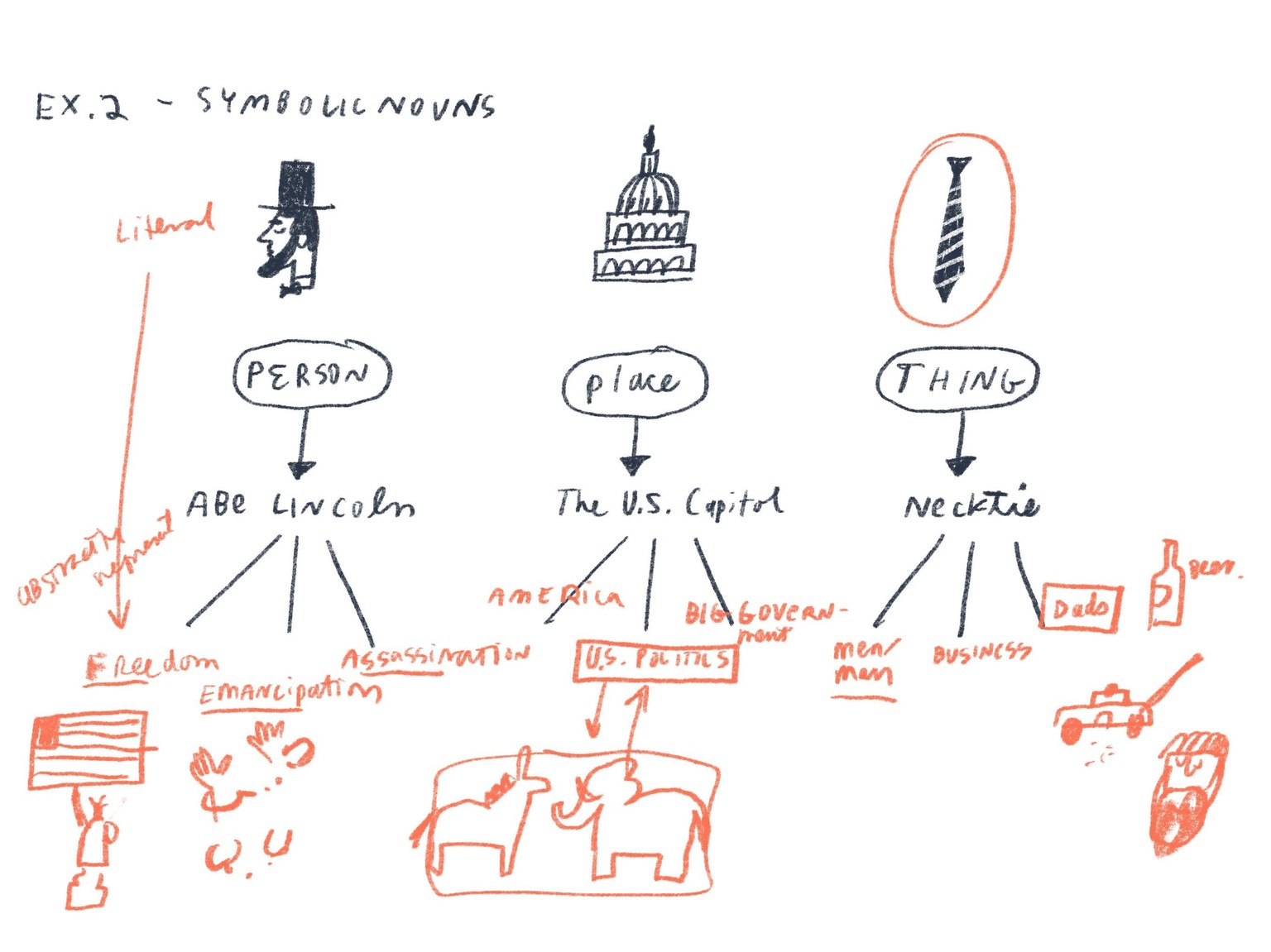
Below are my symbolic nouns.
Person: Abe Lincoln
Place: Washington DC (represented by The U.S. Capitol)
Thing: Necktie
For each, I've brainstormed possible symbolic, abstract meanings of these concrete (physically representable) nouns.
==============================
Exercise 3: Drawing Idioms
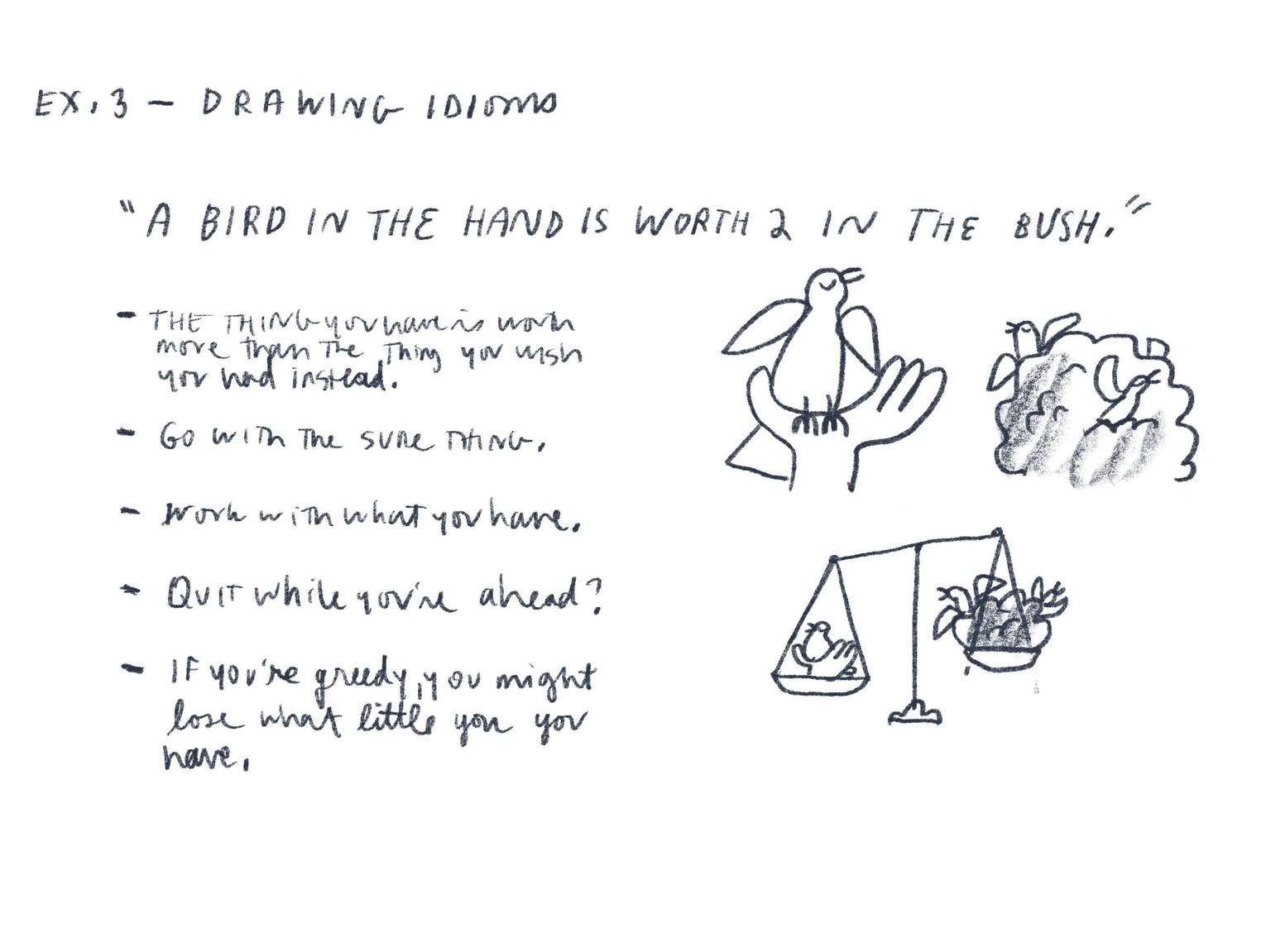
Idiom: "A bird in the hand is worth 2 in the bush".
Meaning: The thing you have now is more valuable than the bigger or better thing you only wish you had.
First, I literally drew the idiom. I tried drawing the idiom in parts. First "Bird in the hand", and then "Two birds in a bush". Then I tried drawing the idiom in a very literal way, using a scale to show which was worth more according to the saying.
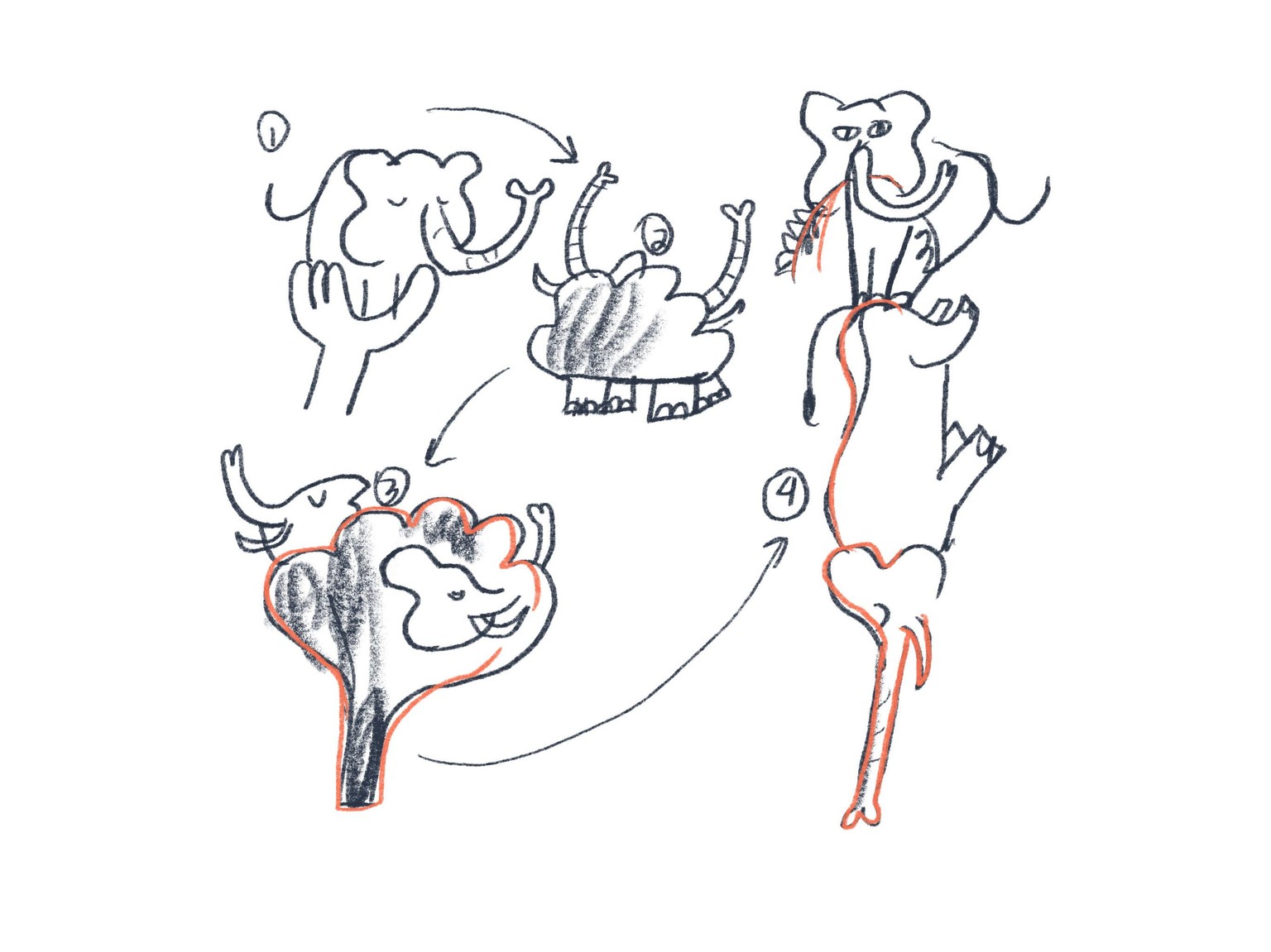
Next, I played with replacing birds with elephants, and this led me to play on the idea of an elephant as a tree, using its trunk as the "tree trunk."
==============================
Exercise 4
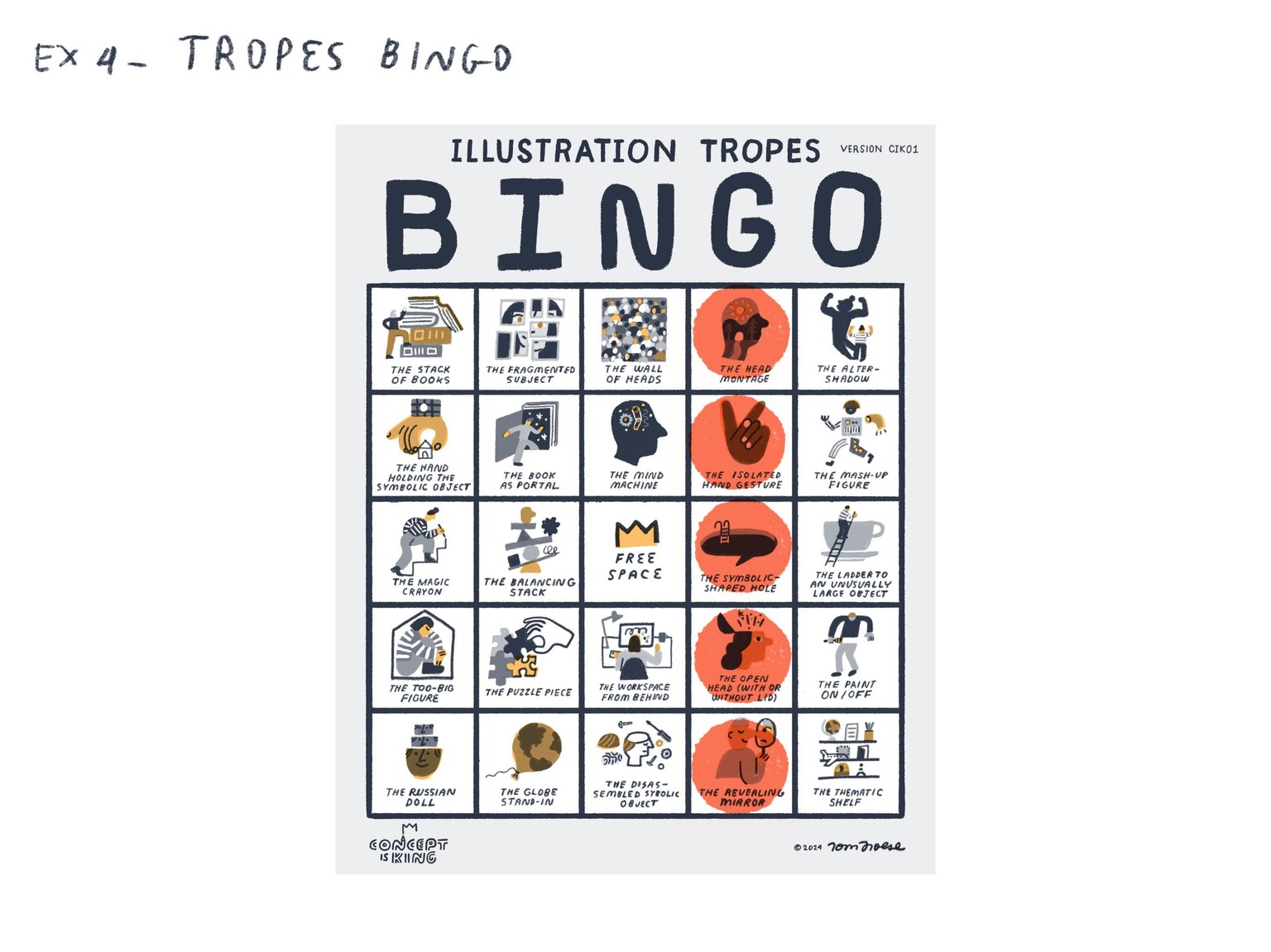
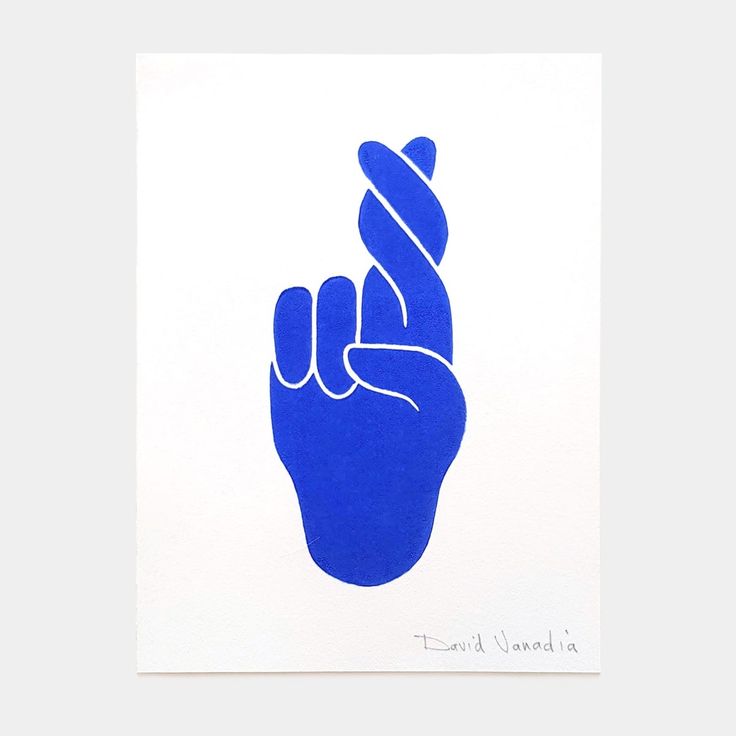
"The Isolated Hand Gesture" - David Vanadia
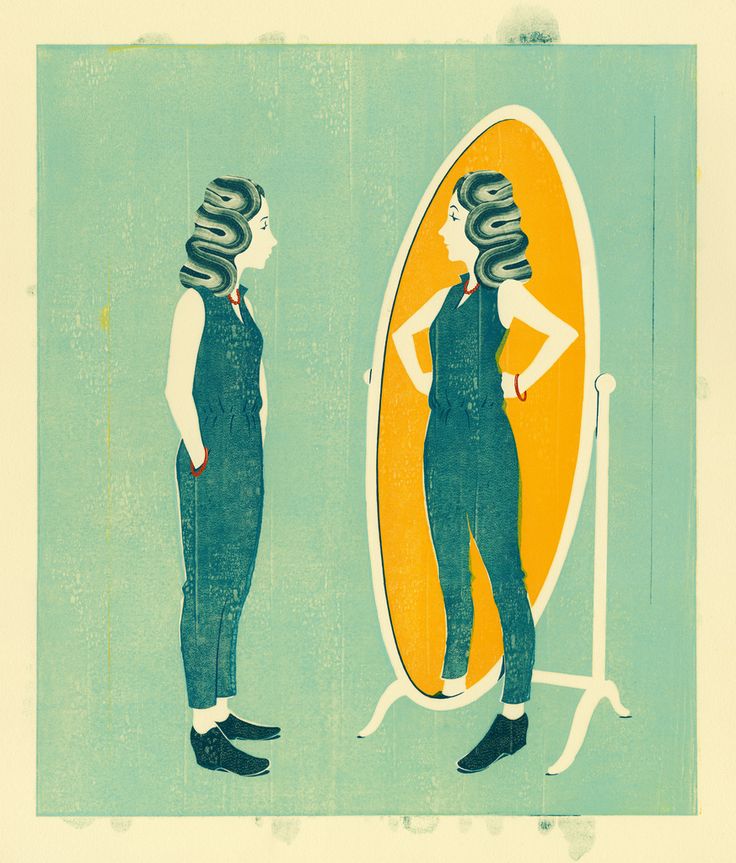
"The Revealing Mirror" - Dan Bejar
"The Open Headtop" with lid - Leon Baretto
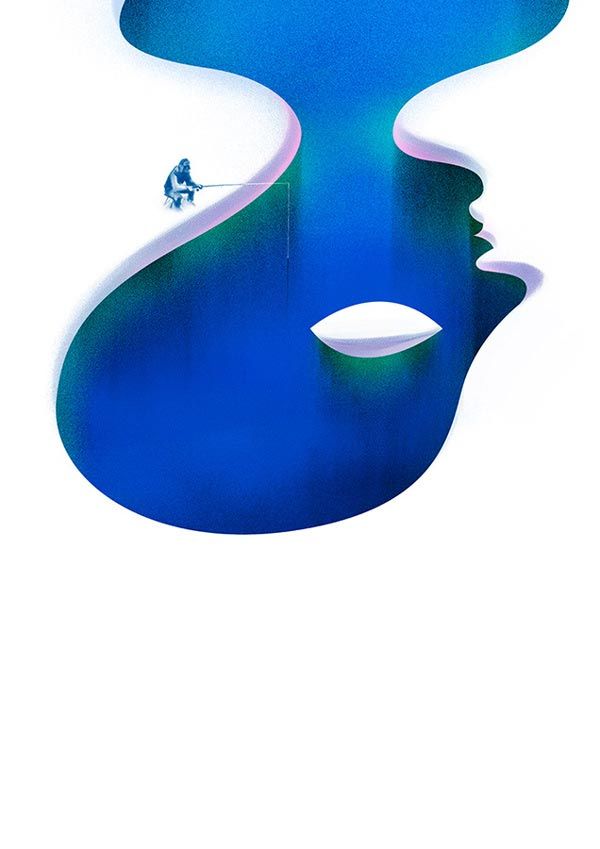
"The Symbolic Shaped Hole" - Pawel Jonca
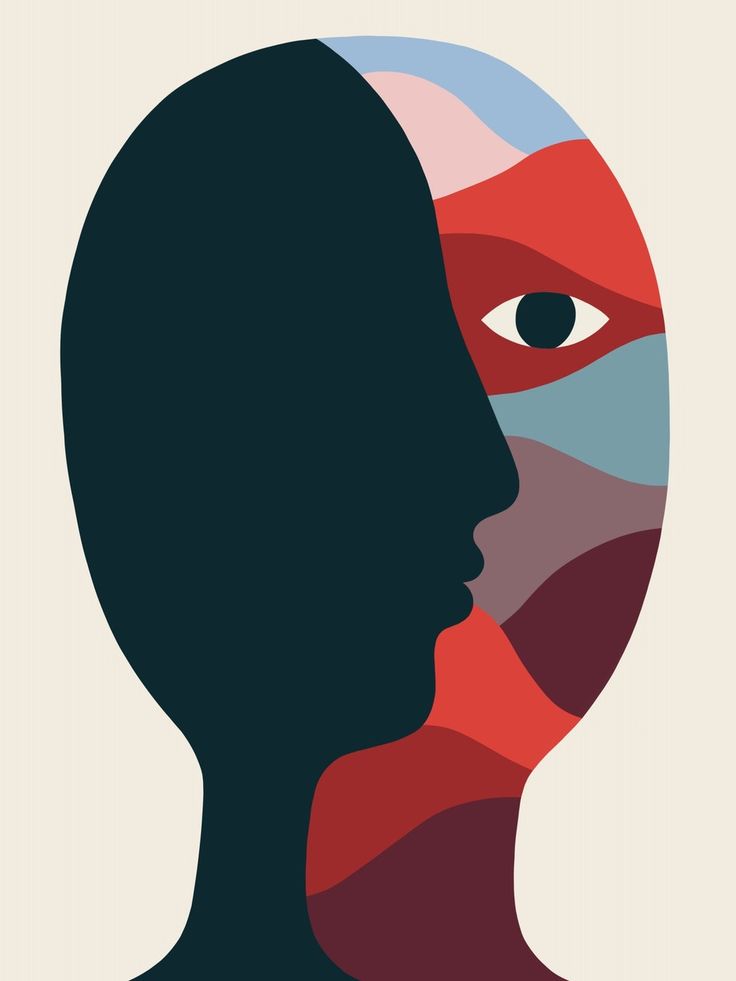
"The Head Montage" - David Vanadia