Transcripts
1. Introduction To Creative And Stylish Upcycling: Hello ladies and gents. I hope you're all
doing very well. My name is Emma. I'm a women's wear
to sign a stylist, water consultant, and have professional expertise that
spans over 2.5 decades. Thanks for stopping by for my second course
here on Skillshare. I'm going to just share
with you more of my skills, my insides, my observations. Both those things
I've accrued over that span of my
fashion lifetime. Hopefully this will
help some of you out there to discover new
things about yourself. What you'd like
to explore moral, and hopefully your sisters to confidently delve
into and creativity. Then allow those creative
juices to have free throws. An outlet to express. Today I'd like to
introduce you all to this really great
course I've created as a result of being inspired by a story I saw quite
recently on a new program. This news program
was highlighting the really serious problem
of throwaway fashion and how all these
unwanted clothes were learned in
developing countries, such as Ghana,
under the guise of humanitarian charity
and that kind of thing. Now, a lot of the
officials there was saying basically this
problem has to stop. And we're urging the
Western government to stop using these countries
as a dumping ground. Most of these clothes
were made out of fabrics that weren't
biodegradable. Therefore, the items
were just sitting around and had no way of them
breaking down naturally. That got me thinking, we all have a part
to play when it comes to environmental issues. And of course, we're all
guilty of buying things. Not really necessarily
great quality. And are often just for holidays
or just for single use. And they sit around
in our cupboard, so in our recycle bag and then eventually gets shipped
off to the recycle shop. I was looking in my
pile and I came up with a couple of items
that I'm yet to wear, inspired me to do a series of courses starting with this one. I'm going to show you how I transform this kimono address. The I bought last year, just in case I had
the opportunity to travel into this
new stylish top. I can wear all year round. I could draw it as it is
in the warmer climates. Napoleonic Nakota ones. I really think
this new style and tetany can be transferable to any item that has a
front or back opening, any fabrics, sweatshirts,
cardigan, almost anything. I'll help you to start
to see the beauty of those unwanted governance
in your wardrobe. And hopefully, this will start a new cycle where you
can reinvent anything. No longer were anything
in your wardrobe. Hopefully, you'll come along
with me to the next section. You'll join the movement. And let's all start recycling upcycling items in our
own personal style and in our own unique way. With that being said, I
look forward to seeing you all in the following segments.
2. Welcome!!: Thanks for coming
along and being a part of this movement towards
self-expression. And possibly a real
deep acknowledgement of your own vision, hopefully your own
style language. If you are a maker, liked the idea of upcycling
morphemes in your wardrobe. This process is going to
be right up your street. You see the desire to wear clothes that are
from your own hands. Israel, my people can put you at the forefront of
the trends before they hit, such as this 2022 trend of fringes and tassels
in particular, I loved the Attic drama to
tassels add to your outfit. What do you reckon? Do query. I felt yeah, I want some
task was in my wardrobe. I mean, not only as creating my unlocks brought me
to a place where to this day I still only want to
wear mainly my own designs. I've been able to
see firsthand how achieving this has added
to my self-belief, elevated myself esteem,
and showed me when you use your creativity to achieve something that is
your own making. There's no stopping you and
there's no feeling like it. Are you ready to do this? Let's go.
3. What You Will Need For This Course: First things first, these
are the items you'll need to achieve this
particular look. A table or a flat
surface if you have it. A cutting mat will make the process easier,
but that's optional. Tracing wheel, a pair of fabric scissors and
paper scissors. Pins, measuring tape, of course. Ruler or a set square,
mark and chalk, preferably something close
to the color of the fabric, but dark enough for you
to see the markings. Pattern paper or card to make pockets and to make all the patterns
you're going to need. And I'm picker to unpick
decided the Garmin when we're in certain pockets. Actually you're
going to need it. I'm picker for more
than that. Trust me. You need a paper and
pen to take notes. You're going to need 20
times 18 millimeter islets and their hand tool. They're not actually
too difficult to find. I actually found mine on eBay. I went for a SICE quite large because I wanted something
that I can fit thicker fabric. Also going to need
machine Fred that matches the items you are using. And if you are anything like me, you're gonna need thread that matches the lining fabric too. That's also optional. You're going to need
one meter of fabric, preferably not stretchy for reinforcing the top and
to make the pockets. I'm going to use poly
cotton because it's the ideal weight for
this particular dress. Now when you
purchase the fabric, tried to get something that
is close to your skin tone. If the garment that you are customized and it's
light in weight, in color, it might
be a bit safer. For instance, if I use
the white fabric or even the same color
against my dark skin, you'll be able to see
the contrast in tone. The places I have used it. For instance, the pocket
area and the face scenario. Because I don't want to
see that I'm going to match my face into my skin tone. You're going to also need half
a meter of iron on fusion, the same set for diffusion if you are dark-skinned or black, I would suggest that you
purchase a black or gray fusing. If you are white
or lighter skin, I would suggest you
purchase a white fusion. This is because if
the fabric is fin, you'll be able to
see the contrast in fabric color once the
garments against your skin. Lastly, you're going to need, of course, a sewing machine. I'm going to use my domestic
feel this occasion. Just in case you
missed all of that, you can find the items
listed as follows.
4. Let's Determine The Length : I was originally gonna
keep the design as a dress that might decided to address
version in the summer. But today I'm going to turn this dress into a
top because I've already got some really great looks that I would
like to wear with this talk. I want to be able to work the
topic slim jeans, trousers. Therefore, I need to address
the Lambda I think suits me. When I went limit classes. I tend to wear tops that
fall on the widest part, my hips, which gives the illusion of slimmer,
slimmer longer legs. You can pick up some of my personal tips in
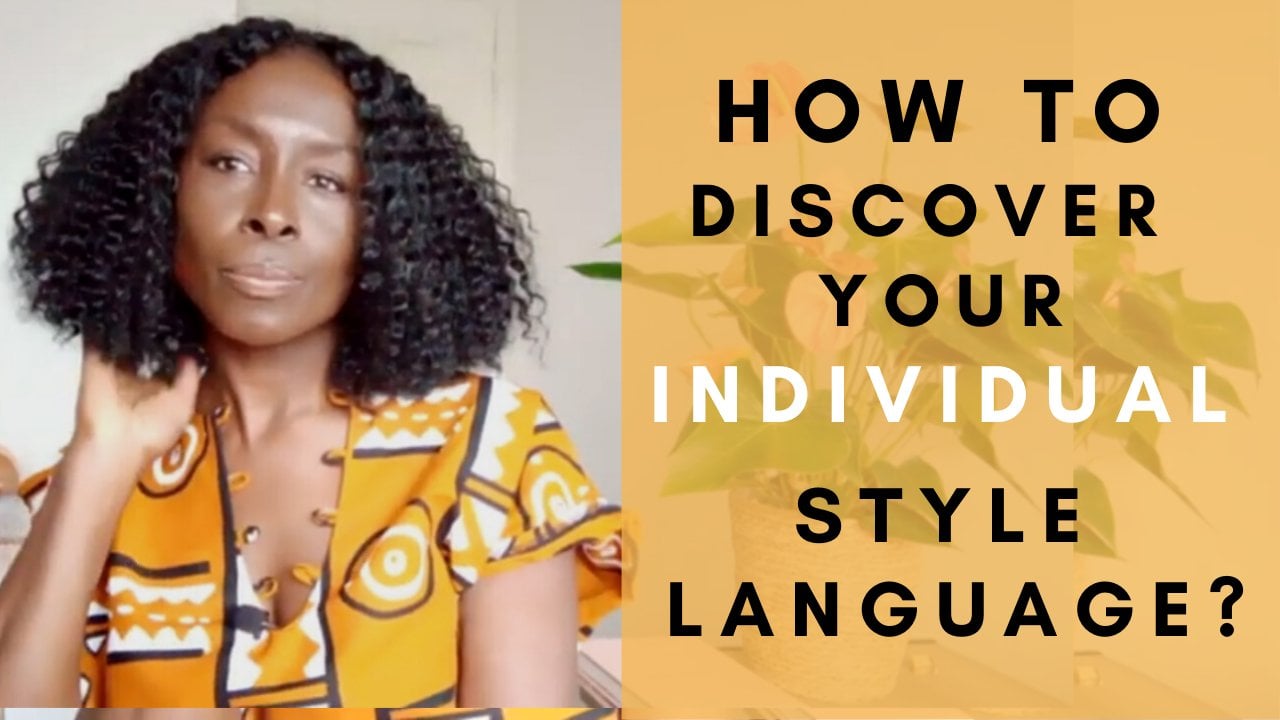
my previous course, how to discover your
individual style language. There's lots of gems to be
discovered in that tutorial. You haven't seen it. Why not? Just to get it? I think this is a perfect land. Our clinic here that work.
5. Finalising The Length : The next stage is to
create our Hamline. This requires us to mark along where we're going to
add our seam allowance. Get your measuring tapes out and measured the lymph from the
bottom of your dress up to the fold you have made where you originate, pinned the top. Write it down, but
be very clear. The lamp you are going with, because once it has been cut, there's obviously no
going back my ideas. We will need to add seam
allowance to the bottom of the fold line so that
we can create the hem. On this occasion, we
are going to give the top 1.5 centimeter
seam allowance. Therefore, we have to reduce 1.5 centimeters off the
bottom of the dress. Once you have reduced to 1.5 centimeters from that amount, we need to remove
that and market on an address where we need to cut. Do this for the full
circumference of the dress, making sure you're
not leaving to bigger gaps so that
when it's time to cut, its easy to cut along
your truck markings. Lastly, we're going to
button the clothes top, ensuring that the markings match so that when we
cut it to dress is even. Once you can see
that the markings match and the address
cuttings are straight, you are ready to cut. When you are cutting, the best way is to not
just fold address, but to open up to dress and
cut along each mocking. Keep the surplus fabric aside as we will be using it later. For a few things
including making pipe pins to Fred
food, the eyelids.
6. We Need Pockets!! They Are Life!!: Next it's all about the pockets. I love pockets. If I
have a government, I think they should have pockets and they
don't have pockets. Feel like they've cheated me. Hence, me put in
pockets in this top. If your top already has pockets, you can skip this stage. Or if you don't want pockets
and not as passionate as me about pockets, move on. Go to the next stage. Now to ensure the correct
placement of the pockets. Put your address back
on, button it up. Put your hands to the position
where you feel naturally. Should be pockets and put a pin at the top
of the placement. Take off the top
and put it aside. We are now going to
make the pockets. Now these pockets aren't
really for functional reasons, you aren't going to be able
to put your phone in or your purse or
anything like that. But they should be deep
enough to comfortably put your hands in them
for purposes, of course. Get your pattern paper
or an A4 piece of paper. Firstly, draw a vertical line
around 80 centimeters long. The opening of the
pocket should be around 15 centimeters so that it's comfortable to put
your hands in and out of. Mark the top part of the pocket. Like this. Measure 15 centimeters
downwards. And make the second marking. I tend to make the deepness
of the pockets to my wrist. Measure your fingertips
to your wrist. That would make the
lymph of the pocket. Now angular shape as if your
hands are in the pocket. You've now created
your pocket sack. Now in order to insert
a packet seamlessly, we have to make the
pocket larger so that it doesn't flap
around aimlessly. Therefore, we are going
to add three centimeters to the top and the
bottom of the pocket. But we must ensure that we marked the
entry of the pocket. Very important. We can add seam allowance at one centimeter at the
edge of the pocket. Now you have made your pocket pattern and
are going to cut it out. But seeing as we're
here, before we do that, I will tell you what to write on any future pattern to make. Firstly, write a description of the item the
pocket is made for. In this case, we are
making a side seeing pocket for an islet hop. But he's types of podcasts
are universal so we don't have to write
the name of the item, so we can just write
side seam, pocket. One side of this
represents one section of the pocket and every
pocket needs a pair. Therefore, write k2
times two pairs. Fabric lining, depending
on what you're used in. Because we need to
pockets for this talk. If you need to know how you'd like to pocket
down on your fabric. So you will need what
is called a green line. Green line indicates
which direction to lay the pocket on a fabric. If your fabric stays
horizontal and your green line is
vertical, you know, to lay the pocket
so the gray line remains vertical once it's
placed on the fabric. Next, it's time to cut it out. We have established earlier
that the pocket entry is going to be 15 centimeters wide. Therefore, we're going to
measure 15 centimeters downwards from the pin we put in whilst
we had the top on. And that will be
your pocket and tree where you need to unpick the top and eventually
so in the pocket, get your chalk and
replace the pin with markings just in case
the pin falls out. Because this is very likely. We know what happens then. Do the same on the other side. Always measure
from the bottom of your item upwards to get
the right placement. Next, get your scissors. Make a 15 millimeter nip
and marked pocket entry. Between these two nips
is where we are going to unpick OFDM overlooking
and the stitch line. If your selfie see if your
garment has both two things. Start with unpicking
the overlooking. First, I run into play
through the center, which will we can stitch next
and pick the flat stitch. Do the same when
you have a side. You would have created
your openings. I've just realized mine has a top stitch on the
outside seemed so. I'm gonna do mine off camera
because it's gonna take me quite a while to do this.
7. Creating The Facing For The Eyelets : As you can see, I've
opened up my pockets. But if a tool that was moving on as we are working
with quite a thin fabric, we will need to make his strong
enough to hold the islets without the top becoming
true p or out of shapes. So we're going to
create a face in foot areas of the eyelids. The eyelids are very
light in weight, lighter than I
expected. Actually. If you have a body stand, you can follow my example. Or alternatively, put the top on stand in front
of a mirror and determine where you
actually want the face in where you want the
placement for the eyelids. I liked this particular
placement and wanted the design to
run down in this area. So I put a pin into
the shoulder where the center of the design
is going to be. Just here. I've measured it on mine, mine, it works out about the central line is
around nine centimeters. Nine centimeters from
where the top starts. That's where I put my first pin. I'm going to put another pin here to remind me where
the center should run. That's the front sorted. We're now going to measure
nine centimeters on the color downwards
along the back. In order to do the back facing, we can actually do this stage on a table when we're
making our patterns. Let's start with a friend
because it's the largest area. Make sure you have
space around it in order to add your seam around. Get your tracing wheel and make that first market the same as you make your
way down the top. I'll let you know from now
the face and doesn't need to go all the way to
the bottom of the top. I ended mind about 15
centimeters from the Hamline. That was the first row. There's a very important
stage that you mustn't miss. How you have to ensure you have all
the right measurements for where the central placement
for the face and will be. To get an accurate measurement, you need to measure from your very first mark into
the edge of the neck client. You have to go down to the
next pin and measure from the second mark in to the center front
opening up the top, to the next one to
the center front opening the top, and so on. And that will mean
when you're ready to put your face and
then you can do it just simply from the
measurements that you've actually made. This point. You can unpin it off
from the pattern paper. Get your ruler and draw
in your shoulder line. Then you can go down at the
front of the top and match up the lines to create your
center for your facing. Next measure free centimeters on both sides of the central
line on the face in. Finally close to
potter man and add one centimeter for your
I am back and stitching. We're going to quickly
write on the pattern. Horizontal line or vertical
line depending on what your paper is placed that runs
parallel with the center. To get your green line. Pattern green line will also write front-facing
for islet top, because on this occasion, you will be able to use this pattern for
this particular topic. We will need one
pair to be cut in. Facing fabric. Would also need one pair
to be cut in the fusion. We are now going to do
the same with the bank. Pin it up to the
pattern paper and make sure you have enough
space around it, put in your measurements
and your seam allowance. Go to the center
back of the top. If your top has a
center, seem like mine. You can fold your top in half in order to get your senses
same and put a pin in it. Now measured downwards,
your first marketing would be nine
centimeters it down. You don't want it to be too
high around the neckline. So nine centimeters down, which would also
make sure it's in alignment with the front. Based on pin the
top from the paper. Get your ruler or set square, and join all the
nips that you've made to create this semicircle. Draw in the horizontal
shoulder lines. Not forgetting the one
centimeter seam allowance. Then from there, you can add your free centimeters on either
side of the central line. Now you should have half of
the semicircle complete, or you have to do is
fold the paper in half, peanut and cut around the pattern in order to
create a full semicircle. We're gonna write on the
pattern the same information. Green line. We're going to name it back
facing for islet top. You know, because this is
specifically for this design, we will need to cut
one times fabric. One times fusing. We can cut both face things
out and are ready to cut it in the actual
fabric. And fusing.
8. Cutting And Fusing Our Patterns... : We're not gonna
take too much time on a cutting of the patterns. I'm sure all of you have
cut patterns before. We're going to start
with a pockets. We will start by cutting
the lining fabric, folder fabric in half-life this. But I've decided I'm
going to do 1.5 in the actual fabric and the other half in
the lining fabric. That is because when your
hand is not in the pocket, you don't really want to see
the brown line in color. You want to just be able
to see ST color fabric. So that's why it's gonna be on the back side of the pocket. If you need to. Put a few pins in to hold a pattern into
place before cutting, cut them out, put them aside. Do the same with
the actual fabric. Just get that excess
fabric that you've cut off earlier and do the same
with that folder in half. If you don't want to put
any pins into your puppet, you can draw around the pattern like I have
just done. Like earlier. Don't forget to
put in the notches which we will be using to line
up with the pocket entry. It's very imperative that you
mark them on your fabric. We're gonna do the same
with the front-facing. As you already know, we
need a pair of toes. So what we do, folder
fabric in half later, pattern on top,
put some pins in, make sure it all fits in. We're gonna cut around that where the bat facing
this concern. But cut that quickly. Also, going to fold
the fabric in half, folder pattern in half. Line up the edge of the pattern. With the edge of the fabric. Make sure it all fits in. A couple of pins in just to hold it in place,
cut around that. Also. Repeat the same process
with diffuse in fabric. Last but not least, we're going to cut a pair of front-facing the
fused in fabric. I almost forgot. In hindsight, I
decided I wanted to second row of eyeless, but not one that goes
around the neck, but one that's placed
slightly lower, your seed into sine. I'm sure you've seen it. What I decided rather than
creating a new pattern or we use the front-facing
pattern that I created for. Just measure from the bottom
upwards, 56 centimeters. Folder, rest of it back. That would be the lamp. I would need folder,
FET and panel. You can do that too. I'm
going to quickly cut one in the lining fabric and
one in the fused and pepper. We might as well use
this opportunity whilst we're cutting to make the ropes that we're
going to food the eyelids. I'm going to use the
belt that came with the top for the largest area. Going to make two more pins to Fred food at two side panels. They're gonna be
exactly the same width as the original belt. The belt is seven
centimeters folders. When it's laying flat is 14. We're going to add two
centimeters full seam allowance. We need to make the lymph
Twenty-seven centimeters long. If the excess fabric you
have isn't long enough, stitch two fabrics together
to gain a lump view require. All it does is add character. It looked great
once it's threaded through photo fabric in an area that is longer
than 27 centimeters. Next, fold it down so
that the fabric has double and putting
pins to secure it. Now you've created the length of your ropes and all you have
to do is cut the lymph out. Then once you've cut that out, cut along the foal to
get the two ropes. Now when your eye
in and on diffusing at a medium heat, not too hot. Place the matching
fusing fabric, glue down onto the fabric. And I an unlikely. If it's too hot, it
will start to pull back Kenny all know that
the temperature is too hot. You can use a little bit
of steam or so to fuser. Once you've done
that, at this point, you could either get your
measuring tape or if you know by eye and you can judge what
one centimeter looks like. Ion in the one centimeter
seam allowance. Both on the outside of the face and on the
inside curve or sir. Now the inside curve
can be a little bit difficult when In, in the one centimeter when
you get to the middle of it, if you do find it difficult, you can make a 0.5 nip
right in the center, which will help you to
fold it back easier. Later fabric down first
place to match in fusion. On top of it. Gently iron in place. They should fit together nicely. If they don't,
they don't always. You can cut off the excess. Do the same with
the opposite side. You'll know which way to lay the fused and onto
the fabric and which fuse in his full
which side of the fabric? Because of we've
cut it as a pair. Now that we've fused them. The next stage is to press the one centimeter
seam allowance along both sides of the face.
9. Time To Get The Sewing Machine Out!!: It's time to dust
off the machine. Let's start by Fred in the machines and
fill in the Poppins. If you've got more
than one color. If your fabric and
your pockets are different colors and you want
to use different friends, I'm a bit pedantic. Probably chance to
bobby pins or changed the frets to match the pockets. You can do that at this stage. I guess I'm used to do. And so because I've
always worked with production and that type of thing is really
important to me. But that's personal to me. If it doesn't bother you, don't feel obligated to do this. Firstly, we are going
to create two pockets. Get the pockets you've
cut out and lay them in pairs like this diagram. Obviously this is
only relative to those who have
followed my lead and have cut the two different
pockets into colors, lay them so that they are
mirror image of a pair. Them face in the effort, put pin them together and
get ready to start sewing. We're going to sort the
entire outside curve of the pocket on a
straight stitch. Once you have done that.
10. Facing Up To It All!! : Let's start by Sony. Face things together.
Before you do, make sure you have the
placements correct. Before you start sewing, get your free pieces. Start with a back face in, lay it down with the fabric
side facing upwards, then pin the left side with the fabric facing
downwards like this. Do the same with the right. Making sure the fabric
is facing downwards. Fundamentally, it should be
the same shape as the top. If you've got that correct. Let's fold to show
the seamed together. We're going to start by marking
the center of both showed a face inheritance is four centimeters to decenter
with the seam allowance. Now we're going to line up the right shoulder
with marketing we made earlier on the top. And if you can't
see the marking, you should find the
measurements in your notes. Because obviously,
markings can fade. As we go down the front-facing. We can use the center
front measurements we recorded before to get
the correct placement. Checked that the
fabric underneath is flat during your pin in. Make sure you're not pin in both the front and back together. And then once you've
completed one side, repeat the same process
on the front side. Once you are at the back facing, double-check that the
fabric underneath is laying flat before
you start pinning. If it isn't, there
is some gavin. You may have to adjust the shoulder pins and bring
them closer to the neck line. Or you can leave
it to the design. It could be part of the design. Sorry. I should've started with
the back facing to start with the second face. And it's really simple to pin. Measure the length of your face. Then measure the lamp
on your actual top. Making sure the placement is three centimeters
above the bottom of the top because that will
account for the seam allowance. When a talk is turned up, put a pin at the
top roughly where the face and should
line up with. Next measure at 1.5 centimeters space between the two facings. Now you can pin it into place. Remember to keep an eye on
the fabric below the face in. Make sure you're not pin in both the front and
the back together. I'm going to run food is so
in section really quickly. Because in short,
sewing in the face, it does take a bit of time. I would suggest doing it slowly because if
you try to rush it, you will most definitely
need to go back and unpick. I had to going to start with the
right shoulder and work my way around the top. You can start wherever you
want, wherever you want. But as a left ear, this is the point I'm going to start at. Began to serve as close to
the fold line as possible. Please remember to take out
your pins as you go along. If you need to stop
for any reason. Remember to keep the needle in the fabric and the foot down. Obviously to avoid any
movement of the stitch in. Initial problems down the line. Keep going. Getting all my staff all my staff.
11. Hem It Up, Rope It Up!! : Okay. We're on the home straight
and almost finished with. But first get your
ironing board out and set your iron
on a warm hand. We're going to press
the hand with a 1.5 centimeters seam allowance. You can start with your
measuring tape if you need to. Start learning to
officially cage two measurements, you
want to attend to. It can be really important, especially if two
area your Hammond is large ones such
as a full-scale, that if you had to use a measuring tape
for that amount of effort, you'd be there all day. Even if it takes a while. It's a good skill to have. However, when you do get to the end to ensure
that the front of your top aligns to use your measuring tape and
measure 1.5 centimeters. Older Ham has been pressed. We are going to set
machine to six Act Stamp. Act is point. We're gonna to zigzag
along the Hamline. Take your time. No hurry. Once you have done that, change your machine stitch
to straight stitch. You're going to turn up the hand and stitch along the zigzag. If you want, you can use
pins to secure the Hamline. Alternatively, you can
hold the fabric down. Quite Family. Guide to Machine slowly. Keep folding back
and guide in slowly. Keeping the needle close. Great. We shouldn't Hamline
and all that's left are the ropes
for the island. Let's fold the fabric in half. Said that the right side
of it is on the inside. Follow the style of
the original bouts. I'm going to angle the
edge search at this point. I'm also going to leave the
bottom of the rope open. So that will be where we
turn through the fabric. I'm doing this
because the edge of that fabric will not be seen. They might be physical
because it will be on the inside of the top. It makes ten. And
the fact that for really easy, just like this. Okay, We're finished. Your sewing machine.
Almost there. Just a couple of more fixed
will have on YouTube.
12. We Are Nearly There, Let's Create The Eyelets : Right, we're almost there. Start marking how islets, starting with the
first row closest to the center front layer top on a table and measure
from the show to sing the placement
of the first eyelid. I didn't put it understand
early on decided I've made the first islet 5.5 centimeters
down from the shoulder. Shoulder seeing opinion, you will know approximately
where to make your mark in. Next, you need to find
the center placement. It meshes free certain meters across to get the
center of the face him. Make your mark. This is your placement
for your first islet. Do the same on the other side. Repeat the process. Next, measure 1617 meters
down from the first islet. Get your second placement. Find the center of the face
in and make your mark. Put a pin in. Once again, find your center. Once you find your center, make a mark and that will be
your second islet placement. The same on the other
side was Peter. Same process for the
next two islands. As you can see, we are making the marks on the right
side of the fabric. When we put the eyelids, they are actually
facing front ways. Have you done the
same on both sides? Then we are ready to
do the second panel. We again start the second set
of islands four centimeters from the top of the
stitch line of the face in measure four centimeters down and put a pin in to gauge roughly where you
want to put your mark, your center, your free
centimeters across. I make your first due to
say many office side. Next we're going to measure
15 centimeters down. Once again, find
our center pin in. I'm using a fabric pen actually. If you have one of these,
they're very useful. Repeat the process for
the next two eyelids. Exactly the same. On the other side. Almost done tenet
up onto the fun. Measured the space
from the center about color to your first placement. Your first placement is going
to be five centimeters. Actually 5.5 centimeters on
both sides of the center. Back. Always remember we're
talking about on top of the face and always
mark on their face it. Put a pin in to get
your rough placement. Then you're going
to find your center and your gonna put a pin in inside of the center
back to get your 5.5. Since my first placement. Now measure ten
centimeters across. That will give you
your second placement. You're going to put
a pin in just to get the rough placement. You're going to
find your center. Make your mark. Repeat the same on
the other side. And voila, we have our four islets in
the back of the top. I wanted to point out, after many attempts
to realize that the islet punch a tool does not work with
this type of fabric. I'm USA. It was fundamentally
for heavier duty materials such as leper out where waterproof fabrics,
that kind of thing. But we move on, discovery of this,
we are going to have to make the
punctures by hand. And we'll have to cut
them out with scissors. What what, hold up, hold up. Wait a minute. I know I know. 20 islets full fly. If you do it while listening
to your favorite podcasts, watching your favorite show. Past constellation. You can still make
the indentation with the tool and draw in
your circle like I have. Then cut freedom it with a pair of scissors
at your own leisure. You should pay to cut
through the layers of fabric to make your
job a lot easier. Then use the paresis. There's not a not too
large US assistance to just cut out each circle. It really isn't that difficult. I'm going to cut
mine off camera. We've got work to do. People. See you on the next section. Great. We have lift off. We're just going to take
a few minutes now to get familiar with the process
of creating islands. When you make islets,
you have to make sure you have a strong
surface to work on. And of course the fabric has to be punctured before you start. I've got a scrap piece of
fabric folded in half and security with a
couple of pins to ensure the Qatar
doesn't move around. You need the base of the kit, which is the circle tool. Put an islet in. The eyelid, has the extended piece, which is where the
fabric will sit in. Next, put your fabric and
you will need a washer. On top of that. You have
to place the over-share so that it sits in the
exact shape of the eye. That lastly, you will need the large tool with a slightly pointed in that was
sitting the eyelid. Now makes sure it
will feels like everything is in
its correct place. Then you're gonna hammer family
no more than four times. Otherwise you can potentially
damage the islet. I've noticed with these larger islet Studies Center doesn't collapse that they do with
the smallest softer ones. As long as the washer is secure. Your good. Let's do
on our new topic. If you feel you need to
have another practice run, then go for it. There are lots of
them to get through, so take your time. Don't rush. I'll see you on the other side.
13. This Is Really The Last Thing...: Okay, two more things left. I'm already
lovingness, new talk. It looks great. Just the
eyelids, what you think. We are getting a
fresh fruit or rope. You can do it in whatever
style you choose. I'm going to start
with the side panel. Pindar wrote to Dr. facing temporarily is we're gonna attack into place
once we are finished, loops and leave it hanging. Next one is the biggest section, gonna start by Fred
and birth to center that loops for me
inside outlets. Then go in and out through
the rest of the loops. Lastly, do the same
to define a panel. On the inside of the top down. We've reached the final stage. But then to quickly tap
devote to decide facing. I didn't want to make it
permanent in case I want you to change the rope at any stage. I just wanted to secure
enough to keep it in place. Lastly, as you can see, the pocket is quite flimsy. It will hang below the length
of two top if it's not secured against the
face in late flat. Exactly it to the
face in family. Paint. This on the other side. We done. We've reached our
final destination. The top is finished
and I love it. The original dress was okay, but I love this talk. It can be worn with
lots of things. Jane's leather pants,
lack of trust it with slimmer fit importance. I'm so pleased with the
outcome. What do you think?
14. It's Been Real!!: I hope this tutorial
has inspired you to find new creative ways to turn your unloved items into new stylish wardrobe century. You don't have to follow
my directions exactly. Use your guidance. Be expansive. Just explore really. Ask yourself, what would I
like to do with this thing? Be really surprise.
What comes to you? On that note? I'd like to say thanks
for taking part. I really enjoyed
having you here. Keep learning about yourself, keep continuing to
grow, keep creating. Because when you do, your keep discovering new dimensions
of who you are. Until the next
time. That mistake. Before I please
follow me here on Skillshare so that
you can know when I upload any new courses. If you would like
to learn more about I've aspects of my world. You can also follow me on my YouTube channel,
reflection to prospection. I talked about a lot
of other things. And also my Instagram and the
other handles down below. Once again, fence for joining me here and I look forward to
seeing you on the next one.
 Erzumah Ackerson, Fashion Design + Styling + YouTuber