Transcripts
1. A Brief Introduction: Hi there and welcome to my mobile art studio. This is root draws, and today we're going to be filming an entire class and uploading it. For how to make your Kickstarter better than mine. I'm going to try to make mine better than yours. But hopefully we'll both be able to submit a campaign for launch at the end of this brief series of videos where I review the fundamentals of my own Kickstarter campaigns, dissect them, look at all of the different ways that I could be doing my job better. And then in part that knowledge to you exhibitionist quickly so that you and your own life can have the beauty and glory. That is a well-designed Kickstarter campaign. I think that will start by going for a walk. How about to the beach?
2. Developing an Audience: Building an audience on Kickstarter. And audiences defined by people who care enough about what you do to pay for it. This is the case with conferences or concerts and projects. Kickstarter is a project aggregation mad scientist lab. Basically. They've got all of these different mad scientists from all over the internet collecting people and bringing them in like a vortex of discoverability. Where they can test out their crazy little experiment to see if it works. They don't know if it's going to work or not. And the interesting games stakes for Kickstarter is if it doesn't work, you don't have to pay. And if it works, you have to pay. And then you build a reputation with those audience members and with the platform itself. This means that when you do a small experiment on Kickstarter and succeed, and maybe you get like 20 people who back your experiment, right? The next time that you initiate some type of experiment there on Kickstarter, the system will automatically send out to those 20 people. Like, Hey, do you remember that campaign that you thought was kind of interesting and then it happened and it was fun and that era, well, that guy, that woman there doing another project. And here's a link. Kickstarter, does that on your behalf every single time. Now, what if you did too one of the projects, what if you did to 1is small experiments on Kickstarter? How do you think that would impact like the number of audience members that you had access to over time to support your work. And also, how do you think that would impact your ability to successfully execute said Projects? Consider. Yeah.
3. Testing the Market: Okay, So here's how it goes. Susan is really interested in taking some paintings of the ocean, right? And she gets her Instagram together and she gets her Twitter, Cisco on our mind. She's, she's even a diligent worker. So she goes to this like this. She's got a tweet deck. She's, she's stacking up like ocean unrelated content. She's meaning all of the appropriate hashtags. And Susan, she's even got some like some eye candy, like hanging out. It's probably some promise enhance some weightlifters, like at the beach in this sort of thing. And she's getting likes and she is getting retweets, maybe even mentions a whole bunch of those wonderful social media analytics that don't actually pay your rent or do anything constructed for your life. Followers, if you know. This is kinda the point. Susan, Susan can't pay her rent or buy some food with followers. Susan needs something else.
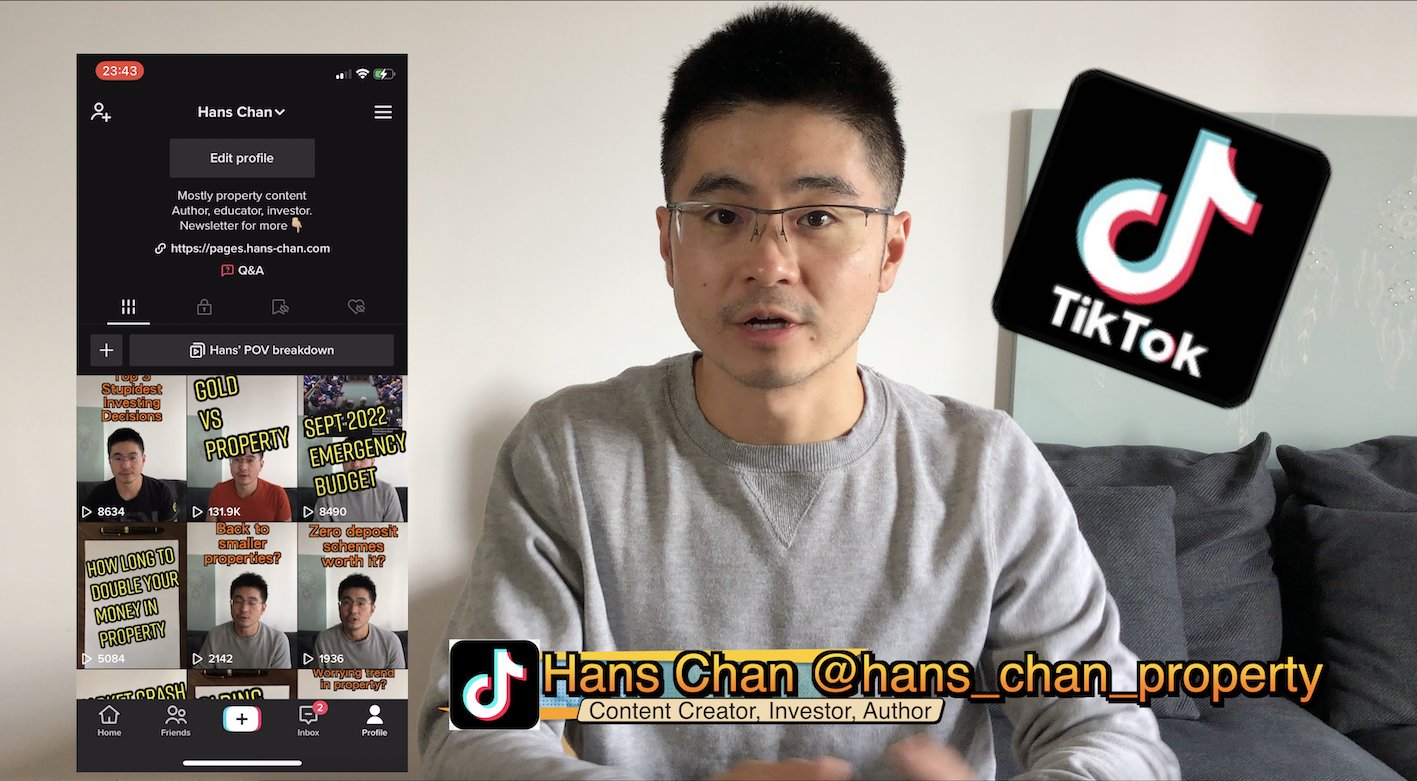
4. Microcosm | Macrocosm [MVP]: The next thing for us to consider is something called macrocosm. And the microcosm. So the microcosm of myself would be like a cell or like a DNA, right? And then the macrocosm of myself would be my entire being, right? When we think about how that applies to our projects, we need to think in terms of a minimum viable product and also the larger context that this minimum viable product takes place within. So in my specific example, my minimum viable products, since I'm making a comic that is delivered in the medium of TikToks, right? Would be a single 60-second Tiktok. So the question is, what is the minimum viable product as in the smallest unit of a high-quality, excellent thing that I can do in this specific example. And it's very, it's very straightforward because Tiktok offers you a maximum of 60 seconds. So then the answer would be a 60-second episode of a comic. And then the macrocosm are the larger scope of the project would be how are the collection of these 60-second episodes? How did they fit together? What do they provide? What sort of value do they generate? Who is interested in seeing them? Who benefits from that information that's present inside of them? Who can you work with to make this thing better or more interesting or more valuable? So you get a very tiny instance of what your project is doing and the increments that you're executing it. And then you get a very large vision of where you can go. And this is like a year based timeline or quarter if you choose.
5. Non-Speculative Audience Incentives: Guys, ask on, I just want to talk to you about target audiences and psychographics. One of the primary differences between the cryptocurrency world and the world of the traditional grassroots crowdfunding project based economy things is that in the crypto world, a lot of it is fueled by a speculation. You buy a project because you anticipate that the value of that project may go up. I'm over some period of time, right? These considerations are not present in Kickstarter and in Patria on they're not present in commissions either. Traditional commissions. Maybe in like work for hire stuff where you would sort of be doing some kind of component for some other person who had a project in mind. And then they believed that your contribution would cause their project to go up in value. But that's not really what we're talking about here with Kickstarter. We're talking about you doing your own project. And so the real questions that you need to think about here are what sorts of reasons would a person want to back your project? And this can be kind of a daunting thing, but fortunately, it's pretty simple. People back projects because they're entertaining, because they resonate with their value systems, because they like being reflected that, that aesthetic back to them. People enjoy the spectacle or the performance of watching something that didn't exist become something, you know, people enjoy some kind of exclusive access or respect. People enjoy participating. You know, can you find a way to have their ideas be integrated into your work? People enjoy having a small souvenir. People enjoy being a part of something that reflects some aspect of their identity that they're proud of. So think about these things and include them in your design of reward tiers.
6. Case Study: Basics: Hi. We're going to talk about the, the basics for a case study you write down. And we're going to be reviewing the project that I'm going to be launching. I'm going to show you how I'm doing this in my own section in the screen. So that you can sort of peel for yourself like how easy or not intimidating it would be to launch or submit for launch a project yourself. In the basic section, you're going to be determining like your title. It's not that important. You're going to be determining like your, you know, your launch dates and how long it's going to be going for. I would say to make that pretty short. Like a week, maybe two weeks is pretty solid. You can experiment with. Shorter. Maybe the better. But I would keep it over like three or four days. Price is another, is another interesting thing. If you are doing just a digital project that you're making out of nothing, then you can actually make that price pretty low. And just try to design the campaign so that the people buying into it actually determined the value of the final. And it's sort of lowers that milestone of initial accomplishment, basically. Because the Kickstarter campaigns, if they pass their funding goal, then you get the funding. If they don't pass their funding goal, then it's not. And so you want to take that into consideration? I think there's more to be said about the artwork that's on this page. And so I'll probably follow that up with another video just to discuss it. But the main point is that you want to really consider who your audience is and then target your content that you're creating and target your branding of this campaign to those people. That's the best advice that I can get.
7. Case Study: Hero Image & Video: So in talking about the the images that you're going to use and the video that's going to be pitching your project. These are also up to a wide variety of experimentation. You'll want to think about like the types of people that are going to be buying your thing or contributing to your campaign and the sort of campaign that you are promising them or the project that you are promising them. And so if you are promising a happy unicorn in sunshine project and your image is gray DL and not exciting. You're going to have a mismatch in terms of like.
8. Case Study: Rewards: When we talk about rewards, I've already kind of gone over the varieties of rewards that are very common or useful in the man. And the psychographics of Web 2 and Web 3 thing. We talked about rewards. I think what I have left to say about that is that number one, You gotta have to look at like how you are trying to funnel your audience members money into your pocket. And it's sort of like am I trying to extract as much as possible out of you or my trying to give, be generous and then establish some kind of like long-term bond or value. You know, that's, that's one option. And then the price is like how much you offer at what price? That's what that is. And then the other one is like I'm doing commissions that are a part of I'm leaving them into the project that I'm, that I'm executing. And so it's like commissions or a high value add on. But I'm not doing like let me paint your dog or your grandma. And it's not that I have anything against your dog or your grandma. It's that I'm doing this project. And so maybe what if you want, if you really want me to paint your dog, like we should include your dog in this thing as like one of the characters that's like inside of this city environment, which is what my next project is. And so you see how it's not just here's a dog thing in independent and disconnected, but at least you paid me. It's like, hey, contribute and wrap it into this project. And then the value goes up, your engagement goes up. We're doing something together that would not have been that way had you not participated. And that's pretty important as well. Having glass Lee, I would just say like don't overextend yourself. Try to create rewards that are derivations of the project that you're doing and not like go above and beyond. If you do choose to go above and beyond to make that be like something that you do. In addition, you know.
9. Case Study: Story: The last thing that we're going to talk about for this case study is stories. The story is the verbal, verbal slash visual version of your pitch and nobody likes to read. So don't make a big long deal. You know, short, short pieces, clearly defined value propositions broken up with little images. And then in my own, I was looking at as I was reviewing this like best practices concept that I'm sharing with you. I was looking at my own trying to think, how could I make this better? And I noticed that the, I was not using images. I was just relying on my hero image and my video. Not good, should definitely make some custom images. I meant I had, I went through the trouble of designing good rewards, but I didn't have visual representations of my rewards. So people could scan the page and at-a-glance see like, Oh, that's what this type of here's an example of this type of commission integrated. Here's an example of this type of commission integrated and then make their choices there. And the reason I came to that conclusion is like, in order to maximize the amount of money at that I'm going to be able to get from this campaign. I need to figure out what the highest value of return is. And the highest value return is. Getting people who are interested to participate in helping to design a piece of this thing that I'm created, creating this little, little 60-second animation episode, right? And, and make that a commission component. So it's like if you did choose to come and then you can do this and then we're gonna do this together. It's going to be in the final. And you're gonna have had a piece in that because, you know, you're you're paying mean and guiding my hand. And if that's the case, then that high value item needs to be clearly explained in the story so that the types of people who are looking for that would be sci-fi dystopian commission hunters if they exist. Those are the ones that I'm going to be trying to reach and the story text. Be mindful.
10. Assignment: Submit Your Own Campaign for Review: Conclusions. Thank you for your attention watching these and being curious about trying to start your own Kickstarter campaign. I don't know if you're feeling exactly how I felt, but every time I started a new campaign, there's this sort of like are they going to accept me? Is my idea going to work? I don't know if it's going to work or not. And this is normal. And there's actually, I think a design in the Kickstarter system that we right now are going to try to hack in this assignment for this Skillshare course that you are going to be doing. And that is that I am not stating that the assignment is that you need to go launch a campaign. What I'm stating is that you need to go through the process of designing, filling out these forms, reviewing them, coming up with some cool pictures and the video, thinking about your reward tiers, get it all nice, right? And then I need you to submit that, submit that campaign for review. This does not mean your campaign will go live. You do not have to start showing your campaign yet. You can actually choose not to launch it at a future date, you know. But if you submit it for review and they say, yep, looks good to us, they'll even give you a nice little like Tutorial, like a read through on some marketing information. And then you'll be able to just launch it at any given moment. You could wake up one day feeling really good and you could just think to yourself, You know what? Today's the day. Today I'm going to launch that Kickstarter campaign. And you can just press the button at that point because it'll already been improved. So this is what I'd like you to take away from this and this is what your assignment is for this course. Thank you for your time. Have a good day. Farewell.
 Kyle Jacobs, Art | NFT | DeFI | DAOs