Transcripts
1. Class Introduction: There's no news to anybody or Instagram has been
around for a while now, but the past couple of years things have shifted
quite dramatically. Instagram isn't
what it used to be. And people come into
the realization that building a brand, building a personal brand on the platforms is becoming
increasingly more important. So actually, those of you
that haven't done it before, gonna be incredibly
overwhelmed when it comes to actually
starting this process, you may have no idea
where to start. But don't worry, by
the end of this class, you will know
everything you need to. Hi guys, My name
is Ethan bridge. I'm host of the social media
marketing school podcast and the guy behind the Instagram
page, the ethan bridge. And in today's class, I want to give you a 30 day action plan for building your
brand on Instagram. Because for those of you
that haven't done it before, it's
incredibly daunting. You may not know where to start. I'm literally going
to be starting from scratch what
you need to do, what you need to do to actually get started and giving you an action plan for those first 30 days so that by the end of
that time period, you will be up and
running and building that personal brand that
you have always dreamed of. Any brand, for that matter, doesn't have to be personal. Vanity. Further ado,
let's dive into that first module and I
hope to see you inside.
2. Picking Your Instagram Niche: Module number one, most of
you may be thinking, right, Let's go into creating our
Instagram page itself. But there's one thing we
need to do before that and that's actually
pick our niche, the thing that we're
actually going to be creating content around, because ultimately that's going
to drive everything else. We do the niche, we pick drives the way we
create our profile, the niche we picked drives what content we're
going to create. And finally, it
actually dictates our engagement
strategy and who we engage with on the platform. So that long-term we can build an audience around the
niche that we've chosen. But picking a niche isn't as
simple as you might think. So I'm gonna run through
four key questions that you need to ask yourself before
you actually pick this niche. And then you can use
these questions to choose what you want
to create content on. So let's dive into the
iPad and start talking about these four
different questions I need you to think about. Start with question number one. That is, what do you enjoy? Ultimately, you will
not build a brand for the long-term
on Instagram if you don't actually enjoy
what you post about, because you need
to remember that this is a long-term game. So many people think short-term when it
comes to these things. How quickly can I
achieve 1000 followers? How quickly can I
get to 10 thousand? How can I make my
first a $1000 a month? And it doesn't really
work like that because you actually won't reach these milestones if you
don't give yourself the chance and the
time to do so and given yourself the chance
and the time to do so, ultimately comes down to
the fact that you need to enjoy what you do. Because if you don't enjoy it, you're gonna get discouraged. You're going to get angry with the process and
you're going to get bored of the content
you're actually creating. But if you have a genuine
interest in the topic that you create content on all the types of content that you're creating. It's going to keep me
going for the long term. And that's what
matters because if you don't quit, you don't fail. And so many people, especially from when I first started creating content
on the platform, there was so many people
that I used to talk to you just don't
hear from anymore. And if I go on to
their profiles is they've lost posted in 2020. They just gave up. They got to a point
where they just didn't enjoy the process
anymore or with too discouraged with the
fact that they weren't achieving what they
expected to achieve. And it's those
that stuck it out, those that have actually enjoyed every single moment of it. They've come to succeed in that niche that
they have picked. But that came down
to the fact that ultimately they enjoyed what
they were talking about. It's really important that you ask yourself this question, what do I actually enjoy? I want you to make a list. I want you to write down each of these questions I'm about
to talk through and make a list under every single one of your
responses because you'll have some crossover
of the topics you choose within each question. And that will ultimately
help you decide what content niche
you're going to pick. That's question number one. Question number two. This is equally as important. What are you good at? Because you may really
enjoy something. You may not be very good at it. You may also really
enjoy something else, maybe a little bit less
than the other thing. You may be amazing at it. You may be naturally
gifted at it already. You may have practice this
thing for a year or two. Yet you just haven't
created content on it yet. A spore is a perfect example. You may have been playing
a sport for quite awhile, but not just built yourself a personal brand
around the thing. What you decide to
do is start creating content on that sport that
you've played for years. So you're really
good at it already. You just need to master the content creation side of things. But you may really
enjoy graphic design. B may not have done graphic
design in the past. You just like doing it now, so you're not actually
as good at it. You need to write
down things that you're actually good at. Because if you're
not good at them, is going to be that learning
process you overcome. There's got to be
the process that you go through in order
to get good at it, in order to people to see your
expertise in what you do. You're not gonna be out to
be the expert straight away. But if you're already
good at something, if you already have
some level of skill around this thing
that you're going to be creating content on. It's really going to help
establish your authority within that niche very
early on in the stage, early on in the process, because you're already
good at what you do. And that's how you see people actually grow an audience
quicker than others. They're actually already
practiced it for the past ten years
in some cases. And they just
haven't got down to the creating content
around it or building that personal
brand around it. So they've already
got a head start in comparison to everyone
else and everyone's going, whoa, this person should have a bigger audience
than what they do. Have. The contents. Amazing,
let me follow him. So if you've already got
something that you really enjoy and that you're
already pretty good at. Let's create some content on. There you go. Now, the next two questions that we're
going to talk through a little bit deeper and
around the social space. So question number three, and you might not have
actually thought of this one. And it's, can you monetize it? This content niche that you're
creating things around. Are there avenues
that you can go down to actually make
money from this? Can you do coaching
off the back of it? Can you sell a physical product? You sell a digital product. Can you do brand
endorsements, you name it? And if you can actually
monetize the niche or not monetize it at the level that
you want to monetize it to. You're gonna struggle because you are doing this for a reason. You're building a personal brand because probably you're
watching this because you want to build
yourself a business. If you can't monetize the niche that you're
creating content around. You can actually grow a business which is gonna make the process pretty difficult. Or if it can only be
monetized to a certain level, you're going to put yourself in a financially difficult
situation further down the line. And if you can't
monetize it at all, or you're gonna be
creating for yourself is a time-consuming
hobby and we don't want to time-consuming hobby. We want something
that we can leverage, that we can build, we can grow. And that's ultimately why
you need to ask yourself, can I actually
monetize this niche? So think of ways that you can actually build a
product around it. Can you do coaching from this? Can you sell digital products? Honestly make a list, write down all of
these questions and make list under
every single one. Because the one that
you can monetize the best is one that is actually probably
gonna be able to be leveraged best in the future. Think about it, is it actually
able to be monetized? Then finally,
question number four, and this is around the content
creation side of things. How many content
ideas are there? I'm gonna write this
down for you as well. Because when you look
at this idea here, there may be certain niches where content is an evergreen. There's only so many things that you can talk
about before you've exhausted all of
the content ideas that there are to offer. Now, we've said this already. This is a long-term game. This isn't you doing this
for six months and nasa, you need to be doing
this for years to come, especially if you're planning to build a business around it. So you need to think, is there
enough content for me to produce on this niche that's going to be
able to keep me going for the years to come. This is really important to consider because
you don't want to start creating content on a nation six months, go
down the line and go. I've kind of spoken about everything now I'm gonna have
to start repeating myself, because when you start
repeating yourself, people are then
going to get bored of the things you talked about. I'd pick a niche in a
field, forever evolving. That's why I picked
social media marketing changes every single day. There's always going to be
something to talk about. And that's why I'm always able to create new
content around it. Create new podcast episode is create new Instagram content, create new Tiktok content. This is one of the most
important questions I considered very early
on because I was planning for this to
be a long-term process in the content I was
personally creating. I didn't want to get six
months out of the line. I wanted to do this
for 51015 years, however long I could create content for and still enjoy the process and build
something off the back of it. This is the final question. Need to think about
how much content is there for you to
actually create. Now, like in the finance
space, in the market space, in the media space,
you name it all of these generic high-level topics. There is gonna be
enough content. But if you're going
super, super niche, ask yourself this question
before you pick something to niche because you don't want to pick something
that's too niche, exhausts the content ideas
and then have nothing else to post or will then
begin repeating yourself. Try and pick something that's
evergreen ever evolving. So you can continue
to create content on that niche for years to come. Those are the four
key questions. For each of these questions, I wanted to make a
list under each. Because then ultimately
you're gonna find there can be some
crossover between questions 12, between what you're good at
and what you actually enjoy. And that is ultimately a niche. You then need to pick within
those two categories, you just find something
that you are pretty good at and what
you already enjoy. Then for each of those ones
that are crossover in, you can write various
ideas for how you can monetize those things and how many content ideas you can
actually create for those. Because then you can look at those different lists that
you've created and go okay, that niche right there. That one's really
good because we monetize it in these
ways and there are X amount of content ideas or might have really
enjoyed that niche, but I can't really
monetize it all. There aren't as many content
ideas as I've thought. So I'm not gonna be able to
do this for a long term. So that's ultimately how you're
going to pick your niche. Now that we've done that, we can move on to the next step.
3. Creating Your Instagram Profile: Now that we've picked on
niche and we understand what we're actually going
to be creating content on. We can go ahead and start building out our
Instagram profile. When it comes to building
our Instagram profile, there are six key elements
that we need to understand. Essentially the different
parts of your profile. So that's what we're
going to talk about now. We're going to give them
to give you some ideas on how you can
actually build out an optimized
Instagram profile for your product without
any further ado, let's dive into the iPad and see what these six key elements over and then talk
through each one. When it comes to creating your Instagram profile,
they're all six elements. You have your username, you have your profile picture, you have your display name, which is the little
bold black name of yours that sits
just above your bio. You then have your bio, your highlights, and
then your website link. What I'm gonna do is
I'm going to talk through each of these
different elements one by ones that you can
optimize your profile perfectly. Let's start with your username. Now, there are two different ways you
can go about this or three depending on what you are actually building
your brand around. If it's your personal
brand or business brand. Still quite your username. You see people go down to
different avenues here. If you're building
a personal brand, the username for your
personal name is available. Perfect. Take it. Mine is at just all Instagram accounts known as at
the ethan bridge. Even bridge is my name. I'm building a personal brand. So if people couldn't
understand who I am, what my name is, then I'm
much easier to relate to. My username hasn't
always been this. My username used to
be the marketing. Ethan. I did change it from this
to the ethan bridge, but let me talk through
each option here. So the marketing Ethan, why did I pick that initially? Well, I create content around
social media marketing. I was trying to
optimize my SEO on Instagram SEO being Search
Engine Optimization. So if somebody was
typing marketing, looking for marketing
content into the Instagram search because there is marketing with them. My name. Instagram knows I create marketing content,
especially if, if I've created a lot
of it because then he understands the content
I create as well. So people were able to
actually explained me and my content wherever they were
searching my name be Ethan, or whether we're just looking for marketing
content in general. That's how I had that
little crossover there. Or if people who
simply wanted to know what type of content I
was creating perfect, they could see I was
creating marketing content. They could come to my profile for that style content and see that from the fact my name
was the marketing Ethan. Now, what I didn't like about it further down the line
was the fact that it very much confined myself to that specific genre of content. And I found myself already
branching out from general marketing content into
business oriented content. A little bit of cells here
and they're copywriting. New name it. So although I had
marketing in my name, my content wasn't necessarily
focused towards marketing. People may have been coming to my page expecting
to see one thing. In reality, we're
actually seeing another. So I may have been doing myself a disservice to my audience. So I thought, okay, No, look, this is about
time I changed this. Now I've built up a
pretty loyal audience. They're not going to go away just because I
changed my username. It was very good decision to make because now
I'm not confined to that niche and I'm actually building something
bigger than myself, something around my
personal brand name, something that somebody
canal comes to my profile. They know who I am, they associate any
content I create with Ethan bridge rather than a name that isn't
necessarily mine, It's just got my
first name in it. So if you are starting out and don't mind changing your name
further down the line. You could have that
name where you have your niche and then
your first name in it. So if somebody who
knew your name, they could still find you. But if they didn't,
they could still find you through your niche. Or if that name is available, I would recommend
you try and just take that name for yourself and yourself only
because you'll learn why in a couple of steps time. So username, picky
the name itself, or your brand's name,
your business name, or go around your niche
coupled with your first-name, right, niche plus first-name. For example, if I was in
finance or it could be finance. Finance with Ethan. I was in sales. Sales with Ethan. Or let's say copywriting. Copywriting Ethan, it doesn't have to be over complicated. Just niche. Plus your FirstName. Now, don't waste too much time on this because you can
change your username. It doesn't have to be
something perfect initially, a lot of people spend
far too much time thinking about what
their username is. Completely forget
all the other steps and it's one of the least
important thing is long-term. So that's why I've just
literally given you two options. Your actual name or
niche plus firstname. Let's move on to the
other things because ultimately we want to get
you creating content. We want to get you out there. Let's get through this
profile creation stage. So you've picked our
username profile picture. Very, very simple. Don't over-complicate things
with your profile picture. I want you, if you
have a personal brand, to have a clear head shot yourself and just ensure
that it is high-quality. I see so many people with blurry headshots or
blurry profile pictures. Your profile picture is one of the first things people
see when they find you through search or on the
little suggested for you tab. So if you've got a
blurry profile picture, nobody's gonna be drawn to your profile because
they're gonna see its lack. Blacks quality, Ready. You don't want that. You want people to get a good
first impression. See a sharp picture of yourself. If you want a good example, have a look at my own, which is literally just me, my face standing up against
a blank background. You can change
that background to the color of your brand
if you really want to. But it's just a
picture of my face off against a
colored background. So keep it that simple. If your business,
you can make it your business logo or
your business name. But if you are a personal brand, please make it your face. Very, very simple. Profit pitcher. Now we're moving onto
your display name. This is the thing
that goes hand in hand with your username, your display name
as the other way people can find
you for research. If people are
typing something in what you have written
in your display name has the chance and can be found through what people
are actually searching. Might display name is Ethan. Then a little bullet point, just because it looks nice. Social media marketing. Although I don't have
marketing in my name anymore, in my username anymore. It does appear within
my display name. This is where the SEO
really comes into things. People couldn't find me wherever
they know my name or no. If they want to find social
media marketing content, if they type in social
media marketing, I could show up because I have social media marketing
and my display name. But if they're searching
for my name, Ethan bridge, or Ethan could also show up because it's in my
display name there as well. And it was also just
a good indicator for people coming onto your page on the type of content you
create and your name itself. If you're creating
your display name, Let's say your name is Sam. You create content
on the stock market. You can have Sam, stop, won't get advice. If you create content
on copywriting, you can have some
copywriting tips. It's really that simple. So people, if you'd
not feel name is Sam confined you if
they're not your name Sam. But if they're simply looking
for niche related content, they can find either as well. Sorry. That should just plain him were not over-complicate
things again, we're keeping it very simple. For your bio. This is thing, this is where things get a little
bit more important because your bio needs to
tell people who you are, what you do and what's
in it for them. I'd like to split this into four different
lines because we have four lines within our Bio before people
have to click, See More button to see
more of that buyer itself. Lines 12. All going to be
about who you are. What you do. Just
for an example, again, I'll show you mine. Mine is very, very simple. It's helping you
build your audience. On social media. Make sales. That's who I am and what I do, that's what people can expect from the content on my page. So people will come in to
my page and look, okay, this person is going
to help you build an audience on social
media and actually be able to leverage that content so I can make money
for my business. Perfect. Now, could be good to have a
little bit of social proof. Why should people trust you? Do have students elsewhere. Do you have reviews? Or if you don't have
social proof yet, you can simply say something
along the lines of, hey, look, I create daily sales tips. Or if you're a marketing,
daily marketing tips. Because then people know
they can check into your account for these
daily types of content. But if you've got
social proof or if you've got something that is interesting for people to establish authority,
for example, mine, I have the social media
marketing school podcast. People want to know wherever I know what
I'm talking about, they can go over to my poll
cost and see that I released over 300 episodes on
social media marketing, which establishes a bit
of authority for myself. So that third line, essentially lines 12, is that
who you are, what you do. That third line is
a little bit of social proof around
yourself or telling people what they can
expect from your page on a daily basis with regards
to the content you create. Now, the final line, so line four, sorry, I've messed up the numbers here, but you understand
where I'm coming from? Line four needs to be a call to action to your
website link because your website link sits
just below your bio. So we'd have something
like the down arrow emoji, then whatever, maybe
within that website link. So it could be, for example, mine is podcast
and free courses. Then that will essentially
prompt people to click that website link because
they know what's within it. But you can do the same
with yours wherever it, just be a link to
other social channels, your email list,
your newsletter, your latest YouTube video. You're free ebook,
whatever it could be. Just tell people and prompt
them to click it because the website link
sits just below, which brings us very
nicely into the next one, which is gonna be
your website link. Because it does sit just below. Now, instagram only gives you the opportunity to
have one website link. What people like to do
is they'd like to have a link builder sort of platform that assist them
that I can click on them, people can see all your links. My recommendations
for you would be link tree or SSN snap. I think both of these are
free for personal use. If you want it to be
free, they both have premium versions, but
they are both very, very good for the free
version of snap link has better features
in my opinion. So what these will allow you to do is people will click on that little link that you
have on your page itself. And then that will then
take them through to essentially a little
small webpage that has the rest of
your links within it. So if you want to have all of your various different
social media channels or you have your latest
YouTube videos. You have a bunch of different
courses are a bunch of different products to eat them want to sell within that link, you can't have all of
those on Instagram. You have that link
builder as the willing. And then people
come through to it and then they can
see everything. It's just a simple
way of keeping a little web page or a
little bank of things that people can come in and
actually have a look at your website link. Finally, you've got
your highlights. There were a few central
highlights I would recommend you get
from the get-go. So to actually
create a highlight, you have to post a story
and then you can put that story as a highlight. So there were a
few things that I would have, some key ones. Highlight number one, we
need to have an about you. Someone visiting your page
can instantly go on to that highlight
click about you and learn everything they
need to know who you are, what you do, where you're from, what they can expect
from your page. Why are you good at what you do? Why people should trust you, all of these different things. Very, very good away. You're gonna do things too. For example, the
social channels, where can people find you? Why should I trust
you if you've got anything, the IZ good, the people who should
know about, for example, I have one that is
solely about my podcast. People can go and click
on that and see that I've got a podcast and see that I've released X
amount of episodes, see that they can learn more
from me, more free content, amazing, It's just adding
more value to my audience. Three, if you've got them testimony or she didn't necessarily
have to have this one, but I would recommend that you do if you have got testimonials, have one where people can just
come across and go, okay, let this person has
got x amount of client winds or this person has done this for this person. And it can just
all keep going on. And this is something
you can build up over and over and over time. You might even get to the end
of that highlight and start a new testimonial
based highlight. It's just a really good way of people coming in
and going, Okay, this person does
provide value to people and that other
people see success from the advice this person gifts and then foreign or probably
you point number four, I'd have one with regards to things such as
your resources. If people want to buy
products from you, if people want to get coaching from you,
what would you say? Well, where can they find this? They can go over onto your highlights and see
Halloch and I click this one. Oh wait, let's person provides coaching
this person's cells. This is person can
provide me with that. And it's just a good way of selling to your audience
without being pushy because you're not asking them to click that highlight there coming across to your page and saying, oh, this person does
have something to sell. I didn't know that before. Let me reach out
to them about him. Those are the things
you need to consider with your Instagram profile, username, profile,
picture, display name, bio, website link
and highlights. Don't overcomplicate them. Get them in place so that we can start creating some content.
4. 30 Day Content Strategy: Now that we've
picked on Nietzche, we've created our
Instagram profile. We can actually start
creating content, but what I want you
to do is set out on a 30-day content strategy. Ultimately, I want you to create a daily piece of content
for 90 days straight, but to get you off the
bat and just keep you online with what this Skillshare
class is actually about. We're going to come up with
your 30-day content plan, your content strategy for the first 30 days of
creating content. So let's dive into the
iPad and then just go through a few things
that we need to know. Ultimately, we're going to go through three
different things. How often should you be posting? What types of content
should you post, and then when should you
post and actually reviewing the content that you're posting throughout
these first 30 days. Because ultimately these
first 30 days are going to be a complete
experimentation periods. You haven't created
content before. You haven't put content out
to your audience before. You don't know what to expect. So you need to try
different things. You need to learn
different things. You need to practice
different things that you can get
better and better. And then when you get
further down the line, we Jimmy making mistakes and you shouldn't be
creating content. That's worse, you
can actually have a good content strategy
about what you're doing these first 30 days,
all about experimentation. Answer that first question. How often should you be
posting the answer? His daily? Lot of people have this argument or quality
versus quantity. In my personal opinion,
quantity breeds quality. And if you don't
actually practicing, if you're not creating content, you're never gonna get
good at creating content. The more you can
create, the better. Because ultimately
you're going to get better and better at creating. And despite the fact that you
are creating a lot content rather than focusing
on one piece and making it as
good as possible, you're gonna get better. You can hone those skills and practice the
quantity of content. It's going to breed the quality. So you ultimately going to get this perfect
combination of minutes, create loads of content, and being really good
at creating it. So creating daily is how
you're gonna do that. If you can create more
than one piece of content a day, laughing. If you can really nail down this content strategy and
be posting twice a day, amazing three times
a day imbedded just utterly quantity,
quantity, quantity, quantity, quantity because
we want to, as I said, experiment, we won't
get as much out there. So you can practice. His March has learned
as much as we can and hone in on that content
strategy for the future. How often should you
be posting daily, if not two times a day? If you can't post daily, please minimum
five times a week. Because I understand that very early on you might
not have the time. You may have a full-time job. Most people will have
a full on job anyway, but you need to hone
in on that strategy. And at first you may not
have the templates in place. You may not understand
what content you're gonna create,
you name it. You may not be able to push yourself to create
daily, but minimum, you will not be able to build a solid audience if you're not posting at least
five times a week, gone are the days
when you can post once a week on Instagram
and grow following. You need to be posting a higher quantity
of content daily, twice a day, but
minimum, absolute, bare minimum, five times
a week to begin with. It's gonna give you
enough of a chance to put that content out there, be seen, practice and actually review the
content you create. What types of content
you're creating. We know that on
Instagram there are various different content
types because single image, essentially like your quote
posts or your photos. And that's what Instagram was
originally revolved around. But a single images have
now become carousels. You can have trouble
spelling there. You can have a carousel where you can have
up to ten slides, have seen images and create
a pretty nice post about a larger topic or go into more detail about
a specific thing. We can also have videos. Anything over a minute long. I recommend, great,
and there's a video. But I really want you
to focus on a really, really want you to
focus on Reels. Reels at the moment, our phenomenal for reaching a wider audience on Instagram, you can have 50 followers, but create and post
in Instagram real, it gets ten thousand,
twenty thousand, thirty thousand views. If you really want to get yourself out there
as a new create on the platform rails are the
perfect opportunity to do so. Rules have been around
on Instagram for quite a long time now, but there are potential
reach is still phenomenal. And I find that the
quality of Instagram rules lacks massively behind
the quality of TikToks. If you happen to
tiktok creator in the past and you're
transitioning onto Instagram and you know how to create videos in that format that
performed really well. You are going to perform
phenomenally on Instagram. Because the quality,
in my opinion there is that disparity. So you need to jump
on the opportunity. It will reach it eventually, and it will get harder
to succeed on rails. But at the moment, Instagram is still really pushing them in. It doesn't matter how large
of a following you may have. You still have the
potential to reach a wider audience and
perform very well. What do I recommend
you actually do? Hard to do. I recommend
you balance between each. So if you're posting daily, I'm gonna force you well, I'm gonna force you to
do it, but I wrote, I recommend you do is
five reels a week. And then two single image. Sash carousels
because some people can get a little
bit bored or real. So it's good to
show that you can create those other
content types as well. So your single images can
be simple quote posts. Your carousels can
be summing about a little bit more detail
when you want to tell a story behind showing your quality of your
copywriting, new name it. But we're going to
focus on those roles. We're going to get
those rails out there. We're gonna get you reaching
that wider audience, especially because you haven't,
you aren't gonna have a following to begin with. So being able to reach
that wider audience, He's gonna be incredibly,
incredibly important. But that's how I want you to
focus that content strategy. I want you to be creating
predominantly reels and get better at creating
that video content on farm ways you can
grab attention, retain attention, and
leverage attention for those rules so that you can ultimately become
better at creating content. But we're creating daily, we are going to get
better and better and better those rails at first you're gonna look at
them and that's not very good, but just postage, get it out. It's better to post
or not post at all. Where I give myself a row, I get my piece of content to a quality where I would
consume it myself. I'll be happy for scrolling through Instagram and satisfied with consuming that piece of content and be
left feeling okay, that was pretty good.
I enjoyed that. But as soon as I've
reached that point, I stopped working
on it and I posted because there's a point
of diminishing returns, you're going to
spend too much time perfecting that piece
of content when you could've probably created
two or three more posts in that same period of time. Once you get your post to a
point where you consume it yourself, get it out there. Get it out there, and
practice and create another piece of
content and create a second piece of
content for the day. If you have two Rails
five times a week, single image, that's
carousel, two times a week. Perfect combo, my opinion. Now, when should you be posting? This is always been a mystery. It's gonna be different
for everyone. And this is the whole point of this experimentation period of the first 30 days you should
try posting so many times at nine o'clock in the morning
or 12 o'clock midday or 03:00 PM in the
afternoon VPM and work out what works best for you because I was just going
to come down to where your majority of followers base geographically and your audience may be more engaged
at certain times, people in weekdays
tend to not be on their phones during those working out or it's because
they are full-time jobs. So the evening might
be a bit of time to post for you or very
early in the morning. My podcasts, home PO, I posted seven AM
to catch people on their commute to
work when they could be actually consuming
that podcast, most likely to be
consumed in that podcast. But then with the
Instagram content, I probably won't post it
until five PM when people getting off work and
then gone on their phone finally to check the
messages throughout the day. And then they see my
Instagram content is a good way of
balancing and OWL. When should you be posting is
all about experimentation. What I'd do is
what when you post a piece of content every time
in these first few days, I create spreadsheet
and I'd have the columns and things
that you record. The post you created, whatever type of post it was. Then next to that, I'd have
the time you posted there. Then let's say 34
days down the line, you can fill in the things such the amount
of likes you got, the comments, you call
it the Saves you go. Because then you can
start to understand the different types of content that is
performing well for you. The time of day it may have
performed better than others. And then you can look at it
and review it and go, Okay. This one worked really
well at this time, but this one didn't. So I can narrow that
down to the fact that it's not the time of
day that matters here. It's the type of content. If you've got two types of content that the same and
you know they perform well, but one was posted at
one time or one was posted on average,
outperform the other. You can go to
content types here. There's no disparity
between those. The only thing that can be
changed here is the time I posted a way that one was posted at that time
that will perform way better. So obviously that's a
better posting time for me. But you need to create quite a long list
of data here too. Get a good representation
of what you're talking about and understanding what
your content is showing. So you need at least
these first 30 days to truly work out and gather enough data behind
what you're doing. For use. For those of
you that are going to be reviewing the
content you're posting. Here are the content columns I recommend you keep track of. Obviously the, let's
just name the post. You can keep track
of it and every good to have a link
in there as well. So you just link in. It keeps us in an Excel
spreadsheet or an ocean table. Then you link in the post from the web so that you can click on it and
see what you post. It was name of posting
the link type of post. So it was a real
wasn't a carousel. You name it, type in
whatever that is. You can even narrow that down further for the type
of patient you have. Was it a motivation
whereas Please was evaluating posts
along those lines? Now, now we get into
the nitty-gritty. We get into the time he posted there sort of you're
influencing factors. Then to determine
which ones did well. We can talk about
the engagement. You have your likes, comments. Shares. Now not everyone
can see shares. I'm based in the UK. I can't see who shares my content
amount of shares. I got a little bit frustrating, but in a lot of country
you can saves replies. The amount of DMZ you
may go up from the post. Comment follows. Profile visits. You name it, all of these different things
that you can record. So you can then look back and review the content
you've created. Understand which content
works better for you. Create more of what works, create less of what doesn't. But this is what this first 30 days is going
to allow you to, it's going to allow
you to experiment. So in the next 30 days, in the 30 days thereafter, you continue to create
the content that works and create less content. That doesn't. Special 30-day Instagram plan. I want you to create
daily content. I wanted to create a piece
of content every single day. I want you to create a liter, five Rails a week, and then two single
image posts a week. What you can do is you can
actually create yourself content calendar of
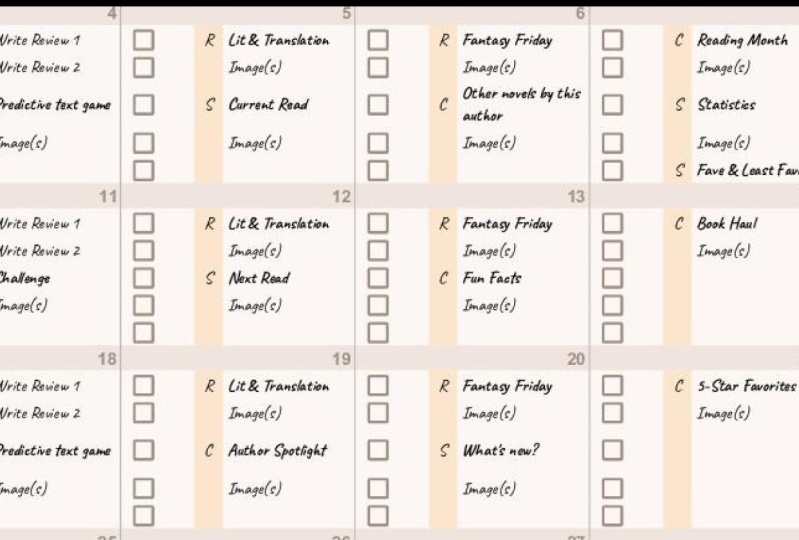
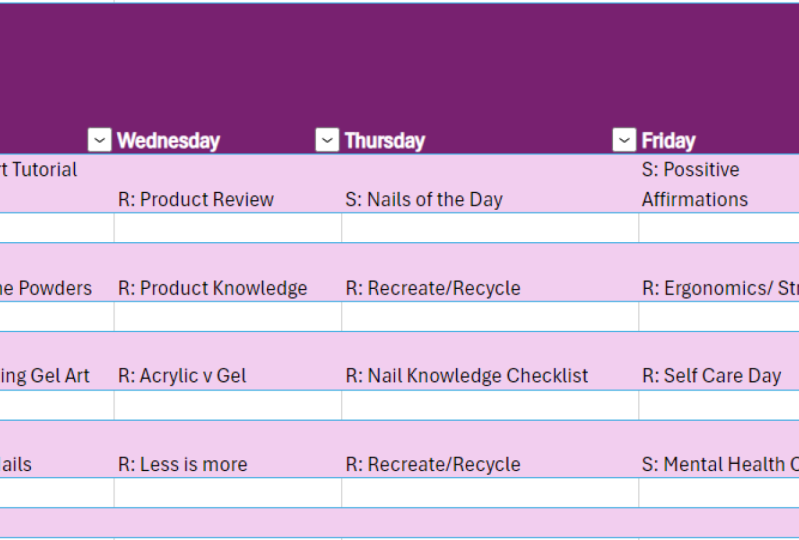
these first 30 days. And this is something I
recommend you do because it's really annoying when you
come to create content. What I do is I actually
sit down on, well, today's or Sunday and
I'm sitting down on creating all my
content for the week. I'll sit down. I'll create seven days worth of content
every single Sunday. So I don't know if to
create it in the week or batch crayon contexts called
batch creating content. I recommend you do the same
because then you're not waking up every
single day going, oh no, I haven't got a piece
of content to create today. You need to think of an idea, I need to create it and
then he needs to post that. You spend far too
much time doing that. Whereas if you sit down on a specific day in batch, great, you get into that flow
state and you can create a much better round of
content for the week. So your content calendar, I recommend you just sit
down one day and you type out 30 content ideas. The opener create for every
single day, the first month. Wherever they're going to be a real wherever they're going
to be a single image. What you're actually
going to say, there's a fully script it, but just give yourself
some bullet points so that when you do
come to create it, you know what you
need to talk about. Then ultimately when you come to create that piece of content is gonna be much
more streamlined and you got to do it
far, far quicker. So that's your 30-day content strategy
for when you start. So hopefully that's given you a greater clarity and
what you need to do, how you need to do it, and how you should review it
going forward so that you can continue to create
better and better content.
5. 30 Day Engagement Strategy: When it actually
comes to building an audience on Instagram, attracting people to
your page in general, you can't just expect people to stumble across
your content and folio, especially when you're
first starting out, you haven't gotten
with the algorithm. No one knows who you are, no one knows what you do. You just can't expect
people to find you. A very important thing
to couple alongside your content strategy is to
have an engagement strategy. Now a lot of people are going to find this incredibly tedious, incredibly boring, but it's
part of the boring work. Part of the fundamentals
you have to do early on in order to help you
grow, be discovered. Now. And this is
why it's important that when picking your niche, that you pick something
that you enjoyed. Because if you enjoy it, you're going to like talking about it and
if you're good at it, you're going to have a
lot of things to talk about to a higher-quality were actually engaging with people you know what you're talking about and can assist
and add further value. So I like to do is give
myself 60 minutes a day, 16 minutes a day of engagement. A lot of people say you
should do three hours of engagement a day
and some people do. And ultimately, the
more you engage, the more you are getting
yourself out there. So the quick you're
going to grow, but not everyone has
three hours a day. We have full-time jobs. So it's important that we
try and streamline this as much as possible and
understand, okay, look, you should have an hour a
day to engage on Instagram, especially if you
split it up in the, we're gonna talk
about in a minute, hour, a day of engagement. Let's talk about this stretchy. So as diamonds, the iPad, and show you what
this our engagement per day strategy looks like. We have a 301515 splits, so 30 minutes, 15
minutes, 15 minutes. We need to find you need foreign 30 minutes in the morning, 15 minutes or lunch, Fifteen minutes in the evening. You can split it. You can do these in any order, no specific order needed. You can do the 15-minute
one in the morning, 30 minutes of lunch or 30
minutes in the evening. 1515 split it however you want, but you cannot tell me you
don't have a pair of our day. Probably spend an hour watching your favorite Netflix episode. You probably spend
an hour scrolling through Tiktok or scrolling
through social media. This is probably
why even started this account in the first place. So let's talk about
how are you going to split that our up this
essentially three key elements. 30 minutes. The key one, especially when you're
first starting out, this will change over time and I'm going to talk
about that later. But when you're
first starting out, we need to get into the community that we are joining the niche
that you've picked. We have a community. You need to embed yourself
within that community. You need to get other
community members to know who you are without that. And if you don't have those other community
members supporting you, the people that you
actually want to teach further down the
line won't trust you. They said, let's
embed yourself into the community,
gets some friends. Yeah, make some friends with
other content creators. I really strongly recommend
you do it because you will help each other grow your bounce ideas of each other. You share each other's content. And then you'll get shown to all the different
potential customers or clients further
down the line. So engaging with your community and all people are gonna say, how do I find these
people? You name it. What I suggest you actually
do is find some of the big creators in your niche. You'll see, you can probably
see on the page here the light is part of the next step we're going to talk about. But then you can go into the
people that follow them. The people that
engage with them. Go into their comments
section is that people that like their
content, you name it. Then all you might need to do is click on one of the comments
that is on their posts. Go over to that person's page and engage with a piece
of their content or go on someone that
likes their content and go over, engage with this. It's just embedding
yourself into discrepancy, making these little engagements
here and there and over time as you'd
continue to do this every single day for
the next 30 days, people will recognize
who you are. People going to see you
cropping up time and time again and see that you
are genuinely trying, genuinely throwing yourself
into this industry, throwing yourself into this
nation if you know what, you all good at what you're
doing, you enjoy it. You enjoy this process. And because you're good at it, you'll provide
valuable feedback and valuable additions
to the conversations that people were having
within the comments section, which is really,
really important. You want to spend 30 minutes a day just engaging
with the community, embedding yourself
within that community. Because down the
line, these people really going to help you and you will probably just genuinely gain good friends
from this process. So 30 minutes, that's
the one you're going to spend the most time
doing at the start. Now, for the next 15 minutes, engaging with these
big creators, you should follow
the big craters. You only need to find one
of them to begin with. So we're gonna do is let's
say your niche is marketing. You just need to type
marketing into the search bar. And it will come
up with a creator who is big within that niche. And you go onto their profile. On their profile there'll
be like a little person. That's an awful more
full attempt at drawing a person. But
that's what that is. Let's do it like
that. That's better. Then it will have a plus symbol. Next one, there's
a little button next to the message button. We're gonna do is you're
going to click on that. And what that's going to
actually do is it's going to open the suggested for you tab. The suggested for you tab. It's gonna show a bunch
of other creators. They're pretty big,
most likely they're associated with the other big
created you've just found. And they are going to be
the biggest presences within the niche that
you create content for. And these are the people
that you should follow. You should be engaging with
within these next 15 minutes. Because a lot of people are going to be
engaging with these people. And they're gonna be
going through and reading the comments section
over and over again. And these people will post often because they've built
large enough followings. And if you're
following enough of these big craters
and you're engaging with these people
every single day. All of these other people
that are engaged with them. And looking through
their comment section, they're going to see
showing up time and time and time and time again. Further, looking you go, who is this person? They might not click on
new first-time round, but let's say that
it was his passing. It engages with Gary visa,
just a prime example, but it gets way
too many comments, so I wouldn't recommend him but his name for the
sake of doing it. It's passing podcasts on every single want to Gary these posts. Why? And then they're going to come through to you
and they're going to go, oh, this person is pretty good. They talk about this niche. You can give them a follow. But some of your comments,
if they're good enough, you add enough value to the
piece of content that this person's posted
could get pinned. And if this person has a
large following and gets lots of engagement and
they pin your comment. The top of the comments section. You will now in
prime real estate for people coming
through to your profile, actually seeing what you
do, I'm following you. That's really important
because this person could, that piece of content could
reach 506070 thousand people. And if you are pinned
is the top comment. That's 506070 thousand people
that could potentially see your comment and come through to your profile depending on how
much value you provide it. When you're commenting,
don't just comment, Hey, great post or Hey, loved this. It's not going to work. Every once he's gonna send
no fire emojis either genuinely provide added value to the piece of content
that you're reading. If it's something about a topic that you know in great detail, provide forever values that go, hey, are particularly
other point you mentioned about this. I've actually done some
research on this topic and found that, hey, this mess. You providing further
value greater depth. Because you're providing for
a value in greater depth, the creator of that initial piece contents can
look at and go all these comments
actually really valuable for the
rest of my audience. Let me pin it to the top
so everyone sees it. And everyone else
who's now seeing that you know what
you're talking about in great details that they had come through to your agency. Oh, hang on a second. This person also creates
a **** of a lot of content on this topic,
this really interesting. So that's why engaging
with big creators really important because you
could get pinned comment, which are great potential
for increased range. Doing that for 15 minutes. And then for the final
15 minutes of this hour, you should be responding to comments that
have been replied to the comments you've left or responding to DMs
that you've received. Again, you might not get many of these early on, but
you'll get a few. And actually responding to engagement you may
have received on your own content because
you want to make sure that you are always
responding to people, responding to your audience, engagement with
your own ordinance, providing and building
those relationships so that you are staying
on top of things. So responding to comments, we can have Responding to DMs. Or you can even be
sending out DMZ if you aren't getting
DMZ at this point, responding to people's stories, interacting with people and haven't genuine
conversations with people in the DMs because
that's the main place you can be able to
build relationships. So you can spend 15 minutes
a day just responding to those DMZ or sending out DMZ. You're going to create greater and deeper relationships with people which is
really important. Or responding to replies
to comments that you've left already own content. Now, as I said, that should fit. Let's use 60 minutes, which
is really, really simple. There's no reason
why you shouldn't have those 60 minutes
a day to do this, you should be able to
find the 60 minutes. So that's how I want you to
split it. Now over time. This is going to
change over time. You're not gonna be
wanting to spend 30 minutes actually engaging with the community or you
may not be wanting to engage with a big reduction may become a big crater yourself. Now it's not important. It's very important.
We still leave good engagement on all of
these pieces of content. But you're going to
come a point where 15 minutes probably not
even going to be enough to respond to the amount
of engagement you receive, the amount in temporary GMC
received, these timings, shift them how you want,
shift them to suit, you shift them to suit. How you find engagement
being best for you. There's gonna be a new element
that comes in further down the line as you begin to establish authority and
grow your audience, you can not be wanted
to spend some time engaging with potential clients. Really, really important one
because it will be said We don't want this to just be
a time-consuming hobby. We want to make money. If we can do that, we can actually engage with potential customer
and client and build that relationship
over time. That's why actually engagement with the community is
very important as well. Because over time these people could be potential
customers and clients. You want to build
these relationships, but actually further
down the line, spending some time engaging with potential
customers and clients. It's really important
because if you don't build a relationship with potential
customers and clients, you're never going
to have to sign them as customers or clients. Having an element of
your engagement strategy tailored towards that specific group of
individuals is important. But ultimately, I recommend you do this for
60 minutes a day. 60 minutes a day is a
great place to start. At least if you've got
more time, fantastic, The more you do,
the more benefit you'll probably
see for yourself. But minimum 60 minutes a day. And I split it between
these in 301515 minutes splits because I want
to make this as easy for you as possible. There's no reason you can't find 15 minutes
every now and again, somebody who spent 15 minutes
going to make a cup of tea, or if you're going
on a walk at lunch, do the 30 minute
engagement right then, just keep so busy Moshe walking. You're only gonna be
listening to music or paying attention to where you're walking is pretty
important as well. But that's besides the point. You should be spending
an hour a day at least engaging and ultimately shove more than enough
time to do that. Please implement that
and start engaging.
6. Class Conclusion & Project: It does actually wrap up
this Skillshare class on your 30-day
Instagram strategy. I hope by actually
consuming all of this, you understand what
niche you need to pick, how to actually
go about creating your Instagram profile itself, that content strategy for the first 30 days and
how you're going to couple that with an effective
engagement strategy. And that's pretty much it. You don't need to over-complicate
things in this process, you need to simplify
as much as possible, experiment it as
much as possible, practice, as much as possible. So for the 30 days after, in the 30 days thereafter that you get better and better and better
and better and better. So it's those first 30 days, you really want to spend
experimenting and not really overthinking things too
much and just enjoying. The first 30 days. Get into the process, get into the flow of
creating the content. Get into the flow of engaging. Understand who you
are, what you do, the type of content you create, so that you can best serve your audience in the long
term and build that brand. And understand the outcome of these first 30
days is to practice, is to learn a little
bit more about you. It's not to achieve thousand followers were
In 2 thousand photos, is just to experiment and learn. So that after that, that's when you
can begin getting, nailing down on that strategy. A little bit more
understanding, okay, this content works a little bit better and needs to be
posting at this time, I need to be designing my
content in a certain way. You're gonna learn that over time and you're
gonna get better. So these first 30 days, just get out there, get better. Create content every single day, post every single day, engage every single day. Make friends, embed
yourself in the community, and enjoy the process. For your class project. I would love for you to go through every step and create your profile
pic, your niche. I'll answer the questions. Create that profile. Then go about creating that 30-day content strategy and then mapping out how you're
going to engage with people. But ultimately, I feel as if the most important
thing is to just get that content
strategy in place, so create that profile. But then the thing I'd love for you guys to show me that you've done is to create that spreadsheet that
I was talking about, where you're actually
going to write in the first 30 content ideas you're going to
create content for so that I know you are
actually taking action on this and you're
actually going to go away and create those 30 pieces of content and know what you're going to create in the process. I want you to do is I want
you to create pretty much a content calendar for
the first 30 days, your Instagram profile and
write down what you're gonna do every single day the way you're
going to create it. So isn't it going to be a real, or is it gonna be a carousel? Just think of the titles
of the ideas that every single post and what format you're going
to create them in. What I want you to do, share that as your class
projects so I can see and know that you
are then taking action. If you want to show
me at the end of 30 days where you're at and
how you've done even better. This is a few different ways you can complete this class project. You can even create
the strategy. At the end, you can submit another class
project and show me, Hey, look, implemented
the first 30 days. Here's what I got too. Here's how I practiced
the outcome. Be really nice to see. But if you did enjoy
this Skillshare class, I did just want to
mention I am the host of the podcasts social
media marketing school. And as of recording this, there are over 300
podcast episodes all about social media
marketing for you to consume. So I'm gonna leave some links
in the class description. So head over there
and you'll find that can be found on pretty
much any podcast platform. So just select your preferred
listening platform and work your way through
those 300 episodes. We've got any questions with regards to anything I've
mentioned in this class, you can either reach out to me through the discussion point in this Skillshare class or just feel free to reach out
to me on Instagram. My Instagram handle
is the ethan bridge. Send me a DM on there
and I'll begin. Let's get back to you. No matter what. That does, wrap up
this Skillshare class. I have got a bunch of
other Skillshare classes. Some of our Instagram, some of our copyrighting, you name it all things
social media marketing. If you enjoyed this one, I love to see you in my other
classes as well, but I do really hope
you enjoyed this one and have a lovely
rest of your day.
 Ethan Bridge, Social Media Marketing Coach