Transcripts
1. LESSON 1 INTRODUCTION: This class focuses on two rather difficult steps in getting your book published, the synopsis and
the query letter. These two documents are part
of your submission package. Many of my hands In clients asked me about these
two documents, how to write them, what
do they look like? Why are they necessary? I thought it just
made sense to include a class to go with my
other Skillshare classes. How the self edit your work, and how to find markets to submit your submission
package to. When it's time to
send your work into publishers, editors, and agents. Including a
professional-looking package, includes a well-written
synopsis and query letter. Gain do a lot of credibility
right out of the gate. There's also the writing
sample to consider, which is part of the package. And that generally
ranges between the first five pages
and the first 50, depending on who you're working. But at the same time, we also need a pitch, a one-liner that will
garner the interest of anyone who asks
about your buck. If you have written a novel or a memoir and you're ready
to get it published, then this class is
especially for you. If like so many other writers, you are a bit terrified at
the prospect of condensing. You're 80 thousand word
novel into two pages. This class will give you
tips on how to build it and how to make it sound
appealing and engaging. It's important to have a strong synopsis that supports
your manuscript properly. In this class, we will go over exactly what the
submission package is, what's in it, what
it looks like, how to prepare your
manuscript sample, and some tips and
tricks on writing both the synopsis and
the query letter. Also look at what a pitch is, why it's important, and
why it's in this class. This class is designed
for people who have already completed the
manuscript of some kind, a novel, biography and
autobiography, memoir. All of these requires synopsis. When you're talking to
agents and editors. Generally, a query letter in
synopsis are not required for short fiction or for
non-fiction books or articles. It might be helpful to
view my other class first on getting published
for tips for formatting, finding markets to
send this package to, and tracking those submissions. These classes work
well hand-in-hand. My other class on self editing. It's also a great step to take. Before sending your work
off for consideration. Will take a good look at how your submission package
should be formatted. And we'll make sure
your sample is the crack length and the strongest then it
can possibly be. Your class project is to write your own synopsis
and query letter in preparation for sending
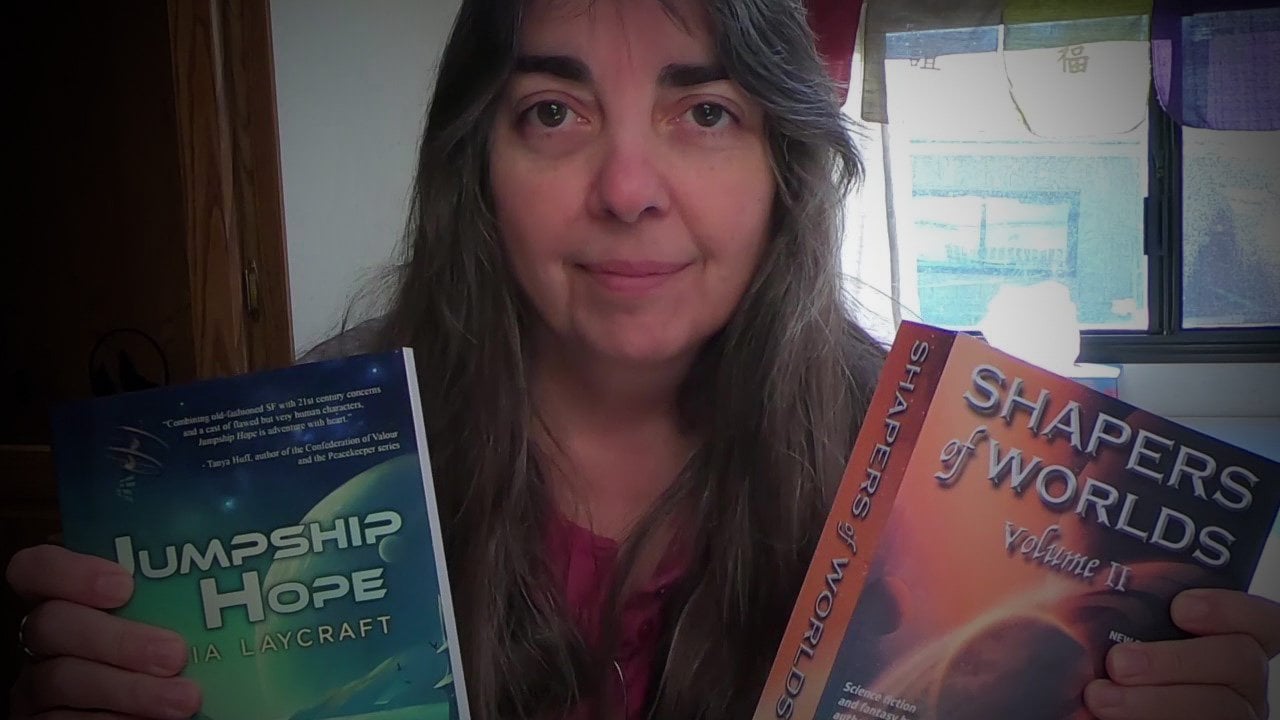
your work away to a publisher, answer or agent. My name is Adrian late graft. I'm a published author, a freelance editor,
and a wood carver. I earn honors in
journalism 30 years ago. And I've had my writing published in
newspapers, magazines, websites, short story magazines, and marketing copy, you name it. I've written radio scripts, caption photography,
developed headlines, wrote speeches,
and so much more. My debut novel, jumped ship
hope, launched in 2019. The sequel, jumped
ship dissonance is coming out next month. My goal is to help you write amazing stories and see them published for
others to read. In order to do that, you need the skills of
writing the synopsis and query letter to create a
strong first impression. When your manuscript lands on of someone with
the power to buy it. They not only want a good read, they want to know you'll
be someone good to work with through the
process of publishing. Coming across as
professional as vital. Meanwhile, the synopsis
inquiry letter R, dreaded bits of writing
for many authors. Come along and
learn some tips and tricks that will make the
process a little easier. And your synopsis and
query letter really rock. Are you ready? Let's get started.
2. LESSON 2 SAMPLE AND HOOK: Okay, first, let's talk
about our writing sample. This could contain five pages, the first three chapters, the first 50 pages. It depends on the
submission guidelines of who you are
submitting your work to. Our how much the agent
or editor asked you for when they invited you to
send something into them. Determine the
submission guidelines. If you didn't receive an
invitation to submit, which usually includes
instructions for how much they'd like to see
in your writing sample. I highly recommend a book
called the first five pages. In this book, you learn why the first five pages count
so much and how to make your writing really pumped to write a hook that will get you the attention and read that you need in order to get that
book deal that you want. There are many places where you need to write a solid hook. And in each case they need to
be a little bit different. In the opening line of your
story, you need a hug. Your synopsis. You need a hug. Even in your wearing leather,
you need a hug. And each time it's a good
thing to hook your reader. Remember, you're dealing
with people whose job it is to read
manuscripts all day. So your words really matter. There can't be a
hint of backstory or explaining or overload
of description. You need to know who your
main characteristic, what problems arise for them, what they do about it, and how you strong it all together into a
satisfying story. To be honest, good stories
rarely just happened. There most often the
result of hard work, lots of revision, and a good team of helpers
like beta readers. Critique occurs. An editor online, you can find one sentence descriptions
of recent book releases. Publishers Marketplace
is one site like this. It can help you say,
well hawk looks like and also what sewing
and the current market, a hook needs to quickly reveal a conflict that will
entice the reader. Deanne Lynn cabinet is
the only one who can get the remnants of humanity
across the void to safety. But she may have to sacrifice
her humanity to do it. That was the pitch for my book. There's a ticking time clock. There's a conflict. And there's a main character
who has to face Hall. Let's go over those elements again with a different example. Here we see a long form
pinch used to mark a book. The first line is the hub, which you could also memorize to use as your elevator pitch. The elevator pitch is
that line you give. When anyone asks you
what your book is about? The hook contains that ticking
clock we were looking for. Since the daughter
faces prosecution. And the conflict we need to see is shown here in the upset, the balance of power. Then we see the character who will face at all the mother, whose daughters and trunk. These three elements working
together make a great. Let's dive into the synopsis now that we have a good heart.
3. LESSON 3 THE SYNOPSIS: The dictionary defines synopsis as an outline of
the plot of a book, Play, movie, or episode
of a television show. But don't let the
dictionaries use of the word outlined for you. There is a big difference in the publishing world between
an outline and a synopsis. Here's a side-by-side
comparison. The outline on the
left, the synopsis on the right line is usually structured as a chapter
by chapter description, a blow by blow of what happens. And it can take dozens
of pages to complete. Some markets may want to see an outline at some stage
in the negotiations. But generally, when you are
submitting your work on spec, what they want is a
synopsis, not an outlet. A synopsis in this case is a 12 or three-page document formatted as you see
here across the top, with a concise and
engaging description of the high points of the novel. Here, it is just as vital
to include a hawk in your beginning as it is in the opening lines of
the actual story, you are demonstrating
to the potential buyer, the publisher, that a
story is actually done. B, you understand how to plot the story and see the work suit, what they're looking for. A synopsis of a novel that is being sent to a
potential agent or publisher should include
the title of the novel. Word counts, name of the author. A condensed description
of the story with each main character name put in all caps the first
time they are mentioned, indicating that these are the important people
to this story. And finally, the ending. The ending should be
in your synopsis. Even if it would spoil the
surprise of the ending. To those who haven't read
the whole manuscript. The agent or publisher
wants to see, like I mentioned, that the
book is actually done, then it has a decent endings. Endings are hard. This isn't back cover copy
or sales and marketing copy. This is a document meant to
show the ancient or publisher the complete story and character arc as
briefly as possible. It ensures the plot
line is realistic. The premise is interesting, and the resolution
satisfying, impossible. Easy, right? Writing a synopsis of your novel reveals the importance of understanding your stories core. This step can help you identify problems with your
plotting or theme. And it can reveal when you don't actually know
what your theme is. I believe you're also
giving the agent or editor a taste of
your style or voice. As you summarize your book, a synopsis is usually written in third person present tense. Describe your main character
situation, motivations, and what fires up the story and drives them to take action, which is also known
as inciting incident. Each line should reveal a
development in the plot line, something that moves
the story forward. You may need to
start with a line or two to establish the
world-building resetting. If it is unusual, like a fantasy setting or
a science fiction one. But you should avoid using made-up birthday you
created here synopsis. Unless they are
central to the story. By the end of the synopsis, we should know if the
protagonist, your main character, won or lost, that they
succeed in their quest, resolve the conflict,
save the day, or meet tragedy and failure. All major turning points
should be revealed here. Especially your
inciting incident, the pinpoint moment
in the middle, and the resolution moment. When you're writing a synopsis, your subplots usually
can't be included. You can't name every character. And thus often each
subplot either. There simply isn't time for
every detail, every nuance. That's why the story took
300 pages to tell, right? So don't feel bad if you
can't include everyone, each setting, each
character, each scene. Just ensure that the
ones you do include are the events of main storyline
of the main character. And leave most of the details of all the places to say what you mean in as few
words as possible. The synopsis is beat out only by this can take a
lot of reworking. A first go into synopsis often lands me around
five or six pages. Then it can take several days of revising to hone it down. Giving time to reflect, say things concisely, and still haven't been
engaging and make sense. This is, after all, a document meant to
sell the agent or publisher on reading
the entire manuscript.
4. LESSON 4 THE PITCH: If you get an opportunity
to talk to an editor, an agent, or maybe
attend pitch session. This even happen online. But if you attend
a convention or a book events and
you find yourself talking to someone who's interested in the
book you wrote. And they ask you, what's
your story about it? This can be a moment where our
minds go completely blank. Here you spend possibly years writing a novel
length manuscript. And then somebody asks
you what's in the boat. And it becomes this moment
of how do I nutshell this. Having a good pitch
ready ahead of time can help save you from looking like
a bumbling idiot. And we can use it later to
develop the query letter. A pitch highlights
your understanding. The story is core. You need to be able to
answer the question. What's your book about? Immediately? In a way that will
encourage anyone you talk to you to actually
read your story. If you're not prepared. Aliens and spaceships. If instead you say
a young space pilot goes on the second ever built jumped ship to
rescue her father. Well now you have an
exciting one liner to offer. Instead of floundering. That's the importance
of developing a pitch and practicing
it and memorize. So you're ready in the
heat of the moment, can leave your
structure should go along the lines of a person. Something remarkable
because there are other structures for
pitches that worked well. But this is a great
place to start use to gain initial interests
or foot in the door. A good pitch can get you an invitation to
submit a partial, or even on, which in the publishing world means a partial sample of
your manuscript. Usually the first
three chapters are 50 patients or the
entire manuscript. It's always really exciting
when you can ask for a fall, a moment to celebrate. If you're struggling
with writing pinched, one place to look for some help is a thing called
Snowflake Method. Do a search online
for the snowflake. Follow the first step
of that process. That will help you put together
a really solid one line. Also look at one-liners wherever books are sold,
especially online. The hook that we
worked on in lesson two now gets reworked into a longer one paragraph
description of the story that does not
give the ending away, but does hook the
reader into continuing. The second step of the Snowflake Method can
also be useful here. Okay, let's look
at some examples. First, here's a
commonly known story for a great example
of a one-line pitch. Notice that in the
movie industry, HAC line, or a short pitch
is called the logline. Here's another famous
one with some of the synopsis included for
you to look at as well. Now here's an example of
a paragraph long pitch, which is what you need
for your query letter. It can be useful
synopsis as well. Notice how the main
character is mentioned in the very first line and that the conflict is
immediately revealed. Usually a good long
pitch will show what difficult choice the
character must make in the end, but does not reveal the ending. Okay, now that we've
got a solid pinch, it's time to work on
that query letter.
5. LESSON 5 THE QUERY LETTER: Okay, Here we are. Let's get started on
that query letter. All that work we did in the
last lesson on that pitch. And even the work
that you did in the lesson before
on your synopsis, that's all going to
come together and help us build a good
strong query letter. For the query letter, we want to name the character just the same way we
did in the synopsis, which is travelling along with your query letter as part
of your submission package. So instead of a
young Space pilots, we will use her name
all in capital letters. Writing the first paragraph of the query letter is actually quite similar
to writing pitch, which is why I teach
it in this order. But now we want a paragraph
length description that will entice the ancestor or agents to read the
whole manuscript, expect to rework this paragraph for several days or weeks. Before it really takes shape, you will find a
101 different ways to write this paragraph. The first ten or 20 probably
won't be the one you keep. But while difficult and more time-consuming than
you would expect. Developing these extremely
short descriptions of your novel length manuscript
will only home the story in your mind and
might even lead to a final round of revisions to maps which you learned
about your theme. In the second paragraph. The first thing
you'll do is name your book in all
capital letters. To start off your
second paragraph, named with book in
all capital letters, then state the approximate word count and give a whole
different kind of pitch. One that would tell you where to find the book in the
library or bookstore. Here, I listed as dark
science fiction containing a post-apocalyptic field
without actually saying so. I do mention that it includes first contact
with alien life. And I include a
statement that looks a lot like a statement
of my theme. You might mention
some comparison to your book called comps, which are similar books
that are already published. You could say online like my story is in the line of such and such and
such and such box. This is a great next
week for that market. Some people think
that comps are really important and some people feel that you shouldn't
include them at all. I say go with your gut and what you already know
about your story. Then in the third paragraph, you list whom you are, what you have
polished, and where, what groups you may belong to, whatever credentials or
experienced that makes you the perfect author for
writing this particular story. If your story is a crime story and you happen to
work in criminal law, then that's something you
definitely need to mention. If your job, hobby, or volunteer work is
in the same line as an important element of your fictional world, then
you should mention it. But if you work at 711 and your story is
set on a spaceship, then it's probably not relevant. This is where we don't want
a resume unless it actually is pertinent information to why you're the right
person to write this book. If you work in a convenience
store and your story is set in a 7-Eleven. For sure. If it's set on a spaceship, but still in a store serving
customers, then again, this may be appropriate, perhaps a mention of how
much experience you have in the same industry that you have your main
character and working in. That too could be appropriate. But of where your work has
no bearing on the story, it's best not to turn
it into a resume. On the publisher is not
actually looking to hire you. If you're a new writer and
this is your first story, then obviously you won't have any publishing
credentials to include. If you have a worker hobby
thing that's relevant, that's a good start. Or if you have a critique
group you've joined or a workshop you've completed.
Those are good too.
6. LESSON 6 THE COMPLETE PACKAGE: Okay, now you've got a synopsis of your
completed manuscript. You have a pitch in case anybody asks you what
your books about, you have a query letter to
include what the sample of your manuscript and send off to a potential
publisher or agent. I really don't recommend doing this before your story is done. Yes, it can sometimes take a
long time to get an answer. But what is the
answer right away? And your story is not finished. You really want to try and complete it under that
kind of pressure. Besides, if they ask
to see your work right away and it's
not actually finished, that's gonna make you look
really unprofessional. Another word about
simultaneous sufficiently. Sometimes we don't hear anything back when we send our
submission packet, Jim, how long should we wait before it's okay to send
it off to the next market. While one step you
can take is to send a quick little leather
stating that you sent your packaging on
such and such a date and inquiring whether they did receive it if
they're interested, and letting them know that if you don't receive an answer, you're going to move on and send it off to other
potential markets. Some markets will stay outright in their
submission guidelines. How long you should
wait before inquiring. Most don't mention in at all. While the large majority do respond within a
reasonable timeframe, which could be anything
from ours two months. Some do struggled to keep up and don't mind the
polite follow-up letter. If it's been more
than six months, sometimes things
actually do get lost. Just remember to
be polite and to state that if you don't hear
any response from them, you will be submitting the
story to other prospects. Oh, yeah, More on that
simultaneous submission rule. It makes a lot of sense
to follow it, really. If you send your novel
into five others at once. And they each think they are the only ones considering it. They're going to
go into a lot of trouble and selling
it to their team, building the confidence
to offer you a contract. Then if you respond, oh, it was at another
publisher and they took it. You look really bad. Give each publisher
a chance with it. And then like I said, after a reasonable
amount of time, you can withdraw it officially so that it can be
sent up to another market. The important part
is to keep track. I do have a class on this about finding markets and
getting your work published. The project for that class is to create a tracking system, a chart that lists
your stories down one side and your marked
across the top so that you can tell exactly how long a potential publisher has been holding onto your work. I also have a class
about self-editing to help you polish your
manuscript before sending it in. Okay, storytellers. Now you can show off your work. Give us a peek at your submission package
if you're brave enough. And remember to always be helpful and supported
in the comments. Never hurt my knee. Ms. Adrian, and I hope I
helped you with your writing to learn about my
editing services at Adrian way craft.com. Read my book, jumped ship home. And watch on YouTube on the
channel, carving the cotton. Thank you for joining
me for this class. And remember, you can
edit an empty page. Just keep right.
 Carving the Cottonwood Adria Laycraft, Editor, Author, Artisan