Watercolored Botanicals with Calligraphy
 Anina Rubio, Visual Artist
Watch this class and thousands more
Watch this class and thousands more
Lessons in This Class
-
-
1.
Introduction
0:48
-
2.
Materials
0:55
-
3.
Watercolor Mixtures
1:59
-
4.
Watercolor Techniques
2:25
-
5.
Freehand Calligraphy
0:40
-
6.
Illustration and Layout
2:40
-
7.
Painting Process
1:30
-
8.
Final Artwork and Class Project
0:29
-
-
- --
- Beginner level
- Intermediate level
- Advanced level
- All levels
Community Generated
The level is determined by a majority opinion of students who have reviewed this class. The teacher's recommendation is shown until at least 5 student responses are collected.
978
Students
18
Projects
About This Class
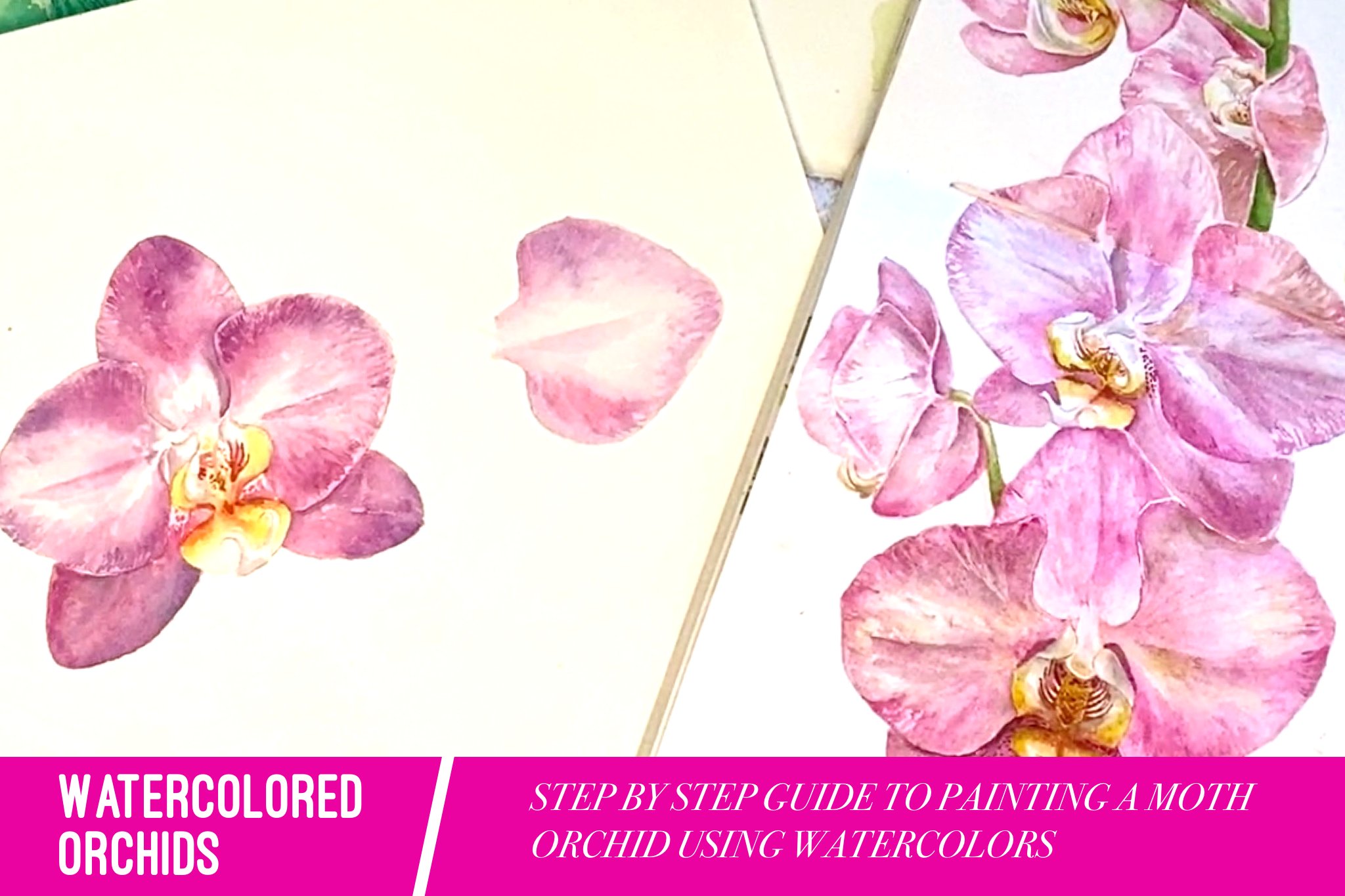
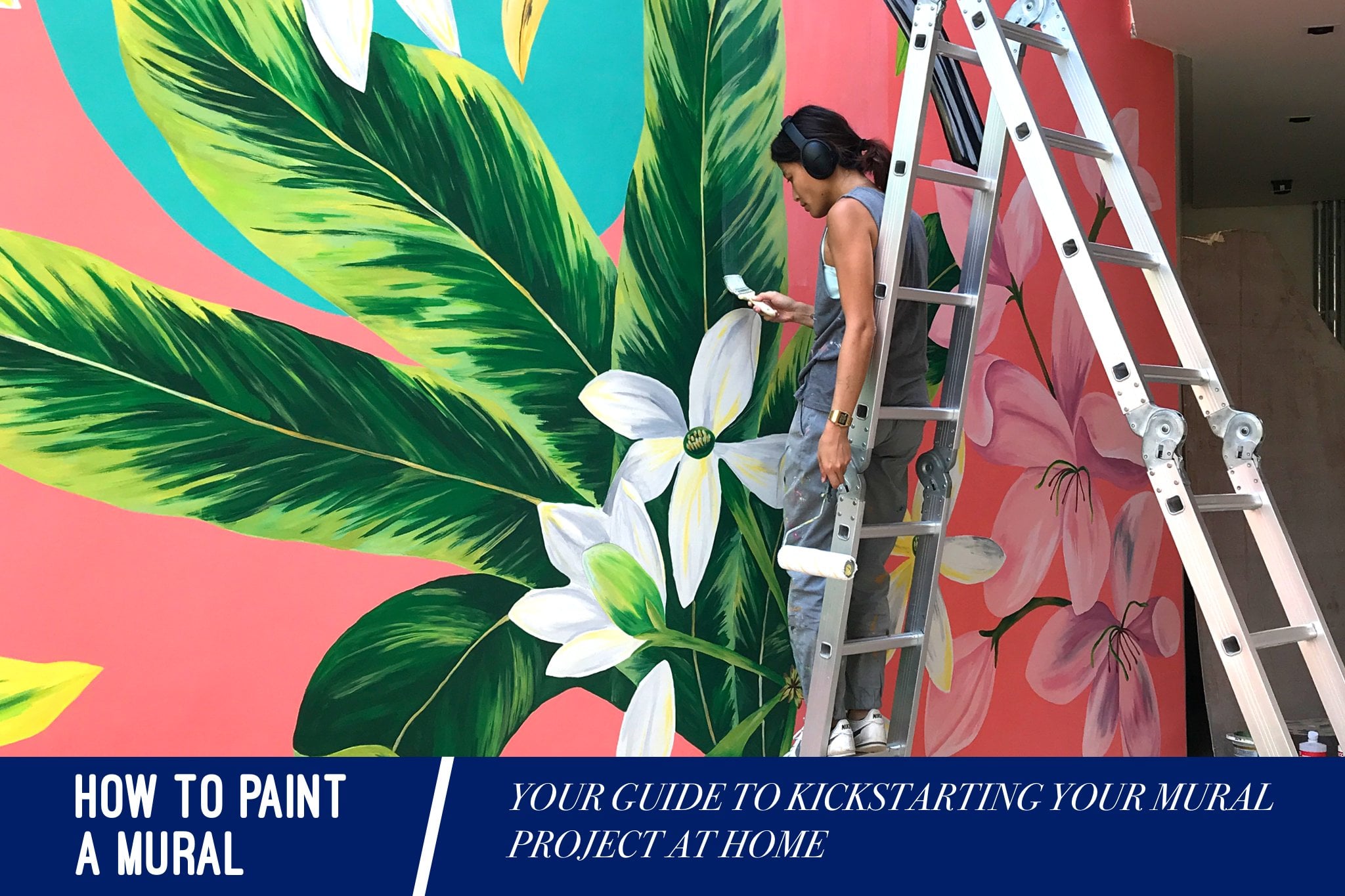
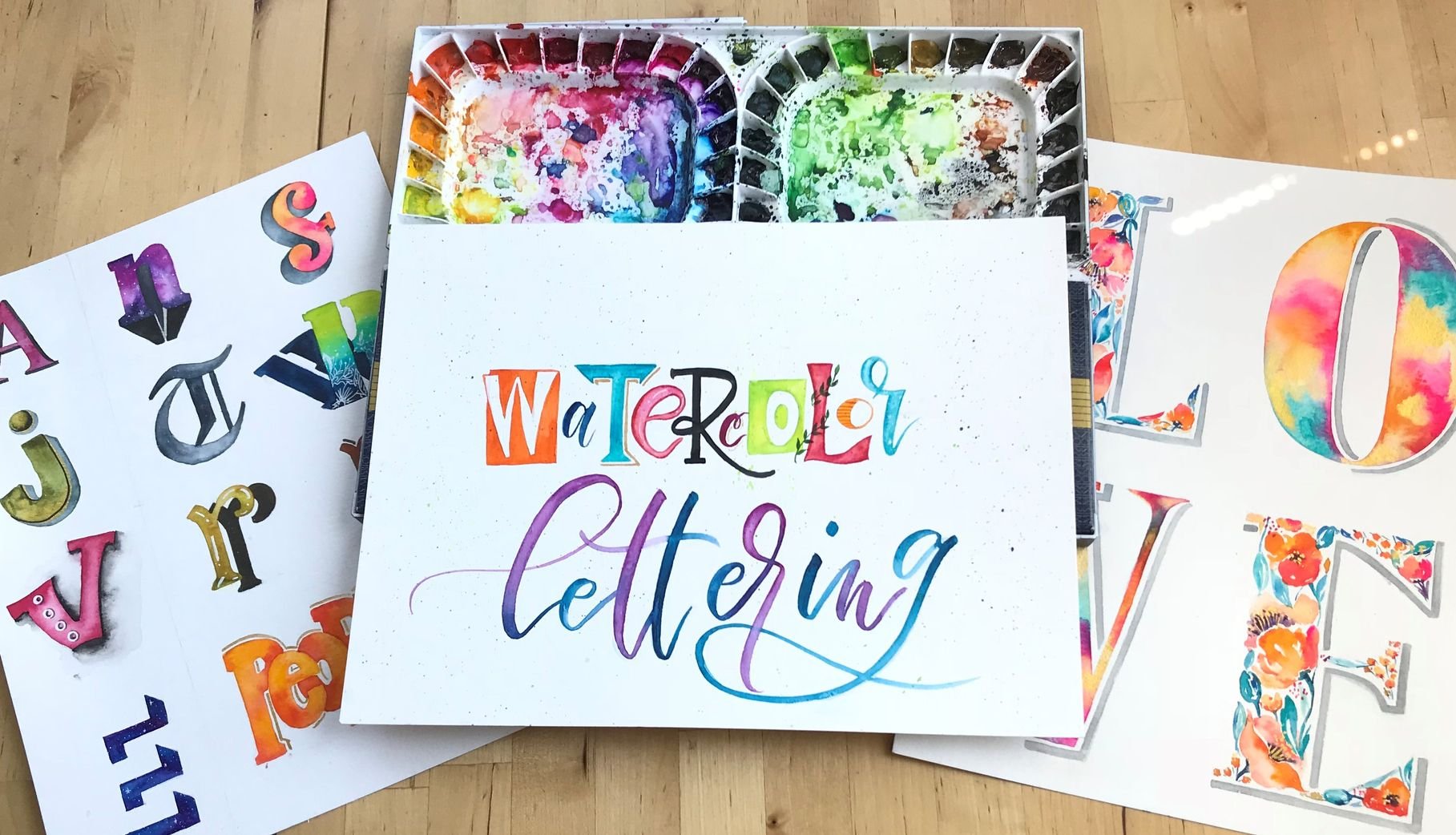
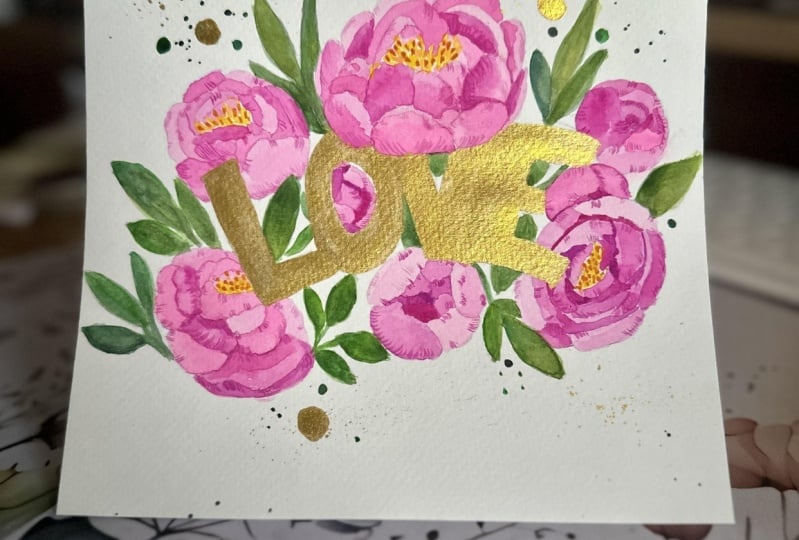
I am combining two things that I love doing: calligraphy and botanicals! I have freshened up the look of a regular freehand calligraphy writing by adding up blooms and interlacing it with the petals and leaves to give a 3D effect.
In this class, we will deal with the basics of watercolor (techniques and mixtures) as well as a quick intro on freehand calligraphy. We'll illustrate and paint a simple Anemone flower and create a floral type with an inspirational word!
The topics we'll cover are:
- Tools
- Basic introduction to watercolor
- Watercolor mixtures
- Watercolor techniques
- Freehand calligraphy overview
- Laying out the text and illustrating flowers
- Painting and Final artwork
MATERIALS USED:
1. Watercolor Paper: ideally, it should be 300 gsm so it can absorb more water. I use Arches watercolor paper in cold-press. You can use Fabriano or Strathmore (or any of your brand preferences).
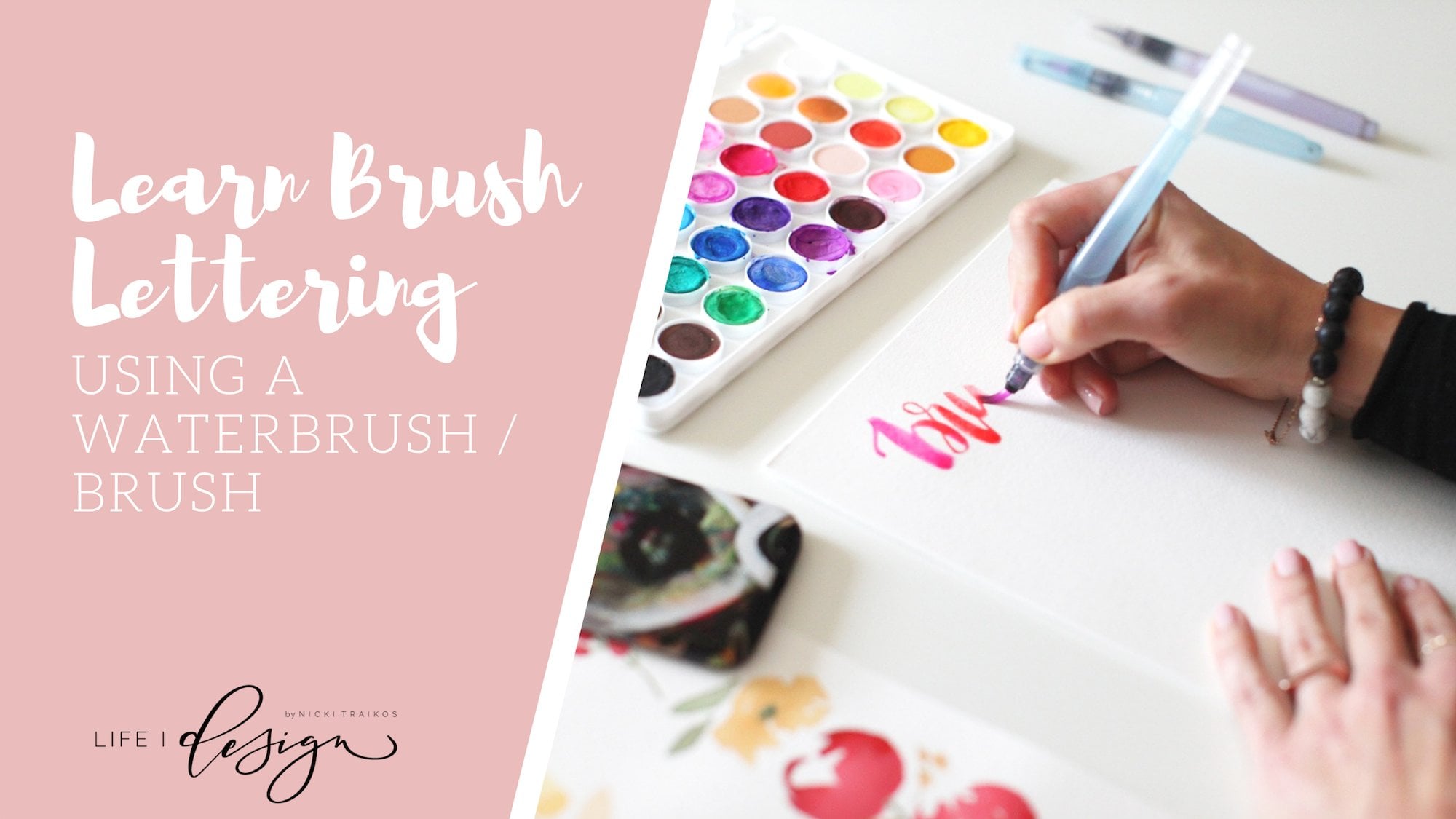
2. Watercolor Paints: I use an artist-grade Mission Gold paint from Mijello. The colors are very vibrant and ideal for botanical paintings. Artist grade paints last longer than student grade ones but feel free to use any watercolor paint that is available to you.
3. Watercolor Brushes: I used round brushes for the class. Can be synthetic or real Sable. I have round brushes of Raphael and Escoda brushes in different sizes. Small round brushes (3/0 to 0) are good for painting smaller details. Bigger round brushes can cover more areas.
4. Pencil and Eraser: Stabilo Othello pencils in 4H to HB are okay for sketching. Note that you should avoid using darker leads because it's harder to remove on paper and you want to sketch as lightly as possible to avoid leaving pencil marks on your artwork. Eraser can be any as long as you lightly erase as well as erasing can destroy the surface of the watercolor paper.
5. Water containers: I prefer using two separate buckets to prevent my paints from getting muddy. One should be for rinsing the brushes when you want to change pigments. The other one is to activate the paint.
6. Paper towel or Reusable rags: Used to clean the brush or to wipe excess pigments/water from the brush.

Hands-on Class Project
Time to get those creative juices flowing! For the class project, you will create your own inspirational floral type artwork! To get started:
- Think of a short inspirational word. You can also use your name if you like!
- Find a flower reference. If you want to practice, start with flowers that have few and big petals. Some samples are: Anemone, Hibiscus, Daffodil
- Once you have the flower and word, time to lay them out on the paper! Make sure to overlay some petals or leaves on the word to give it a 3D effect.
- Remember the techniques learned in class. Start painting but most importantly, have fun!
- Share your artworks in the project gallery
If you want to challenge yourself more, try painting different types of flowers or flowers with a lot of petals (Sunflowers, Daisies, Roses). Keep practicing and keep inspiring!



Class Ratings
Why Join Skillshare?
Take award-winning Skillshare Original Classes
Each class has short lessons, hands-on projects
Your membership supports Skillshare teachers
Learn From Anywhere
Take classes on the go with the Skillshare app. Stream or download to watch on the plane, the subway, or wherever you learn best.