Transcripts
1. Watercolor Journaling for Beginners & Artists: Hello there. My name is Brendan Nolan. This video is designed to introduce you to my burst skill share class, which is called watercolor journaling for beginners. This is an entry level watercolor class for folks knew the water colors as well as established artists that would like to learn my techniques for overcoming artistic blocks and encouraging daily watercolor practice. This class will provide you with a framework to start from in your watercolor journaling journey. I'm excited to see how you all take these basic concepts. Add your own personal touches and expand upon the concepts introduced in this class. If you enjoy this class, please provide positive feedback and post your final project and consider supporting my art by following me on skill sharing. Instagram Hey, let's get started. Thank you for enrolling.
2. Supplies : welcome back and this segment, I will be recommending some basic materials we consider for this class. The basics are watercolor journals, paintbrushes, watercolors, pencils, pen clipped erasers, paper towels, some sort of water containers. Okay, so for some specifics for journals, I use a variety, and here are some of the options I am currently using. I like to cancel in Excel Multimedia. It has 60 sheets or 100 20 pages. It's 5.5 inches by 8.5 inches. So, like the size and it's 90 £98 paper smooth. I am also currently using the Strathmore Visual Journal. It is 22 pages, £140 watercolor paper. Um, so 44 pages. 22 sheets and that's made by Stroth warm. And then I just recently purchased the Kansan Montreal Watercolor journal, and it is 5.5 inches by 8.5 inches, 20 sheets or 40 pages and £140 watercolor cold press water, popular paper. Okay, so that's what I'm currently using for this class I and my recommendation for beginners is the Council, Excel multimedia, um, journal and the reason that I recommend that is because it's inexpensive and readily available. You can pick this up for under $5 at Wal Mart if you paint on both sides of the page, which I dio. It lasted three months and actually had some that last me a year, because I don't paint every day sometimes and, um, and the papers really wait. So if you're really particular about your colors, which I am, then you really enjoy the experience of painting on a pure white paper. So that's my recommendation there. The I don't like the Strathmore at all. I don't like the color of the paper. That's really but I don't like because I think it really effects. Ah, final product and I feel like it makes my colors money. But I have enjoyed the Kansan Montreal watercolor paper so far, and it just depends on what your budget is and how much you want to spend. But I still think that that's a pretty affordable option. All of these watercolor journals are less than $10 on Amazon and those air just when I'm currently using, there's plenty more options out there, and these are just my recommendations. Okay, so for watercolors. I recommend whatever you have on hand is just great. But if you don't have any water colors on hand, I'm going to recommend an inexpensive pellet by art advantage that you can purchase on Amazon for some $5 with prime shipping, the colors are vibrant, and this is the palate I buy for. Folks need a water colors just because it gives him an opportunity to you. Tryout, watercolor. And it's not a big investment. And the colors are beautiful. And as a white mixing gamut for paintbrushes, I recommend the past the pen tell agua brushes on Amazon. You get three of them for, I guess, around $13. I recommend them because they're inexpensive, portable when they're very convenient. Okay, for pencils, I use mechanical pencils. I don't really have any recommendations here. Use whatever you have, or like I personally don't care of my pencil line should through my finished product. But if you do, you know, edit that accordingly. For Penn drink, I used Univ all signals. Joe pins the two of sevens in black and bold. I like them because they fit my style aesthetic. They are water resistance. Once dry I purchase them at Staples. Other artists like to use theme I chrome pins. I just prefer, ah, think bold line. So I used the signals of the sharpies. I used the clips to hold down the edges so my pages don't buckle or work and, um, an eraser. It's always good to have on hand and paper towels, and that covers the basic supplies. So I'm so excited. Let's get started.
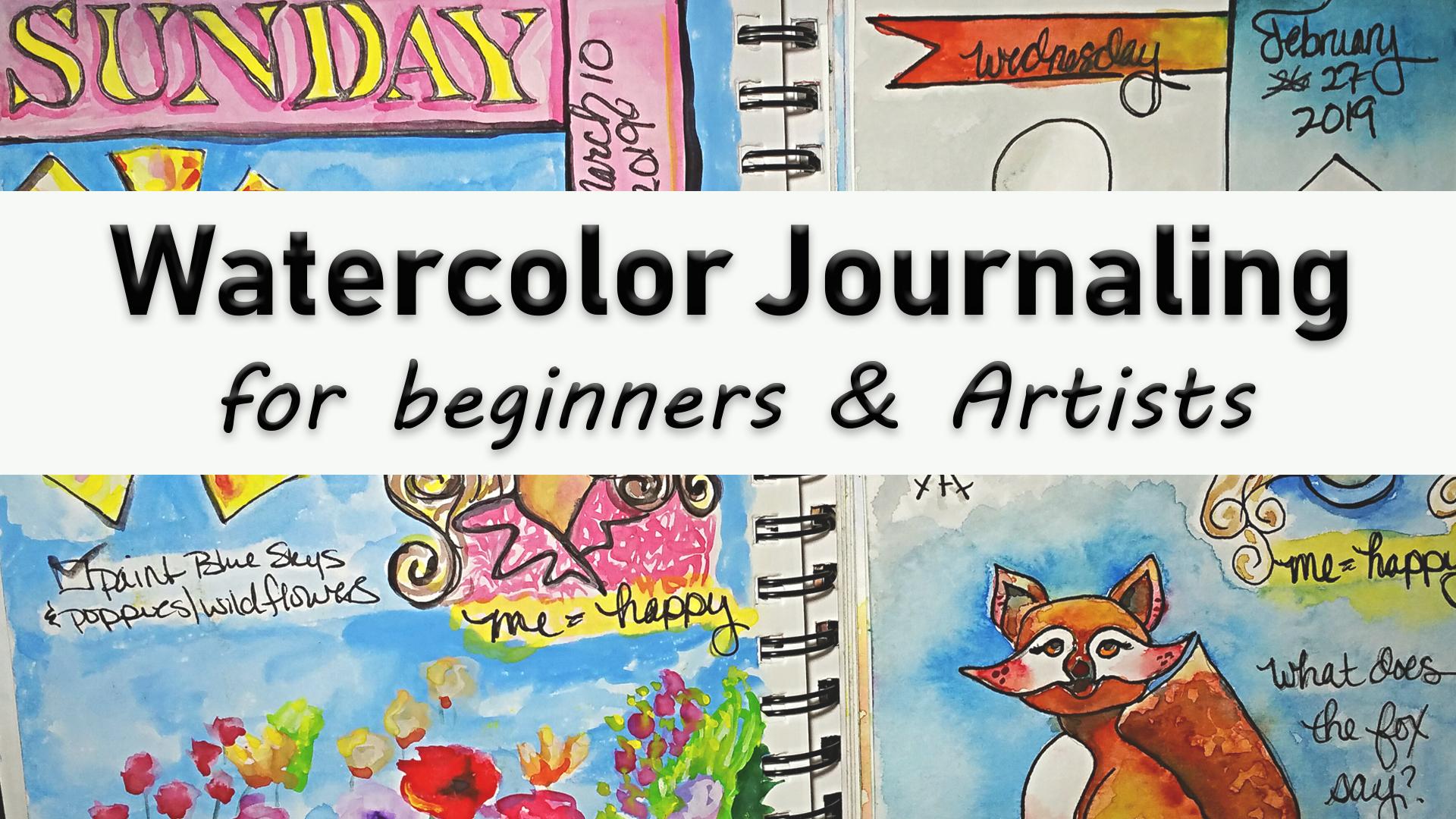
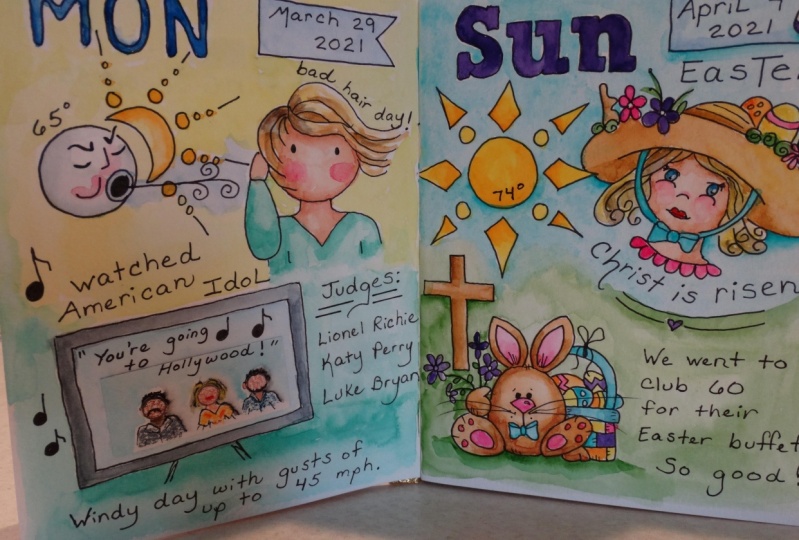
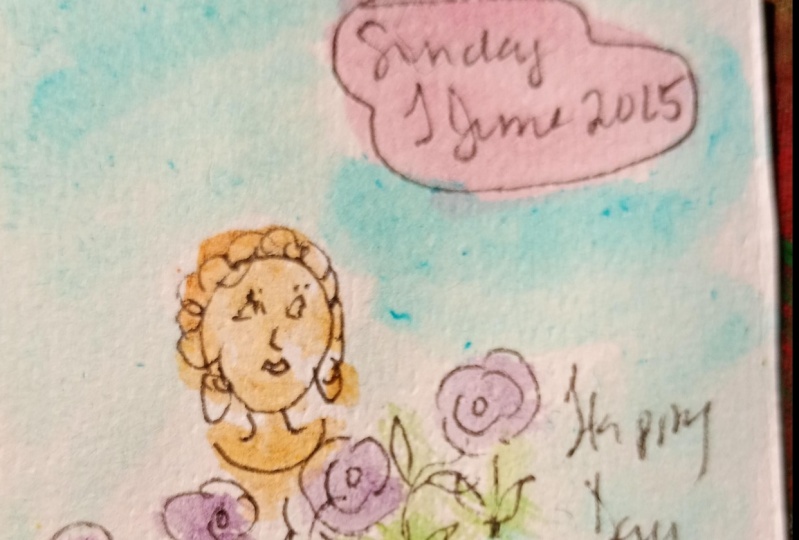
3. Design Overview: Hello. Welcome back In this video, I will discuss the elements. I include when watercolor journaling. These are the elements I included when I developed this template that allows me to focus on the details of why Watercolor Journal, which are overcoming artistic blocks, warming up and daily watercolor practice. The reason I watercolor journal is because I want to get better at watercolor painting, and in order to do that, I try to paint every day, some days, a lot creativity or the time to develop a painting composition. And this template allows me to the ability to creatively express myself, practice and play with my watercolors and explore my life in a creative way. And I'm hoping that, um, it allows you to do the same. The basic elements in this template are the day and the date. The weather, which I usually include. The temperature, my mood, which is usually happy. My to do list if you pull a journal and about the bottom half or bottom third is reserved for either capturing snippet of um day in a way that will remind me in the future of what was going on or developing some element of watercolor than I'm wanting to explore further, For instance, and this example, I was wanting to work on a least wildflower composition and develop a color scheme that I really liked. And, uh, over here I had taken these three girls flooding that day, and this is just happened to be what they're wearing, and it takes me right back to that day. And it's a funny thing, even though, obviously it doesn't look exactly like these three girls. If you know the girls, you would recognize them, and that's what they were wearing. So the next few videos we're going to explore the specific elements that form this daily watercolor journaling template that I've developed. And my hope is that by sharing what I and how, what and how I use this journal is that you all would be inspired to fill up the watercolor journal for yourself are even really an artistic journal because even though this class is called watercolor journaling for beginners and artists, you could also use this template to work on your pennant in compositions to work on your acrylic paintings. You're working with topic markers, pastels. You could use any medium. Actually, that you wanted Teoh. It's just a template to encourage daily practice, overcome artistic blocks and assist you in warming up. So I look forward to seeing what you will come up with. And I can't wait to see you again in the next course module, which will be specifics about the banner. Thanks. Bye.
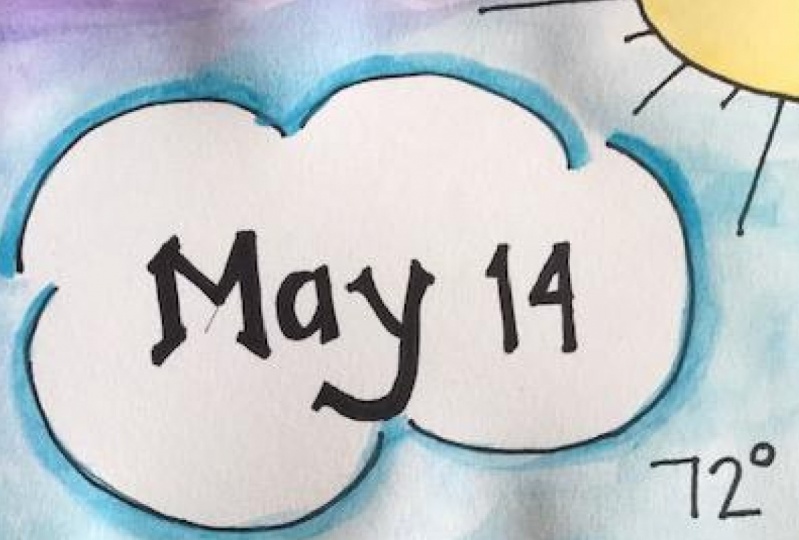
4. Elements: Banner: Okay. Welcome back to watercolor journaling for beginners and artists. In this video, we will be exploring Banner. Here are some examples of some banners that I frequently use. Um, see, here I've done this kind of a tab thing with some friends, like tapestry sort of. And I did a little false calligraphy here. We're here, got little fancy and kind of put it in a bar with a little flag hanging over the bar. This is another style that I I like to do. That's pretty simple. Um, can see here done a little Dooling basically on then. I've got some other examples here on here you go. So I start my pages with the day and the date at the top. Then I developed some sort of banner or hitter style Teoh isolate the element and accentuate the design. I utilize this element to explore in practice, hand lettering styles work on my penmanship explorer, Alfa artistic designs and practice my written communication style and a visually expressive manner. Get a detailed as you would like in developing this element with fancy lettering and complex banner and header designs. Or you can keep it simple as I usually dio, if you would like Teoh Explorer, other inspiration for this element. You can Google hand lettering styles. You can Google fonts. If that's what you want to practice, you can Google or Pinterest s doodle banners or doodle headers for inspiration. And I look forward to you seeing your interpretation of this element during the last module , we will. I will walk through how I do a full day so you'll get an idea of how that plays out for me . And, um, I really look forward to seeing your designs, you and the next module.
5. Elements: Weather Icon: Okay. Welcome back, Teoh. Watercolor journal for beginners and artists. This module we will be exploring in the weather icon element. And here are some examples I've done previously. So sunny day and it was 50 degrees and it was, Ah, cloudy day and see cloudy day and 38 degrees here. And it was sunny. And I didn't put the temperature here just surprising. And on this particular day, it was knowing and 29 degrees. So this element is actually pretty simple. You just need Teoh, look outside and document the weather. And the weather is fun. Fund fund. A document. Um, you can do all kinds of different styles. I really started getting. I got bored with the little boring snow that I'd done previously. And so I started developed me my snowflakes and you know, I doodled some other designs on a piece of paper, but whether it's just fun for others fun and whether it's easy, you look outside you note the temperature. There's just you can google doodle weather icons. It's just fun. So that's the next element. And just because I have been using this template for so long, this is just the arrangement that is pleasing to me is I like to do my banner of the top and then do you my weather on the left and then I d my mood on the right, And then the lower half are lowered. Third is what I reserved for, um, journaling my day or, um, something artistic that I won't need to work on. And I will see you in the next module. We were talk about mood, and I hope you enjoy working on the weather element as much as I do. And I am excited to see what your designs look like. See you in the next module.
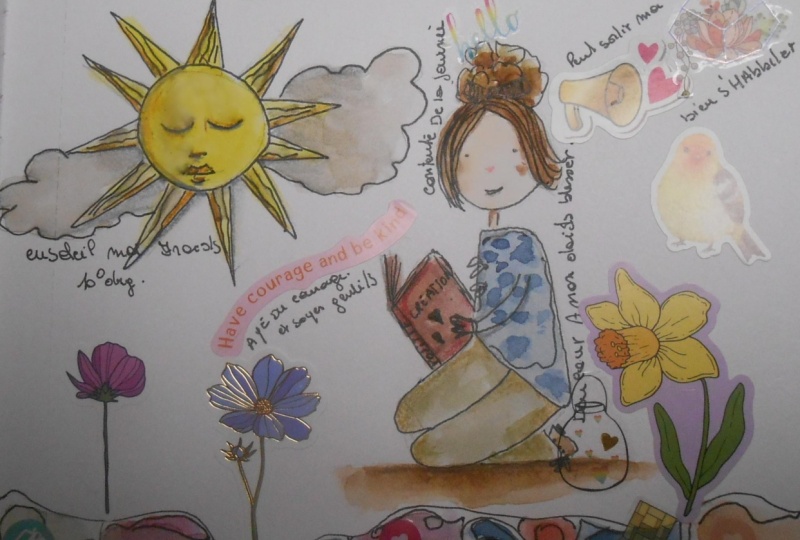
6. Elements: Mood Avatar: welcome back to watercolor journaling for beginners and artists. We will be exploring the mood element, and most of the time I am happy. But here are some past examples of this element. Uh, on this particular day, it was not happy. I was feeling pretty worthless, actually. And, um, here's another day where I was happy here. It was happy. And that's the time. Um, I am happy. Here's another happy. And so I just want to talk about this element for a minute. Okay, So what I'm hoping to accomplish in this module is to give you a really easy way to, um, express yourself a visual representation of what you look like today. So your hair, um, I like to express my mood. I like it to be simple and easy. And I will show you beginners how to create a simple version of yourself in my style that you can use in your watercolor journal. Uh, this element, it's so fun for me. And if you're already an artist, it's gonna probably be loved and lots of fun for you as well. So you can use this as an opportunity to work on your skin tones your portrait. It's your facial expressions, your hair or you can just use it to practice your own personal avatar. And I'm gonna be teaching you my style. So I've done some little dude lings, and, um, I'm gonna show those to you now. I don't I'm gonna try and talk as I work. Here's some then and I am going to try and talk as they teach you my style. But probably all end up doing a voiceover because I sort of lose the ability, Teoh, think and speak and draw at the same time. But I'm hoping to teach you a simple way to capture who you are today and your mood and then that will allow you to work on skin tones, hair, port, dreads clothing, and it can be a simple or as complex as you like. I keep it simple. Um, but I am excited to see what you all come up with. Okay, so here's my technique. Um, basically, the easiest thing to do is to draw you shape and two eyes, and that represents you. Sometimes you if you want to draw on a neck line, you can go like L shape or an end shape and then do the other side. So pretty simple ours phase, neck, shoulders. Okay, hair. My hair is curly and it's down and, you know, curly, curly, curly, curly, curly, Present like that, which is actually how I would represent my hair today and today I'm wearing a really colorful V necked zip up um, jacket that has, like, these embroidered floral elements that are really great and color full. It's from Nepal, and, uh, it's pretty cool. So I just do a little, you say, two eyeballs, some representation of my hair. It's down today and some representation of what I'm wearing. But, you know, you may have classes and you put in your glasses, or maybe your hair is in a braid. Maybe you have bangs right? Maybe your hair's over to one side and then braided. And, uh, you know what it's It's not something you have to get crazy about, because here's why. When you're doing this watercolor journal and you're really working on practicing every single day, you're gonna have another chance of this tomorrow so you don't have to try and be perfect today. Today, if you can just do a U shape to represent your face and two dots for your eyes and some sort of chicken scratch to represent your hair. Hey, if you're a guy, do a circle and you could do a little side part just like that. You could put years if you want, or you don't have to have any years. You can put a news if you want. You can put lips if you want. Who that look both up slickly. What's going on there? I don't know. Little smiley. When you turn it up, a lot of times I'm wearing a T shirt. Um, you can do shoulders and no shoulders. You could do nobody. Um, you can just get as detailed or simple as you want with this element, and then just document your mood. I write me equals and whatever I feel like. So right now I feel excited. I'm so excited because I know that we're nearing the end of these, um, the video modules and I have one more element to talk about with you, and then I'm going to get to see your designs, and I am so excited that you take this class I'm so excited to see your designs. I'm so excited to almost have this cost beat They done anyway. So I hope you enjoy working on little visual representation of yourself. I hope that I've explained this easy enough that even the simplest beginner fills Empower Teoh, make a little visual representation of themselves just by drawing a little u shape putting an eyeball, a couple thoughts for eyeballs neck if you want a neck so that you could kind of represent what you're wearing, um, you know, sort of represent you're wearing or not. And then, like I said, some sort of representation of what your hair looks like a lot of times I will have my hair in a bun, and I just love this element in my watercolor journal. And I love it because I get to work on hair color and skin tones and, um, expressing my mood creatively and quickly. And, um, I hope you enjoy it as much as I dio. And I hope this has been beneficial to you, and I will see you in the last module before we head into our final project. Thanks for watching by
7. Elements: Create: welcome back to watercolor journaling for beginners and artists. This video will walk you through the last section of the watercolor journaling template developed for overcoming artistic blocks and encouraging daily watercolor practice or really artistic practice. Whatever medium you like to use, you can use this template. So the last element of this template I developed is used for a variety things. I devote 1/2 to 1/3 of the bottom of the watercolor journal page to either a drawing a visual reminder of something about my day. I want to remember. Like, for instance, this day the two little granddaughter stayed on first from school. And also on this day, um, I made handmade one time, so or Okay, Um, on this day I was stressing over some stock that has been Sometimes it makes me a lot of money, and sometimes it lives with me money. And on that day, it was stressing me out, and sometimes I use it. Teoh, explore, subject or watercolor comes up. Then I'm wanting to work on or develop some skills. So, for instance, in this one, I have been wanting to work on my animals painting animals, and so I painted this little frog. If you don't know what to put here in this bottom third or bottom half, I suggest that you make a list of the days of the week Monday through Friday. Fact, you know what? We'll just do that together. Just make it of the days of the week and then on this side week, a list of the, uh I can't think of the word sorry subject matter that you want to explore. So for me, I like, um I want to work on my landscapes, florals, animals, portrait. It's color palettes. What else? Painting? Realistically, anyway, make a list of things that you want to work on. Artistic wise and then just matching with days of the week. So then on Mondays, you know you're gonna paint landscapes. Oh, I know, Urban. I want to try some urban sketching, so I've got my seven, but you're seven will be different, depending on, um, what your interests are. So, um, this frog Let's go back to this frog for a minute. I just got out. Okay. This frog, I got the, um, inspiration for that frog off of a resource called picks. Obey its p i X A b A y p a p I X A b a y dot com Has, um Realty free subject um stock photos, illustrations, things that you can use without having to credit. Um, they use in your work so you don't have Teoh Identify the author. You can use it for commercial. You can use it for personal. They have. Ah, you can access. Ah, picks Obey website. It picks up a dot com. You can download the pics of a app on your android smartphone or you could and downloaded on your apple's phone or your apple iPod or your android, Um, tablet. And it will be a wealth of information for you and give you ideas. So if you don't have something particular in your day that you want to capture, like it spent time with these two girls and maybe it's some piece of art that you want to work on. And so we've gone through how to come up with the list, a subject matter that you want to work on and then where to get. So maybe some inspiration and resource is picks obey, get some ideas. And so, um, we're getting near the end of this class, so I just want to do a recap now. So the elements to this watercolor journal template for, um encouraging daily artistic practice is your day and date, which are made into a banner, a header, but the top, That's where I put mine. Then to the right, you put the weather icon legs, you look outside and document what the weather's like then a little U shaped base and smiling. If you're smiling, document your mood. And then if you bullet journal like Ideo, maybe put a little to go to do list here that's taken about, um, ideally, about 1/2. And then you have the other half of the page to either capture an element from your day or Teoh work on something artistically that you've been wanting to work on. And so at this point, you know, that is all developed being, you know, the template. What am I gonna paint today so you don't have to worry about coming up with the composition . You don't have to worry about coming up a subject matter. You just need Teoh document the day, the date, the weather, your mood and then make a decision on whether you're going to note something happened here in the day for future. Or if you're going to work on something artistically and the next thing is to actually paint your template. So I will see you in the next module, where we will be putting that all together. I'll go through the creation of an entire day's page and then do some speed painting, Um, in watercolor so they could get the full flavour of what that looks like. And then we will wrap up this class project and review the final project. Thank you. Bye.
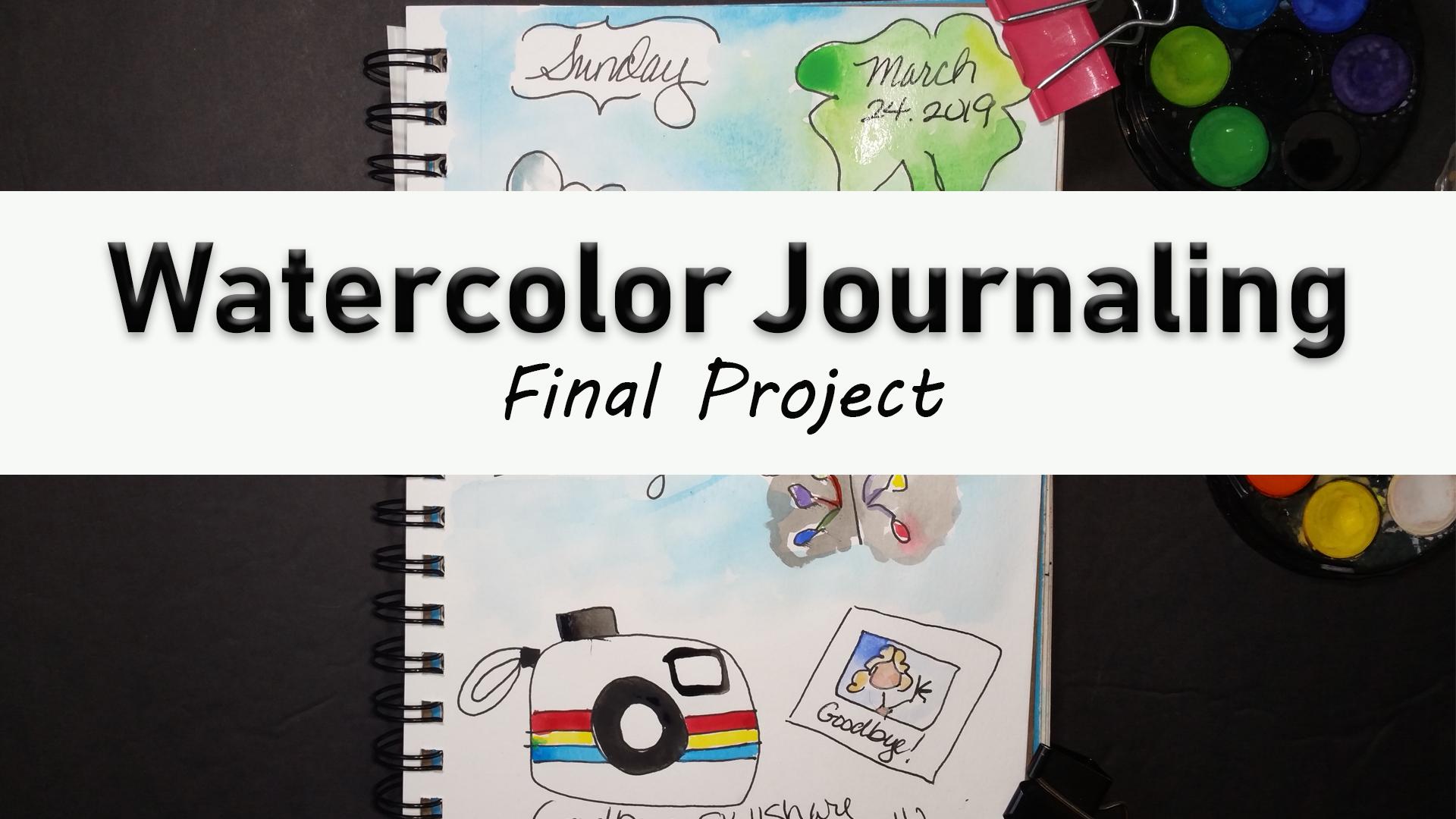
8. Final Project: Okay. Welcome back, Tiu. Watercolor journaling for beginners and artists. Thank you for taking this class. And I've tried to make this class interesting for you and hopefully giving you some tools to explore watercolors or whatever. Medium that you would like to explore and encourage your daily practice, Um, and overcome some inspirational blocks. I would like to end this cost by creating and painting in my watercolor journal today with the materials recommended in the supply. So I'm gonna be using the cancer and Excel multimedia paper. I'm gonna be using the, um, signal to seven in black with gold with a bold tip. And I'm also going to be using this, Um, what are art advantage? The $5 watercolor palette that I recommended. And, um, one of these pen tell opera aqua brushes, which are really handy and cool. And I just wanted to say one more word on these. They didn't really mention it in the supplies video, but there are other water brushes besides these pen tells, but they don't work as well. Um, these air the best as faras I I am concerned as far as what I've tried. So that's what I recommend is the pen talaq wash brushes. I'm going to encourage you to use this template is an outlying to explore your dame watercolor. And I'm so excited to see your watercolor journal page. And if you've enjoyed this class, I ask that you would please provide positive feedback and consider following my artwork on Instagram and or Facebook. And I would be so honored if you would tag me hashtag Brennan ole or skill share burn. It'll or, um, at Prenda be knoll if you're on instagram so I can see your journals, um, derived as a result of taking this class. Okay, so here we go out with the day looks And sometimes I like to use a ruler to keep it nice and straight. It is Sunday, and it is marks 24 1000 tonight. And I get fancy. Yeah, because you're all watching, and I'm going to put the march in the clover because it's mark sort of clue bearish and looking outside. I have not seen the sun today, so I'm gonna say cloudy. And normally at this point, I would, um, look at my phone to see what the temperature is. And so I'm recording with my phone. I'm not gonna do that. But I know that it was supposed to get a high of, like, 54 degrees. Today's almost 54 degrees. That's just because I get the waters a little water. Well, wolf, the weather shot to me every morning. Okay, so my mood, my mood is per out. I'm proud today because I finished my first skill share class. And I'm hoping to get that published today. My hair iss, Curly. It's so fluffy today. It's It's like Putin lair. That's what I'm gonna have here. And yes, I'm writing this on the poli's very colorful or ah, that's what jacket. Yeah, that looks good. And what am I gonna do? I'm gonna put my to do list. So the initial share class? Yeah, I moderated the longer to in between what we've been doing here, and so it's a blunders done. I'm gonna finish that. Not quite done, but it will be. And I'm gonna pay this in a minute. So there's that, um, let's see for inspiration. You know, I'm a Jew. Uh, here's my gym. I'm gonna paint this little camera. Yeah, just kind of sketch out a little camera as a reminder that today I spent the day working on skill share class, No pool, right picture snapshot of my day. And there's a little How about a little me saying high class by I'm gonna really cute little nook by by And that it's my template for what I'm gonna work on today. Water cutaways. And I'm going to use this with paint. That's I recommended for you. You don't think I'm a snob? I'm just recommending not such great pain. So I like to miss my pain. Um, I just think it with, like, a spray bottle to activate it. I think everything goes a little nicer. One of I'm sorry. Something just fall off the wall over there, and I'm just gonna paint this and I'll probably put it on speed so that you get bored and, uh, put a little bit back. Okay, Just be Peattie hair. It's march. I feel like it should be green. Don't be afraid to flip your put covert and painting different. Um, positions. Make it easier on yourself. Are you impressed with how vivid these, um, $5 paints are Because they are actually very impressive um, you hear a lot of people say Don't makes white with water. Colors don't use away. Don't mix away Well, I say do whatever you want and I makes a wait and came out pretty decent like that so you can see these little $5 palette works pretty pretty slick. Yeah, So I actually have this sped up to eight times the speed it actually is. So it's going pretty quick. So even something like this, where I'm not spending a lot of time on my even my technique, I am practicing some skills that really come into play, like putting that yellow in there between the red and the blue. And I hate to wait. So I am mostly painting wet and went or jumping around a painting or being very careful not to touch color so they don't bleed. And all of those skills, even though it might not seem like it, and something as simple as what you see going on before you are really coming into play and building some muscle memory there. So I'm just going to finish this up, and I just want to say goodbye and thank you for taking my class, and I am so excited to see your final projects by
 Brenda Knoll, Life is short, cram as much in as u can!