Transcripts
1. Introduction : Are you tired of
those moments when inspiration seems to
play, hide and seek? Being stuck is the worst. Whether it's creative block, being stuck in a mental loop, or just feeling a bit lost. I've discovered the best
way to break through is to add a bit of play to
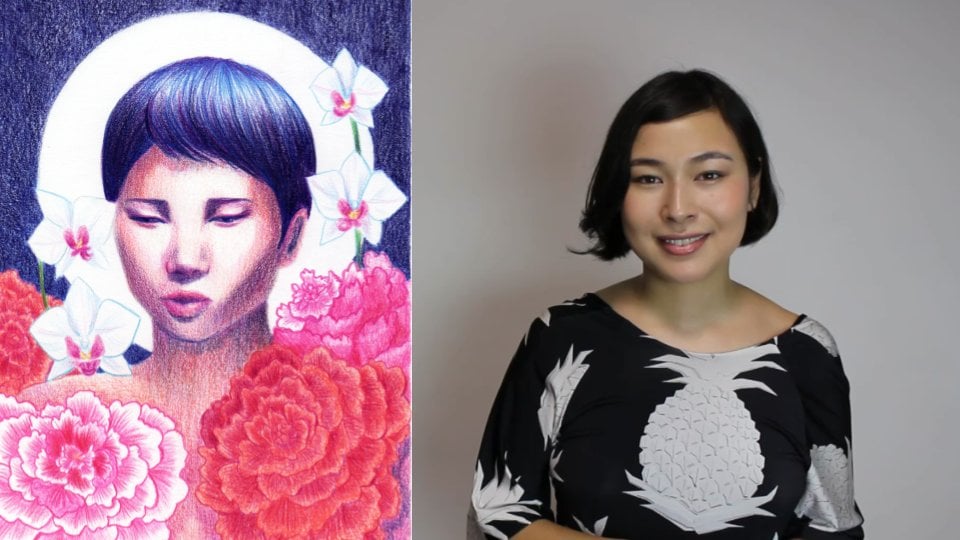
help free up our mind, switch up our perspective, and solve our problems. Hi, I'm Lucy, a writer. Hodcaster, creative explorer
and author of the book Living in Creative
Life Every Day Play and welcome to unlock
your creativity. Playful strategies to overcome blocks and get
into creative fly. Working every day in
a creative career has taught me the importance
of having strategies and approaches to help overcome
creative block and get back into flow after years of coming up with creative
ideas on demand. I found that we all need a little help every
now and then to shift perspective and
relight that creative spark, Whether you're
working on a piece of creative work or
just living life, which let's face it is
inherently creative. It can be common to find
yourself a little bit stuck. But a few years ago, I
switched up my approach. I lean into the Unknown
and I decided to play. And I found when I did
amazing things happen. This course is all
about helping you explore playful tools
to do exactly the same. To get unblocked, to find your creative flow and just
feel less life in general. Across the course, we're
going to cover a range of playful rituals
that will help give you strategies and
tools that you can use anytime you need a
fresh burst of inspiration, a new idea, or simply to move forward in an
area in your life. This course is designed
for everybody, whether you're a professional creative looking to
overcome creative block, or you're simply just looking to get unstuck in an
area of your life. These tools and
rituals are here to help you move forward and
find that creative flow. I can't wait to dive into this with you. So what
are you waiting for? Let's play.
2. Class Project : Hooray, you're here. I'm so happy you decided
to join the class. In this class,
we're going to use five creative rituals to help you get unstuck and
give you new direction. They've been designed
so that you can bring any problem idea or just general stuckness to them and still get
yourself moving forward. But this isn't just an
exercise to do once, we're also going to create
an unstuck action plan so that you have something
you can come back to anytime you feel stuck. Not just with one
specific problem or creative block that
you're trying to solve right now. Are you ready? Great. Why not start by
downloading the class materials, grabbing a pen, and join
me in the first lesson. I can't wait to see you there.
3. Switch Up Your Energy: Welcome to lesson
one. You're here, we are going to dive right in
with a quick energy shift. Now, this might
feel a little bit awkward at first,
but play often does. And trust me, it can make all the difference when
you let yourself go. And allow yourself to
be a little bit silly. So why not start practicing now? To start off, we're going to get out of our thinking mind and into our bodies to help
encourage that play to come out. We often when a problem solve, when we think it's something
we need to do with our brains and we can get
stuck in a mental loop. This is about switching that up. It's like if you're trying
to solve a problem like cutting cheese and you try and use another
cheese block to cut it, it's not going to work right because you're using
the wrong tool. So what we're going to do is switch up into a different tool. In this case, we're
going to move out of our minds and
into our bodies. How? Quite simply, with
a classic dance break, let's jump into discomfort
together and start playing. First of all, I just want
you to take a breath. Wherever you are,
close your eyes, breathe in slowly
and breathe out. Do this a few times just to connect with your body and
your breath where you are. And then we're going to roll our shoulders and give
them a big roll, a big let it all go. And then your mission. Go find your favorite
track of music, your favorite song,
put it on now, and get dancing. Let's do that. How did that feel? Maybe a
bit uncomfortable at first, but I'm hoping that what
you found is that you got a little bit of an energetic
shift when you did that. And maybe created some space
for some fresh perspective. We're going to take all of this positive creative energy and that little
bit of space into lesson two to help
staff shifting our problems and getting
back into creative flow. I can't wait to see
you there. Let's go.
4. Build Your Creative Stores: Welcome to lesson two. This is all about finding
what lights you up. Now we've built that
fresh creative energy. We're going to turn
it into a powerhouse of inspiration for you. Remember, you can't
pull from an empty cup. So as we embark on
this creative journey, we're going to make
sure ours is filled to the brim and we are
ready to explore, shift our perspectives,
and get unstuck. We're going to embark
on a fun exercise which is all about discovering
what lights you up. You may already know some of these creative
things, but if not, we're going to go on a
discovery hunt to find the things that make us feel joy and light, that
creative spark. We're becoming
museum curators of everything that makes us
excited about the world. Think of it as building
your own exhibition of joy. Imagine this, a space filled with your
favorite works of art. Music that makes
your heart sing. Movies that transport you, Books that inspire
basically everything that sparks joy in
your creative soul. Your mission, should you
choose to accept it, is to go on a discovery hunt. What we're going to
do is we're going to go looking for those things that light you up
from any area of art, the world, creativity
in the environment, all of those things count. And what we're going
to do is pull it into our own digital exhibition. This could be a Pinterest board, it could be a digital folder on your computer, it
could be a playlist. Whatever works with the
things that inspire you. I would encourage you to think
of something mixed medium. So you're not just pulling
music or just pulling images. You want a space where
you can maybe have loads of different
types of creativity, loads of different types of inspiration that
help light you up. The goal is that when we
come back to this folder, that we feel inspired by
what there is in the world. That we feel a spark
of possibility for all the creativity that
we can bring together. The point is you
end up with a space that you can come back
to anytime you need fresh inspiration or just a little creative
boost to solve a problem. So how does this work?
Essentially, what you want to do is probably go and grab
a laptop or a computer, or a tablet or phone, or somewhere that
you can go online and open up to the plethora
of all the amazing, creative things that
are on the Internet. When you go through,
start to pull through the creativity
that you know and love. The songs that light you up, the movies that make
you feel great. The images that spark that idea. Anything that makes
you feel alive, excited about the world, and full of possibility. There are no right answers here. It really is. Whatever
makes you feel great. I thought I would
show you a little bit of my own collection
to inspire you, so you know how to get started. So I collect everything
on a Pinterest board because I find it's great to be able to have images there. Music there, videos there. And it pulls together a lot of the ideas that I
have in one space. I also really like
doing it like this, so I can scan through quickly
and see what's going on. So let's walk through my
own personal exhibition of creative joy together now. So here is my things. I
love Pinterest Board. As you can see, I
have a whole range of things from books, quotes, songs that I have
on my creative playlist. Images that inspire me, projects that kind
of light me up, different people, smart
ideas of doing things like collections,
creative projects. I even have some interiors
on here that I really love. And I just find diving into
things that make me smile. For example, I love Pixar movies and this
series from Up Is Great. They're handwritten
letter projects. This idea massively inspires me. I like silly little projects that make me laugh and smile. This is from my favorite
scene in singing in the rain. The type of illustration
I love to do, and I'm inspired by
some Rothko painting, which is full color that I love, and the little prints, which is a book that lights me up and makes me feel great. Some studio jubilee art and these tiny little smart
projects where people are doing cool things with
college and different ideas. And that's just a
small collection of the things that
light me up that I know I can keep coming back to whenever I need
a creative boost. Now it's your turn, Go and dive into the
things that you love. And that light you up. Remember no rules. You can pick any medium you want. Anything
that inspires you. It doesn't have to be
art or creativity. It could be something
entirely different. The point is that it is your personal exhibition
that lights you up, your collection of things
that makes you feel full of possibility and
inspired by being in the world. What are you waiting for? Go and create that vibrant
space of inspiration. And then meet me in
the next lesson where we'll turn that
passion into action. Ready, set, go.
5. Flex Your Creative Muscles: Welcome back. I
hope you're buzzing with excitement from all of
those amazing, creative, beautiful inspiration,
funny things that you found and pulled together
on your own personal board. What we're going to do now
is take that inspiration, take that feeling
of possibility, and craft it into
problem solving. Now it's time to play
with these concepts. In this exercise, we're going
to open up our creativity and start working that muscle that helps us develop new ideas. For the exercise, you're going
to need a piece of paper, a pen, and a timer. You can also visit
the class materials and download a specially
designed worksheet. In my experience, creativity is just like any other muscle. It needs a little
bit of warming up. And that's what we're going
to do in this exercise. We're going to start
building reps to build that creative
energy and just create more space
to come up with different ideas and possibility. How are we going to do this? Quite simply with a
word association game. So what we're going
to do is take our digital curation board that we created in the last lesson, and we're going
to pull out three words that jump out to us. From there, just scan through the board and
look for a theme. It can be an emotion, it could be a color, it could be an idea, a phrase, a feeling. Any of these things all count. What you want to do is just scan through and think of three
words that jump out to you. They can literally be anything. Whatever jumps out to
you is the right thing. Remember we are playing here, So there were no right answers. Once we have those words, what we're going to do is play. This makes me think of game. It's a simple word
association game that helps us open
up the way we think. And allow our brain to
make random connections, which is where we can bring
new, fresh ideas from. I'll get started
with an example, but grab a piece of paper and
a pen and you can join me. So we'll always start
the exercise and we'll go one word at a time. For me, the first word that
jumps out is surprise. It's something that
comes out a lot. So I'm going to
write down surprise in the middle of one
of those circles. Makes me think of
if you don't have the worksheet and you just
have a piece of paper, you can just write surprise
and draw a circle around it. And get ready to draw a
little spider diagram of all of the ideas of free
association that you have. Once we've got
that written down, we're going to set our
timer for 5 minutes. Yes, 5 minutes. I know
it feels a bit scary, but what we're going to do in that space is just force our
brain to keep coming up with new ideas and new
associations until we get further and further away into
the world of the Unknown, the world of play, the
world of silliness. And what we're going
to do by doing that, find that new ideas and
fresh possibility comes in. Let's dive in, pick a word, set your timer, and
let's get going. For example, surprise
makes me think of birthday parties or
hidden gems or treasure. In general, it makes me think of tiny doors on the
street or you know, where people make
faces out of food. It makes me think of that face, that's like shocked
face, I think. It makes me think
actually of discomfort as well and a little
bit of anxiety. It also makes me think
of color and balloons, it makes me think
of a party popper, and glitter and planning and thoughtfulness you
see as you go around. You can be using ideas, emotions, words,
concepts, they all count. It might be a specific color. For example, surprise
makes me think of a yellowy gold also, like a confetti cal of colors. What you're going to
do is just keep going, keep going until that five
minute timer comes up. Once you've had your 5 minutes, what we're going to do
is take a step back, look at the words
that we've got, and then challenge ourselves
to set a timer for just one more minute and see if there's anything
else we can add. Anything else silly or absurd, or just in any way related to the words that we
have on that page. Once you've done that, you
can move on to the next word. So pick your next word, write it down in your circle. Set that timer and
get going again. Why are we doing this?
Word association is a great way to get
into our creative brain. It helps us to see lots of possibilities and
move ourselves from the usual barriers
that we put up of what is normal or
sensible or correct. Allow ourselves when
we push that limit of time to just think a little
bit more outside the box. And it is a great way
to warm up our brain and start flexing that
muscle. Now it's your turn. Go and grab your sheet of paper, a timer and a pen, and get started with your
own word association. And then join me in
the next lesson where we'll turn all of that
possible thinking into even more action related to a specific problem
that you need to solve or a specific creative block that you want to
move through today. I can't wait to see you there.
6. Play The 'What If' Game: Welcome back. Now that we've got that fresh
energy moving, that creative energy flowing, our minds open to
different possibilities, now is the time to
approach the problem or creative block that we
might have and solve it. The way we're going to
start doing this is with a game called What Now? What If is a really
silly game that, just like word association, allows us to open up our minds to different
possibilities. And quite often,
when we get stuck on a specific problem or a
specific creative block, we only see one or
two solutions to it. And if those ones don't
work out, we stop there. Well, the what if game
is about not stopping. It's about coming up with as many different ideas
as we possibly can. They can be as ridiculous
as you want them to be. Because the point is, by
expanding this creative energy, what we allow
ourselves to do is to find actual solutions that
we might be able to use. Or through a combination
of the things, we create new ideas that we could try out or
experiment with. Which is where play at its
heart can really help us get unstuck and break through those creative blogs.
Are you ready? Let's play the what if game. The way you play this
game is absolutely pretty similar to the word association
game that we just played. So what you're going to
need is a piece of paper, a pen, and a timer if you want. I've also created a
worksheet for this in the class materials and you can go and download that as well. Great, have you got
your materials? Let's get started
with the exercise. What we're going to do
is start by thinking of the specific problem
we're trying to solve. And the specificity here is key. Knowing what it is that we're
really trying to get to will help us come up with all of these possibilities
and new ideas. So take a moment
now to think about what one thing you want
to move forward with. How you want to get unstuck, what that niggling problem
is in your creative work, or just in general, that
you're trying to work through and write that
down on your worksheet. I've got a piece at
the top that says really define the problem
you're trying to solve. For example, if this
was me right now, I'm trying to come up with
a name for a new podcast. I find naming things
really difficult. And I've been going
round in a loop, the problem I'm trying
to solve is coming up with a name for
my new podcast. Then from there I'm
going to write, okay, the problem get
really clear again. And it might seem silly that
we're writing this twice, but the point is that
actually by clarifying, we're opening up our
brains to other ideas. For me, the problem
is not finding the right words to summarize
what my podcast is about. Okay, the problem
is, I can't think of the right name
for my podcast. Now, what we're going to do now, we have that problem defined, is set a timer for 5 minutes. Again, I know it feels
like a challenge, but trust me, it makes such a difference having
this expanse of time. We're going to set that timer and then we're going
to play what if. The whole point of
the what if game is you just start
asking yourself that question over and over and over again like
it's on repeat. And you keep going
and keep going and capture all of the
answers that come up. For example, for me, let's say I've set my timer
and I get started. Okay, so my problem is I don't know what I'm going
to name my podcast, but what if I wrote down all of the words that I love that are
related to my podcast? What if I created three names that rhymed
with each other? What if I wrote down random combinations of
different words that I liked? What if I imagined an
audience member of my podcast and what they
would say about it? What words would they use? What if I imagined what the image of the podcast
would look like? What if I created some colors that I
associated with the podcast? I knew the name. I woke up from a dream
and I knew the name. What would it be? What if I lived in an alternate reality? What would podcasts
be called then? If it was the antithesis
of the podcast that I was creating and it was completely different, what would
it be called then? And as you go through, you
can see that you can come up with the ideas for how
you might solve the problem, but also the ideas in
and of themselves. Right, you might
actually come up with. Okay, well the
antithesis of my podcast would be like, I love marketing. Marketing is great. Let's
do it all the time. And then I can go, okay, so that's the antithesis. So what would the other
version of that be like? I can start to explore and
play around with those ideas. And what you'll see as
you keep developing and working through those 5
minutes of what if ideas, is that they will get
more and more desperate. Basically, your brain is
going to be searching for more and more things and
more and more silly ideas. But actually, the further
down the list you get, often there's some real
gems hidden in there. So now it's your turn. What I want you to do is
grab that piece of paper, define that problem,
set that time out and start your first round
of 5 minutes of what if. And then once we've done that, we're going to pause and we're going to do
another 5 minutes. I know you're like Lucy, Why? I thought this was
supposed to be fun and we were supposed to be
playing. Well, we are. But the point is here
that if we don't give ourselves that stretch
of time to get really, really silly and really, really out of our
normal thinking, we miss out on these
experimentations, on these new ideas, on this
different possibility. So I'm going to challenge you, set that time again, one more time for 5 minutes and see what you can come
up within that time. Maybe it's even a
different medium. Maybe you want to draw
something this time. Maybe it's a piece of music
that comes into your head. Maybe you can kind
of storyboard what a kind of film version
of it would be. Or you want to grab
some clay or something and model an idea,
whatever it is. Just allow yourself to
create something in those 5 minutes that
pushes that idea further. And is playing the
what if, what if, what if game in those 5 minutes. We can even go a level down. Get more elaborate
in our what ifs and more clear on what that
problem really is. Amazing work, you've done it, that is such a difficult
exercise to do. I hope that you found that what you uncovered
in there is may be a few gems and a possible way to move forward on that problem
or product that you have. Hopefully, somewhere in here we found the makings
of the next step and allowed ourselves to get started on solving that problem. If you haven't found anything, take 5 minutes to quickly review your sheet and see
what jumps out to you. Maybe ask yourself,
are there any themes? Anything that you feel a spark of inspiration towards that maybe lights you
up and see if you can explore that idea
a little bit further. Once you've done that,
it's time to give yourself a pat on the
back and join me in the final lesson where
we're going to create our own get unstuck plan. That is going to help
us anytime we are in creative block or feeling stuck in general or need that
fresh burst of inspiration. What are you waiting
for? Let's play our final game together.
7. Create Your Unstuck Action Plan: Welcome to our final lesson, where we're going to pull
together everything that we've done to create our own
unstuck action plan. The point of this
plan is it's here to service whenever we need
that, fresh inspiration, whenever we feel a
little bit stuck or in a creative roadblock
that we have somewhere quickly that we can come
back to to use the tools that worked for us to move
forward for this exercise, you're going to need a
piece of paper and a pen, or you can download the
specially designed worksheet from the class materials. Once you have that, what
we're going to do is take the four exercises
that we embarked on today and we're going
to give them a review. Think of it as like
when you were at school and you got that
end of term report, right? It was like Lucy did so and so, and so and so and it's a reflection time on perhaps what we learnt
from doing that exercise, what we liked from
doing that exercise, what energy it gave us, and also what things
we uncovered from it. And what we're going to
do is go through exercise by exercise and review
how they work for us. We're going to try and figure
out what works well for us. For example, in the
first exercise, we got into our bodies, right? We moved, we danced, we got fresh energy. And what we might find
when we reflect on that, is what really worked
for us was the music, or what was great was
actually moving our bodies. And maybe we don't like dancing, but we could go and do
a form of exercise, or go for a walk, or simply
just do a big stretch. And maybe that's the start
of shifting our energy. In the second exercise, we looked at our
creative passions. We got inspired by
the outside world and maybe that was the thing that really helped sparked us, right? So we can look at
that and go, oh, actually it was the work of this artist that
really made me think, yes, okay, I'm excited
to go and do this thing. Or it was watching that
hilarious Youtube video that gave me that passion and energy to go
and do something. Or actually, by being able
to pull everything together, I saw what was important to me. Or maybe it's the third type of exercise where it
really is about silliness and word
association and just keeping on
going on a theme. And what we find in that is that actually we
like having a timer, or we like having a boundary
or the challenge of something helped us and that
was a great way to warm up. Maybe we need to warm up before we do a creative exercise, or maybe we need to warm up next time we try
and solve a problem. Or maybe it was in the
last exercise where you found out that
actually asking yourselves questions
can be really helpful and maybe the what if question was the right
question for you. But there could be other
questions that are useful for you to ask
yourself over and over, and over and over
again until you dig down into the answers that
you already know to be true. So what we're going to
do is simply go through the worksheet and review
each of those areas, each of those lessons
that we've just done, and write down for
us what sparked us, what gave us energy, what did we really enjoy. And just capture that
on the worksheet. So for example,
for me I know that the music was amazing and it really made me want to dance. It gave me fresh energy and actually having that
little bit of music helps. I also know that moving my body was super,
super important. And actually that's
something that I would come back to
time and time again. Because for the amount
of time I spent on it, it really gave me a fresh
boost for the second ritual. I also found that there were specific things of color
that really lit me up. And one or two creative
works that I find so inspirational that makes me feel excited about the world. Just so full of excitement that actually
even just looking at those for a moment makes me feel the possibility of
what I could create. Then for the word association. I love this exercise because it just really opens
up into silliness. I actually find it
quite hard to do, but I think trying to
force myself to do 5 minutes of some creative warm up is really,
really helpful. That word association is
a great way to do it. I think it's useful
if it's maybe to do with the problem
that I'm trying to solve, so I'm going to write
that down there. Then finally, what if ritual? I love this ritual. I love asking
questions for myself. I find it really, really useful. It's good to know
that that's something that I can come back to
and be playful with. Also, I found that through
doing that exercise, I came up with lots of roots of how I might apply my
creativity as well, not just the answer to
the creative problem. This, for me, I think is
a really powerful game. And I'm just going
to write that down, that this is a
great one to play, even when it's something like,
what do I have for lunch? Because quite honestly, I mean, that's a problem that
happens on a regular basis. So I'm just going to capture
all of those ideas now. And I would encourage you to
go and do exactly the same. Grab your worksheet, write
down what let you up, what worked for you,
and then come back. Great, now you've done
that, we're going to do one final bit on the
worksheet at the bottom. What I've written is,
next time I feel stuck, I'm going to try
these three things. And what you're going to do
in that area is write down the three most powerful things that came out from this
unstuck action plan. Really what you want
to think of is like, yes, if I could
only do one thing, I would do this one And try and challenge yourself that those three are all really powerful and impactful
things for you. And then write them down. Great, well done.
You've done it. Congratulations By
doing this worksheet, what you've done is ensure that actually you have
something to come back to. So the next time you feel stuck, you haven't forgotten or just can't think how
to solve that problem, you have three clear actions
that you know you can take to move yourself forward
in that moment right there. And then this unstuck
action plan is your shortcut to getting back
into creative flow quickly. And I hope it makes
a huge difference in your creative practice and
in your life in general. I would love it if you
would share your unstuck worksheet plan with us
in the project gallery. You can simply upload
a photo of it or an image from your laptop or wherever you've
been creating it. I can't wait to see the things that help
you get back into creative flow and the
little playful movements and things that have
worked for you. Thank you so much
for sharing with all of us and helping us all stay inspired to keep
playing and to keep moving forward with our
creative projects and in life.
8. Conclusion: Congratulations, you did it. Thank you so much for taking
the time to step back into your playful self and nurture that creative spark that I
know will keep you going. In your creative projects
and in life in general, it's been amazing to go on
this play journey with you. And I cannot wait to see your unstuck action plans
in the project gallery. So if you haven't uploaded
it already, please do now. I would love to
see it. Of course, if you have any questions, feel free to reach
out and get in touch. I'll be looking
for your comments and questions on the course hub. I hope you enjoy
playing those games and they give you some
fresh possibility for whatever challenge
you're trying to solve or creative block you're
trying to overcome. If you want more
playful inspiration, you can follow me
on Skillshare or Instagram or Tiktok
at Lucy dot Lincoln. And of course, I
would love it if you would leave a
review for the course. It really helps give
me feedback and know how to create more
things of value for you and help encourage
other people to tap into their own
playful spirit today. Thank you so much for joining
me on this play journey. It has been so much fun. I hope that you
have moved forward, found that next step, and got a little bit unstuck. I can't wait to see
you in the next time. But for the meantime,
don't forget to play.
 Lucie Lincoln, Writer, Podcaster, Creative Explorer