Transcripts
1. Swifties Unite!!: On Piano!!: Playing piano can always be perceived as a
hard instrument, as long as we make it a
difficult and hard instrument. In this class, we're
going to be talking about primarily Taylor Swift songs through the use of music theory, of chords, notes, and scales. Below, you'll see a piano role that we're going to use
throughout the course, so you can see exactly what
I am playing on each song. The different progressions. And understanding here
how to read music. Because what's more important
is after this class, you're able to take a
song that you want to learn and actually
kind to carve it out, understand the chords, and really start
playing right away. So each class is going
to be divided into understanding the framework of a song and really knowing
what's in an intro, and what's in the verse, going into a pre chorus,
going into the chorus, and then of course,
the second verse, and then proceeding to
the bridge or the outtro. And how those kind of
changes happen and really kind of understanding
the different patterns, cause all those sections
are made of chord patterns. And so with Taylor Swift songs, we're going to take
one song at a time, really understanding
how to play each one. We're going to learn a little
bit about sight reading here on the left and
reing able to read notes. And then below, you're
going to understand a lot more about your piano
than you did before. What are the white
notes? What are the Black notes is pretty basic. But if you've never really kind of understood how
to play the piano, now is the time to
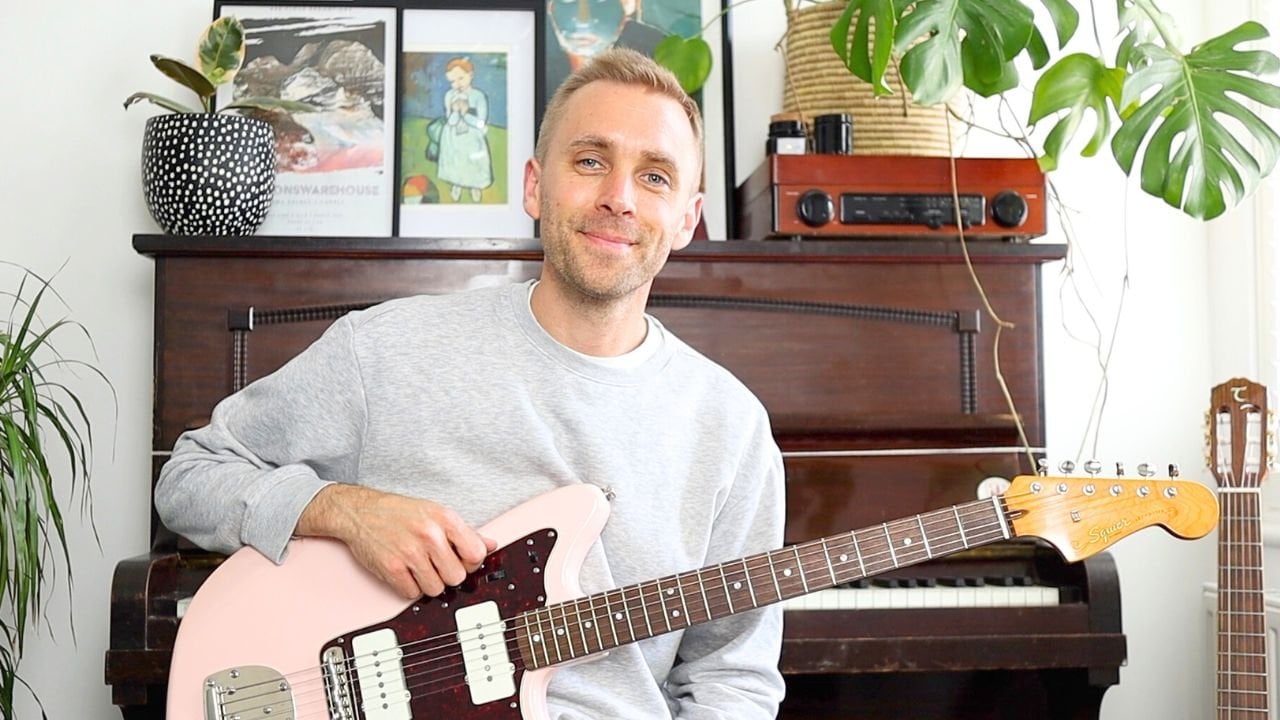
really apply it with a song. I'm Margo. I've been teaching
for over 15 years, both in the New York area, as well as when I moved
out to Los Angeles. And I've learned that as
you're learning an instrument, you're studying kind
of the methods and the teachings and trying
to really understand it. The best way is
always to dive in, learn a song that you
really love and kind of just kind of carve it out
and understand the notes, the chords, what's the scales? What's the movement
happening in each song? So we're going to talk about
that throughout this course. And I hope to bring a little
bit more music theory as we kind of go along. A lot of the times, music theory is looked at as a hard concept, and it actually can be if we don't apply
it in the right way. So we're going to look
at it in each song. And we're really going to
use it to our best ability. And throughout this course, you'll know that you can pause, you can stop, you can review any part or any section
that we are learning. You can also kind of backtrack and learn a song
again, if you choose. The most important part
is to stay motivated. So we'll talk about some really key skills to kind of learn as musicians to kind of stay
motivated and stay practicing. I'm here to support you. So
at the end of this course, you can also submit a project. And the project
incorporates kind of taking a section of maybe a song that you learned
part of this course, or applying a lot of the
methods and the teachings and the music theory
that we're going to learn to one of her other songs. Maybe from the Everlong album or the red album or the
Torture Poet Society album. And in just taking one of those songs and really
learning the chords. Take a video and send it to me. You can submit it here. On this course, and it's up for review by me
and some comments, and all of which come from
a positive framework. So we want to always build on the skill that
we've already acquired and kind of cultivate this whole beautiful community about learning from
each other, too. And so that's why I love
actually doing these courses. So thanks for joining me. I look forward to rocking you through these different
concepts on each song, and feel free to ask me
questions as I go along. So let's get started.
2. Class 1: All Too Well: Hi everyone. Welcome. Welcome to the Taylor Swift series featuring Taylor Swift songs
throughout this course. We are starting in class number
one with one song that I feel has breached that
old test of time, and that is all too well
we're going to start with. So we're going to
learn the right hand, what that's doing
and the left hand. There is a piano role below. And you can use that to
kind of follow along, see what is being
played on my end, that you can kind of mimic and use as patterns on your end, there is a beautiful trouble
clip and bass clip here, which demonstrates exactly what I'm playing that you will see on sheet music if you
choose to learn how to read and
write in sheet sick, which is always great option. Then also, as we're kind of going along, I'm
going to be counting. I'm going to be talking
through the song. We're going to go through
what's happening, what is going on in
the intro before she starts singing when she
starts singing the verse, going into a pre course,
going into a course. And then if there
There is a bridge, which mostly Taylor Swift does
write a beautiful bridge. I must say it's one
of my favorite parts of her songwriting
is the bridge. So we're going to be talking about that all the way back to the chorus to the Outro if
there is tro in the songs. So with this song, Intro, Outro, there's verses,
there's chorus. So there's a lot of
repeating patterns. But the one important
one we're going to pay attention and learn is the predominant pattern of the four chords that are in
this song. So let's dive in. On our right hand, we are
playing a C chord to start, which is J C E. Looks like this together. And how
am I playing that? So the thumb is playing
this note of G, my middle fingers playing
middle C. And then my pinky is going to play e
above middle C altogether. And we count each
chord for four beats. So the chord is made up
of those three notes. We play them at
the same time, and then we're going to move
on to the next chord. In this case, it's G major, so we have G same
G we play before. B in the middle, and then D. We play that altogether,
sounds like this. And then. We're going
to play A minor. So A minor is a little bit above that G major
we just played, and that is A C. So together. Now, if you're having
trouble finding these notes, don't worry, we're going to go through it slower together. This is just the intro.
And then F major, so we're going to go down. Here's middle C. I'm going to go C AG and I'm going to
land on F with our thumb. Play with our middle
finger, the A, and then play with our
Pinky on the C. Now, if we play these in
different patterns, and by that, I mean,
the chords move around. We're not playing the same song. So just important to kind of note that she is
playing the song in the key of C. And I've
noticed in the lie version, sometimes there is
like a step change. In other words, it doesn't
always start with seed. We'll start with another chord. But we're going to
learn the version and C. It's the
easiest to learn. It's also what the
studio recording is. So I think it makes
it a lot easier if you're listening to the song, which I highly recommend
and then playing the song. So throughout this course,
definitely listen to the song, learn the song, listen
to the song, and repeat. That's really important
just to kind of get an extra ear and what's
happening in instrumentation. Okay, so our left hand is
not doing anything yet. So let's talk about that. We
are playing the root notes, and the root note of
a chord is the name. So in other words,
C major chord. Our left hand is going
to play C down below. So altogether, we
have C on the base. And then our GC C on
the right together. And then we do that
for four beats. And then as we kind of go
through the next chord, G major, right? So GBD again. We're going to play
the base note down here below that C we
played before of G. G with GBD, and we have. It's a fall long good job
so far. And then A minor. So A minor, we're gonna play A C. It's a relative
minor of C major, but that's for one
of my other courses. And so we play ACE with the
root note of A down here. Again, for four beats. And our last chord, all the patterns in the song. I do mean all of them, 'cause
they repeat is F major. So again, right hand first, F A C. We play down
here, the lower F. So let's go through it with now pans
together and counting. So I'm going to go a
little bit slower. Feel free as you're
kind of learning the song to progress
to the tempo. In other words, the
speed of the song that you hear. And that
kind of helps too. You'll also notice as
you learn these chords, and you kind of get
your dexterity, where you're moving your
fingers a lot faster. You'll notice you'll notice that it gets a lot easier
the more you practice. Oh, hence, practices progress. So here we go. Let's
do it together. I'm going to count.
You worry about finding those notes below
or looking over here. Either's fine. And here we go. We go C or to start, two, three, four to G major. Two, three, four, a minor, two, three, four, two, 34. Now, these are just the chords, or is like some
implied guitar parts. It's going That is
happening, too. But we're talking predominantly about what's happening
on the piano. So in all, that is
the introduction. It does repeat twice. So
let's talk about the verse. She starts the verse.
She starts singing. And that's when I walked
through the door with you. So that part starts on C again. One, two, three,
or Air was cold. Is j23 48 minus,
something about it. Felt like home
somehow. And that's. Two, three, four. Now, as you get better at
these changes of the chord, so you'll also hear
it in the music. So let's go over it again. So a little bit S. So C chord? One, two, three, four, two, three, four, a minor, two, three, four, F, two, and this repeats five
times, just do it again. C two, we're still in
the verse, two, three, four, a minor, two, three, four, two, f, two, three, four. Now, It goes to a pre chorus, and that's the same chord.
So let's keep doing it. We got C chord two, three, four, g, two, three, four, a minor, two, three, four, and this is where it changes to back
to G. G two, three, four. Now it has this beautiful
build that's going to go into the chorus. Okay. So that is F two, g two, a minor, two, d minor, and C for the chorus. So let's just go over that. It's the build from
the pre chorus into the chorus.
What's the chorus? C chorus is the
hook of the song, and it has the main part, we always recognize
and I'm like, Oh, that's where she's singing
the part all too well. Perfect. So that's where
we're out right now. So let's just do the whole
pre chorus to chorus now. I'm going to walk you
through. Here we go. So we have pre chorus. C, two, three, four to, two, three, four, a
minor, two, three, four and back to G,
two, three, four, 22, two a minus two
A B minor N or. Just check that. That's F A
D so that one's kind of fun. And then we're not playing
the root notes on the left. You recognize, we stay just f, which makes so much
everything easier. But then we're going
back into the chorus. So we have C, two, three, four, g, two, three, four, a minor, two, three, four, and f to this repeats. So we got C two, three, four, g, two, three, four, a minor, two, three, four, f.
Two, three, four. That's the whole chorus.
Okay? And then we're going into verse
two. Does it change? No, it's the same
as the verse one, which is really awesome. The writing even gets better. So I love it. So here we go. I got C four, two, three, four, g, two, three, four, a minor, two, three, four, two, three, four, back to the pre chorus. C two, three, four, G, two, three, four, a minor. This is where it goes
back to g and g or two, three, four Now, the build of the pre
chorus to the chorus. One more time. Keep your
left hand on this F, and we're going to change
chord on our right again. So we got F two, two, a minor, two, E minors our new one, F AD, that one, And then it goes
into the chorus. So we got C, two, three, four, g, two, three,
four, a minor, two, three, four, two, three, four, repeat before you go
back now to the bridge. So let's repeat
it one more time. C two, three, four,
g, two, three, four, a minor, two, three, four, F two, three, four. Now, this part is the interllde. It's also an
instrumental section. So let's talk about
what's happening there. We have C Cord. Same as before with the C on the base and GC. Go now to G. We're getting really good at. So a great job. A minor. To the F C chord, two, three, four to Ge. Three, four. Now, let's talk about the
bridge. I love the bridge. Can you even, like,
express that enough? She's even gone on
many interviews to express why she loves
writing the bridge. I think it's such
a pivotal part of a songwriter's journey is actually really
developing a good bridge, really expressing yourself, the turning point in the song. And a story is really going
to happen in a bridge, too. It's a great thing. So in the bridge, we
have C chord again, two, three, four, G, two, three, four, a minor, two, three, four, F to this repeats. So we got C two, three, four, two, turning part. We go to A, A major. What is that? A
major A C sharp, A. It says D flat. Now,
notice these black keys, they're going to say
sharps and flats. So it's going to say, but it is a C sharp,
make it major. It's a happier cord
than an A minor. So more of that in my
beginner piano course. But in regards to this, you're going to hold
that for four beats with an A on the bottom. So we have a major two, three, four to F, two, three, four, and then we're
going to a higher octave. This is the part where she's
just kind of jamming out. I is the same chords
or just the octave up. G. I'm just doing
it four counts, one A minor to F, two, three, back to C. I like a heart beat
when it's going. And then this is where it comes So when I say
it comes back in, this part will repeat. So it's the same chords
over and over again of C G, A minor. So that happens. Before you
go back Bag into the verse. So let's go back down to
our original position. And we have C Cord,
two, three, four, g, two, three, four, a minor, two, 34f2, this repeat CQ two, three, four, g, two, three, four, a minor, two, three, or an F, two, three, four, now we go
back to the chorus. Same chord as the
verse we just played, and you're going to
play that all the way till the fade out. Here we go. C, two, three, four, g, two, three, four, a minor, two, three, four, and
F. This repeats. Here we go. Cor. J Cord, adding a little bit
texture with the repeat, A minor, and then
F, and then back. That's going to play
all the way out to the. That is all too well. If you run into any questions,
feel free to message me. You can definitely
throw out this course. You can send a message. You can also post your results and definitely keep
up with the projects. This course has projects. In other words, completing
projects is really important. You'll have projects where you choose any part of a
Taylor Swift song. You can record it, submit
it as part of the project, and it's up for some
beautiful progressive and also positive
feedback from me. I hope to see it soon. I really appreciate seeing that. Feel free to reach out to me. On social Media too.
Thanks for joining me. Have a great rest of your class. I'll see you in the next video. Y.
3. Swiftie Class 2: White Horse!!: Hi, welcome to class two the artist series
on Taylor Swift. Today, we're talking
about her older song off the Fearless
album White Horse. And it's one of my favorite
old songs of hers. I've been teaching her
for a number of years. And so let's kind of delve into what's
happening in this song. In the intrio, we
have four chords, three of which are the only
ones you need to know. So we have C chord. And I like keeping this
g on the bottom for her, just 'cause she has a really
beautiful mid section and the way she sings. And I'd like to kind
of highlight that by keeping more of the
note that you would have at the top end if you have a higher meso soprano
voice down below. So we're going to
be looking at that. So we have G, C and E to start that song
out, and of course, we have F. And then of course, we're going to jump up
to a minor before coming back to the F. So let's
get the order right. Starting off in C. We love C. And so we have C or two, three, four to F, two, three, four, a minor, two, three
to back two. F. Yes, G. Okay. So as we kind
of repeat that section, it's going to be very similar to what's happening in our verse. So in the verse,
She starts singing. She's like, So you're sorry. You're already
playing the C or two, three forward F. Fard, a minor, two, three, forward, F chord, two, three, repeating C or, two,
three, four, F, two, three, four, a minor, two, three, four to F, two, three, continuing
with a minor. 34f, two, three, four. Now this where it gets fun.
We're doing a G S four chord. So we have the two first notes. We have the root root note and the middle note for G
chord, which is G and B. So we're going to
add with this GMB. We're going to add not the D, which is our fifth, we're
going to add the fourth, which is our C, if
you guessed it. Confliction there.
But that's okay. So when we play it, it actually sounds really nice for what
is happening in the song. So we have two, three, and the A minor, two, three, moving to the four. G S. Now it sounds a lot better because we have
this note right here, down here, the space
note to balance it out. Great for all S chord. S two and S four. So you just learn a
new chord, G S four. G, and D. And then we're
going to go to G. Now, we're going into the chorus. So we have I'm not a princess. I'm not a princess. And now we're on a
minor, two, three, four to F, two, three, four to G, two. This is going to
repeat back to C Cord, two, three to a minor. Two, three, four, F or, two, three, four
to G, two, three. Now it's going to do this
extended chorus part of A minor, two, G, two, F four count two, three, four to C. T catch me now. That's that part. Now we're going to go back to the verse. Repeat the chords
we played before. We're going to add
three different ones at the very end of verse two. So here we go. We have C chord. Two, three, four to F, two, three, four, a minor,
two, three, four, F chord, two, three,
four, C chord, two, three, four to F, two, three, a minor. Two, three, four, F, two, three, four, a
minor, two, three, four to F. Here comes the
G S n with the base two, three, four, g, two, three. I'm not a C re, two, three, four, a minor two, three, four, F re 23, four to g, two,
three, four, repeat, C. A minor, two, three, four to F or, two, three, four, G chord. And now we do this walk down. A minor two beats, G two beats, F four, two, and C two, three, four, here
comes the bridge. Another beautiful part
of the songwriting. Again, and talk about it enough. Is the
bridge. Here we go. We're going A minor two, three, four to G two, three, four, F, two, three, four, C. Now we're going to do some
actual base hits with rhythms. We got one. Two,
three, and G chord, F, two, three, four, C, two, three, back to some hits
here with G cord, to three, four, F, two, three,
and new chord. We're gonna do B flat, which is F, B flat, and D. We're gonna hold down
the base note here, too, which is also the root note
for the B flat major cord, and we're going to
have F B flat D with B flat in the bottom, so looks like that. Great job. And then we
go back to the chorus. So, once again, I'm
not a princess. The ain't a fairy tale. I'm not the one,
and then G chord, two, three, repeat C
or, two, three, four, a minor, two, three, four F or, two, three, four,
G two, and walk. A minor two beats, G two beats, F two, three, catch
me now, two, three, out is going to do this really
cool thing of F two beats, A minor two beats, F, two, three, four, C two, three, four, again, F two beats. A minor two beats, F two, three, four, and she does do a C chord at
the end, so here it is. But I'd like to do
a little flourish. It's called and play a lot
of notes all in the C chord, which is C and G
all over the place. It ends nice and
peacefully there. So thanks for joining me
today. That was White Horse. We're going to be talking a lot more about her other songs. So stay tuned and thanks
for joining me today.
4. Swiftie Class 3: Delicate: One, welcome to the artist
series on Taylor Swift song. Today, we're talking
about the one song of Delicate and going into
the different patterns, the different chord movements. And then up until the bridge, where it does change
the chord pattern, and the chord kind of changes to actually three very
significant chords. So as we talk about the song, we're going to talk in sections. And so when we hear the
song when we first play it, there is an Acapela version. So vocals only with
some actual effects in auto tune sounds And so throughout that part,
there's no music. It's just her voice, which
is actually very good. And she's basically
singing about, you know, this
ain't for the best. My reputation's never been
worse so. You must like me. And then, of course,
she's going to do another 4 bars acapella, and then it starts
in on these court. So let's talk about that. So on the right hand,
what are we doing? We are doing C major. But we're instead
of playing it in the standard C G form.
We're playing an inversion. We're playing. And our left hand is gonna
play the root notes. So let's just look at
the right hand first. We're holding each chord
down for four beats. So we got C inversion core
going one, two, three, four. Now we're going to
switch over to D minor. D minor is going
to be played F A D. We're going to hold
that for four, so one, two, to A minor, and we're going to play
E A and C for this one. Another inversion chord. To F major, F A C together, one, two, three, four. Now, this section does
repeat. So we do it twice. So we're just going
to go over what's happening in our hands first, and then we're going
to put it together, and we're going to count
through it together as well. So on the base cleft, we are playing in the root
notes of those same chords. So when you're playing C chord on your right hand,
on your left hand, you're going to be playing C. When you're playing D
minor on the right hand. You're going to play D. And you can play this
high D over here, this close to middle,
so you can play it kind of further down,
whatever you prefer. Here's the difference. So lower. Higher. And then we
switch to A minor. So we have C. But we're
playing an A in the left hand. There's that left hand
note and together. Then we're switching after
four counts to F major. Two, four. So let's put the whole
verse together right now, and then we're going
to talk about what's happening in our course. So we have C major, one, two, three, four, d minor, two, 34, a minor, two, three, four to F, two, three, four, again, C
major, two, three, four, D minor, two, three,
four, A minor, two, three, four, and
F, two, three, four. All right. This now switches
over into the chorus. So in the course, it's the
same chords. Nothing's change. So we can add a little bit of flexibility as far as
how we're playing them. But the minimum that I'm
going to start with is actually just adding more kind
of continuity to the left. So what I mean by that is we're going to still keep
our four count, or we're just going
to alter left, right left, right left.
So let's look at that. So still counting one,
two, three, four, we're going Cord minor, A minor, and then here we go. One, two, three, four, D minor. One, two, three,
four A minor, one, 23, four, F. One, two, three. This repeats back
to C core. One. Two, three, four, D minor, one, two, three, four, a minor, one, two, three, four, and then F.
Two, three, four. And you can play in
any type of pattern, but it adds a lot
more versatility as far as the
sections of the song. You can hold it as
far as you want and try to get used to actually
the different sections, but that does add a
little bit more fluidity to the song and
actually movement. Same thing going in, actually, we're going to do this really cool on a kind of
post chorus thing. It happens after, and you're
doing the same thing. You're going C or
minor to A minor, and then F. That's
going to repeat. So let's do again.
So C. D minor. A minor to F. Now, has anything
changed with the timing? Still, one, two, three, four, d minor, two, three, four, A minor, two, three, four, F, two, three, repeat. C, two, three, four, D minor, two, three, four, A
minor, two, three, four, and then F. Two, three, four, then
happens one more time, two, three, four, D
minor, two, three, four. A minor, two, three, doing a good job, and
F, two, three, four, goes back to verse two, which you're going again
to the C to the D minor, A minor F. Each chord
getting four beats. You can hold those, like we were just doing in
the post course. And then you can add
some more movement when you hit that chorus again. So let's talk about
happens in the course. So in the course, we're
looking at that kind of part of the song, and we're like, Okay, we're in the last course
before the bridge. So we want to add a lot
more kind of movement. So you can go one, two, three, four, D minor, two, three, four A minor two, 34 and then F, two, three peaks,
two, three, four, d minor A minor, and then F. Now, let's get to the bridge. So the bridge has three different chords that
are going in different. We do keep the one
quarter of a minor, but we're going to add e minor. Now, e minor can be played
in root position of e B. But this song, I feel like has a lot more base happening
as far as kind of the electronic fib that's happening under everything
ped acoustically. And so we can play it actually A or B e g. All those
inversions are just as good, but I will say the change over
from e minor to a minor G, it's actually easiest if
you start with e minor going g. Let's look at that. So we're going to hold
it for four, two, 34 to a minor, two to g, two, three, four. This repeats. We go e
minor, 24, A minor, two, three, four, g, two, three, and back
to the chorus, right? So here we go. We can go
one, two, three, four. Minor, two, three, four
a minor, two, three, four F. Two back to C
C two, three, four, d minor, two, three, four, a minor, two, three, four, and F. 234. That was the last corse.
We're going to the Otro. Whenever there's
an intersection, there will definitely most
99% time Otro section. It is the same chords that
you would think would be in the intro is actually in the Otro two. Thin
chord. So here we go. Cord, two, three,
four to d minor two, three, four, A minor 234f. And this repeats last time, C chord to four, minor, two, three, four, A minor 23, four, and then F
two, three, four. Great job. That is
the whole song. Feel free to practice it. Look at the piano role below. Also look at the Trouble cliff
and bass cliff over here. They do show you the notes.
If you're still trying to learn how to read music
or want faster at it, having both comely
real to kind of say, C here, we'll also be C there. Okay. So kind of really
locating your notes. Faster is the best way is just kind of going through
it song by song. I found in practicing. Um, so great job today. We're going to move
on to the next song.
5. Swiftie Class 4: Champagne Problems: Hi, welcome back. Today, we're talking about in
this artist series. We're talking about
Taylor Swift's song Champagne Problems. Champagne Problems is
one of my favorites. Has some beautiful arrangements
going from the intro to the verse to the pre chorus to the chorus to the bridge,
and then the Outro. I'm a big fan of
the lyrics as well, and I think that's what
capt mean a lot of different songs that she
writes is the lyrics. And then the poignant message it's actually within the bridge. But let's talk about what's
happening musically. Throughout this song, we are
staying with in C major. We're going from C Cord to
G Cord to A minor and F. So let's talk about what it
looks like on our right hand. We have C cord in root position,
which makes it easier. C E and G. Then we are
going down to G major, AG, A minor, a C, and then to extending into an
inversion of a C F F major. So what are we doing
on the left hand? Let's talk about that. Well, on the left hand, we're going from C
or the root note. But they also want
you hear this song, there's extra base
notes being played, and so we want to
make sure we're stacking all these
notes correctly. We have C and G down here being played with
the C or together. So you have this sound. But it's bouncing
from left to right, so it's going to one. And then it's going
to the G major. We're going to take
our left hand down. G, and we're going to
play the root note. A minor. And then F. So, let's get to the
song. What's happening? So in the intro, we have this section,
which is being made. A minor F. There is a rep. So
let's do that together. One more time, we have G to A minor. Yeah. Great job. So here we go. We're actually going to
go into the verse now. This is when she
starts singing, right. So we have the same type
of progression happening. To make things easier, we can keep the same
kind of left hand that it was happening
before. So here we go. Or count e g a minor fn2n3, four rep g a minor F Great job. So staying with that pattern,
let's go into the chorus. Chorus is going to
repeat actually twice before it
has a post chorus. Post chorus happens
after the course, but it's still the
same progressions and the same kind of
rhythmic pattern happening that was
in the chorus. So let's look at that. So here we all chorus. Same
thing happening. Left hand, and then the
right hand. Here we go. One, two, three, four, one, two, three, four,
n, one, two, three, and four n f. Back to see. A minor F. Great job. And this
is the post Cor. So what's happening? Well, you can do
different things. You can go one, two, three, four, one, two, three, four, minor, two, three, four, two, three, four. But the way I hear the recording is actually
the same thing we were playing before, two, three, and, three, four, a minor three, and four and F. No repeat on that section. It's actually going to
go back into the verse. So let's talk about
the verse again. C chord, g chord, A minor F. Here we go. One, n two, n, three, four, n one, n, two, three, four, n F n F two, N three, and four, n. So that actually repeats. So we're going to actually now talk about the chorus
that happens again. It repeats from that C to the G to A minor to the F twice. Then it goes into that
post chorus again, goes into the bridge. What's happening in the bridge? This is actually interesting. We can play it a couple
of different ways, but I kind of like the fact
that throughout the song, there is the same
rhythmic pattern. Again, always going
to those patterns. Memorizing patterns is
so much easier when you know what's in each section. So this section, the
bridge, has the same thing. So 12 and three, and C chord G chord
two A minor. Two F. This happens again, C chord. G cord minor. F. This happens
three times Total. So you're going to go back
to C to a minor F. Again, the c to g to a minor F. And then it does this C chord two, three, holding whole notes. One, two, g or a minor,
one, two, three, four, two, three, four, Otro Otro is actually the same thing happening
that we played in the intro. Same chord. Let's
just go over it. So you're playing
left hand first, one, two n, three, four, g, two n three, and four n a minor
to F. Happens again, C G. A minor, almost done. F, two, three, and four, and then you can end L Ship. Four. You can just
hold that cord out and let it kind of fade off. Great job today. That
was Champagne problems. I look forward to
seeing your projects. Feel free to find
a song that you love of hers in her catalog, and then, you know, send a clip and upload it. I look forward to seeing
it. Thanks again.
6. Swifties Class 5: Lover: Hi, welcome to the
Artist series. We are looking at the
song Lover in this class, and we're looking at
some different chords. We're not starting
with C this time. We're starting with G,
and we have G Major. To an inversion of D major. Now, D major is usually D
F sharp A or A F sharp, but we're playing the
inversion of F sharp A, D. So the transition of G major two D major
looks like this. Once again, G D, and then C. Another inversion.
So what we can also do is fur the recording
at aggressively, actually going down the scale. So going down right going lower. So we're going to do that today. We're going G D C. So one, two, or, one, two, three, or, one, two, three, or, and then it does this So we start on verse one. So that's an intro.
Let's look at verse one. We have the same
repeating chords. They're going to
happen four times total from G major, two, three, four to D major, two, three, four to C, two, 34. So this is why she's saying, we can keep the Christmas
lights up till January. So we can keep the Christmas
lights up till January. So January is where you're
gonna hit that C chord. And then also over
there, you can look. But we're going to repeat
this four times, so one. Two. This is. We make the. So we're gonna repeat it again. Great job. So let's
look at the chorus. Chorus has a lot more movement. So we're going to
repeat the same ors, and then we're going
to include this kind of different pattern is going
to happen after the G D C. So one, two, three, four, C, repeats back to G. One, two, D, C two, three, four, n. Two, three, four, C, two, three, four, g, two, three, and then there comes
down the scale, so D major E minor, D major, and C. It's
very similar to et it B. Let it B did the same
thing and actually had a progression of chords
going down the scale, very similarly the same. But this in turn is actually, we're going to look at
that one more time, just because that's
actually important part of knowing song
because it's one of the other differences
the chord progression beside the GDC is actually G, D E minor D, and let C again. So let's look at that. So G, E minor is going to be
B G, and then D major, and C. So going back
then after that is going G C. Then we're going
to go back to the verse. The verse is those same chords
we learned in verse one. So all the verses are the same. G, one, two, d two, and C two, three or repeat
four times one, two, four, two, 34, one,
two, three, four, and C two last time around, one, two, three, four, C. That was verse two
back to the chorus. One, two to d, or, C, to repeat that again. One, two, three, four, C, two, three, four. Again, one, two. Here we go. Here comes a
different pattern, C, two, three, back to G. Now, D E minor D C G. 02, three, four. Great job. So now, that was our second chorus. We're going into
the bridge section. So the bridge is a little
bit different where she's going, Ladies
and gentlemen, please take a stand with every guitar string
up. And all that. So we're going to
go one, two, three, four, two, three, four, E minor, two, three, back to G. One, two, three, four. Now,
we're changing it. Going to C, two, three, four, E minor with the B on the bottom. So
what does that look like? L, B over here? B. And then
B G on the right hand, two, three, four,
coming up to a minor. Two, three, two, three, four, G, two, three, with F on the
bottom, stay with G. G to add the F over
here on the bottom, and we have F width G chord. So, G seven, two, three, four, C two, using an inversion to a minor, one, two, three, four,
back to the chorus. Can I go two where you
go, two, three, repeat. One, two, three, four, one, two, coming out of that. You're my one, two, three, four D major with
F on the bottom of sharp. There's that E minor? D major and c23, 42, C two back to GDC. Here we go. Tro one, two, four C, two, three, four. And the last part,
you're going to repeat this really great pattern
we learned earlier. The second pattern
you needed to know going down the scale
was that G major. D with F sharp on the base. Looks like that.
E minor. D major. C. And then the
repeat, so the g12d. Those are the chords, but let's learn I'm actually in
the order of the song, so we got G minor. Then again, repeats three times. G D major, minor B major
let's add the base cleft. Now we have the G again, E minor, D major, and C again. Lover, it. Great job learning this song. The chords are very, very, once you repeated
a couple of times. It's easy to memorize. So I hope you love playing this song. If you have time, make a clip, uploaded as part of the project, so I can see what
you're up to and what you're enjoying
part of this class. Thanks again for joining me.
7. Swiftie Class 6: Red: Welcome back. We are doing
now Taylor Swift song Rd, which she re recorded, part of her Taylor's version, and I love it actually a lot more cause it
has more banjo. I feel like Banjo
should be in Tongs Definitely adds a
different element and artistic talent, too. And so let's talk about
what's happening in the song. We're going in three chords kind of progressively
happening throughout the song. And we have A Major, C minor, and B flat. Now, just want to think maybe
that C Minor doesn't fit. It actually does when
you listen to the song. So, if you want
to take a minute, put it on the song.
Now is the time. But let's talk about what's happening in the
right hand first. So we have A C sharp
and E. A major. And then in the left hand, we are holding down
the base node. So we have A major,
all play together, going to C minor chord. So you can play a couple ways. C A flat G might
be the best way. Or you can do an inversion of, C A flat, and then B major. So we're going to count it now. So we're going to go one,
two, three, four, one, two, three, four, one,
two, three, four. So now that we kind of
hear all that together, I kind of like plain
C My alter that. We're going to go one, two, three, four, one, two, three, four, two,
our last quarter, B Major, two, three, four. Good job. So loving him is
like A major two, three, four, C Myer
two, three, four. A, two, three, four. Now, B happens again,
two, three, four. Whether you want to
repeat that second B or not is up to you. I am actually going to skip it because I
throughout the song, I hear it actually
being held for total. So I'm going to play
it just like that. But you can play it twice, too. I'm going to repeat it
as though it is twice. But you'll see on the
piano roll below, and also here that actually
is going to be suspend it. It's going to be down. So
here we go from the verse. Loving him is like one, two, three, four, C
minor, two, three, four, b, two, three, four, B, two, three, four, A, faster than the win. C minor, two, three, four, B, two, three, four, one,
two, three, four, A, two, three, four, minor, two, three, four, b, two, three, four b two, four, A, again, three, four, C minor, two, three, four, b234 holding two. And go. Loving him was Hey. Here we go into the
chorus. E major. I play this is an inversion
of JR B with E on the base. So E two, three, four to B one, two, three, four, one, two, I'm going to
repeat that one. Yes. And then A again, two, three, four, C
minor, two, three, four, M two, three, four, P two, three, four. Rd, two, three, four. This is that part, and then, B, and then A, two, three, four, C minor, two, three, four, m23, four, B, two, three, four. Now, we go back to the verse. So we're going to verse two. Same progressions. Here we go. A, two, three,
four, C minor, two, three, four, B, two, three, Hold a B, two, three, four, A, two, three, four, C minor, two, three, four, B, two, three, four, B, two, three, four, A,
two, three, four, C minor, two, three, four, B, two, three, four, B, two, holding it down A again. A, two, three, four, T minor, two, three, four, mi. Two, three, four, one, two, I played it again. This is this part, C
minor, two, three, four, B, two, three,
four, A, two, three, four, C minor,
two, three, four, A, two, three, four, B, two, three, four. Now, let's get back
into the fun part about the bridges with
Taylor Swift songs. So, we here in this part of the bridge that is
going from A, two, three, four to E, two, three, four, C
minor, two, three, four, B, two, three, four, A, two, three, four, B, two, three, four, b, two, three, burning. A, two, C minor, two, b, two, three, four, A, two, C minor, four, b two, three, four, one, two, three, four. So now we go back, final chorus. She's doing these
hits they're called. So on the beat of one for the first two measures of
the last chorus of the song. And what I mean by
that is going one, two, three, four, one, two, three, four, one, two, three, four, one, two, three, four, Back into the worst. She was doing two, three, four, one, two, three, four, one, two, three, four, one, two,
three, four, back to. C minor, two, three, four, B, two, three, four, A two, three, four, c
minus, two, three, four, b, two, three, four, b, two, three. Now it's going to
turn in burn in red. That part is actually
repeating the same chords. It's kind of a ors out, so we're still going
over that two A E, two, three, four, b, two, three, four, b, two, three, four, back to A, two, three, four, mine e two, four, b, two, three, four. And then we just kind
of ride that out. So that progression of A, C minor, B comes back again, then just like the intro, driving a new mazati, on a dead end S So that's
that part at the end. And feel for you, if
you want to play it. A and just play those
chords. Great job today. That is Red. Thanks
for joining me. Say tune for the next song. We're going to be going over
more songs of Taylor Swift.
8. Swiftie Class 7: Wildest Dreams: Back. Today, we're talking
about Taylor Swift series, and also the song
Wildest Dreams. So in this song, we're going
to look at the patterns. They're actually quite
simple compared to some of the other songs that we've
talked about in this class. And so let's just look
at what we're doing. So we're going from C to A minor to D. So what
does that look like? We're going we can play this squared over here in
the normal position. We can play it the way I
kind of hear it in the song, which is the G on the bottom, C in the middle and A on top. We're going
to stay with that. Go GCE to A minor, which is A C E.
And then D major, F sharp A D. This
is an inversion. So let's go over this one more time before we
add the song in. We got C. A minor, and then D. I say, Well, I can't really
hear the beginning. I don't really hear
that in the intro. It is a synthesizer
playing the same chords, but we're going to hear it predominantly throughout
the song, too. So in the verse, we hear those chords happening, but the left hand
is going to have some fun with playing octaves. So you don't want to
play the octives, but I'm going to show
you some of the octave. W C minor. C. Then back it down. Minor to D to C. We do this predominantly
throughout the verse? I'll take it step pattern
and to make it easier, let's just try doing C minor, as we walk down.
What's that look like? Well, when the verse starts, we have C A minor back. C two, three, four, e minor, two,
three, four, D two. Now you can hear of
the song, right? And then you have C major again. A minor, two, three, four, A two, d two, C, two, three, four, A minor, two, three, four, two, three, four. So that was the verse. Good job, if you We will come back to that
when we do verse two. It is the same
pattern. So the course is a lot more fun, I feel. It has the same
actually four chords. We're going from G to d A
minor and C. So G to G b d, and then D major, F sharp A D. A minor. A C. Is that? C chord C. Now that's those chords.
We're going to repeat those before we go on
to the next pattern. So here we go. Let's
add the base cleft, so it sounds a little bit more. So we have left hand g.
Left hand D. Left hand, A, and then C. So
let's take it slow. We can add both hands together. We have G, one, two,
three, four, one, two, three, four, a minor, two, three, I'm going
to go for the lower C. That's a lot worse. Es G, two, three, four, D, two, three, four, a minor, two, three, four C, two, then it repeats again, G, two, three, four, D, two, three, four,
That's that part. That's kind of fun. Is
that in four times. This is a new progression
after instill? Is but it's at the end. So G, two, three, four, D, two, three, four, So that huh
Is that A major? I C major. We're gonna do it G, two, three, four, D, two, three,
four, A, two. C four. Again, two, three, four, D, two, four, A two, two. Now, see me in hindsight, tangled up with you all night. Dg Bridge again. So G two, three, four, d, two, three, four, not a major, but a
minor this time. A minor, no C sharp
for the minor to the C c. This we
peach four times. G, two, three, four, d two, three, four, A minor. Two back, G, two, three, four, D, 24 A minor C. And last time, G,
two, three, four. Good job, D, two, three, four, A minor two, C four. Now, goes back. Is four beats, and then it
goes right back in of Chorus, two, three, four, D, two B four, A, two, three, four, C, two, repeat that it, G, two, three, four, D, two, three, four, A minor three. Three, four, C, two,
three, four, now, here comes that other
part where it goes G, D, which includes C sharp, and then CGG, two, three, four, D, two, three, four, A, two, C, two, one last time, two, three, four, D, two, three, four, A two, C two, and here comes the out. Actually, very similar
to the inter butt, we go C two, three, or A two, or d24. Now, before I get
to In the course, there's a lot of
electronic beats that are happening
throughout the song, but I've noticed some
predominantly within the course. So we're going to add
those with our left hand of those octaves we
talked about earlier. Now that we know that meat
and potatoes is a song. Let's kind of go
over a little bit of things you can do to kind of make the song
pop a little bit more if you're playing
it by yourself. So in that course, we're
going G, four beats, D, four beats, A minor four beats, and then C four beats. So what we're going to do
the base, and let's go one, two, three, four D, one, two, three, four, A
minus 23, four to s. Now, if you can't
play an octave, an octave is from the
seat, higher seat. You'll play one time
with the right hand. But what does that sound like? This is what, two, three, four, three, four,
one, two, three, four. Repeat. A minor
two, three, four, and C. And then three, four d, two, three, four, A, two, C, two, two, three, four, D, two, slowing down, just
gets to the end. And then you can with those Otro of the same
chord you started with. It's a great job.
That's wildest dream. Thanks so much for joining me.
9. Swiftie Class 9: Fortnight: Hi, welcome to the next class in the series of
Taylor Swift songs. We are looking at her new
album that just came out, and we're going to talk about
fortnight with Post Malone. So as we kind of
look at this song, I just want to highly, highly recommend that a lot of the patterns that you
see throughout the verse, the chorus, or the
bridge, they will repeat. So feel free to
back up this class, rewatch sections if
you're making notes. Check out the piano role below, and also over here
to kind of help you kind of look at notes, and if you're doing tablet at the same time,
this might help as well. So let's talk about what's
happening in the song. Throughout this song,
it is in the KFC, but there is some
movement as well. Let's go over the chords. Starting with C chord, but in an inversion again of
GC and E. Going to D major. I go to this F sharp A D. It
is the easiest to move to, but also the change
from here to here, a little bit more fluid. And then we're going
to go to a B minor. Believe it or not, you're
changing one note, the A in the middle here.
It's going to come to the B. And that is your B minor. So it shows over there. So from the B minor, we go back to E minor to C. Major G E minor. So when we hear this song, it's actually going in a
little bit slower at a pace. There's a lot of
synthesizers that are playing the pads in this song. So feel free to listen to it. I always pretty much love doing that myself before I
engage in playing. I want to hear it
to kind of get as close in my playing to
the song as possible. So let's do it together. Let's go over the
bass clef as well. But it's such a slower song. I think we can do
it all together. Feel free to let me know later if But I'm going to choose a lower base
than we've been actually playing
throughout the series. I've been mostly playing
closer to middle C with my base notes and kind of going as low as
I think it is here. But we're going
to go to this low C. The D major
right above it with the D to B minor back
to minor. Then C. They forgot to come in minor. This repeats. C chord again. Two, three, four, B minor, two, four E minor,
two, three, four, C chord, two, three, four, D major, two, three, four, G, two, three, four E minor, two. And four a fortnight. When she hits that word fortnight is when
you're in the chorus. There is that pickup of words
going from to the chorus. 'cause there's no pre chorus
going into that chorus. It's actually just first chorus. So for a fortnight, back to C chord for four beats, D, two, three, four, minor, two, three, four A minor, two, four, C, two, three, four, D major, two,
three, four, three, two, three, four, minor,
two, three, four. Then we're going to verse two. Now, Before we move on
in the chorus section, I find that there is that
sounds like a Mg base. It's happening where you
hear system kind of as. Kind of like a heart
happening on actually the 12. So let's just add that and see what that sounds
like for the chorus, and we get one, two, two, two minor 24e minor two S don't feel you have
to add this two. I just want to add some more texture as
we kind of learning. Play, showing what else. You can kind of add to the
song as you're learning it. Now, verse two, here we go. So in verse two,
we have C major, two, three, four, d minor two. This is just the verse, B minor, two, three, four, E minor, two, four, C two, four, d, major,
two, three, four, two, three, four, minor, two, three, For Chorus. This is Chorus number two. There's going to be overlapping choruses where Post Malone
actually comes in to. But let's talk about
what's happening in that. Again, we're adding that base just to kind of differentiate between the verse and
chorus. So here we go. We're going c to d e minor C G. So let's do it
same speed word. So C C two, three, four, D, two, three,
four, e minor. Same D, two, three, four, C. We're going to go
really low on that, but E minor, two, three, four, and I hold it two, three, four, now, post
Blow actually comes in. This is the ors again. So we're going C
two, three, four, d, two, three, four, B minor, two, really low, I minor, 23, four, C, two, three, four, d, two, three, four, three, two, three, four, minor, 23, four course again, C, two, three, four, D. I'm going
to do both hands now. B minor, doing the same thing, D minor, two, three, four scar. D, two, three, four, two, three, four, E minor. And that repeats back
to C to D. E minor. Good job, if you're
staying with me and e minor B to C. Here we go. C two, three, four to D, coming up on G. G, two, three, four minor. Here comes the bridge. So one, two, we're
holding whole notes, D two, three, B minor,
two, three, four, E minor, two, three,
four, C, two, three, four, d, two, three, four, g. Till touch. Till touch. That's this part and ending on That's it. Great job learning fortnight. Lot of repeating
patterns in this song. Let me know if you had difficulty or you had
questions regarding this song. We can go over everything
again. Glad you're here. Keep following this program. We're going to be doing a couple more songs within this series. So thanks for joining me.
10. Swiftie Class 10: LOML!: Hi, welcome back to the Taylor Swift Artist
series on the Piano. We're talking about
her different songs. And they were doing
Love of my life. Loss of my life, L O L. And we are going through the
song one chord at a time. So let's look exactly
what's happening. This song is
different. We're not playing lock chords anymore. And I feel like there
was a different kind of I don't know, instrumentation that
was happening too, but predominantly,
we hear piano. And so in this song, I thought it'd be a
great time to actually highlight of the artistic
talent that happens with bridge in the Otro
section because it can be part of the
course and also a. Talk about it that. Let's look at the intro doing
this beautiful progression. It's So when we go into the verse, it's doing actually
the same pattern. I hear it actually
throughout the whole song, except in the bridge, I
hear a lot of whole notes. So now, a lot of the
notes in the bridge going one to two so for. So in the verse, we're
doing the same pattern. I'm going to take
my left end and I'm actually going to move it down. I like the actual base in this sound to be so we're
going to look at it. We're not doing the
block chords anymore. We're doing inversion
our peggio. Here we go. M G. Back to C going down to G. Now we're going to F A minor. G. G. This repeats back to F. A minor
inversion that time. G. G again. Now, cos C. A minor. G. G. S po to C. A minor. G F minor, is that
version again? G. Back to F, A minor, G, G again, C A minor. G G. At this point, we're going
to go back to the verse, which is the same pattern. We're doing that C
to A minor to G. G again. That
repeats C. A minor. Get it, you're doing
good. G again. F A minor. G. Now, we go to the
Oh, here we go. Piece. G. Now, F, A minor, G, G again. Now we're going to
go into the bridge. So this is where we
hold the whole notes, and so we have D minor two, three, four, C two, three, four, F, two, three, four, g,
two, three, four, D minor, three, two, three, f, two, three, four, G, two, three, four,
two, three, four. Now, this is what I was
talking about earlier, is it goes into the section
where it's s Outro. So it's all kind of combined, but it's such a beautiful thing. So we're going to go
through it together. Same tempo a little bit kind
of slower than the song or even maybe on top of
that song on tempo, but the chords are all the
same that we've reviewed. They're just kind of like mixed around section. So
let's go through it. You have a minor. G. G again. We're going to go
to the bottom C. A minor. G, G again, F now a minor GG again to F, a minor g, g again, F A minor g g F, A minor, G, G to F again. A little bit slower,
getting to the end, g cord, and last g chord. Great job. That is it. That is Love of
my life loss of my life. So thank you so much
for joining me. This was so much fun
to do this class. And I hope you had a great time. Feel free to write a
review or to comment. I look forward to seeing the different
projects that you're going to work on
the different songs you're going to use
all these chords in and maybe picking out songs we didn't even cover and
showing me a clip of that. So I look forward to all that. Thank you again.
Have a good night.
11. So Long Swifties!: Hi, everyone. Great job, making your way through
the whole course, doing all the songs. Maybe you finding some
songs that you wanted to learn of Taylor Swift and
learning how to play them, and then submitting a project
to this course. Great job. You've made it all
the way through. I do have other courses here that you can kind
of grasp and learn different concepts and grow in your musical journey and grow as a musician on the
piano or the keyboard. It was so great to
be your teacher. I look forward to
many days ahead of learning together. I am going to continue doing
the artist series, picking different
artists as we go along. So feel free to reach out to me if you have been artist,
you're like, Man, how come you haven't, covered these songs or we haven't
talked about these songs. There's always such a huge, huge genre of music we can
kind of explore together, and I look forward to that. You can also find
me on social media throughout on YouTube, under Margo Margot's Music. And then there's also I am under Margot's
Music on Instagram. And I look forward
to talking with you, to going over your projects
and to progressing together. And we're all in this together, so thanks for
joining me and have a great rest of your class.
 Margot Lane, All Love in Music is Fair