Transcripts
1. Opening: Hi. I'm Theodore Lowery. I'm a writer, an
oral storyteller, and a runner of story workshops. Now, we all know that an
image can contain multitudes, like the wonders of
our solar system, the passing of seasons or the events in a
long complex tale. I'd like to share with you a little known and magical tool for working with
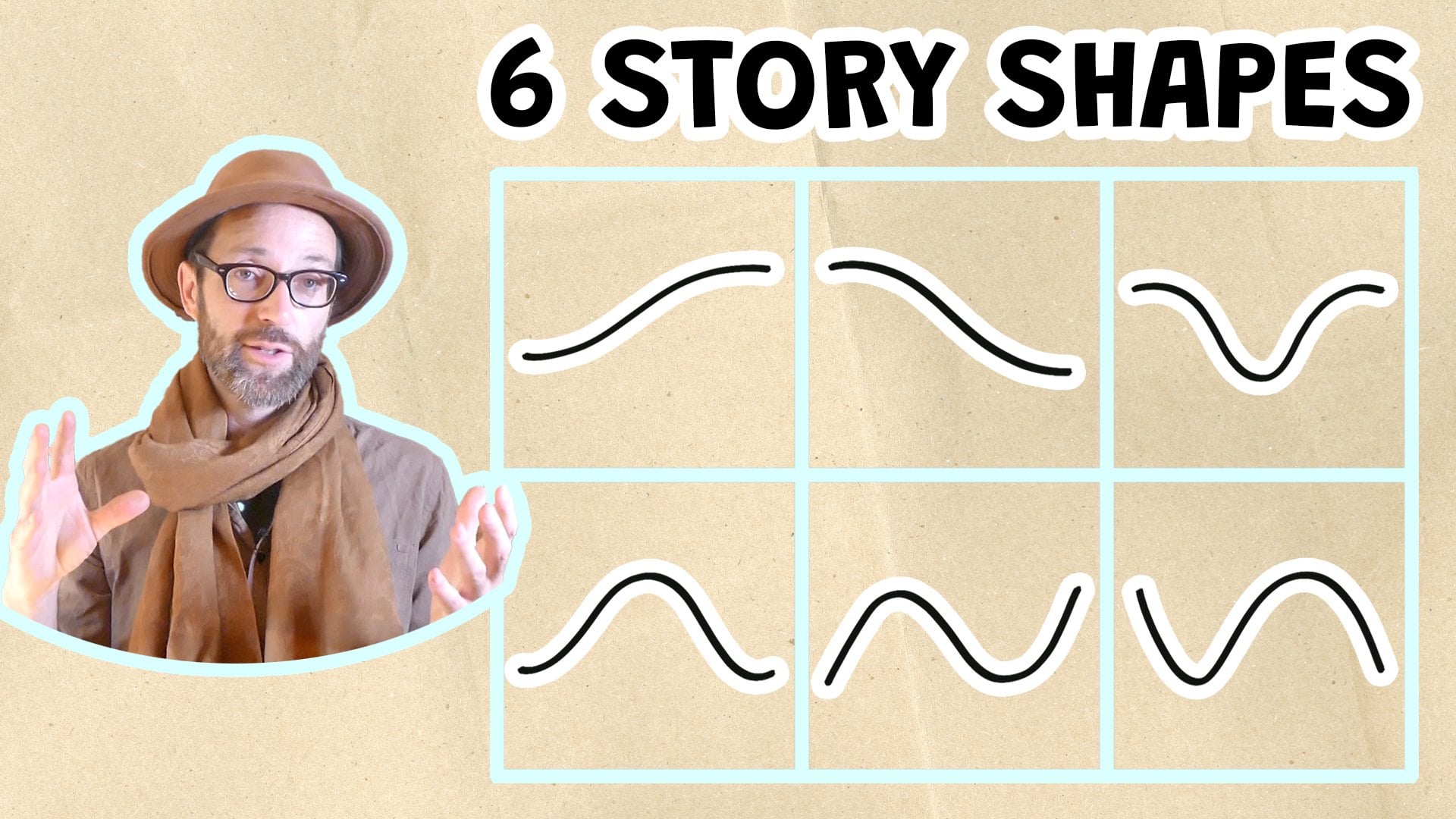
stories, visualization. In part one of this class, we explored six classic
story shapes that bring characters through ups and
downs in their fortunes. Here in part two, we'll explore
some more unusual shapes, circular shapes like spirals, puzzles, diamonds,
branches, and parentheses. And you'll see how each
of these can become scaffolding to help
support your story. I'll invite you to take
each shape out for a spin by creating
a little story. And in the end to combine all these shapes
to create a tale, such as the world
has never seen. This class is for writers,
oral storytellers, people who work with
advertisements, gamers, really anyone working
with narratives. It's for all levels.
So if you're new, this will be an intriguing
introduction to storytelling, and if you're
seasoned, this will give you some helpful
new perspectives. Think of this class
as a pair of goggles, through which you can see stories from a
bird's eye view and a pair of gloves
that allows you to shape entire stories like
they're made of clay. So, are you ready to
sculpt your stories? I'll see you on the inside.
2. Cyclical Stories: So let's explore the circle. The circle is a primal shape, and there are multiple ways of using it in story structure. And the following videos, we're going to explore various
radial story structures, and I'll invite you to try them out with
your own stories. First, let's look at
a cyclical story. In a cyclical story structure, the protagonist begins and
ends in the same place, completing a narrative cycle. This creates a sense of
closure and continuity. For example, in the
Hobbit by JR Tolkien, Bobo Baggins begins and ends his journey at his cozy
hobbit hole in Bagm. This structure can symbolize the character's growth
and how the world remains fundamentally the same despite their
transformation. This cycle could be
internal as well. A character may descend
into despair and return to normal consciousness again or ascend to a celestial
realm and return. If you've taken the first
part of this course, you may find that
this is similar to a rising and falling and
rising again on that graph. Again, there are different ways of looking at the same story. This cycle is a
natural structure in the sense that our
world's seasons move in cycles as does the
orbit of the moon and our planet and the other
planets orbiting the sun. So for our first exercise, you can go ahead and write
a quick story with one, two sentences that uses a circular shape where the
story ends up where it began. And when you're
done, you can put it there in the exercise
section below, and you'll be adding to this
exercise as you go doing short exercises with each
of these six stories. Okay. See you in the next.
3. Spiralling Stories: Spiral. Now, when you're
making this cyclical story, you might be
thinking, Well, yes, they come back to
where they began, but it's not quite the same. The characters changed, the
world changed somewhat, and with these examples of
the planets orbiting the sun, you might have seen
these amazing videos showing how the sun is actually orbiting the galactic core. And so the planets orbiting
the sun aren't going in a cycle so much as a
corkscrew spiraling shape. Which brings us to the spiral. It's a cycle, but
moving forward in time. A spiral is a cycle that changes a little
with each go around. The character comes back
to where they started, but not quite they've changed,
and so has the world. Bilbo returns, but he's changed and the
world's changed a bit. Winter comes, but it's not quite the same winter
as the last one. The spiral is a combination
of linear time and cyclical time Sometimes a story has a very short spiral in it. Not a season or a year, but a day or an hour, the character relives this
time again and again, but they change a bit,
they learn as they go. Examples of these
really short stories include groundhog day, where the main character
relives groundhog day again and again until he learns to become less selfish,
more laughing. Another example is the film
edge of tomorrow where the protagonist relives the
same day in a futuristic war, each time he dies
in reset reset. Although the cycle repeats, each time he learns a bit better how to fight
these alien invaders. And progresses to the
point of victory. Run the run and Looper are other examples,
and there's many more. In each of these
examples I've named, there's a speculative
premise that loops time. But you can also find the spiral structure in a
person just going about their routine every
day as most of us do about learning and
changing as they go. Examples of longer spirals includes stories that
move through seasons. Each time winter comes again, the character and the world
have changed somewhat, and you've probably
experienced this in your own life with this
rhythm of the year. Especially now with the
world's climate changing, we're experiencing that although the seasons are repeating, they're quite
different each time. So for your exercise, write a story that
uses the spiral shape. I'd say try making a
spiral story first where the time loop is a short amount of time and
then try a longer one. Post your outline in
the class project. I'll be happy to see
it and you could look over other students
projects as well. I'll see you in the next.
4. Facing a Center Stories: Now, some stories unfold with various viewpoints
of the same center. For example, five siblings may experience differently the
death of their father, having their different
relationships, personalities, and
perspectives in life. During the same battle in a war, we may get different
perspectives from soldiers of
different ranks. Visually, each of
these perspectives occupies a place in a circle, and they all point
towards the same center. The center could be a person, a place, events,
all of the above. Here's some examples of this. As a lay dying by
William Faulkner, uses this technique with
each chapter focusing on a different characters
perspective of the same events, revealing their unique
emotions and motivations. The film Babel weaves together multiple story lines and perspectives from
around the world, exploring the ripple effect of a single event, in
this case, a shooting. The film G follows interconnected story lines of different characters
over a 24 hour period, each providing
unique perspective on a drug deal gone wrong. For your exercise, choose
a single central event and make three characters that see this event
in a different way. Then write a sentence from each character's
point of view, describing their experience
of this central event. From there, you might
choose to flush this out further. See on the next.
5. Notes on Facing a Center: Before we go on,
here's a quick note on the previous form, standing around the
center in which characters have different
perspectives on the same event. So sometimes this is very
clear in the story structure, like with the
examples that I gave. But sometimes it's not so clear. For example, one character
might be journeying across a mountain range
while another is in a city. The story goes back and
forth between them, and it's not clear
that they have the same experiences with
different perspectives, but occasionally they experience
events simultaneously, even though they're far apart. For example, a meteorite
might streak across the sky and they both look up and see it at the same time, or they both look up
and see the full moon. Or feel the heat of the night. These characters
aren't experiencing exactly the same events, but there's some overlap. In Christopher Nolan's
film, Dunkirk, the same military evacuation
is experienced from the air, from the water, and from
the land, for example. Which brings us
back to how each of these story shapes
helps to flush out and give perspective on a story and how they can work
in tandem with each other.
6. Concentric Circle Stories: Our next story form is
concentric circles. And this is one of the most powerful of the circular
storytelling forms, and also one of
the most abstract. It can be a bit
difficult to grasp. A concentric
storytelling pattern uses the central point of the circle to emphasize a
pivotal climax or resolution, and then rings of events
and circle this point, creating a symmetry
and a balance. These events could be
chronologically laid out or ordered according
to their importance. And they can be placed in
relevant ways to each other. More on this soon, but I'll
give some examples first. In the novel, the night Circus, the central conflict is the magical duel between
Celia and Marco. The final showdown
is the climax. In the rings around
the central conflict, there are smaller battles, as well as more empathic
connections and other aspect of the story that balance each other out and play into
the central conflict. The film the sixth sense employs this technique by gradually revealing Bruce
Willis characters, true nature and
suggestion and payoff, shifting the
audience's perspective leading to the climactic
revelation in the center, which is surprising and yet inevitable because
of these pieces that have been put together. Okay. When plotting, you can think about
these ringed events as in a way simultaneously existing,
simultaneously occurring. It's a bit like the language of the aliens in the film arrival. If you've seen the film
or read the short story, you know it's a
radio language with different glyphs in each
expression of language. These glyphs are not meant
to be read in a sequence, but to be read simultaneously because the aliens exist
outside a linear time. The events ringed around your
center affect each other. They are each within
webs of causality. In the linear time that a story must be presented from
beginning to middle to end, an earlier event may foreshadow a later event or an event be
caused by a previous event. But all the events in the story can be seen in a non linear way, each affecting each other. For example, there's a
story I'm working on now, which is heading toward
being a graphic novel. In it, a boy and
his uncle are on their way to give an
offering to a goddess. They meet the boy's
older brother who's returning from giving
his own offering. The older brother
seems troubled, and this is a foreshadow for the boy's own coming
troubles with the goddess. But the way I wrote it
was actually backward. I'd already written the boy's upcoming troubles
with the goddess, and I went back to this
meeting between the brothers, to add this troubled mood of the older brother to
indicate what was to come. In the writing process, we might write from the end and create resonances earlier on, which will later be
read in a linear way. The telling of the
story is linear, but the making of it is not. And I gave the example
of two events connected, but more can play
into it as well. In this case, the
boy's uncle is also present and he holds a long view after having had
many encounters with the goddess and helping many
others make this journey. His attitude speaks of
a longer history and probably a longer future of relations between
her and his people. This one encounter resonates with events both
before and after it. Coming back to our circle
with rings around the center, we can see that these
events affect each other through the web of
interconnection between them. The dynamically affect
each other and they affect the center and
the center affects them. For a more mystical
presentation of this concept, you might look up of the
heart by Cynthia Purge. But we're sticking to its
application in storytelling. Now, considering all this, there are different ways you might arrange the
events in your story. The events on the left side of the diagram might foreshadow
elements on the right side, creating a satisfying sense of symmetry cause and
effect of resonance. Or you might do
this with each ring containing the actions
of different characters. Or each ring might be
a different dimension, dimensions which
affect each other. You can put the
related events next to each other in their
respective rings. An example of this is inception, filmed by Christopher Nolan, which uses concentric circles to navigate dream layers
with each circle depicting a different level of reality with the innermost
circle unveiling the dreams. I'm not sure if they used a
circle when they plotted it, but if they did, it probably would have saved
them a lot of times. Here's your exercise. A simple story with
concentric circles. I know we've covered
a lot in this. This is one of the
more complex ones. Again, I suggest you
just start simple. Just make a central
event and put your setups on the left and
your payoffs on the right. Like, I might make a story about a squirrel who discovers
her acorns are missing, and the central event is that she finds out where
they've gone. On the left, I have her finding a tough to fur at the
scene of the crime. On the right, I have her finding a squirrel
with matching fur. On the left, I have her hungry. On the right, I have her gorging on acorns after
she's found them. After trying a simple structure, you might rewatch this video and try out some different ideas to play with with this concentric
circle story shake. Look forward to seeing what you make and see you in the next.
7. Convergence Stories: Convergence. A
circular diagram can also illustrate multiple story
lines that begin a part, but end up converging. For example, in Cloud atlas, the novel or the film, six interconnected stories from different time periods,
weave together. The film Magnolia also
does this and many others, and many films do it to
some extent, as obviously. As the stories progress inward, they often overlap
more and more, making a shape like a undula. When you're drawing this, you
might use different colors to keep straight the
characters and the plot lines. If you draw this
on a large paper, you can even write in
what's happening in the story when those
points overlap, and You can allow the diagram
the drawing to suggest. Sometimes you have a story in mind and you're making
a diagram to match it, and sometimes you make a diagram and stories suggest themselves, and it can go back and forth. For your exercise for this, draw a convergence story. I'd say start with
three characters and have them move
toward a meeting, you might have them begin to overlap and
then finally meet. And from there, you might
add more complexities. Keen to see what you make, put in the project section, and I'll be with you
in the next one. O.
8. Dispersal Stories: Dispersal. This is
just the opposite of the conversion shape. A single event may
cause characters to set out in
different directions like photons from a star. The quest for the Holy Grail is a dispersal story with the knights going in different directions in search
of the grail. The fellowship of the ring
has an element of this with the fellowship initially bound together and then broken apart. In most stories,
these characters will again overlap at some point
after being dispersed. Again, this shape
could be part of a larger story or it could represent the main
shape of a story. For your exercise, write
a dispersal story where characters are bound together in the beginning and then set
out in different directions, either physically or
psychically or both. So you could choose who
the characters are, what bound them together, and what made them separate. I'd say start with
about three characters, and again, work one, two, three sentences to
describe the whole story, so you can work with it in a
very fundamental simple way. This is the last of the circular shapes
that I'll explore, but I wonder if you can
come up with some more. The next video we'll get into some other shapes and tell them.
9. Puzzle Stories: The puzzle shape. In this shape, the writer creates an
intricate mystery, then cuts it into pieces. These pieces become clues to be discovered
by the characters, the detective, by the audience, as the story progresses. Examples of puzzle stories are most Sherlock homes stories
or other detective stories, the DivincidRally, just about any kind
of detective story. And there may be aspects of the puzzle shape
in many stories. I'll come up with a
quick homegrown example, an off the cuff mystery
with our squirrel. So first, I'll
describe the mystery. That what it looks like when
it's finally all unveiled. So it's the Acorn Heist. A group of three squirrels are stealing acorns
from the others. They make an intricate
network of tunnels with many misdirections
with one tunnel going to a huge stash of nuts that they've been
building for years. It turns out the stash
is not just for them, but for all the squirrels to survive the upcoming
long winter, which was prophesied
by the Ravens and had the three squirrels told everybody about
this long winter, everyone wouldn't have
done anything about it because most of the
squirrels are short sighted, and so this theft was necessary. That's the whole
puzzle revealed. It's kind of boring to just say it like that
because in a story, we want to discover
it bit by bit. And as the reader,
as the audience, start to put it together along with the
investigators in the story, the characters who
are investigating. Okay. So you could draw each of these
pieces of the puzzle, the revelation as
separate pieces, and you might think how
they're discovered. Maybe first a squirrel detective noticed missing nuts and
then found the tunnels. After that, they
might have suspected a particular squirrel
and investigated, then found out about
their connection with the other two squirrels. They may have
followed the tunnel and ended up in the wrong place and had to investigate
these networks quite a while before finding
any good clue. That's one way our
investigator squirrel might enter into this mystery. But they might have also
noticed the tunnels first before noticing
the missing acorns and been lucky enough to find the stash of nuts
and then worked backwards to find out
who stole them and why. When you're putting these
puzzle pieces together, you can even draw connecting
lines between them. With little descriptions of how one clue might lead to another
in the investigations. In this story, it might be that the detective first heard
this prophecy from the ravens of the long coming winter
and began to store nuts themselves only to find some of their
own nuts missing. There's different ways
that we could come into this central mystery of the three squirrel stashing nuts for the good of everybody. Starting with a
complete mystery, with a complete puzzle solved, you can decide how you want the puzzle pieces
to be discovered. And in true non linear
creation fashion, as you go, you might add to the mystery and then work on how that
part is revealed, not that you need to have the entire mystery
fully fleshed out. Ahead of time, you can
work back and forth between the revelation of the mystery and the
complete mystery. How the characters discover
it and what the mystery is. You might find a
very interesting way for a character to discover a part of the mystery
and then add to the mystery to add to the revelation of
what's discovered. So here's your exercise. Make an intriguing mystery. Let's start with a simple one. Then write the different
parts of the mystery on separate pieces of paper,
the different components. And with each part,
you can write a potential misdirection
that could keep a detective character
from discovering this mystery that would lead
them in another direction, perhaps toward
another puzzle piece. And when you've done this, write a linear sequence of events of how this detective character discovers the mystery
in bits and pieces. And of course, as you go, you might add to the mystery. Again, I'd say, keep
it simple for now. If you're working with
an existing story, you might use a very
boiled down version of it or a section of
your story for this. A story which is not mainly a mystery can also have
mysteries within it. If I look forward to seeing your work, and I'll
see you in the next.
10. Diamond Stories: The diamond shape.
This story shape starts at a narrow
specific point, elaborates to many facets, and then comes back
to a point again. The whole story
with all its facets is, in a sense, right there, the narrow points in
the beginning and the end in the wide section
with its many facets, the parts that are there in the narrow beginning and
end are expanded upon. Okay. Examples of this include the curious case
of Benjamin Button. There's a man who ages backward. He begins old and becomes young. It starts with a narrow focus on him and his unique condition, expands into his wider
life with his troubles and loves and all the implications
of his unusual trajectory, and then it contracts
honing in on the emotional impact of his relationships and the
inevitable conclusion. At the end of his life, which is like the beginning
of his life. Another story is into the wild, which starts with a
narrow focus with Christopher McCandle's
decision to leave his conventional life
and explore the wilderness. As the plot unfolds
and he travels, he finds different
amazing places and characters and has
experiences in nature, and in the end, the
narrative contracts with him living in the wild alone
and finally dying there. So in the beginning, the
scope of this story is small, but full of
unanswered questions, small, but with much in there. And as the story progresses, it broadens a scope revealing a wider landscape of character,
settings, and events. The diamond facets spread out, reflecting a multi
dimensional narrative that captures diverse experiences
and perspectives. This expansion could
introduce new character, subplots and intricate
layers of the story. Questions raised in the
beginning are answered or perhaps give way to still larger questions
and larger still. It's like peering through a narrow keyhole and stepping
into a grand hall of reflections only to emerge back out through
the same keyhole. Coming back to a
trusty squirrel story, we may have Hazel, a squirrel that grew up alone, because her parents were
killed by a hawk having been betrayed by their
fellow squirrels so that they could get
away from the hawk. Hazel keeps to herself
and would keep to herself forever until she finds that someone has been
taking her acorns. Hazel goes out from her hole
in a tree and discovers a lively squirrel community
in the nearby grove. She meets squirrels with
unique personalities, learns about their
lives, has adventures, and makes friends, and then Hazel finds another
squirrel Rusty, who's hoarding acorns
in a hidden clearing. Hazel's forced to question
her new found friendships, her trust in
squirrels as a whole. She wonders if all the
squirrels are selfish, just like the ones who
betrayed her parents. She wonders what kind of creator would cause squirrels to
be selfish in this way. She might travel and
meet other animals, learning about these things. She might confront Rusty about his theft and then learn
that he's actually collecting these acorns to help a squirrel who's been
injured by a hawk, just like Hazel's parents were, but there was no one
there to help them. Hazel shares Rusty's
secret with everybody, and the squirrels unite to
support this injured one, restoring Hazel's
faith in squirrel ity. In the end, hazels
back and a hole in the tree with no more
acorns than before, but happy to know that our acorns have gone
to a good cause. Small expanding, small again. Your exercise for
this one is to write a diamond plot story with a narrow beginning
that promises much, a wide middle and
a narrow ending. Again, I'd say home
a few sentences, keeping it short and
share it in the project. Look forward to reading
it till soon. M.
11. Branching Stories: The next structure is branching. In this structure, the story has a main through line
with a definite goal, but there are side
quests along the way. These side quest may directly
feed into the main goal, like if they give
the main character something they need
in order to proceed. And they can also be more
or less self contained little episodes on the
edges of the main plot. Examples of this include most open world video
games, if not all, where characters go on
side quests to increase their power before continuing
with the game's main goal. Also, television series where each episode is somewhat self contained but connected
with the whole. Here's a trusty squirrel example for a self contained side quest. Our squirrel is in the midst of her main quest of searching to find out
who stole her acorns. In the midst of this,
there's a big flood. And she has an adventure
where she helps other to rescue their acorns
and save their kids, and when it's over,
she gets back to her main purpose of trying to find out what happened
to her acorns. The flood didn't help
or hinder her quest. It's just a side quest
branch of the story. It's episodic, like TV series in the sense that doesn't have much consequence
on the main story, can just watch any episode
really at any time. And there might be a bit of a through line through
the main plot. At least the actors
are getting older, You see a lot of self
contained side quests in older TV series where each episode can more
or less stand alone, people can pick up
wherever they want. There might be some through
line of the main plot, but more or less each
episode resets each time. In more recent TV series, you tend to have a plot strongly running throughout
the whole thing. Here's a trusty
squirrel example of a branching side quest that does feed into the
characters main goal. Again, she's looking to find who stole her acorns and
there's a big flood. Everyone's acorns
are washing away. She saves some kids,
she saves some acorns, and in so doing, she finds these hidden
tunnels which are revealed because they're soaking up so much water from the flood. When the flood subsides, she follows one of these tunnels and finds her missing stash. That's an example of
a kind side quest that feeds into the main story. Another example of a
branching story structure is choose your own adventure. In this, there is one
main plot line which changes directions according to the choices of the reader. Examples of this are choose
your own adventure books. More recently, an episode of black mirror called
Bandersnatch, in which viewers can make
choices for the main character, going to different
story outcomes and different possible endings. Another way to think about
the branching structure is as confluence like streams are coming together to make a river, which might be characters
coming together one after another on the
same quest, for example. Or events and building
on each other. I've mentioned a few kind
of branching stories. One is episodic, where there's a little side quest
that doesn't feed into the main quest
very much. That's one. Another is where the side quest does feed into the main quest. Another is where these
branches are feeding into the main flow like streams
coming into a river. The last is choose your own adventure style
branching where there's different possibilities
of the plot and the character explores them. Your exercise is to
pick one or two of these branching structures and write a very simple
story for them. If you're using the choose
your own adventure style, you might have each outcome described by a couple of words. It can be otherwise a bit overwhelming to get into
all the possibilities. And if that goes well for you, you may want to try
out short stories for all the different kinds
of branching structures. When you're ready, put your
work in the project section, I look forward to seeing it and see you in
the next video.
12. Parentheses in Stories: This last one is a little
bit different from the others and it can really
work with the others. It's making patterns that can fit within the other shapes. So you can think of
stories as having a series of open and
closed parentheses. In a sentence, parentheses are initiated or we could
say they are opened, and then they are closed. So what does this
mean in story terms? In a, for example, a strange weapon may appear
in the first scene of a story raises questions in the audience's
mind. What is that? Will it be used? This
is an open parenthesis. When it is used and we find
out the mystery behind it, that particular parentheses
closes, that question closes. If there are no more
unanswered questions at all, no open parentheses, then
that's about it for the story. A story thrives on mystery
and unanswered questions. Now, a sentence may have many openings and
closings of parentheses. Check out this
convoluted wonder. I went into town today, the town was Calgary, which is in the middle
of the prairies or more specifically where the
prairies mean the rockies, which extend down into Colorado. It's a big content. By now, it's hard to remember how
many parentheses I have open, which is a reminder to
go back and count them. And it turns out, I think that I closed all
the parentheses, so I'll just wrap up this
sentence while I can. In story terms, opening multiple parentheses
may be, for example, showing that mysterious
weapon in the first scene, then opening two more
parentheses or questions as someone picks up this weapon
and steps into a portal. Now we've got three
big questions opened. What's the weapon?
What's the portal, and who's that person
that went through it? And the next scene,
someone might say that the weapon is
something she crafted using AI technology and that it has been stolen
and that this is a problem because
this weapon has the capacity to shrink anyone
to the size of a flea. That closes the mystery of what the weapon is and how it came
about and what it can do. But we still don't know who the person is who stole
it or how they can make these portals or what
their plan is with the weapon. If we find answers to all those questions
later in the story, hopefully we have
some other questions opened or the story is going
to get boring really fast. Now, let's talk about
sequencing these parentheses. Often in a story, there is a
big question that is opened early on and it's not closed until just
about the very end. In the middle, there's going to be a bunch of openings and closings with some of these questions running
longer than others. For example, in a
James Bond film, the biggest open question is usually will James Bond
catch the bad guy. In the beginning, that's open, we find out who the bad guy is. In between, there's all kinds
of other questions like, will he defeat this
particular sub bad guy? Usually he does and that
question is closed. But it might be that he
doesn't quite do it and that sub bad guy is there
for a fight later on, meaning that question
is open longer. There's questions of whether he'll get away in a
particular chase scene, whether he'll catch someone
in another chase scene, whether he'll survive fall, get to the surface of water
and time to breathe, et. There's probably going to be
some love interest stuff, which might even be
the bigger question, even bigger than whether he's
going to be the bad guy. The love interest question
may be the last to close. Now, generally with
sequencing these parentheses, it's a first in last out thing, like getting on a crowded
bus with one door, where the question raised earliest is the last
to be answered. But this isn't always the case. For example, our first
opening might be, Will James Bond defeat the bad guy and later the
love interest is opened. Near the end, he
defeats the bad guy, and then the love
interest is closed. These can be sequenced
in different ways. But first in last out is a good general
guideline to go with. Here's your exercise. Write a few short story outlines with opening and closing
story questions. Don't worry about actually having parentheses
in your outline. It gets convoluted
if you try to write your outline with parentheses
because you might need to break the grammar to get the flexibility you need. What you might want to
do is use color coding, marking where a story question
opens and where it closes. For example, I woke
up one morning and found a mysterious tree
growing from my floor. I climbed this tree
and reached a palace. Inside the palace, I met
a king who told me he had always been watching over my house and that he had
made the palace himself. He'd also thrown
down the seed for the tree so I could come
up and finally lead him. As always, I suggest
you start with simple stories like this
until you get the hang of it, and then try your hand
at more complex ones. These are a practice
and they can be silly and off the cuff. Also, when writing a
full length story, it is helpful to be able to distill it to a few sentences. This can be good practice. Toward making longer
stories as well. Now, if you've done that, here's a second exercise for you. Combine this concept of story parentheses with one of
the other story shapes. For example, we might combine parentheses
with a spiraling story. I could open and close the story in places along
the spiral like this. Okay. With some shapes, it's harder to add
parentheses to them. But on the branching shape, it might look
something like this with the same question being opened for all the characters, which is then resolved once
they all come together. So experiment, and I'm
particularly interested to see what you come up with combining parentheses with other shapes. I look forward to
seeing your work, and I'll see you
in the next lesson for the closing exercise.
13. Closing Exercise: This closing exercise
is a kind of greatest hits from everything
you learned in the course. For this exercise, I'd
like you to look over all the small exercises that you did at the end
of each section. And to pick up one of these
that's ringing for you, that's asking for more
and develop it further. Okay. And if you haven't
already with that one, you might draw this
shape larger so that you can write in events from
your story more easily. You could also put
parentheses in there showing where story lines
are opened and closed. Write out the outline
of this story, adding as much detail
as you'd like. You might combine
shapes with each other. You might combine
different elements of different short stories that you've been working
with together. So get it all there
in front of you, look it over and pick
up pieces that seem like they might fit
together in a dynamic way. It doesn't matter if
it's weird and silly. It's really playful exercises here rather than trying to
develop the perfect story. It's like building up muscles. And when you've done
that, go ahead and share that in the
project section, and I'm really looking forward
to seeing that as well. See you in the next
video for our closing.
14. The End: So I've really enjoyed putting this course together
and presenting it, and I hope it's been
helpful for you as well. In closing, I'd like
to leave you with some other ideas and possibilities for working
with story shapes. In particular, there
may be more shapes. If you have some more shapes
that you'd like to share, I'd be very happy to see them. This isn't intended to be a definitive encyclopedia of
all possible story shapes, but a presentation of
some possibilities and an invitation to play
more in this area. A few more possibilities
I'll throw out there is that story shapes could
be in three dimensions, which is an idea I heard from the author David Farlnd
a teacher of mine. If you're making graphic novels, you might have an overlap
of story structure and panel design or costume
design bringing in repeating elements symbols that are connected with
the story structure. There's a danger of getting
too complex for these things, and we're always looking for
simplicity at the heart. Thanks for joining me. It's been a fun learning
experience putting this course together and I hope it's been good for you too. In closing, I'll say again that there's no one formula that
works for all stories. A single story can be viewed in various
ways as we've seen. Models like these can be very helpful and at some
points in the process, it's good to set
the models down. There's some books I'd
recommend on story structure, not specifically about visual story structure,
but very helpful. Story by Robert McKee and
both of John Truby's books. Feel free to check
out my other courses. You can also find my
work on the story paths podcast and on story
paths at Substack. And feel free to link your work as well in the project section. I'll be interested to
see what you're all working on. That's it for now. It's been good being
with you for this time, and I look forward
to connecting again. Until next time. Happy writing.
 Theodore Lowry