Split Complementary Color Scheme | Larissa Yeung Fung | Skillshare

Playback Speed


1.0x


  • 0.5x
  • 0.75x
  • 1x (Normal)
  • 1.25x
  • 1.5x
  • 1.75x
  • 2x

Watch this class and thousands more

Get unlimited access to every class
Taught by industry leaders & working professionals
Topics include illustration, design, photography, and more

Watch this class and thousands more

Get unlimited access to every class
Taught by industry leaders & working professionals
Topics include illustration, design, photography, and more

Lessons in This Class

    • 1.

      Introduction

      0:57

    • 2.

      Supplies & Resources

      1:35

    • 3.

      What is Split Complementary Color Scheme

      2:51

    • 4.

      Preparing a Split Complementary Color Palette

      2:28

    • 5.

      Painting a Floral Pattern in Split Complementary Colors

      3:44

  • --
  • Beginner level
  • Intermediate level
  • Advanced level
  • All levels

Community Generated

The level is determined by a majority opinion of students who have reviewed this class. The teacher's recommendation is shown until at least 5 student responses are collected.

5

Students

1

Project

About This Class

Welcome to Part 4 of my Color Schemes Class Series: Split Complementary Color Scheme!

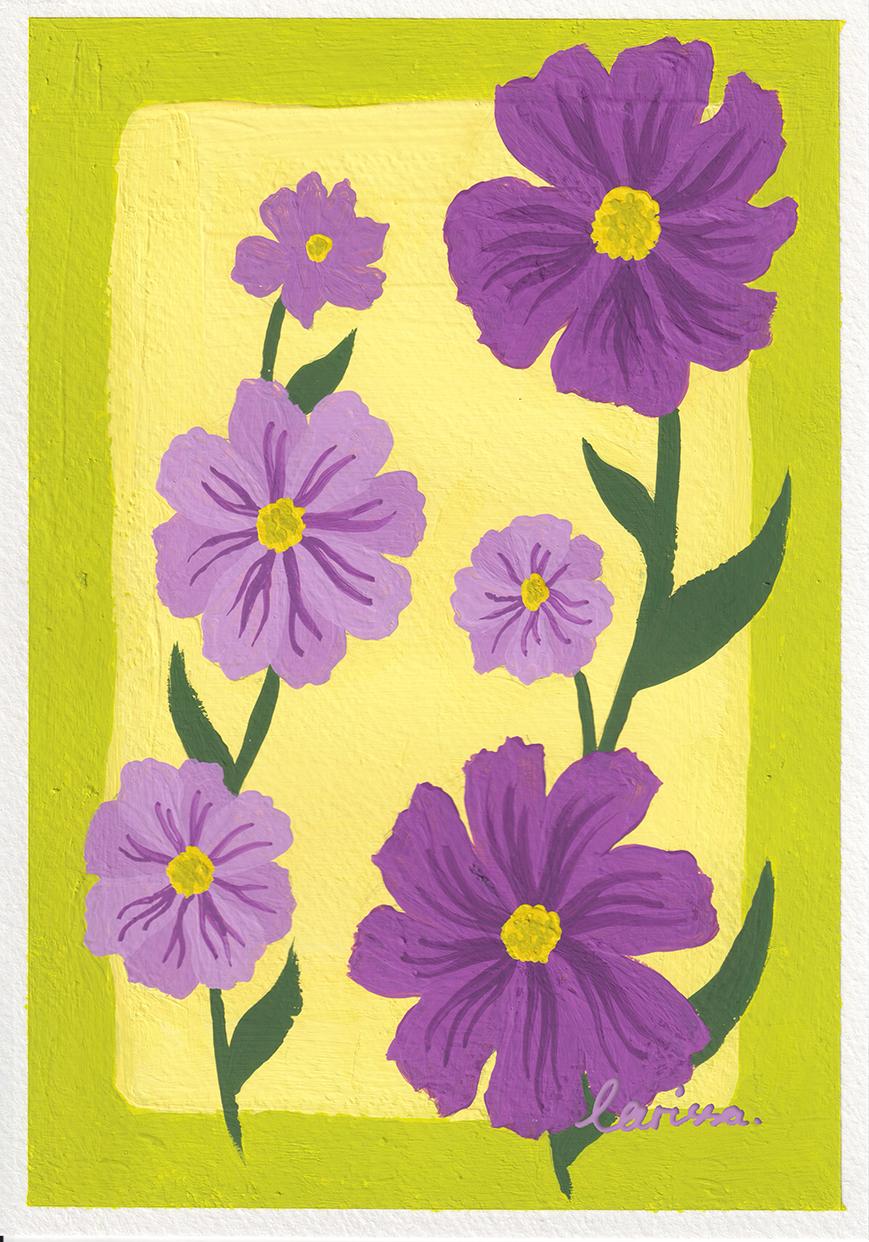
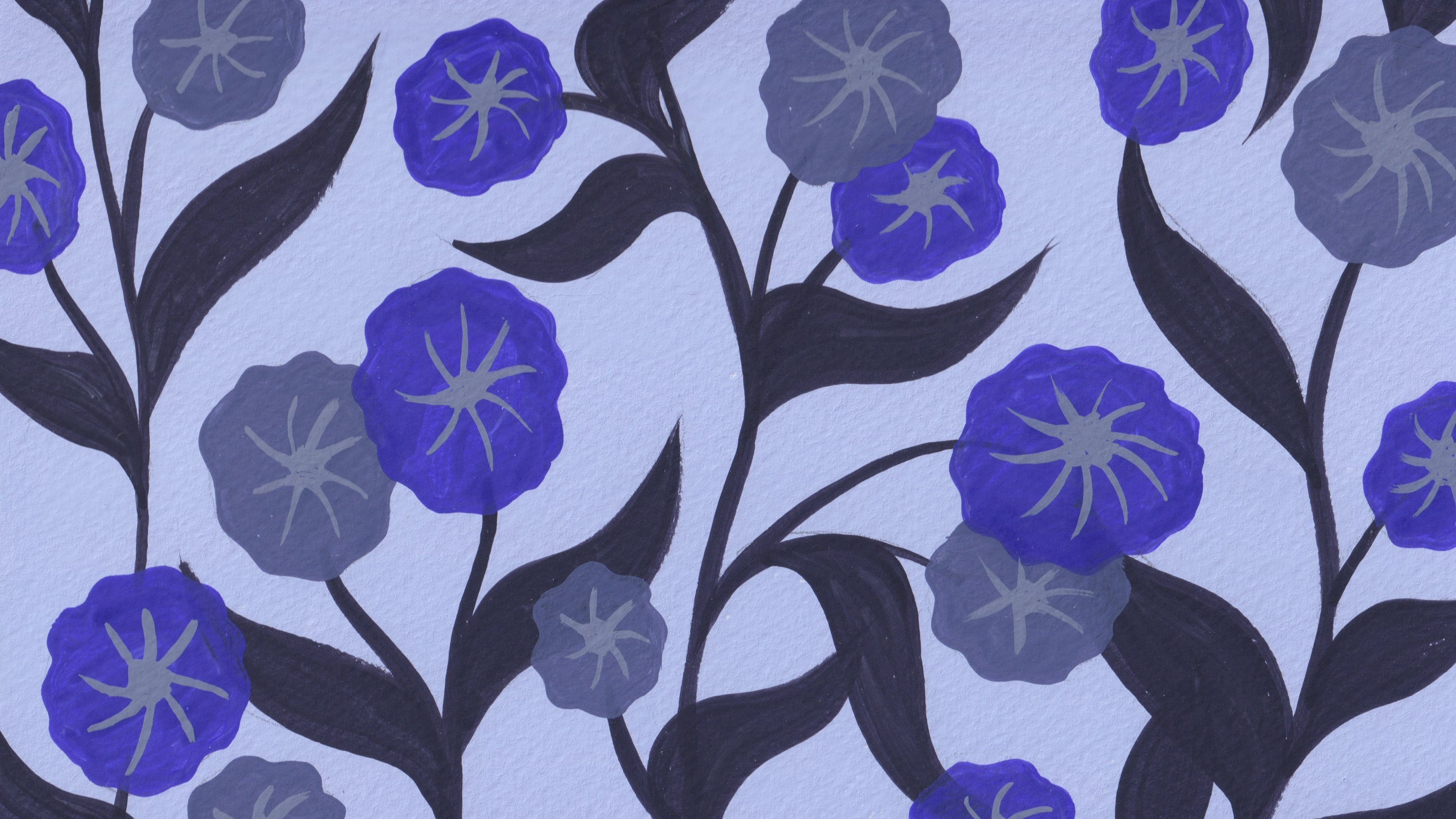
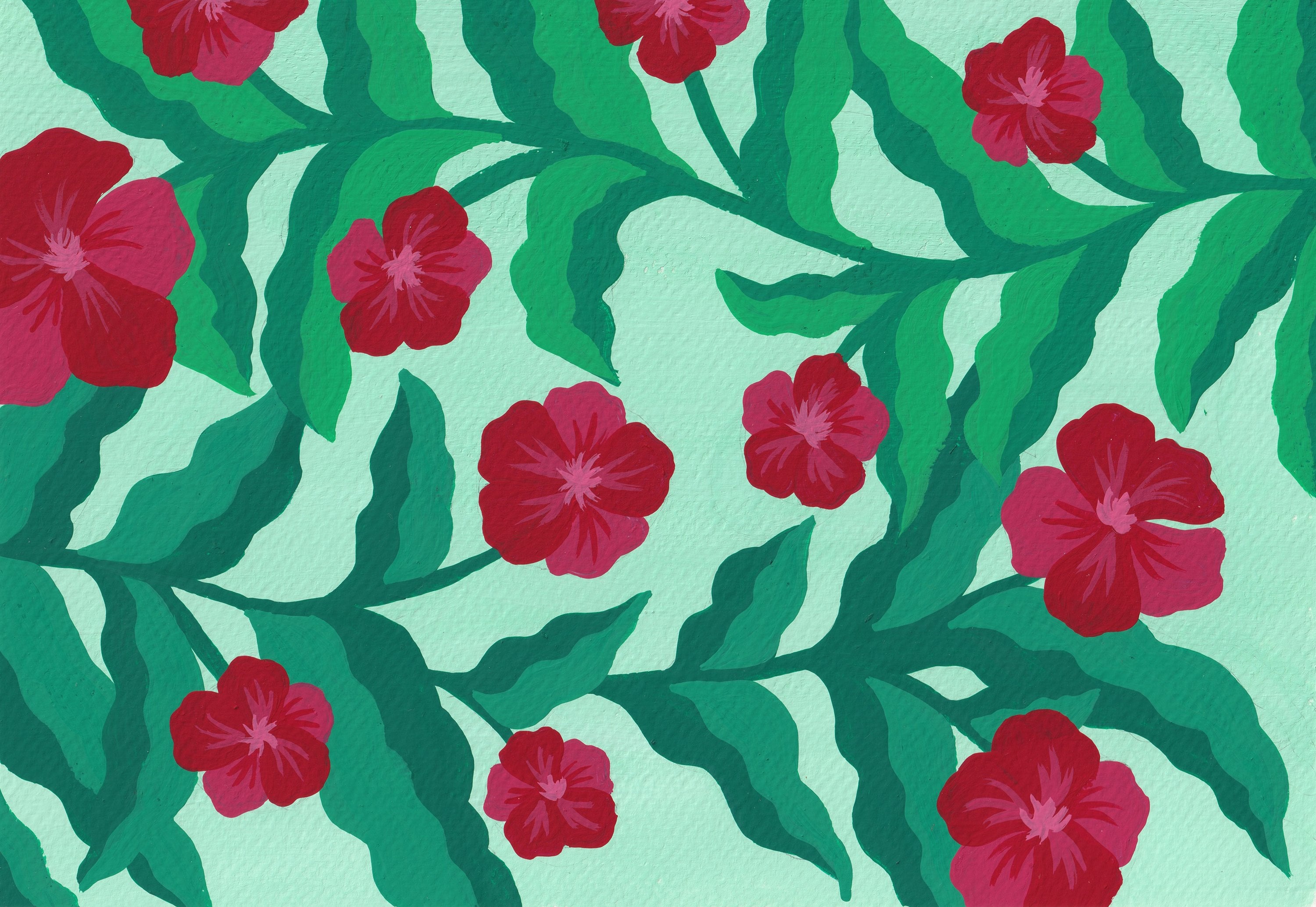
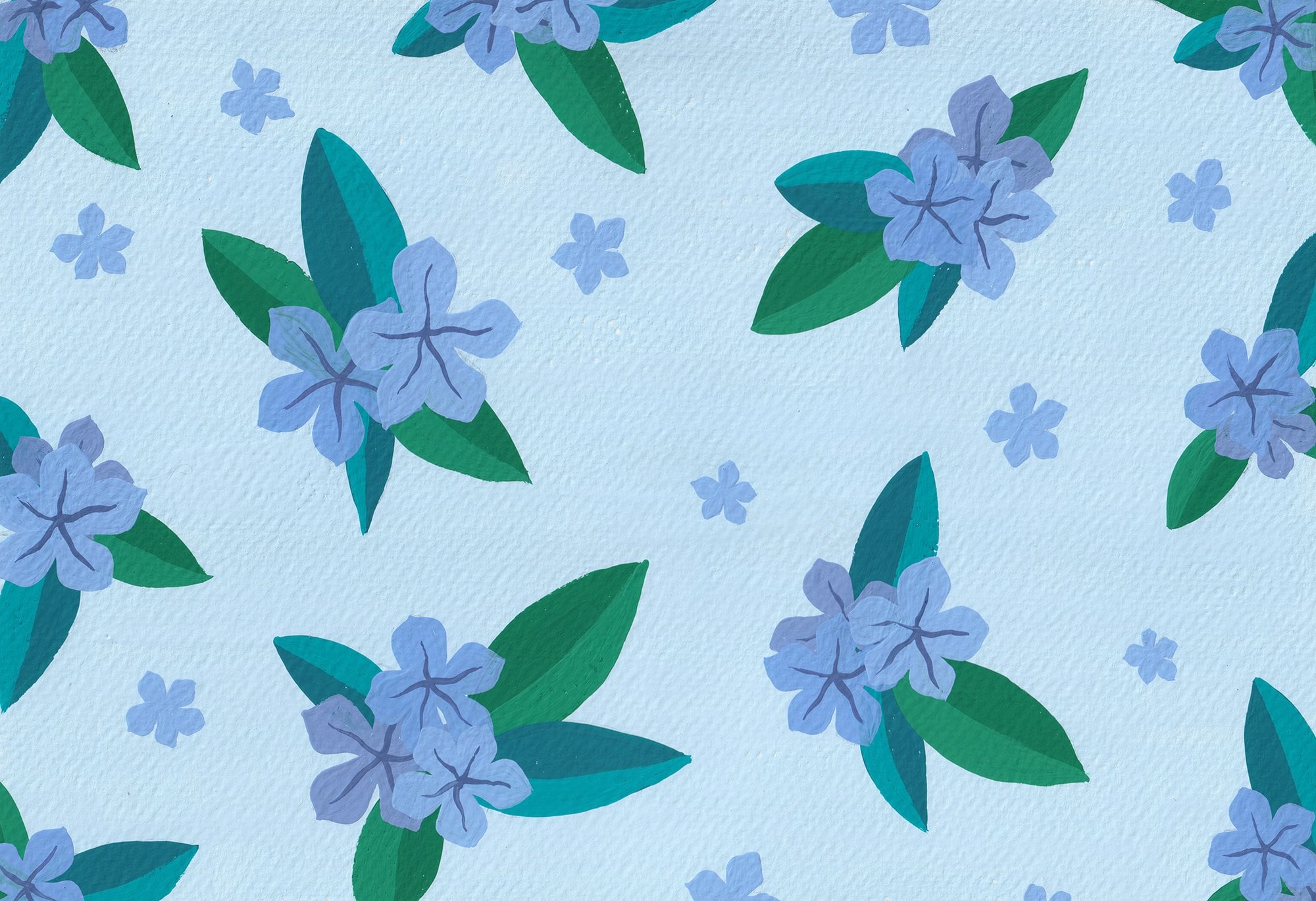
In this short class, we will learn how the Split Complementary Color Scheme works in terms of painting. We will put together a split complementary color palette to paint a floral artwork in gouache. 

You will need the following supplies to take this class:

  • gouache paints (acrylic or acrylic gouache will also work),
  • paint brushes,
  • watercolor paper (A4 or A5),
  • a paint palette,
  • a water container, and
  • drying cloth or paper towels

I have prepared the Split Complementary Color Scheme Infographic to help you put together a split complementary color palette.

I have also prepared a Pinterest board filled with images of plants that I took over the years. Feel free to use these images to plan your floral painting.

If you are not familiar with the following terms regarding art theory, please refer to my classes below:

Below are all the classes in my Color Schemes Class Series so far:

Thank you and happy creating!

Meet Your Teacher

Teacher Profile Image

Larissa Yeung Fung

Art Educator | Illustrator | Surface Designer

Teacher

Hello there, I'm Larissa. I am an art educator living in Melbourne, Australia, who is working hard to build up her creative business. I love creating illustrations and surface pattern designs. I started creating art classes here on Skillshare in 2021. I truly believe this is what I am good at: creating classes in a visually stimulating way that helps students learn and develop their creative skills.

Keep on creating art no matter what is my mantra. I strive to find ways to get myself creating work on a regular basis. And I love to share my methods for staying creative with those in need.

You can subscribe to my monthly newsletter to receive a Creative Guide every month to help you stay creative.

Thank you and happy creating!

See full profile

Level: Beginner

Class Ratings

Expectations Met?
    Exceeded!
  • 0%
  • Yes
  • 0%
  • Somewhat
  • 0%
  • Not really
  • 0%

Why Join Skillshare?

Take award-winning Skillshare Original Classes

Each class has short lessons, hands-on projects

Your membership supports Skillshare teachers

Learn From Anywhere

Take classes on the go with the Skillshare app. Stream or download to watch on the plane, the subway, or wherever you learn best.

Transcripts

1. Introduction: Hi, everyone. It's Larisa, and I'm back with another color scheme short class. Just a quick recap on my color schemes class series before we start. We will be learning the following color schemes in this series. Monochromatic, analogous, complimentary, split complimentary, triadic, tetradic. By understanding how each of them works, we will assemble a color palette accordingly and create the floral painting in that palette. So far, we have learned about the monochromatic al scheme, the analogous Cali scheme, and the complementary al scheme. You will find links to these short classes in the descriptions below. And today, we'll be looking at the split complementary calicheme. So without further ado, let's get started. 2. Supplies & Resources: We will need the following supplies when taking this class. Gouache paint, acrylic gouache paints or acrylic paints, paint brushes, watercolor paper in a four or a five size, a pink palette, a water container, and some goint cloth or paper towels. I've mentioned this many times, but watercolor paints are not good fit for this class series. Only because the methods are used to mix paints don't apply to watercolor. But if you know how to use watercolor, then feel free to go ahead. You will find the following resources under this class. First, is this infographic that presents all the possible combinations of split complementary colors. I'll explain it a bit more in lesson three when we do a deep dive into the Split Complementary Color Scheme. You can use it as a reference when putting together your split complimentary color palette. Second, is this painters board that I put together. It has lots of pictures of plants that I have taken over the years. It's part of my inspiration library, and I update it from time to time. Feel free to use my images for your painting later. But if you do have your own sources of inspiration, it could be pictures or books or magazines or whatever, use them for sure. Again, links to the infographic and the printers board can be found under this class. Next, we will take a closer look at the Split Complementary Color Scheme. 3. What is Split Complementary Color Scheme: Before we get down to the nitty gritty of the Split Complementary Color Scheme, we need to understand the following concepts. The color wheel is the basis of all color schemes, which contains primary colors, secondary colors, and tertiary colors. The term color family means a group of colors that all have the same hue on the color wheel, but they vary in tints, tones and shades. For example, if we pick the color blue from the color wheel and add white to it, it will become a lighter blue. If we add black to it, it will become a darker blue. And if we add gray to it, the blue will become muted. And all of these colors are a color family because they all come from the same color. If you're not familiar with these terms, please refer to my last few classes on color theory. I have linked them below this class, detailing which terms are explained in which class. I hope you will find them helpful. Now back to the Split Complementary Color Scheme. To understand how this color scheme works, we need to bring back the complimentary color scheme that we have learned in my last class, which is formed by two color families that are on opposite side of the color wheel. And because the two color families complement each other, they can create visually striking effect on art and design, but they can also seem intense sometimes. So that's when the Split Complementary Color Scheme comes in if you want to use a vibrant color palette for your work but tone down the intensity. To identify a split complimentary color palette, we need to find a base color family on the color wheel first. Then locate it compliment across the color wheel. But instead of using the compliment, we land on the two color families that are on either side of the compliment. And these three color families become a split complimentary color palette. So why do we use the Split Complementary Color Scheme on our work? Because it can create vibrant visual effects on art and design, but it appears to be softer and more comfortable for the eyes compared to the Complementary Color Scheme. And as a three color combination, it allows artists and designers more room to play with the warmth and coolness of the colour palette and gives them opportunity to balance contrast and harmony within the colour palette. If you want to revisit the concept of warm colors and cool colors, please refer to my warm colors and cool colors class, which I have linked below. Now, based on our knowledge about the split complimentary color scheme, we will put together a split complimentary color palette for our painting in the next lesson. 4. Preparing a Split Complementary Color Palette: Before we start, I would like you to bring up the infographic that I mentioned before. It shows all the possible color combinations for a Split Complementary Color Scheme. Please pick one you like the most so you can start preparing your split complimentary color palette. Once you've picked the color combination, you will need to decide which color family is the most significant in your painting. I will use my painting to explain this point further. I have picked this magenta, yellow and green color combination as a reference for my colour palette. You can see the magenta color family is the most significant in my painting, which is shown on the flowers. Those magenta colors appear to be bright or saturated. By contrast, the yellow and green color families are less important in my painting, so those colors look darker or less saturated. So please take some time to put together a split complimentary color palette for your painting. I would like to remind you to consider these general rules when preparing your color palette. Try to limit your palette to about eight colors because we tend to get overwhelmed if we have too many colors to deal with. In my painting, I actually got a bit carried the weight with the many shades of magenta. So the number of colors in my palette is more than eight. It's okay to go overboard sometimes, but keep in mind that if you feel overwhelmed by the number of colors in your work, that's a sign that you probably need to cut down the number. Ideally, your palette should have some saturated colors, some multic colors, some bright colors, and some dark colors to make sure your work is visually balanced and there is enough contrast in it. Whenever I prepare a color palette, I always pick the base colors first and then add black, white, and gray to those colors to make up the whole palette. Also, think about the use of warm colours and cool colors in your palette. You may want your palette to be completely warm or completely cool or a well balanced combination of both. My painting looks pretty warm because there are lots of warm colours in my palette. Think about what's yours going to be like. When you have your ala palette ready, go to the next lesson and see how I use my split complimentary ala palette on my painting. 5. Painting a Floral Pattern in Split Complementary Colors: Now it's time for us to paint an artwork using our split complimentary color palette. I'll be using this image from my printers board as a reference for my painting. You will find the link to the printers board in the descriptions below. But feel free to source your own inspiration for your painting. I think that would be even better. A. So towards the end of my painting process, I felt the yellow green background color looked a bit too bright. So I added a bit of black to make it darker and then repainted the background. I've mentioned this in my last class, but I'll say it again. Even though you have prepared the palette for the painting beforehand, doesn't mean you have to stick to it all the way through. What's more important is that you always assess the use of colors in your artwork at every stage and then adjust your color palette if necessary. And that's it for this class. I hope you will enjoy painting an artwork with split complimentary colors. And don't forget to share your work in the project gallery so I can give you some feedback. I can't wait to see it. Thank you, and I'll see you in the next class.