Transcripts
1. Intro: Wait. What's that AI
generated and this? What about her?
We live in an era where S is no longer
the same as believing. And that's super weird
and very overwhelming. Right. For most
of human history, our eyes were the most
trustworthy source of truth. If you saw a photo of
someone doing something, you assumed it happened. Of course it happened. But now a single AI prom can create a world
that never existed. Photo that looks
like it was shot by a national geographic
photographer, except it was not. It was eye generated. A video with shocking
news that everybody believes in a fashion campaign with a shirt you plan to buy. The good news. Even though those tools are getting
better and better, our eyes are still
smarter than we think. You just have to know
what to look for. And that's why I
created this course. I want to share
all my knowledge, how to spot AI generated photos, videos, news and I voice overs and how to
stay safe and aware. In today's a little
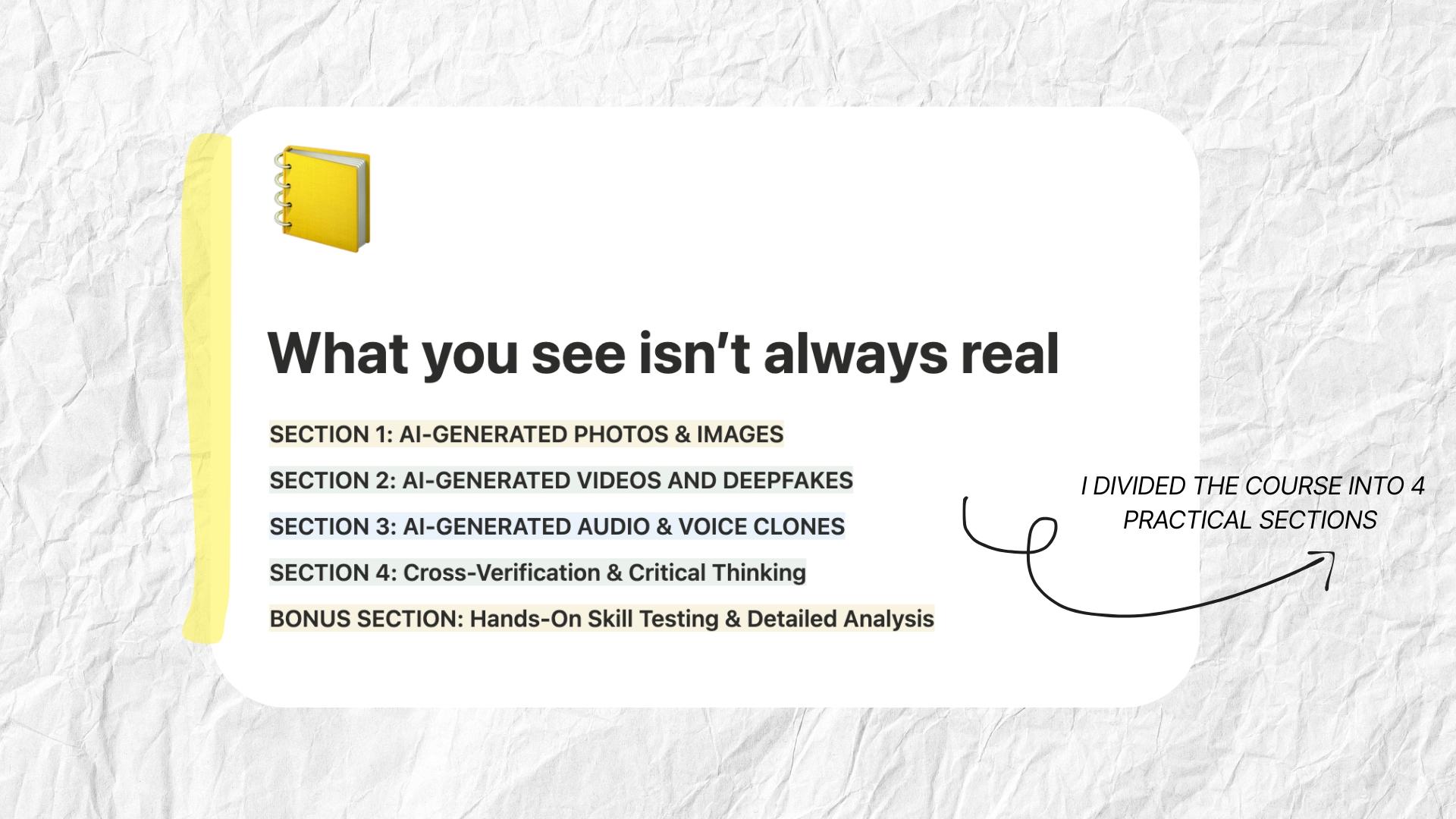
bit strange reality. So, yes, I will spill the tea. And I divided the course
into four sections, four practical
sections, and I hope each one has many things
that will surprise you. There is a lot to
discuss, so let's go.
2. Class Project: Class project. After
watching the cars, I want you to use
what you've learned and train your eyes and spot those little
inconsistencies that reveal an AI generated
photo or video. I want you to see
and I want you to notice the thing that
most people miss. And you will be amazed how your awareness sharpens once you start looking for the clues. Okay, but what's
your class project? What I need you to do? A viral or not viral
AI video or a photo. If you prefer video, choose a short clip that's
clearly AI generated. You can find plenty
of those on TikTok, Instagram, YouTube shots or X. If you can't find any, just search AI video Deep
fake or AI influencer. Be, for example, a fake
celebrity interview I fashion show or an AI
generated cinematic scene, anything that looks
almost almost real and watch it slowly
and more than once. Play it at a normal speed first. Then rewatch it in slow motion. Notice the little shifts
that fell off and look for those visual inconsistencies and the clues we will be
discussing in the course. And when you spot them, freeze frame and take
screenshot or screenshots. Pause at the exact moment,
something strange happens. The exact moment you
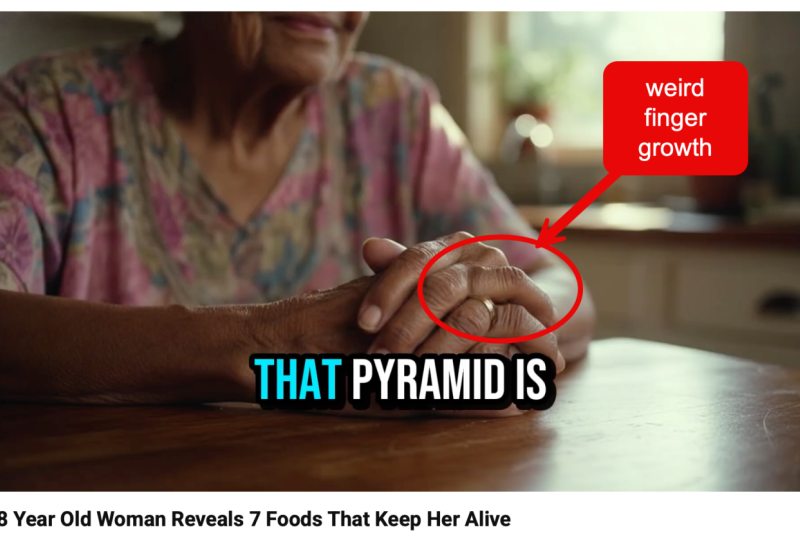
notice something strange and take the screenshot. And then circle mark
the details you noticed or write small notes
just like I did to show you. Then, of course,
share your findings, upload your screenshot in the
class project gallery right here and include a
short description of which video you analyze. You can also share
the link if you want. And what inconsistencies
you found with those arrows and notes on
the screenshot itself. So I'm really curious, please share it with me. I'm really, really
excited to see what you notice
because truly my goal, the goal of this course is for you to leave
leave the course, finish the course with
stronger visual literacy and deeper understanding of how to question what you see
online right now.
3. What AI-Generated Content Is (+Deepfakes, Voice Clones, AI Art): AI generated content is defects, voice clones, and AI arch. Let's go back for a
second to 2020 or 2021. Simpler times, right? Back when the most
artificial intelligence, most of us interacted with was quietly running
in the background. For example,
recommending us videos, rerouting us around the traffic of flagging suspicious payment. It was when I was working mostly behind the scenes with
stuff we didn't really see. But do you remember that video with the deep
fake of Morgan Freeman? I am not Morgan Freeman. And what you see is not real. Well, at least in contemporary
terms, it is not. What if I were to tell you that I am not even
a human being? Would you believe me? What is
your perception of reality? Is it the ability to
capture, process, and make sense of the
information our senses receive? If you can see here, taste or smell something, does that make it real? Or is it simply the
ability to feel? I would like to welcome you to the era of synthetic reality. Now, what do you see? It's far from being
perfect because, yeah, it's from 2020. And at that time, I
used to talk with my colleagues about the
future of technology and AI. And my secret weapon was fake videos of Tom
Chris. What's up TikTok? You guys cool if I play
some sports? I love it. More for the audio experience. As much as the momentum. Hey, listen up, sports
and TikTok fans. If you like what
you're seeing, just wait till what's coming next. Highly realistic face swap
videos posted to Tik Tok. Creator Chris met plus
and impersonator, showing Tom Cruise doing everyday things widely shared and flagged the
moment the effects become convincing enough
to four casual viewers who was scrolling through
TikTok and found it. Well, funny. So when I was showing it and discussing
it with my friends at work, it always got
people's attention. It was the kind of thing
that made people go, Wait, What? What is happening? And suddenly everyone cared
about machine learning for like 5 minutes because it scared them and fascinated
them at the same time. I'm going to show you some
magic. The real thing. But back in 2021 and 2020, generative AI wasn't
a big thing yet. This was before the rise of generative AI before we could just ask a model
to take a photo, generate a photo, a song, or entire video out of FNN AR. I remember discussing
about what would happen when this technology got
into everyone's hands. And most people I know
imagine a nightmare future, fake presidents, fake news, fake everything,
and so many things that try to deceive us. And then well, yeah, it happens. And now we are
swimming on AI images, AI videos, I songs,
stories, fake news. All of it everywhere. AI is now part of our phones, our feeds, and our culture. Our favorite ops now have very advanced AI
powered features. And you probably notice your social fits getting
flooded lately with very realistic AI videos
the kind that make you stop scrawling and think it's a little bit strange,
but wait, wait. Is this real? The
clumsy Ai giveaways we used to laugh at. The strange fingers, frozen smiles and
awkward scenes changes. They are almost almost gone now. The latest AI generated
videos move more smoothly. The faces look alive, and even the voices
carry emotion that feels convincing to so many of us. And they are realistic
enough that many of these short clips are already
spilling into Tik Tok, Instagram and YouTube, blurring the line between what's
filmed and what's made up. So, in short, yes, the next wave of AI video
and photos is here, and this time, it actually looks real and is
super high quality. Generative AI went mainstream
almost almost overnight. And suddenly all
of our previous W is conversations turned
into, Okay, what now? So now we live in a time when
reality is very remixable. AI can generate people, voices, and pictures
that never existed. And unfortunately, they are getting harder to tell
apart from the real thing. So, to begin with, let's unpack the three big ones deep fakes, Vice clones, and AI art. Deep fakes videos or images where someone's
face or body has been digitally replaced using
artificial intelligence. The deep part comes
from deep learning, a type of AI that trains on thousands of
images of a person until it can realistically map the face onto
someone else's body. And the result, a person can appear to say or do
something they never did. You can make them say or
do anything you want. Yes, for example, my favorite example from the past
Tom Cruise on TikTok, hyper realistic videos of Tom
Cruz doing magic tricks and golfing made by YVX artist
and an impersonator, totally fake but
also totly viral. Also, another example that
was very viral in the past, though it was ages ago, a fake Obama video to warn people about defts
and misinformation. You're entering an era
in which our enemies can look like anyone is saying
anything at any point in time. Even if they would
never say those things. So, for instance, they could have me say things
like, I don't know. Kill Monger was right, or Ben Carson is in
the Sunken place. Or how about this? Simply, President Trump is a
total and complete diphat. Now, you see, I would
never say these things, at least not in a
public address, but someone else would
someone like Jordan Peele. This is a dangerous
time. Moving forward, we need to be more vigilant with what we trust
from the Internet. That's a time when we need to rely on trusted news sources. It may sound basic, but
how we move forward, and the age of information
is gonna be the difference between whether we survive or whether we become some kind
of ****** up dystopia. Thank you. Stay woke, *******. Also another example
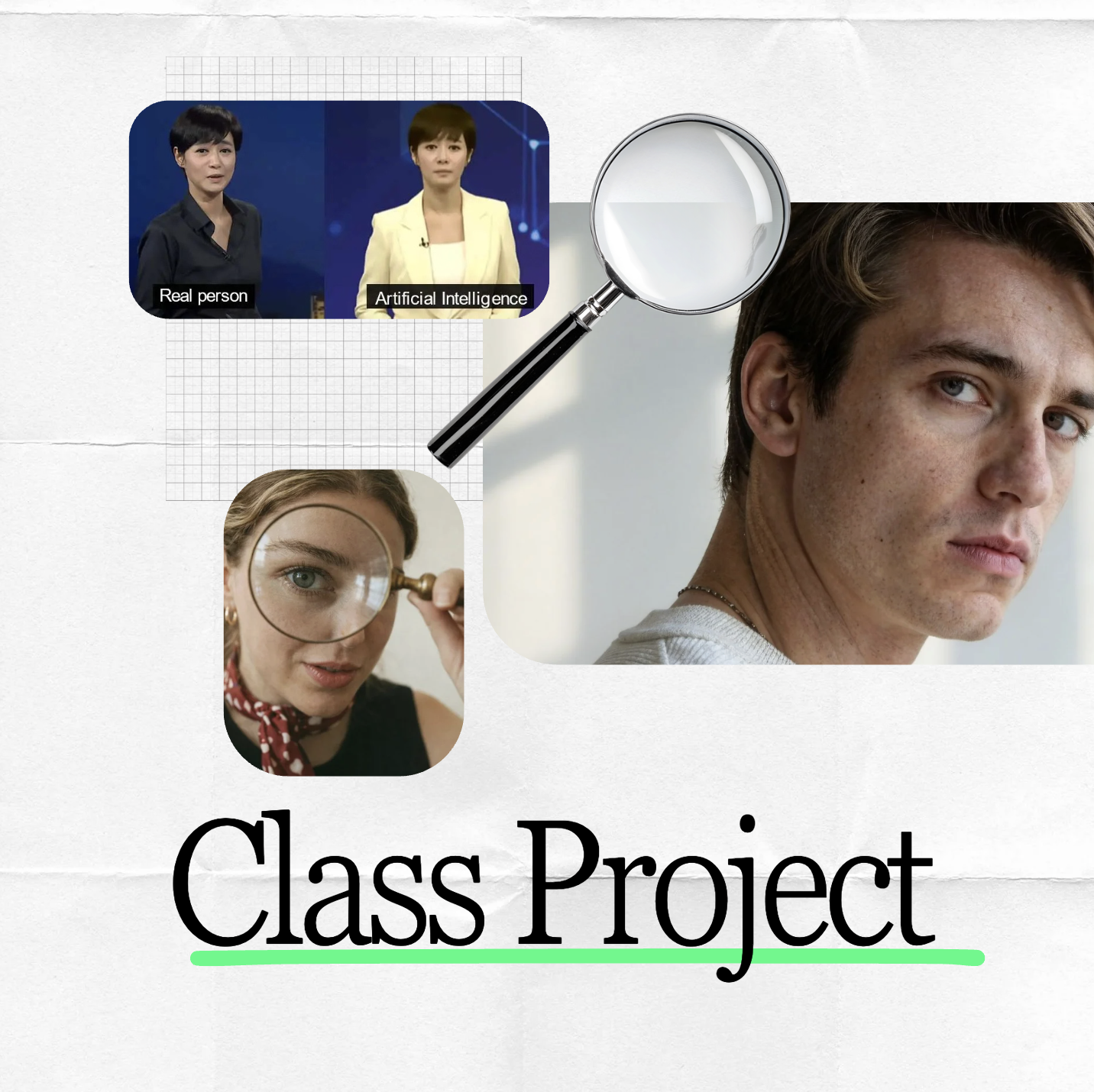
from ages ago from 2020, South Korea's I news
anchor when broadcaster Ji ha had a defake twin
deliver real news on TV. Viewers were told, but it raised ethical
questions anyway. So why do we need to
learn to identify them and pay attention
more than ever before? Because defaks can be
funny or creative, but they can also
be super dangerous, although we often don't realize
it at the first thought. They are used for
misinformation scams and non consensual porn. I think they really
challenge how we define truth in today's
digital spaces. Okay. So now, what
are voice clones? So voice cloning uses AI to mimic a person's speech,
the rhythm, accent, and tone, everything that
makes the way we speak hours using only a few
seconds of their real voice. Yes, this is very scary. And think of it like a deep
fake but for your voice. Once your voice is cloned, someone could make it sound
like you are saying anything. Anything. Really, anything. Real examples of it? Okay, let's go to the past because it all started a
long time ago in 2021. For example, that
year that year, a big corporate scam happen when fraudsters use a cloned
voice of a company CEO to trick an employee into
wearing 243,000 Dollis. Also, there are many fake
celebrity endorsements. AI voice clones of big
celebrities like, for example, Emma Watson or Tom Hanks have been used in
fake fake arts. Viral AI generated song
using clone voices of Drake and the weekend
without their permission. Okay, and now the third big
player AI rt. So what is? AI art is when
algorithms like Dali, Magni or stable Diffusion
generate images and videos from text prompt. You type, for example, a cat wearing gucci sunglasses on Mars and wala
you have your cat. A cat appears in seconds. And to debunk the maps, as you probably already know, it's not copying a single
artist because it lends for millions of images online to create
something, something new. And artists use it
as a creative tool, but others see it as plagiarism, since it learns from human
work without consent. And what are the loud
examples? For example? Yeah, yeah, I was also ages ago, but it was very loud, so we need to go back
in time to that. Theater Opera special, a Colorado art fair
winner that turned out to be AI generated sparking the debate about what
counts as real art. Is it art? Should it be band? Should it win? The
debates were endless? The next example, the Willie
wonk experience Mm and event promoted with AI generated
visuals that misled Attendee. So as you can see,
the free big players, it's all about something
a little bit different, but they also have similarities. So here you can see what they are in a shortcut in a nutshell.
4. Real-World Consequences: Misinformation, Scams, Reputational Damage: Word consequences, misinformation scams,
reputational damage. The consequences of
AI-generated videos and photos are such
a broad topic. So I think we need to
talk about it a little bit longer because the
topic really deserves it. Many times, we don't realize how huge the topic is and how serious it gets
because we are not seeing the real
consequences in real life, for example, in our lives, but it doesn't mean
they are not there. So as you already know, AI has a shadow sight, and a the flakes are surely it. They are the kind of
technology that makes your stomach drop a
little because videos, photos, and even voices
that look and sound perfectly real except they're
not. Hey, here we go. A there, Swifties
and cyber Warriors. Taylor here, I'm so excited to announce that
the weight is over. The special No B four
Edition album just dropped. Twist. I'm not actually
Taylor. I'm Perry. And this is a deep fake. Yeah. This was a lot of fun, but deepfakes are not just fun. Deepfakes can be
extremely dangerous. As you already know, they
can make anyone appear to say or do something that
never actually happened. And while the concept isn't new, because as you already know,
it was also doable in 2020. The high quality of it is. What used to look like
a bad lip-sync or a little bit glitchy
video filter now looks really believable.
Too believable. And that's the part that
scares most people, and honestly, it scares
me a little bit too. Yeah, that's why I'm creating this material for you
right now because the same creativity
that makes fun and inspiring and so
good to play around with also gives us tools that can bend reality
in ways we've never had to deal with before because a deep fake isn't just a
prank or a digital trick. It can be weaponized. It can spread lies faster
than we can **** check them. Ruin someone's
reputation completely overnight or quietly shift public opinion before
anyone realizes it's happening because then it's
too difficult to stop it. And one of the biggest worries, of course, are elections. Imagine waking up to a video of a political candidate
saying something totally awful totally
disgusting and everyone believes it because it looks and sounds exactly like them. Even if it's proven fake later, the damage the damage
is already done. Trust is broken and the
lines blur and democracy which run on trust and truth
takes another big hit. For example, my
grandma or my mom would totally believe
any fake they saw. And they would start telling their friends what a terrible
liar that candidate was. And that's how
this little circle of personal
misinformation begins to spread quietly but very powerfully reaching food
than we can expect. And that's what makes
feces feel so unsettling, not just that they exist, but because they
remind us how fragile our shared sense of truth
really is right now. And because of that, it's a strange time to
be living in, I admit, a world where, as I've
already told you, s is believing doesn't
quite hold anymore. Also, other disturbing versions of the effet are very intimate. No consensual explicit de
fakes often called fake porn, make up the
overwhelming majority of the fake videos online. Nearly all of them target women. Many of them public figures, celebrities, influencers,
or entertainers. It's hard to even talk about
this because at its core, this isn't a tech story anymore. Of course, it's a
case about abuse, humiliation, and
yes, power as well. Also my reminder for you that behind every AI break
through headlines are real people often being violated in ways that
they never consented to. A few months back, I joked in a post about AI and
Hollywood strikes that most video generation
tools reminded me of early motion capture movies
like The Polar Express, fascinating but deep
in the uncanny valley. Fun to look at, but
nowhere near real. And yes, I have to take that back now because Open
AI's newest version of Sora in a wave of generation models have completely
shifted the landscape. These videos aren't cute demos anymore. They
are cinematic. You can type a sentence, and the result looks
like it was shot by a full film crew on a real set. You can also create a very realistic talking
head video just from a single photo and an
audio clip complete with natural facial movement
and perfect lip-sync. And of course, details include responsible AI disclaimer say it's for virtual characters
not impersonation, but you can probably imagine how fast the
line could get crossed. And that's the thing we
have to worry about. The same tools that
make beautiful art can also make
terrifyingly real lies. And of course, the world
hasn't fallen apart. Yes, because in the past, a good deep fake was
really hard to make. And now it's getting easier
and easier each day. The ones that look cinematic
often took huge amounts of computing power and some
advanced technical skills. Now, the tools are very
beginner friendly, and they make it so easy for almost everyone to
access the technology. Also, the process is getting cheaper than it was
before much cheaper. Of course, fortunately for us, some social platforms,
for example, YouTube kind of care. Even if they are not
deleting AI videos, they're quietly down
ranking AI-generated stuff. And some AI videos
got taken down fast, and other companies seem to be preparing for whatever
laws are coming their way. But we can't rely on social media platforms or
laws to regulate that. Need to learn to
be super observant and more analytical
to survive in the times that are
coming because when you start to analyze and observe
things more carefully, it turns out many
deflects aren't that perfect and aren't
that convincing yet. But you have to analyze
that on a deeper level, and that's exactly what we are going to discuss
today as well. For example, I once
saw a fake video of a European leader
admitting defeat. Creepy idea, yes,
but believable? For me, no. But for so many people, even
the people I know. Also, the slightly
older people who aren't used to that
kind of fakes. Yes, very believable. So while the video was
very quickly debunked, it proved how the fakes
can be weaponized in war to undermine morale and
spread the confusion. Or if you want another example, look at the May 2024 Pentagon
Explosion image hook. Fake AI-generated image
of an explosion near the Pentagon went viral on X, shared even by
verified accounts. The stock market briefly dipped before the
image was debunked. And that's really scary how even a single AI image can shake public confidence and move
markets in, like, minutes. So most of us worry about
defects in the context of politics or celebrity
scandals and rightly so. But, oh, boy, the risks
don't stop there. One of the places that keeps me up at night is also healthcare, a field built on trust,
accuracy, and truth. Imagine what happens when those foundations
starts to shake. Do not stress you so much. Here are just a few
unselling stereos that are unfortunately entirely
possible in today's world. Public health
disinformation, for example, a fake video or a
well known doctor recommending a strange cure. Fabricated government
announcement about, for example, a pandemic. And as you already know, misinformation spreads so fast and facts could turn it viral. And what I also worry about
manipulated media recalls, altered scans or fake reports could be used for
insurance fraud or worse, leading to misdiagnosis
or harmful treatments. And destroyed
reputation are also a real danger because imagine a fake clip or
respected surgeon, or respected
healthcare specialist saying something racist or a fabricated video of a patient revealing confidential
health information. Even a few seconds could ruin a career and destroy trust
and move the market. And also, the new technology is giving so many
opportunities for fishing because
summers already use deep fix audio to
impersonate CEOs, so it's not very hard to imagine them pretending
to be a doctor, your therapist,
or your pharmacy. And, of course, this is
also a very real concern. Fake science because
the fakes could be used to manipulate research
footage or interviews, crafting the illusion
of for example, scientific breakthroughs
that never existed. You know, that breaks thrust
not just in a scientist, but in science itself. And unfortunately, none of those are hypothetical anymore. We are already seeing
early versions of it, and I fear, yes, it's going to get more
intense, unfortunately. So could it be that we
are already living in a world where the best
fakes are undetectable, unfortunately, in my
humble opinion, yes. Because the next generation of AI video models
is already there. You've probably seen things like open AI Sora, the
newest version, especially or Google's video, tools that turn plain text
into realistic video scenes. They are not exactly deepfakes, but they cousins in the same strange new
family of syntatic media. And they are behind the
sudden leap in quality. For example, the newest
version of Google Video is a video generation
system from Deep Mind. The newest version of video
is designed to create fully realized video scenes
from just a text to prompt. And what is very important, it doesn't just
generate the visuals. It can also produce
dialogue, ambient, sound effects, and music that sync naturally with
what's on screen. And yes, it understands how light motion and
gravity interact with output with free K preview available through vertex AI. So now anyone with Google AI account can
experiment with it, though the number of
clips you can generate depends on your
subscription level of cars. And even on the entry plan, you can experiment with the possibilities
that Tools gives you. So when AI video
gets this realistic, We are stepping into a
strange new chapter. One way video, the
medium we've trusted for decades starts to feel
completely unreliable. You can't believe
your eyes anymore. So how do you protect yourself? To answer that question,
Google released something alongside the newest version
of video called Sync ID, a kind of digital fingerprinting
system for AIMdia. It can scan a video
and tell you it was created using Google's
only Google's AITols. So here's how it works. Every video produced by the newest video carries
an invisible watermark, a hidden signature embedded
directly in the files data. So you can see or hear it, but Google's Sync ID
can detect it instantly confirming whether a clip
is genuine or AI-generated. Is this real or AI-generated? Sometimes it can be
difficult to tell. For hundreds of years, humans have used watermarks to prove where
content was created. One challenge is developing
a mark that's hidden to viewers but visible
to those looking for it. Enter Synth ID by
Google Deep Mind. It can produce a
digital watermark that's imperceptible to humans and works across Google products to tag
AI-generated images, video, audio, and text. The watermark can withstand common editing techniques
like reordering and trimming, adding noise, compression,
cropping, and filters. How? For images, it can be embedded directly
into the pixels. For video, it also marks frame. For audio, SynthiD converts the signal into a spectrogram, a visual representation of the sound waves into
which it embeds the watermark before it converts everything
back into a waveform. You can't read hear or
see the watermarks, so you can fully
enjoy your creations. SynthiD technology
is already used across generative AI,
Google consumer products. Synth ID is just one
tool we're using to make sure generative AI tools are built with safety in
mind from the beginning. And I know, it sounds
reassuring, right? Well, it shouldn't shouldn't entirely because here is where it gets
really complicated. Synth ID only works for videos made with
Gols owned products. If another company say MIT, Idobe or any
independent developer builds a model without
that watermark. Sync ID can detect it. And just like we've seen
with AI-generated images, people will eventually find ways to remove or mask those
watermarks altogether. And it's not hard to imagine
where this is going. Social platforms like
meta or TikTok will probably roll out their more
advanced detection systems, but history tells us
how this plays out. Every new layer of detection will be quickly
met with a walk around. I think it will become an
endless back and forth game like a digital cat
and mouse game. But that leads to
the real question. What happens when reality
itself becomes negotiable? When a political speech, a celebrity acting or a breaking news clip can
be generated in seconds, and the tools meant to expose fakes can
no longer keep up. That's not science
fiction anymore. That's the information
battlefield we've already walked into. And the truly dangerous part, sometimes those videos don't
have to fool everyone. They just have to reach the right person
at the right time. So maybe the most
interesting question isn't about the
technology at all. It's about people, how
we choose to use it, share it and believe in it, and how to survive
in these times and take care of our well
being as a society. And I think to do that, to survive in today's world, you need to understand how it all works and why
it works like this.
5. Understanding AI Image Generation: Standing AI image generation. There is a special
kind of magic in typing a few words or a few
sentences, for example, a fluffy cat wearing
sunglasses on a surf board at sunset and watching it appear on your screen like a
thought made real, like a thought made visible. And the first time I used one of these AI artles I actually
laughed out loud, not because the
output was perfect, but because it felt
like I had just whispered an idea and suddenly
it appeared on my screen. Super strange for me, suddenly, I had this power. Suddenly I had access
to some sort of white magic or came into
the Harry potter world. But it's not magic. Tools like Majury Dolly,
all stable diffusion, and all the rest have turned
imagination into something instantly appearing
on our screens and for better or worse, they've made
creativity feel like collaboration between
human and a guy. But beneath the
poetry and the magic, beneath it, beneath it. It is a fascinating and
also unsettling. Reality. The systems, the tools don't understand what they
are generating. They don't know what a card is or what a sunset feels like. Be artificial intelligence
and the models, the LAM modules, they are
not inspired, they trained. So let's pull the
curtain back a bit. Art of prediction at the
simplest simplest level, these tools work by predicting what pixels should look
like, the pixels you want. When you time a prompt,
for example, say, 1960s Paris cafe
seen and watercolor, the model doesn't paint
it like an artist would. Instead, it starts with a noise, a random static field image, and then gradually removes case one small step at a time until it becomes something
recognizable. And I know you already
heard this word a lot. This process. Listen, this
process is called diffusion. And you can imagine it. You can think of it like unblurring an image
that never existed. And in training, the module
has already seen millions, sometimes billions of
pictures along with the text that describes
them describe them. For example, it learns
the patterns that cafe often includes
tables, cups, worm lighting, and
it also learned that watercolor means softer
edges and faded hues. It also learned that 1960 Sporis has a certain kind of fashion and architecture. Over time, it learns the visual language
of our human world. So not the meaning behind
it, but the shape of it. Then when you give it a prompt, it translates your word into
that learned visual grammar. It doesn't create from memory. No, it reconstructs
based on probability. Embeddings and tokens. Here is where it gets
a little bit nerdy. When you type words
into those models, they are converted into
what's called embeddings, like little mathematical
vectors represents meaning. In the models world, dog, puppy, and canine live
close together in this abstract multidimensional
space of human wealth. That's how the model understands that those
words are related, even though it's never seen them next to each other before. And the visual sight
works similarly. Every color, every line, every shadow and
texture also exist in this enormous map of
relationships between words. So when you ask the model
for a stormy see scape, it searches its memory in
a statistical sense for where stormy and
see scape overlap and then starts to construct
an image that fits. So no, to debunk the myths, it's not pulling old
photos from a database. It's imagining the most
likely combination of visual details that
match your prompt. It's a bit like how
your brain completes a sentence before
someone finishes it. Except that AI is doing that with pixels instead of words. The free big players. Each of the big names you probably heard of
and probably used Mejoni Dolly and Stable
Diffusion has its own vibe, kind of like three artist painting the same scene
in different styles. In my humble opinion, Madgeny often feels
like a driver because it outputs
its images cinematic, moody, and often more surreal than images
from the other ones. It runs on this chord, which somehow makes the
whole process feel communal. Med journey uses its
own diffusion model, but it's fine tuned for aesthetics rather
than photo realism. It's less what would this
look like in real life and more what would this look
like in a beautiful dream? Dali through opening eye is
the pragmatist of the group. It's the one that tries
to get things right. The module has been trained with more moderation and
more filtering, and it has built in safeguards against generating real
people or explicit content. It can also easily edit
existing images, adding, removing or re imagining
parts of a photo, while keeping
everything consistent with the lighting
and perspective. Then there is stable
diffusion durable, and unlike the others, it's open source, meaning
anyone can download it, modify it, and use it however
they like, and they want. That's both its strength and its danger because
it's been used for stunning oral art and also for less savory things like
fake porn or propaganda. So what they are
actually learning. So here is the part that
feels almost existential. These models don't see
images the way we do. They don't know beauty
or context or emotion. As I've already reminded you, they only le patterns. They learn that things called mountains often
have jacked shapes. That sky is usually blue. That sadness correlates with grey scale stones
or downward gazes. They don't feel af when
they render a sunset. They just statistically predict the pixel colors that
correspond to sunset. And yet the results can
make you feel something. And isn't that strange? The art itself is
fake. It's syntaxic. But our reaction to it, what it evokes in us, it can be real.
The ethical site. Of course, the conversation doesn't end with how
these modules work. It quickly turns to
how they're used. They are trained on huge
collections of offline images often scraped from the Internet without the original
artist's consent. And when EI generates something in the style
of a living artist, it's not inspiration,
it's imitation. The model learn that
style by starting artist, that artist's work line
by line, color by color. So that raises huge
questions about ownership, credit, and creativity because who is the artist in that case, the person who
wrote the prompts, the engineers who
built the model or the countless often
unnamed artists whose work trained it. And as you can guess, there
is no clear answer yet. There are so many
perspectives we have to take into consideration, and the question itself
matters so much. These questions matter so much, and I think it's so important for us as a society
to discuss them, to think about them,
to think about our personal approach,
how we see it. And what I personally fear about when it
comes to this world of really good generative
art is how fast it's changing what really looks
like because every image, every photo we see online now
carries a tiny invisible. Question mark. Was that painted, photographed
or generated? And does it matter? I
think it does matter. And it's so easy to
romanticize AI or monise AI. But maybe the truth lie
something in between. Mid journey, dolly,
table diffusion. They aren't magic. There aren't monsters either. They are just mirrors that
learn to mimic human work.
6. Common Use Cases: AI-Generated Art, Ads, Memes, Propaganda: Common use cases,
AI generated art, ads, memes and propaganda. I think every new
technology finds its voice somewhere
between play and power. And of course, AI image generation and video
generation is no different. When tools like Megury
dolly and stable diffusion became
accessible to everyone, the first thing people
did wasn't create political ads or the
fake propaganda. They made memes. Cas
in space series, biblical scenes starring Shrek. Politicians turned into
Disney princesses. And that's how most
new things start, of course, innocently,
with curiosity and human. But as the novelty of the same technology that made us laugh and
that made us laugh, also start shaping what we see, what we buy, and
what we believe in. So now let's analyze and let's discuss what people are actually using these tours for
the good and the bad. And I prepared some interesting
cases for you to see. I generated art. Yeah, AI art has created an identity crisis for the
creative world already. On one hand, it's the most exciting thing to
happen to virtual culture in decades because a 14-years-old can not make images that look like they
belong in a gallery. Any poet can visualize
their words and experiment with the
interpretation, the visual interpretation. A fashion designer can prototype entire
collections in a day. It's kind of democratize creation in a way
that feels both liberating and so deeply overwhelming and
concerning, right? Of course, the beauty of it
can be the accessibility. Art that used to require years. Years of hard training or expensive tools now
starts with a sentence. Whatever sentence you wish, but it's very complicated. Because when everything is art, when everybody can generate art, does art lose some
of its meaning. And when a model trained on other people's work
produces a beautiful image. I've already told you
about the question. I think it's the most
important question. Whose art is it really? And this is the
question I can't stop thinking about because I've seen stunning pieces of AI generated art that
genuinely moved me. I've also seen others
that felt very hollow, like the visual equivalent
of an empty calorie. I've consumed it,
but I felt nothing. So in my eyes, when
it comes to art, AI can produce beauty, but it can produce intention. As. Yeah generated art
becomes a business tool. So the Os wild was one of the first fully embrace
generative visuals, because of course it was. Advertising is, after all, storytelling with a sales pitch, Instagram ads, Facebook
ads, YouTube ads. Now, instead of hiring
photographers, stylists, and entire production crews, rents can pm their way
to a perfect campaign. A young couple on a
rooftop in Barcelona, Golden Hour, holding
iced coffee. 30 seconds later, there it is. It's almost too pretty to drink. Yeah, but it's too good not to. AI generated advertising
images and videos are cheaper, faster, and endlessly
customizable. Need your model to be older, more diverse, wearing
a different shirt? Well, that's a prompt way. But there is a cost, of course, not only in jobs, but in authenticity
and customer trust because these are images that don't come from
lived experience. They are composites of our collective idea of
happiness or desire. So we are entering an era where the smiling faces in
billboards may not even exist. But they look real, right? Say some dreams
are too ambitious, but we've never
believed in limits. Challenges didn't hold us back. They pushed us forward. Every obstacle, every
doubt shaped us into something stronger because
progress isn't about the past. It's about what's possible. And what's possible
is everything. Memes. In my eyes, personally, art is
about expression. Arts are about persuasion, and memes are a way to
connect with other people, and to connect with humor and something that is relatable. And Yi has turned me making into something
wild, honestly. You can now generate
hyper specific humor that feels tailored
to your exact niche, for example, mid 30s
millennials who love oat milk and has existential
crisis and had the job. And sometimes somehow
the AI gets it. And I to have made me creation more surreal,
more layered. And yes, more absurd
than ever before. Because whole me formats now
emerge overnight because someone figure out how to generate endless variations
of the same joke. It's fun, but it's also how cultural narratives
for now because, of course, it was
always like that. Memes spread faster than facts. They shape perception in a way. They become shorthand for
opinions and identities. And when AI is creating them, that process speed up tenfold. So we used to say the
Internet never forgets. Now it feels more
like the Internet, never stops remixing
the reality. Propaganda, the darker use case. And, yes, yes, this is
where my mood shifts. The same technology that
can make beautiful art and laughable memes can also make manipulation and oh boy,
such serious manipulation. And AI generated images and
videos are being used to spread false stories and
stir division right now. For example, a photo
of a World Leader cut. Cut to doing
something scandalous. A protest scene
that never happens. A fake disaster photo designed to drive
panic or sympathy. These images travel so
fast and S unfortunately, much faster than fact
checking or truth. And propaganda has always
existed, always existed, but this new version of
it looks real enough to bypass our skepticism. Sometimes it's very coordinated. State backed campaigns trying to influence elections or
international opinion. Other times it's more
like decentralized calls, a random post from
an anonymous account that goes viral before
anything anyone knows is fake. Either way, the result is
the same confusion and confusion is so powerful because when everything
could be fake, even real things start
to feel suspicious. That's the scariest
part, I think. Not that we will believe lies, but eventually some of us
will stop believing anything. So yes, these tools
are creating art and us and memes and propaganda. But what ties them all together is something distinctly human. The desire to
communicate something. So people use these tools, good people and bad people
use these tools to express, persuge, connect and influence, just like we've always done. The medium is new, but the process isn't. The same technology that
makes a political deep fake that is so dangerous can
also make a birthday card. The same algorithm that bulls in ad campaign can
illustrate a love poem.
7. Signs of Fake Images: The Visual Clues: Sign of fake images and
photos, the visual artifacts. These are AI generated images using the same prompt
one year apart. Very impressive right. The progress is
almost unbelievable. But even now, AI
generated photos and images often look perfect at first glance until
you look closer. Then you start to see
the strange details. And that's the
good and bad news. The technology goes on, and it is definitely
going to be near impersistb as this
tech moves forward. But right now there are
still some little artifacts, some little mistakes that
AI makes. Start with text. Sometimes AI still struggles with language in
images and photos. A street sign that says stop
might come out like this. A T shirt logo might morph into something unrecognizable
and very strange. That's because the model
doesn't actually reach. It just knows what
text looks like. One simple rule first. Always zoom in. AI loves to mess up
the tiny details. And here's what to look
for when you zoom. Text in the background. Street signs,
posters, book covers, license plates because AI text
often looks almost right. Letters melt into each other. Words don't make sense or
fonts randomly change. If something looks
fine from far away, but starts falling apart, when you zoom in, yeah,
that's usually AI. So always look at
signs, posters, billboards, license
plates, shops, shop names because
AI hates these. And I will also show you how it works in
practice because I have so many
interesting examples to exemplify this better. And what usually goes wrong? Gibberish words,
letters look real, but the words make zero sense, like it almost spells
something, but doesn't. Melting letters, text bends, stretches or blends
into the background. Straight lines suddenly become wavy or soft,
inconsistent fonts. One word, three
different font styles, or letters randomly
changing size or shape. Impossible clarity
or none at all. Either the text is weirdly
blurry compared to everything else or
unrealistically sharp, anyway, that feels fake. Text that avoid being readable. AI often keeps
distant signs just clear enough so you don't question them
until the Zoom, right? And real photos
usually have boring, readable text, even if
it's slightly blurry. And AI tries to look convincing
but collapses under Zoom. Then there is asymmetry. Humans are asymmetrical.
Gloriously so. Our faces, hands, and even our smiles all carry
tiny inconsistencies. But AI, of course, tends to create balance. It over corrects. So look closely at portraits
that seem to perfect where both sides of the face mirror each other
a little bit unnaturally. This perfection problem runs
deeper than aesthetics. AI generated influencers
like the virtual model Iana pus or Lil Miku often
appears too symmetrical, too smooth, too consistent. They are very attractive, yes, but in a way that
feels engineered. Humans are drowned in
perfection because, well, it's a sign of realness. On the flip side, that's funny, you will sometimes see the opposite strange shapes
or misaligned jewelry, earrings that don't match, or backgrounds that curve where they shouldn't is
amazing a texture, but it still is
clumsy as geometry. I think it's the artist
equivalent of a kid drawing a beautiful house with the windows floating
a little too high. The eye generated fashion
portraits often have melting earrings or
asymmetrical jewelry. We'll also spot hands
with hiding finger and we don't know where it is or wine glasses bending in
straight directions. At the ice. A more
subtle giveaway in AI generated photos is
often hiding in the ice. If you look closely, the reflections can
seem too sharp, too white, almost like
it was painted on. The pupils sometimes have this perfect little
white circle of light, something that really
happens in real life outside the photography studio. For example, when I compared an AI generated image of myself to a real
photo of myself, look, the difference
became obvious. In the AI version, my hair looked
unnaturally sleek. Like every strand had
been ron flat and the light in my eyes
looked strangely uniform. Look, this perfect opec
circle that didn't feel live. The real photo, you can see how daylight is visible on
my skin, on my face, but also in pupils, softer, gentle highlights
rather than pure white spots. To be fair, the AI image was trying to imitate a
studio photo with artificial lighting
and studio setup can sometimes create those shiny bright reflections in pupils. But AI tends to overdo it. The highlights become
too round, too bright, and too perfect,
giving the whole face that slightly plastic
to polish look. When you look at the
details, for example, in pupils, light
shadows and anatomy. A tiny but important giveaways. Right now, lighting can be one of the easiest ways to catch a fake and AI generated photo because real light
behaves consistently. It always has direction,
tone, and depth. And AI light, it gets confusing. You might see a
person standing under the sun with shadows that fall in two directions or reflections that don't
match what's nearby. So it's very important to pay attention to
the reflections, also the reflections in
mirrors, glasses, water. They often reveal a
completely different reality. Sometimes there is
a disorder hand in the mirror an object
that doesn't exist on the first plane or even a second phase that
AI forgot to erase. And when it comes to
anatomy, Yeah, I know. You might think about
the famous AI hands, fingers that multiply
like heat rows, arms that bend and at
impossible angles, and teeth that blur
into white cals. Ears that fade into earrings. Right now, those
things are almost gone because these modules
are learning fast. So now AI is doing much better with hands
and fingers and toes, but sometimes from time to time, it still makes these mistakes. So look at those two portraits. One is AI generated and one is real. And
what do you think? What tiny imperfections
give the real one away? What do you feel when you
look at the AI version? And nothing screens a
eye at first glance. It gives itself away
in the micro details. So look where the lighting
doesn't fully come in because eye lighting often looks cinematic
but directionless. Feels evenly nice
across the face, lacks harsh shadows where they should exist. So
what do you think? And when I ask JTPT to
judge which photo was eye generated and which one
was real, it got it wrong. And JTPT said the
photo I personally took my friend was
definitely AI generated, which, of course, it wasn't, and those were the
arguments it gave. Because, look, the photo on
the right is real, 100% real. It's a real person and
an almost raw image from my photoshoot edited only
lightly in live room. So if you are judging
a eye based on how pretty or how
polished a person looks, you're already in
trouble nowadays. And I think this is
where the real lesson. There is no single
visual giveaway anymore. Anyone claiming a
eye always looks like this and this
is oversimplifying. High quality photography
can look more artificial than
AI nowadays blur. Is the background super blurry? In many AI generated images, the background is
very often either too blurry or too sharp
or hyperreal. Real photos can, of course, have a shallow depth of field. But no, AI blur looks different. It's exaggerated, spread evenly across
everything behind the subject. I actually got this one wrong during the experiment lately. I followed the media
lapse checklist, taking the person facial hair, skin texture, light,
and their eyes. And when I was
looking at a photo, I think everything
looks authentic to me. The skin tone was natural. The reflections made sense. I was super convinced
it's real, but it wasn't. And the background gave it away. Look, that op done superfect blur was the
little clue I missed. So when you try to identify
whether the picture, the photo you are looking
at is AI generated or not, ask yourself, does the
image look too real? Because if blur is one
extreme of AI photos, hyperreality is the other. Sometimes AI images
look so sharp and polished that they
start to feel unreal. As if every color and texture has been
turned up to maximum. In the photo here, there are several clues that the photo
might be AI generated. But what really gives
it away is how perfect, how perfect everything looks. The leaves on the trees
are almost glowing, unnaturally crisp and luminous, and the line of trees
is weirdly symmetrical. Like someone arrange
them with a ruler. It's the kind of
balance you might see in a manicured hatch, not on an ordinary
city sidewalk. And that's the giveaway of AI hyperreality when the
world looks clearer, brighter, more
intense and colors, and more precise than
the real one ever could. So look at those pictures, look at those photos,
and ask yourself, do they look real to real? And also, look, if you look at the spot
where she's holding her mother's hand the details melt together in a way that
doesn't quite make sense. Context plus when the
story doesn't add up, even when an AI photo
looks flawless, technically, there's
often something off about the story it tells. Look at the details
in the background. The soldier might be wearing
the wrong era's uniform. A building might feature
architectural styles from three different
continents or a hand might rest on an
invisible table. It's because AI still
has trouble with logic. It knows what objects look like, but know how they interact. They will put a person sitting comfortably on a chair that doesn't have flex
from time to time. Even facial expressions
can feel mismatched. Like everyone in the image in the photo is reacting to a
slightly different moment. And that's because they are. Each phase is generated
independently. So the emotional rhythm
never quite sings. Sometimes the background
looks very washed or generic. It's meant to support
the main subject, but not tell a story. So AI doesn't pay attention
to generate so many details. Learning to see differently. Yeah, I have to tell you
the point isn't to become paranoid because we can
easily get paranoid, right? I tell you all of this because I want you to become
aware and more observant. Will you I need
your pinky promise. Because learning to spot
fake photos and videos, it's not meant to be about
distrusting everything. We just have to look a little
bit longer than we did before and use our human
intuition in our eyes, especially when a photo sparks strong reaction
in us, for example, outrage PA. We need
to take a breath before we consider sharing
and passing it further. Zoom in, check the text, to delay the background. Because, yes, the
truth is those photos are getting better by the week. The visual scenes are closing,
details are shrinking, and soon the difference between real photos
and fake might not live in the pixels at all as all the Muriels
get better and better. So maybe the most impressed
skill in this new age, because I think we
can call it that way, the new AI age won't be
about technical literacy. Maybe it will be about
emotional literacy, the ability to feel when
someone feels right and real looks right and real but doesn't feel right and real.
8. The Massachusetts Institute of Technology (MIT)’s Media Lab List: Researchers at the Massachusetts Institute
of Technologies Media Lab decided to do
something powerful. Instead of just writing academic
papers about deep fakes, they wanted to help
ordinary people, everyone see them and
to experience firsthand how tricky it can be to
tell a from the real thing. What did they do? They built a website called Detect fakes, an interactive project
where you can watch photos, some AI generated, some not. You can try to guess
which is which. The idea is simple. The idea is that by
practicing on real examples, you will start noticing the small visual details that
AI generated Media Away. The project builds on a massive research effort called Kegels Defect
Detection Challenge, a global competition
backed by AVS, Facebook, Microsoft, and
the partnership on AI. And the challenge offered
1 million price to teams who could build the best
machine learning models for detecting defects. So it's pretty big. It was pretty big.
And MIT's approach was a little different. Rather than fine tuning
the perfect algorithm, they wanted to explore
something more human. How can awareness and practice make us better detectors
of AI manipulated media? So their hypothesis
was that if people are exposed to AI
generated media and to deep fakes and learn to
spot what feels off, they will become better
at recognizing deception across all kinds of AI
generated digital content. So as I've already tell you, they launch detect fakes
website using thousands of curated media from
the FDC dataset. And the latest version of the site features
32 short images, and we can click
through guess which are real and instantly see
whether we got it right. So that's really exciting
because we can check it. We can check how
observant we are in real time and get the answers
and the clues right away. As you can see here,
the project also shares subtle clues
like little sign. You can look for and
trying to decide whether this photo this
image might be fake. These aren't hard rules, but rather patterns that often
reveal the manipulation. And MIT also publish the list with the eight
signs of a deep fake. So I curious what
they share here, what we need to look for, and what are the
most common signs? It's really good to know them. Focus on the face because most deep fakes revolve
around facial transformation, swapping one face for another or sadly adjusting expressions. So you need to study
analysis there. Look closely at the
cheeks and forehead. Does the skin look unnaturally smooth or strangely wrinkled? Do the facial features
match the person's age? Deep fake sometimes combine
a yellow full face with older eyes or hair creating
this very odd mismatch. Check the eyes and eyebrows. Lighting and shadow, as I've already tell
you, how to fake. So you need to analyze. Are the eyes reflecting
light naturally. A shadows falling where
you expect them to. Because the fakes often miss the real wet physics
of light in depth. Pay attention to the glasses. Glare or reflection on
glasses can look wrong. Sometimes there's no glare
at all or too much of it and it doesn't shift
properly when the head moves. Analyze facial hair. Birds side burns or stable can be added or
removed digitally, but AI still struggles to
make them look realistic. So headlines in some pods might
blur off liquor slightly. Notice facial moles are small
mocks Because deep fakes can forget them entirely or make them move slightly
from frame to frame, and you need to analyze that because it's a good way you can distinguish what's AI
generated and what's real because real skin
features stay consistent. And AI generated
media can you know, the moles, or the freckles
can change the structure, be in different position, and it's very often consistent, for example, when you
have a few photos of a similar person. Watch the blinking. Older defects famously
forgot to blink. I'm here at Harvard University. Just an extraordinary place
goes back to the 1600s. Always wondered what it would be like to go to a
school like this. Pretty nerdy stuff.
Serious nerds. But nice. You will
sometimes overcompensate. Either way, natural blinking
pattern still can be a clue. Study the lips, because lip sinking is still one of
the hottest part to perfect. Out of mouth movements sync
perfectly with the wits. Does it feel slightly off like a doubt movie? Pay
attention to D. Y'all be right there,
Steve. Hey, what's up? TikTok? Look, I do a
lot of my own stunts, but I also do a lot of
industrial cleanup, okay? It's important. So, obviously, you
keep your hands clean, but you need that exfoliating product to really cut
through the grime, okay? Just another tip
for you talkers, or the tip to the tip took tips. I'm
getting too old for that. I don't High quality deface can still fool even
trained professionals. But with practice, your brain starts catching the
small inconsistencies, lighting that doesn't match
skin that looks a little bit too perfect or has too much
contrast on some parts, like, for example,
on this example. And when it comes to MIT, the detect face project is
built on that exact idea. The more we train our intuition, the harder it becomes
for AI generated media to manipulate
us because we are very observant
and very careful. So you can try to experiment
yourself right here, watch the photos,
make your guesses, and see how easily our perception of
truth can be tricked. And now let's try to
identify a few together. It will be fun.
That's what she said. And I have to be honest when
I first try those tests and was so sure I'd be great at recognizing
the fake ones. 100% accurncy no problem, I will do it greatly. Easy. Or at least that's what I told myself before jumping into the MIT media detect
fake experiments to see if I could tell an AI generated image
from a real one. I came very prepared. Bring it on, i. And I was like that. I was confident, maybe
even a little bit cocky. And then I got fooled. Yeah, I got fooled
again and again. Oh, now let's look at a
few examples together and break down what's
worth paying attention to. As I mentioned earlier,
so many times, it's always worth zooming
in on the details. That's where the
clues usually hide. Some of those images are
unfortunately low resolution, which makes it harder to
zoom in properly, I know. But, for example, here, the license plate looks
okay at first glance. However, once we look at
the car model badges, more doubts start to appear. Image editing makes the
task coder, of course, but the markings
on the ground also feel inconsistent and
not very coherent. So let's take a closer look at the wheels and the car door handles because details like
these often reveal the most. This is this wheel looks like it was generated imprecisely. The seat reflected in the window also appears
unnatural to me. And I want to emphasize that I'm fully confident this
image is AI generated. For me, what I found, the things I've
already mentioned, it is already sufficient
and very clear evidence. So, am I sure? Yes, I am? And the verdict? Well, yes, this is artificial
AI generated image. So on to the next, at first glance, this
one seems less streaky. The cabinets all have identical handles which already suggests this is a real photo. On the counter, we can see an menu that holds
topographically. It respects spacing,
enlightenment, and clean lines, which, again, points toward
this being a real image. The background details like the items in the display case, also support the idea that
this is the real photo. The only thing that makes me
pause is that yellow object and why the guy
in the blue shirt is holding one on the
counter or stove. But the resolution is too low to fully figure
it out, I think. And for me, this
is a real photo. Let's check it. Voila.
It is a real photo. That was easy, right? And how did you vote? I'm really curious. Let me know. Let me know in the
discussion section. I'm really curious. Now let's take a closer look
at this image. What do we have here? A fancy restaurant,
but it looks like an older image because the
flaws are very obvious. Let's look at the fabrics, faces, and tree leaves. In a very small size, this photo might pass as real. But at this size, when we zoom in, everything
is clear as day. This is definitely I generated. So how did you vote
at the beginning? It's worth going through
many more examples because they really
vary in difficulty. These ones were fairly easy. There were big red flags, but I've also come across cases that were
much less obvious. So in the next chapters, we will go through
many more of them together because even
if these seem easy, I thought so too
at the beginning. But I will show you a little bit later that it's not
always as simple. And you can experiment
with this project, with this site and
test yourself and you spare time and
let me know in the discussion section how it goes and if you are
getting better and better at noticing patterns
and noticing the fake ones. I think people are really
ply to wear a couple. I think most people
believe story of Miller.
9. Time to Put Your Skills to the Test!: Another way to put your
skills to the test. We've already spent some time discussing how to spot
AI generated images, but as you already know,
theory is one thing. I have another very fun and very practical but very
educational way to learn to distinguish and decide
what's real and what's not so now it's time to see how well your eyes actually
work in practice. And I love this. I love this. I have to tell you I'm a
little bit addicted to this. So I think you will get
addicted to it, too. So, listen, a creative redid user who's been
experimenting with my journey since the early days had the same
questions as we did. How well can we really
tell the difference between real photos
and AI generated ones? So he built a game called
Reality Check to find out. In this simple yet
very addictive task, you will see two
photos side by side. One real and one
generated by AI, and you will have to decide
which one was taken by human. After each round, you will
see the correct answer, along with the source
of the real image and the AI prompt that
produced the fake one. It's fun and it's very humbling, and it's a great reminder of how convincing AI tools
have already become. So let's try it together, and it's time to see how sharp
your instincts really are. The author of the project set as the modal started
getting scary good, I started wondering,
how well humans can actually tell AI generated
photos from really ones. Everyone, I know,
thinks they can spot AI generated content,
but can they really? I've noticed it too in
my colleague circle that everyone says they are great at spotting AI generated media. Sometimes their awareness
is sleeping and they forget to stay careful because they are so cocky and so short that
they can't be fooled. No, every one of
us can be fooled nowadays because AI generated
content is so good. So the times has
changed, definitely. So let's test your
spotting skills and see how sharp your I is. And, of course, the website is free, requires no registration. Every few days, new photos appear on the side
with a fresh theme. The challenge is
always changing. Right now, in the moment of recording this material,
the topic is messes, actual messes, spilled drinks, cardic rooms, and
general human disasters. This theme expires
in about an hour, by the time you
visit the website, by the time you watch
me here talking, the focus will almost certainly be something
completely different.
10. Test Your Eye! AI or Real Photo? Grocery Shopping Edition: Cast your eye. AI. A real photo. Grocery shopping addition. Okay, I got feedback
that what you enjoy the most is going through
more examples together. And you said that it's
kind of addictive. So let's do it. More examples and more practical tips
on what to look for. And good news. In the meantime reality
check platform. Has been significantly improved. You can now go for sets from the past and choose
specific themes. That means you can explore all photo categories
and play past batches. So for now, let's go for the grocery shopping category together because I think
that's a great warmap. Why? Grocery stores
are full of texts, labels, and tiny details. So we will have plenty to
point out and show you. Let's go. Here we've got
two supermarket oils. At first glance, both photos
looks a little suspicious. No, but no, only one of them was actually
generated by AI, so we have to find it. Let's look closely
at the text on the boxes because that
can tell us a lot. And remember, clean,
consistent fonts and lots of detail are usually
signs of real photos. Small inconsistencies or
weird looking letters still show up very often
in AI generated images. So as you can see
at first glance, everything here
looks seems fine. Lots of details. Nothing
jumps out at me yet. It's always worth
checking whether the same products
are truly identical, because that's where AI often
slips up and gets confused. So I'm going back to the text. Yeah, we are checking those. And now I'm going
back to the text on those first boxes
because they can be a good point of reference. Nothing obviously suspicious.
Do you see anything? Do you see anything? Now, let's move on to the second photo. And again, we scan the
details and the text. This is exactly how we look
at everything slowly and carefully to sharpen awareness
and learn the patterns. There are lots of
tiny details here, but they are so blurred that it's honestly really
hard to judge them. But let's go back
here for a moment. Oh, I think there
is our first clue. The same Zoop, the same product, but the graphics are a bit
different. Do you see it? Sure. These could be
different flavors, but the ones next to them
also have subtle differences, and that's already
very suspicious. Here, for example, this one, okay, probably a
different flavor, but there shouldn't
be any differences in the company logo. Now I go back to the text with extra caution, and here too, the company logo is
slightly different, and in real life, those
differences don't exist. So there we have it. We've got our clue. This one is generated. And let's move on
to the next one. Will it be trick here? Okay, let's start by looking at the details first because
they are the most important. Are these pasta packages
actually identical? We obviously have to check. That's how you look
for the first clue. We keep investigating
step by step. Now let's check
the water bottles. The cups look different. These are a few small red
flags here and on the labels, too, but they could also just be turned in
different directions. So that alone isn't
a verdict yet. Different cup
thickness on products from the same brand
definitely raise suspicion, but it's still not
enough to say for sure. So we keep looking
now these texts, unfortunately, already
look very yogish. They're way too sharp and crisp compared to the
rest of the image. It feels like someone
just told the model and the prompt exactly what the text should be
on the shelves. What do you think?
So we move on. I keep searching,
scanning everything, and oh, man, there it is. The same product,
but one of them has clearly disserted letters. Do you see it? That
basically screams a eye. And right next to it, we've got another confirmation, I think, on the milk. Totally worth digging for clues. It's always really satisfying
when you find them. And just so it doesn't seem like I'm ignoring
the photo on the left, even though I'm already sure
about the one on the right, let's check whether
everything here looks okay. Lots of details,
believable details. The font isn't overly sharp and the same products don't have glaring differences
in their logos. Yeah, I'm certain now. The one on the right SAI,
honestly, 100% certain. Okay, on to the next. And so, okay, both of those grocery stores
look pretty unusual. Which one doesn't
actually exist? We will figure it
out together, okay? So one on the left one, that scale looks pretty unusual. And my first thought is, did someone mention this in the prompt and just get
a little imaginative? Or is this actually a
real thing in that store? These days, when you
look at unusual places, you automatically
become extra alert. Do they really exist? But the details on
the scale seem fine. The numbers on the
dial look correct. No red flag so far. And here we've got
some kind of menu. Even though it's only partly
readable, it makes sense. There is no Ai generated
fake Gibberish text. It mentions something
about coconut flavor, cocoa flavor. Sounds
tasty, right? So we keep scanning more
details because you never know where something might be
hiding that suddenly screams, This photo is i. I honestly have no idea
what this product is, but everything else
still looks fine. It doesn't trigger any alarms. So what about the
one on the right? What do we have here?
First, weird thing, the same product, but different labels and
different local colors. Let's search the
story a bit more. See what's hiding deeper
in the background. The man's hand looks
a bit unsettling, but he's in motion, so some artifacts could
appear naturally there. Maybe the lamp will be our clue. The way the cable is mounted on that lamp
is pretty strange. I've never seen a construction
like that before. I think I need to
take a closer look. Mm. For me, that's already a big question
mark, to be honest. So we keep going, and it's always worth checking
door handles and grips. And yes, something weird
pops up right away. Do you see it? They are
different and they shouldn't be. Bingo. This one is a
y. Onto the next one. So at first glance, I'd say both of those looks like AI because they feel
pretty artificial. But that's probably also just the lighting and
the photo processing. Only one of them is actually AI. So details, details,
that's what matters most. We have to look at
the details, okay? Here, not all the onions or maybe licks have
the typical ending you'd expect them to have. But I guess they don't always look perfectly
defined like that, so this isn't a red flag yet. So let's check the prices. Everything here seems fine. Clear, readable, realistic
looking numbers. In the photo on the
right, unfortunately, nothing is readable, so we can't really judge anything
based on that. So next question, do the
vegetables looks real? Do the details here
give anything away? In the left photo, there are lots of
details that AI usually doesn't pay
this much attention to. Like the markings on the
labels, for example. In the image on
the right, though, something is already
bothering me. The ends of the lettuce
look really strange. Look, almost unnatural. I've honestly never seen
them look like that. I keep looking for
other clues, but yeah, the price tags aren't giving
us anything useful here. Still, nothing on the left
raises any suspicion, so the one on the
right is a eye for me. Bingo. What do we have here? Two shopping carts in a store, both with packed meat
among the groceries. Both packs of meat look fine, so we need to look
for other clothes. There's a lot of the
lorry brand here, but the logo looks pretty much
the same on every package. But here, yeah,
this is not good. This immediately screams, AI couldn't handle
brand details. So we've got our biggest
red flag right here, and instant certainty
right away. That one was easy,
I have to admit. Look, just from the
green leaf brand alone, you can tell it's AI because the name wasn't generated
correctly on every package. And here, you can
even start guessing what kind of prawn was
used to generate this. I was curious whether
the creature told it to generate products
from the green leaf brand, but clearly not this time. So on to the next. And once again, we've got the healthy section of the store, veggies,
colourful vitamins. So what could possibly
be suspicious here? Unfortunately, for medios labels are way too sharp,
way too uniform, and in that very recognizable
lately everywhere iPhone. So I'm almost certain already. The vegetables themselves
actually look fine, but the text makes you think this photo wasn't taken
with a phone or camera. And, of course, on the lattes, we've even got those
kind of leathers, blurry, smudge shapes
that pretend to be text. Very, very much in
that classic AI style. Now let's look at
the right side. Here, everything feels more natural when it
comes to details, countries of origin, more
information on the price tock, important stuff for
a real customer. Different colors,
more variety nuance. Oh, especially this
packaging here. It really supports the idea
that this photo is real. Meanwhile, back on the left, if we keep checking, look at those mushrooms, different texts and
different illustrations on the same product. Yeah, come on. That's
obviously a eye. Obviously. Okay, this time we are in a less healthy aisle, but hey, who doesn't crave lace every now and then the
taste of childhood? The empty shelf and the photo on the left makes me uneasy, but with this many
heavily branded products, I already know the details. We'll give away
which photo is A. So let the investigation begin. And the photo on the right, there are details that immediately
boost its credibility. For example, the pool sign on the door.
That's a good sign. So now let's zoom in on
the chips on the left. Oh, no, oh, no. We've already
got our first red flock. Different illustrations of
potatoes on the same flavor. I told you, details expose
the AI version fast. And on this one package, something is clearly
messed up in that very typical AI way. Meanwhile, in the photo on the right, everything
is consistent. The same products
have the same texts, colors, and graphics. And on the left, some of those other items don't
look suspicious at first. But those lace backs and their illustration already told us everything we needed to know. I'm sure of it. That one is AI. Okay, on to the next. Okay, so now we are
looking at the world from the perspective of a
shopper pushing a card, and here those little
details on the card at exactly the kind of complexity
that as you already know, AI sometimes fails
to handle properly. And these are tons
of details here, brand names and logos
that are easy to read. Nowhere Gibras leaders and show some things are a bit blurry because
of the resolution, but you can still decode
them without any trouble. So, honestly, I don't see any
red flags at first, do you? And does that mean they
are hiding somewhere? Let's look. You have
to scan everything. Oh, and this photo even captured details
like the condition of another shopper's hair. Hey, but look here. Don't those shopping cart wheels look weird, different heights. That's a big red flag. For me, already that
already means this is AI. And, yep, there we go
on this card, too. So we've got those irregular classic AI
errors and no mistakes. The mesh barriers
near the checkout. This one looks like this, and that one looks
different. Yeah, no. We could keep looking, but we already know what
we need to know AI. Okay, here we go
again. The same thing. Probably a mistake, but hey, every repeat is a
good practice for sharpening our eyes and
our awareness, right? So do you remember
which photo was a eye? Do you remember which details exposed the one that was
pretending to be real? I think, of course,
you do. Alright. Let's keep going. Okay,
now we are at the deli. One of these photos is
style to look a bit older. Maybe that's meant to lure us into lowering our
guard. What do you think? Let's start on the left with
the prices. Yeah, forget. We are we are looking
at everything. We are examining everything,
absolutely everything. And right away, we can see there are lots of
details in this photo. Now on the right,
Mm, wait a second. Peaches and fresh peaches. And the cheaper ones, what exactly are they supposed to be if they look
exactly the same? That's super suspicious. Let's take a quick look
at the surroundings, too, even though I'm
basically already saw, but a little confirmation
never hurts. Observation is something
you have to practice. The rest seems fine, but those peaches,
yeah, I think I'm shaw. What about you? Bingo
on to the next. Okay, once again, we are
back in the healthy aisles. This font here looks a
bit like it could be e, but I also know it's not a font that belongs
exclusively to AI. So next up prices and details. Unfortunately, the details
are pretty far away, which makes it hard to
be really confident. You just can't see that much. The lumps differ slightly
from one another, but that could easily
be a perspective thing. So it might be a clue,
or it might not. We don't have any handles here, suddenly or identical
identical products placed next to each
other to compare. And as you know, that's
exactly where AI often fails. So I love looking
at the products which were supposed to
be identical but orange. But here we have
nothing to compare. On the left, these fruits raise some suspicion for me because some of them are very irregular. And this right here, how is that even lying there
without falling out of the basket or without customers knocking it
over as they walk by? There's no way that
wouldn't fall, no chance. And here we've got a lot
of really huge onions. I actually start wondering
if they are too huge. Onions bigger than apples. I mean, okay,
technically possible, but I honestly haven't seen onions like that in supermarket
in a very long time, let alone that many of
them all that massive. The rest of the vegetables are too far away to really
tell us anything, but those onions definitely made me think made me stop and think. So let's keep looking, checking for other clues. But for now, the
onions are clearly telling us this photo is
much more suspicious. And this fragment here
also raises doubts. Okay, I'm sure now.
What about you? At the next. Now
we are moving to a completely different
part of the world. Open air markets, not
a modern supermarket. So what good stuff do
we have on the left? Had written prices, lots of
different details, a kitty. A box labeled fresh carrot. Honestly, I can already kind
of guess this won't be AI. A sign like fresh
carrot probably wouldn't show up this
clearly in an AI photo. It would likely be
blurry or unreadable. AI usually doesn't like dealing
with this many details. Still, we keep looking
detail by detail. Do we see anything suspicious? Is the roof construction, okay? That's another place
where AI often messes up. The lumps and other
details look fine, too. No. So that must mean the photo on the
right is our suspect. See those baskets with clothes, almost like I don't
know, blankets. That's a strange thing to
have at a food market, especially displayed like this. And basically only next to this one very vegetable
focused stall. For me, that already screams AI because Ai doesn't really
understand context. The vegetables themselves
don't raise suspicion. They are generated
convincingly, and honestly, the veggies look
believable in both photos. But in the photo on the left, we even have super
realistic details like a cash register. And in the photo on the right, on the other hand, a few
things just don't add up. Those baskets in particular. And there we have it. Okay, so we are back
in the supermarket, but this time, it's
definitely not eco friendly. So much plastic rob. And what immediately
catches a eye. Yes, that fresh sign. On the right, on the right, to me, it's once again that
font eye really likes. But let's take a closer
look at the tomatoes. Maybe they will tell
us more or maybe not. On the left though, we've got a much more
polished, believable, fresh sign, and all those
details for each product, price tags with photos
and descriptions. I know I sound like
a broken record, but these are exactly the
things AI often messes up. And here, everything
looks correct without the inconsistencies that
are so typical of AI. Everything is clearly
labeled a solid, well organized store store. Even the details on the
fridge here looks very real. So, yeah, I think
we can be sure now. Now, something for Apple lovers. Lots of packed apples. Let's take a closer look. Right away, I can see
that on the left, the details look fine
at first glance. The meshbg, the way the light reflects on
the apple packaging, the text on the apple stand. Yeah, everything looks legit. And on the right, very
clear, very simple text. And as you already know, you already know what
I think about that. AI does this all the time. Simple text is easy
for AI to sharpen, so it ends up too perfect, too sharp, too
clean, too readable, while it often struggles
with more complex stuff. These here are simple, which is why they are super sharp and almost too readable. On the left, the details
feel much more convincing. And look here, some of these
apples are really misshapen, almost not apple like at all. Plus, the background is
heavily blurred while the sal orange dot sale
text is razor sharp. That doesn't follow
the rules of optics. Let's keep looking closely
and really alize it. But my confidence
is already growing, especially because on the left, even though I really tried, I couldn't find a
single red flock. So I will show you a few more details so you can look for yourself and judge. But I think I'm already shop. So, yeah. So yeah,
I'm already clicking. Okay, we are moving to Asia now. Here, the product names
don't tell us that much, but we can still judge
whether things feel real, at least as much as we need to. And remember, a great
trick with photos like this is checking whether the same products are
actually identical. AI struggles with that a lot. On the left, the teas
and water look flawless. Some products, same
products, same details. The Coca Cola logo
also looks correct, which is something
AI often messes up. There are tons of details here. Even the clock looks right. Every single element
feels solid. I think nothing
raises suspicion. So let's grab a magnifying
glass and head to the right. Here, the packaging is less
visible and harder to judge. Still, you can tell the
details org as refined and on some packages
like this one here, it looks as if if the elements are melting
into one another, and those bottles,
the cedar shapes, some of them look like they weren't generated
quite properly. So we keep analyzing
everything piece by piece. And no one else I see the mirror shows an
incorrect reflection, which is very common
in AI generated photos because there is no way a store fridge would would look like this in real life with
that kind of store layout. Do you see it? So now I
think I'm really sure. This one is AI 100%.
That's the one. Okay, both photos look like they came straight out
of a store catalog. So they are very symmetrical and dominated by
artificial lighting. At first glance,
let's be honest, both looks a bit suspicious. So let's take a closer
look at the text. To me, the lettering
the photo on the left gives off less of an AI vibe, but that's just a first just a first
subjective impression. We need to keep
digging and go deeper. Of course, we also examine
the fruit checking for any strange shapes
or any anomalies. And we look at the
packaging, too, because we know AI most often
trips over the details. So in the photo on the left, even the legs of the
display stands look real, look regular, well made, which, for me, supports the idea that
this one is a real photo. So now let's check the
next on the right. Such a nice market, so many healthy things. But wait, here we supposedly have the same product,
the same label, the same price below, and yet they are completely
different in color. One looks green inside,
the other yellow. The rice mushrooms above
also differ a lot, even though they share
a single price stock. The avocados don't
raise suspicion. I'd happily eat them for
lunch today, honestly. As always, I also have to
take a look at the lumps. I wouldn't be myself if I didn't check whether
they make sense. We've also got some kind
of list or menu here, but it's very blurry, and it's strange that part
of it is in a thick font, while another pot is
thin and kind of smirge. For me, this photo
is definitely a eye. Well, okay. And we are back in
the sweet potato ale. And once again, we've got a big onion smaller
than before, I think. What do you think? Of course, we start by
checking the price tock. They can tell us a lot, and I hate to say it, but unfortunately, I'm seeing that sharpened form
that Ahi really loves. And look at this. Organic
red onions twice. And one of them
isn't red at all. Sure, a sore employee
could made a mistake, but this definitely
puts me on high erg. On the right, we've
also got bar codes. Something AI usually messes up. Here they actually look okay, which supports the idea
this photo might be real. The text is readable, which we like and it
doesn't feel AI generated. Let's take one more look
at those price stacks. Yeah, it still screaming at me. And now let's check
the background. There's a heavy blur back there, so we get fewer concrete clues. But look at this. I find that display near the entrance to the back
area really strange. That's a weird spot for a
stand with fresh produce. There usually isn't space for
something like that there. Now let's double check the right side to be sure
there are no red flags. But I even recognize
some of the rings. This is definitely a real photo, and that means the other
one without a doubt, is AI. Let's check. Yeah. Yeah. Oh, wow. All the spread. S with all kinds of ads in. I'm guessing somewhere in Italy, so many textures,
colors, and flavors. I honestly wouldn't even
know which one to choose. On the left, we've got much more elaborate, thoughtfully
labeled varieties. On the right, do you see this? Risotto a porcini the same
sign in several places, but the rice itself looks
completely different each time. And up there, Alter
tufo but wait. That looks like it has humeric
ginger and saffron in it. And above that, supposedly a i porcinieporcin, again. No way. On the left, the textures really match the descriptions and feel way more convincing. The one on the right
is AI, I'm sure of it. Okay, back to fresh fruit. I love this vibe. The first thing that jumps out at us is the
sign above the shop. The one on the left,
shop very clean, super readable font,
and on the right, older, visibly worn,
but still readable. And here's the first
moment of doubt. I'm not sure AI would handle
that kind of wear this will. Because every leather and
number looks perfectly embosed. We've also got a ton of
details here, barra codes, bananas hanging on hooks, details on imported
packaging, an important one. You can pay by card,
Mastercard and Visa, and AI really doesn't like those icons and often
messes up the colors. But here, they're correct. At this point, I already know the photo on
the right is real. And on the left, the fruit might look nicely generated at first glance,
but look at this. Would those plums really sit
like that without falling? I don't think so. So for me, that one is 100% AI. Okay. Okay, and Asia, again, I can always hear the boss and chatter just looking
at those photos, but only one of them
is real. Which one? The sign look very
sharp, very crisp. And my first thought is, this could be a eye. But that alone isn't proof. On the left, the box is
packed with details. That's always,
always a good sign. The products themselves also
have lots of fine details. The colorful packaging and its texture did make
me pause for a second. But the rest of the details and especially those little icons on the cardboard cardboard
are very well done. The hands on the
right look fine. But look at those jaws. AI messed up the texture there. For jars to deform like that, they'd have to be plastering and sitting in direct
harsh sunlight. This one is AI, unfortunately, I'm 100% sure.
11. Why We Fall for Fake Images and Fake Videos: Why we fall for fake
images and fake videos. I have to tell you sometimes
I really think about how hard it is right now
to be a human brain. Because we've crossed
the tuning point, AI images and videos can
look so photorealistic. We've spent thousands of years evolving to trust our senses, to believe our eyes, to follow our instincts, to recognize danger and
comfort by sight alone. The eyes were always
so important. And now suddenly the world is filled with images and videos
that look true but aren't. But we are still programmed by default to believe And look, we are emotional
before we are logical. Here is the thing. We don't process images and videos
like computers do. We don't scan, verify
and cross reference. We feel first because
we are well, humans. So when we see a
photo of baby animal, we heard instantly melt. We see a picture of
destruction or tragedy, and we stomach drops and we
instantly feel sad and we feel the empathy for the people who could be harmed
in this strategy. This instinct is a
part of what makes us human empathy through seeing. But it's also what makes us
so extremely vulnerable to AI manipulation because
AI-generated images know how to press those
emotional buttons. And people who use AI, be people who use AI know
how to do that because a fake protest photo that aligns with your
political beliefs, yes, you are more
likely to believe it. Fake miracle Story frame
with an inspiring picture, you might share it
before you Fox Check. And no, we don't
fall for fake media for AI-generated content because we are foolish, not at all. We fall for them because we
care about the things we see. I see it that way because we
want things to make sense because we want the world to look like we already
believe in it. And unfortunately, our modern
brains love shortcuts. They are efficient but
sometimes very lazy. Psychologists call these
shortcuts cognitive biases, and they quietly shape how
we interpret everything. There is confirmation bias, which makes us trust
information that agrees with us and doubt
anything that doesn't. That's why two
people can look at the same fake photo or fake video and draw
opposite conclusions. Each see only what
reinforces their world view. Then there is emotional bias. We are more likely to believe something that makes
us feel something. Outrage, joy, fear, the
stronger the emotion, the faster we want to share
the photo or the video. And then there is authority by us where an image stamped with an official looking
watermark on we banner suddenly feels
legitimate to us, and AI tools have learned
this trick, by the way. They will sometimes generate fake CNN logos or
BBC style graphics, so we need to be careful. And we like to think
we are rational, but the truth is emotion
always enters the room first. Logic shows up late and
tired, asking what happened. AI-generated visuals are so polished that they often
feel more real than reality. The lighting is impressive. The colors are cinematic. The composition is exactly what a professional photographer
would choose or maybe what a professional
photographer wishes they could choose. And our brains eat that up. We've already drawn to visual harmony to beauty
to things that fit. Something looks that good. Our instinct is to trust it. I often think when
I observe people, for example, in the park,
waiting for a taxi, that we scroll so fast that our brains basically don't stand a chance to
notice anything pange. In the time it takes to
really study a photo, we've already seen five more. The platforms we live on
are designed for fast, very fast consumption, not reflection and pausing to analyze what we
are really seeing. So when a fake image appears, our brains do what
they've been trained to do, react not reflect. It's that we don't
pause long enough to apply what we know about
AI-generated content. I think the solution isn't to stop trusting the
sources we see, but we have to start looking
deeper and analyzing more. And it can be
learning to pause for 2 seconds longer than usual
to ask simple questions. Who shared this photo or
video? Where did it come from? What's the purpose of
this image existing? Because as the line between real and fake blurs and it will blur because the technology
is getting better and better, truth won't announce
itself with a label. We will have to notice it and
distinguish it ourselves.
12. Tools to Detect AI Images: To detect AI images. Let's be completely honest. Most of us don't have time to zoom into every photo we see online and analyze the lighting
on someone's left ear. The Internet and well, our whole lives moves
too fast for that. And our attention span and our focus aren't really in
good condition right now. But on the other
hand, as AI media, AI images become harder to
spot with the naked eye we are going to need a
few digital alleys to help us separate real images, real photos and videos from generated ones that
try to fool us. Thankfully, yes, there
are tools for that, small but mighty ones
created to help us. But hey, unfortunately,
you can't be fully relieved because these tools
can replace our intuition. They are more here
just to support it. Here are a few
methods to tell if that photo you are looking at was ever really
a photo at all. You've ever had
that gut feeling, wait, haven't I seen this
image somewhere before? You are already thinking like a detective, and
that's a good thing. A reverse image search
lets you upload a photo or paste a link and see where
else it appeared online. The two best known tools are
Google Images and TN eye. Here's how it works. You drag an image into the
search bar and the tool scours the web for
visually similar versions. If it finds an identical
photo from years ago, say, a stock image from 2017 that's suddenly being shed now as breaking news with
a few changes, you just caught a
fake news in the act. And yes, reverse searches
aren't very helpful for completely generated content for content that was
generated by Mangione, for example, but
reverse searching especially helpful for
spotting recycled content. And we've seen a lot of these, a lot of recycled
content these days, real photos modified a
little bit using AI, used out of context or AI-generated ones posing
as documentary evidence. And if the photo is truly new and doesn't
appear anywhere else, that doesn't automatically
mean it's fake. But it's still worth
raising an eyebrow. Sometimes this silence
can speak volumes. So we have to analyze
where the photo comes from and what website or
what person published. Every photo carries
hidden data within it, a kind of secret diary
called metadata. It recalls details like when and where the
image was taken, what camera would use, even what setting captured it. Tools like accept tools can
open that diary for you. They show the raw data
behind a photo time stamps, geo location, device
information, editing history. And here is the catch. AI-generated photos usually
don't have that metadata. They include something generic like created with
Stable Diffusion instead of a camera model and all the specific
data about setting. So if you find that
an image is missing, it's usually digital
fingerprints, the usual metadata. That's your first clue. It might never
have been taken by a real person holding a camera. But this is very important. Metadata isn't foolproof. A lot of real photos lose their metadata long
before we ever see them. Websites often strip it out automatically to make images
smaller and faster to load. The same happens on social media platforms and
messaging apps. For example, when
you send a photo for messenger WhatsApp
on Instagram, the active data is wiped
to protect privacy and, of course, to reduce file size. So if you open a picture and
find no meta data at all, that doesn't automatically mean it's fake and it's AI-generated. It might just mean
it's been compressed, optimized or shared
online a few times, and the metadata just was, you know, deleted along the way. So metadata can be a clue, but unfortunately, not always. AI image detectors. Now there are tools that are designed to
spot other tools. Several platforms are working on automated ways to tell whether an image was
AI-generated or not. Unfortunately, they work
as digital lie detectors. They aren't completely reliable. They are very imperfect, but getting smarten every
day, so there's hope. And for example, hive scans photos for telltale
AI signatures, tiny statistical
irregularities and textile patterns that
human eyes can see. Reality defender goes a step further combining multiple
detection methods, including metadata and
visual analysis as well to give you a probability scope
not just real or fake, but how confident we are that this is real
or this is fake. But as I've already told you, unfortunately, none
of those platforms, none of those tools
are flawless because AI models constantly evolve and detection tools have
to sprint to keep up. And I'm afraid that honestly, no amount of technology will save us if we don't learn how to recognize manipulation and how to spot that something
is wrong ourselves. Why am I repeating
it so many times? Why am I so serious about this? Because, look, sometimes it's incredibly easy to fall for
AI-generated media photos, videos, especially if you are not looking at them
with a critical eye. While some of these
scams and some of AI-generated media seem almost
super funny in hindsight, the people who get
caught in them are real and so are the losses. For example, in January 2025, a woman in friends lost
nearly 830 k euro. After Scammers pretended
to be Red Pitt line. I know it sounds hilarious, and at first, I
didn't believe it. But yes, it really happens. So it sounds funny at first, but the rest of the
history isn't funny. And it began innocently
a friendly message from an account claiming to
belong to Brad Pitt's mother, which later turned into private conversation
with Brad himself. And the impostors
told her that Brad was undergoing treatment
for kidney cancer. And that his money was temporarily
frozen due to divorce. And to make the story
more believable, they sent her
AI-generated photos of Brad Pitt lying
in his hospital bed, along with edited video
showing him recovering. And the photos looked convincing enough to fool
even careful viewers. So eventually, the woman
transformed large sums of money to help Brad Pitt and only later realized she
had been scuped. Spokesperson for
the real Brad Pitt confirmed that the actor doesn't communicate with
anyone on social media and French police
opened investigations. Nur screen, fake AI-generated
Brad Pitt photos that duped a real
woman into a foe, not real love relationships. Scammers posing as Pit
swindled a 53-year-old woman in France out of get
this $850,000 in an unbelievable
catfishing scheme alone the fake Brad Pitt supposedly needed for
cancer treatment. The woman even divorced
her own husband. The hoax prompting
the real Brad Pitt to issue a statement. It's awful that scammers take advantage of fans' strong
connection with celebrities, but this is an important
reminder to not respond to unsolicited
online outreach, especially from actors who
have no social media presence. Sadly, this case isn't unique. Similar AI assisted scams have appeared all
over the world, not only in France. Because AI-generated content
can feel so deeply personal, and when it plays on empathy, loneliness or argency, even the smartest of us can be fool.
13. What About Deepfakes? How Deepfakes Actually Work?: What about defects? How defects actually work? E D fakes were very clumsy, faces flickering, skin
tones mismatched, eyes drifting out of sync. Now they can be extremely realistic and they are
getting better every week. And at their core, D fakes use machine learning
to mimic the human face, how it moves, how it
reacts, how it breathes. And algorithms analyze and map a person facial expressions, and then recreate
those expressions with a different
face layered on top. Under the hood, a lot of this happens through
something called a generative adversarial
network called GAN. It's basically a battle
between two AIs. One AI is trying to
create the fake, the other trying to spot it, and the faker keeps
getting better until the detector can tell the difference.
That's how it works. The result hyper
realistic fabrications that can fall even the
most skeptical eyes. That's why it's such
a clever system and a deeply dangerous one. If you've ever used Snapchat or Instagram filter that makes
you look like a puppy, smooth your skin, or swaps your face with
your best friend. Congratulations.
You've already met a baby version of the
technology behind DfX. And while filters
are just for fun, thefts are intense over
achieving cousins. Instead of cute dog ears, we are talking
about videos where someone appears to say or do
something they never did, and it looks completely real. So how does that even happen? How is that possible? Let's discuss it in detail. The first step, the machine learns your face. And it's hard. The fake is powered
by machine learning, which is exactly
what it sounds like. Teaching a computer
to learn from examples instead of just
following instructions. Let's say the AI wants to learn what your face looks like. It this data, of course, thousands of images or videos of you turning your head linking, smiling, frowning,
talking, laughing, sneezing all of it. The more the better. And then the algorithm studies all that footage and starts
to notice patterns about you. How your eyebrows move
when you are surprised. The shape your lips
make when you say, Wow, how your eyes crinkle
when you smile. Of course, the
more data it gets, the smarter it becomes. It builds a digital
mask of your face, one that can move and react
just like the real thing, just like your real face. The second step, the
great AI face swap. Now that AI knows your face, it can start swapping it onto someone else's
body. Okay, I know. Imagine the algorithm as a super advanced digital
makeup artist except instead of foundation
counter, it is his mouth. It takes person's A
face, for example, Tom Cruz and person's
bee bee movements. Say a stand in actor golfing. Then frame by frame, it paints Tom Cruise's expressions
over the actor's face, syncing perfectly
with every blink, every smile, every hear flick. It's so good at mimicking
how light hits skin or how muscles move that
your brains get strict. You see it and think
Okay, yeah, looks real. The first step the AI
battle, meet the JANs. Okay, here is where things
get science fiction call. Most defts use something called, as we've already told you, a generative adversarial network called JN and it's two AIs. Locked in in an
endless competition. You can imagine it like this. The first AI is the artist. Is job is to make the fake, to create the most
convincing video it can. And the second AI
is the detective. Is job is to look at
that fake and shout fake every time it
spots something off. They play this game over and
over each time the first AI, the artist gets a little better a fooling and convincing
the detective. The detective in turn, gets sharper at spotting flocks. They keep pushing each other until the fake one,
the fake version, the deep fake
becomes so realistic that even the detective
can tell it's not real. That's when the video graduates into a convincing
deface. Tilted a bit. This idea came from two
computer scientists, Ian Goodfellow and Joshua Benju who came up with JMS in 2014, originally as a
creative experiment, not a tool for deception. And now the fourth step,
the finishing touches. Once the EI creates the defak editors
might clean it up just lighting smooth edges or match the sound to the
mouth movements, sometimes with AI voice clones. And at this point, the fake is nearly flawless. You could play it side by
side with the real person, and most people on
notice the difference. That's why it's both fascinating and frightening
as a technology, a masterpiece of
mimicking that can also destroy trust in
what we see and hear. So as you can see, deep fakes aren't
just a tech issue. They are a human issue. They touch on everything
that makes us who we are, our dignity, our privacy, our ability to trust
what we see on here. And yes, they can be
used to humiliate, to deceive, to control. They can twist elections, ruin reputations and erode the shared reality that
democracy depends on. So I think we can
argue with that. Defects aren't just
violating human rights. They are fretting our shared
sense of truth, as well. And as with most
things in this EI era, this technology isn't
inheritently evil. It's what people do with it that defines the story as defines how the world
will look like.
14. AI-Videos and… How Fast It Progresses: EI videos and how
fast it progresses. EI video models have evolved
so much over the past years. Remember that in
famous Will Smith eating spaghetti clip
from April 2023. The one that looked
like a fever dream of melting noodles and
disorder faces, it was made using an
very early version of stable diffusion, and at the time, it was both
hilarious and horrifying. A funny showcase of how
weird AI video could be. But it was, you know, it wasn't realistic, and we
were all laughing at it. So if there is one
video that perfectly captures how far AI video
generation has come, I think it's this
famous Will Smith eating spaghetti club. The clip went viral, not because it was good, not by any means, but because it was so bad. It highlighted exactly where
AI video stood at the time. Yes, impressive in concept, but completely convincing
in execution back then. And for months, Will Smith
eating spaghetti became a running joke and
unintentionally a benchmark. Anytime a new video
model was released, people compare it to that clip. Okay, but is it better than
Will Smith eating spaghetti? And that's the funny part. It became a kind of cultural measuring
stick for AI progress. And today's models
like Google's video or Open As Newest Sa produce videos that look cinematic
and really livelie. And when you watch them side by side with the
spaghetti video, the difference is huge. So in less than
two, three years, we went from very
unrealistic soap because to footage that could
almost fool the human eye. What started as a Mm has quietly turned into
a historical market, proof of just how fast AI
generation is evolving. Now, fast forward
a few years once again and compare that
early cost to Google's view two demo or the
recent Sora video by Chad Nelson from Open AI. I think the difference
is jaw dropping. Movements of fluid,
lighting feels cinematic, and the characters faces almost pass for
very real people. So this leap in quality is unlike anything we've
seen in media technology. Still, of course,
it's not perfect yet, because a few key areas still
give the illusion away. For example, realist,
we are crossing that invisible line
where AI humans stop looking creepy and start
looking believable. In the vOEMO, for instance, the DJ and the doctor
looked impressively livelie until you notice the subtle sniffness
in the expressions. Humans are incredibly
good at detecting even the smallest
irregularities in faces. We've been wired to read
them since we were cats. Interestingly, most demos is
quick cuts or short clips, so we don't see much
emotional range. And, no, that's short clips, and the way of editing isn't a coincidence because
holding longer shots, longer videos would make the imperfections more
obvious and more visible. So quick cuts are just safer. Audio and lip sync. Sinking realistic mouth movement with natural audio
is challenging. Tools can align facial movements with dialogue or
reference video, but they are not
always seamless yet. The timing often feels a bit, a little bit off, or the lips move
in ways that don't quite match human
muscle behavior. It's very close to
perfection now, but not always there yet. So let's dig deeper, shall
15. How to Spot AI-generated Video: To spot a generated video. There's something about video that is to feel sacred so far. For generations, cuddle camera
was the ultimate proof, the thing that silenced
all the doubts. A photo could be
edited, modified. A story could be exaggerated. But a video that was evidence. Come on. That was pure
reality, but just record it. And now, that certainty
is being taken away. Those realistic clips
of people doing or saying things they never did
have changed their roles. They can look authentic, sound, convincing and travel across
the Internet in seconds. But as you already know, if you know where to look, you can still spot some signs
of AI generated videos. Let's discuss them.
How long is the video? Here is one simple but surprisingly reliable
clue when you are trying to figure
out whether a video was made by AI or not,
the length of it. Even with the
incredible progress of tools like Google Video free, US version of Open AI, Sra, nano Banana, and the rest, most AI generated clips
are still quite short, very often under 15 seconds. Why? Because generating video isn't only about creating
a few realistic frames. It's about maintaining
consistency across hundreds of thousands
of frames in the row. The longer the video,
the harder it is for the model to keep everything
stable, lighting, physics, motion,
facial expressions, and continuity from
one frame to the next. So if you've ever noticed an AI video that
looks perfect for the first few seconds and then starts to
drift a little bit, maybe the background shifts
objects, like, for example, earrings melt a little
or someone's clothes starts to change that's
exactly what's happening. The model loses track of
what it created earlier. Long continuous
shots also require temporal memory
and understanding of what happened a
few seconds ago, and current AI model
still struggle with that. Instead, they are
trained to generate short bursts of coherent action, which is why so many demos and promotional clips
use very quick cuts of montage style editing. Because each short segment hides the modal weaknesses by resetting the scene
before errors build up. So for now and big
emphasis on for now, if you come across a single
unbroken few minutes video where someone moves naturally, speaks fluidly, and the lighting and
background stay consistent, chances are is real footage. But of course, this is
changing pretty fast. Both Google and Open AI have said their next
generation modus will aim more than a few
minute long continuous videos. But for the moment,
duration remains one of the biggest
gas check tools, for potting, AI generated media. So short and flow
less or longer, but editing and including
many different cuts maybe AI. Long and continuous,
most likely real. I think it's a small clue, but really a powerful one, especially as the rest of the visual clues will
slowly start disappearing. Watch what changes when
someone leaves the frame. Here is another subtle
but powerful clue. Watch what happens when a person leaves the screen
and then comes back. AIV models often
struggle to maintain this visual continuity across
cuts of scene transitions. When a character
disappears from view, the model temporarily
forgets what they look like. So when that person reappears, small details are
often inconsistent. So look closely, and you
will start to notice things like their clothing suddenly
changes color of fabric. A blue shirt tends a little bit green or a jacket
becomes much solder. Jewelry that
mysteriously swap sides, vanishes or reappears, for now earrings can be a
big giveaway still. And also slight differences
in age or facial features. The same person might suddenly
look suddenly younger, older, or have a
different hairstyle after each cut in each scene. Even small props
like a cup, a phone, or a necklace can
shift position or shape between scenes.
You already know that. That's because most current
III models don't yet have a stable memory of the
characters they generate. They create each new
scene from scratch, guided by a prompt or context, but not by continuity logic
the way human filmmakers use. And as I've already told you, this is exactly why
many AI generated demos videos rely on those quick edits and
cinematic jump cards. It helps hide these glitches. The moment the camera cats away, the modile gets to reset and doesn't have to perfectly
match what we came before. In contrast, in a
real film video, these tiny details
stay consistent. The same outfit,
the same lighting, the same person, aging
only in real time. And that natural continuity is surprisingly hard for
AI to fake for now. So the next time you
are on show where the eclipe is real
or AI generated, pay attention not just
what you see right now, but to what changes quietly
in between the cuts. The lips are the
hardest part to fake. As I've already told you
in the previous chapters, even with cutting
edge technology, AI still struggle sometimes to perfectly synchronize mouth
movement with speech. This ocean, it's a force, a wild, untamed mite. And she commands your w
with every breaking light. The result, lip things
that are always right, but sometimes not quie. Sometimes you will notice
words that seem split second off from the sound
like a badly dubbed movie. Other times, the shape of the mo doesn't match the
sounds being made. Oh, boy. I love accents. Can't wait for summer, eh? Need to get inside.
It's so cold. It's freezing up here. I just love my voice. Wow. This place is amazing. You might see rounded
lips during E or still lips when someone's
supposedly talking fast, so that would be not
possible in real life. Those signs can be
very, very subtle, but once you start
looking for it, you can spot it
from time to time. And if you ever watch a video and you notice
someone's speech seems mechanical or detached from their facial expression, yeah, you need to dig deeper and stress that
feeling and look for more clues because real emotion shows up in the muscles
around the mouth. Not just the words
that come out of it. According to this old sea chart, the lost island isn't myth. We must prepare an
expedition immediately. Blinking. Eyes are the
windows to the soul, and we apparently also to AI generated videos
detection because one of the earliest giveaways
of fake videos was, of course, the blink rate. For a long time, AI generated
videos didn't blink at all. Yes, it was the time when yes forgot the humans close
their eyes sometimes. That has improved
massively since, but blinking still
sometimes look unnatural, too infrequent, too stiff, or too perfectly timed. The reason is fascinating. Blinking isn't just a
mechanical action for humans. It's an emotional one. Because, look, try to
notice that that week. That's a very funny
thing to observe. We blink more when
we are stressed, and we blink less when
we are very focused. And we blink irregularly when
we are nervous or lying. And AI models don't understand
that nuance just yet. They just insert blinks where
they think they belong. You can also watch for
strange micro movements, eyes that don't track
naturally pupils that seem to vibrate or gases
that feel a bit detached. AI videos and people in AI videos often feel like
they are looking through you. That scary a bit? Shadows light and the
physics of reality. Light is very honest. It follows the rules of physics. It always has direction
and consequence, and in AI generated
videos, it often doesn't. Watch how shadows fall
across a face or background. Does the lighting shift logically when someone
turns their head? Do reflections match
the light source. Does the skin glow unnaturally
like it's been smoothed by invisible makeup or
invisible soft box? These are very small clues
that the AI has blended multiple images or fail to
stimulate consistent light. Sometimes you will
even see shadow go, sad outlines where
the face doesn't perfectly align from
frame to frame. And it's not just the face. Clothing, folds, hair movements, and jewelry reflections
can all give AI away. The light behaves very
inconsistently or super weirdly, that's your clue to
stop and dig deeper. Even if the face
looks convincing, the rest of the body
might betray the fake. For example, de fake
sometimes render bodies that move slightly
out of sync with the head. A tell that's too sharp, a gesture that ends too early. So you need to pay attention to hands and
shoulders as well. If they seem very stiff, or the emotion feels a
little bit too floaty, you are probably looking
at a face layered onto someone else's frame
onto someone else's body. And here is the other giveaway. Emotion. Real humans
move when they talk. They move us. The
emotions appear. For example, anger
makes us more tense, sadness makes us
you know, shrink, we shrink our shoulders and
softness makes us smaller. The effects can mimic movement, but not intention and not
spontaneous emotions.
16. AI-Generated Audio & Voice Clones: Voice Cloning Technology Explained: I generated audio
and video clouds. There is something
magical and slightly embarrassing about
hearing your own voice played back to you. I think we all had that moment. Do I really sound like this? Wait, do I really
sound like that? Now imagine the same video, the same voice saying words
you never said perfectly, confidently with your tone. With your rhythm and
even your laughter. Yeah. That's the
strange wonder danger of AI voice cloning. In just a few years, synthetic voice technology
has leaped from aerobotic monotons to human like replicas that can whisper, cry, joke, or sutter. Just like we do. It's
the kind of leap that feels straight out
of science fiction, except it's already
here in your podcast, your Tik Ts, and sometimes, unfortunately, your phone calls. So let's talk about
how it actually works. Before there were voice clones, there was text to speech, the original AI voice. You've heard it everywhere. Si Alexa, GPS directions, automated customer
service menus. These voices read
text aloud by using pre recorded phonetic samples stitched together into
words and sentences. Text to speech systems were
functional, not emotional. They sound Well, fine. When they are giving you
directions when you try to reach the nearest
Starbucks for your favorite, Mo karate or okay, there is no such thing
as more karate, I think. I drink only American
lately, so I don't know. So those voices sounds okay when they are giving you directions or reading
your calendar, but they don't feel like anyone. They are voices without history, without any deeper personality. Voice cloning, though,
is very very different. It's not about reading text. It's about replicating
identity and little details about
someone's voice that makes the voice theirs. So a clone voice is built from a real person's speech
patterns, all the patterns, their pacing, tone, accent, and all the tiny queries that make their voice and their
way of speaking unique. All have those things that makes our way of
speaking very unique. So it doesn't just copy
how you pronounce words. It learns who you
sound like when you feel different things and
different emotions as well. So where text to speech asks, what should the
words sound like? Voice cloning asks,
how would you say it? So to clone a voice, and IIMdal needs
recordings of that voice. Sometimes even a few hours, sometimes just a few
seconds can be enough. The clearer and more natural
the audio better, of course. The model then studies it
in microscopic detail, pitch, tone, breathing, timing, mouth shape, even the
faint grain in device, that soft imperfection that makes each of us
sound like ourselves. So it breaks all that down into a blueprint of your speech. Then when you feed it new text, the AI uses that blueprint to generate audio
that sounds like the same person only
speaking well they've never spoken or saying
sentences they never spoken. So under the hood, this involves complex
neural networks that analyze and
reproduce waveforms, patterns of sound energy
that makes a voice a voice. But the simpler version is this. The AI lends your voice the way a talented
impressionist would. Are now dozens of platforms that make voice cloning
accessible to anyone. Some of them are
good, some less so. For example, even loves
has become one of the most popular and realistic
voice generation tools. It can replicate a person's
voice from just a short clip, adding convincing tone,
pacing, and even emotion. Their technology is
breathtaking and also terrifying in its
accuracy many times. Sherlock Holmes' quick eye
took in my occupation, and he shook his
head with a smile as he noticed my
questioning glances. Beyond the obvious facts that he has Sherlock Holmes' quick
eye took in my occupation, and he shook his
head with a smile as he noticed my
questioning glances. Beyond the obvious
facts that he has, at some time done manual
labor. Alright, so get this. I'm at this new cafe downtown, trying to act all sophisticated with an
espresso, you know? Alright, so get this. I'm
at this new cafe downtown, trying to act all sophisticated
with an espresso. Right now, this script
is also pretty popular. It offers an over dup feature for creators and podcasters. You can record a few minutes of your own voice and
then edit your audio just by typing new words and the clone fills
them in seamlessly. Then we have resemble AI, and it focuses on custom synthetic voices for film gaming and accessibility, allowing brands of
storytellers to create voices that sound consistent,
familiar, and expressive. There are many,
many others, too, of course, from open source
project to major AI LB. Some prioritize consent
and ethical use. Others don't ask many questions. That's the tension of the
movement, unfortunately. We've built a tool that can
speak in anyone's voice, but we haven't yet
figure out how to protect those voices
from being misused. So voice cloning
isn't inherently bad. In fact, it's already
doing remarkable things. People who've lost their voices to illness can now reclaim them through synthesized speech built from old recordings.
That's amazing. Filmmakers can restore
dialogue for damage audio. Language learners can practice pronunciation with hyper
realistic examples. Even accessibility advocates
are using cloneed voices to give emotion and new ins back to digital communication. But for every beautiful
and wholesome use, there's a docky one
scam calls using cloneed voices to
impersonate family members, fake political speeches,
deep fake podcasts. So I think it's
very true that when you can no longer trust the
sound of someone's voice, someone's voice, for example, when they call you, the world
can become a scary place. In the past, we had the
cartonage Nigerian prince or Queen Diana wants to send you monthly emails
of the early 20s. But now we have the
cleverest scams. The ones that don't just
steal money, but also trust. Scammers today don't knock on your door or lark
in dark alleys. They live in your inbox, your text messages,
your direct messages. Because now, thanks to AI, they can sound like your bank, your boss, your mom. They use the fake
clone devices and perfectly written
argent scenarios designed to make you
panic just long enough to click or tell them something
you definitely shouldn't. Some pretend to be
customer service reps, other post as charities
after a tragedy, and some even create entire fake store fronts that vanish the second
your payment clear. It's a strange kind
of mod of intimacy. Those people who
know just enough about you to manipulate
your emotions. They will know you will rush to help if someone says
your friends stuck overseas or that you will click if the subject line
says in voice overdue. The technology has made it
easier than ever to deceive. But the hasn't changed much. They are still just
counting on your kindness, our fear, our instinct to trust. And that's what makes it
so unsettling because scams aren't just taking money from people,
from random people. They are about using the
softest parts of us, the parts that want to believe the parts that want to help. And I think a lot of us
believe this is exaggerated. Just fear mongering until we actually witness
it ourselves. For example, I haven't witnessed voice
cloning scam myself, so we fought happily. Please, I hope it
won't ever change, but my uncle unfortunately
got a phone call where a voice that sounded
exactly like his sons said, terrified that he'd been in
an accident and needed to quickly pay 10,000 K to get
out of a dangerous situation. The caller even gave details,
graphic convincing details. And as you can imagine, my uncle was terrified. He thought his son had really been in an accident
and was hurt. And, of course,
it's it's his son, so he wanted to transfer the
money as fast as possible. Luckily, he hung up for a moment and tried calling his
son's real number, and his son picked up completely
confused because, well, of course, he hadn't had any accident or didn't
need any money. But the scomers using clone
audio and the fake audio, had hoped my uncle would panic. Make the transfer immediately during that fake phone call. So unfortunately, this can happen to anyone,
to random people, to ordinary people,
people like you and me, even those who aren't
active online, even those who aren't posting on YouTube or very active on Instagram and other social media and never share the voice
or videos publicly. My uncle's son, for example, isn't an influencer
or a content creator. He's an engineer and a lecturer, and yet his voice
was still a clone.
17. How to Spot AI Voice Fakes: How to spot AI voice fakes. I think there's this
very strange intimacy to the human voice because
before we even learn to read, before we can
understand language, we know the sound of care, anger, warm, and fear. The voice carries emotion long before it carries any
specific meaning. Maybe that's why AI
generated voices. These so called voice
fakes feel so scary. They imitate us. Voice cloning has gotten unbelievably good in a
short amount of time. And what used to
require hours of studio quality
recordings can now be done with a 30 seconds clip from a YouTube video or a voicemail. That means anyone's
voice, you all mine, your boss, your mom's can be cloned and used to say
things we never said. And just like deep fake videos, these synthetic voices aren't
just a technical miracle. They're an emotional
manipulation tool. But sometimes, if you
listen very caffllly, there are still
some ways to tell when a voice isn't real, and when there is no
real human behind it. Speaking try to
listen to the way I speak for a few minutes and
notice the tiny details. And you'll notice that real
human speech breathes a lot. It rises, falls, stumbles sighs. It has changing grad
and texture, warmth. AI voices, sometimes
even the advanced ones often sound just a little too smooth because they miss the micro imperfections that
make us more believable. The quiver of love, the way our pitch drifts
when we get too excited. The tiny hesitations when you think before speaking a sentence that is brave and AI tends to keep
everything more balanced. Similar tone, similar pacing, similar emotional
temperature throughout. And if you are on the phone with someone who
sounds emotionally flat or a little bit
robotic in some sentences, especially if they are
asking for something urgent, trust your intuition
that something is wrong. A real person's voice always carries stress,
excitement, or fatigue. Fake one clearly carries
the illusion of it, but sometimes that
illusion crocks. AI has gotten great
at sounding natural, but it still struggles
with some parts of mimicking the natural
rhythm of our language. I need a drink. Hey, mate. Want to come to
the pub? We should get something to eat now. Hey, mate, want to
come to the boozer? Liverpool are the
champions. Champs. Welcome to Tokyo We are
the best in the world. Oh, howdy there. Mm hm. Guess what accent this is. You might hear weird
pauses mid sentence like someone is reading from a teleprompter that's skipping
frames or an odd emphasis, for example, pronouncing
finance as fine as or stressing the
wrong syllable entirely. At first, my voice may
sound perfectly normal. But if you listen closely, some of my pauses arrive just a moment earlier
than you expect. Certain words carry a brightness that doesn't quite match
the mood of the sentence. As if my tone forgot
what I meant to say. You might notice that I breathe at strangely convenient times, almost like I planned my breaths instead
of kneading them. If you pay attention,
the rhythm of my speaking stays a
little too steady, like I'm following an
invisible metronome. Emotion comes through, but in
a way that feels rehearsed, like I'm imitating a feeling
rather than having one. My laughter, when it appears, ends a fraction of a
second too cleanly without the messy fade you're used to hearing
from real people. Every now and then, I
glide over a consonant too smoothly as though I
were more breath than body. When I get excited,
my pitch rises, but never quite unpredictably
enough to feel spontaneous. Sometimes it's very subtle, like a half second delay before after or a pause that
feels a bit too long. And these little timing errors are often the only
signs that you are dealing with a cloned voice because while AI can
replicate sound, it doesn't understand the
emotional meaning of the words. It doesn't know why
something is funny or why your voice softens
when you say someone's name. Ironically, one of
the easiest ways to spot a fake voice is
what you don't hear. Real audio and
real conversations always carries a bit of
the world around it. Room town, breathing,
background hum, the faint echo of space. AI voices often
exist in a kind of sterile vacuum perfectly
clean, perfectly silent. It's like hearing someone
speak in a soundproof room, and most people don't have podcast studios in
their houses, right? On the flip side, some
poorly generated voice clips include background noise that doesn't match the situation, like a consistent static *** that doesn't react to speech or mismatched reverb that
makes a phone call sound like it's happening
inside Cathedral. So always be careful
during phone calls, be observant and use your ears. The most powerful detector you have isn't any fancy
piece of software. It's still your intuition
and your senses. If something about a
voice message feels off, for example, the pacing, the tone, the energy,
don't hesitate. Dig deeper, listen
to that feeling. Because scammers very
often weaponize urgency. I need your help right now. Don't tell anyone. Send me the money
immediately right now. We will talk later, okay? Those phrases are red
flags even without AI. Add a cloned voice on top, and it becomes a dangerous
cocktail of trust and fear. So when you get a
phone call like that, take a breath before reacting. Call the person back on a verified number
like my uncle did. Ask a question that only the real version of them
would know how to answer. You can discuss that question
with your loved ones. So when a strange conversation, when a weird phone call
like that happens, they will you will know
what question to ask. Think about that before. Because, yeah, we are living in strange times and it's really
good to always be careful, and you are always careful when you are prepared
and when you are very aware of the things
happening around you. Then you don't have to be
stressed so much because you know you know how to deal with such
kind of situations. And we can't stop
technology from evolving, but we can slow down to
react more carefully. Voice fakes are one of
the newest tricks in the disinformation playable and also one of the most personal, I think, because they sound like someone you know,
someone you love. And when you hear that your loved one is in danger,
of course, you panic. And scammers know it. Scammers know it very well. They know that
this is the moment your rational thinking
can disappear, and you are more likely to
give them the data they need, your password, your
money, your codes. By the way, do you remember This website that I showed you in one of
the earlier chapters, the same person on Earth is
an interactive project from MIT's Media Lab created by the same team behind
detect fakes. But instead of focusing
on photos and faces, this one is about voices. The idea is very simple. You listen to short audio clips and decide whether they were spoken by the same person or maybe by two
different people. Sometimes the voices are
real and sometimes they have been I cloned or
digitally altered. While we were
shooting it, the set burned down the
mountains in Malibu, at the exterior locations. But all these
buildings, you know, all those metal buildings. All that was left
was little puddles of aluminum on the ground. While we were shooting
at the Set Burn down in the mountains in Malibu,
the exterior locations. But all these buildings, you know, all those
metal building. All that was left was little puddles of aluminum
on the ground. It's great. Yeah, it feels
good to be involved with something that is really advocating kindness
in a time where, like, our world seems to reward hate in a bunch
of weird ways, right? I'm most excited
just to hang out with those guys again. Really? I had so much fun on set, and I really miss that. Kind of freedom. And, of course, the goal isn't to
win call points. It is to train your ears. You start noticing
subtle things about how real human voice sounds
and how to distinguish it. You start to notice
tiny pauses and briefs, emotion and tone shifts. The way pronunciation
changes with mood. How AI voices sometimes
sound too smooth, too flat, or too consistent. And I think after a few rounds, you realize how easy it is to be full even if you
are sure you want, you want to get caught and you won't fall
into the trap and how sharpening your
attention helps you spot when something
sounds weird. In short, the same person or not project can help you or maybe you can
help your parents, someone from your family, someone from your friends
or your loved ones become more aware listeners
in a world where AI can already imitate how
we look and how we sound.
18. Cross-Verification & Critical Thinking. Source Verification Techniques: Cross-verification and
critical thinking. Source verification techniques. Nowadays we scroll
through a lot of photos, videos, and catchy headlines every day, sometimes every hour. And in the rush, it's so easy to
forget the simplest, most grounding question of all. Where did this come from? In the world where anyone
anyone can publish anything and where
AI can make that anything looks look so real. The art of verification has become kind of modern
survival skill. So, start with the uploader. Who shed this first? Every piece of content
has an origin, even if the Internet tries
very hard to hide it. If you come across a shocking
image or a viral video, take a moment to see
who posted it first. Was it shed by a
credible source, a trusted journalist, a verified news outlet, a
reputable organization? Or did it seem to
appear out of nowhere? From an anonymous
account with no history. Click through to the profile. Look at the older posts, older things they share. Does this person usually
share original material, or do they mostly repose
sensational content from others? Do they have followers
that look authentic or do they appear newly created. It sounds simple,
but most false or AI-generated content
spreads because people share it without
looking at the source. Real sources have a trial, and fake content, AI-generated
content usually don't. Check the upload date and time. Every photo, video, and
post carries a timestamp, and those little numbers
can tell you a lot. If the video claims to
show breaking news, check when it was
actually uploaded. Sometimes the same
clip will resurface years later rebranded rebranded
to match a new crisis. A wildfire video from 2019 becomes footage
from this morning, maybe only modified
a little bit. A protest from one country becomes a protest
in another country. Compare with credible
news and local sources. When a major event happens, real journalists leave
many footprints, articles, broadcasts. Eyewitness quotes time stamps. If something online
seems extraordinary but isn't being reported by
established outlets, that's a reason to be hesitant and find it extremely
strange, I think. So we to look for
multiple perspectives. Local news often has the most
accurate details early on. If international
headlines don't match, don't match what's
circulating on social media that disrepancy might point to misinformation or at
least exaggeration. Of course, I'm not
necessarily telling you to choose one trusted
source and sticking to it. But in these signs, you must be cross checking the strange things you read
to not fall into the traps. Follow the context clues. Every genuine piece of media carries invisible signs
and context clues. Listen for accent. Or background
language in a video. Look for recognizable landmarks, weather patterns,
or license plates. Compare them with
reliable coverage from established outlets. If something doesn't line up, if the flood in Paris
shows palm trees or the snowstorm in New
York has green grass. Trust your eyes,
context rarely lies. Verification groups like
Bell and Cat, BBC Verify, and Reuters fact check
often use this method, what they call open
source intelligence to confirm whether an image truly belongs where
it claims to. The same skills that uncover
global misinformation can help you verify the authenticity
of a single viral post. I truly believe the slower
you go, the sharper you see. I truly believe it's true. I know fact checking can
be boring. It's not fast. It's the opposite of the online tempo and super productivity
we've been trained for. But slowing down, even just for a few seconds can
save you sometimes, save your time, energy, and even safety and money. So before you believe that powerful video or emotional
photo, many times, it's better to stop
panicking or stop from reacting and
ask, who made this? Who posted this?
When was it made? Where else has it appeared? What might someone gain
from believing it?
19. Real or AI? Can You Tell What’s Real Anymore?: Practice. Real or AI-generated. So can you tell what's real? Let's take a break from
theory for a moment. You've learned about deepfakes, voice clones, synthetic photos, emotional manipulation,
all the ways that digital world can
bend reality right now. But this knowledge
only becomes wisdom, and it only becomes
powerful when you practice noticing
more carefully. So in this chapter, I want to walk you through
a few real world examples and invite you to
analyze them slow down, look closer and notice what the little clues
are telling you. And to do that, first, we will discuss some
of the very loud, very popular examples because they are a little bit funny, but they are also very good
for learning because I will tell you why they were created. So we will start with them. We will start with
all these ones, the ones that you probably heard of or you
probably seen them. But there's a reason they went viral and we
need to discuss it. Okay, so let's start
with the simple one. If you went online in 2023, you probably saw this one. P Francis looking unexpectedly stylish in a huge valentiaga
style white puffer coat. Image spread everywhere, earning both laughter
and confusion. Yeah. At first glance, it felt believable
for some people. The lighting was
soft and cinematic. The texture of the
jacket looked flawless, and the poets expression
seemed, I think, natural. But they were tiny tails. The hands look slightly warped. The shallows didn't
quite match the fault of the fabric and the background
was a little too crisp. Verdict, of course, you already
know it's AI-generated. This image became a
cultural milestone, not because of who was on it, but because of how easily
people believed it. Yes, this one was funny, harmless, and a
little bit absurd. And that's what made it work. It didn't look like a scum. It looked like an
innocent photo taken to show people that Pope is
a person like you and me, and you can also be
a bit interested in fashion and appreciate
good puffer coat. When I set of photos
showing Donald Trump being tackled and arrested
by police went viral, they sparked instant
calls online. News outlets crumble to
confirm whether it was real. Look closely, though,
and you'd notice small inconstants
Dissorted pols badges, a bit asymmetrical hands, strange facial blurs and lighting that didn't
match across frames. The composition felt
like a movie still. Too dramatic, too
cinematic to be real. Verdict, of course, you
already know AI-generated. It wasn't just a photo. It was kind of
revolutionary storytelling. And that's what AI is
learning to do frenly well, create virals that tap into
our cultural imagination, not a way not a logic. A Ukrainian soldier
holding a cat during what. This picture circulated on social media showing
a young soldier crushed among rubble holding a tabby cat close to his chest. His expression equal
pause exhaustion and tenderness captured
hot worldwide. This one is trickier. The lighting is consistent, the shadows fall naturally
the cat looks real. Nothing screams a ice
straightaway, but zoom in. The uniform insignia
and inconsistent. The fingers around the cat are slightly blurred
and mismatched. You already know
it's AI-generated. It's a perfect example of how AI-generated pictures photos now operates in the gray zone, not to deceive in
an obvious way, but to evoke emotion. It plays to our empathy, using our kindness as the hook. This one looked scientific
and objective, doesn't it? A color coded aerial view showing massive
flooding after a storm. Tozens of accounts shed it as a proof of
the events scale. At first, it seemed legit,
data driven, neutral, but researchers later track the image back to a
synthetic dataset created by an AI model trained to visualize hypothetical
environmental disasters. The metadata showed no
satellite ID or time stamp. So, this one is very
important because it shows how misinformation
doesn't always start with bad intention. Sometimes context just
gets lost along the way, and it makes the difference a huge difference, a
dangerous difference. AI create something educational,
someone screenshots it, and by the time it
hits social media, it has become breaking news. Netflix baby Render poster, featuring actor Richard
Gatz with hunting eyes and well known spread widely online prompting
spectaculation, that it looked too AI like. But in this case, it's Oh. 100% human made. A professional portrait
shot by a photographer, edited with Sony
tools, not AI tools. So the verdict is real. It's not AI-generated. What's fascinating is that
our perception has flipped. We are now suspicious
of reality itself. Authentic photos can
look too perfect, while AI art can feel
emotional and real. So as a result, we will have generations of
viewers who doubt everything. Okay, we'll continue
the exercise in one of the next chapters because I got the feedback that you
really love doing it. So we will discuss
many more examples, and I will zoom in
on those examples to show you the details you have to analyze and you
have to notice. More of this story. The next time something
viral crosses your feet, a photo, a video, a screenshot. To for 5 seconds
and ask yourself. What emotion is this
trying to make me feel? Does the light, texture
or background make sense? Would I bet money? This is real. Can I find where this photo
or this video appears first? If the answers
make you hesitate, dig deeper. Don't scroll past. Don't share it. Because spotting AI-generated content
or fake content doesn't show our cynicism. It's necessary. To stay awake in a world that profits
from our reactions.
20. Ethics, Safety & Future Trends. Ethical Use of AI Content: Ethics, safety,
and future trends, ethical use of AI content. How to create share and
innovate responsibly. The conversation around AI often swings between
two extremes. Breathless excitement and
being totally anti AI. But somewhere between those two extreme approaches
lies the real work, learning how to use
this technology responsibly because AI
isn't going anywhere. It's already woven into
our art, our writing, our marketing, our
classrooms, our lives. When people ask
what's allowed in AI, they usually mean
legally, but legality. It's the floor, not the ceiling. What's permitted isn't
always what's right. So legally, AI generated content lives in a murky middle ground. Copyright law, for example, is still catching up to a world where AI
models can create. The model lens from millions of online photos, including
copyrighted ones. Who owns the output? The user, the company
that's trained the model. All the artists whose
work the model studied. So far, courts and lawmakers
are still debating that, but morality often
answers faster than law. If you are using
AI generated art, that clearly mimics
another artist's style. Without permission, it
may not be illegal yet, but I think it's
still a little bit exploitative and it's not fair. So the ethical test
is simple, I think. If a human made the original and they didn't consent
to being imitated, you owe them credit,
context, or compensation. For example, one of the most
common prompts people use in M journey and Sora is created in the style
of studio gibl. For example, people
use prompts like this or this one. Is it illegal? General style, soft palettes, painterly big runs usually
isn't protected by copyright. But specific characters, logos and distinctive
designs are like, for example, in
this case, Tortora, no face, the Gibbly low type. So if your image looks like it features recognizable
Gibbi character, or a near copy of a
signature scene prop, you are drifting into
derivative work territory. Trademark, false endorsement. Using Gibb's name logo or look like characters
to promote product or event can imply
endorsement and may raise trademark or passing of
problems in the future. Is it moral? The Gib
style and feel comes from decades of human craft,
layout, background painting, hand drawn motion, mimicking
it to sell something without permission or credit may be legal in many contexts, but in many eyes, it's not fa. Because let's
deconstruct the vibe, the ingredients we
see in Gib films. Low child height camera angles, tactile food, steam
shine and weight. Background with
watercolor texture and atmospheric perspective. Ma, purposeful, quiet,
and wind as a character, moving grass laundry hair. Corner stories, the saturated
grains browse for nature, warm lantern lined at dusk. So it's very specific,
very on brand. Gibley's work carries
specific cultural values, quietness, respectful
nature, gentleness. Copying the surface without
honoring the spirit can cheapen the thing
people love and spend so much time polishing. So these are red flags
and don't do this. Slapping Gibb's character lie. B great forest spirit, a suit, spirit, no face clone on merge. Using studio Gibby style poster as marketing copy for
a commercial product, making fake quotes
or trailers that imply Gib made or endorse them. My tip, we can always
use safer Pn instead of asking the model to generate
something gibbly style. For example, we can ask to hand painted landscape with soft
edges and atmospheric depth, a cozy hillside town
and golden hour, focus on wind in trees
and laundry lines, gentle realist, warm,
lived in textures. Or Child eye view of a kitchen, big wooden table, steaming soup, sunlight dust moods,
painterly brushwod, calm, domestic magic,
no existing characters. Because AI makes it so
easy to replicate voices, faces, and styles, but just because we can
doesn't mean we should. Voice cloning someone
without permission, even as a joke, crosses very
serious personal boundary. Using a celebrity's
likeness in an AI video without rights clearance might break intellectual property law. But even outside
the legal context, it violates something
deeper autonomy. So my proturb to feel
good and write morally before using AI to create something that imitates
someone's work, or isn't someone's style, even hypothetically,
ask yourself, would they be
comfortable with this? Would I be okay with this
if the roles were reversed? Label what's AI generated. I think today transparency
can become the new trust. If you create or share AI generated content,
be clear about that. A simple caption, like a node
at the end of your caption generated with majoni
or created using AI does more than
protect you legally. It helps keep the digital
ecosystem more honest. This matters, especially
for content that looks realistic and could be
mistaken for documentation. A fake photo labeled as art
is creative expression, but a fake photo labeled as
evidence is manipulation. Unfortunately, not
every brand audience, big or small, luxury or personal is comfortable with
the use of eye, of course. For instance, I
recently came across a premium fashion brand from
my home country that started using eye to showcase
their clothes and different style looks
as inspiration. Their pieces aren't cheap,
quite the opposite. And the brand positions
itself as high end and its customers expect that level of authenticity and craft. But when the brand began posting AI generated images and
videos of their collections, many clients were upset. They felt like the brand
was trying to save money on professional
photoshoots and real models, which made the brand feel
less genuine, less lovable. On the top of that.
The AI generated looks and clothes didn't look
exactly like the real ones. The textures and details
were off and it was almost impossible to tell
how a piece would actually fit or drape
on a real body. After all, an AI model
doesn't understand fabric, thickness, movement, or how a Material
behaves under light. So it's a good reminder that even if AI can make
something look beautiful, authenticity and
realness still matters, especially when
people are paying for quality, craftsmanship
and trust.
21. When AI Can Be Used for Good: AI can be used for good. But hey, I don't want
to turn pessimistic. AI, when used ethically,
has incredible potential. It can amplify creativity, reduce barriers, and help people express
themselves in new ways. If you read live examples,
of course, Accessibility. AI-generated voices
help people who lost speech due to illness communicate again. You
already know that. Education. Generative tools can visualize complex
topics for students, making learning more
inclusive. Restoration. AI can restore damaged
audio and film footage that might otherwise be
lost, mental health, AI journaling and
emotional companion apps, when handled responsibly can support reflection and therapy. The key word is, of course, responsibility because
for every positive use, there is a mirror
image for harm. Accessibility versus
impersonation, creativity versus plagiarism. Is a very, very complex
topic, as you can see. Human touch. Every
ethical framework for AI eventually comes
down to this idea. There must always be a
human in the process. AI can generate,
assist, and suggest, but humans must review, approve and take
responsibility for what gets released
into the world. That's true for
artists, teachers, journalists, marketers,
and policymakers alike. When you use AE to
create something, you are still the author. Which means you are also the one accountable for its impact. The question isn't
just can AI do this, but should I do this with AI? If AI can generate a photo or even create a complex
photo shoot and video, art, or even a whole movie. What's left for humans to do? I see it that way. AI can
produce and generate, but only we can choose. We choose what
deserves to exist, what aligns with our values, what s meaning to deny. It all lies in intention. So I believe every time
we create something, we should ask ourselves, Is this helping
or is it harming? Clarifying or maybe confusing,
serving or exploiting.
22. Detection vs. Generation: Detection versus
generation, the future of truth in a world where
everything can be fake. Unfortunately, it
is very much true. Every time you think you've
learned how to spot fake, how to spot AI content, the technology levels up. AI generated content
is improving fast, faster than our
ability to detect it. Each new tool, each new model, new version of existing models
that promise hyperrealism, better faces, cleaner voices, more fluid motion pushes through
food into the gray zone. And for every advance
in generation, another team somewhere is racing to build the
even better one. Generative models like
So apica, runway, and many more are
already creating videos so realistic they could pass for al footage from a film studio in some cases. Meanwhile, photo
generators, like M jenny and stable diffusion
can render lighting, anatomy, and reflections with
near photographic accuracy. So soon the
imperfections we once relied on to spot fakes
like strange shadows, strange texts will
totally disappear. They happen more
rarely right now. A I will learn to
replicate physics, emotion, even camera
lens artifacts. This means that
detection tools can rely solely on
surface clues more. They have to look deeper and deeper also into
the data itself. But this data can also
be modified, of course. As I've already told you before, one of the most
promising solutions to the AI generated content and deep fake crisis
is water marking. Embedding hidden signature into all AI generated content
that proves its origin, like a DNA stand for media, invisible to the eye. But traceable with
the right tools. Companies like Opening Eye, Google Deep Mind and Adobe are
already experimenting with watermarking systems that label content at the
point of creation. Adobe's content credentials
program, for example, tags images with meta data
showing who made them, when and which tools. But watermking only works if it's universal and respected. If half the Internet uses
it and half doesn't, we will still be swimming
in this uncertainty. Plus, even as tools
advance one fact remains. Detection doesn't
work without trust. A Watermg means nothing and people don't believe in
the system behind it. A real AI flag is only useful if we trust the platform
to apply it fairly. News outlets, governments,
tech companies, and everyday users will
have to agree that very fine content matters
more than sharing it fast. And in this economy, it's very hard to believe
that it's doable, right? But this is a very complex topic for a longer discussion as well. So, what the future
might look like? Here's a glimpse of
where things could go. Every digital media,
for example, image, photo, video and audio
file created by NII model. Carries a traceable
signature by default. Social platforms
automatically display AI generated labels or
authenticity indicators. Instagram already does it, but it's not always correct. Many times it displays AI generated content next to the content that
wasn't AI generated. And many, many creators
struggle with that. Detection algorithms run
quietly in the background, flagging manipulative
or misleading content before it trends and goes viral. And also YouTube
already does that. Governments introduce deep
fake transparency laws requiring public disclosures in us media and political content. But even in that
optimistic scenario, AI generated content and
fake content will never disappear because technology
will keep evolving. There always be someone trying
to stay one step ahead. And that's exactly
why we need to constantly educate
ourselves and keep up with the technology because the more people know how
this technology works, the less power it
has to deceive. And to be honest, I know, I know it can get overwhelming. I'm with you and
I'm here for you.
23. Spot the Difference! AI or Real? Baked Goods Edition: Positive difference. AI or
real baked Goods edition. Are you ready to test
your eyes again? Now we are starting
a series that will definitely make those of you who are hungry a little bit more
hungry or even a lot. I recommend not watching
this chapter completely on an empty stomach because
it can be dangerous. And I think baked goods are a difficult topic because
there won't be many captions. There won't be lot of details like in a grocery
shopping edition, we really need to
be very careful and we need attention to detail. So, shall we go? Let's begin. So two cakes. At first glance, both are very candle
like, very overly sweet. But let's look at the details. Here, what immediately catches
my eye is the texture. It seems like you see it
has those air pockets that, on the one hand, look natural. I feel like I've eaten cake with a similar texture before. There is definitely something
strange on the fork here. Let's look at the
tablecloth details because that might
give something away. It's okay. Okay, what else? What else is worth looking
at here the confetti. You see something strange is happening with some
of the shapes. Let's see how it looks
on the one on the right, and here the confetti doesn't
change its shape that much. But here, some of them
look kind of bent. Okay, let's take another
look at these details. And now I think this
tells me the most. The ice cream texture. You see here the texture
is very, very strong. And here it's similar, but even though they're
separated by very little in terms of
depth of field, here the texture is
still different. So, in my opinion, this will be AI-generated because the ice cream cone has
different textures, and I assume they come from the same package from
the same manufacturer, so they should be the same. Here we have text, of
course, unreadable. This is a photo with a very, very shallow depth of field. And let's take a look
at the pistachio. Let's analyze the details. But what immediately
stands out to me, especially in this photo,
is this plastic like form. Do you see it as if the
pastry was made of plastic. Totally like it's plastic. Plus, it has suspiciously
many layers. I know this type of
cake has many layers, but here, there are
unrealistically many of them. And I think this one is hotter because there are
far fewer details. Here we have two
textures, actually, even free because here the
cake is on decorative ray. And here, there are also
really free textures. But this angle is very
strange. Do you see it? I'm trying to imagine
how you'd place it, how you'd achieve this angle. But then everything else
wouldn't be at the same angle. There is something very unnatural
about this angle, yeah. So let's take one more look. At what lighting was
used and move on. Okay, let's take
one more look at what lighting was
used and move on. Okay. Here we have two gingerbread
houses, and of course, we are looking as always for small details and
small inconsistencies. Here you can already see a very big difference
in thickness. Plus, I think it would be very hard to make something
like this with icing, especially looking
at the lower layers. Plus these figurines
here, do you see it? They kind of have
a very undefined, very, yeah, very blurry
undefined shape. These are fine, but then
when we move to the right, something strange starts
happening while here, everything has a defined
realistic shape. Same with the ornaments.
Do you see it? As if they were poorly generated
and the shapes got lost. This is definitely generated. Okay, this one is harder
because at first glance, I would say both
are achievable in real life that both
photos look real. The devo field here is
very, very realistic. I'm wondering what this is, but it could just as well be
soap or some kitchen tool. However, the lighting really makes me wonder because here
the light is very harsh. And the cupcake doesn't show
such strong reflections. Plus, here I see
inconsistencies on the napkin. And as we know, those very rarely appear in
reality in real photos. Here the texture is uniform. So for me, that one
is AI-generated. This one is difficult because one of the photos is
really poor quality. As you can see, the
one on the right. And these photos
are so stripped of context that both could
have been AI-generated. So here, I'd honestly
prefer to skip this because this example
won't tell you anything. The only thing we can look at is the regularity
of the confetti, but really the only
strange thing is this. I think that in
product photography, there wouldn't be such
clumps of cake and confetti, so I'm betting on that. But like I said, this is
not a very good example. So let's move on
to the next one. Let's move on to this
appetizing photo. I probably said on another
occasion that AI very often struggles with corners in
photos are with details, specifics and
contexts in corners. And here we have a price
or product number. Plus, we also have a tool
for filling them with cream. I think that without a prompt, explicitly mentioning it,
this tool wouldn't be here. And if there was such a prompt, it would probably appear
more in the foreground. So this makes me think
it's a real photo. Let's also look at
how they're filled, which ones are filled in a way that would definitely
sell to a customer. Here, everything seems fine, even on the ones further away. And here it's done a
bit more carelessly, plus they vary greatly in size. They see it for example, this one is much
smaller than this one, than that one and this as well. So as you can see,
the ones here in this area are very
tightly packed. I think this wouldn't
really be sellable. So, in my opinion, this is a high generated
and this blur here as well. Yeah, I think there are
many signs pointing this to being a high
generated. Let's move on. Here again, we have
the same situation I mentioned earlier, product corners which AI
often struggles with. Here, it's hard to tell
what exactly this is. Although the cake with
cherries look fine. And in this one, we have some kind of
cheesecake, I think, although, wait, does
it really look fine? Because now I'm starting to
wonder if this is actually an artifact and mistak
in AI-generated photo, especially when we look
at this reflection. And the reflection
here, do you see it? On a photo on the right, the
reflection is realistic. While here, the reflection is
in completely wrong place, at a very wrong angle. So my initial confidence that everything was fine with these
objects lowered my guard. This reflection is totally unrealistic and
just as I thought. Yeah, just as I thought. Okay, this is tricky again because there are very
few details here. I generally don't
like product photos. I find them very
hard to analyze. There are a few details here. I'd say this croisson has a very strange shape that
in product photography, they wouldn't choose such an irregular
croisson to present. To present. I saw it pronouncing
everything with French accent. No, I don't know how
to get rid of it. Okay, let's take a
closer look here. I think the texture
gives us the most clues here which texture
could be real. Here, one thing
immediately stands out. This one is defective, and definitely no one would
sell such a combination. Plus, the pattern is also reflected a bit
incorrectly here. While all of these
are really elegant. So for me, there is absolutely no doubt that
this one is a i generators. Yeah. Let's keep going. When I look at the
one on the left, the first thing that
immediately catches my eye is that you see the price tock, and here the names
are printed at different heights when you look at it from the
site like this. And that kind of makes me think
it might be AI-generated. On the other hand,
the details of these canals are beautiful and everything else makes sense. But here I'm surprised
that on display, these cookies are so irregular, as you can see.
Take a look here. I don't want to zoom in, but look, they are
very irregular. Plus, this one, for example, looks slightly like it's been bitten into these habitat, too. One is shaped like some kind of ghost and the other is normal. Plus, I have no idea what
this is in the background. It looks very messy, especially compared to
the one on the left. So, yeah, in my opinion,
this is generated. Yeah. Okay, now we are taking a closer look
because for sure, the details will decide
our choice again. The one on the left seems fine. Everything here is regular. It could be a photo promoting
some cafe, I think. But what immediately
caught my eye is that this one here has a
completely different shape. Is much taller and has
much more feeling. I know such irregularities
can happen, especially when someone
isn't making this in a cafe, but, for example,
for personal use. But it seems to me that
this reveals a lot. Plus, the cream has a
slightly different color, even though it's the
same flavor as the other as this one
here. So, yeah. For me, it's AI-generated. Okay, here we definitely
need to look at the details, and there are a lot of them, but earlier, I was complaining that there
were no details, so it's nice that here they are. First glance, everything
is symmetrical here. When we look at these
blobs of cream here, as you can see, yeah,
everything is fine. And here I have no idea. Okay, now I see now I see
one thing that is strange. It could happen, but I
think it's strange to me. The one with cucumber with such a slightly
misshapen cucumber. Also, it's a very strange
choice to put cucumber there. Let's also look at the berries. These two are a bit
suspicious in shape, I think. Just like the perspective
of this donut here, but let's take another look. There are a lot of details here, and in my opinion, AI would definitely mess up
in at least one detail here. So that makes me think
this photo is real, and this one is AI-generated. Okay, this photo definitely
looks very Scandinavian. Let's take a look at the
texture of these baked goods. This texture worries me a bit. It kind of looks like a i. And on the other hand, what stands out to me
here is that this part, this part here looks unfinished. And here it looks
really strange, like Ai already took
the easy way out. These two are definitely supposed to be the
same as this one. The first cinnamon roll also has a very strange shape
without its typical spiral. So I still bet this one
is AI-generated. Okay. Okay, let's look
at the shapes of these bagels because shapes will tell us the most, I think. Here they are very irregular. Such irregular shapes usually don't happen with
this kind of bagels. Okay, they are not bagels. They are pretzels.
I don't eat them. Very often say, Yeah, my bat, forgive me. But look, those are
very, very irregular. And I think such
different shapes usually don't happen
with pretzels. Here, on the other hand,
everything is very even. And that makes you
think this one is definitely
AI-generated. Okay. Okay, on to the next. Let's take a look at the nuts. Everything seems
okay for me here. But let's also check the texture of the
plate. It's also okay. But what immediately
catches my eye is this very misshapenns here or the fact that
this should be sharp in this place because the one
next to it is sharper. And I also don't understand
why this one is overexposed. Yeah, for me, this is a very clear sign that this
has to be AI-generated. Okay, I have to admit
this one is difficult, but I think I would
actually say that both of these both of those photos
could be easily AI-generated. There are photos where it's very hard to point to
one specific thing. This could be lit with some kind of studio lite, for example. And when I look at it, this one seems more ish to me, but as you can see, it's
really very hard to tell. And like I said, book could be AI-generated or book could be
real but very, very edited. Okay, let's check. Okay. Okay. Okay. Here we have a
very good looking, I think, Austrian straddle. I know such vintage spoons exist and have shapes like this. But you wouldn't be able to eat this stroddle
with that spoon. So I'm betting that
this one is generated. Okay. Onto the next. Here, let's look at the
texture of the confetti. Okay, here I think there is
nothing very alluring yet. What is definitely alarming in this photo is this gingerbread
cookie with icing here, which is much thinner, much thinner than the
others because I think such a thin gingerbread
would be impossible to make. Correct me if I'm wrong, but this is a very thin one. You can see that it's much
thinner than this here. Plus, this tool is also
very strangely benched. And here we see kind of
very strange thickening. Plus underneath it, it looks
like broken glass. Wow. Yeah. Yeah, for me, this is
AI-generated, for sure. I don't believe someone would intentionally create such an
illusion of broken glass. This is very unsettling. Yeah. Okay, and the last photo in this round,
unfortunately, again, from the category I don't
Like as you already know, I think my first instinct was that this one has a
very uneven texture. You can see how much
is going on here. I think it's very hard to achieve such an
effect naturally. Okay. And yet, no. So that was my first
mistake then in this round. So let's take
another look at it. As you can see, because of
the small number of details, this was very, very difficult. That's why I prefer the
ones where there are much more details and it's
easier to distinguish. And what do you think
about this round? Was it difficult for you to distinguish which
photo is AI-generated? Let me know in the
comment section in the discussion section because I am really curious. Let me know.
24. A Visual Test: Red Carpet Events: Visual test from the
red carpet events. Okay, the next chapter
is red carpet events. There will definitely be
a lot of details here. A lot of cameras, a lot of elements that
will test our perception. So I think this is an exceptionally cool main
theme to go through together. Let's see how sneaky
these pairings will be. Are you ready? Let's go. Okay, just like I thought. There are a lot of details, but also only one
photo has text. I always prefer will
obviously with text and a large amount of text and details because it's
easier to judge. The less there is,
the harder it gets. So let's take a look. Let's
zoom in on this photo. Here the text, I think there
is nothing suspicious in it. Nothing is blending together. No leather looks
like it's titled. Now let's look at the geometry here of the
carpet and the gates. You can see it's a
photo taken with flash. Let's look at the
second one because I think it will be able
to tell us much more. Here I can already
see the signs, the little signs, the little artifacts that
shouldn't be there. Like, for example, here, something is kind
of badly generated. Of course, we can point a lot to the lower
resolution of the photo. But when you look, for example, at these faces and this arm, you can see that something here is not generated correctly. Same here. This nose, this hand
So at this point, there's not much more we can say because there are
too few details, but we can also see that there are no real
leathers there. There are just kind of placeholder blobs that AI often froze into the background, so it doesn't have to
refine the details. So right away, we
have proof that this photo looks good
here at this size. But when we zoom in, we can see a lot of
badly generated things, a lot of artifacts. So we can say this
with full certainty, this is AI generated. Onto the next. So
here at first glance, both photos look like they
were generated by AI. In my humble pinon, there are a lot of
red flags in both. So let's take a closer look. Flawless skin and
its texture overall, but this could be a
clue or it might not be because as you probably know in this
part of the world, people really do have very
good genes and beautiful skin, so this could be
completely natural. Fingers with children, sometimes proportions can
look different, of course. So the fact that this thump
here looks like this could also just be a matter of perspective, nothing
conclusive yet. The eyes look natural. The details as well. This could be a well
generated AI photo, but it could also be completely natural
and completely real. Now let's look at this one. Right away, I noticed some inconsistencies related to the shoes. Do you see that? As if they either have a very strange shape or
are badly generated? And for me, although now that
I'm looking at the sole, one shoe has a completely
thin sole here at the back, and the other has a high one, and they are very asymmetrical. Same here with the pens
and here the endings, the ending of this cape. And when we look at
these shoe laces, you can also see they
are badly generated. AI took the easy way out, and I can say this with
full certainty that, yeah, this is AI generated. From the faces, it's
not that obvious. Although when we look
at the eyes here, we can say a bit more. But in this photo, I think it's the shoes the shoes
give away the most. So yeah, here we
have two actresses, which one of them is real? Let's look at this one. It's always, I know, I am repeating it
like a broken record, but it's always worth
comparing logos and text because when there are multiple instances
of the same text, AI often has trouble
reproducing them. Mm hmm. Let's also look at the hand. The hand looks natural, I think. AI also often struggles with intensely repeating
patterns. Here, this bear. This bear, as you can see, is slightly different in size, but the text, for example, this E is finished in
exactly the same way. So that looks real to me. If this was AI, I think there
would be a few more clues, a few more wrongly
generated details. So I'm betting this one is real. But now let's look at this. And the foreground theoretically,
everything is okay, although here I
have the impression that something went
wrong with the eye, but sometimes at
this resolution, that can also happen
in real photos, so this is not decisive yet. But look here, something clearly went wrong
with Face generation. I think AI assumed
we wouldn't look that closely that at this size, it looks okay, but look, here, you can clearly tell that AI
took the easy way out, yeah. So even though the foreground might look partly believable, could be believable,
the background definitely gives
away a Eye. Okay. Yeah. Let's move on to the next. These are harder
at first glance. Hands, look at hands. Hard to say. This hand
belongs to this woman, and here only the hands this handshake belong to our
main foreground characters. This photo doesn't
have great resolution, so we can't say
very much about it. But the details still
seem believable. The depth of field, considering this is a
flash photo, as well. Okay, let's look
at the second one. Here, at first glance, this hand looks very Ish, like it was generated to
me and this finger yeah, but let's look further. Here, the eyes definitely
has the AIS vibe. Yeah, I have no
doubts here, I think. And look at this hand. I have no doubt. From a
distance, it looks good. It doesn't raise
suspicion right away. But when zoomed in, you can see large red locks and wrongly generated details, and we can be 100%
sure, I think. Okay, here a lot is going on. So what should we look at first? I always like to look at logos, as you already know,
and the sponsors, whether they are
generated correctly. And actually, at first
glance, without meaning to, I already landed with my click
on an AI generated photo because Look at these faces and look at these poorly
generated sponsor names. This is the same logo as here. Well, it's not the same. You can see how inaccurately
it's generated. When the photo is
small, it looks okay. It can lure a careful eye, but it's enough to zoom in to
realize that everything is wrongly generated and that there are really a lot of
badly generated details, a lot of artifacts. So here I don't
even need to look at the second photo,
maybe just a quick look. Here every person is real. We can already tell that, and there are many more details. So this one is
definitely AI generated. Onto the next. Okay, here we have two actresses waving at us. One photo is blurry. So right away, we know it
will be harder to judge here. This hand is also in motion, which normally could be a clue, but unfortunately,
the quality of the photo leaves a
lot to be desired. There is a very strong blur. We are not able to
assess it well. But the bracelet looks
real and detailed. Here the earrings,
the hand looks okay. This area here makes
me wonder a bit, but it could absolutely be real. So let's take a look
at the second photo. Okay, here I have the impression that
something is wrong with this camera and
same with this one. Do you see it as if the cameras
were blending together. So even though our
actress looks believable, the finger also
gives away a lot. And same as now. I see it here the
shoes. Do you see that? You can clearly see
red flags here. And that finger is
still in the frame. Yeah, this will be generated. Okay, two beautiful Asian women, and only one of them is real. Let's look at the
one on the right. Of course, everything
is blurred. Here we see some text, but we are not able
to say much about it. So, unfortunately, this part
it's too blurred to judge. Here we can wonder why
this finger is darker. This nail is darker. The clutch, this
hand on this hand, we don't see this
dark nail polish, so that might be
the first red flag. But the face looks believable. The endings of the
earrings are the same. Here, the top also
looks believable. Okay, let's look
at the second one. Maybe there will be more
pines to latch onto. Okay. And right away, we see that even though
the photo looks amazing, like a vogue photo, something is wrong
with these glasses as if they were
blending together. Do you see that? Plus this ring? Is it onto fingers? Or is it also catching
onto this one? Something is wrong here, just like with this back. Like it's a badly
generated channel back. Yeah, I think this will
definitely be AI generated, even though the
rest, for example, from this perspective,
looks very real. But you can also tell
by the earrings. Look, do you see it? There are no identical earrings. This is a very, very
common AI mistake. Okay, let's move
on onto the next. Here, we have two very
characteristic celebrities here. Let's start with the
one on the right. And here I instantly see that the text is very well
generated, not generated. It just looks very good, very believable, like it's real. So it might be
real. For example, here, it was probably Amazon. And here you can see
the are the same. So even though the face looks so perfect that it could easily be accused of being
AI generated, the text of sponsor
is super precise. Do you see that? They are
aligned under each other. So this looks like a real
photo to me, definitely. Okay, let's look at this one. And right away, this lanyard raises my doubts
because who would go to an event with
so many people with such a worn out lanyard, one that's about to break. Here, the endings of the hands also raise
my suspicions a bit. Let's also look at the lapels. You see here there is a seam, and here there is no seam. Same with this button. The fabric is finished
very strangely. But the face doesn't
raise suspicion. The face looks okay. But look here, here the
faces of these people also look kind of
badly generated. Maybe you can see it
here in this area, but, for example, here and
here is very visible. So, for me, the verdict
is already clear. This one is AI generated. Okay, again, we
have two actresses. One is smiling with a very,
very Hollywood smile. The other went for a
mysterious, more shy smile. So what can we say here? Which photo at first glance
looks more AI generated? I'd say this one, but let's check whether
everything here is actually okay. This camera looks a bit strange. I have to admit it
just hanging there. Someone could just as well have it on a strap, but
it looks weird. That raises my suspicions a bit. The rest seems okay, but this photographer here
looks suspicious to me. The face looks believable. We don't see the second earring, so we can't say much here. But let's look at this one. Here I immediately see that a lot is wrong
with the faces. This see this, this and
this, and all that. Here it is like the face
is in the wrong place. Here, the hands also
blend into the camera. This face, definitely
based on this, this suit is also
undergenerated, and same as this one. From a distance, these photos
can lull away careful eyes. But unfortunately, this
is clearly eye generated. On to the next. Okay, here we have what I like the most
because it says a lot, the license plate.
Let's look at it. It looks very believable. Check. The current logo
is also well generated. The people inside also
look well generated. I mean, not generated. This is probably
just a real photo. The logos on the balloons also
look the same everywhere. We don't have any red
flags on the faces. So let's look at
the second photo. Of course, they
are out of focus, so we can't say much. Here I can already see
that something with the camera is deadly generated. This person here looks
more like they are holding a weapon than a camera. So let's look at the details. Here, it also doesn't seem
like these are real faces, these shapes, these fingers. Fingers and hands
tell us a lot here, and I think the verdict
is already clear. Okay, let's start with this one. It looks a bit like a selfie, but it's not a selfie. The people in the
background seem real, especially this screen, as well. I'd say there's
nothing off so far. The sign is also fine. All the palm trees
have regular leaves, the hands look natural. The shoes have details. I'd say this seems real to me. So let's look at this one. Here we have some kind
of brain. In the frame. And here I already see a badly generated face or
a motion blurred face. Let's look at it more closely. Oh, wow, here are the
structure as well. It's very strange.
Do you see it. From a distance, it looks good, but they wouldn't
hold any Gala with such a structure because
everything could collapse. Yeah. When we look at the detail, so we see a lot of very
inaccurately generated things. You can see AI took
the easy way out, so here the case is easy and the verdict
is already clear. Okay, let's move on. At first glance, of course, they seem more AI generated, but you know these photos
can also be very sneaky. So let's look at the
details and at the hands. Yes, I think these
hands are AI generated. But on the other hand, the
shoes don't look too bad, although I'm wondering
what fell of them here. And, yes. Yeah, by this face
and by this camera, I can already tell this is
AI generated, unfortunately. Same here. By this wrongly generated
detail, this artifact, by the inaccurate
generation of these faces, do you see how these faces
blend together here, how they are very
badly generated? Here at first glance, what made me wonder was that
the cannon logo is reversed, but I no longer remember
how it is on mine, whether it's like that, too. I thought it might be an AI RO, but here everything is
actually generated correctly. I mean, not generated. This is a real photo.
Let's check that. Okay, on to the next. So let's start with the
photo that has text. So with this one, it
looks a bit suspicious, but is it very suspicious? Is this a sufficient clue? I think that here, the text itself is
really suspiciously bad, bad, bad, really bad
and really inaccurate. I also think that this face here is very telling
because black eyes, black lips, I don't think
someone looking like that would be allowed into
this part of the event. You can also see that the face you see here,
this silhouette. A lot of details
are missing here. I think I'm already 100%
sure that this is AI, and, yeah, the lies
are telling as well. So the photo at this size
looks completely real. But when we zoom
into the details, we instantly see badly generated elements
without details. So this photo is real. Although at first glance, we might also have some doubts, but here everything checks out. So the verdict is clear. Okay, again, we have a lot of cameramen and photographers. Let's take a closer
look at them. Here the text raises my doubts, just like this leg here. I think I started.
Okay, these legs. I think they are completely
wrongly generated. As you can see the details, here are very everything blends together just
like these hands. No way. No way this
is real. Same here. Yeah. Let's also
look at this photo, but I'm already
practically sure that one, the first one I say I generated. This photo is motion blurred. But when we look at the details, the camera looks good. Nothing is blending here either. In the background, we can
see different brands. Yes, I'm 100% sure, especially later if you go through this
category yourself, remember to look at shoes, legs, whether, for example, such a skin texture or such a gesture is
actually possible. Okay. That's the verdict. Okay, here we have to divs. Let's start with the
one on the left. Here the text is a
bit hard to see. The fingers also give
me small doubts, but they could just be
very slender fingers. The face looks believable. These earrings here
seem a bit different, but that could just be
as well, a reflection. Let's look at the people. Unfortunately, we
are not able to assess the shoes
because they are very, very blurred. But the handbag. Oh, I accidentally marked it. Oh, you see, I rushed too much, and I didn't want to
mark this at all, because to me, this
also looks real. So don't mind it. Let's take another
look to discuss. Yeah, we need to discuss it. Now that we accidentally already know that
this is indeed real, I'd still look at
the handbag details. And now let's think
about why this is a. Do you see these hands
here we would actually instantly look and already know that the nails
is generated, that the nail is generated
in the wrong place. And what about the people? Okay, there are red flags, too. For example, this man
is generated well, but here something seems off. And here the lens protection
wasn't generated. So that would be
also my verdict. This is definitely a i. So now on to the next one. Okay, let's look at the people. They have unusual expressions. Cameras are different. But here we can see this is
probably cannon or Nikon. Here, these details are
visible here as well. The shoes have details. I already think this will
be this is a real photo. But let's look at the second one and zoom in on the people. Do you see this backpack? No way. Even if it were some very,
very original design. And these shoes, one shoe is
much thicker than the other. Here there is also a
missing piece of face. Here is something
happened to the glasses. Here, what kind of lens is this? Who is holding it? Where
did this lens come from? This huge hand here. These fingers
definitely generated. Okay, now let's start with
analyzing the one on the left. I instantly see that
the text is consistent. Can you see film festival? Here something is
motion blurred. That could be a eyes do in, but these seem identical. Can you see? All of them
except this one, actually. Sign here a bit hard to read. Here I have dubs. But the number is good. No concerns. The rim
also looks real. Let's also look at the camera. The fingers seem okay. Let's look at the second one. Okay, I think I accidentally zoomed in on something
that tells us a lot. This hand and the logo, which has different colors
and shapes from every angle. Plus, here, this shadow also seems to have
the wrong shape, and with this hand, I think we already saw. Besides these shoes, the
longer we look at it, the more red flags there are, even though at this size,
it looks good, right? Okay. Here I instantly see the consistency of Audi
and Audi Audi logo. In the background,
we can take a look. It appears everywhere,
and it is the same. Here we also have the name of the same hotel in the
background here as well. The details are blurry,
but you can see that, for example, the sign here
is fine, looks very real. So yes, this photo looks
like a real photo to me. But let's look at
the second one. There are very few details here, but this photo also looks, this photo looks very like ish. You see, these spikes
have different shapes, and I think that never happens. Same here. There is a different length
of this space and the spike. The shoes also look
badly generated. Here it's the same. Yeah,
I think at this point, we can be certain that
this one is AI generated. Okay. The second to last one in this category
in this round, let's start here with
the smiling actor. Let's start by analyzing what I love analyzing
the most the shoes. Here, the shoes seem to
have all the details and be the same of equal thickness. Here we also have
a lot of details. Here as well, these handshakes
seem real, I think. Here in general, yes, there are a lot of details. The roses also look real. So let's look at
the second photo. We are looking for
something suspicious here. Yes, I think this pace is
already giving AI away here. And as you can see here, there are also wrong distances. At first, AI keeps
this distance, and then there is no proper
distance between these gates. Here, we also see red flags, especially on these shoes. And unfortunately,
you can also see it on this hand on this wrist. So I think we already
have the verdict. Unfortunately, this
photo is AI generated. Okay, and the last one in
this series in this round, let's see if it is the hardest. Here we have very few details. So I would start with that. Okay. Here, on the contrary, there are a lot of details, a lot of cameras, faces. Even though they
are out of focus, we can still see some details. For example, glasses. And also, there are
notes we could look at, but even the microphones
keep their shape. Same with the phone, have, this will be a real photo. I can already feel it. And here we need to take a look. Okay, it was enough to
just zoom in to see shoe details and shoe
mistakes, shoe artifacts. Shoes are part of the styling
that has a lot of details, a lot of shapes, and
they are also hard to reproduce realistically
in motion, so they can tell us a lot here. And because of that,
I think we can be, we can be really sure. This is AI generated. Okay. We made it. We made it. And
another round is over. I'm really curious which set
of photos was the hardest, the most difficult one for you. Let me know in the
discussion section. I really, really, I
need to know as always. And are you ready
for the next round? Let's go through it together.
25. Practice: AI or Real? Tattoos Edition: A real tattoos edition. Okay, now I'd like to go
through the tattoos round together because tattoos
have a lot of details. What matter here is the
linework, the background. Yeah, all the details. So I think this is the perfect perfect theme
to go through together. So let's see how difficult
this round will be. Are you ready? Let's go. So let's start with
the left photo. At first glance, the
hands seem fine here. Nothing on the nails
raises my suspicion. The skin texture, the
earrings, everything is okay. Only the texture of
this ring makes me wonder a bit why it
has so few details, but that's too little to
state anything for now. So let's look at
the second photo. And here, unfortunately, you
can already see this hand. This finger goes in and
suddenly ends here. Yeah, unfortunately, definitely,
this is AI generated. Besides that, compare the
width of these tumbs here. And these rings you see that. The details the details
as always, as usual. And as this size, it could pass. But once you zoom in, you can see it black on white. Okay, let's look at this one. A very unusual west design. However, I see handwritten
style font leathering here. And as we know, AI doesn't
really handle those very well. This watch looks
a bit suspicious, but maybe I'm just being
super suspicious already. Still, the tattoo itself, its details, its form, the irregularity of the letters make me almost certain
this is a real photo. So let's look at the second one. Here, I immediately wonder
what this fragment of the orange vest is because it
doesn't make sense for me. I'm also wondering where this irregularity of
the lens comes from. You can see here
that on every floor, they look different, on every
floor, they look different. But let's get back
to the tattoo. The blouse looks like
it's worn back to front. Something is also wrong
with this button. Those kinds of details unfortunately very
often reveal a i. Yes, something is definitely
wrong with this button. And I think that's enough. Here the texture of the
blouse also doesn't look entirely natural,
entirely real. I think whereas these railings, we can be almost sure this
is AI generated already. Although I have to admit it's quite good quality here, but, yeah, I'm certain it's time
to it's time for the verdict. Okay, let's start with
the one on the left. At first glance,
the arms muscles seem fairly symmetrical. The rose also has proper
details, I think. You can see the fingers, so that makes it a bit
harder to judge it. But these buttons seem fine, the shot texture as well. So let's look at the second one. What doesn't sit
right with me in this photo is that when
someone has pale skin, I think they have pale skin everywhere on the hands
and then on the arms. But here, the skin is
much darker than this. Or rather these details. Here the sleeve is
directly on the skin. There are no lighter
pigments introduced. And here as well, these
details. Can you see it? As if something here wasn't generated quite
right. And same here. This cuff is much
larger than this one. I think I'm almost sure
this will be a generated. Oh, I already clicked
accidentally. And, yeah, I accidentally clicked somewhere
in the meantime, but this is AI,
so we will write. So let's look at this one now. The fingers instantly stand out. Unfortunately, even though
the surroundings are fine, you see this thumb here, the endings of these
fingers and also the way this t shirt sits on the shoulder here
could be a red flag. Unfortunately, based on these
facts and here as well, these holes in the shirt, these are details that indicate
this photo is generated. But let's take a look
at this one as well. Here the hands and the details. We are even able to read them. So yeah, unfortunately,
this photo these hands, these strange calls
details on the shirt clearly tell us this
photo is AI generated. Okay, here, at first glance, I'd say this one. But because these stretch lines on the hand really surprise me. But let's look at this one. Here again, the ring is
in a very strange place. And if this were a tattoo, it's too saturated
compared to this. This one, I have to
admit is more tricky. This thump also has a
bit of a strange shape. I even have to look
at my own thumb. So let's look again. Okay. The ring is
in the right place. You can also see hairs, which a guy sometimes
struggles with. What surprises me is the
difference that here they are the hair is so dark and here they
are already gray. But yeah, this is tricky, I have to admit, because I bet
that this is AI generated. As you can see, Okay. Okay, that was the example where something is
wrong in both autos, and I say, both
are hi generated, and yet only one is. So it's simply a matter of a very specific photo and very specific
lighting and details. And that's why the shadows
fall the way they do. Let's look at these details. Here we have a lot of details, so there will be
a lot to analyze. Is something here
badly generated? I might admit it's strange that this is out of focus here. This ship's bow here
also surprises me a bit. Let's look at the second one. This one has kind
of more details. It also looks a bit
more realistic to me. Here we can also
see nice shading. Okay, I think this
is an AI artifact. Here the details all seem
to connect with each other. There is a dragon here, then this flower, the
curve itself, the light. It could just be a very
heavily edited photo. What makes me wonder
is this chair, these metal metal elements. But let's look at
the second one. The background is
also very strange, but here it seems to me that this is generated
well, but this here. And this is, in my opinion, a typical AI artifact, AI wrongly generated this. Also, this white shading. Yes, I think so. In this photo, there are lots of handwritten details,
handwritten text. They are not complete, so we are not able to judge
whether they make sense. At first glance, let's
look at this cross. Well, here, the details of the cross are
a bit misleading. As you can see, if it's
barely holding together. It's very suspicious, but let's also look at
the second one. This tattoo very strangely
kind of goes into the bird. Here, there are also a lot of regularly generated elements. Also, quite a
strange bird shadow, which is larger than this
one bird itself here. Okay, so despite this raising my suspicions,
the handwritten text, the handwritten font, and
apart from this cross, nothing raises that
many red flags. I said, This is ai tolerated. Okay, let's start with the fingers because they
might tell us something. Does anything strongly raise suspicion at first
glance, surprisingly, no. So let's look at the second one. I think this yellow element of the shirt here
is very strange. Also very strange shading. You can see as if there
was blood on this tattoo. And this red here looks very
disturbing, especially this. After all, such elements, I think, don't
appear on tattoos. So for me, this is already a sign that this might
be AI generated. Let's see the verdict. Okay. Oh, surprisingly, no. Now with this one, all the details,
all the details. This fumb looks suspicious. So let's look at the shirt. Here the ending of the
shirt and this fold look very AI like, very Aish. But let's look at
the second one. Here the details
are generated well. All the tattoo
elements make sense. So here, both this lump and the shirt fastening and
this strange fold, yes. Yes, we knew it. We knew it. Okay, here we
immediately see that this calf is bend in
a very unnatural way. Let's take a look at this. Do you see this as if the
shoe is going into the skin? As a sketch, it's also
unnaturally saturated. And you can also see creases. I'd say this has to be a eye, but let's look at
this one as well. Here you can immediately see
that this is a pen sketch. You can also see smart degrease. It's quite a specific tattoo, but maybe someone has
a very abstract idea. But it's true that this color
this green is strange here. But still, the shape of this calf and how strange the saturation of
this sketch is here. Okay, okay. Yes. Yeah. Let's take
a look at this hand. Something catches our eye here. There are a lot of details. Everything seems very
precisely done. I can't deny. Here as well, we don't have anything that would
raise doubts, I think, but let's
look at this hand. Okay, we can say the
same about this hand. Unfortunately, the ring
seems much too tight, and the fingers have a
slightly suspicious shape, especially this one. Here there are kind
of unfinished roses, and as we know, this doesn't happen with such
a fresh henna henna tattoo. So the case is clear. Okay, here I think the
nails will tell us a lot. Let's check if we see any suspicious details
on them. Maybe on this. Here the shape stands out. This ring also the ring the
decoration very suspicious. Here we also see these endings. No, no, no such nails. Here as well. The ring
is squeezing the finger. Yes, I immediately see this. This has to be a eye. Yes, at first glance, it seems to me this has to be a eye, but let's take a look. This tunnel, you see there
is no way someone would actually have such an
irregular hole in their ear. The shape of the hand, this crease here, also
looks very suspicious. This blotch on the tattoo makes the tattoo
kind of disappear. The text as well, you see this is and then suddenly
the text disappears. It seems to make no sense. This tattoo is very
stretched on the neck. Let's look at this one. Here, however, the details
seem to make much more sense. So I'm betting on this one. Yeah. Okay. Surprisingly no. Let's take a look,
then. Maybe, yeah, this photo is no longer
available from the author. But let's look at
what here could have. Well, this hand, indeed. This hand can tell
us a lot here. You see, even when we
are super careful, super observant, super focused, we are still able
to miss things. Yeah, and probably
this head, as well. Even when we are super careful, we are still able to
miss some red locks. That's the lesson
of this this set. Let's take a look at
these details here. Very saturated colors. Let's look at the second one. Here, the hair is definitely a plus because AI usually
struggles with it. Here, however, we also have very inconsistent
linework. Do you see that? In a real tattoo, there wouldn't be such unfinished
lines when it's fresh. Here, on the other
hand, everything is much more tidied up. Okay. Intuition was
guiding as well. Here, I would immediately say
this will be AI because we see a very big inconsistency
in skin color. But let's look for
more evidence. On the other hand,
the details at the edges suggest this
might actually be a real photo because
a ye usually struggles with edge fragments, but let's look at this. The fish is very stretched. Tatis, as you can
see, are very tricky. Still, the skin shading is
somehow real and natural. Okay, so let's see what
prompt was used. Koi fish. Yeah. Okay. So, as
I've already told you, even when we are super careful, we can still miss
some big red flags, and the more we practice, the more observant and
more careful we get. But there is no
way you can catch all the photos that AI generated because
they are so good. Onto the next. So
here at first glance, I think we will all agree
this looks like AI. Will the ring tell us anything? There is too much
skin texture here. It looks unnatural. But let's look at
the second hand. Okay, here on the other hand, the nails are extremely
unrealistic, I think. Do you see how this
nail is peeling off? So even though the skin texture, he raises suspicions,
these nails with an absolutely huge
clue, huge red flag. Okay, here at first glance, hard to say, we need
to look closer. Here we see play rewind ons. There are a lot of details. There are also cardinal
directions here, but let's look at
the second photo. Here these hands seem to have a slightly oddly bent thumb. Here it looks much
more realistic, although on both photos, the blur is still very strong, but I'm betting on this one. Yes. I would immediately
say that this text, look, here's someone put in the prompt what
should be written. But here, AI already
generated it the wrong way, just like it also failed to place the same text higher up. So yes, this is AI. Here, at first glance,
both seem real, although this dot really makes
me wonder because the Ms are also the letter s
are also very different, and yet it looks here the k is also written a
little bit strangely. But let's look at other
details. We have a mole. But I think this nose
tells us a lot here. It doesn't seem real. It doesn't seem natural. Here on the other
hand, this one, this one less saturated
element as if older. And these genes, honestly, this is a difficult example, but I'm still
betting on this one. Okay, and that's how it is. So this nose gave
us a good hint. And this is how we finish
these rounds, this series. I hope you enjoyed going through all the
examples with me. Let me know if you'd like
to see more of those. I can record more
examples for you. More rounds from the
reality check platform. I'm really thankful that
such a platform exists. It's amazing for practicing and for making our
eyes more careful. So big thanks to the
author of Reality Check. And let me know if you'd like
to go through more examples together because I really love to I'd love to feel more
for you. Let me know.
26. Final Words and My Question to You: Final words and my
question to you. Yes, as I've already told you, AI will keep evolving and it
will get even better at art, smoother at speech, smarted and mimicking our emotional ties
during AI-generated videos. It will fool us, amaze us, frustrate us, and shape us
in ways we don't see it. But I believe we still
have some power. We still decide what's ethical, was worth believing it,
what's worth sharing. We are not powerless in this. We are just kind of new at it. I truly can't
stress this enough. In this world, in this economy, slow is a new smart. Everything about
today's mass media and social media is built
to make us react, click, share comment, decide faster than our
intuition can catch up. Every time we stop before
sharing a shocking post. Every time we stop to check a source before
sending something to our friends or family or question a photo or image
before believing it, we are practicing our digital mindfulness
that will save us, that has the power
to save our society. We will also need to
constantly teach kids and ourselves how to
read images and videos, how to spot biases,
question sources, and look for signs of fabrication
and AI-generated stuff. So where do we go from here? We go forward with eyes open. Maybe I'm a little bit naive, but I believe the
world needs to build systems that protect
truth, not just profit. So I really hope this course was interesting and
informative for you. I look forward to hearing
your experiences. Tell me, tell me what
surprised you the most. What part of the course
interested you the most. I really need to know. Tell me, I love hearing from you. Also, I will be publishing
on the topic so stay tuned. You enjoy the course, please let me know in
the review section. And if you have any questions, don't hesitate to ask in
the discussion section, I will be very happy
to answer and help. I've also created
a separate course on how to spot
AI-generated text, learn secret things about how to spot what was generated
by, for example, HGPT. It's super helpful if you
want to recognize when something was written by AI
and just ask importantly, if you want to
learn how to avoid sounding like GPT yourself, especially in professional
and creative work. So I hope to see you there, and I really hope
to hear from you in the discussion or review
section. See you there.
 Kasia Pilch, Online Strategist & Marketing Specialist