Play basic sounds and rhythms. Master circular breathing. Build control with exercises. | Australian Treasures | Skillshare

Playback Speed


1.0x


  • 0.5x
  • 0.75x
  • 1x (Normal)
  • 1.25x
  • 1.5x
  • 1.75x
  • 2x

Play basic sounds and rhythms. Master circular breathing. Build control with exercises.

teacher avatar Australian Treasures

Watch this class and thousands more

Get unlimited access to every class
Taught by industry leaders & working professionals
Topics include illustration, design, photography, and more

Watch this class and thousands more

Get unlimited access to every class
Taught by industry leaders & working professionals
Topics include illustration, design, photography, and more

Lessons in This Class

    • 1.

      Introduction

      1:05

    • 2.

      The Basic Tone

      1:04

    • 3.

      Basictone & More

      1:24

    • 4.

      Basic Tone Final Touch

      0:55

    • 5.

      Overtones

      1:37

    • 6.

      Kangaroo

      1:52

    • 7.

      Use your Voice

      1:15

    • 8.

      Dingo

      1:32

    • 9.

      Kookaburra

      0:52

    • 10.

      Growling

      1:47

    • 11.

      Play a double tone

      1:46

    • 12.

      Boomerang

      1:55

    • 13.

      Tell a Story on Your Didgeridoo

      1:09

    • 14.

      Introduction to Circular Breathing

      0:59

    • 15.

      Circular Breathing with Air

      2:23

    • 16.

      Circular Breathing with Water

      1:30

    • 17.

      Circular Breathing with a Straw

      1:26

    • 18.

      Circular Breathing with Simmering Sounds

      1:55

    • 19.

      Circular Breathing on the Didge 1.

      1:59

    • 20.

      Circular Breathing on the Didge 2.

      2:04

    • 21.

      Circular Breathing on the Didge 3.

      2:02

    • 22.

      From Cheekpush to Tone

      2:18

    • 23.

      Circular Breathing Exercises

      1:55

    • 24.

      The Final Step!

      1:56

  • --
  • Beginner level
  • Intermediate level
  • Advanced level
  • All levels

Community Generated

The level is determined by a majority opinion of students who have reviewed this class. The teacher's recommendation is shown until at least 5 student responses are collected.

7

Students

--

Projects

About This Class

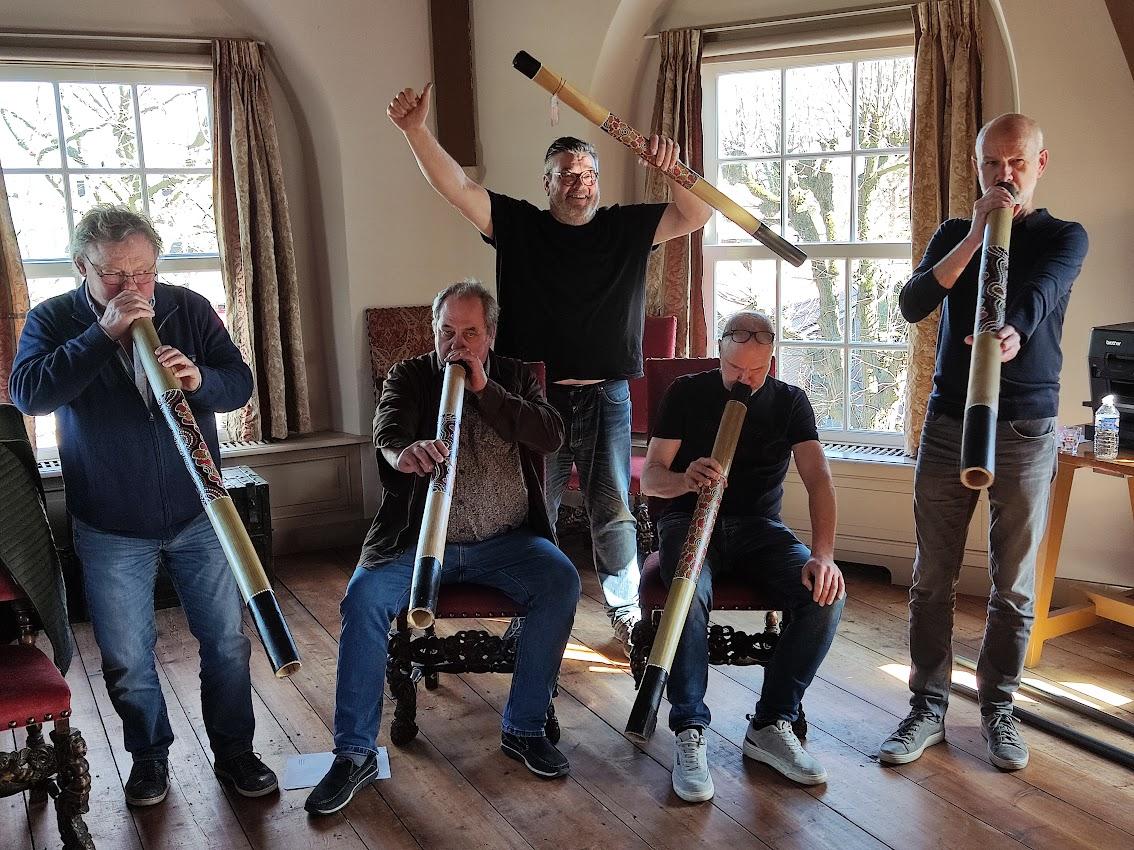
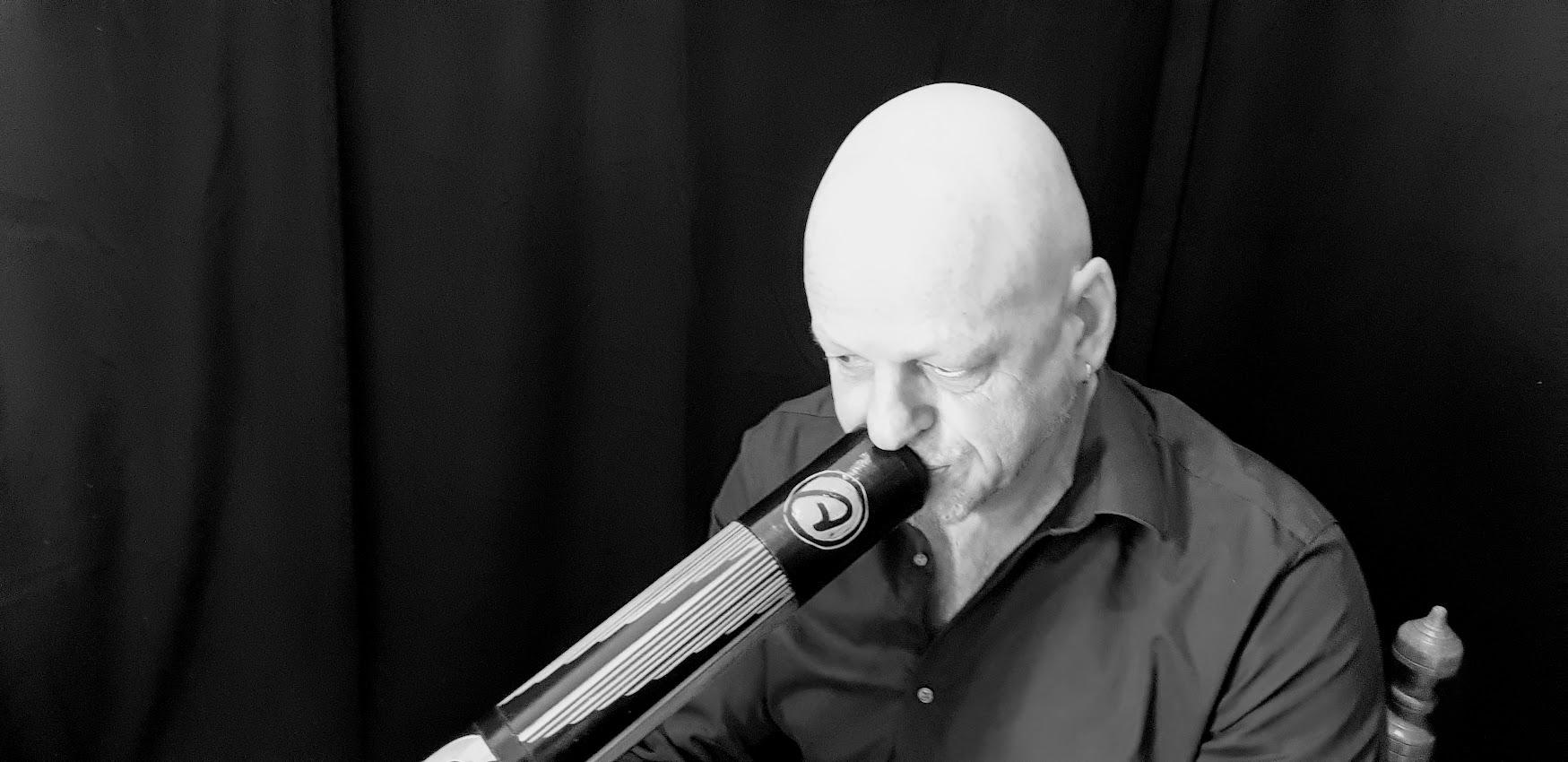
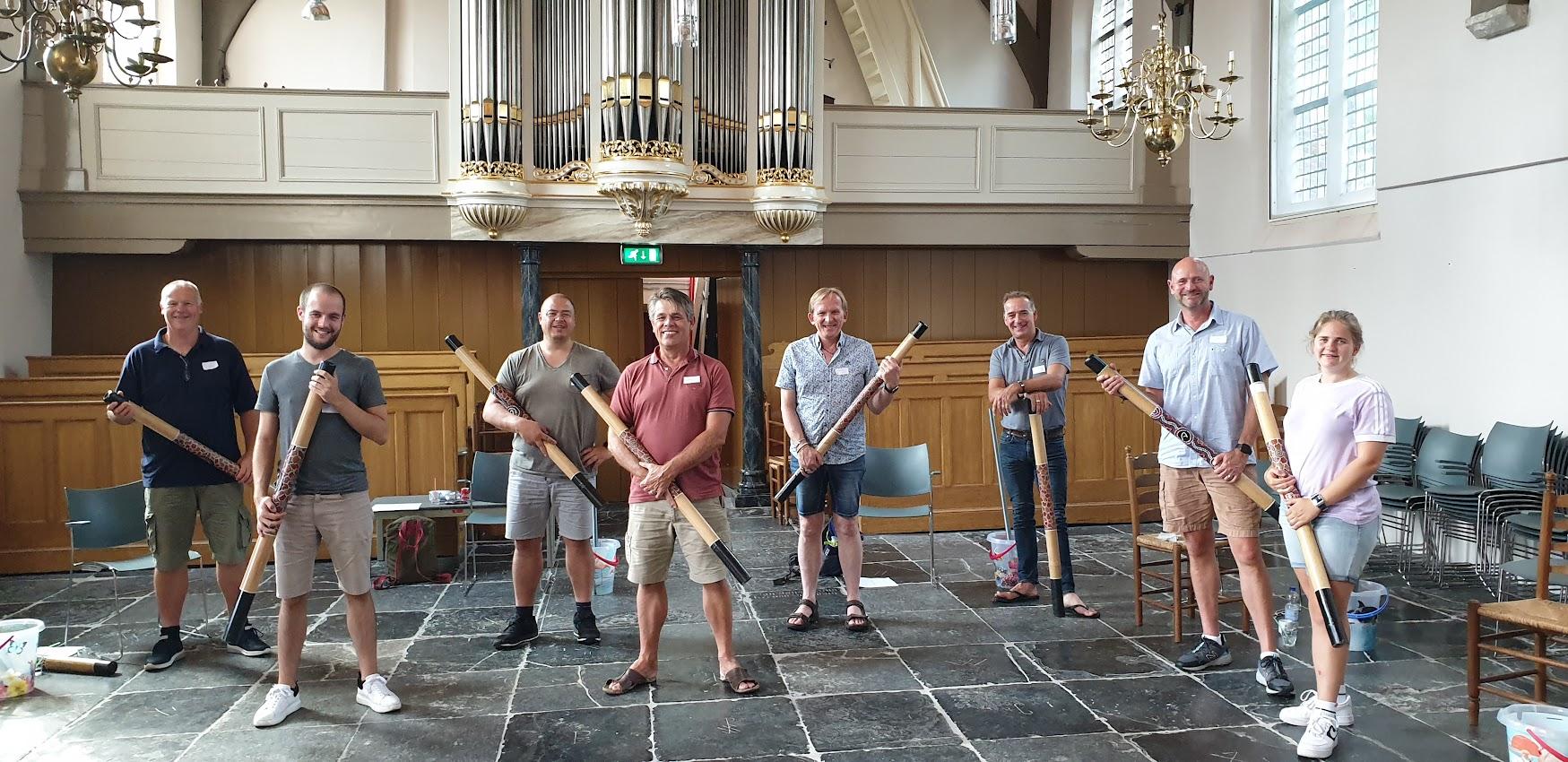
Since 1990, I have inspired hundreds of thousands of people worldwide through didgeridoo music and educational workshops. As an active didgeridoo player and guitarist, I continue to perform at festivals and theaters both locally and internationally.

In 2004, I developed the successful "Didgeridoo & Circular Breathing for Beginners" workshop, which has helped many people, including those suffering from snoring and (sleep) apnoea, by teaching them how to use the didgeridoo to improve their breathing.

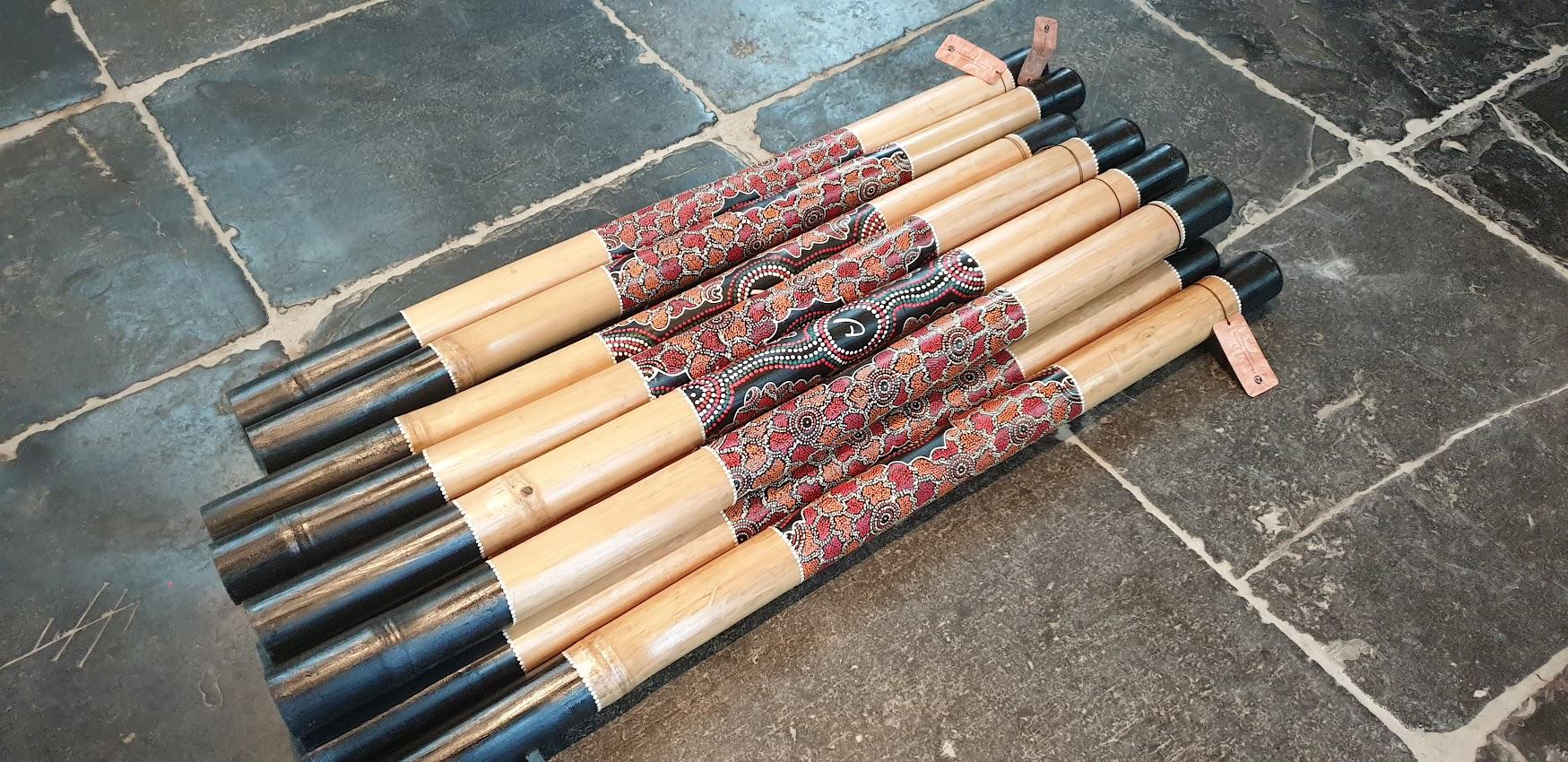
The didgeridoo has become a popular tool for addressing various breathing issues, such as snoring, apnoea, hyperventilation, and shortness of breath. Tens of thousands of people have found relief and enhanced their overall health and well-being through its practice. At Australian Treasures, we are committed to providing high-quality didgeridoos and offering educational content to help people harness the power of this ancient instrument.

Our course is specifically designed for beginners, regardless of musical experience, and focuses on two primary skills: playing the didgeridoo and mastering circular breathing. Circular breathing is a unique technique that allows you to produce continuous sound without stopping for breath. The course starts with the fundamentals, including proper lip technique to create the didgeridoo's signature "drone" sound, followed by basic rhythms and exercises to help you build your own playing style.

The course places particular emphasis on mastering circular breathing, breaking it down into easy-to-follow steps with practical exercises. By the end of the course, you will be able to play the didgeridoo with confidence and use it to enhance your health and creativity.

Join us today and embark on your didgeridoo journey!
Meet Your Teacher

Level: Beginner

Class Ratings

Expectations Met?
    Exceeded!
  • 0%
  • Yes
  • 0%
  • Somewhat
  • 0%
  • Not really
  • 0%

Why Join Skillshare?

Take award-winning Skillshare Original Classes

Each class has short lessons, hands-on projects

Your membership supports Skillshare teachers

Learn From Anywhere

Take classes on the go with the Skillshare app. Stream or download to watch on the plane, the subway, or wherever you learn best.

Transcripts

1. Introduction: Hello. Welcome to the DIT do Lessons of Australian Treasures. My name is Neil Slang, and I'm going to teach you the basic techniques of dits do playing and the circular breathing technique. But first, we're going to check out the different dits reduce. Originally, the Australian ditzud is a tea trunk hollowed out by the termites. But as you seen there are different kinds of ditzrdF big to small, and you can even blow on a PVC tube or vacuum cleaner house. Let's get started. Good luck. Down. 2. The Basic Tone: Making the basic tone. Let your lips flop like a roaring horse. Blow with rounded cheeks, ad or a sound. Don't blow too hard and blow all the air into the dei trio. Stop spring Dow. 3. Basictone & More: Basic tone and more. Flutter your lips and hold your finger against your mouth. Make a circle with your thumb and index finger and blow through it with a sound. Blow a tone with a lot of air and a little air. And Stop swing down. 4. Basic Tone Final Touch: No Basic tone, final touch. Let your lips flop. Put your mouth against the mouthpiece, and do not let air escape from the side. Put your lips into the mouthpiece. Think of a kiss. Bout and flop your lips. Do the same on the ditch. Starting now. 5. Overtones: Playing upper tones, play with flat cheeks, exercise a transition from full and flat cheeks. The upper tones are a y or a sound, the do are the full cheeks, and the E's are the flat cheeks. Oh. Start. 6. Kangaroo: The kangaroo, think of the word towing, towing, towing. The tongue gives the accent to the T. Play the kangaroo with round cheeks and play the kangaroo with flat cheeks that are the upper tones. These sound sharper and more brighter. Play the transition of the kangaroo from round to flat cheeks. Oh Bill, Bill, buy so to 7. Use your Voice: No. Use your voice. Tone and voice sound simultaneously. Lips flop and make sounds with your voice. Hand open, is voice sounding, hand closed, there's no voice. Exercise high voice, low voice, sing along humming. Stop B starts going out. Starts going out. 8. Dingo: Voice and dingo, the tone and voice sounding simultaneously. Flap lips and let the voice sound. Visualize the voice with your hand, tighten diaphragment, and use voice. Exercise barking dog, the dingo, while you are blowing the tone. How 9. Kookaburra: The CucaburaF make this sound. Kaka ka ka ka. Play the Cucabura in the overtone with flat cheeks. Tense your diaphragum while playing the Coca Bura. Aaa, ca, ca, ca, ca. 10. Growling: The croling. You can make a low croling voice when you are playing. Sing along or hum along with your basic tone. Make a melody with your voice while blowing the tone. The D D So 11. Play a double tone: Play a double tone. Sound a second tone with your voice. You can, for example, let a third or a fifth sound along. You can sing along with your basic tone, or you can, of course, invent your own melody. Oh I know. 12. Boomerang: Boomerang. Remember the word 0000. When you are playing the boomerang, you use your tongue. Play the boomerang with flat cheeks, then you are playing the upper tones. Play slowly and then faster. Oh, Oh No. 13. Tell a Story on Your Didgeridoo: Market. Tell a story on your dit tri do. Use the basic tone, the dingo, the kangaroo, your voice, boomerang to tell your own story on the dit tri do. Use your hand to act it out. Play quietly, see the story in front of you, and translate it into your Dittrd playing. No. 14. Introduction to Circular Breathing: Circular breathing introduction. You're going to blow a constant continuous tone. You're going to learn the circular breathing in steps. We're going to use our cheeks for the circular breathing technique. Learn the trick. Be patient. Anyone can learn the circular breathing technique. I know. 15. Circular Breathing with Air: Circular breathing with air, get used to breathing in and out through the nose. We got to practice the jaw press, so we're going to push out air out of our cheeks. The jaw press with simultaneous inhalation, and the more you hear the noise of gurgling, the better it is. Ah So 16. Circular Breathing with Water: Circular breathing with water, the cheek press, squeeze water out of your cheeks, transition from cheek press to lung exhalation. The cheek press is a stream of water. The lung exhalation is blowing mist, which is also much more powerful than the cheek press. The exercise with water make that what you are doing very visible. The cheek press and inhalation to lung achalation. 17. Circular Breathing with a Straw: Circular breathing with a straw. Take a class hole filled with water, breathe through the straw and blow bubbles. We on the breath with rounded cheeks. Inhale with rounded cheeks. The water should keep bubbling. If you find the above difficult to do, squeeze the straw a little bit. No 18. Circular Breathing with Simmering Sounds: Circular breathing with timbering. These are exercises for circular breathing without did. Make a circle with your thumb and forefinger and start simmering through it. Put your finger against your mouth and simmer with an inhalation. Chew with rounded cheeks and do a inhalation. H. Oh. Ah. 19. Circular Breathing on the Didge 1.: Circular breathing on the ditch redo, step one. Put your mouth against the ditch red. Play the basic tone, lung exhalation through the ditch we do. Loosen the mouth from the mouthpiece and apply the cheek press, the circular breathing. Repeat. Ah Stop 20. Circular Breathing on the Didge 2.: Circular breathing under did, step two. Hold your mouth against the mouthpiece during this exercise. Play the basic tone, the lung exhalation, and do the cheek press, the circular breathing with your mouth against the mouthpiece. You will hear a gurgling sound. Repeat the exercise. Ah Ah Mm Ah. 21. Circular Breathing on the Didge 3.: Circular breathing on the Ditrdu step three, basic tongue and circular breathing will come together. Make a smooth transition from cheek press to lung exhalation and planar Ditrdu with circular breathing. Oh I know. 22. From Cheekpush to Tone: Knock it another knock knock it another neck knock Circular breathing from cheek press to tone. First, practice only the cheek press. Practice the cheek press with inhalation. Practice the cheek press with inhalation and lung exhalation. My Stop sing Car. 23. Circular Breathing Exercises: Monkey another knock they're knocking another market they're knocking one they're king. Circular breathing exercises. Practice the basic tone to the cheek press with inhalation. Practice with or without dit red. Be aware of the difference between the cheek press and the lung exhalation. Mm. Oh, Mmm stopping 24. The Final Step!: Not to another net knock it another market Circular breathing, the last step. The last step is full circular breathing exercise. In this exercise, we go from a lung achlation to a cheek press and back again to the lung exhalation. Be aware of the difference between cheek press and lung exhalation. Go. Congratulations. You have completed all the steps for playing the right way on your Ditrod and ready to use the circular breathing technique. Finally, I'd like to give you these tips. Distinguish between the basic tone exercises and the circular breathing exercises. Remember that circular breathing and ditch do plane have to come together. Be patient and go through all the steps, and you will succeed to learn the circular breathing technique. Good luck. Do Hello.