Transcripts
1. Intro: Hi, I'm Bill Singleton. And today we're gonna talk about painting butterflies so painted quite a few over the years . Here's, uh when they did a while back its Amazonian painting here. So this is a blue morpho butterfly and this one I actually painted from a specimen that I have, which is this and, uh, get this blue iridescent color here pretty interesting. So what's interesting is that that blue is not pigment. It's not color, really. It's the way the light diffraction through really sort of microscopic pattern on the butterfly wings. And if you tell the levity can see what's behind it. So the backside of the wing is like the underside of the wing. This is it like this. It's got a pretty interesting pattern. Also, that iridescence is pretty tricky to catch. So today we're not gonna do this one, But we're gonna dio pipeline swallowtail, which does have some iridescence. And um, yes, this is what we did. It's a royal week, So I painted this. That's got a little this iridescence here, and we're also going to be talking about painting uh, this giant swallow too Well, swallowtails and for materials used this sketchbook. Obviously, this court's It's a great tone. So which I really like doing. And these gray, if using wash and Bush's for these is actually acrylic wash, and it's a whole buying product. So this is the colors I used on this one, which is just black and white. C P a. Green and yellow Oh, bine acrylic wash. And it's basically acrylic paint that's been sort of retrained to act like wash, which I really like, I really like to wash. The thing I really like about this pain is it's very opaque, so it allows you to pay things a little bit differently and the brush use. I think for both of these painting is a Skoda. This is, Ah, number six number six round. So you need to do quite a bit. Just with one brush sound. Let's get started
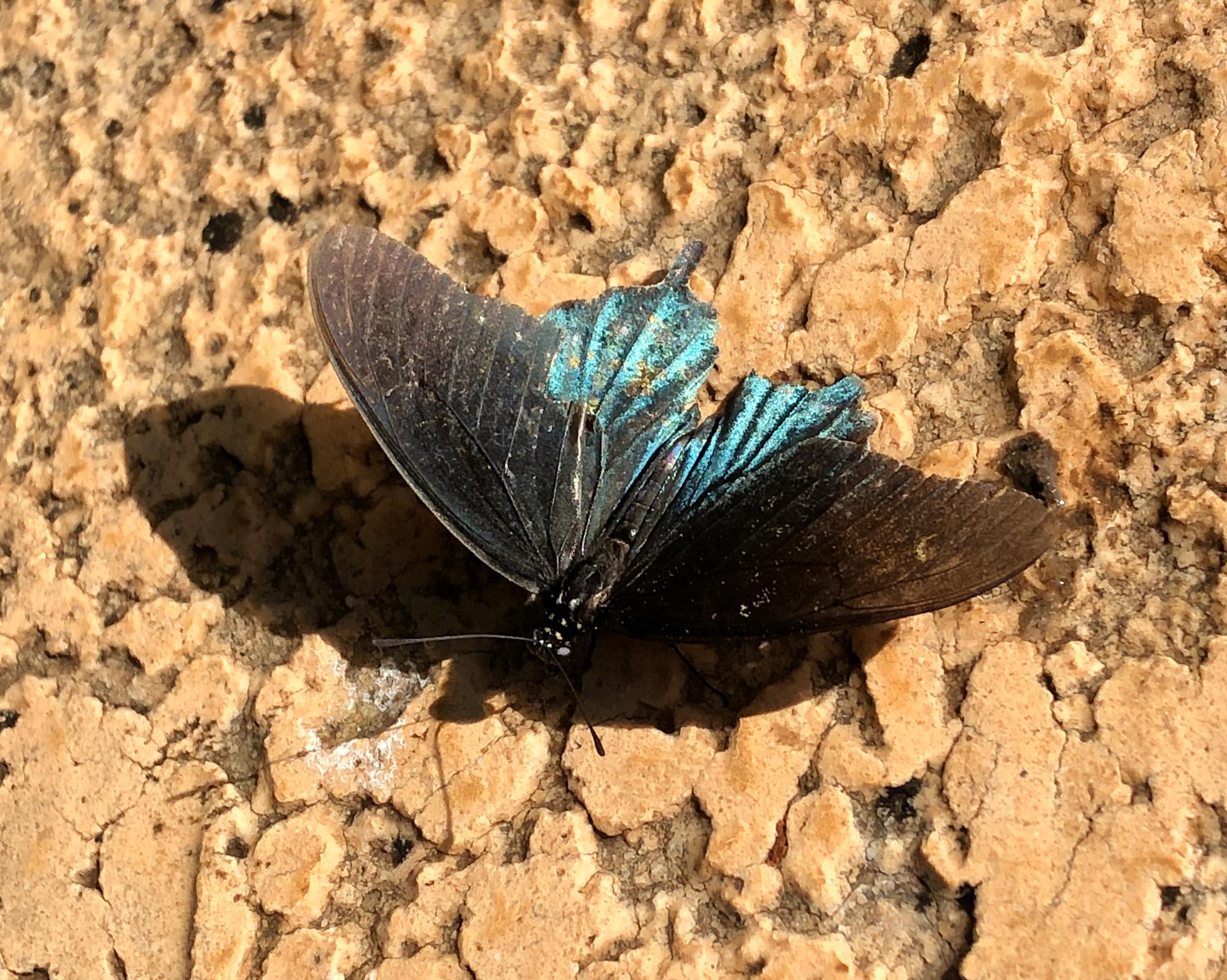
2. Pipevine Swallowtail Painting demo : Hi, this is Bill Singleton, and today I'm painting a pipeline swallowtail. So it's towards the end of the monsoon season in Tucson, and the yard is literally full of butterflies right now. It's It's really cool that at the end of the monsoon, all of the ground plants air well hydrated. So they're full of life and all the insect life comes out also and all the butterflies and , uh, this guy landed right next to me in my backyard on the concrete. So I snapped a photo of him, and, uh, that's what I paid So askew. See, here I started out with shadow area by paying living background. Just blocked it in with my crazy brush and, uh oh, by the way, amusing Hold mine. A colleague wash for this is a part of my nature. It's a nature journal page on my toned paper, so I used tone great paper and the krill aggress works great for that. So I'm painting it with the acrylic wash, and I'm just using four colors. I'm just using black and white and primary blue and yellow ogre. So the entire painting is with those four colors. So, uh, I blocked in the shadow now working on the body here. I speed this up. Obviously, it's about, I think, eight minutes. It took me about 45 minutes to paint, and, uh, I see. So now I'm warming that shadow up a little bit, making a little darker right next to where the the insect waas. And one thing I notice the wings were black, but they seem to be a little bit transparent, so I could see a little bit of that, uh, yellow pavement behind it. So now I'm working in the hind wings, and they're blue. They're an iridescent blue to get that first disc elected a darker blue blood in the body a little bit. So a little bit black body and some of the means capturing some of the wind wing structure in the body structure here. Sorry. The camera gets a little hubley. Sometimes add that camera really close to where painting. And I kept hitting it with the tip of my brush. So sorry about that. So with no of the darker, uh, black and through defining some of these structural things and the antennas and some of that little bit of the wing pattern here. So this is mainly black. Probably will touch of blue in it. Alright. And coming back to the hind wings here putting in the darker blue here. So let's again. This is primary, blue and black. Are the pigments here blocking that in now? These pipelines over here. I'm putting in the blue now where the light's hitting it. Now this the really cool thing about these pipelines. Swallowtails is there. They're like flying jewels. They're beautiful on the now I'm painting the top, which the top side of the butterfly, which is the hind legs, have this iridescent blue color to the very eye. Catching the underside is maybe even more beautiful, which I'm not painting here, but it has a series of patterns red dots, which is, I think, the war predators. So the interesting thing about pipeline swallowtails is they called their called pipeline because that's a diet of the caterpillars they grow on pipeline plants, also called a and botanical terms aristolochia. And the risk of Loki is are they have healing properties, but they're also poisonous. And, uh, these butterflies have adapted to the poisons. They internalize them and, uh, doesn't hurt them at all, but they become toxic to any predators that eat them. So they're the red dots on the hind wings On the underside is a warning to predators not to eat them, that they're toxic so that the top wing here, which I'm doing, is, uh, mixing the blue, blue and white mostly for the highlights of the later blue areas coming back in with, yeah, more highlights. This basically just blue and white just adding these little point teals of light where the with, uh, the light hits So coming in, defining the eyes and some of these little spots on the body. So this little bit of yellow color and black and white. So, in finding some of a little bit of belief structure here, what's against yellow, joker and gray, which is quite a blank fighting from scale patterns here? Yeah, I'm using the whole mind brand of Kulig Wash. And I really like it because it it dries pretty much the same color as it is wet. And after working with acrylics for years anyway, that's worked with clicks knows that the colleagues don't do that. There's quite a bit of color ship from wet to dry. So that's and there's always some color ship with any pain. But these whole by Nakoula gosh has the least amount of color ship that I've that I've ever dealt with. It's also very mad, which is good for if you're gonna reproduce things. Scan, um, for publishing. So using the acrylic wash here and finding the least structure a little more body structure . So it's starting to take shape. Put a little bit of these areas where the lights catching it. So these air actually the same colors. I was doing that yellow Oakar, but little Bourke white this time. So it it's really gonna capture light more so really starting to take shape people towards here. A few highlights come in. Do you have a head bringing black and to sort of redefine the shapes that I messed up with the white? Okay, now just the final touches here, some darker Blackstone really bring the depth of touch of these antennas? No, probably put a little bit a little bit of structural work. I'm just about done here for a limited highlights on these antennas every day, and that's about it, I said, I just use four colors of paint and I used to brushes and use tone grey paper. Some were but a blue shining through those top wings from the hind wings, and I think that's expected. Here's my palate Could see the two brushes. I use the four colors and there's the final drilling. Thanks for watching.
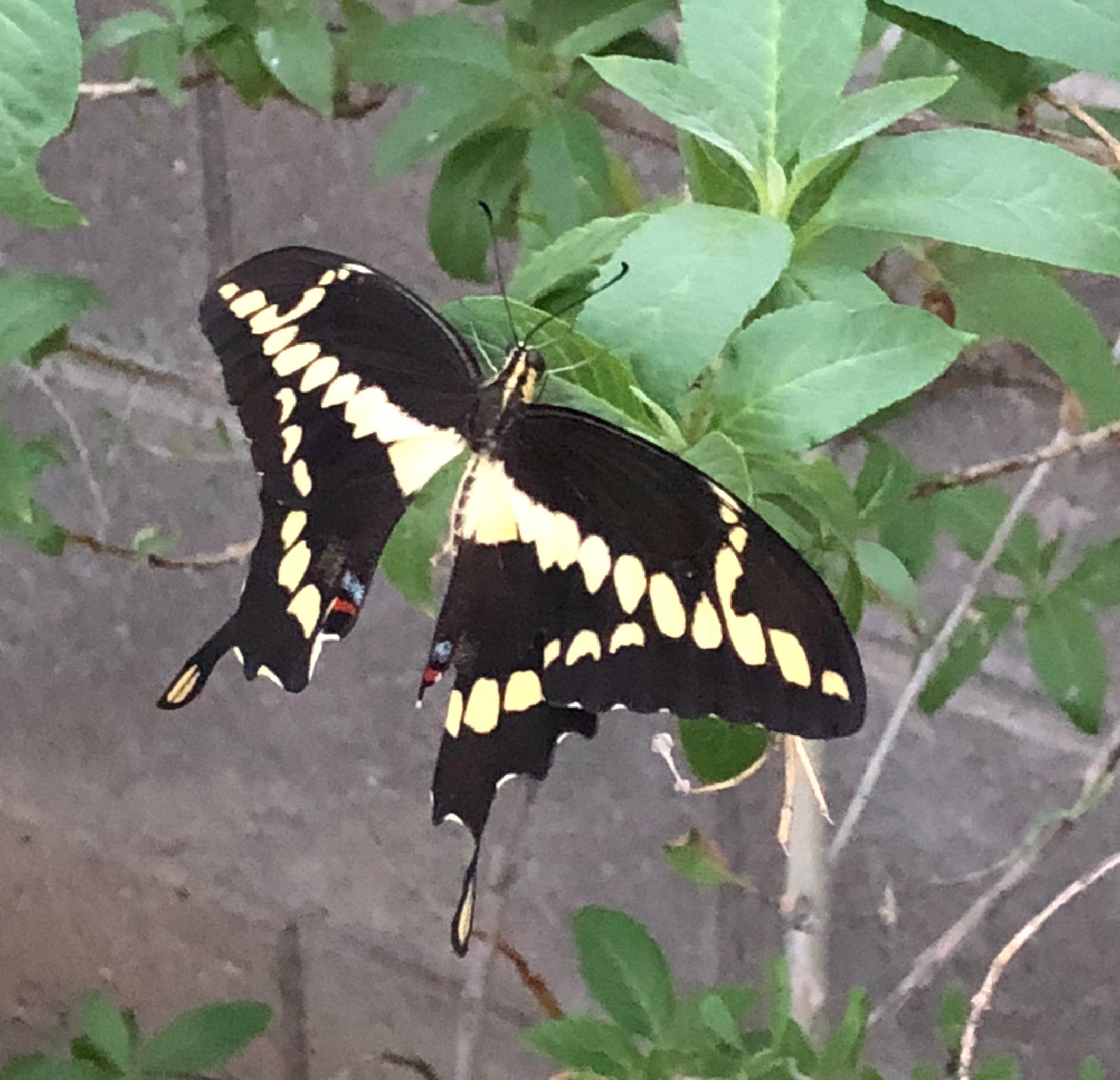
3. Giant Swallowtail : okay. Today, we're gonna do the giant swallowtail. So what he did was I took a photo is from my backyard. These things air big, like, three or four inches across. Thus my reference. Then I got my my nature journal out, and I basically drew in the outline of the wings and then tried to capture all the shapes of all the little areas and the wings there. And then I got my paints out. And this is just black and white and three colors. See, pia, green and yellow. The entire painting was painted just with these. So laid it out. Started blocking in the background there, uh, to see all greens. I love this paint because you can paint over it. It's opaque, so I don't have to worry about staying in the lines like a coming, but so you can paint over stuff over and over again to get it right. So then blocking in that bright yellow and starting to add the details. Now, this took about 40 minutes. Probably reduce it down to one minute here, just so you don't have to sit through it off putting highlights on all the flowers there. I mean the leaves. So here's the final. And as you see, even though it was painted from a photo, it doesn't look photo realistic. It's It's still a painting, that lively breast strokes and all that. So not your turn. So you can use my photo, your own photos or life specimens, or are dead specimens and try room. Try it. And you know what? Have fun and good luck, I'd like, See what you do.
 Bill Singleton, Illustration & Fine Art