Transcripts
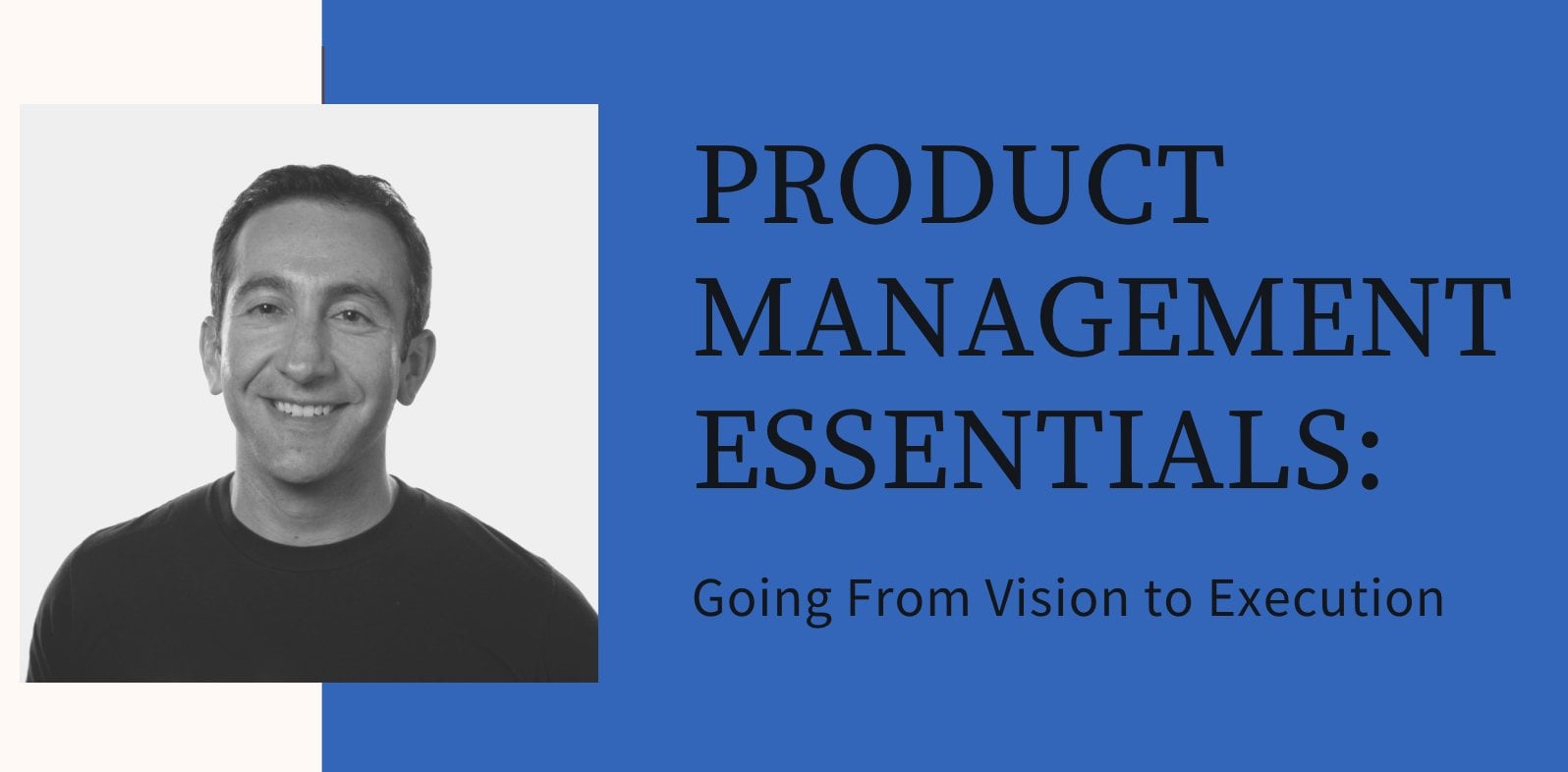
1. Introduction: welcome to new product development for small businesses and entrepreneurs. My name is, say, who? And over the next 10 videos will spend a lot of time talking about how to take a new idea and turn it into a national. We'll cover topics ranging from new product development to pricing a design to branding and advertising. Now, before I jump in love to give you a little bit about my. I spent the last 18 years in media, entertainment and technology, working both as a consumer marketer and I'm currently a partner, marketing manager Facebook, as well as an adjunct professor at N. Y U School of Professional Studies, where I teach a class fall, you guessed it managing products France. This class is for small businesses and entrepreneurs, but really it's about anyone looking to take an idea and building a product. So if you're one of those people who have always been creative, always been able to come up with good ideas, but maybe not know next steps, this course is for you. If you're a small business owner, I'm looking to grow your business by introducing a new product or service. This course is for you so I hope you enjoy. This will be a lot of fun. And I think it will be a good jumping off point for you as you become an entrepreneur or a growing business. If you have any questions, feel free to reach out.
2. Definition of New Products: What lesson One introduction. Any products in this video will do a couple of things one well. Define what a new practice and then two will talk through what types of new products are now. If you talk to five different people, I think you'll get four or five different answers in terms of what exactly product ISS on the best of mission that I heard it is it's anything in the marketplace for use for consumption that satisfies a need or one. So the two key elements there is use and consumption, right? So that's a certain that could be a service or tangible or intangible product and satisfies a need. Or and those are two really key things to consider when coming up with new ideas. Now, when we talk about the idea with topic of new product, we really need to be specific and define what we mean by surprise. So there are six types of new products one, and this is probably the one that most people think of is net new products. Now these are products that, when they're introduced into the market place not only our an introduction of new problem, but an introduction of an entirely new category. These are things that have never existed. These are things that portable new to the world. Think about the Polaroid camera. Think about television. Think about the automobile. Think about the iPad. Think about smart. These are products that didn't have categories, right, so the products created the category. The second type is noona for right, and this is when an organization or business or person provides a new type of service with new type of fraud that the otherwise had not produced before. And so this is This is an organization or small business jumping into a new category. Now, a lot of times they are leveraging off strength of the half or core competency that they have to jump into a new category. Best example of this that I can think of is equal rights. Equal Knots is a chain of premium fitness centers of gems. They're known for sort of high end benefits. They recently moved into opening hotels, so fitness centers hotels very different, but you could see how they could leverage some of their of course, thanks into jumping into a new cap. The third type of new products all line extensions. Now this is when an established brand introduces a new product but similar, with same branding as the original problem. And typically, that's done to address a new a new marking a new target audience. Now, the best example I can think of this is anything that's in the grocery store. We call these consumer products foods, or C. P. G's take time. For example, Time initially launched as a powder detergent, then introduced a liquid detergent. They then introduced different fragrances in both liquid and powder. They established a fragrance free products and then, ultimately many different types of extension. I think time maybe, have maybe asked 20 or 30 different types of products in their in their line. Now, the fourth type of new product is product revisions. Now this is taken is an established product and either modifying or revising actual product . Now this would be done by taking the packaging and changing packaging or in my changing the formula or the ingredients. But it's anything that's actually touching physical, physical product or intentional. A great example of this is Coca Cola. In 1985 they changed the formula or what they modified formula off Coca Cola, the original vocal, and introduced a new product called Coke. Now, obviously, that didn't go too well for them. It was pretty disastrous. But that's a great example of one. Revision or modification can be Now. The fifth type of new product is a reposition product. Eso repositioning and not necessarily a marketing term. Repositioning here means taking a product that was meant to be used one way on and then introduce reintroducing it into the market marketplace with a new use attached. Now, a great example of this is big big soda for those makers out there. No, it's pretty essential to doing any type of pastry or any time. This is what it was used for in the marketplace. At least you know scientists. Scientists also use it for a lot of things, but this is what it was used for, primarily marketplace. At a certain point, they realized that baking soda was being used as as cleaning agent on something to absorb smell. And what Armand Hammer did over the over the subsequent 2025 years is really positioned baking soda to be used in that manner. And then, from there, you've seen them extend, extend the line. So So? So that's just, you know, pretty pretty interesting example of how product introduced one way, sort of a marketplace dictated that it wanted, You know, that it could be used for something else, and the company was able to capitalize that. And the last type of new product we call cost reduction on this is taking a product of service and being able to provide that same product or service with that same experience to the consumer on a cheaper costs and that cost is passed, passed along to consumers in terms of France, now the's on the six different types of new products. There's a lot of gray area that sometimes overlap, but I think this will give you a pretty good framework askew. Start thinking through an idea hating on your potential problems. Thank you
3. The New Product Development Process: what lesson to the new product development process. In this lesson, we will talk about how hard it is to launch a new product, But then we also give you, you know, an overview of the new product development process. It's definitely framework that you'll be able to use in the future. And then, lastly, it's all about the balance between the clarity of an idea and the value that ultimately adds gives consumers. Now when we say new products are, what do I mean? You've always heard the adage that most businesses, I think that's that's pretty commonplace in pretty commonly known. But in fact, most entrepreneurs failing. Most businesses fail because most new products and in fact, out of every 100 ideas only 25% of those are actually commercialized, meaning only 25% of those are actually deliver and offered in the marketplace. And of those 25 only 15 or 60% are actually success. You spend a lot time letting that get you down. But I said as a lot of the reason that most products fail are not necessarily because the ideas with that it's because the execution was poor. The new product development process is five step process that gives you a little bit of guidance in terms of taking in a, you know, an idea, an actual asking into a product. We may have an idea. We're seeing opportunity for an idea and not know how to proceed forward. So this is not necessarily meant to be a strict formula, but again direction. So the first step in the process is called opportunity identification. Now this overall means that you're looking out into the marketplace and looking for opportunities to create. Something will come up with the 19. So how does this work? Well, let's say that, you know, I just observing life and I realized that this is actually true. This is true opportunity. I walk around New York City all around New York City, you see off the sea people. And this was true five years ago, holding the camera and taking pictures of themselves, and that's called Self. That's pretty familiar point. But 56 years ago, you know, Celtic Selfie term wasn't wasn't a real term, but people were actually exhibiting this behavior on Guy was often look difficult to actually hold your phone. You really can't see where you're taking the picture on. Basically, just taking a blind for right. That's a horrible experience. But yet behavior was there, so I realized that it wasn't it was a need or want for people that are interested in taking selfies to a make that experience a little easier, but more directly allow them to see instead of the picture that they the way they want. So that's an opportunity, right? Notice. I'm not necessarily coming up with any ways to solve that problem right, But I'm identifying as a potential issue a potential project, potential opportunity. It's assault step to constant generation has an opportunity to enhance or mainly selfie, taking experience a big Now what do you do in that point? It goes straight to the solution, or do you come up multiple solutions, right? That's the concept. Generation isn't this step to this is coming up with concepts or, if you like, the framework of problem and solution. This coming up with a solution to the problem. You identify instead a lot of times this reprise. Okay, this could be you could be brainstorming myself. This could be you on the team. It really doesn't matter. But it's just the idea that multiple people are thinking about ways to solve that potential problem that you've identified as an opportunity just coming up with different ideas, getting them down on paper. Step three is concept evaluation. Now you're taking these three concepts, and I came up with some type of try a tripod stand, ah, front facing camera and a stick, and you're weighing the pros and cons between these three. Any idea in this step is to drill down. Those three ideas. Get to the one that you think you can do. You already know it satisfies an opportunity, but it's something that you think you could do it, something that you feel good and that's that's the That's the concept that you should and face for what you call development. There are two things happening. One. We call this the technical track off development. This is Can I build a second track, which is the, you know, marketing track of development is, should I build it? Is there an audience for this right? Can I sell this for money? How much is it gonna cost a make and how much can I sell it for? Can I make a profit? Right? These these feasibility tests right, happen at the beginning of the cannot build it I should have right from them. On the technical side, it goes into the plant how to build it and then executing that plan and actually building the product we're developing. On the marketing side, it's doing all the things that you need to create the intangible parts of right. These are things like the marketing strategy, target audience, the value proposition, things that I talk to about later. But there's some very important marketing steps that happened in development as well. Then the last phase is launched, and this is when you actually commercialized product. This is where you distributed in whatever way being fit. You don't have to go through all of these phases, but when stock, there's some really good rationale there, and I advise everyone. Teoh, get familiar with that process on and test it out. See how it works. Thank you.
4. Ideation & Creativity Part 1: There's always a lot of banks around being innovative and being created. One of the things I want to talk about this session is you know what the obstructions, creativity, and then, secondly, want to talk through? What are some ways to stow those those creative advice on Come up with a whole concept now tons of reasons why people have trouble being created. But I pulled it down to three. It was really three obstructions to creativity, Maxie. And you know, the first tends to be rigid or structure and small businesses and entrepreneurs. This is less of a less finishes, but certainly from larger organizations. This is a biggish. Organizations are not stretching way. Salo. So very bureaucratic or the very meaning finance is one silo marketing, since another silo, maybe developing or engineering saved another sallow, and they don't necessarily talk to each other or interact with each other too much. So you know, this rigid structure tends to impact creativity away. And then on the flip side, you know, you think about small business where you think about the organization that that's really flat, where people are doing wearing many different hats. It's often difficult to kind of think through new ideas, ways of doing things. A lot of times, it's just get whatever. All right, So so, structure, structure your business on and certainly too rigid a structure for large organizations really has a way of decapitating. The second thing is inward. Focus. Bacon. They're not the same, but with some unrelated inward focuses on. But I see this a lot of marketer. I think we're all naturally inclined. Teoh. Think about ourselves, Aziz Aids. That's more focus. So I'm launching a product that I want. I'm lunching on fried, and I want to see when coming up with new concepts of doing that is, always think about externally. Think about the broader public. Think about rockets were not just yourself. And then also no. If you're in a small business or you're running a small team, it's very easy to disagree for agreements A and this has an opportunity to really deter. Creativity is as well, and then the third issue is what I call the frog skepticism. People are hardwire, I believe something more right. Some of you then, then are small business owners that remember when you told people that you were gonna created business. What did they say? Have you ever told someone that you have no idea what they said A lot of times because people are accustomed Toe Teoh. You know what they do, what they use our products and services that they experience in their life. It's difficult for them to open their mind and see something else. We'll see the potential for a new product. So don't let that obstructing Let that bother you. It's actually meeting. That's really what? Something. What I want to do now is give you. You know, the Senate rules four different tools that they potentially were in order to actually come up with some great is now. The first option is is looking into the marketplace for established products and identifying where you think you could actually produce that product that is really looking at into food into the marketplace and looking for established ideas, concepts and saying better. And using that as as a stepping point for launching a new product. Now, this would be a net product. Obviously I wouldn't give you the second option is what I call open innovation. This is really fostering on, and an environment where no one is are not only sort of encouragement also cultivated. So whether your small business whether your new entrepreneur with team partners encourage everyone to feel people in terms of coming up with new ideas, new product ideas, private visits and it goes a long way if you depending on you, just you come up with common sense and I need I think that's gonna be very so hold brainstorming sessions. Have an idea. John Dar Anything you could do again to cultivate? Now those are very sort of inward, focused types of tools. Now they need to more customer century tools or external tools. So one of the other ways that you could do is is this is for potentially, you know, spoke with someone Is that already have customers? What? You already have customers, right? That's typically having well, knowledge of what? You know some data on these on these guys and really leverage a what? They're doing me looking at patterns, see how they're using maybe some of your into existing products and services and using that as a jumping off point to come up with, you know, line extensions, modifications, anything that drives right This is something that could be very effective for certainly for an established business. But even for in new entrepreneur, whether it's focus group, whether it's something more established of crowdsourcing platform allowing customers allowing multitude of people to give opinions that are close to the business, sometimes fossil some of the best.
5. Ideation & Creativity Part 2: What lesson for ideation creativity. Part two now in this lesson will do a couple of things. One will discuss the differences between idea concept product on to give you a methodology that you can use properly in valuing the different concepts that this will be really relevant for that phase three of the new product development process, which is constantly. Now the question is, what is the difference between idea, concept and product? Well, the answer is, it depends and this is because it isn't necessarily universally accepted. Answer for this. But I think we can give you a couple of things that help me think through this in the purest form. On idea idea is a notion. It's a spark concept. Is that that notion of spark that's invented a bit and then the product? This is the actual ized version of that idea. So you could see as we move from any product. Uh, we're getting more clarity, getting more specificity around. You know what the thing is? How to make it and why. I mean, what is now to give you a better methodology because I wouldn't be satisfied with that answer. I'd like to introduce this, you know, calling the concentration process. But really all it is is looking at three things. It's looking at how right what and why. I explain a little bit further. So we have way have these three different aspects of this methodology, right? We have the technology aspect. We have form aspect of the of the benefits. And really, what the technology aspect is is saying it's not technology in sort of a traditional sense computer technology. This is technology, meaning the know how to build. So the technology aspect is asking very basic question. Do I know how to build? Sign I? The form aspect is asking, Do I know what it is? What is gonna love life? Can I see it? I can visualize it. It's literally taken literally this the form right and the final aspirin's benefit, that's that's a while. Why am I making this? Is it a benefit, right? What is the benefit for? For the for the target consumer. And what I'm surmising is that you need three of these in order to have a fully sort of flesh product you need two of these two have have something that you could call a concept, and any one of these connect as can spark an idea. So I'll give an example of this. So prescription glasses are easy, easily turned into a converted into. So that's that's maybe that's that's an idea, right? So I have the kind of form down that's, you know that's been anointed kind of know what it looks like. Maybe as lenses coming down get inverted. Maybe the little reward technology focused in forward and, you know, maybe lenses just by themselves. But I performed and I know what I know the thing. I know what the thing I want to build. Looks like the're question is what you know. What's the benefit? Do I have a benefit? Well, the benefit is people that wear glasses they don't have to switch. Okay, that that might exist. I mean again, they have to do a little work in terms of length. Is it really a benefit? But that's that sounds about right, but don't know how to build glasses. That's something that I do That's no right. And so so that would be this example would be a perfect illustration off constant now if I was Warby Parker Bosh along, right? That is something I will make a manufacturer glasses or contact lenses. You know, my vision and products based on vision is something that I do. That's a core competency. They have that technology, so maybe they have that technology. Know how. Maybe they even understand the benefit. Maybe they understand that people have a pain point off, you know, taking off glasses, putting on sunglasses. But maybe I don't know what's gonna look like. That's for right. So you need all three things in order. Teoh have good way off moving forward with the product. And, you know, this is ah illustration of concentric circles. And what you see here is that you know, there's need this form. This technology needs benefit. Same thing on, Really? Where the rubber meets the road is the overlap, right? Right in the center. You can see that's a sweet spot for new problem where, you know, you have an idea what this thing is gonna be. You know how to build it. And you know that there's a need in the marketplace. So this is again just a great methodology to start evaluating concepts. You could see how this could be used to take a whole slew or an array of concepts and drill down into one really solid. I really thought through private, thank you.
6. Product Strategy: understanding the marketplace again. These are three things that you need to do with varying degrees of effort. One is situation analysis now, Situation announces. Quite simply put, is taking an on and off all of the things along the strengths and weaknesses that you have internally, as in an organization award entrepreneur, a person with a concept, right? What in the strength of weakness that you have a disposal in order to make this and also looking out into the marketplace on and seeking out opportunities on also identifying threats right on so internally. It's all about what can I use and leverage for this launch to be successful, where some of the gaps, what am I missing? And then externally, you know what some of opportunities that I could take advantage of in order to make this except launch and also what some threats, what externalities that I might not be able to impact change. This is called again situation, announced SWAT analysis is is probably the most popular soldiers like to use. That's called strengths, weaknesses, opportunities and threats. You have to use a SWAT analysis, but right but again, it Z, even if you're just writing it down on a piece of paper very casually, very informally. I think it's very. And the main reason you need to do situation analysis is because you need to define the value proposition. Uh, all the value proposition is, and I'll talk about that. Second is really why should anybody can? Why should anybody minds particular concept? The second thing is a competitive analysis. Now pet of Analysis is looking into the marketplace and examine the different competition that at this particular concept, right, it's just constant now. Could have right? So if you have a new if you have an idea for a new automobile product, it makes sense to think about what the one of the automobile makers with brands or products out there that has direct competitors and see where you fit. And in that pretend marketplace, uh, this is very necessary for coming up with competitive advantage. What we have invented advantage be versus these other competitors. And also, how will your position thats product in the marketplace and I'll talk a little bit more about what position it is. The last thing is market segmentation, right and and again, sort of, ah, fancy marketing term, but it's necessary in order to identify who you're talking on, insists, right, So all market segments segmentation is is looking at the entire marketplace off possible cause consumers and breaking that up into groups a meaningful buckets right on then evaluating those subgroups and figuring out which one is the best one for you to actually choose as now, I could teach a whole lesson, hold 10 lessons on market segmentation. So I just mentioned here, but just know, think through who is actually gonna buy this and why on this is gonna help you figure out who you're talking audiences because your target audiences before now, if you do all these three things, you'll have some pretty key influence, right? The first thing again is having that target audience knowing who you're going to sell the thing to value proposition is why Why should that person that target audience, I want to buy what I need or want? Is it satisfying? And then, lastly, how does this this product concept compared to its competition? These are very, very, very key and you cannot have a market rent. So let's talk about marketing strategy for peace. Stand for product, price, place and promotion. And I walked through each one of these two kind of describe what important decisions that you need to with the product piece. That's a first be You are ultimately deciding what the product is going to be, what is gonna made up. I was built how it's gonna look, you know, things like form factor packaging are gonna Brandon by customer service, right, lifecycle of the product. All of these things, a product decisions that you need to think about. The second piece is price, and these are pricing decisions from how you gonna price the problem, right? What is the price extract, right? There's really, you know, a lot of ways you could price product with. The most fundamental ways are you could just make up something 12 you could maybe think about how much the product calls to make and then add 10% or 20%. On top of that right, That's your profit margin, right? That's seems pretty smart. The third ways is also smart, right? It's looking to the marketplace, see, find competitive products and pricing reporting. Now there are literally a dozen different pricing lines of pricing strategies. So, you know, I definitely suggested you do more research on that, but at the basic level, think through how do you want a price product and also take into consideration the positioning so price can help position of product, right? So typically, a higher price is gonna be a premium low press going more value again. If your product is predicated on being positioned brand in a certain way, you definitely want to look in price on the third piece place. This was kind of a cheap because place really just stand for distribution. But where you gonna sell? Where you going to sell your product in 2018? There's a lot of different options. Website You stop a five, some other comments platform and sell that product directly. Consumers I could also sell to a e commerce retailer like Amazon, have them sell a product and then fulfill for me by sending my product having a house of their warehouses. Or I could have a more typical manufacturer retailer type of arrangement where I sell to retailers in their retail now promotion. This is something that most people are very accustomed to. It is two full one is. How do I get people to understand that this problem fixes? And then to How do I get people to consider buying this product? Right? So awareness and consideration are the operative terms, and you can use things like advertising, public relations, retail promotions, You know, social media. These are always that good promoting products. So this is understanding the marketplace. This is also marketing strategy and product strategy. These are some of the considerations of decisions that you need to make in order going to successful product.
7. Go-to-Market & Launch: welcome to lessen six product strategy and launch. This is also a lesson that really excited about. Spend a lot of time working on on launches in my career, but in this video we'll do two things. One, we'll talk through some of the key considerations that you need to make in terms of launching a new product. And secondly, how to formulate that now, As we mentioned in less than five there, there are three key inputs that an entrepreneur small business order. Ah, large business owner I need to make before launching one. You need to know where you're selling to. That's the target to you need to know why they want to buy and the M articulate that that's the value proposition. And then, lastly, how you in a position? This product? What's his competitive advantage? How you gonna talk about this product relative to the competition in the marketplace? So that position of those three things into you need to have those three things before you could even think about. The next piece is the marketing mix with four piece of product decisions. Use the left for names, but ultimately it's the same thing. These are the decisions that I have to make in order to launch my product. Right? And so these are the product of cities. Everything from packaging Teoh Teoh, How things made pricing, pricing strategy. How am I going to sell the product product distribution? And then, lastly, how it and let people know that this thing is available? And how am I gonna convince them that this is something that they might need? All right, so you need those those those Those four babies need that piece. So then you have strategic planning, and we haven't spent too much time talking about this. It's probably a separate course, but important. Nevertheless, thes are things like product sales goals. How many? How many products do you plan to sell me? New forecasts that yourself. What's the profit margin? Target profit margin Gonna be something called contribution mark. What? Performance objectives? What? Some qualitative, right. So the planning involves more about how do you plan to evaluate that? This the relative success off this problem and they're very important when you're launching an established product. We launched the sounds product within a sounds company, but it's even more important, as as an entrepreneur so as an entrepreneur, one of the things you're gonna have to be able to calculate is can make money off this, right? And so these elements in the strategic planning portion off strategy are very key to that. And then lastly, it z actual total market. Right? And this is something that a lot you guys are really, really interested in. But these things like, you know, when we're gonna release the product, what's the launch date? What time of year is this season? How again? This could be something as simple is picking a date where something as as involved as doing an analysis off off when the best time is to launch a certain product. So definitely things to think about their on then sort of go to market strategies is typically building out that promotion peace. What you gonna do for advertising? What you gonna do in terms of social media? What you gonna do in terms of PR arguing that every product doesn't need sort of a promotional plan. So these are the key considerations that important Teoh made before for launch. Now the go to market piece off. This involves not only just sort of taking a date. But what's the rollout strategy? Technology products typically are released at Betas, which is sort of like a test a soft launch. Casinos and restaurants typically have what they call soft launches right. They may invite, you know, trusted friends and colleagues to come and test out place to give feedback first, right, so testing, whether it's called a Baidoa soft launch, it's typically something that Zeri very positive on, very valuable. If if if you could do it. So not that you always need that. But that's something you should think about. How do we want to release it? So I want to release it in the domestic cleaning in the United States, or whatever well released globally, or don't want to release it in a small market release in Providence, Rhode Island, and then extend to the rest New England. Where do I want to release it? Teoh also campaign objectives. One of the things you want to do is listen out all the objectives off your watch, come up with ways, toe how women achieve those things, don't call strategies, and then what you gonna do specifically right? So that's objectives, strategies and tactics. That's a good way to put together a market. You know, strategies don't exist in a vacuum, really. Take into consideration those three inputs that I told you that Super morning integral to your launch. Things like the target market value, proposition and products. So now we know how to launch a product. I think about launching a product. Hopefully, this is of some value to you. Looking forward to talking to you guys in the next video. Thank you.
8. Introduction to Branding Part 1: welcome the Lesson seven Introduction. Branding our love, these two parts in this lesson, we're gonna talk all about branding. What's the difference between the brain and product on what it terms like Brand equity way ? Remember from Lesson Lesson one. What is the definition of off product product? You don't mind? Is anything in the marketplace for use or consumption that satisfies, want or need? That's the definition of a product. So what if I told you a brand is almost exactly the same thing? You turn off the video, but it is. You know, Brand is a product. It's always a problem, Right? Brand is always any product, but every product is in the brand. So the biggest difference between a brand and product is this. A brand is a product that has dimensions, either in terms of how it was, how is delivered or how its message Teoh to consumers in the marketplace that differentiates it to other products. Right? And so if you look at this example that have showing we have a bottle of war, it's it's pretty, pretty, pretty straightforward. It's no no labeling. It's just water in Amal, Um, and it's probably someone could sell that product, uh, making a grocery store. But nobody can certainly sell that product pretty easily on the street now. On the other side, we have smart water, which is one of the more popular brands off. Now. What's the difference, Right? Well, you could see right off the bat that that smart water has elements of it that makes it that make it different. You make it distinguishable from from the unbranded water castle, able as low the shape of a bottle of bottles. Different right. It might even taste different thes air, all elements or dimensions that help the difference. She this particular manufacturers style of water from another manufacturers stop, and that's a brand. So why is branding important? Well, there's really three ways that Brandon could be beneficial to you as a small business owner or not one. It's a means of different change on all differentiation is it's a way for consumers to see one Franta its manufacturing by somebody versus the other product that's manufactured right . So it really helps consumers understand the difference between products and potentially even why they should be buying one towards the right. And so brands create proceed differences amongst products, right, and that's that's really important when you have competition. The second reason is driving customer loyalty. Have you really ever heard of a customer being loyal to something that wasn't Brandon? And this is because, you know, brands carrying with associations, right brands, carrying with store brains, carrying with it announced, right and these could be emotionally evocative, thes can resonate with consumers and forge loyalty in form. Something forward, some type of residence on that's that's extremely important. So if you are launching a product which depends on Wendy Last Service industries, right, you think hotels and airlines? Yeah, you know, when you when you're launching a product or service, that depends on what brand. Having a brand is crucial for that, and the third thing is create value, right? You know, the more the most established brands in the world are worth more. There's actually a dollar amount that you can, you know, associate with brands, right? And so if you're building a brand and it means something to consumers and becoming more oil and means of differentiation, that's for something monetarily. So let's talk about Brandon me on what is burning bright at least essentially the value off your brand. What is it? You know, what is its value? What is what is it worth right? And essentially has two components. One is brand awareness and the others brand image, and I'll take each of these independently. One brand awareness involves brand recognition and brand. Now brandy condition is simply saying that a consumer, when given or exposed to elements of your brand like a little bill, I are able to distinguish or recall exposure to that to that brand. So if they saw your logo and they say if I showed a flashy logo and said, Oh, I know what that ISS I know that Brandon on the name. I've even seen a soul. Maybe, I mean, or maybe it's a general here, you know, if somebody has a jingle on and the automatic Oh, that's you know that's dealt Airlines phoned out. Uh, you know, that's I know what the local looks like, right? So that's Brian. My condition. It's It's something that's been someone in great right? So they've been you've been exposed. That's that's proving up because we've been exposed. Brand recall something a little bit different and a little bit deeper. Brand Recall says that if someone is asked about a particular product category, maybe Andi name brand front without problems without saying anything, we have to do it strictly and retrieve it strictly from memory. And they're able to come up with the brand's name That's called Grammatical. So case in point, if I would ask you, you know, name me five different brands of launch juice. Minute Maid, Tropicana, right? That's it Means been amended. Tropicana have fairly good ram recall. Um, the second piece is brand image. And this is you know, this is all about associations, right? What? People associate with your brand, right? When I think of the brand, they think of, you know, anything premium. Think of value. Anything of luxury, maybe think cover, right? Maybe they think of young youth. Maybe think of experience, right? Doesn't you know there's no right or wrong answer in terms of association for your brand? I mean, it certainly could be negative. So sees you break, but you can kind of build through marketing the reference eyes. You could build positive association. So brand image is really about building positive associations associations that you want the associations that they're gonna allow you to convince a user to or cause customer to buy your product or state loyalty of product and making sure that those those associations are favorable as possible.
9. Introduction to Branding Part 2: what? One lesson a introduction of branding Part two now in this session pulls up on some of the topics that we brought up up running in the last video but really talk about what the key branding strategies are specifically. Do I need a brand in front on? The second thing I talk to is what a branding elements and how do you choose those elements ? Now the question is doing 22 brand every product and I would say No. I offer that most consumer products probably need some type of branding because the marketplace has a lot of competition and brand me is one of the best means of differentiation if you do it right. So I say for your products. Also time. You want some level brand for business of business products for me to be products. If you're a business selling businesses, I'd say depends, but usually it's not necessary. So an example of this is, let's say I made in manufacturing conference tables and I sold them to universities. Now, maybe, you know, have superior quality, right? Maybe, you know, comments. They will have some time off functionality that differentiates it from other conference tables. Maybe my company has a good reputation. So all those things are true. Do I really need to come up with a logo and jiggle and all these other different elements for this for this conference? Call it, Take it. Take it doesn't really matter. You know, my products would be differentiated on either price or quality on. So, you know, you see this and be a lot. It's not. It's not that you can't do it. It's just that it may not be necessary. Now on this very simple decision tree. It's no brand pretty. You launch a product that is, it will definitely influence your sort of go to market strategy. But no brand is pretty easy decision. If you choose to brand, you have another 12 US A. Manufacturing introducing. All right, come up with the name and logo. That's pretty straightforward. That's a that's a branding that most people know. The other option is a manufacturer or service provider or any type of business that's launching. Anything is you can you can sell right that front to be branded by another company, and then they get the best example of this is a government in a CVS or Duane Reade. These stores typically have their own branded products. Right now, the question is, do you think CVS or Duane Reade a Walgreens actually manufacturers that those products? No, that's not what they do. That's not competency. There retails right, but they do work with manufacturers that do make these things. They buy it from them. They slap what they called private label private brand on it and then resell. It isn't as a brand in a zit branded problem, let's assume that you picked manufacturer rant. You have three options, and they each have their different pros and consulates walking through each of those. Now the first is if you have an individual brand, and that's typically what most entrepreneurs our launch. This is something that you know, has his own unique identity, has so unique associations and makes sense for something that's that's either a new product category, product line at a company or a Net new company that's looking lost First, things a lot of sense. The second option is is choosing a family brand right, and this typically works when you know you may be launching multiple brands or multiple extensions. I called brand extensions version of a line extension. Except this is a brand X. This is when a product launch a product as a part of a suite of similar products, and the brandy has ah similar looking field. And then, lastly, the combination, which is a combination of both strategies I think Microsoft is a good example of Pepsi is a good example of this. So at Microsoft Pepsi, they both have family brands, right? So Microsoft's family brands Microsoft Windows, Microsoft in there and you can look at the look and feel that Lobo's and how they communicated very, very related. Very, very similar. Um, so in one respect, Microsoft launches products that our family's family ran it. But they've also lost launched Xbox, right? Next Bots is gaming platform and gaming console. It's geared towards a totally different audience than in a private audience. On bond they get, and they used that to sort of disassociate itself from the master brand on four. Just any combination of these things can work, but again, the rule of thumb is, if you know, if you if you don't have any established products, this is a is he is an easy decision you doing individual brand? What? It's OK to think forward. I know that maybe I will have multiple versions of this product. So when you're designing your brand strategy, you should think about how this would scale to move. Now. The last thing I'll talk about in this session is brand elements. Brand elements are really key to being able to communicate the value off your brand right to to the consumer in a very short and sort away right, which is also a beauty and a feature off brand. These things, like brand names, slogans. There's logo's, there's jingles, packaging all of these things off brand elements of rain dimensions. And these are things that you're very from familiar with just from being a consumer, for however long so now, more important than what these things are, I think the pretty self explanatory is the question. Do I need all of them when I'm establishing Brand? And the answer is no. Short answer is no now, depending on what type of product and what industry and the competition, you may need a mix of these right, but as a rule of thumb, you definitely need if you're establishing a brain. Definitely the brand name. You probably go. You will need something branding on your packaging. Everything else is so good to have right, but more so than in sort of having that we're not having them. I think they're so important criteria to selecting brand elements right now. One you wanted to be memorable easily recognize easily recall. You wanted to be meaningful. I you can either choose, you know, I could be the descriptive or persuasive right? That's a brand choice. You wanted to be likeable, fun and interesting. You want to transfer you want again? Is it mentioned earlier? You want it to give it the potential scale, the multiple products under a brand impossible right? So you making sure that it's something that's transferrable certain, something that could work with multiple product types. It's something you couldn't want to think about. When you're when you're coming up with choosing these brand elements, you want something that's adaptable and flexible that could be used formal multiple things on the last three months of it is predictable, right? Legally. Is it something that you could trademark that is branding Aziz usual? It's been a great opportunity to talk to you guys on. I'm looking forward to talking about advertising next
10. Introduction to Advertising Part 1 : well, the introduction advertising part wine, another to bark Siri's this session. We're gonna talk about marketing, communications, different facets of marketing, communications. And so, if you remember marketing strategy that we talked about, we back in Lesson five. Promotion is what we're talking about here, and specifically, marketing communications as a sort of bucket for all things used to drive awareness and recall and drive brand associations promotions. How do you worry out? And then how do you convince people to look at your product? So there's really five types of market communications with my com on Don't talk through. Each of those for for for advertising is number one. You know we'll talk about that a little bit more in the second video. But this is any pay placement on mass media channels, right? So think of the things like TV. Think of things like radio. Think of things like the words right? So this is any type of placement for an ad in Addis Is commercial print ad in a magazine. So anything any type of off paid placement on a mass media channel is right. It was a little bit about that more in the next year. The second is what we call the rental market. So if advertising is me, is a company one too many, right? Too many consumers. Direct marketing is 1 to 1 thes and things like direct mail. This is email marketing, right? A lot of the marketing over the Internet on mobile and social channels. That's that's more. 112 one communication, right? So if I sent an email to consumers, say, Hey, check out my product right? That's considered direct marketing. If I send flyer or hand out flyer Teoh somebody in person that's also considered 1/3 is publicity. Eso this different names for publicity something. Call it promotions, public relations. Some people call it, you know, stunts, guerilla marketing. But this is anything to increase visibility and awareness of a product or company that's typically on pain, right? So the beautiful thing about publicity, the beautiful thing about PR is that you're getting eyeballs. You're getting awareness you're driving consideration, potentially without actually without accepting for. So that's that's That's a crucial part in important part of a read sort of emotional plan on more complex in the last two are may be less relevant for some of you and more relevant for brothers. Personal selling, right? If you are b two b business or having to be idea Ah, lot of your marketing Communications communications of Munich into the value of the product , you know, and driving awareness will come from your direct sales team will come from you direct sales people. They will be in touch point to your customer and so personal something is is a type of market communication that again is very, very essential to a lot of baby products. Then lastly, sales promotion, sales promotions are things like coupons, but they're essentially short term incentives that encourage the purchase off this particular item. And so you know that coupons you could think of any time in store activations anytime. In store promotions are also considered sales promotion. So this is anything that kind of Dr Somebody or influence them at point of sale at the wrist. So these air considered sales again. This is, uh, you know, this is a very effective method and tool. If you are selling something in return on dso, I've listed on the slide. A lot of different examples of these run to review these you know, direct marketing is direct mail. Email. Different direct response advertising. Sometimes telemarketing infomercials are you could be direct. Considered direct publicity could be events, contests, sweepstakes, product placement, guerilla marketing experience in marketing terms of here, personal selling, sales, people building relationships with relationship management on then, lastly, sales promotion. Things could be anything again. Points. Elvin displays dealer incentives, coupons, any type of channel marketing, even training eyes, something that convinces considered sales promotion ideas. Like when you train people that that that is a means of communicating about a particular product. So pretty fun stuff. Marketing Communications is a big, large Harry subject with a lot of different moving parts. A lot of different components way just touched on it today on in the next video, we'll spend a little more time as usual. Thank you and see you next.
11. Introduction to Advertising Part 2: well, unless in 10 introduction advertising Part two. So build on some of the stuff we learned about marketing communications in the last video and really talk about what advertising is. It won't be as in depth as we want to, but give you guys a taste of what to look for when you think about on something about paid paid advertising versus more organic. So what is that? Time? And I mentioned in the last video. But it's any messaging, any paid placement, delivering a message on mass media outlets. Right? So we think about mass media. We're thinking about television, magazines, newspapers out of home, which is billboards on and right. And so there's really two components to any sort of advertising campaign. So when you think about advertising and approaching, how you gonna advertise your pride, I always think about in two weeks. One is its content and issues, right in a lot of us, right? It's creative medium, So those that those two things you think about creative and media, right? So the media piece is, where are you going to reach the most consumers that are likely to buy? And that depends on a lot of different things. It depends on the type of product you have target audiences. So in its own right. But fundamentally, the media and the media piece of your advertising plan is where am I gonna find potential consumers in the creative pieces? What am I gonna say to them? Right. So you know, the media pieces really more on awareness, right? You're flashing in logo and you say, Look at me. Look at me. This product and read a piece is really driving considerate. It really is going to make the case for your problem. And you really can't have an advertising advertising plan or an advertising campaign without having to those things. Now, big major companies think global Come Cooper. Corporations have 80 creative agencies immediately seized to do a lot of this work for them . But it was an entrepreneur. A small business owner may not have access to Teoh multimillion dollar retainer. So how do I go about thinking about that? And I think fundamentally what you want to do is think about your target customer, right? And then think about where? In terms of media mass media, where are they spending the most time, right And that could be you might want to take consideration age, gender, someone behavioral aspects of your target audience. You know, cycle graphics. How did they think? Right on and figure out based on the different channels where they might be right. And then the second thing is using your branding as a guy post using it value proposition as a guy post crafting the right message for So that's kind of how you approach advertising to your target customer. So the next couple of lives I just wanted to break down, you know, different media channels, because I think it's important to understand what the different media channels are and why you could potentially use them. What are the pros and cons so honest? So first line is really about traditional media will be called to me. This is television, right? This is print at home. It's radio. And these have been around, you know, roughly between 60 to 80 years, right? You know, and you think a print been around longer than that since since almost the beginning, right? And so what are some of these one of these? So TV is probably the one, at least in 2018 that we think about the most when we think about advertising commercials and commercials on television. Television advertising is really, really effective for the following Aries one has really massive reach. Right. Millions of people watch TV is probably not a better place where you can find millions off people, a captive audience. Eso it has this massive reach, its visually powerful right. It's dynamic in a certain way, right? It's it's it's sounds. It's visual, right? You tell a pretty complex story was pretty compelling narrative on television using a TV commercial emotionally complex so you could do a lot of things with television. It's the cons. Outside is really easements TV, even if you're if you're buying local television is really expensive. You know, TV could be anywhere from, you know, 30,000 in local markets. You know, we have Teoh 1,000,000 a 1,000,005 for a 32nd spot, right? And so prohibitively expensive on dso. That's one Major Khan Thea con, is that it? Z not really customizable. You know, if you make a commercial, it has to be brought right? He asked. It has to work for a lot of different types of people because making television course with expensive making multiple versions of a tough for commercial is even more expensive. A second thing, you know, second channel, that I talk about coming, lumped together. I love print and I hold together because they were written word for the most part, visual pictures, right? So print out of home also have something else in common. They both really good and sort of targeting local reach for at home. The awards right? You get a bill warden in a specific neighborhood for magazines and newspapers to a lesser stand you really target based on things like interests. You know, popular mechanics is a magazine. I'm trying to sell a car, right? I kind of know that there's an audience there, probably is inclined to like automobiles. And so those are really strong attributes, you know, typically, especially magazines. You know, you could sit on a coffee table for three months. It is like exciting alone. The rain duration on its relatively inexpensive out of home is expensive, you know, pregnant, relatively inexpensive. You know the problem or the con with creamy in out of home, to a lesser extent, is it's not really dynamic. It's hard to convey complex messages on and again. It might be a little bit somewhat constant, customizable, but not very customers. So last last, let's talk about beheading first aid, right? So if you think about it, you've ever heard this expression. Good. If you have, it's okay to. But in advertising appetizers, obviously paying, you're paying to deliver a message to consider him one of these mass media channels, right? What social media has done is created sort of, you know, the same mass media channels or something that replicates thes traditional mass media channels like TV and radio, and made it so you could deliver messages without actually having to pay for that. All right, so if you could see on the screen right now, I believe this is Facebook at school s company posting on Facebook. So the left is Google that has a Facebook page putting out a message that goes out to everyone that follows. That's free way calling organic or earn right. So if you have 110,100 people that follow your page, there are going to see that post and get your opportunity to deliver a message right, so that's pretty or paid advertising. You could also do that on Facebook and on Twitter. You can also you also pay to send a message to target group of people on the platform on, and that gets, ah lot more complex than that. But it works just like that. So people say social media is a sort of conflict, a couple of things right? One is sort of this idea of social media marketing right, which is mostly using social media in an urn, way or organic way and advertising on social media. Advertising on social media is literally just visual advertising. Social media marketing is using the channels in a way that's that's reaches a lot of people . Hopefully, it doesn't cost anything for place, right. One is really effective. Eight advertising the other one is not. Perspective is. It was five years. But for small businesses, entrepreneurs with limited budgets, organic is a way that you condone Utkan use to help get the word out and driving awareness . But certainly digital advertising, especially on some of the social media networks, have proven to be very effective off finding the right customer. Not that one is better than the other. I think paid advertising certainly is. If you do it the right way. Could we work with spend or getting is good? I think they get started. But most great marketing programs of plans have elements.
12. Conclusion: And with that, I love to thank you guys before spending the last hour talking through a new product development. It's been my honor. It's been my pleasure. I had a really fun time talking through some of this content. And again, you know, use this Siris of videos as as a jumping off point. There's lots more to learn. There's a lot more to try. But hopefully I presented some tools for you to get started with some tools for you to realize your product dreams and I wish you love and season Thank you.
 Sekou White, Marketing Professional & Adjunct Prof.