Transcripts
1. Intro: Picking the perfect business
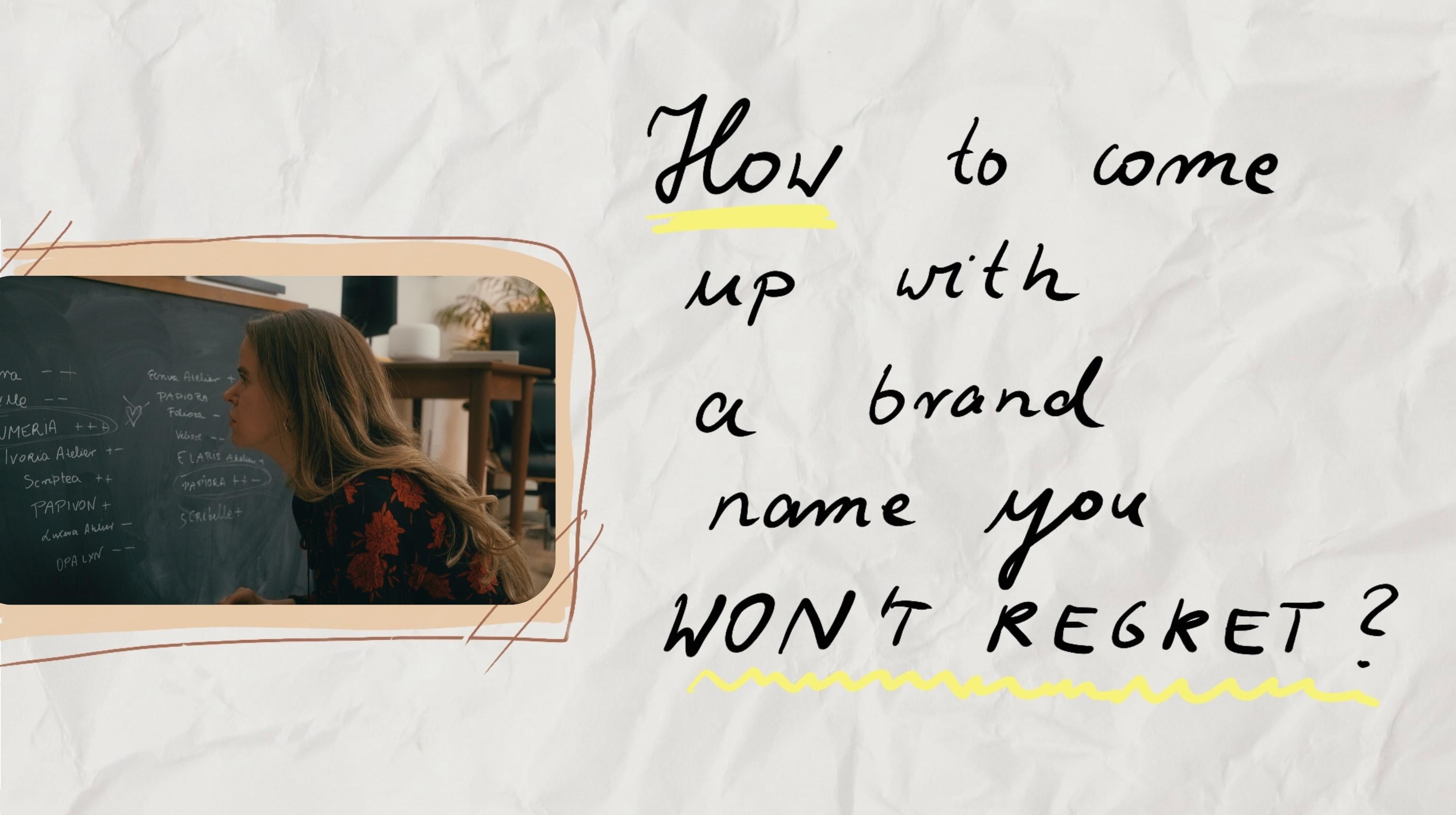
name is easy, right? You just bleed for it a little. You circle the same 15
words per mouse like they are going to confess something
if you stare long enough, you ask everyone you know. You also ask people
you don't know. Some strangers on the
Internet, as well. You change your mind
at least 12 times. You buy some domains will
never, never touch again. Like tiny digital headstones for versions of
your dream brand or your dream online existence that could exist,
that almost existed. And then one night somewhere between
obsession and exhaustion, you land on a business name. Not because it's
objectively perfect. But because it finally feels
quite enough to live with? Yes, it will look
good on Instagram. Oh, no. It's taken. H. I was joking
at the beginning. Picking a perfect business
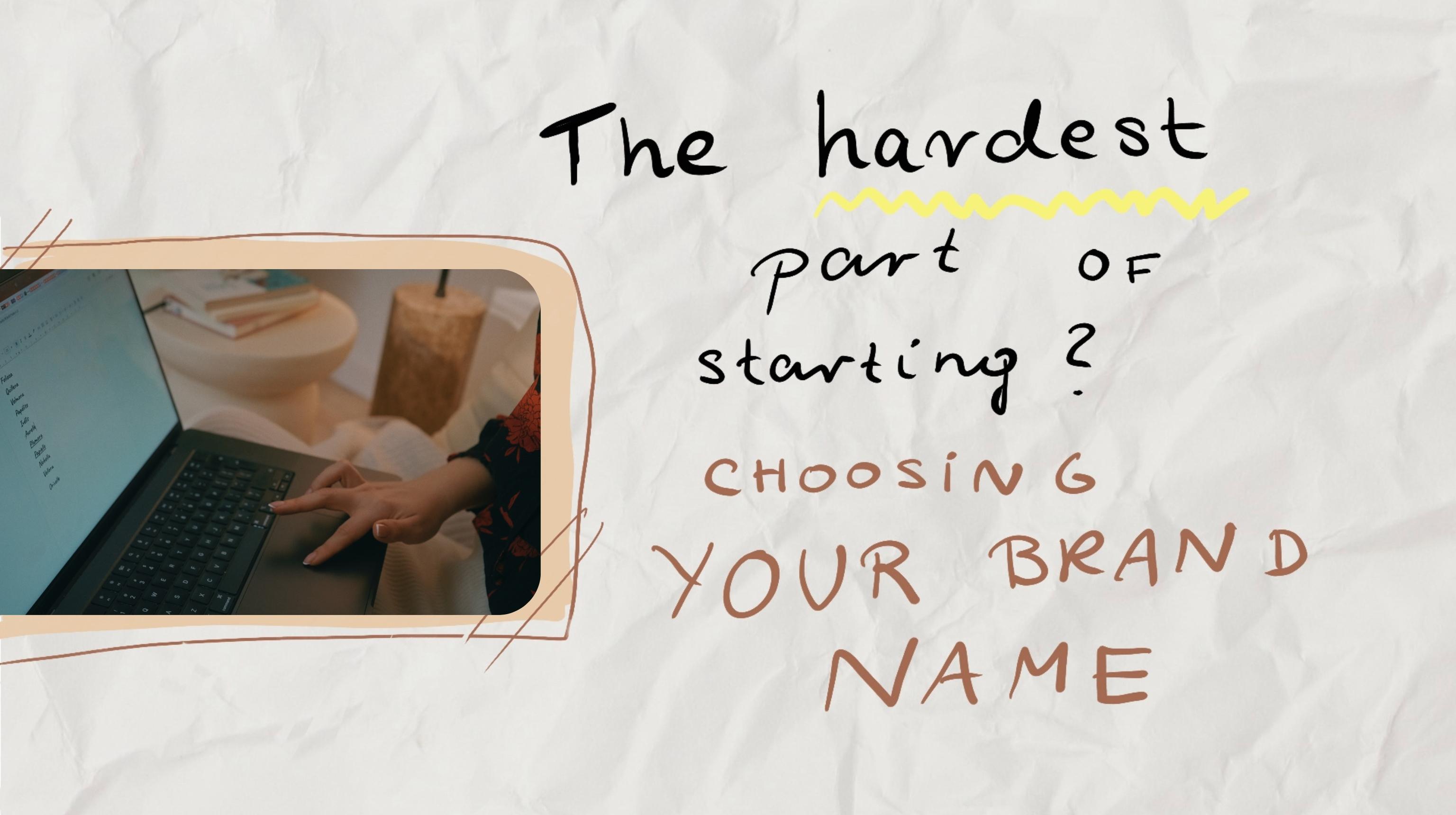
name isn't easy at all. Picking a name for anything
is the hardest thing ever. But today, we are going to make this process a bit easier. Okay, let's go.
2. Class Project: Class project. All right. Time for the class project,
your little homework. I don't want you to share the final name of your dream branch of
your dream business. I want you to share the
one that almost made it and then didn't your
homework, your task, your class project is
to share a name you seriously considered for
your business or your brand, a name, a business name that lived in your
head for a while. Maybe even felt completely right for a moment of a long moment, but that you are now sure
that it isn't the one. And most importantly, tell me
why it didn't make the cut. Maybe it sounds cool now, but it won't age well. It's too niche, and you
know it will be a problem in the future as you brand
and you change and evolve. It felt right emotionally,
but wrong strategically. There are no bad answers here. This class project is about
reflecting on the process and noticing how your
thinking evolved. So share your almost name in the class project
section along with a sentence or a few sentences about why you decided
to let it go. Trust me, this is way more helpful and
fun than it sounds, and you will probably
recognize yourself in other people's stories and other people's class
projects, too. So I can't wait to see what names didn't survive
the process and why. And now let's go
further and let's find the perfect name for
your business together.
3. One Business Name Can’t Do it All: One business name can do it all. Your brand could be called
literally anything, which is both freeing and
completely paralyzing. I know. At first, this sounds
like good news. Wow, we have so
many possibilities. Wow. We have infinite
possibilities. The Canvas. The whole
alphabet at our disposal. And yes, of course, there are some AI tools
that will happily spit out hundreds of name
ideas in seconds, neatly checked against
trademark databases, served warm and confident, but that part isn't
the hard part. The hard part comes
later when you are staring at a long
list of maybe it's not the right one when every option feels spine and wrong
at the same time. When you are trying to turn a word into a story
about your brand, about your dream,
about your vision, and a story into something
you can defend in a room full of opinions and
full of people's opinions. So the hardest time is
when you have to convince yourself that this
name is the one. And in my honest opinion, we have to face it
that one name can do everything because your
brand name is one word, maybe two or three
in some cases. It's not your pitch deck. It is not your manifesto. It can't explain in detail
your product, your values, your vision for the future
or the promise of the brand. It just can't there are a
few types of a brand name, and the type of the
name you choose does matter because
it sets the tone before you say anything
else about your brand and about what you propose
and offer to do it. And some names explain
themselves right away. You hear them, and immediately know roughly
what you are dealing with. Others are more suggestive. They don't tell you much. But they feel like
something like an emotion. They evoke something in you. And then there are names
that are almost blank. They mean nothing to
you when you see them, but then with time, they slowly fill
with this meaning, and none of these
are better or worse. They are just
different strategies and different categories
of business names. The mistake, though, is
expecting one word to be crystal clear and poetic and original and
flexible and iconic. When you start by deciding what kind of work the
business name should do, for example, maybe it should educate, evoke
emotions, provoke. You give yourself away
into the process. So that's the first
step, basically, because that's when we stop
brainstorming blindly, and we can start
choosing with intention. But then I have the second
uncomfortable tree for you. There are no truly original
names anymore. Not really. Because right now
the world is full of companies,
products, platforms, site projects, and half
abandoned startups that still technically
own a domain somewhere. Every sound has been made, every clever twist
has been twisted. Even the things that feel new usually rhyme with
something that came before. So I've noticed
names move in waves. As in everything, trends leave fingerprints
everywhere. Just look. So chasing total originality is a great way to exhaust
yourself because right now, unfortunately,
it's not possible. If you zoom out a bit, you start to see that names
don't appear out of nowhere. They just arrive in waves, fashion cycles,
but for language, for ways, for business names. For example, the
missing Wovel era is the easiest one
to spot in insight. Mid 2000 optimism,
early Internet colors, domain names were scarce, and everyone was allergic
to look in corporate. So we dropped owls,
flick tumbler, grind. It felt modern at the time. Then we swung hard in
the other direction. Pin Rs, Instagram, Snapchat, names that politely explain themselves while still
sounding friendly enough to download the up because they were telling you what to expect,
what the app is about. You didn't need a pitch
deck to understand them. The product lived
there in the woods. It was the era of clarity, speed, and growth at all costs. Around the same
time, the iFi wave took over this Spotify,
Shopify, Cabi Phi. Everything wanted
to become a verb. Everything wanted
to transform you. It was less about
what the product was and more about what
it would do to your life. And now we are here the EI era. When names business names
suddenly feel heavier again, open a eye inflection AI, figure AI, almost institutional. Less fun up you will love and more this might quietly
reshape the civilization. So the question is, where do you want to
belong with your business? Is it a personal business or a business you are
planning to scale? Where do you want
to belong with it? Also, look, some of
our favorites and the whole world's
most memorable names aren't clever at all.
Just take a look. That's why naming works best when it's less
about standing alone in the void and more about positioning
yourself in the crowd, but distinct enough
to be remembered.
4. The Identity Crisis: The identity crisis. I think the reason you might be stuck right now
is that you are looking at your business
and your dream business like a label on a cardboard box. When you name a box,
all tax returns. Nobody wants to open it. It's literal, it's boring, and it's a dead end. Most people I know do
exactly this many times, they name their business decade social media management agency because they are terrified. That if they aren't literal, nobody will understand them and nobody will understand
what their business, what their services are about. But let's be real. Safety is the quickest way
to become invisible in today's ocean of noise and AI generated ads and AI generated
posts on social media. So I think you need
to name your essence, not your function because your function might
change as you brand, as your business evolve. Think about Jeff Bess. If he called Amazon, the online tech store or
the online bookstore, he would have built
a cage for himself. Instead, he chose a name, a business name that suggested scale flow and
everything from A to Z. He named the energy
of the business before the business even knew what it was going
to be in the future. So you are a creator, which means you are a living, breathing thing that is going to change as well as your
brand and your business. Look, two years from
now, you might hate, you might absolutely hate the service you are
currently obsessed with. If your name is the Romance queen and you suddenly want to write
science fiction, you've put yourself in a
self inflicted prison. We are looking for
your Northstar vibe. And are you here to
be arrogant with an edgy vibe or are
you the cozy corner, the cozy creator with the business that you want
to have the same vibe? It's a good idea to
name the energy and let the product and the business name flow in the same direction. So I'm really sure when I observe the business
names landscape, most people fail at naming their business because they
are trying to build a cage, not a home, not a forever home. Do you think a name has to
explain exactly what they do, and it doesn't
your business name isn't a job description. It isn't a service description. It should be more of, as I've already told
you, a vibe uncle. So before you look at words, look at your soul and your values and your
dreams and your vision. Are you the snaky, opiniated person in the
back of the room or are you the calm
everything is fine person. Who are you? And how do you want your brand to be perceived? And how do you want to make people feel?
Surprising truth. Your name doesn't have to tell people what
you sell, really? It has to tell them how
you will make them feel. Work the muscle
exercise for you. Write down ten words that
describe how your customer feels after they work with you or your product or services, for example, maybe unburdened, electric, grounded, more
relaxed than before. And none of these words can
be what you actually do. Just think about
the emotions and the result of interaction with your brand,
with your business. And now let's do the opposite. Think of the emotions
and of reactions that you don't want to evoke in
your potential customer. Why? Because seeing
the wrong fit helps you feel the right one, and it also helps you to
reflect on your business and on the reactions and emotions you want your business to have. And that's the biggest
inspiration in business naming. Some questions for you. Where are you
playing it safe with your dream business
name because you are scared of being
misunderstood, maybe by people who aren't
your dream audience at all. If you change your
entire niche tomorrow, would this name you
have on your mind right now still be
able to hold you, reflect on these questions,
and take your time.
5. Crazy (but Effective) Methods for Unique Business Names: Crazy but effective methods
for unique business names. Okay, right now, let's get creative and don't play it safe. First, there is this idea I really love the
15 minute sprint. So go to dictionary in
the language you love. For example, Latin,
French Japanese. They have many amazing words
that sound very unique. I love those languages. Look up for words for your
values or your favorite words. For example, speed,
comfort, truth, or your favorite
feelings and emotions. And check how they sound
in these languages. What words do they have for those values and emotions
and your favorite things? And you can combine
them, chop them up. For example, Velo means
fast and Aura means vibe, and you can combine
them into Va, which is such a cool word. And as you can see, it includes
two words fast and vibe. And it can hold so much meaning
inside the second method. Identify your brand's
role in the world. Why do you want to make
your brand exist at all? What does it want to
change for people? What kind of future
is your brand and your business
quietly trying to build? Names that come from this place will feel grounded,
intentional, and confident. So think about it. I think
this is just the basics, but it's such a great source of inspiration for a very
strong brand name. Inspiring examples of
this approach, of course. For example, headspace
positions itself not as an up, but as a way to make mental health more
approachable and human. And it's already included
in the name itself. To good to go, tackles, food waste head on. The name explain
both the problem and the promise in one name. Warby Parker borrows the name of two fictional characters, giving an eyewear brand
personality story, and also the sense of a
culture beyond commerce. The next approach, focus on a specific feature
of At free Beach. So instead of trying to say everything about your
brand and your brand name, say one thing, but really well. What's the detail customers
always mention, for example, in your first products, in your prototypes
or about yourself, if it's a personal
brand, for example. They think they would
miss if it disappeared. This approach works best when your value is clear
and tangible. For example, you are some
inspiration from the Big Weld. Come. Doesn't
overcomplicate things. It names the outcome
you are there for, so it's meant to
make you feel calm. That's the whole promise of everything the company
and the business offers. Draw Box describes
exactly what it does in a way that feels
friendly rather than technical. That's why many non
technical people love it. Slack. The app we all know, reframes workplace
communication as something lighter and much
more fluid than email. So that approach,
as you can see, can be really helpful. Then the next method, communicate what your
brand cares about. It's a very similar approach, and some brands put their values front and center and let
the name do the talking. This works especially well if your purpose is super strong. Let's look at the examples. Ecosia bakes sustainably
into its name, planting trees as you search. Fafone makes ethical sourcing and repubity impossible
to miss. Good trees. My favorite example
Sinals community and generosity and this focus on good positions to read
before you even opened up. The next approach,
tap into culture because names don't have to come from business logic alone. Believe culture is a
massive shed library. Stories, myths are all
waiting to be reinterpreted. So you can look for
inspiration in mythology, study different myths for
interesting words with different meaning that is aligned with your vision
and your brand purpose. But you have to research
carefully because some references carry
emotional baggage and we have to avoid it. And it's not a
very rare approach because look at the
examples Aclas is used across industries in branding names to suggest strength, endurance
and responsibility. Oracle borrows authority from ancient prophecy
to signal insight. And well, foresight. Then a lexury example AirmssPuuls
from Greek mythology, aligning speed,
craft, and prestige. So as you can see,
those brand names aren't chosen by coincidence. They are very, very
strategically chosen. Okay. The next approach
is a little bit crazier. Reimagine the brief. Sometimes the best names
come from pretending you are naming something else
entirely something else. So step outside your category
to stand out and on each. And look, some big businesses already did that with success. For example, stripe. Look at this word. Stripe. It could be anything. It could be a fashion
label or a serve brand, which is exactly why it
stands out in FinTech. Monzo Monzo, it sounds
more like a band or the famous restaurant do a
bank. And that's the point. That's why it's
easier to remember, and that's why it stands out in its category
and its niche. Find a metaphor. I don't know about you,
but I love metaphors. They let you say something true, but without being literal or
without being too cliche. So they give you this
flexibility and depth, especially as your product or your business evolve,
and it surely will. So let's look how big
businesses use this approach. Canva. Look at this name. It suggests a blank
space for creativity, and it suggests that you can do anything you want
inside the app. Snowflake, the data platform. It leans into
uniqueness and scale because every snowflake is unique. That's what I've heard. Torch. It implies guidance, clarity, and passing
knowledge forward. So that's also a very,
very strategic metaphor. And this is also the very
inspirational method considered structure because how the name is built can also
matter so much, and it can change the vibe
of the brand name so much because tiny decisions like
deciding verbs versus nouns, spacing, punctuation,
it really changed how the name feels in the mouth and in the
mind when we look at it. So look at these inspirations. For example, we transfer. It starts with W, and
that's why it feels generous and human only
because it starts with we. Now, Kickstarter. It uses verb to suggest
momentum and new beginnings, and that makes it more exciting. Linked in combines
action and context, and it was meant to make professional networking feel
active rather than study. That's the promise. So think
about these approaches and which one feels the most
inspirational to you, and this is very important
experiment with them. Look at the examples, think about those approaches, those methods, and brainstorm yourself for your
dream business. And now,
6. The "Grandma & The Club" Test: Grandma and the clop test. Look, our brains process sound before they
process meaning. There is this linguistic concept called the Buba Kiki effect. Some sounds feel round
and soft like ML and O, and others feel shop and high
energy like K, T, and Z. And if you are selling a
peaceful meditation up, but accidentally,
your business name, it sounds too energetic. You are fighting
an uphill battle against human psychology. So this also leads
us to the clop test, which is very important
when you already have your dream
name on your mind. If you have to scream
your name over a heavy baseline in a dark room, do they understand
it on the first try? Because listen, if
your name is really, really hard to hear, right, for the first time, it has some complicated
leather combinations, some complicated vowels. Or it starts in a surprising way and people have trouble with hearing it right
the first time. You are basically
making it harder for people to give you their
money. So think about it. Your name should
be really easy to pronounce and to hear
well on the first strive. Then there is the Grandma test. When you tell your grandma, any other older lady, your business name, does
she look at you with pity or does she say,
Oh, that's lovely. Because, look, I mean, with your business name, we aren't looking for
cool misspellings. We are looking for
mouth friendly words. And of course, your
brand name isn't for everyone because not everyone
is your dream audience, but Everyone should
be able to hear it right and pronounce it
right on the first stripe. This is very important because otherwise you are complicating. You are making it harder
for you to succeed. Really. Also, think
about Google. It's essentially a
baby's first sound, and it conquered the world. Don't be a mouth clutter brand. Be a brand that
feels like a clean, crisp breath of air, and everyone can pronounce it. So if your grandma or your older neighbor can
spell it on the first try, go back to
brainstorming because I think you should choose
something simpler, something easier to pronounce. This is very important
because people are going to say your brand name
loud so many times, and some people will be
from other countries. You don't want to make
it complicated for them to remember and
pronounce your name. So here are the
mistakes to avoid. Avoid how to spell names. Really? You don't want
potential customers getting confused about how to
find your business online. You also want to avoid
having to continuously correct the misspelled
versions of your brand name, or you don't want to have to buy five different domains with different ways
people pronounce it. So keep it simple and you will save yourself
time and money. Here are some
companies that I think might have problem nowadays
if they launch today. Tumbler, for example, I
don't know about you, but I love tumbler, and I'm still active on it is like my little private diary. I don't treat it like
a social media at. That's why I love it so much. But I never understood why they dropped the E. And for years, people were
accidentally searching for high end clothes dryers. Drink tumblers instead
of a block platform, and you shouldn't
have to provide a spelling lesson every time you tell someone where
to find your work. Scribe. I never understood why they chose a name
that looks like a cat walked across a
cubods a cluster of consonants that feel like
a mouthful of marbles. So if your name
looks like a typo, people will have trouble remembering it and
writing it down. Lulu Lemu I never
understood why they picked a name that is physically difficult for certain
people to pronounce. It was actually I
know it was actually designed to be difficult for
Japanese speakers to say, which is a whole another
level of vibe gone wrong. But if your name is
a tongue twister, you are literally building a wall between your
customer and your brand. Blush. I never understand
why they needed two. It's not more blush
because of the DL. It looks a little bit like
a typo that forces me to hit the backspace
key three times. So when you add extra
leaders for vibe, you are actually just
adding friction and adding problems for your potential
future customers. So don't do that. Publiss Okay, I have to admit I also never understood why one of the
biggest marketing companies in the world picked a name
that half the population is afraid to say out
loud because it sounds like a medical condition. So if your customers are too embarrassed
to say your name, they won't talk
about you so much. It's not controversial. It can be a problem. So this is also the thing to
avoid. So think about it. Can you shout your name across a crowded loud music club and
have someone understand it? And can you explain it to your grandma without a
20 minute Power Point, how to pronounce it and
how to write it down? So, keep it two or
three syllables marks. If people have to ask, wait, but how do you spell that? Every time you say
your name out loud, you've already lost the bottle. So little exercises for
you the free second shot. Say your top free name ideas
out loud five times fast. If your tongue trips, the name is too long or the
phonetics are cluttered. Reflect on that. Can you top
name ideas to free people, call them and say it once. Then text them with the name and ask them
to pronounce it, for example, to record
how they pronounce it. If they get it very wrong, I'm afraid you have
a spelling problem, and the name is too
difficult to work. Okay, now some very
important questions to you. Are you choosing a
complicated name because it makes you
feel intellectual or RC? If so, I totally
understand this approach, but you need to
remember it has to be easy for your
potential customers, for your future customers
to pronounce and type down because look at
all the successful brands. Yes, most of them, like 90% of them, is very easy to write
down and pronounce. So, ask yourself, can a
9-year-old pronounce this on the first try or are you
building a barrier to entry?
7. Future-Proofing. Don’t Paint Yourself Into a Corner!: Future proofing. Don't
paint yourself into a cone. It's impossible that you will stay exactly who
you are right now. I promise you you won't your business
something hyperspecific, is like buying shoes too size too small because they
look cute in the window. Eventually, it's going
to hurt to work. For example, the name the 20 something
freelancer is a name with a ticking time
bomb attached to it. London digital this
name is also a cage, because if you ever
decide you want to move to a farm, for example, and raise goats and rate
your substack from there, the name will be misleading. So we want more of
a gallery name, an umbrella that can house many different exhibitions
exhibits over the years. Abstract names are the ultimate future
proofers because they are empty vessels waiting for your creativity
to fill them up. For example, Nike
doesn't sell shoes. They sell the spirit
of the athlete. The spirit can
live in a sneaker, a shirt on a tag up. So don't put yourself back in a cage by choosing a name
that you will outgrow. In 18 months. Pick a name that feels like a big empty studio
with a lot of light. Give yourself the space
to become whoever you need to be next without
having to file for a new LLC. This is the biggest
mistake I see creators and entrepreneurs make. You name your business. Like, for example, the one the example I've
already mentioned, the 20 something creative, and then suddenly
you're 30 and you feel like a fraud and you
have to change the name. Or you call your business San Francisco Saramix and
then you move to Paris. So you need a name
you can grow into. So avoid numbers like your age or the year,
specific locations, unless you literally
never plan to move out and leave
hyperspecific products. So don't name your
business the blue sock. If you might want
to sell hats later, try to think more
abstract or suggestive. This will give yourself
this room to breathe. So imagine it's 2040.
You've evolved. You are more
successful than ever, and you are launching a
completely different product. Does your current
name idea still sound cool or does it feel
like an old prom dress? List three things
you don't do now, but you might want
to do in five years. For example, writing a book, hosting a yoga retreat, selling a physical product. Does your dream name, your idea, your name, the name
you have on your mind, let those things happen. And now let's dismantle the ego and some important
questions for you. Are you naming the
of today out of insecurity or the U of the
future out of ambition? Does this name you have on your mind rely on
a current trend that might be embarrassing in 24 months? Think about that.
8. When Every Good Idea is Taken (The @ Handle Hack): And every good idea is
taken the handle hog. I know it's unjust. It's so annoying. So you come up with a name, a business name you
love. You are ready. You can almost see the
logo, the whole branding. You can feel it's the
right one. It's the one. And then you go to
claim the handle and nope Tan everywhere or taken on the platform
you care about the most. By who? Very often by a ghost account with free followers and a
profile picture of a dog. But a cute dog. But don't worry. This is partly fixable. So, do I have any advice for a situation like
this? Of course. Don't be the person who names their business Golden Hour
and then has to handle Golden Hour official 990
Golden Hour numbers? These creams, I'm
late to the party. But there is a workaround. If your dream name is taken, you can use action prefixes. For example, wear your brand, ring, your brand, studio, your brand name, hi, your brand. So there are many options. Here are some of them. And I really love this workaround because
it keeps the name clean and tells the algorithm exactly what you are doing
without the messy underscores. Because nowadays, your handle is the front door of your brand. And if the front door has five pad logs and a sign that
says the name official 99, it often looks like a
scam, unfortunately. So, like I said, it's signals that you were
late to the party. We don't want that.
We want you to look like you own
the party. Okay? So this is where action branding becomes your secret weapon. You can also add a verb. For example, get
your brand name, use your brand name. Join the brand name. And these don't look
like compromises. They sound like
thoughtful invitations. To participate. So that actually convert
better because they tell the user's brain
what the next step is. And as I've already mentioned, avoid underscores and periods
like the plug because they make you harder to type and harder for sich engines to find. You want a name that
is easy to say on a podcast or shout in a TikTok
because if it's not clean, if it's not simple,
it's not working. So secure your
digital real estate across every platform now. Even the platforms you hate
because you are protecting your future self from someone else squatting on
your hard work. So this is your homework from
this part of the course. If your dream name is taken, take your favorite idea and
pair it with five prefixes. Hi, G. A, meet. Which one feels like an invitation rather
than a backup plan? Which one is the
best choice for you? You have to analyze that and breasn that with
the whole team. So with all your brain self go to Instagram,
TikTok and Youtube. Search for your
idea for your name. If the handle is dead, no post in two years. Okay. Yeah, I know.
I know how it feels, but you have to write
down the action verbs version you
will claim instead.
9. The Feedback Trap: Feedback truck. Asking for a feedback, I think is very often just the polite way of
asking for permission. If I ask you to imagine being 13 and standing in the
door of the lunchroom, that's exactly
what it feels like to share a brand name
for the first time. You heard pounds because you are wanting for someone to
tell you if you belong, if it's okay, if it sounds good, but belonging is a
decision to make. So stop asking your mom, your husband, or your
accountant for their opinion. They are looking for safety while you are also
looking for impact. Also, as you most probably know, they might not be a
perfect audience anyway. But don't get me wrong.
I love your mom. I really do, but she's not your target audience
in most cases. So very often, if you show your business
name to your family, they will send down all the interesting
edges until it's boring. You know, smooth
pebble that offends nobody and excites nobody. Instead of asking,
Do you like this? Try a flash test. Say the name to someone, wait 5 minutes, and then ask them if they
can remember it. If they can't, chances are the business name is too
weak or too complicated. It very often comes
down to this. If they say it's weird, but I like that,
it's actually a win. It means you made a
dent in their memory. When you ask people, what
do you think of this name? They feel obligated to find something wrong
with it, to help you. And it's a trap. So instead, tell them, I'm naming my
business. Mm hmm hmm. It's about and
watch their faces. Do their eyes light up? Do they lean in, or do
they look like they are trying to solve enough
equation in your head? Always stress their action, their emotions, their eyes, not necessarily the
feedback they speak. So, as I've already told you, the flesh test is
very important. Tell a stranger or a distant acquaintance,
your name idea. Don't explain it. Talk about something else for 3
minutes and then ask, do you remember what was the business name I just
mentioned 3 minutes ago? If they remember it,
you've got a winner, it's a good one because they remember it
for the first time. That's a very good sign. And if you still hesitate
or if you chose a name, but you still have some doubts that it
might be too weird. Ask yourself, why do you care if someone who
isn't your customer, your perfect audience
thinks your name is weird? Why do you care so much
about the opinion of people who aren't
your dream audience? That's a very
important question. So if you hesitate or if your idea is too
brave, think about it. Maybe, maybe it's a good risk, and it should be taken.
10. The "Detective" Phase: The detective phase. Research isn't always good. Sometimes research is
the most common form of self sabotage for
creative overthinkers. It feels like work,
but it's actually just a way to avoid the scary
part, making a decision. So you are going
to give yourself exactly 60 minutes to do this
for this detective phase. And then you are
going to stop, okay? So right now, when you
already have your choice, your dream business name, and a strong choice
in your mind, we are looking for
legal land mines. We are looking for legal land
mines now, not inspiration. So open the trademark database, KSS, and search for
your business name. If a joint company
already has it, unfortunately, I'm
sorry to say it, but it's a dead end. Don't try to fight a
corporation for a name. Unfortunately, they
have more money and less soul than you do. Next, if there is no problem, I hope the first step went okay. So next, run your name through a slang dictionary
and a translator. You don't want to find out that your elegant brand name means
thrush in another language. Finally, the next step, look at the URL. Dot com. Look if the
domain is still available. Dot com is still
the gold standard, but.co or dot studio are the
new cool kids on the block. And if the.com is for
sale for 50 K walk away. That is money. You should
be spending on your craft, not on a digital parking spot. At least not until you are
really big company, okay? And really, I meant it, check the trademark database. It's really very imprint. If it's taken, don't cry. It just means the universe
has a better word, a better business
name waiting for you.
11. Dropping the Anchor (The Hard Launch): Dropping the anchor,
the hard lunch. Confidence is not
something you have. It's something you do,
right? Remember about it. So sometimes the only difference
between a dreamer and a creature is a Confirm
purchase button. Buying the domain and
claiming the handle is a contract you are signing
with your future itself. It says, Yes, I am willing
to be seen with my dream. You can change your
business name later. People do it all the time, but you can't change a secret. A secret doesn't pay the bills. So it shouldn't be kept as a secret because at some point, you have to decide
that you belong. You have to stop being the uninitiated person
with a secret project. And become the person
with the brand. So what you do now, your homework for now is this claim the handle on
TikTok and Instagram. By the.com domain, even if you don't
build the site today, say it loud ten times
in the mirror to feel to feel this energy that this name is
going to be yours. And well, the door is open, so walk through it. I really hope your domain
isn't very expensive. From psychological
point of view, spending that 15 bucks is the psychological bridge
you need to cross to take yourself and
your project seriously. And when it's done, do the free stranger pitch. Mention the new business name to three different people today. For example, the Barista, the male carrier,
the person in line. Don't ask for feedback. Just state it as
a fact, you know? For example, an
elevator, you say, I just launched my new business, my new project, and
the name Mm hmm. I already mine is official. Just to feel that energy. It's such a powerful
move, really. You shouldn't keep
it as a secret. Okay, now some
important questions for you because you still
might have some doubts. What is the absolute
worst thing that happens if you pick
the wrong name and change it in a year? Spoiler, know your
business won't fail because of it if you have a great strategy,
and I hope you do. And I really hope you are ready to be seen
with your dream. And let's not stay a baby
bird in the cage forever. That's the worst we could do for our dreams and our businesses.
12. Why Your Business Name Doesn’t Matter THAT MUCH: Your business name
doesn't matter that much. Okay, here is the secret
nobody wants to hear, especially not in the
course about naming. Your business name probably is the least important
thing about your brand and your dream business. I know. It sounds like heresy, like showing up
to a fancy dinner and announcing you don't
believe in using forks. But it's true, companies don't usually collapse because
the name was too weird, too difficult to pronounce
or not optimistic enough. They collapse because
the product didn't work. The strategy didn't
land the team couldn't execute or the world moved and they stayed still. Even the most amazing business
name doesn't save you from bad decisions and look at the brands we live
with every day. Some of them are objectively very weird if you pass long
enough to star at them. Plenty of names sound like
cartoon bad characters, medical conditions or a typo, and yet they feel normal because repetition
is a powerful drug. Say anything often enough. Attach it to something useful, and eventually it stops being a word and becomes
a place in your brain. And that's the
thing about names, they harden into meaning. At first, they're a bit awkward. You keep noticing them. You keep second
guessing yourself. You ask five friends, and they all become
philosophers. One says it's a genius idea. One says it's cringe. One says it reminds them
of their excess dog name. So maybe it's not a good idea, but give it time, give it consistent use. A clear promise and enough
people talking about it, and the name fades
into the background. Nobody stops to analyze it. They just say it.
They just click it, or they just buy it. So if the name is the
least important thing, why obsess over it? Of course. Because this is
the rare part of building a brand where the cost to upside ratio is
actually in your favor. You don't get many
moments like that. A good name won't carry your business,
your whole business, but I absolutely can
smooth the road a little. It can make you
easier to remember, easy to recommend,
easier to trust. It can make your face impression feel clean instead of confusing. It can spare you the slow
quiet bleed of having to explain yourself every single time you introduce what to do. And what your business name is. And that's why naming matters because it's one of
the few things you can choose early
deliberately when you still have your hands
on the steering wheel. So it's the most important,
least important thing. Not the fuel, not the driver, but the sign on the door, the one people will
read before they decide whether to step inside.
13. Final Words & My Questions to You: Final words and my
question to you. I'm super curious,
so you need to tell me what's your experience
of naming your business, your dream so far? What resonated with
you the most today? What do you think
about this process? And how do you feel after
watching the course? Please tell me, I love reading your thoughts and
your experiences. So if you feel like show up in the review
and discussion section and share a few words. And I will be right
there keeping my fingers crossed for your
dreams and your business. And one more thing, do you have any wishes or
suggestions for my next course? As you probably know by now, I really love creating courses
that are actually useful. The kind that help
you move forward, not just feel inspired
for 5 minutes. So seriously, don't be shy. Tell me what you need, what you are struggling with right now, what you want to build next. And thank you so much
for this time together. Thank you for being
here with me, and I hope I will see you in the discussion and
review section. See you.
 Kasia Pilch, Online Strategist & Marketing Specialist