Transcripts
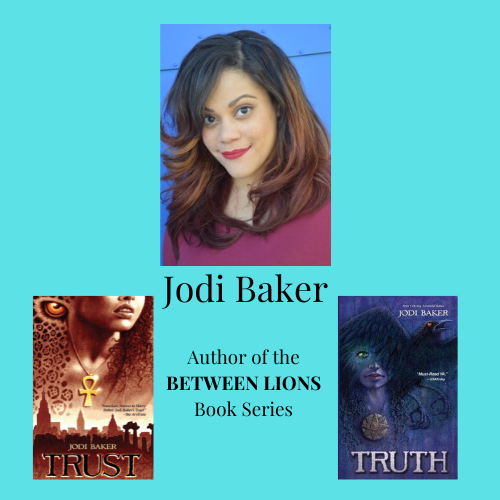
1. Writing Characters with MMUSE Intro: I'm Jodi Baker, author of the Between Lion series and
your new writing teacher. I've taken everything
that I've learned from my artistic training at Walnut Hill School for the Arts and Carnegie Mellon University. And I've combined it
with the experience that I've gathered from
being a professional author, and from coaching storytellers
on retreats in workshops, and teaching my writing classes. And I've put it all together to create a method that I call me, the master method to
unlock story effortlessly. We gives you the tools,
tricks, prompts, and techniques which I
call keys because they unlock inspiration and open
up your unique writing voice. In this class, I'm going
to teach you how to create fascinating, ngible,
believable characters. You're going to learn
the five key questions that unlock great characters. We're also going to delve into key archetypes of
story characters. I'm going to give you
an archetype map. It's going to act
like a cheat sheet, and it's going to help you to answer the five key questions. And I'll also give you an
extra master lesson so that you know how to use
these repeatable techniques on future stories. And then we'll complete
our class project answering the five
key questions, creating unforgettable
characters for your story. Let's create fascinating,
unique, believable characters. Your readers and your
audiences will love.
2. MMUSE Story Character Worksheet Project: The five key questions will unlock everything that
you need to create three-dimensional
characters and inspire you to start telling
their story. This is not your stereotypical character
profile worksheet. It's designed to help
you think differently, efficiently, creatively
work smarter, not harder, by asking the most
important questions, the essential things that we need to know about
your character. The five questions will
effortlessly transform your writing process from creative chaos to inspired
technical mastery. Amused method away to create character profiles
is more creative. It's designed to inspire storytellers and give
them info they can actually use and stop you from falling down any
writing rabbit holes. So before you start the project wants to lessons that break
down the thought process. In the key questions, lessons, I'm going to share,
oh, my other secrets. I'll explain why each question is essential and
how to answer them. Like a professional writer. I've provided the key
questions worksheet, an archetype map to help
you complete your project. All of the questions are designed to build
upon one another. Your answers will
fit together like a puzzle to make sure that
that happens for you. Here's my extra tip. Watch the archetypes lesson and download the archetypes map. Before you start the worksheet. You're going to
want to use it like a cheat sheet to check your creative work and make sure that you're on
the right track. Then we will download
the worksheet and answer the five key questions. Completing your class project. The key questions will help
you to transform your ideas into a fully fleshed, believable, three-dimensional
characters. So if you are ready
to unlock character, start with the first
lesson where I'm going to reveal the key questions
3. First Key Writing Questions: Every great story starts
with great characters. You can have all of the action and emotion
and world-building and imaginative and plot events
in or out of this world. But if readers and
audiences don't care about who the
story happens to, they don't care what
happens to them. And that is why our
class project focuses on the WHO creating
believable characters. Someone that your readers and audiences well
emotionally invest in. Let's begin by introducing the
first three key questions. What do I desire? Why do I want it? And what's stopping
me from getting it? Let's break these
first three questions down so you can see why they're essential and how
they unlock character. Human beings want
something all the time. It's how we move in the world. Everything that we do is
based on what we want. When I first figured this out, I thought that is
really selfish. Narcissistic is humidity only doing things because we want? In every culture, all of our
stories are about desire. But in truth, as a storyteller, as an artist want to
create believable people. Understanding that rural people are motivated to move apps, choose fight, try because they want something all the time. Our job, a lot of
safety control, room nor wake up in the morning. What's the first
thing that you did? Kiss her mate? Or
is it Nick coffee, breakfast gives your kids a
hardware but dug out golfer. Check your phone. Are you late so you need to
get ready really fast. All of those things from Jump boil down to what do I
want them this moment? What do I want in my life? And the choices that we
make revealed your mike, our priorities in
life, what we want, how to satisfy our
needs in a moment or over a significant
amount of time. Desire is the key to everything. It gives your
character dimensions, makes them relatable
and believable. And knowing what your character wants will actually
motivate you to write. Let me show you what I mean. I'm gonna give you two
sample writing prompts. Which one is more inspiring? I am angry at her. I want to destroy
her obvious right, one and exit curious ideas that drive story began to flow. But also, here's why I want to destroy her is better
on a technical level. So when someone says, I'm angry at her, readers and audiences seen that, felt that before
these dismiss it, The distance from it. But here's why our brains
are trained to scan for new. It's a survival tactic. When we walked down the street, we see the grasses,
sidewalk house the tree, but we'll stop to examine
every blade of grass we pass. We'd go crazy. Though our minds say, I've seen that I know what
that is, that's not important. I don't have to pay attention
until we experience something new that pierces
through our defense system. So if they say, I wanted to destroy her, our brains wake up
because it's a desire, a new clear desire that
will affect people, places, things, it's
going to change stuff. We need to pay attention to this because something
is about to happen. Desire motivates action. And that is why readers
and audiences are fascinated by people
who wanted things. Stateofbeing, don't
drive characters to act, make choices, or engage in
compelling relationships. Emotions inform us what we want. They clarify our desires. Disappointment, elation. It's all information that we use to figure out
what to do next. So if you're an
empathetic person, putting yourself in the
emotional state of a character. Absolutely works. If you use the emotion
as the first part of the sentence and use it as fuel for the character's desire. I'm so angry that I
want to destroy her. Desire, insights, action
and conflict and choices It creates multi-dimensional
people and relationships which inspire
you the storyteller. So think about your
street timeline and ask, what does my character want? What's their desire? Here's some examples of story. Desires. Money, freedom,
revenge, love, family, survival. Find the killer, save the world. Let's look at the
next key question. Why do I want it? If the yummy asked a question, he has the answer. I'm going to give you
all the 3D 5D, 12 teeth, really, because we're
looking at what caused them to
want their desire. It's an exciting,
interesting filter. If you have a big character
profile list of traits, know what to keep
and what to dump. If something is or is not
aligned to a character's, why? What beliefs do they have? Is there something in their physical description
that has incited this desire? Something they
have or they lack. Did something happen good or bad when they were three or 12, that caused them to
desire something. Right now, that has made them
want something desperately. Making three-dimensional
characters is giving them a history, lines or explains
why very clearly, why they must have this desire. That why dictates how we, the readers and audiences
understand and empathize and connect and relate
to your characters. And it will dictate how you move around in your story world. All of the y's create another thing that all real
people have inner conflicts. And let go fancy
reading school term for what makes people unhappy. Being without our desire
causes us to feel unhappy. So y is gonna be a wound
of fear and this belief, it's something that stopped
them from being happy. Thing that's going on inside
of them that makes them, to change their circumstances, makes them absolutely need
to fight for their desire. Why your characters y could be the inciting
incident that begins your story and event
like a wedding, funeral or natural disaster. An abrupt change like a job
loss or spouse wanting and divorce or a problem
begins for your character, that makes them
desire a solution. The Y could be from
the character's past, something that happened
before the story began. A trauma or a wound that scarred them deeply
or something they witnessed someone
embracing their power or their grandparents
happy marriage, which is why they
desire or soulmate. The y could also be
a lesson learned from our past
mistake or triumph. Or the Y could be that
their desire is a long cherished,
wished for dream. There. Why could also be
tied to who they are? Because of a special gift
or talent or ability. You can figure out all sorts of delicious details about your
character from the why, why they believe will
bring them happiness. How is there a wound, fear or Ms belief stop them
from getting what they want. They respond to joy or pain. Any value, family,
money, love, power. You can even find out what
kind of secrets for characters keeping In a moment or
throughout their life. Let's look at the
next key question. Stopping me from
getting what I want. What are the obstacles? If they're stopping
your character from getting their desire? See, we want to put
obstacles in our heroine, protagonist and villains
way that our story worthy. Because obstacles, snake
stories dynamic, interesting. Because they push characters to grow past perceived limitations. They evolve, which
make them feel real. Your characters obstacle
could be upbringing, limited skill set,
or limited beliefs. Could be prison walls or health. Their obstacle could be a magical object or even
a zombie apocalypse. Anything that stands
between them and their desire to get you started. Here's some examples
of possible obstacles. If the obstacle
happened in the past, it goes in your y is affecting your character
psychologically. But if the obstacles
and the present, the now that your character is dealing with trying
to get around, It's an obstacle and it can
also become a flood event. So focus on discovering what is stopping your character
for moving forwards now, in this story moment. Now you have the first three
keys to unlock character. Take a minute and jot down any ideas muse
inspired you with. And then meet me in the next lesson to get
the last two keys, you're going to need
4. Last Key Writing Questions: Welcome back to muse. And the last lesson, you got the first
three questions. Next last two keys are, what happens if I do or
don't get my desire? And how will I try
to get my desire? Let's dive right in. What happens if I
don't get my desire? See, this is the answer to 50% of all the reading
problems that I see. When people have a
really great character, solid world-building,
really interesting premise. But they come to me unsure, why is this not working? The answer is consequences,
urgency, stakes. The stakes are way too low. If someone wants something, it has to feel
important, essential. Once upon a time I wanted
this and I got it. That's not the story worthy. If your character walks out
of the house on Tuesday, I don't want to know
why Tuesday was the most important
day to share with us, the readers and the audiences. What's great or exciting or terrible about that
particular tuesday? See me know this logically. But when you're juggling dialogue and story
pace and descriptions, all the things in storytellers
get to play with. We sort of accidentally
forget rather easily to make sure
that the stakes are as high as they can be. It cannot be easy
to get the desired. Characters won't
attempt to achieve the impossible unless there's
something at stake. Truthfully, if your
story has no stakes, you'll have no
interesting characters. Characters, action
characters don't have a reason to grow, and you'll have no
writing momentum. Emotional investment from
your readers and audiences. Plot pays attention. Union stakes. Here's the news method
to unlocking stakes. He take their survival, their safety, their security, and yet threaten it. Writers can fall hard for our creations and
that can cause us to solve their problems
far too quickly. Because nobody wants to feel
like a statistic puppeteer. But truthfully. If you can resist
the urge to be kind, disguise curses as blessings, drive your characters
onto perilous roads. Push them from the
highest towers. Let victims explore
dark shadows and allow villains to become the
heroes of their own stories. You're going to be
a masterful writer. Be the bad fairy godmother. It doesn't have to be a
Marvel movie or squid game, both of which are awesome
examples of high-stakes. It can be that your
characters are feeling up really
personal secret. I'm in love with
my best friend and I'm coming out to my family. I need to tell my children
and I'm getting a divorce. However, it is if the
consequences of that action, if things go well or badly, if you do or don't get your desire, that
justifies behavior. And it'll inspire you because if your character really
wants it, you know why? And the obstacles are so tough, but the stakes are really high. The EU, as the rider
become an idea generator, you're going to
inspire yourself. But if there's a
way that yet could fix it or you could
do something. You need to justify why
the character can't just do that by making the
consequences huge. That's what makes
them believable. That makes them feel
real because readers and audiences understand why
they can't solve it easily, and why their problem. Story worthy. How do they fight for
their desire? Tactics? What did characters tactically
do to get what they want? Here's a key that will help
you to make an active. Use verbs. Here's the list of
tactics to inspire. You. Just remember that desires are different
from tactics. Characters want every
tactic to work, but your tactic
shifts as you get closer, further fail, succeed. A character story
desire doesn't shift The story ends when they
achieve or lose their desire. The oldest writing
advice in the world that is show, don't tell. But how do you actually do that? Answer? Tactics will
show and not tell. Imagine two characters are
fighting for the same desire. One uses equations, well, the other fights were sorts. Tactics they use. Show us who they are. Let's say your story
desire is revenge. How would a queen go about
getting her revenge? What tactics would
an influencer use? There are a lot of stories about the ways that mobsters
take revenge. But what about a librarian? If the story desire
is to save the world? Would superheroes use the
same tactics as scientists? A spiritual leader would
try to save a world in a completely different
way than a politician. If you desire, is money. There's a lot of
different ways to get it. If you're an investor, a blacksmith, or a
child in suburbia, Job and desire are
enough to start creating a three-dimensional person without a psychological profile, we already have great story ideas and
interesting characters. The next level of
technique comes in. The ultimate key to 3D
people is specificity, how they look, dress the words, the language they use, objects they own space, they inhabit, how they
move in that space, how are they moving
on familiar spaces? The relationships
they engage in, how they engage, interact, the opinions they share, or keep secret, what they
value and what they don't. All that specificity
reveals character. Here's the big secrets. A character's tactics
show you who they are. What a character depth to
fight for, what they desire. Always, always reveals
exactly who they are. If your character has a passionate urging,
desperate desire, and the stakes are so
high that they have no choice but to
fight to get it. Your characters will begin
to write themselves. You set it up. They will fly to take you and your readers and
audiences for a ride. You can do it with these
five questions. Key recap. Now, you know the
five questions. Up next, we're going to
talk about how to use archetypes as a cheat sheet
to help you with your project
5. Key Character Archetypes (Cheat Sheet!): What are archetypes? The ultimate example
of a type of person types that reoccur in
literature and mythology, and a categorization
of personality types. All but you can help us to create three-dimensional
characters. As Carl Young was working to
understand people better, to help them mentally and emotionally understand
themselves better. He figured out these
personality archetypes. So it makes perfect
sense for us as storytellers to use the
psychological information that's stored in our collective
unconscious to help us create characters
that feel real. Let's take a look at
the Jungian archetypes. There's the lover,
the caregiver, the gesture explorer, outlaw, the magician, a sage, an innocent, the artist, the ruler, and the hero. Now that you know the archetype, Let's talk about how to use
the map as a cheat sheet. Here, we have all of the archetypes listed
in the center rainbow. You can find, uh, types of desires
for each character. And in the center,
or the type of tactics that they use
to get their desire. The psychological map of
archetype personalities contains desires and tactics. Because all tactics connect
back to the characters. Why? The inner conflicts, the
experiences, these beliefs, the wounds, make
people who they are. And knowing that
helps us to transform characters from
feeling, feeling real. Let's say your character
is a hero or heroine. Using the map, you discover, heroes typically want
to achieve mastery. Their tactics all fall under the category of ways to
try to leave a mark. If your character is a lover, you know that they
desire intimacy. And all of their tactics will be trying to connect to others. Here's how you can
use the map as a cheat sheet for your project. First, find your characters
archetype on the map, along with the category
of desires and tactics. I want you to think of the
archetypes map as a GPS, showing you the neighborhood
your answer should be and compare your answers
with the map or your desires in the
right neighborhood. Are your tactics in the right category
for this character? If not, no worries. This is an opportunity
to make adjustments to your worksheet and unlock more
info about your character. And if they are,
congratulations. You've created a 3D
character that readers and audiences will connect
with and believe in. Up next, I'm going to
give you my final tips, tricks and authors
secrets to help you unlock a character
with a master keys
6. Master Keys to Create Story Characters: Master the character keys. You just need to
use the two things. You already have, the five key questions and
the architects. In this lesson, I'm
going to show you some additional ways to
use these key muse tools, like a master
storyteller, a mountain. You have a pretty great
three-dimensional heroine, protagonist, and a pretty
awesome 3D villain. But there's a scene
where they enter a store and none of the
salespeople feel real. Now, imagine that people
in that store that cross paths with the
heroin also have desires and specific tactics and obstacles and stakes
going on that would inevitably and effortlessly
make your story better. So, master the method by asking the key questions for
everyone in your story. It's a repeatable technique
gifted by your news. And here are two
extra master keys to unlock the archetype map. Each archetype lies
across from its opposite. Opposites create conflicts. Those two characters become
obstacles for one another. Also, consider the archetypes next to each other on the map. Characters that want
different things, but are going about
getting it in the same way is interesting. Up next, now that you've
mastered the character keys, it's time to start your project
7. Character Worksheet Project Time!: Now that you've got the
five key questions, it's time for you to unlock characters and
complete your project. Once you filled out the news
character profound worksheet posted in the project gallery so that I can offer
helpful insights, feedback, and cheer for you. I cannot wait to meet the characters you're
going to create using. You can use the character
profile worksheet I've provided or you can type
your answers in home Word, doc, or a journal. Many writers have
successfully used the news questions as writing prompts to create story pages. I'm lacking is the point. Please follow your
creative heart, characters, boys and your news. Wherever they take you. Just remember, writing is
a marathon, not a sprint. Celebrating each step, like
the miracle of creating a character gets us to the finish line faster
and more joyfully. Too often, writing feels
like a solitary journey. Communities are a huge
gift to creatives. Skillshare is a great place
to support each other and bond with other artists who understand the creative process. If you feel nervous about
posting your project, remember, you're a storyteller, the
world needs your voice. I'm excited to get to connect
with and support you. And reading and liking other
people's work might lead to finding your
tribe of creatives. So share your project in the gallery and let
us cheer for you. If you liked the news method, then we want to find out how
the five key questions can transform other
elements of your story. Follow me so you can take my upcoming classes
on Skillshare. More importantly, what classes would you like to see
from me and news? Let me know in the class
discussion what you'd like next, or what elements of
storytelling or being a writer, you'd like to unlock
and cultivate. The only thing I love
as much as writing is helping other writers
tell their stories. So I'm excited to support you. Muse and I are here for you. Tell me what 21 lock in my
next news class on Skillshare. You enjoy this class, please leave reviews that other writers can find
news and learn how to unlock characters with the
five key writing questions. Never forget, the world needs
your voice and your story. Happy writing
 Jodi Baker MMUSE, Master Method: Unlock Story Effortlessly