Transcripts
1. Introduction: you can get the latest smartphone, you can buy more accessories. You can get a new app, but the fact is, a great camera doesn't guarantee a great photo. The best upgrade you could make is to develop your I every day. We're surrounded by photo opportunities. Noticing them is a skillet you could develop with practice in this class, I'll show you had to see creative photo opportunities in everyday settings. I've been brilliant hobbyist landscape photographer over the years. I developed techniques to capture photos like this. The techniques I'll show you apply dolls, any setting and subject, starting with common objects in the convenience of your own home. Although I use iPhone, this class is suitable for anyone with a smartphone that has a camera, because really, it's about upgrading your perception, not your hardware.
2. Seeing an Object: two ways to get an interesting photo or to find an unusual subject or to find an unusual take on ordinary subject. So let's start with this is just a cheap plastic folding chair photo bombed by a cat, the thing really fancy. But if we had some natural light, and if we change the angle a little bit getting away from that top down view, we start to notice something interesting. For example, we're getting reflection off that tile floor. I didn't expect that. It just sort of happened, no matter how tall or short they are. People are used to seeing objects and scenes from their usual point of view. It's often standing or sitting. Step one was to get my camera lens away from my normal my height. So let's look at different parts of the chair. We can do that by getting close enough to crop out some or all of its edges and changing angles to put some parts up close and others far away. I'm trying to make every shot different by never using the same angle twice. Well, I say never. Some are close because I'm constantly playing. What if to see if shooting in a certain direction. Been at a different part, will reveal something interesting. Not every shot will look great, but we won't know that in tow. Review them after getting away from the object. Our eyes are biased towards the real thing. Wey know what it looks like because we can walk around it. That's why there's no substitute for trying unusual. So let's see what I found in just a cheap classic chair. - Put your camera higher or lower than your normal I height. Try holding it over your head or shoot a photo. Why your cameras near waste instead of seeing the object is one thing. Think of it as many parts, each with its own traits. You can learn to do that by moving your camera lens so close that it's impossible to see the entire object. Photography and videography lighting. Is it strong influence and how people perceive a subject learning to see and take advantage of? That means experimenting. Here's an easy one. Turn off all lights in a room except one. If you can turn the object, notice how it shadows changes well. If not, then move around the subject to see how light is different from other points of view.
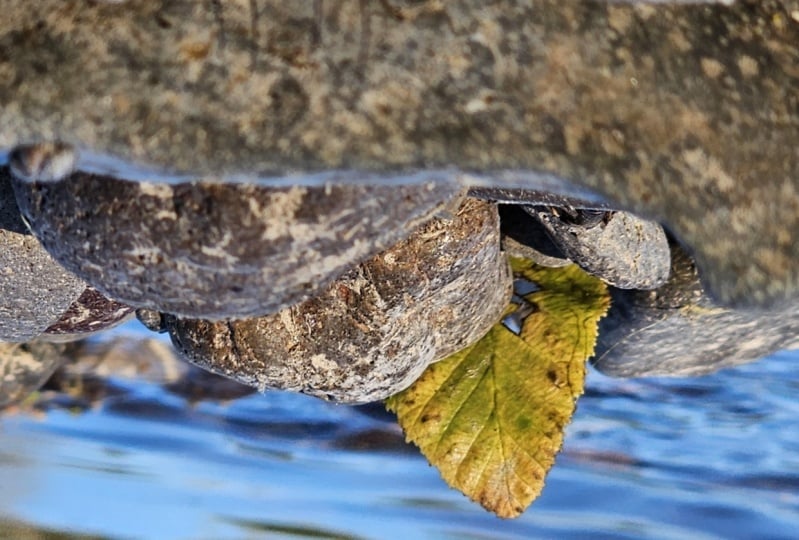
3. Seeing a Place: photographing objects around the home is convenient practice, but I found more interesting opportunities when I get out, depending on weather in the need for social distancing. Here's his city park around lunchtime, and it is so boring. But why? Let's break it down for a start. We're looking at it from standing height. This is an angle that most people are used to seeing already. Also send is almost overhead that makes the lighting very flat. Way can easily change the lighting here, but we can change the angle by raising or lowering the camera. When I was exploring, the chair tried to notice its parts instead of just the whole. So here, instead of seeing just a park, I'm trying to see a collection of things. For example, this isn't an empty field, is a wide stretch of grass. And now that I look closer, the occasional dandelion. When I got home, I looked at the time of sunset that day and arranged to be back half an hour beforehand. I found one of those Danja lines again, put my camera lens way down and moved around it to see how the lighting changed. At this angle, I couldn't see my screen very well, so I snapped extra photos about 20 and occasionally reviewed them before trying something else. By far the most interesting angles came when I was shooting almost straight into percent. Whenever possible, check the weather and planned to be on site either Hefner before dusk for happen. Our after dawn, lower angles of light will give you more variations to explore. And when the light is higher, practice learning to see by putting your camera where your I normally isn't. Then move around instead of trying to photograph the entire scene. Improve here, seeing skills but photographing different sides of one aspect at the location. It could be a small is one flower auras. Biggest one tree, but use something you could move around to practice, finding different angles as an exercise, trying to find an angle with both the brightest highlights and the deepest chatters
4. Learning to see, part 3, v1: The last technique in this class is the most important. If you want to improve your eye and you must go through the steps of taking photos from setting up to looking around to tapping the button that records an image to your smartphone , there's no getting around it. You have to tap the shutter. The more time you spend looking at something, the more you will see it. For example, a few days after I snapped that dandelion at Sunset Photo a return to the park. This time I arrived mid morning to get it. Some variety in the light. At first glance, the park hadn't changed. Grassy field blank sky, not much else going on. So as a warm up, I tried to recreate my earlier success with the dandelion, and it didn't work. But that's okay. The point was that I set up and I took a photo. I practiced looking and tapping that shutter after your warm up photos start looking around on this morning followed a path around the grassy field. So what do we have here? Well, there's some lamps, their trees, tree shadows. There's a bench coming up. Do had collected overnight and was so present in the shadows. Visually, the bench wasn't very inspiring, but I crouched down and tried it. Anyway. The path curved around to a sandy, valuable court. Sand is great for Sonny highlights in pits of shadows. So I got my camera low to the ground, away from my level. His snapped a dozen like this. Then I looked up and said he the net until I could see the details framing your radiant sky . Look temp. Repeat. So what else is here? Well, there's a rusty barbecue pit. I walked around it once and decided to capture that handle in its shadow. Framing against the sky didn't work as well as it had with a volleyball net, but it went through the motions anyway. Look, tap. Repeat. You can practice this exercise anywhere, indoors or outdoors. The best technique is to keep seeking details, the same object or location and trying angles away from your normal eye level and with different types of qualities or directions of light. Learning to see is the practice of noticing details in ordinary views that your mind takes for granted and by practice idea, mean practice. Look Tep, repeat for these photos. Great, Not really. I'm not trying to take amazing photos here trying to take photos that show ordinary things in extraordinary ways. And through that, well, practice makes progress. At first glance, the park hasn't changed. Get aggressive field in a blank sky. But here's what I saw when it went beyond that first glance. To upgrade your visual perception, you must go beyond the obvious and hunt for details. Hiding in plain sight, you must practice capturing photos with different angles and different light. Because your smartphone doesn't shoot good photos, you shoot good photos.
 Joe Gremillion