Transcripts
1. Introduction: An engineer, I've taken on projects completely from A to Z, spanning the
construction all the way to the interior design. And let me tell you something. Interior design is
always dynamic. It's always changing. What you do today might not work tomorrow or maybe
there's a new trend or a new hype that you need to implement as part of the
projects that you're working on. In this current class, we're
going to be diving into the global influences
of interior design, and we're going to be learning
about the popular styles, interior design
styles and themes which are subject to
such global influences, whether we're talking
about countries, cultures, certain elements,
all of these are important tactics which alter the interior design practice, and we're going to be tackling them in this current class.
2. Your Project: Your project for the class
revolves around creating your own unique design through the styles
that we have covered. You're going to be picking
one of the styles, applying it to a single room within your residence or a project that
you're working on. After which you're
going to be sharing your results with the rest of
the community for feedback.
3. Boho Interior Design Style: Welcome back. Kicking
things off with the Bohemian style
or the Boho style. Take a look at both
of these projects. What's the first thing
that comes to mind? They look good, yet you have
a lot of things going on. Why? Maybe from the point of view or your
own point of view, from the first insight,
it doesn't make sense. However, Boho style is
unique for the designer. It holds the identity of the
designer or your client, such that every single element has been placed to reflect
their own journey. Let me explain this even more. Take a look at the definition
of a Bohemian style or boo. Often shortened for Bo is
more than just a style. It's a free spirited, expressive design philosophy
rooted in creativity, world cultures, and
personal stories. Layer textures or examining
the characteristics with more detail for you to understand this
complex style. You have layered textures
and eclectic patterns. Boho style thrives on depth
and richness, as you can see. You have a lot of
elements going on, textures, colors,
fabrics, et cetera. Created by layering multiple
materials and patterns. Think of macrame
throws, woven rugs, embroidered cushions,
fingered curtains, velvet poofs, and atan
chairs all in one space. So we're taking
all of the style. Elements from every single
style, what we like, and we add it to our
own unique area. For example, you
like a curtain from the Victorian style or if you like something from
the nautical style, you're going to be adding it
as long as it fits within the theme and your
own personal identity and preference, it works. Patterns often mix freely. Paisleys, florals,
tribal prints, Ikat and geometric shapes. There's no strict matching. Contrast is welcome. These are some
important bullet points I wanted to share with you for you to understand the
diversity of the design. There's no one size fits all. It's driven mainly by
your own mix of culture, preferences, travels,
history, identity, what you like, what
you don't like. For example, another
characteristic is mix of cultures, plants and vintage finds. If you go for a thrift store or you go for an antique store, you find something that
you like, you buy it and you put it in
there, that's Boost. Bo and tears often
reflect global influence. You might see a Moroccan
lantern Indian poof, a Turkish Kilimrug and
African baskets in the same room drawn from various cultures,
from various countries. Furniture and decor are
often collected over time. It's a very important
piece of information. As you go for a Boho style, you expect it to be dynamic. You might get a cushion today. You might add a lantern next
month and the list goes on. This gives spaces a well
traveled, worldly feel. Plants they play a huge role. Every single Boho style design, you will find a plant here and there drawn from
different cultures, from different
environments to add in the natural element because it's a free spirited kind of design. So you are going to be adding the elements of
nature which reflect. So we do have also
especially hanging plants, oversized leafy species
like monstera and federal leaf figs
and groupings of potted greenery that brings
life and organic softness. So I'm going through all of these details with
you rather than just simply giving you the
main characteristic because it's very extensive. Like the main characteristic by itself could be quite confusing. You might have no idea
how to apply this. So I wanted to
dedicate some time to go through it line
by line with you. That way you have a
clear explanation. That's one. You're
able to visualize it. You're able to make sense of it. And most importantly, you're able to map it to your own life. That being said, we haven't the element or the
characteristic of freedom and creativity over rules which govern the Bo style. Bow design rejects
conventional design rules. You don't follow a
certain style or theme. It's uniquely yours, driven by your own insight,
experience, identity. Symmetry is optional,
formality is rare, and the focus is on
self expression. That's why at the beginning of this current lecture, I said, many understand the layout from a first person
point of view, yet the designer and the
person occupying the space, it makes perfect sense to them. It encourages storytelling
through objects. Each item can have sentimental
or cultural value. The palette can be
earthy, terracotta, mustard, olive or vibrant,
magenta, turquoise, purple. It's completely flexible,
whatever color it is. Your style? Your options. The most important
question in Boho style, does it feel like me? That's the main core
question which drives every single decision within
such a style from the rugs, from the furniture,
from the curtains, from the paint, whatever it is, it's not a matter of following a certain style because you have seen
it in a magazine. No, Boho style is simply reflected through the
eyes of the designer. If you're doing this for your
own project, very doable. It could be quite tricky
if you're doing this for a client because you have to understand boy style
quite properly. At the same time, you're able
to understand what kind of a feel that your client needs
to get from such a space.
4. Mediterranean Interior Design Style: Welcome back. Now diving into
the Mediterranean style, which is very popular,
very welcoming, very unique and
very, very timeless. If you examine these images, we're bringing history to modernization through
Mediterranean style. Let's dive into it. The Mediterranean style
draws inspiration from the coastal countries like Spain Italy, Greece and Turkey. It is characterized by light, breezy and earthy aesthetics, capturing the essence of the
sun soaked seaside living. Let's examine the
characteristics for such a delightful style. Terracotta and natural stone. Flooring and tiles often use terracota for its rustic warmth, stone walls and floors at
grounded natural feel. Take a look at both of
these images over here. What do you notice on the walls? Take a look at the
ceiling, this curvature, made up of natural stone. Also, the walls seem natural. Take a look at the
flooring as well. Take a look at the beams
covered by natural stone. You tend to find the element of natural stone to be present inside the building
and outside the building. Not to mention these
architectural beams or columns, specifically that
you tend to find, as well as the curvature
within the ceiling, which gives you the element
of an olden time, right? It's something historical. But once you add
in these elements, combining it with nature, take a look at the
window over here. You're able to see the seaside. You're able to see some
plants inside the space, some Turkish inspired rugs, for example, and subtle,
clean, flowy furniture. You're able to get the vibe that this is something
Mediterranean. This is how it looks like within those countries that
lived close to the sea and they were affected by the environment
they were living at, bringing the elements of earth and water within the space. Then you have the arched
doorways and windows. It's a key feature
that you tend to find within any Mediterranean design. Take a look at the
windows over here. You have in the arched windows. You have in the arched ceilings, also over here, also over here. So you're able to develop that keen insight
to spot them out. You have arched
doorways, windows. These are signature architectural
elements that soften the space and reflect
historical influence, wrought iron accents,
railings, chandeliers, and decorative items often feature curved
artistic ironwork. If you look closely, you're
going to be finding some sort of elements fusing with iron. Take a look at the table over here, the legs for the table. You do have an iron
also over here. For these shelves,
the vertical column, you got iron, take a look at the lighting, stealing light, the cord, as well as the hanging element is
made up from iron as well, and you're able to spot
it in this design. If you look closely,
take a look at the top. It doesn't have to
be necessarily iron, but you could use the
color of iron as well, let's say, something
which is rustic or metallic to give
that vibe as well. So you're combining
the elements of earth ron, ground, sea, plants. It's like having a
natural environment within the living space. What are the color
palettes that you tend to find with the
Mediterranean style, which combines the vibe that
you would like to achieve? You do have in the color blue, white, ochre,
terracotta, olive green, inspired by the sun,
the sea, Earth, which creates a relaxed, airy and calming ambience. So you're bringing in the
elements from outside, not just simply the seaside,
but actual earth as well. Earthy elements,
forest, trees, plants. You're combining the seaside
with the forest side, for example, together, compared
to the nautical design, we just simply focus on the sea. Mediterranean style,
you combine both in a very aesthetic appeal. And when it comes to
furniture and decor, you tend to find
white plaster walls, mainly governing the design,
as you can see over here, wooden beams and
rattan furniture, linen fabrics and
ceramic accessories. You look at the sofas.
These are linen. Also over here, you can
spot this quite clearly. And you do have in ceramic
accessories like over here, we have in this coffee table. It's made of ceramic. So these are some key features
that you're going to be finding or spotting within
the actual style or design, which is following a
Mediterranean theme. So the key takeaway from
this is you need to combine the elements
of the sea side, as well as earthy
side, the land. So we have the sand,
we got the trees, we got the air,
we got the water. And these are the
key characteristics which dictate the
Mediterranean style, specifically the arched
doorways and windows, the natural stone elements. They are almost found in every single style which is following the
Mediterranean style.
5. Zen Interior Design Style: Welcome back. Now, this is
one of my favorite design, which is basically the Japane
or the Asian inspired, also known as the zen style. Now, by definition,
this style is rooted in the traditional Japanese
and East Asian aesthetics, focusing on simplicity,
mindfulness and natural elements. It's designed to create calm, uncluttered and
meditative spaces. I like these spaces
because they fuse in nature and less clutter. Minimal furniture,
everything is quite low key, and you have in
these open spaces, which is very calm. Now, simplicity and harmony, these are one of the main
characteristics or the core characteristic
for Zen style design. Zen interiors are
minimal and intentional. Every item has a purpose
and spaces are left open to allow for natural
flow and tranquility. Take a look at both of
these projects and designs. You tend to find the
Bonsai tree over here. All the pieces of
furniture are very low compared to traditional
pieces of furniture, high ceilings, open doors, you're adding subtle
lighting as well, including natural lighting with minimal pieces of furniture. If you don't need it,
you don't get it. Nature inspired materials,
common elements include bamboo
tree, stone, wood, and natural fibers,
indoor plants or small water features like small fountains
are very popular. They may be used to enhance
connection with nature. It's very important to
have in these elements, trees, water, such as small fountains
brought into the space. Have neutral tones and soft lighting are core features within the zen style approach. The palette is often
made up of whites, grays, beiges and earthy browns. Lighting is soft and indirect to promote
a peaceful ambience. Take a look at the
lighting over here. It's very minimal. It's more natural compared to artificial. Low furniture and clean lines. This is one of the
easiest way for you to spot a zen style. Just look at the furniture. You barely have any
elevation whatsoever, right? The tables, the sofas, everything is almost
meshing with the ground. Also over here. You're able
to spot this directly. Think of floor cushions, low profile beds, and
streamlined furniture. The focus is on staying grounded literally
and figuratively. Also minimal ornamentation. Decor is kept to a minimum. We don't have all of these architectural
designs, these ornaments, these wall features, these textures fused within
the pieces of furniture. No, everything is simple. Yet you could have a
couple wall art pieces like a calligraphy scroll, a Bonsai tree or a
simple ceramic bowl, as you could see over here. And here, here's
the Bonsai tree, which basically allows your mind to rest and the
space to breathe. Less visual clutter. Less mental clutter. That's the philosophy for
a Zen inspired style.
6. Global Influences Interior Design Practice: Welcome back. Now I got for you a fun practice activity to test your interior
design skills. Up to this current
stage, we have went through multiple
styles and themes, but obviously it's not enough just simply to know about them. We need to be able to spot them, identify them based on the key characteristics
that we have covered up to this
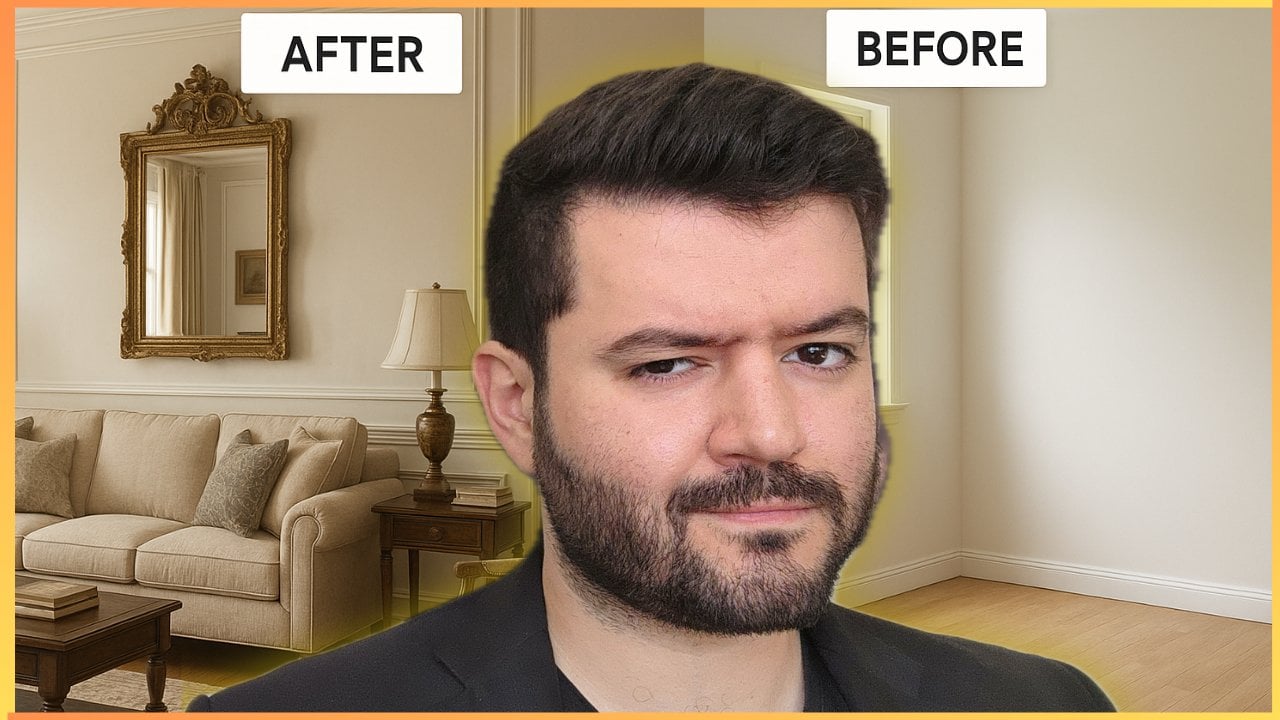
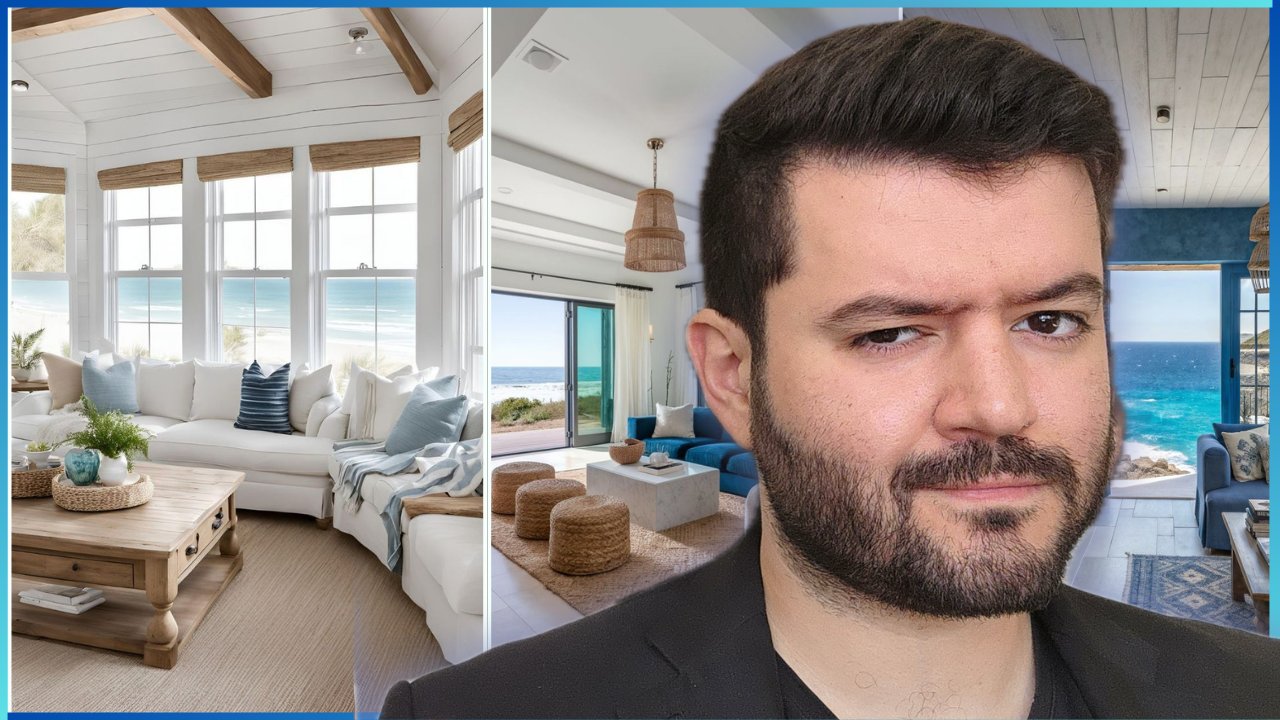
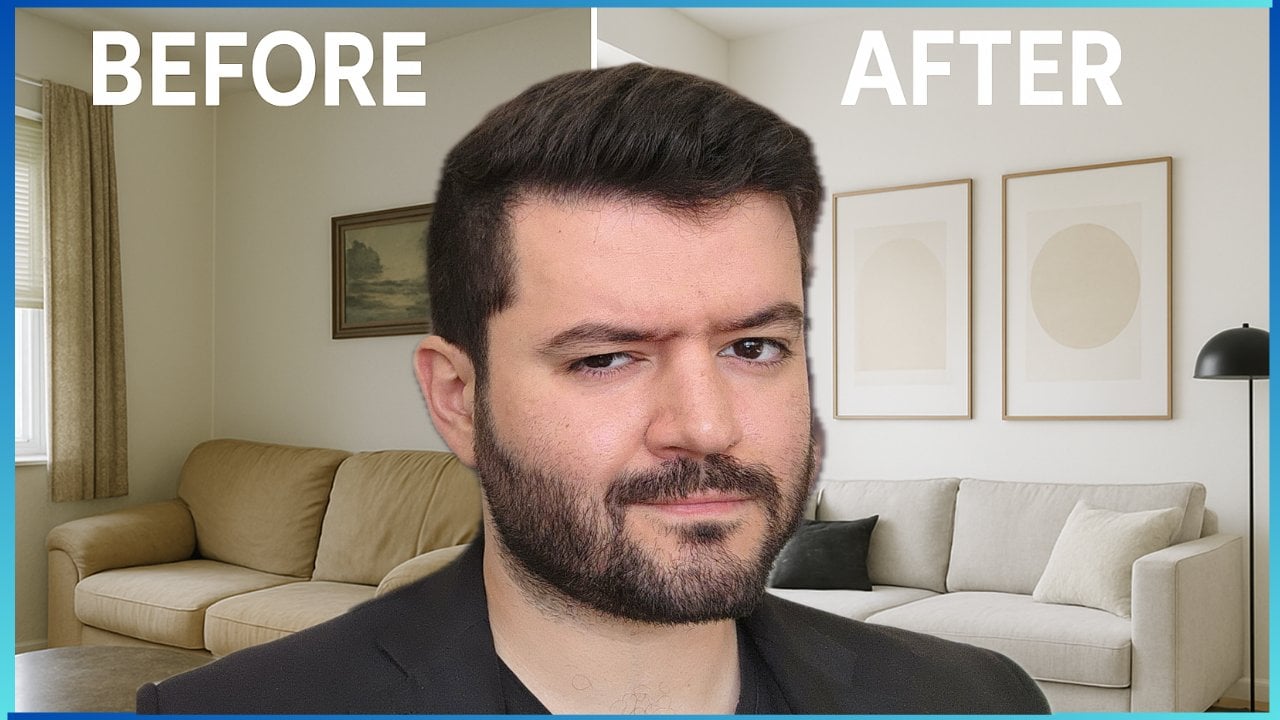
current stage. I got for you a couple images, three images to be specific. For the same living room, which has been designed using the different styles
that we have covered. And I've intentionally
made it a bit complex for you to
figure out which is which to see basically
how much you have acquired up to
this current stage from the knowledge
and expertise, which will surely help you
with your own projects. Either professionally
or if you're renovating your own home or
decorating your own home. Let's get things started. Let's take a look
at the first image over here for the
current living room. What's the first thing
that comes to mind? You might notice that you have I'm going to give
you a couple of hints, by the way, to guide you
through the process. And if you're able to pin it out directly from the beginning,
it's a job well done. Now, over here, we get to find or to see a
couple elements. Some of them, they don't
seem quite related. Like, if you take a look at
the current pillow over here, we do have a certain pattern, which seems that doesn't fit within the entire color palette. How about the um
pillows over here, we do have different shades compared to this one
over here as well. How about this basket,
which is over here? Take a look at the lighting, which seems not the first option that you would select for
such a style or design. How about the brick
walls over here? It seems out of sync
compared to other styles. We're able to pick from this that someone who has
been designing this, they do have their own
personal touch to it. They are fusing
their own elements. They're fusing their
own preferences. Probably they have visited
places and they're getting some accessories or artifacts from these places to place them. And the answer would
be Boho style. If that was your first
answer, job well done. You were able to spot it easily. Now, moving on to the next image over here, take a
look at the ceiling. We do have in the wooden beams, which clearly gives us out. How about the rounded
mirror over here? Take a look at the frames, the curvature of
the window frame. Take a look at the
texture of the wall. What does that tell you?
How about the flooring? Right? It gives off some sort of a
Mediterranean vibe, right? So it's a Mediterranean style. One of the key features
that give away, basically the frames and
the beams on the spot. If you're able to spot this out, also the flooring, as well, it gives you the
indication that we're using some sort of
stone elements, which is a unique characteristic of the Mediterranean style. And then finally, we have
over here another style. Whenever you take
a look at this, what's the first vibe
you're picking up? If it's comfort, serenity, it seems as if everything
is properly placed, not too many pieces
of furniture, not too few, just enough. The color palette seems
quite soft and comforting. If you're able to pick
this up on the spot, and this is by default, the vibe, which you need to
be getting from a Zant style. So all of these are the
exact same living room. Yet, every single
one of them has been designed using a different
theme or different style. Now, the goal from this
activity is two things. First of all, you're able to
visualize the same layout, the same space across
various themes and styles, at the same time to develop
the eyesight or let's say, the interior design eyesight, which gives you the
ability to spot styles, regardless of the places
that you're at or to understand these tiles with regard to your own clients
preferences as well.
7. Wrapping Up: So what do you think?
Ashu Bai found the class helpful if
it helped you level up your interior design knowledge
and you understood that global influence on the
interior design industry is a job well done, and I look forward to receiving your feedback on the
current class and make sure that you follow
my profile for the latest releases and updates, and I'll see you
in the next class.
 Engr. Hussein Attié, Entrepreneur I Engineer I Educator