Transcripts
1. Introduction: Hotel. Wait. Chocolate Eli. Davy seeds, Daddy fly. Obstacles will make
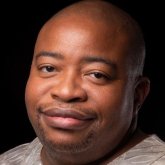
you want to cry. Go ahead, my futures. You'll be fine. Have no fear. Hello. My name is Hoso Tahane. I'm a music producer, songwriter and studio
engineer based in Listo. And in this course
today, we'll be learning all things Amapiano. It's history, how
it came together, the key elements of Amapiano, how they relate to each other. To put a song together Amapiano from the groove to the
drums to the log drum to layering with other
different sounds and structuring your song and coming up with a song that has a really
authentic Amapiano sound. By the end of the course,
you should be able to know and define the
elements of Amapiano, the key elements,
and be able to put together a basic solid
Amapiano groove.
2. What Is Amapiano?: Okay, so what is Amapiano? AMA Piano is a genre that
originates from South Africa. It is it evolved over the years out of genres
that previously existed, especially with
dejas and producers experimenting with house music, but slowing it down,
slowing the tempo down. So it gradually
evolved from that. It is taking over from
a global point of view, it's taking over and becoming
kind of mainstream music. Along with Afrobeat, I
would say Amapiano is one of the fastest rising
African genres that is being adopted by a lot
of musicians and artists worldwide in terms of incorporating
elements of Amapiano. And it originated from the townships and major
cities in South Africa, mainly Johannesburg,
Pretoria, and the like. So again, as I said, it's
characterized by a sort of house music type feel but slowed down to below 120
beats per minute. Culturally, it grew very
organically and has taken advantage of things
like social media in its growth globally. There are a lot of there's
a large element of dance to Aman piano and a lot of TikTok
challenges and the like, which went viral all over the world with these
kind of challenges. And it helped to
kind of speed up the global adoption of
Aman piano as a genre. It a large part of it as well, was the speed of its
growth was accelerated by, you know, producers trading
USB flashes and all of that. So it really has
taken advantage of the digital the growth of digital methods of spreading music to become a
global phenomenon. Within South Africa, it's widely it kind of
bridges the gap between older South African
music styles and artists, you know, such as you
know, Huma Sigue, those types of South
African township jazz that was widely well known. It takes elements of that. It takes elements of Quito, which came after that
South African jazz that was much more kind of in, I'd say, mid 90s, early 2000, just after South Africa gained
its sort of freedom. And it is firmly a youth movement that
has kind of grown organically from
those older genres. So it is very, very popular
among young people. And that's and
very much a symbol of the young South
Africa at the moment. So it is a very fast growing and very
fast rising genre of music.
3. Influence Of Amapiano: Hey, Amapiano has
really penetrated the African continent,
quite extensively. It's becoming kind of a mainstream genre
in, you know, Kenya, Tanzania, Uganda, even
Zimbabwe and Zambia. Moving up to West Africa and fusing with genres
such as Afrobeat. So it's really taking
over the continent. Global appeal has
also grown a lot with major Afrobeat
artists such as Berna Boy incorporating elements of Ama piano in his songs, elements such as the log drum
and the tempo, et cetera. So it really is
penetrating the globe. It's also a large element that has assisted
in its growth has been cross border collaborations with South African artists and producers and DJs
who also play at, you know, global
African festivals throughout not only Africa
but in Europe and in the US, in major cities all
over the world. So there's a vibrant Amapiano
culture in New York, in Los Angeles, in London, and in major cities
throughout Europe and the US. So it is really rapidly
growing across the globe. Key artists in Ama piano. I would say first is an
artist called Gabza Dismal. He is a producer, songwriter. He has kind of been in the Amapiano game a
very long time and is known as among the
originators of the music. So he's I wouldn't
say the founder, but he's among the
very first people to really do it and take
it to a global stage. He recently did a
collaboration with a philharmonic orchestra
and I'm a piano. So he really is pushing the boundaries creatively to take it to places
it hasn't been. So he's been a force in I'm at piano production
for many years. He has collaborated a lot
with another artist and DJ, DJ Mapoisa who is credited
with really commercializing Ama Piano and taking it from
levels where it was and monetizing it and making it a genre that
brings in millions. So he's involved in the
production of songs. He's involved in the
promotion of music and his association with Amapiano track guarantees that it's going to be heard globally. So I would say those
are two major, major artists in the genre. A third, who is more
on the younger side, Semi T had a huge, huge song, Laban tonama Uber, which loosely translated
in terms of slang. It means kind of
children who ride Ubers. So it was kind of a
they were talking about the younger generation
of South African people. The youth, the kind of Uber generation that don't
ride traditional taxis, but take Ubers and are more
uh are more urban in outlook. So it was kind of a slang way of saying that talking
about those type of young people and characterizing the youth of South
Africa at this time. That was a very huge, huge song. And then another
artist who I'd say, is very big is an artist
called Focalistic who, has done major
collaborations with, in fact, he's done a major
collaboration with Davido, an Afrobeat Nigerian artist
with a song called Guitar, which is a huge
seminar, Amapiano song. So there are many,
many others coming. Others known from kind of the soul and melodic
aspect of Amapiano, people like Kelvin
Momo I've heard of, who is very well known in
that musical soulful space. And then there are
others who are much more dance and
choreography driven, an artist like a female
artist GammPe who is very well known in terms of
the dancing and routines. And as I was saying earlier, another one of the
big things that has really caused Amapiano
to explode is the kind of Tik Tok
type challenges of dance routines and moves that are done that quickly
spread all over the world. And she's well known as a a key kind of choreography and
dancing type artist in the Amapiano space. So there are many
different flavors of Amapiano that are
now cropping up both from the more musical
standpoint to the more rhythmically dance
driven styles as well.
4. Genres That Influenced Amapiano: There are many several
different genres, let me say that
influence. I'm a piano. One key one is Quito, which I don't know how many
of you may have heard of, but Quito is a South
African genre that preceded I'm a piano that
was very much youth driven from the mid 90s, I would say, right through to, you know, 2010 and beyond. And it still has a very key role in key influence,
and I'm a piano. Quito originated from
DJs taking house music, global house music
and slowing the tempo down to kind of 105, one oh seven, you know, up to 110, 112 beats per minute. So then once those kind of grooves were
established at that speed, producers then would
write new music on top of those kinds of beats and would start
producing beats like that. So Ama Piano directly is
a descendant of Quito. Especially, you know,
Quito is very bass driven. It's very repetitive. And as is Ama piano, you know, the songs
can be up to six, seven, 8 minutes long. There's kind of a
hypnotic element of it that the producers want
you to get into and feel. So Quito is very much
similar in terms of its bass driven grooves. Another key genre, I'd
say is house, again, because its house has that kind of four on the
floor din din din. But just at a slightly slower
tempo that Amapiano has. Is the lob drum that
has kind of evolved. That has taken it further away from just a
pure house feel. And then I would say jazz and similar melodic structures
have really played a role, especially with the keyboards. A lot of Amapiano is very
lot of jazz type chords and intricate chord structures in terms of the melodies
that are being played. Some are very
simple, but there's a large element of kind
of electric piano, jazz type of feel being played over those types
of driving beats. So yes, the major originators, I would say of Amapiano, the founding fathers
of Ama Piano, I would say is jazz, house music and quieto
as the top three.
5. The Structure Of Amapiano: Okay, so now we can
get into the kind of structure of Ama piano
in more depth and detail. The speed of the
songs and the tempo, as I said, really,
it ranges 110-115. 110 is kind of for the
more slower, soulful vocally driven type
of I'm a piano, where 115 is the
more choreographed, tempo driven, time, I mean, time driven in
terms of the speed. A lot of the choreography
and dance and call and response is the faster they lean more
to the faster 115 BPM. So the speed is very specific around that
range of 110 to 115.
6. Chords Of Amapiano: Okay, the chords of Aman piano
are the melodic structure is they use Amapiano producers use a lot of minor keys. Keys that chord progressions
that convey emotion, more you know, they tend to
be less major and upbeat. They tend to be more
on the minor side. They can be as basic as
just one minor chord, like a C minor chord
and just variations on that C minor chord
with some inversions, but staying around the
same chord or two chords, like if it was C minor, the one and the four,
C minor and F minor, just going back and
forth between those two. So they can start
as simple as that. They go further and one common progression is
1465 in the kind of minor, let's say C minor,
F minor, A flat, and then G, and then back to
the C. So that's, you know, 1465 is a common one, or 156. So they're generally
around there. They're not primarily,
I would say the minor chord is the
kind of identity of it, as well as using the
seventh chords to just make it a bit more complicated and to have a bit
of a variety in the chords. So when putting together
the chords, I would say, one can keep it simple but
use seventh and inversions. Just to keep things interesting, especially because the
songs can tend to go on 6 minutes, 7 minutes. So there are a lot of different inversions
and things that are used as the
song is moving on to try and keep the
listener engaged. So from a chord structure, that's a key element.
7. Key Ingredient to Amapiano: Okay, so now we're
talking about one of the key Amapiano ingredients,
which is the log drum. The log drum plays a key
role because it again, I would say it's the anchor of the rhythm of an Amapiano song. It lot of times its not simply on just the
44 kind of pattern, but it's playing its own
unique kind of pattern, and it is kind of the
driving force of the song. In the structure of the song, it plays a key role in kind
of the dance part of it. Once it comes in,
people start dancing. So the log drum
is a key element. A lot of times in the
structure of Ama piano, we start with a lot of
the other instruments and the keyboards
and everything else. And then at some point towards
the three minute mark, maybe 2.5 to three minute mark, in comes the log drum for
a good extended period, then it goes out again and comes back maybe again
towards the end. So it's a key element that one needs to be very
deliberate about. The producers spend
a lot of time on it, especially the sound for it to be percussive enough to
cut through the mix, but be deep enough
to kind of have a sub type of element
that anchors the song. Other than the log drum, there's the actual beat
in terms of, you know, there's a 44 kind of kick, which in my piano
is kind of light. It doesn't really hit hard, but it's kind of a
soft bed or carpet. And then, shakers and other African percussive
elements that just keep kind of syncopated
swing type house groove going at that kind of
110 speed, 110, 115. So the groove is characterized by that 44
kick, which is light. And then with kind of
16th type of shakers, that chi chi chi with a beat like gun gun gun, a basic beat. And then percussion
and other gas and snares and other elements
coming in and out just to give variety and a good syncopation and swing
flavor to the overall beat. And then the log
drum coming in and out where one is kind of driving people
to the dance floor. So that's really the groove
element of Aman piano, the log drum and the beats.
8. Tools for Amapiano: Okay, so now that we have a general understanding
of what elements make up, I'm a piano, choosing
the tools to do it now. In terms of DAs, the most
popular and prevalent one that people seem to
use is FL Studio. Generally, with all forms of kind of dance music,
FL Studio is, among the top three all the
time in DAs that people use, and it comes with a lot
of stock sounds that are I'm a piano ready that
come with the program, such as the log drum and others. Other DAs one can
use like Ableton, I would say second to FL
Studio would be Logic Pro. Again, because if you're
trying to just get into it, it comes with a lot
of stock sounds and plug ins that are play ready that you don't
need to edit too much to really get into
and get a grip on things. My advice, especially if
you're getting started in it, and you want to kind of have that authentic groove to ground yourself in
before you move too far. I would go the route
of sample packs, which are mainly loops that you can sync to
whatever the tempo is in your Da or one shot samples that you can use to create
your own drum patterns. It's a very good
way to get started. A lot of those loops are kind of mix ready in terms
of that they've been mixed and equed to a level where they already sound
good right out of the box. I use from a website called
producer sources.com. So if you go there, you'll
find lots of sample packs that one can purchase at
quite not a huge amount, but there are also a lot of free sample packs that producers put out for their sound
to get well known. So if you don't have the finances to get
going right away in it, you can download free
sample packs that will have authentic
sounding log drums, loops, percussion elements
and everything that you need to really get going and create authentic
sounding on my piano.
9. Sound Design Of Amapiano: Okay, so we can
talk briefly about sound design with Amapiano. The log drum, most of the time, if you're not using
a sample pack and you're kind of
creating a log drum, there is a kind of percussive element of
the log drum that hits. And then there is a sub element. So a lot of times producers
will combine two bass sounds, kind of a higher frequency
one that knocks a bit more, like a un un un and then a sub underneath it
that kind of gives it a a sub deep base feeling because sometimes if you use
only one of those sounds, the sub sound won't cut
through the mix well enough because there really needs to be a percussive element
to that log drum. And the percussive element many times isn't felt with
just a sub bass. And the more higher
frequency log drums are not grounded with that sub sound to kind
of ground the song. So most of the time
producers will use two or three to combine them. So if sound design is something you're
getting into, that's something I would say, you'd make sure that you
with your log drum sounds, which there are many
that you can download, as I said, previously, but try and make sure that you have a sub
element to it that you maybe mix lower
down to kind of get a good fit combined
log drum based sound that can ground your tracks. Again, also with layering of the other instruments like the electric
piano and pads, sometimes one can use an electric piano and then even an acoustic piano
to play different fills. And then pads and sometimes even strings
and a synth lead. You know, I would say don't
go too crazy, maybe four, five instruments at the most so that it doesn't
take away from the groove. But when you have
maybe identified, let's say, five instruments, and then when you
arrange the song, they can come in
and out and you can use it to keep the song driving forward and maintain listener interest by bringing in maybe two sounds initially, and then one of them come out, and then both come out for a while, the
log drum comes in. Some other instrument comes in. So in the arrangement is where
I think roughly speaking, I would say about
five instruments will be enough because
you want to keep the groove there and
you want to keep you don't want to dilute the
groove aspect of Bian.
10. Incorporating Chants: Okay, another thing
that one can do is the incorporation
of African kind of chants and vocals samples to give your tracks an
authentic African feel. Uh especially nowadays, people mix African chants from it doesn't even necessarily
have to be South Africa. I've heard Amapiano with some Middle Eastern chants
in there with African chants from West Africa
or East Africa or Central Africa mixed with
the Amapiano grooves. So it just kind of
gives it that kind of African tribal identity, especially in
cultivating that sort of call and response
type of feeling that we want to convey in keeping the authenticity
of the Amapiano tracks. So I would welcome
vocal sampling. And again, a lot of the Amapiano sound packs have extensive vocal
chant libraries and the like that one
can use to get started.
11. Structure Of Amapiano Part 2: Okay, so the typical
structure of Ame piano, there's an intro that
starts with, you know, a few elements of the rhythm and a few elements of chords. And then it goes into
sort of the buildup. Now, the buildup maybe would
be electric piano and then beginning to introduce elements of pads and synth
leads and other items. A lot of Am piano, the songs tend to be
quite long because they're sort of dance floor
oriented dance tracks. So there'll be that intro. There'll be a buildup
in that buildup. It's kind of building
tension layer upon layer of
instrument is coming in that is kind of building
you up to a crescendo, which is kind of the big drop. A lot of times a drop is where
the tension is released, the log drum comes in. Some of these other
elements go out, and then it really becomes
a percussive dance track, which goes on for, you know, maybe a minute, 2 minutes, even at the longest. And then back to now taking
you down, a drop off, where we're now working
towards an outtro and then gradually the song so it's kind of
like a bell curve, kind of beginning, going
up the tension building, and then hitting a crescendo, where the groove
is really taking center stage and then
gradually coming down again afterwards and finishing in a more smooth type of manner. So a lot of a lot
of time is spent on that drop off
part to really craft it so that it really comes
in and has good impact. So my advice in the drop offs is to really be
creative with the log drum, because that's really
what's going to be driving your crescendo. And primarily try and avoid the just the 44 type of entry points where normally
a base would come in. That's where you
really need to be creative in the timing and the syncopation of that
log drum to kind of uh, really be varied and be very
creative in that aspect. There are other things
that one can use like brakes, four bar brakes, eight bar brakes,
where, you know, the groove stops,
and then, you know, there's a little breakdown or a sweeping kind of sound or
a huge crash that takes, like, you know, 4
bars to build up, and then Ka, then down again. So those are the kind
of elements that people use to kind of introduce different sections and to kind
of pause the beat a little bit so that people kind of reset again to go
for another 2 minutes. So, um, would be very deliberate about
things like brakes, things like sweeps
and crashes to kind of give variety to the beat so that it's not just repeating the same thing over
and over again. And to be, as I said before, selective in not bringing in every instrument all at
once, all at the same time, but build them one
by one by one, to increase tension
and build up to that main point and then
maybe the log drum comes in, and then maybe you start
introducing those elements again bit by bit as the song is
going to its conclusion. So be very deliberate about the instruments you
choose in the structure.
12. Let's Create an Amapiano track: Uh, okay. So, um, we're now ready
to start building our very own Amapiano
kind of groove. And, uh, that's what
we're going to do now. So I'm going to use a combination of some sample
packs and programming. Initially, I think
the strategy will be just get a kind
of groove together, and then from there,
program some keys, some electric piano, and then some other pads
and things to layer. And then a bass line with the log drum and
other instruments. And then once we've got all of those kind of at least
8 bars or so played, then we can go back
and arrange the song properly in terms
of the intro and, you know, different
parts of the song. Amy piano generally
would be a much longer, like, a seven minute
or eight minute song, but I don't think we'll go
that far in this video. Uh, but anyway, let's get
started with the groove. I'm going to go to
my sample pack. I have a couple. Let's do that. I'm using ProTools, by the way. Though I did say FL Studio might be the best
if you're starting out, but I've been using
ProTools for years, so I've just stuck with it. So I'm going onto my hard
drive now under oops. And then, uh, Okay, this is an MI Piano one. And then let's check drum loops. We don't really want
complete loops. We just want the elements. Okay, our BPM is 110, so let's try right in 110
and see what we can find. Um, Okay. Uh, kind of looking for okay, that's kind of like
a fill in sweep. Okay. That's quite nice. Okay, so
let's drag that in up there. Uh Okay. It's on Tempo already. Cool. That's definitely that works. Now let's try Let's
keep looking. Okay. Okay, that's good. So
that's kind of our kick. Remember I said,
kind of a soft kick. This seems like a basic four, four, four on the floor kick. So, let's put that in. Okay. Already, we've kind of got the beginnings
of a group going. Um, Okay, so let's check shakers or other
percussive elements. Um, okay. So we'll see about that one. Okay, that's a good shaker. And this is a good shaker. We can kind of
probably combine both, so I'm going to drag
both of them in. At this point, we'll
just there we go. So we've already
got a nice groove. The beginnings of a great
groove already going. I'm going to also bring in
the other shaker that I saw. Um, Let's try that one. I think it's this one. Yeah. Um, okay. So that's pretty much
I think our groove. In fact, let me just check if there any nare or
something like that. But we can either use a one shot and
program or we'll see. Let me just check here. Yeah, those are the shakers. Okay. Boss. Um I like that snare. I'm gonna bring that in. And I like that kind of vocal effect, which we can put
in at some point. Bos Bos? I think I prefer that one. It's a bit busy, but we'll
just see where we can put it. So if we play just kind
of what we have, what? What? What? You've already got
a nice screw going. What? What what's What What, we've got basically it's
like an eight bar groove. So I'm going to just
initially, sorry. Take from bar one to bar eight. In fact, bar nine because it's an eight bar loop. I'm sorry. And then just copy those
to get a basic drum going. What What What What What What? What What? That's irritating me a bit. Okay, so we've got a good groove going on my
piano already at 1:10. So now it's a question of, you know, filling it
up with instruments. I think let me start. I already kind of put
together a template in terms of instruments that I
thought could be useful. So I think electric
piano, let's start there. Um okay. Let's just play around
a bit and come up with something that we can kind of use as our base
for the melody of the song. So, um, I just turning
around to the keyboard now so that we can get
into meta programming. Okay. Right. Uh messing around for a bit. That's nice. Um let me see. Um, I'm just looking for
kind of emotional chords. Um, This is an R&B
song I wrote once, so Okay. I like that. Okay,
so it's melodic. Let's see how it
goes with the beat. Three. One, two, three. I like that a lot. Okay,
so let's put it in. It doesn't really
matter where initially, and then we'll just place it. Three, one, two, three, four. All right. So let's
quantize that. Nice. Okay. So I think that'll
be the melody of our song. And so now we want to
kind of layer it with, I just kind of put things
that I thought might work. C Claps. Okay. Let's put those in. Cool. All right. So now we've got
some claps going. Again, just quantizing. Cool. All right, so bar
one to bar five, and then I think that'll
go throughout the song. Me. Okay. Long Pad. Remember, we're looking
for things to sort of layer and sort of build the arrangement as the
song is developing. Mm hmm. So I think I'll play the same
thing as with the keyboard. One, two. Cool. Um, this I foresee kind
of being a carpet, that comes in like a bed that
comes in here and there. Nice. Um Okay. So, um, what else? Um, a bell. My solo ds. Okay. You could see this coming
in maybe in choruses. Okay. That sounds nice. Here we go. Nice. So I can see that
weaving in and out somewhere. So for the moment,
I just kind of want to get as many
things going as I can, just to kind of then
get back in a range. Let's try this base saw. Okay. Let me just go there and a lot of
these instruments, I used contact. Okay. This will kind of be a basic
I'm going to use it as a sort of basic
baseline because, remember, the log drum is our main one that's
still coming. Here we go. Two, three, Okay. Okay. Again, quantize it. Let me just here. Okay. Another key instrument in
piano is kind of a tremolo. Like, it's one note, but kind of played in a
tremolo fashion to use I got some sounds also from one hit samples from
an app called Splice, which is an AI app. I'm into AI. So it is this Synth tremolo
that I downloaded. Mm hmm. So I'd like
to put that in. I'd like to put that
in. It sounds good, and I, it's royalty free
in terms of sounds. So let's throw that
in and, uh, Okay. The tempo is 112. So using ProTools,
we're going to TCE, just to extend the loop a
bit to make it on time, like a four bar loop, a full four bar loop. Yeah, one to five. So huh. Yeah, that's a very
key sound in piano. Nice. We just copy and some. So nice. A nice groove now. Now, let
me just I think lastly, let's do the log drum. And then I think we'll
be in a position to sort of arrange it, which I'll do and then show you. Um, I had identified
a log drum sound. That's a log drum now. So we wanted to kind of
remember as we were saying, to kind of be percussive.
I think I'll do it. I'm just going to copy
so that we have a melod. So I'm basically playing
with the chords, but just trying to
vary the pattern. Here we go. Mm hmm. All right. Let's take it. Mm hmm. Okay. Let me just quantize that
first and then here. Then I'll tell you what I'm
using for the log drum. And Nice. I like that. For the log drum, I'm using this instrument here
from Producer sources. It's a VST instrument
called log drum. So it's it's fully
devoted to the log drum. It's got many Okay. And then it's got a lot of
things you can kind of change. Reverb, gain, glide. It's got an equalizer
there you can change and different
parameters you can mess with. So for example, sub. If you need that kind of deeper dub am piano vibe,
they've got you covered. Real log drums. So I just used basic
001 as the preset. But it's very good. You don't have to
construct so many. You can just kind of find a
good preset and tweak it. So that's a good
tip for a log drum. I think where we are
now, maybe just. Hang on. Okay. That's nice. That's something that's always that's
in piano a lot. Let me just put it.
I called it a s. Okay, here we go. Nice. So all of these things won't all
be playing together, but I'm just putting them all so that now we
can arrange the song. So in the next video, I will arrange the song, and then I'll arrange it and then take you through
what it is that I've done and arranged and the different parts and my
thinking behind those parts. And then also the you know, some basic mixing and
mastering and EQ things just to get the song sounding
crisp and clean. So that's the first
I'm at piano. I wouldn't just say beat but
song that we've created.
13. Mixing and Mastering Our track: Okay. So now we're back. That the track that we built
that we were building, I have arranged and
moved, you know, things about in terms of
trying to put together a structure for the song, as well as, you know, parts to kind of build up tension and release tension
and that kind of thing. So the same loops
that we were using. The only thing I
added was a string a little string section that I just wanted to
add another layer. So I guess if we
start and just play, and then I'll stop, you know, in terms of different the beginning section
would be the intro. So let's start there. So you'll see the kick hasn't come
in yet and other elements. I'm trying to sort of
build it up into the song. So still intro here. And then the kick. Remember I said not too heavy on the kick. Then another element
that tremolo voice. And then the electric piano. And the bells kind of
building bit by bit. We've also added a crash. Crash. The base saw. And then the long pad. So we're kind of
building tension. All of this is kind of
to build tension leading to kind of the drop where kind of the log drum
and everything comes in. So it's building
tension bit by bit. The Bassaw comes in and
then the long pad and just little elements bit by bit until we get to that part. So let's go back
to where we were. Now, the breakdown. Let's go back a little bit, just so you can hear that again. A little breakdown and a swell, and then in comes the log drum. What? Then also that other da da da. The kind of stab instrument. So this is called the drop
then that we're moving into. I've also added the snare
only coming in here. What What? What? What? What? What? What? What? What? What? What? Then the bell and the strings, everything is in at this point. Because we're kind
of at the crescendo. Sorry, everything is in
now because we're kind of towards the end of the
song, the crescendo. Normally, this might
go on six, 7 minutes, but for the purposes
of this demonstration, I think I made it around
5 minutes something. What What What Coming to the end of the song. So that's it. That's our piano song. You'll notice I also
everything was very dry in the previous as
we were building. So I primarily used EQ a lot
in a lot of these loops, just to kind of clean up some room so that the low end has some room to
be able to really, you know, the log drum
can kick through. So, you know, some
of these loops, they have much more low end
and I kind of cut those out. The kick, I also added I
removed just a little bit, just so it wouldn't
boom a little too much. I also added some reverb
on some of these. Added some reverb there on that one shaker actually, let me just do that. Um, This voice, I also cut some low end
and adds a bit of reverb. Basically that the claps took
most of the high end out. This kind of percussion, I removed some bottom, but not too much there, and
then added some reverb. The bell the bell as
well, remove the low end. So mainly it's just
to clean up a bit of muddiness and leave space for the bottom end
to come through. Same thing. The long pad, I added
a kind of less reverb. Strings. I used some slate lustrous
plates on the strings. The electric piano,
again, cut bottom end. I used Maserati harmonics just to give it a
bit of a bounce. What? Log drum here. I didn't want to cut much. We wanted to cut through. Uh What What? What? What? What and we didn't do too much. This wasn't like a full on mix, but we did I did do
some panning just so that every instrument kind
of has its own space. Of course, the bass and the
kick and things like that, they're right down
the middle at 12:00. And then all the
other instruments just to kind of get
good separation. I pan them across the
spectrum left and right. Um just to kind of
get a wide feel. Because this is more
of a melodic sort of feel in the track, it's, you know, there
are a lot of melodies and chords and lush kind of
changes and things like that. So, it isn't, I would say, strictly speaking, a
hardcore dance track. It would be more melodic. I could even something like
this, you know, one could, if I was carrying on to really finish the track really well, I would probably
bring in a vocalist, maybe a female vocalist
or something to write, you know, lyrics and sing them. And I probably would also
add a guitarist and, you know, playing
some rhythm guitar and guitar fills here and there. I think that would really sound nice with this kind of a song. So because it's more melodic
in feel and structure, and it's not so hardcore
in terms of dance. The mix I would probably
make would be a bit wider to really hear what's going on musically than hardcore dance, which probably one
would approach the mix a bit differently
in that kind of a setting. So again, it really just depends on the kind of field
of track that you're doing. If your drums are
kind of much more aggressive, then you know, the lyrics most likely
for something like that, I would kind of be more chanting and call and
response type, very simple. You know, the lead kind of
sing or sing something, and then the group
sings it back to the. So there isn't too
much in the way of, um this kind of a song
I would add much more, I think, lyrical content than a hardcore dance
choreography type of a song. So that's really why I have
approached the mixing and the EQs and things like this with reverb and all
that to create depth. And so the song kind of
feels big and wide and lush. Then in terms of just doing a quick
mastering thing because I wanted
everything just to be, you know, clear and audible. Ah. What? What? What? Okay, now that
everything is on, the Some of the shakers, I don't want them to
kind of feel too sharp. So I'm just kind of
reducing the low end a bit. Uh, maybe even the
levels, a touch. Um I think I might even add a second reverb, which There we go. One reverb is this here, and then the second one
is verb sweet classics. Then turn them down,
especially the second one. Let's see how it What What? What? What? What? What What What What what What What What what? What? What? So, that's really
the whole track. And I've kind of showed
you how I built it and gone through the
arranging aspects of it, and then just some
basic EQ panning, just to sweeten it up a bit and make it sound
kind of melodic and lush. So, uh, that's the track, and I look forward to I guess you'll hear it at the end of the finished track at
the end of the video. But I would very much I'm very much looking
forward to hearing some of your tracks that you've done. You know, and even collaborating
with maybe a vocalist who might have an idea with
something like this that we can see how to engage
and make that work. So anyway, this is the Amapiano track that
we've built for this lesson.
14. Class Project: For your class project, I'd
like you to put together your own Amapiano track from
the groove to the log drum, to the keys and the melody, put it all together, arrange it, and send it to me below.
 Khotso Thahane, Musician