Transcripts
1. Welcome!: From this to this
to this to this, and to this, all use
mysteries and ciphers. Nice. Want to write
secret message like in mysteries and scape rooms
or in your journaling. Today, I teach you three
ciphers, three classic methods. Easy to learn, fun for
stories and puzzles. Oh, welcome. Thanks for coming. I was waiting for you. To make it fun, I've turned this class
into a mystery case. I have invited you here in the creative detectives flat
to solve our clients' cases. Miss Jade, who is a writer, has asked us to create a
coded message for her story. I ask, Miss Jade, miss Jade, which of these four types
of stories or movies or writers do you like
Donge and Yangon. A series of unfortunate
events and national treasure the Imitation Game and Gravity Falls or Edgar Allan
Poe and Sherlock Holmes. Miss Jade chose
Donge and Yangon, so that gave me a hint. That Miss Jade prefers
transpositional algorithms. I'm Haddis Maliki and
accepted this case with a background in
computer engineering and storytelling in animation. I think we together, can solve the cases
of these clients. Ready to solve this
case together, let's dive into the world
of mystery ciphers. Let's solve our case for today.
2. Warrior Massage in Rail Fence: I once upon a time, a city was under a spell. Creativity was locked away. Citizens were
searching for the key and only a brave
warrior had the key. But how to reveal
its hiding place, which was Blue Lake
without alerting enemies. Brave Warrier found his weapon. He looked at the zigzag
pattern of the rail fence. His weapon, yes,
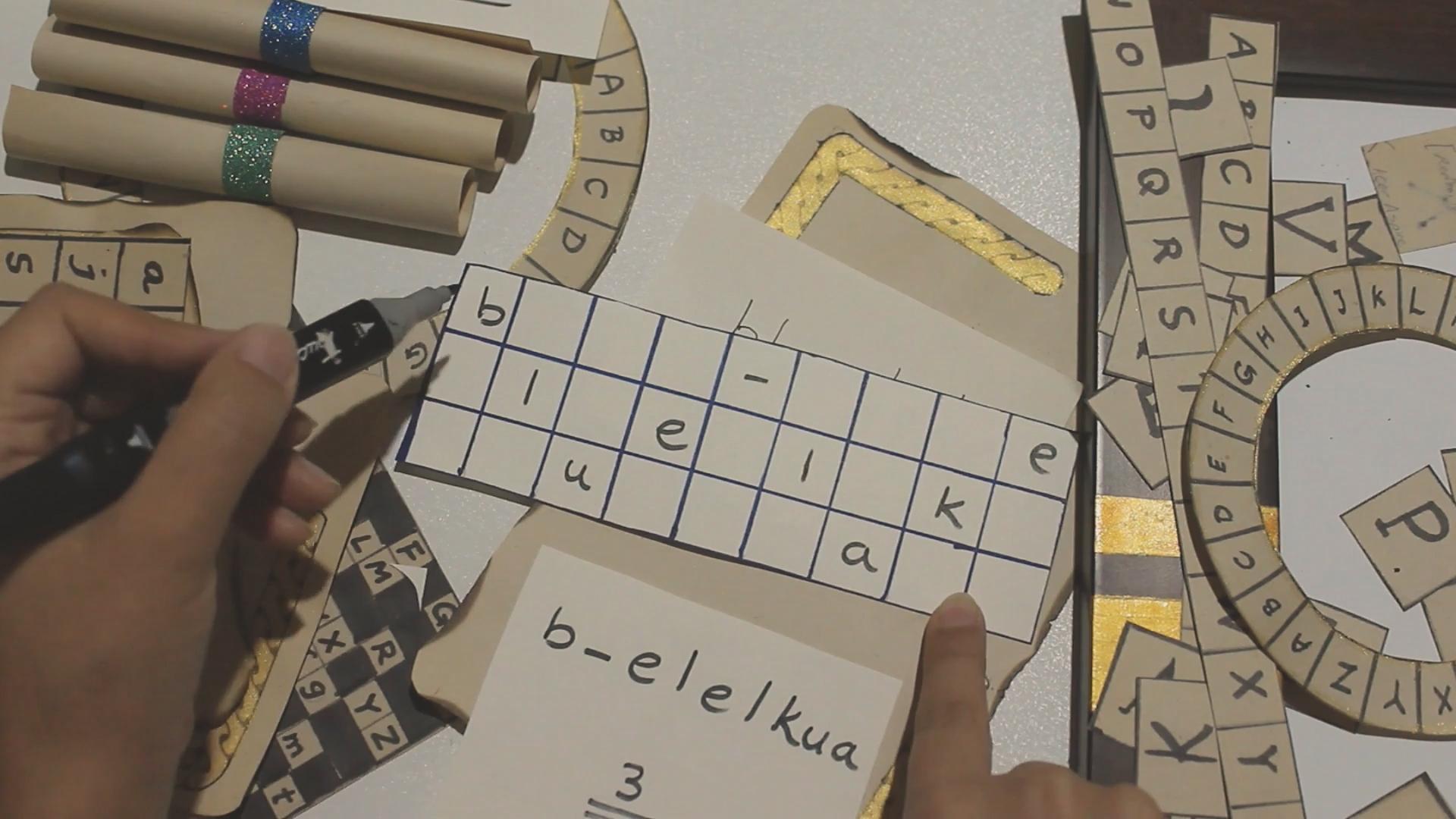
rail fence cipher. Let's crack it together. Our message Blue Lake. Now we need a shared key, a number for rows,
for example, three. With a key of three,
you arrange the letters in a zig zag rows like
the patterns of a fence. Start at top, B down to L U, up to E, and so
on for Blue lake. What do you notice? It's a
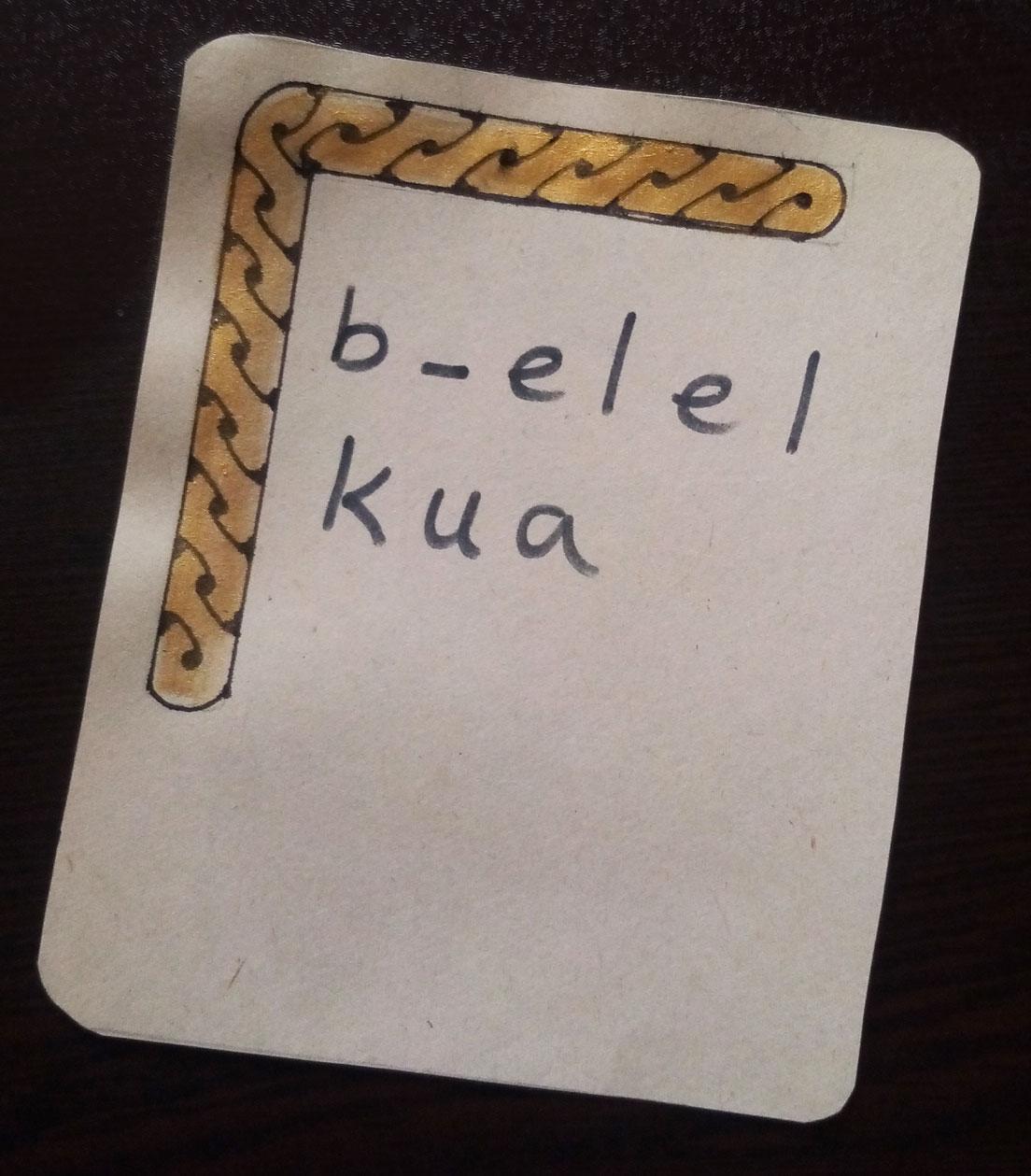
wavy pattern to encrypt, read row by row. First, row B, space,
use a dash for it. Our cipher is this, B dash Elka scrambled
and secure. To decode, receivers
use the same key, rebuild the zigzag
and read diagonally. What if the key was four? Yes, with zigzag across
four rows instead. More rows, deeper
zigzags, try it. Rail fence is part of a
bigger family Route ciphers. Instead of zigzag, the
pad can be a spirol, snake, or any route you choose. If you are curious, search it up and share what you find in the
discussion part. And the fun twist, if you love decorating
messages with patterns or aging papers
for that vintage vibe, check out my JJmjar section
on my sketcher channel. Now your challenge. Pick a message.
What's your message? Choose a key, use key tree or experiment
with other numbers, and hide it with rail fence. Post it in the project gallery, I'd love to see your codes. Excited for more. Next up, black Cipher. Let's build on this.
3. Light and Detectives: Block: Once upon a time in
a city of secrets, there live creative detectives. They believe that clarity in
life comes from creating, but how to share
their secret message? The creative detectives. Drum roll enter
the black cipher, a transposition trick that rearranges letters and
agreed for ultimate mystery. Like our previous ciphers, we just shuffle positions, no substitutions, just
transposition. We need a key. Here it is light, a word only sender
and receiver shape. Since light has five letters, we make five columns. Right light at the
top of columns. Now fill the grid
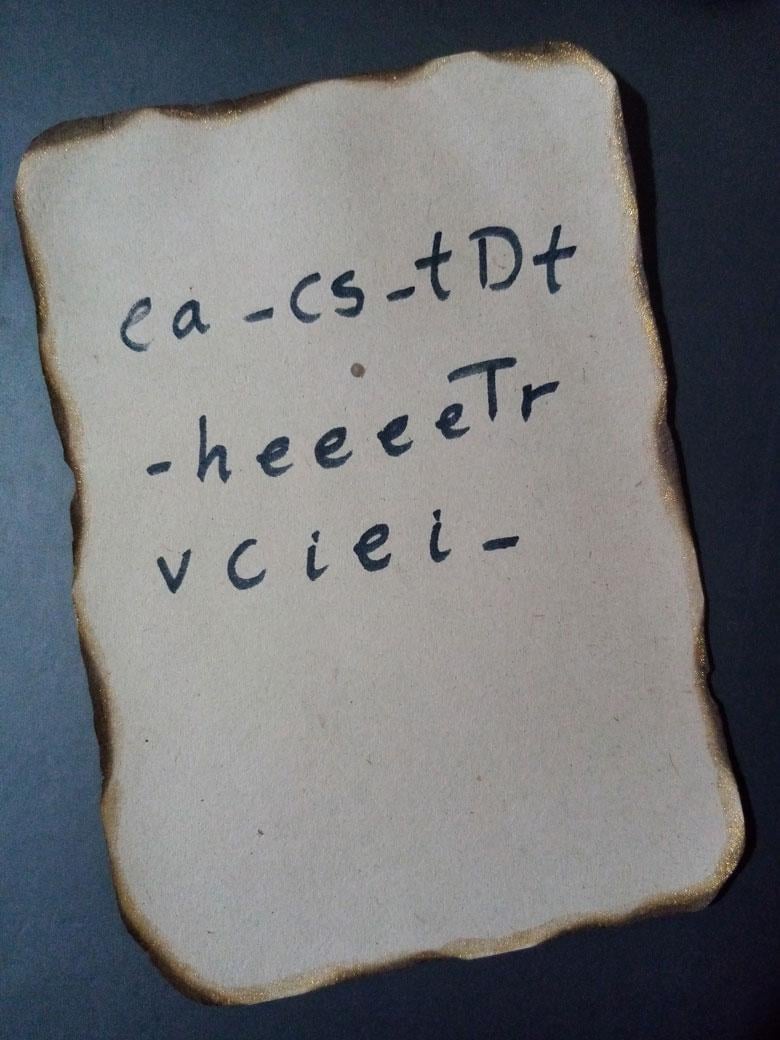
with the message row by row, the creative detectives, T H E four space, C, E a, TI, and so on down to the end. To encrypt order columns by
the keys alphabet position, LIGHT, which becomes
four, three, one, 25. Now we read down based on
new order column by column. The result looks strange, a blank, Cs, and so on. That's our cipher
text, to anyone else. Nonsense. To the receiver who has the keyword
perfectly clear. To decode, the receiver
also write five columns, rearranges them
with the key light, and then reads row by row. That's why the keyword is vital. Sender and receiver
must share it. Hadis, why talk
about deciphering? Because in fiction,
sometimes you want to show how the message is
revealed in cryptography, both directions, cipher and decipher
are equally important. What about your project? Have no ideas? Okay, I suggest you
encrypt this message. Unlock creativity
with this key, shine. Come to the next lesson
to get a bird's eye view.
4. Physician in a Palace: Scytale: Imagine you're a clever
physician trapped in a palace, desperate to save a
sick child outside. How you send out a
sacred prescription. Let's try. Once upon a time, a child was sick. In the palace, the wise
physician wanted to help, but she could not
leave the gates. She had to send this
message to the parents, but how without being caught? The message is ginger
and milk for three days. She found a bottle. The parents had the
same bottle at home. She scribbles her cue
on a strip of paper, but how to hide it? She wraps paper around the
simple bottle like this. Then she writes one letter at
a time across the stripes, G I N G, then goes down to the next row, ER and goes on. Unwrap it now. What do you see? A jumbled mess?
That's the magic, unrecognizable to the gates. But when parents wrap it
again on the same bottle, it becomes clear, right? For the parents to decode, they need the same bottle. These shared objects here, the bottle is the key. Both sender and
receiver need it. In cryptography, the key is the secret only the
two sides share. This method called
the Skitalicipher, is one of the oldest in history. It even appears in TV dramas
like Donge and Yangom. Eskiali or as I have
seen some pronounce it, SkyTaeT is a Greek word. I read some paper
that some researchers even proposed using Ruby
cube instead of a bottle. Imagine wrapping your
secret around that. If you're interested
in that paper, let me know in the
discussion part. So here's your project. Cut a strip of paper, find any roll or
bottle you have, and try this cipher
yourself. Post your project. I'd love to see your
secret messages. See and there next part.
5. All were transpositional: Three ancient ciphers,
one modern mystery. Let's connect them all to
protect miss Jade's secret. All right, Detective, by now, you've practiced three classical
transposition ciphers, skital wraps, railen zigzags,
black cipher shuffles. All of them hide messages by simply changing the
position of letters, no substitutions, no
symbols, just rearrangement. In each case, the
secret is the key, something only sender
and receiver share. But what if an outsider
tries to break the code? Since the leaders
themselves don't change, frequency analysis won't help. Instead, they rely on a
method called brute force. That means testing every
possible arrangement. But of course, for
long messages, only a computer can
handle that, right? You can make it
more complicated. You can even combine
these methods, run a block cipher twice or
mix skitaly with rail fence. Each layers make the
puzzle harder to crack. Now it's your turn. Use one or all three of these algorithms to
hide a secret message. I've prepared a template you
can download and filling. Post your cipher in
the project gallery, and if you try decorating your paper or aging it even
better, see you there. Please also leave
a quick review, the str writing,
and a few words. It really helps me to
make my classes better. It helps other students to
choose whether to enter this class or not and keeps
the detective cases going. Next, we'll deliver
this message to our clients and in future
cases like Mr. Glitters, we'll explore
substitution ciphers and frequency analysis.
6. Next Meeting: Uh Thank you very much for accepting my invitation
and that you came here today to creative
Detective Room. It was an honor for me to
be with you and congrats. You learn a new skill with
very interesting applications. By the way, some
of you asked how to add these decorations
to your papers. If you are interested, I have
some recorded sessions in the juju Jar room
that I teach how to add these decorations
to papers or another session that I
teach how to age papers. Also, here I invite
you to come again to creative Detective Lab to solve our three other clients cases. I hope you accept my invitation, and I see you soon. Thank you.
 Hadis Malekie, Detective in C4C Flat