Transcripts
1. Welcome: This is an introductory
course for people interested in becoming
directors of photography. Hi, I'm pure water, which we're always
making my first movies. I was my own cinematographer, editor and sometimes an actor. This is me in 2004 shooting first independent short
film with my friends. And here it's me
again on the set of my first feature that was
produced by comma close. Now it's 2022, and this film is premiering
at film festivals. So over the years, I learned that your
growth as a filmmaker will be much quicker if
you'll get your basics right. That's why I've come up with the series of courses
that are going to teach you the fundamentals of
cinematography one by one. In this particular course, we are going to talk about
what it means to tell the story through the eyes
of your main character. Now, you know that
your audience wants to be engaged in your
character's journey, right? They want to vote for him, share his victories, and empathize with
him when he's down. You can help them
to be closer to the character with
your cinematograph. In this class, I'll show you three techniques that will let your audience
experienced the story through your main character. To give you the
practical examples, I'm going to analyze scenes
from two of my movies, both of which were beautifully
shot by Nicolas via guess. The first one, normal
people has been awarded for cinematography at camera in each International
Film Festival. And the other one, Mother Earth, was awarded by Locarno
International Film Festival. I'm super proud of this
award since Sukarno is one of ten most important film
festivals in the world. So we add, hopefully,
see you in the class.
2. Subjectivity is King: Thank you for taking my class. Please remember that at
anytime you can speed up or slow down to less
than tempo if you want. I usually watch lectures
with 1.5 speed. However, during this classes, I will be showing
you examples, seeds. If you choose to speed up or
slow down the lesson tempo, just remember to turn
it back to normal whenever you will be
washing the example since. So let's start the course by defining who is the
director of photography. More cinematographer or
director of photography, who is sometimes
shortened to DP or DOP, is the person responsible for photographing or
recording of a film, television production,
music video, or other live-action piece. The cinematographer is
the chief of the camera and light crews and
would normally be responsible for making artistic
and technical decisions related to the image and
for selecting the camera, film, stock, lenses,
filters, etc. This study and practice of this field is referred
to as cinematograph. Are we going to use the
term cinema photography and videography interchangeably? So, videography is simply the production of video from conception to the final product. Generally in small scale, ranging from a team of
a few individuals to a single person who does everything from shooting
the video to editing. In recent times,
mainly because of the advancements
in video capture and video editing technology, the line between cinematography and videography has blurred. Many videographers
have begun calling themselves cinema and rafters. For me personally,
it's more about the mindset than the technology. If the guy is purposeful in his approach
to visual storytelling, I don't care what kind of
technology he is using. It doesn't matter if
the footage is for the cinema TV or it's meant to be streamed on the Internet. So being purposeful in
telling the story is what separates camera men from
directors of photography. Now, this purpose
or intention has to come from someone that is overseeing every
other department. That person is the
director of the movie. The director of photography
is a subordinate of the director task with
capturing a scene with accordance with
director's vision. Now, relations between
the cinematographer and the director may vary. In some instances, the
director will allow the cinematographer a complete independence,
while in other, the director will
allow little to none, even going as far as to specify exact camera placement
and ligands selection. Now, the director will typically convey to the cinematographer
what is wanted from a scene visually and allow the cinematographer
some leverage in achieving that effect. When you are preparing
to shoot a scene, the most important information
that a cinematographer can receive from the director is who is the main
character here. This decision alone will impact every choice
you will make while shooting your
camera should adopt a point of view
of the main hero. Is that simple, yet there are many creative paths that you
can approach this challenge. In this short course, we are going to talk about
the most important ones. Now, in many movies, there is only one protagonist and it's fairly easy to figure out who's the point of view
that we need to adapt. However, there are a
lot of films that were, the perspective may
change in every scene. This kind of films are
called plot driven. If you want to find
out more about the difference between
character-driven or plot driven films. You can check out this course
where I analyze arrival, but please do it after. You've watched this
one till the end. So the most important thing here is that you
need to think about whose perception the
camera is going to emulate before you're
going to shoot the scene. And if you're not sure, you need to ask the
director about it. Throughout the years, I heard different versions of this
question like, who's the hero? Or which character is the
most important in the scene? Or there is my favorite one. What does the scene about? It's basically the
same question. And as I said before, usually you'll have one main
character who is going to be the protagonist of the
story and the camera is going to follow his
or her perception. Just to show you what I mean, Let's watch a scene
from my film, normal people is the one
of the short films I made when I was a student of Polish national
films called inward. It's the one that receives the cinematography award
at comedy much, I quote, a world famous
festival dedicated to the celebration of
the cinematography and recognition of
cinematographers. End of quote. We're going to watch the first scene
from that film. While you will be
watching the scene, ask yourself Who the main
protagonist here is? Local. So you've seen the scene, right? Pretty obvious. The prisoner is the hero, right? Even though you don't really see his face clearly
from the beginning, you can tell that the
camera is following him. You can tell that you see the
world with his eyes, right? These are all decisions
that we had to make in order for you to
adapt his point of view. Now, there are many ways you could have
achieved this effect. You don't really have to
have this moving camera, or you can show his face
from the beginning. In the next lecture, we are going to discuss a more traditional way of
introducing the main character. See you there.
3. Textbook Character Introduction: In a previous lecture, the character was
introduced with a bit of a mystery and not
showing the character right away is a nice way of sparking curiosity and audience. Me and my cinematographer
wanted to introduce this character
by his circumstances. We showed the first that
he is in some kind of correctional facility and then we properly introduced him. Now, you don't really
have to do it like that. In this lecture, I'm
going to show you the beginning of a different
film is Mother Earth. In this one, we introduced our main character in
a very textbook way. Let's watch the first
scene of Mother Earth. Dot, dot, dot, my tick. Tick. Magic. Magic will be a setup. Now, as you've noticed, the boy is our main hero. We begin with our
character present in the frame when he
wakes up, he's alone. So we will naturally find him in the frame and consider
him the most important. When he stands up, even though he is in the shadow, his presence is still
very strong in the frame. And when he moves
towards the window, the camera moves with him. These are very clear indications that here's our main hero, even though we introduced this rather unusual the shot of the hand mark on a glass
and the boy left the frame. We still feel his presence in the proximity of the camera. Then the scene ends with a boy running outside
through the window, now showing the fading mark
of the hand on the glass. A way to highlight the boy
connection to the nature, which is a major
theme in the film. As I said before, we introduced this theme, but we were still not losing
the attention on the boy. When you were
watching the mark on the palm fading on a glass, you could hear him dressing
up and alarming his father. And then the scene ends when you see him running outside
through the window. So even though the camera
doesn't see the boy, we, the audience still remain
focused on the main hero. I would say that my first
advice Is the focus, viewers attention
on the protagonist is to begin the scene with him and then end the
scene with him as well. In this scene, the boy woke
up alone at the beginning, and then it ends up when we
see him running outside. In the previous
film, normal people. The scene begins with a
character walking through the prison and it ends when he is exiting
the visiting room. So this is the first technique. Begin the scene with your main hero and end the
scene with him as well. In the middle of the scene, you have some time to focus on the
character's perception. To really show the world with
his eyes in Mother Earth. It was the hand on the glass. So by observing the
fading mark on the glass, we are inside the boy's mind. He's alarmed that it's too cold outside and he wants
to save the trees. We learn the specifics
of what happened from the conversation with
his father later in the film, that they failed in saving
the trees from the coal. After this conversation,
the first act is complete. Now, you don't have to expose
all the information to the audience right away when you're telling
the story visually, you are communicating
with your audience. Unconscious mind. They don't have to know
all the facts right away. When we begin the story. The most important thing
is to give the audience a clear picture who is the
most important character. In the next lecture, we're going to talk about
maintaining that focus on the character throughout the whole phil. See you there.
4. Visualizing Your Character's Perception: In the previous scene, we had a little introduction of presenting the character's
perception to the audience. It was the fading
hand on the glass. Your job as a storyteller
is to maintain the focus on the main hero
by a variety of means. My second advice is to mimic the character's
perception with the camera. The example of the hand on
the glass is very abstract. Ideas like that should come from the director himself or
from the Screenplay. You really have to
know exactly what is the story about to come up
with something like that. But the character's
perception can be expressed by simpler
moons as well. Let's look at another
scene from Mother Earth. Now, I know that I'm showing you the scenes without context, but in this course we are focusing on visually
expressing who the main character is
and the contexts is not really irrelevant as long as you know who the main
hero of the film is, which is the boy. So let's watch the scene and serve others. Moving in them,
those that are sick, my mom and muddle batches.
We have executed. We should Mason you play a
view at your shelf, cool. Those meta, your mouth. We have the convenience of it. Was at them next as we start
moving us to CJ's pagoda. You always can you
stick your thumb, you don't want to go. So right off the bat, the first rule of
subjective storytelling. We have begun the scene
with a boy in the frame. And then we also ended the
scene with the close-up when he's confused about the wound that he
has on his neck. This is a strong indication
that he is the main hero. But the middle of the scene. There is another way of
expressing his perception. We have begun the scene thinking that he's
alone in the room. We, the audience members notice the father in the same
moment that the boy does. It's another way
of expressing that the camera is following
the boys perception. So this is my second advice of telling the story
by the main character. Always follow his perception. If he notices something,
notice it within. Now, just as a
creative exercise, Let's imagine this scene
from the perspective of the Father as if he
is the main hero. So maybe let's begin
in his bedroom. He's there. He couldn't sleep because he's waiting for
his son to come back. And he eventually goes to
his son's room and sit down. The house is still quiet. And then we have a
little leap forward in time and he's
almost asleep in the chair when he
hears something and it's his son coming
in through the window, the sun doesn't notice him at all and starts and dressing. And he finally
breaks the silence and asks to hear the trees. It would be a completely
different scene, a completely different story. So I, hopefully,
you can see the, the perspective of the
camera is very important and a decision like this
can change the whole film. Now, in the next lecture, we are going to talk about your creativity in looking for the character's perception. What questions to ask your director to come up with all sorts of interesting ideas. See you there.
5. Be Subjective - Don't be Exact: You have to be creative
when you're looking for ways of expressing your
character's point of view. Your camera is showing the audience How's
he sees the world. You have many ways to express it by using the composition, camera movement,
color, and light. I have a class that focuses on looking for the style of your
film that you can watch. After this, it's called the
art of visual storytelling. It focuses on the tools that you have available to express
his point of view. However, the most
important thing is to know the underlying intention that your camera should
uncover in the sea. That way you know how
to use these tools. E.g. you can express exactly the opposite meaning that the action in
the script suggests. Let's watch another
scene from Mother Earth. It's a celebration. The sun has finally successfully satisfied
his father ambition. For the first time. He helped him with
the family business. So let's watch the
celebration and try to guess what is the story
that the camera is styling. So you've seen the scene and you clearly see that even though the boys seems to be IP,
he's suffering inside. And that was the
intention behind shooting this seem that way. As you've seen me and my
DOP, Nicolas via guest, decided to place
the camera outside, which was a major move
that changed everything. Because we were outside, we could feel the rain, which helped us to
build the mood. Also because we were outside, we don't hear the dialogue which in this case would clutter and abstract or what
we wanted to show. And finally, we have the camera movement that is following the father when
he's going to sleep, and then comes back to the kid when he is
alone in the kitchen. Then we cut to the scars
on the kid's arms and begin the sequence of
the culmination shooting the scene this way showed
us that the boy is not really happy with
what he has just done. As a director, I could have used many different
methods to show this. We could have the
camera inside and tell the actor was playing the
boy to pause for a moment. So we see that
something is wrong. It would be expressed in actin. This would be the generic way of showing the
character's emotion. It would be a different film. Me and my DOP decided
to do with this way. I think it's more inventive. Cinema, after all,
is a visual art. Every time I can express an emotion without
doing it by acting. I tried to take
those opportunities. Ultimately, I think that
this is the factor that the size if your film is
a piece of cinema or not. So to sum it up, I would say that my
third advice is to be inventive in expressing the
character's point of view. So the difference between
the cameraman and director of photography comes down to the thought process. If you use these
three techniques, you will be able to step
out of the box. If you can. One, identify the character
and begin the scene with him and end the
scene with him as well. If you can, to stick to
this, to his perception. And number three, identify the underlying intention of the scene and show it
in a creative way. Then you are a true storyteller. I guy like this is a treasurer in pre-production
and onset as well.
6. Class Project: For your class project, I want you to find the first scene of the
film you like on YouTube. Nowadays, it's easy to find. Scenes from the films
is not a problem. Just type the first
scene from the film, then insert the title
and you'll find it. Then. Imagine the same scene from the perspective of
a different character. Character. So your job is
to change the main hero. As your project. I want you to write, what would that look like? If you know how to write
screenplay format, then great, you can write
it as a screenplay. If you don't know how
to write screenplays, you can write it as if
it would be a novel. So as an example, let's use the first scene
of my film, Mother Earth. It would be obviously the
father's perspective. So let's say that
he's woken up by his son screaming that the
temperature is below zero. He follows his son outside, not because he cares
about the Old Orchard, but to give him the code so he doesn't get
sick, and so on. So you really can have your
imagination run wild here. Because the goal of
the exercise is to use two of the techniques
that I told you about me. To begin with the hero, end-to-end with the hero. And the other one
was to stick to this heroes
perception of events. The third technique is
not really obligatory. Not every time you
are able to figure out an impressive
visual metaphor, some scenes need to be
told in a basic way. And that's totally fine. If you can find a compelling
visual metaphor in few scenes in the
entirety of your movie. It's enough to give it a, you know, your
personal signature. So describe the scene
and attached the link to the scene on YouTube so
others can watch it as well. I'll give feedback to every scene that is
going to be posted. And if you're still not sure, I will be posting my
own project as well. So you know what to do.
7. Good Luck!: Thanks for taking my class. I hope it was inspiring. Now please consider making
a review of the course. I noticed that one
of 60 students ranks the course and even less
of you post the projects. Please be the one who makes an effort and review the course. It keeps me motivated
to create more classes. Especially that
there are lots of nuances to the techniques I
told you about in this class. E.g. it's easier to identify who the main hero is if you're
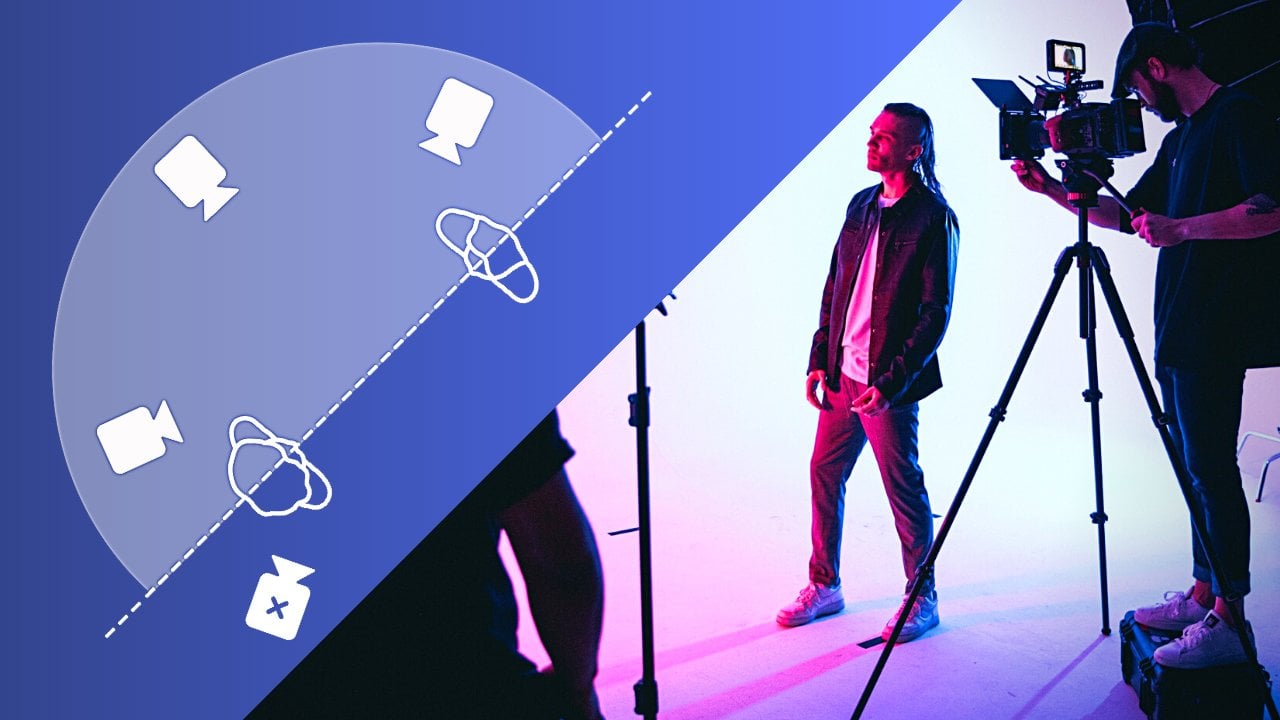
obeying the 180-degree rule, is a rule that is basically
a guideline regarding the on-screen
spatial relationship between the characters. This rule helps you to create a reliable space in the scene. So if you're struggling
with something or you have other ideas for the
courses, just let me know. Now, the best way to check
out my courses is my website. I encourage you to check
it out since I'm on different platforms and this
site is always up-to-date. Now, my courses
are fully modular, which means that
you can watch them separately in any
order you like. But if you would like to
see the suggested order, you can find it on
my website as well. Thank you so much for taking my class and
see you soon. Bye bye.
 Piotr Złotorowicz, Screenwriter & Director